
Quirky Acts With Boosts
We all have little quirks that sneak into our day. They feel small, almost forgettable, yet they bring their own kind of comfort. The hum of repetition, the calm of a familiar gesture—sometimes those details do more than just fill time. They may actually nudge your body and mind in helpful directions. Let’s take a closer look at 20 weird habits you didn't know were actually good for you.

1. Sniffing Books
Sliding your nose between book pages might look eccentric, but did you know the scent of old or freshly printed paper can soothe nerves? The aroma could evoke comfort or nostalgia, which may lower stress. Odd in public; grounded in private.
 Ever Thought Why We Sniff Books Before Reading it? by United We Care
2. Talking To Yourself
Speaking thoughts out loud may help the brain engage with information in a different way. This habit might support memory because you vocalize details, which helps you remember better later. It may also aid problem-solving or help one regulate their emotions. Heard of a self-peep talk? Do it often!

3. Singing In The Shower
Singing on its own may strengthen lungs and release mood-boosting endorphins. Add the relaxation of a shower, and the combo could enhance stress relief and mental alertness. That may explain why many people find shower singing to be a little self-care ritual.

4. Fidgeting
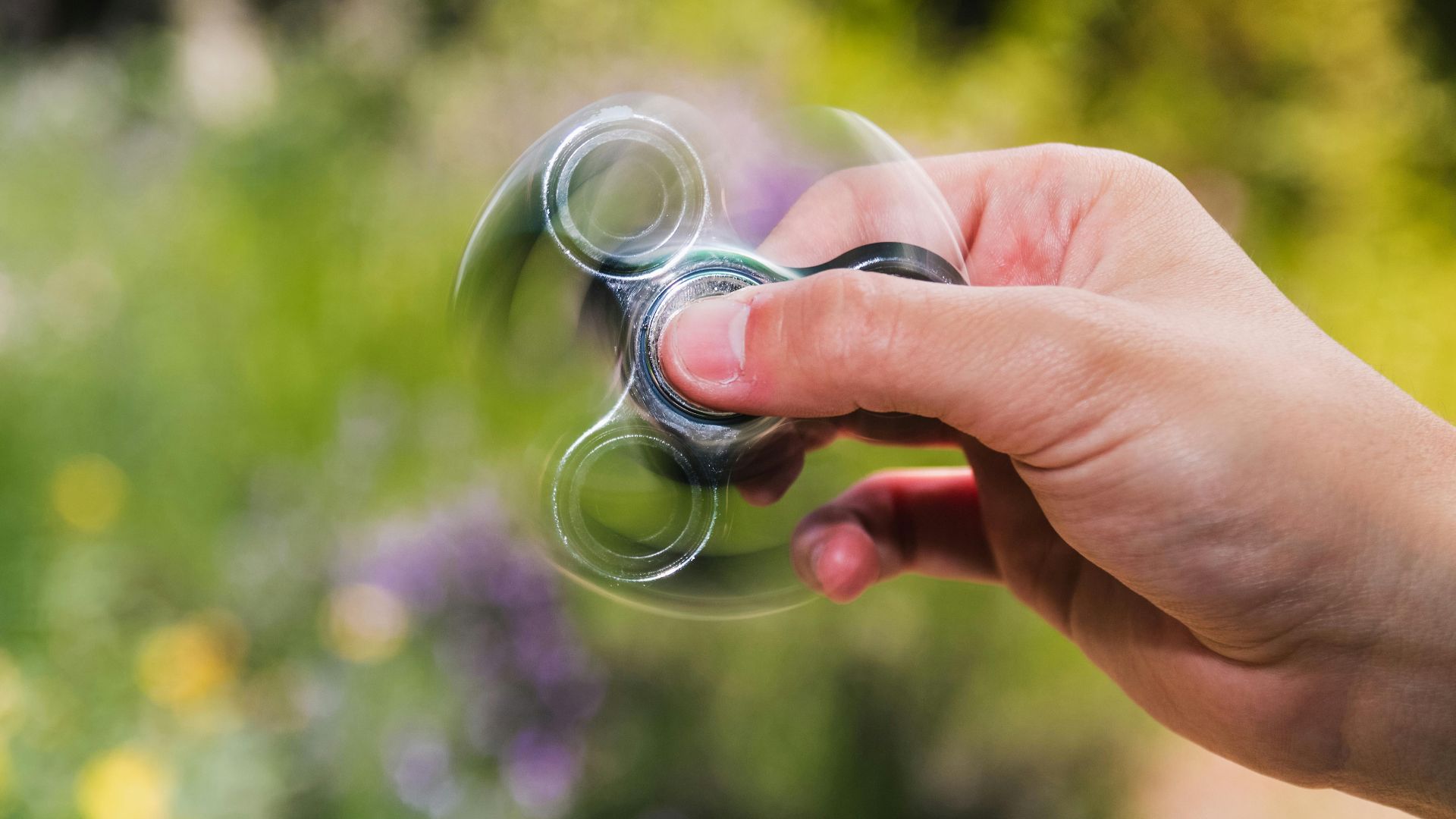
Fidgeting appears to be restlessness, but you see, those small movements as you sit could help with blood flow and possibly prevent vascular issues. For some, fidgeting may even improve focus, particularly among people with ADHD. It’s a habit that isn’t always a bad one.
5. Talking To Mirrors
Speaking to your own reflection may appear unsettling. But mirror talk can reinforce confidence and regulate emotions. Saying affirmations aloud might sharpen focus or calm anxiety. It feels unusual for sure, yet it turns an everyday object into a tool for self-check-ins.

6. Standing While Working
In most offices, people spend hours seated. Then there’s you, standing while you work. Others may find it unusual, but it can support posture, reduce back strain, and sometimes lift productivity—a habit even past leaders, including Winston Churchill, were known to practice.

7. Biting Into Lemons
People use lemons in recipes, but biting into them is rare. But if your palate can accommodate it, do it because that sour punch of lemon might do more than wake up your taste buds. Packed with vitamin C and antioxidants, they may help immunity and aid digestion.

8. Laughing At Your Own Jokes
Smiling at your own humor may seem awkward, but do you know it might ease stress and lift your mood? Some people find it helps build confidence and emotional resilience. That small moment of laughter could encourage self-acceptance and a lighter outlook on life.

9. Standing On One Leg While Brushing Teeth
Seeing someone do this is definitely quirky, but that balancing while brushing may sneak extra exercise into your routine. It could strengthen your core, improve coordination, and possibly reduce fall risk as you age. Adding this playful twist may make daily hygiene feel like a mini workout.

10. Cracking Knuckles
The loud pop of cracking knuckles tends to draw glares since most assume it damages joints. In reality, the motion may relieve stiffness and improve flexibility. A habit that can be annoying sometimes also serves as a form of physical comfort.

11. Dancing Alone
Dancing alone can do wonders for both body and mind. The movement can raise heart rate, support cardiovascular health, and may ease stress. For many, it’s also a way to express emotions freely—an enjoyable habit that could double as exercise.

12. Tending To Plants As Therapy
Some may call it unusual, but tending to plants can be quietly therapeutic. Gardening, plant care, or simply talking to greenery may help reduce stress. It may also lift your mood and support focus. What looks quirky to some is embraced in many settings for its calming benefits.

13. Smelling Your Own Sweat
Catching a whiff of your own sweat sounds bizarre, but it may give subtle feedback on hydration, stress, or health. Some studies suggest natural body odors can influence mood regulation. Strange as it seems, the body sometimes signals balance through scent.
14. Chewing On Ice Cubes
This habit, called pagophagia, may ease dry mouth and provide comfort for some people. Research suggests a link to iron deficiency anemia, although not everyone with the habit develops anemia. While refreshing, it might harm teeth, so the benefits and risks vary with the person.
 ASMR | Crunchy Ice Eating to Cool You Down Before Bed! by The ASMR Ryan
15. Sleeping With Socks On
Sliding into bed with socks might look unnecessary, but it helps regulate body temperature. Warmer feet can signal the brain that rest is near, potentially improving sleep quality. What seems like an odd bedtime choice may actually support a smoother night’s rest.

16. Sniffing Aromas For Focus
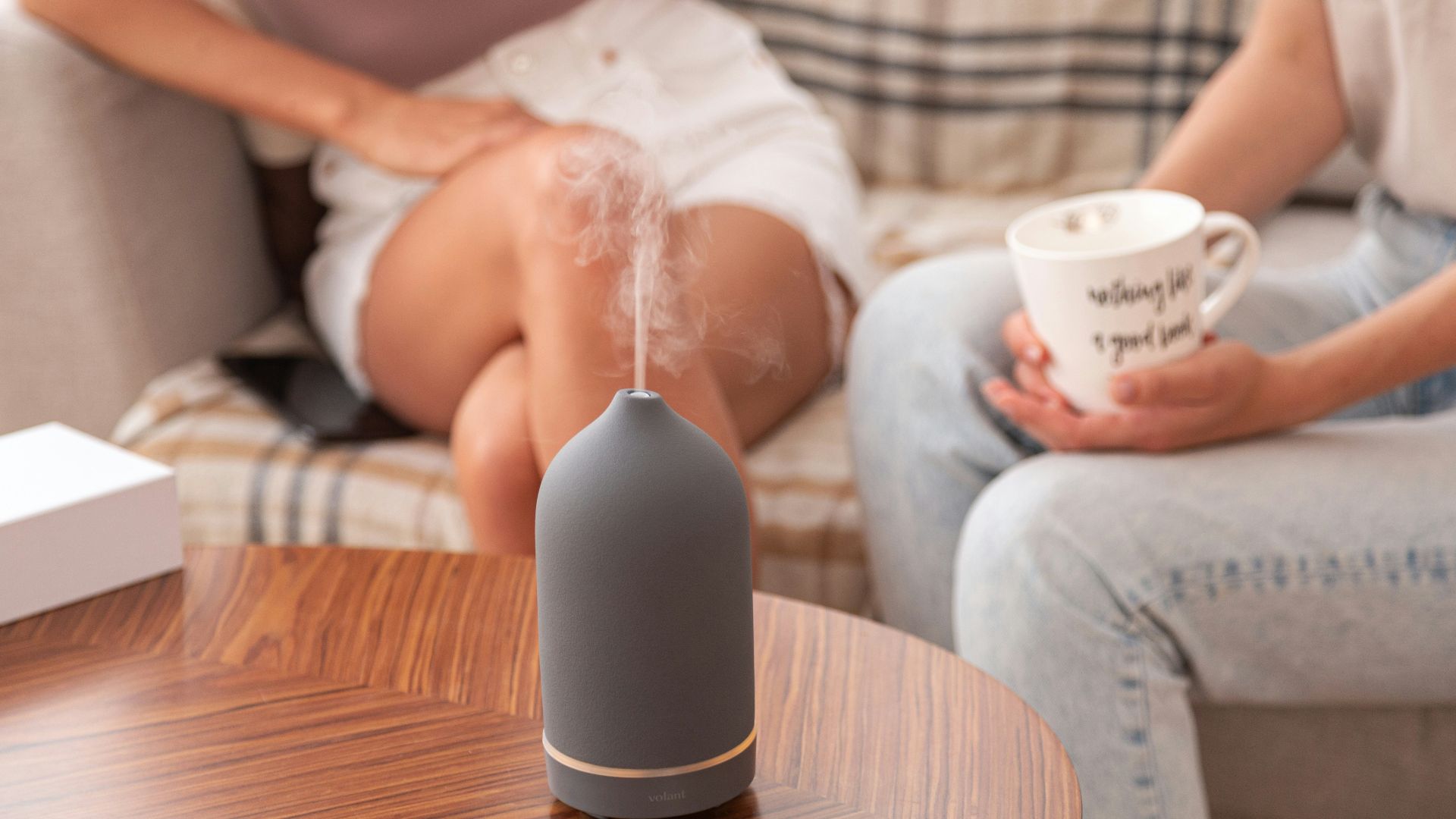
“Are you really smelling that orange peel again?” a coworker might tease. Odd as it looks, scents like peppermint or citrus can sharpen attention, ease tension, or lift mood. Aromatherapy traditions highlight this, though it often appears to outsiders as an eccentric ritual.
17. Talking To Pets Like People
Holding a conversation with a cat or dog can look eccentric. Still, vocalizing thoughts toward animals may ease stress or provide comfort. The dialogue might sound one-sided, but it creates a sense of companionship that feels grounding and emotionally supportive.

18. Humming Softly While Working
A faint hum under the breath can puzzle bystanders. In truth, it provides rhythm and calm. Gentle vibrations may steady breathing and support focus. Instead of a distraction, this low sound sometimes becomes a quiet aid to mood and concentration. Just do it when it’s not disturbing anyone else.

19. Wearing Odd Socks On Purpose
Pulling on mismatched socks can appear careless, though it carries its own charm. The playful pairing might spark creativity. It may also lighten the mood or serve as a reminder that uniformity isn’t required. What looks untidy to others may feel like a personal expression of independence.

20. Whistling As You Work
When you whistle under your breath, to others it may seem childish or distracting, yet it can relax the nervous system and boost mood. The steady airflow can help regulate breathing, and the playful sound often sparks lightheartedness—turning ordinary tasks into moments of calm and focus.

KEEP ON READING


10 Pre-Workout & 10 Post-Workout Tips To Follow