

Why Your Eating Habits Might Change With the Seasons
Have you ever noticed that you're constantly hungry during the colder months but barely interested in food once summer arrives? Seasonal changes can influence your mood, energy levels, and even how your body responds to hunger. Shifts in daylight, sleep patterns, and everyday routines can all affect how much you eat and which foods sound appealing. While everyone's experience is different, there's a reason certain cravings and eating habits tend to return around the same time each year. Here are 20 ways seasonal mood changes can influence your appetite, sometimes without you even noticing.

1. You Might Crave More Carbs During Winter
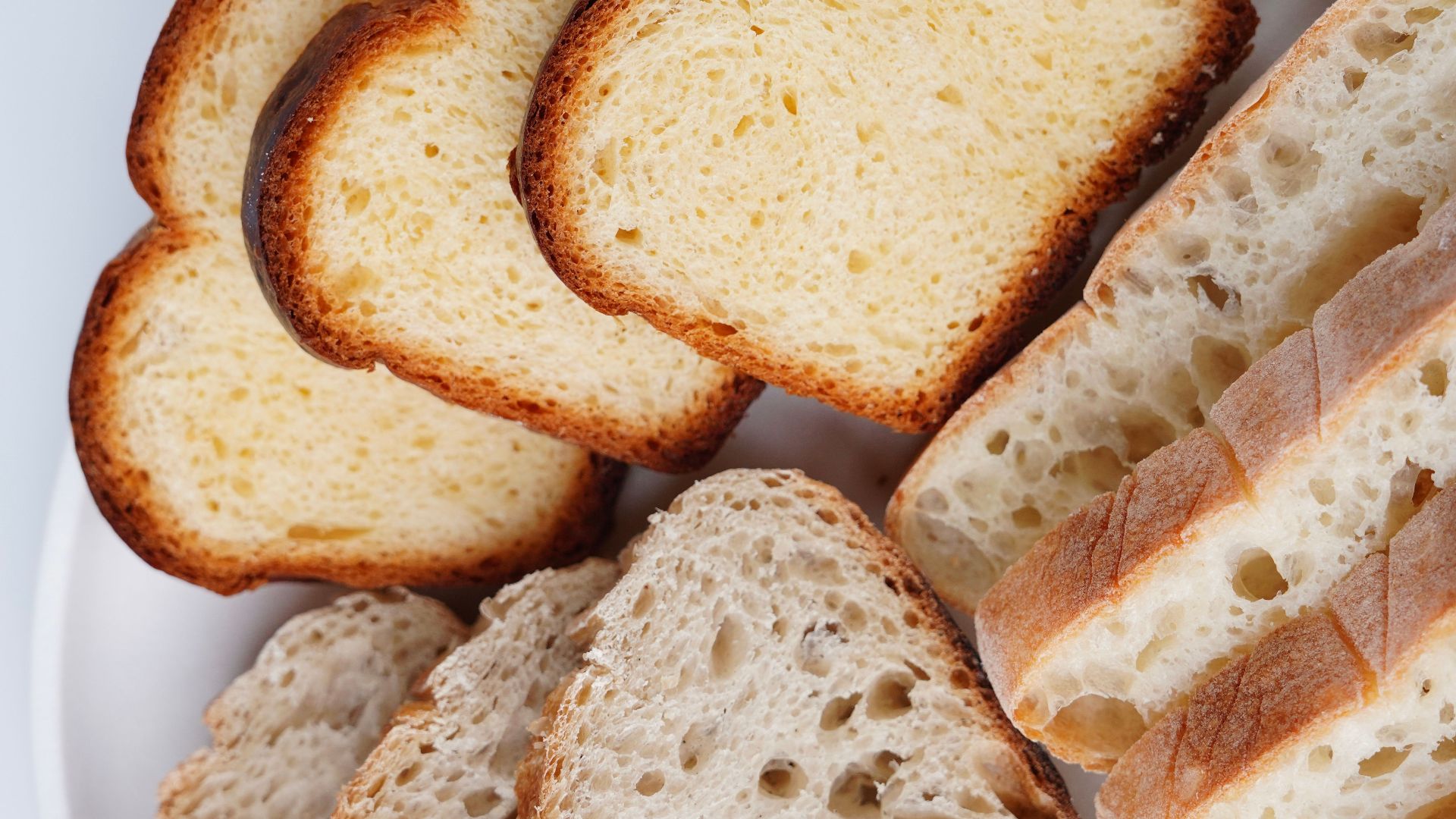
Shorter days and lower moods can leave you reaching for carbohydrate-rich foods more often than usual. People who experience winter-pattern seasonal affective disorder (SAD) frequently report stronger cravings for bread, pasta, and sweets. These foods can seem especially appealing when your mood and energy are low, and you're looking for treats that'll make you feel happy and satisfied, at least in the short term.
2. Summer Heat Can Make You Less Interested in Eating
When temperatures rise, sitting down to a heavy meal might suddenly sound like the last thing you want to do. Hot weather can temporarily reduce feelings of hunger, especially when you're uncomfortable or overheated. If you're also feeling more energetic and spending extra time outdoors, you might find yourself eating smaller meals without even trying.

3. Shorter Days Can Increase Emotional Eating
The arrival of fall and winter can bring noticeable mood changes for some people, particularly those who are sensitive to reduced daylight. Feeling sad, lonely, or restless might lead you to seek comfort in food rather than eat because you're genuinely hungry. You may find yourself snacking more frequently in the evenings, especially when you're spending more time indoors.

4. Seasonal Depression Can Make You Feel Hungrier
Unlike some other forms of depression that can reduce appetite, winter-pattern SAD often comes with increased hunger. People experiencing this condition may feel less satisfied after meals or find themselves thinking about their next snack more frequently. Changes in sleep, activity levels, and biological rhythms may all play a role in these symptoms.

5. Springtime Energy Can Change Your Eating Schedule
As the days get longer, some people experience noticeable improvements in their motivation and overall mood. Suddenly, you're making plans, spending more time outside, and filling your afternoons with activities that didn't seem particularly appealing back in January. These changes can throw off your usual meal schedule, sometimes causing you to eat later than you normally would.

6. Cold Weather Can Make Comfort Foods More Appealing
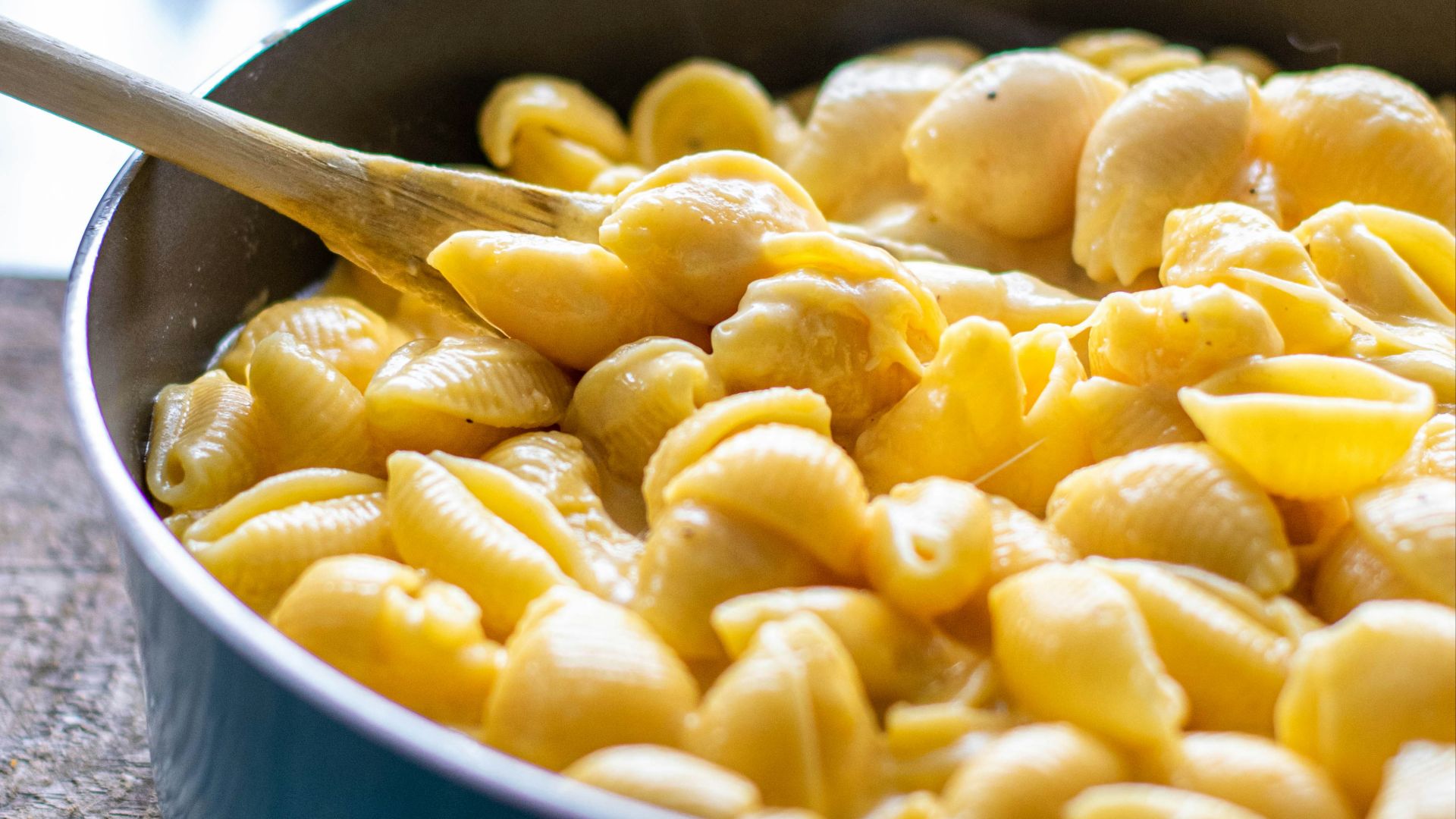
There's something especially satisfying about enjoying a warm bowl of soup when the temperature drops. During colder months, many people naturally gravitate toward hearty meals that feel filling and familiar. A lower seasonal mood can make these foods even more appealing because of the positive emotions and memories attached to them.
7. Longer Nights Can Lead to More Snacking
Winter evenings can feel surprisingly long when the sun disappears before you've even had dinner. Spending additional hours at home creates more opportunities for mindless eating, particularly while watching television or scrolling through your phone. Boredom and seasonal restlessness can make it difficult to tell whether you're actually hungry or just bored.

8. Seasonal Anxiety Can Suppress Your Appetite
Not everyone responds to seasonal changes by eating more than usual. For people whose anxiety increases during certain times of the year, feeling nervous or overwhelmed can reduce hunger and make meals less enjoyable. Stress triggers physical responses that may temporarily interfere with normal digestion. If you're feeling especially tense during a seasonal transition, you might notice that your favorite foods don't sound nearly as appealing.
 Solving Healthcare on Unsplash
9. Changes in Sleep Can Affect Hunger Hormones
Daylight helps regulate your sleep-wake cycle, which also plays a role in controlling appetite. When seasonal mood changes interfere with your sleep, hormones involved in hunger and fullness, including ghrelin and leptin, may be affected. A poor night's sleep can leave some people feeling hungrier and more interested in high-calorie foods the following day. That sudden craving for a breakfast pastry might have more to do with how you slept than what you normally enjoy eating.

10. Winter Fatigue Can Make Cooking Feel Exhausting
Seasonal mood changes sometimes come with a noticeable lack of motivation, making ordinary responsibilities feel more demanding than they should. Preparing a homemade dinner might seem like too much effort when you're already struggling to stay awake by early evening. Instead, you may start relying more on frozen meals, takeout, or whatever requires the least amount of preparation.

11. Sunshine Can Encourage More Regular Meals
Spending time outdoors during daylight hours can help support your body's internal clock, which regulates sleep and other daily routines. When brighter weather improves your mood, sticking to regular meal times may start feeling easier. You might be more motivated to prepare a proper breakfast or sit down for lunch instead of grabbing something whenever you have a spare moment.

12. Seasonal Loneliness Can Influence How Much You Eat
Winter often means fewer spontaneous outings and less social interaction, especially for people who live alone. Feelings of isolation can affect eating habits in different ways, with some individuals losing interest in meals while others find themselves snacking for comfort. Preparing an elaborate dinner for one might seem pointless when you're already feeling disconnected from others.

13. Autumn Stress Can Trigger Sudden Cravings
The transition from summer to fall usually brings changes in work schedules, family responsibilities, and everyday expectations. For some people, adjusting to these new demands creates stress that can influence how often they feel hungry. Stress-related changes in cortisol may affect appetite, particularly when those feelings continue for a longer period.

14. Hot Weather Can Make Lighter Foods More Appealing
During summer, fresh fruit, yogurt, and chilled vegetables might sound much more appetizing than heavier dishes. Temperature can influence food preferences, while your mood also plays a part in determining which meals you'll enjoy. Feeling relaxed and energized might inspire you to try more seasonal produce or prepare dishes that don't require much cooking.

15. Seasonal Irritability Can Lead to Impulsive Eating
Feeling more irritable than usual during certain seasons can affect how much thought you put into your food choices. When your patience and motivation are running low, snacks that offer immediate satisfaction may become harder to resist. You might reach for a bag of chips or a few cookies without the same hesitation you normally would. While a bad mood doesn't automatically lead to overeating, emotional discomfort can certainly influence what you decide to eat.

16. Changes in Social Activity Can Affect Portion Sizes
Summer barbecues, holiday celebrations, and seasonal outings can all influence how much food ends up on your plate. When you're feeling sociable and enjoying yourself, you may spend more time eating and pay less attention to your usual portion sizes. On the other hand, withdrawing from social activities during a period of seasonal low mood can mean fewer opportunities to enjoy meals with others. Sometimes, your eating habits reflect changes in your social life just as much as changes in your actual hunger.

17. Reduced Physical Activity Can Change Hunger Signals
If winter weather keeps you indoors more frequently, your activity level might drop quite a bit. Some people find that they're less hungry when they aren't moving around as much, while others experience stronger cravings because they're bored or feeling down. Physical activity affects appetite in several ways, so everyone's response is going to be a little different. What's important is understanding that changes in your exercise habits and emotional well-being can both influence how much you want to eat.

18. Spring Mood Changes Can Bring Back Your Appetite
For people experiencing winter-pattern seasonal depression, the arrival of spring can provide relief from several symptoms. As mood and energy levels improve, an unusually strong winter appetite may gradually settle back into its normal pattern. Those who struggled with motivation throughout the colder months might also rediscover their interest in grocery shopping and preparing balanced meals. These improvements usually happen gradually rather than appearing the moment the first warm, sunny day arrives.
 Pablo Merchán Montes on Unsplash
19. Seasonal Sadness Can Make Favorite Foods Less Enjoyable
A reduced ability to experience pleasure, known as anhedonia, can occur with depression, including seasonal depression. Foods you normally look forward to might suddenly seem uninteresting, even when you know you're hungry. This loss of enjoyment can lead to irregular eating habits or make preparing meals feel like an unnecessary chore.
 Fernando @cferdophotography on Unsplash
20. Your Appetite May Take Time to Adjust Between Seasons
Seasonal transitions don't always cause immediate changes in hunger, especially when your mood and sleep schedule are still adjusting. You might feel unusually hungry for several weeks before settling back into your normal eating habits, or find that your interest in food changes from one day to the next. Weather, stress, activity levels, and emotional well-being can all contribute to these temporary fluctuations. Paying attention to patterns that repeat each year can help you better understand your body's needs.

KEEP ON READING



20 Natural Ways You Can Boost Your Immune System

20 Ways To De-stress & Relax After Work

The 10 Most Common Diseases & The 10 Most Rare