
20 Unexpected Clues You May Be Built to Live a Longer-Than-Average Life
Longevity Can Leave Some Surprising Hints
Nobody can look at a handful of habits or physical traits and know exactly how long they'll live, but certain patterns are consistently associated with healthier aging and a lower risk of early death. Some are obvious, like staying active, while others are things you probably wouldn't think twice about, such as how quickly you walk or whether you regularly spend time with friends. Genetics, environment, medical care, and plain luck still matter, but if several of these clues sound familiar, you may already have a few longevity-friendly factors working in your favor. Here are 20 unexpected clues you might be on your way to living a longer-than-average life.

1. You Naturally Walk at a Brisk Pace
Walking speed can reveal more about overall health than you might expect. Studies have linked faster usual walking speeds in older adults with better physical function and longer survival. You don't need to race down the sidewalk, either; simply being able to maintain a comfortable, purposeful pace reflects healthy muscles, balance, heart function, and coordination.

2. Your Parents or Grandparents Lived Well Into Old Age
If several close family members reached their 80s, 90s, or beyond, you may have inherited a slight longevity advantage. Certain genetic traits can influence cardiovascular health, metabolism, and vulnerability to diseases associated with aging. Lifestyle matters as well, though, since families often pass down eating habits, activity levels, and other routines along with their genes.

3. You Have Strong Legs
Strong legs become increasingly valuable as you get older, and not just because they make stairs and grocery bags easier to handle. Lower-body strength helps support mobility, balance, and the ability to stay independent in everyday life. Because muscle loss can become a major health concern later on, having a solid strength base gives your body more reserve to work with as the years pass.

4. You Find It Easy to Get Up From a Chair
Getting out of a chair without pushing off with your hands takes more physical ability than it seems. The movement depends on leg strength, balance, coordination, and mobility, all of which become especially important with age. If standing up still feels effortless, it can be a reassuring little sign that your functional fitness is in good shape.
 Kateryna Hliznitsova on Unsplash
5. You Have Close Friends You Actually See
Spending time with friends does more than make your weekends more enjoyable. Strong social relationships have repeatedly been connected with better health and a reduced risk of premature death. Having people you trust and enjoy being around can help ease stress while also giving you more reasons to stay mentally, emotionally, and physically engaged.

6. You Rarely Spend the Entire Day Sitting
You don’t need an elaborate workout program to get some of the benefits of being active. Regularly standing up, walking around, doing chores, or moving in other small ways can help break up long periods of sedentary time. Those everyday movements may not feel like exercise, but they can make a meaningful difference when they become part of your routine for years.

7. Your Grip Is Strong
Grip strength may seem like a strangely specific health measure, but researchers often use it as a quick indicator of overall muscle strength and physical condition. In older adults, weaker grip strength has been linked with a number of poorer health outcomes. If you can still twist open stubborn jars without much trouble, your muscles may be holding up pretty well.

8. You Usually Wake Up Feeling Rested
Consistently good sleep supports just about every system involved in healthy aging. Restorative sleep can help with blood pressure, blood sugar regulation, immune function, appetite, and stress management. Everyone has the occasional rough night, but regularly waking up feeling refreshed is generally a positive sign that your body is getting the recovery it needs.

9. You Have Something You Look Forward to Doing
Hobbies, responsibilities, goals, and personal projects can give you a reason to stay involved with the world as you get older. Research has found connections between having a stronger sense of purpose and healthier aging, although many other factors also influence that relationship. Whether you enjoy volunteering, working, gardening, traveling, or simply spending time with family, having something meaningful on the calendar can be surprisingly important.

10. You’re Pretty Good at Managing Stress
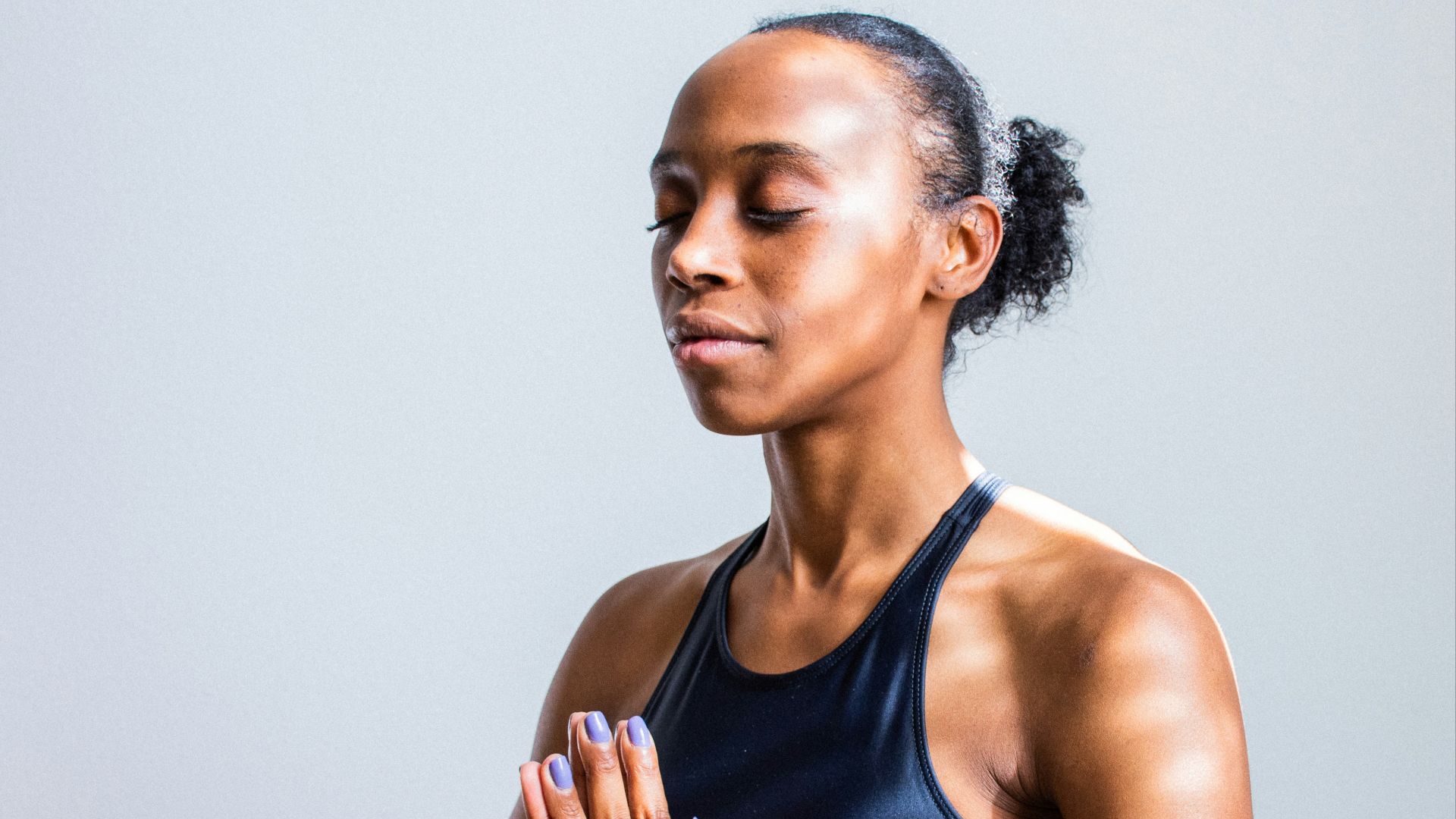
Stress is unavoidable, so what often matters more is how well you recover once a difficult period has passed. Long-term, unmanaged stress can interfere with sleep, cardiovascular health, inflammation, eating habits, and exercise. If you’re generally able to work through stressful situations without staying overwhelmed for months at a time, that resilience could benefit your health over the long run.
11. You Still Learn New Things for Fun
Curiosity doesn’t stop being useful once you’re finished with school. Reading, learning a language, taking a class, playing an instrument, or trying something unfamiliar all give your brain a reason to stay active. Scientists are still working out exactly how mental stimulation influences dementia risk, but keeping your mind engaged is widely recommended as part of healthy aging.

12. You Don’t Need a Huge Amount of Food to Feel Satisfied
Being able to recognize when you’re comfortably full can make maintaining a healthy energy balance much easier over time. As activity levels and metabolism shift with age, people who naturally stop eating when they’ve had enough may be less likely to experience gradual weight gain. That doesn’t mean eating less is always better, but being tuned in to your own hunger and fullness cues can be a helpful habit.
 Considerate Agency on Unsplash
13. Your Blood Pressure Has Stayed in a Healthy Range
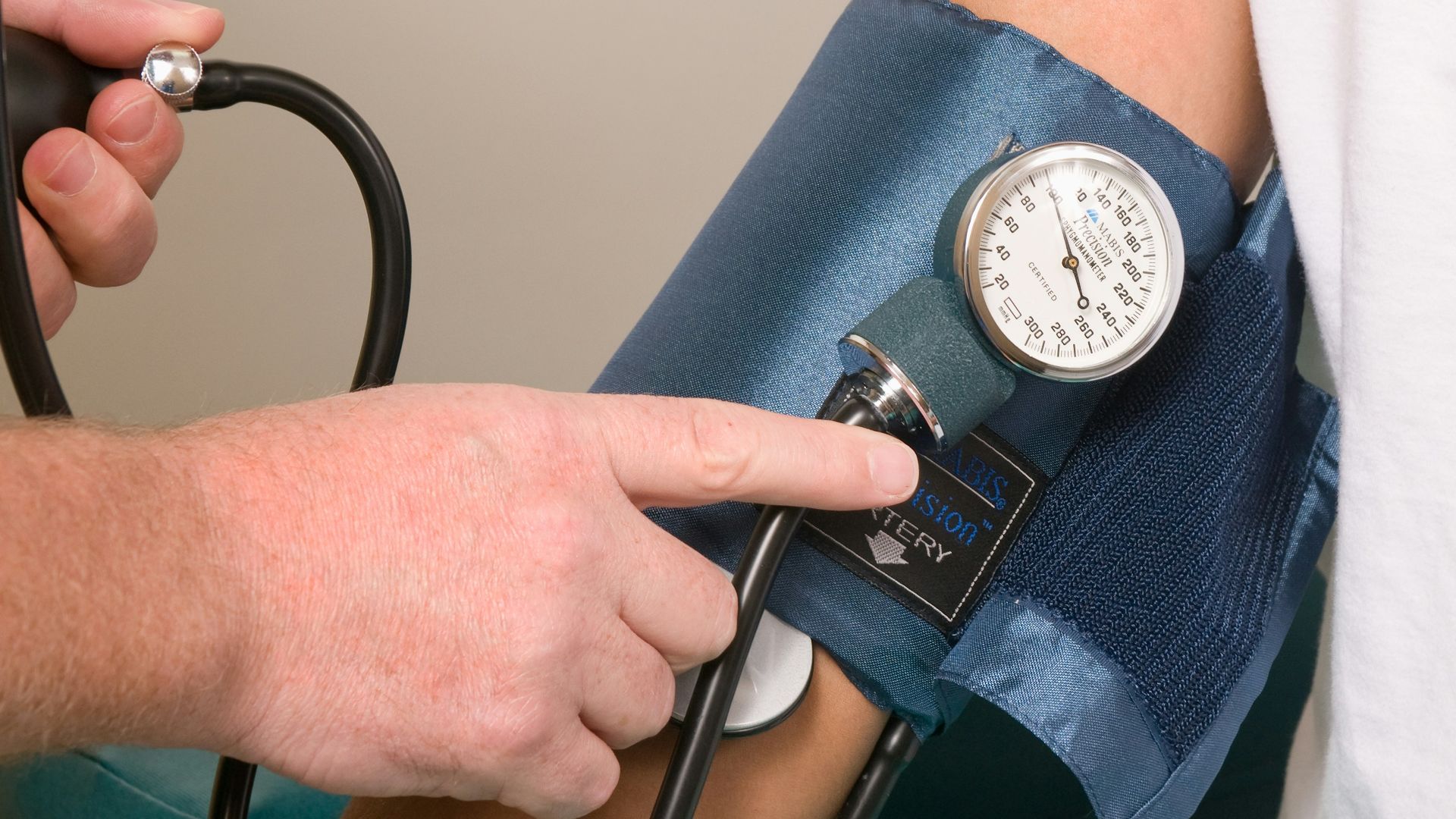
High blood pressure often develops without noticeable symptoms, which makes consistently healthy readings especially valuable. Over time, uncontrolled hypertension can contribute to heart disease, stroke, kidney problems, and other serious conditions. Keeping blood pressure within a healthy range helps reduce the long-term workload placed on your heart and blood vessels.
14. You Spend Time Outdoors Regularly
Getting outside often leads to more movement without requiring you to schedule a formal workout. Walking the dog, gardening, hiking, or simply traveling somewhere on foot can quietly add a lot of physical activity to your week. Being outdoors may also support social interaction and mental well-being, so one simple habit can benefit your health in several different ways.

15. You Can Balance on One Foot Without Much Trouble
Standing on one leg requires your muscles, joints, vision, nervous system, and inner ear to work together. Balance commonly becomes more difficult with age, and losing it can raise the risk of falls and related injuries. If you can comfortably stay on one foot for a short stretch, it suggests that several important systems involved in movement are still functioning well together.

16. You Eat Plenty of Different Plant Foods
You don’t have to give up meat to benefit from eating a wide variety of plant foods. Vegetables, fruits, beans, whole grains, nuts, and seeds provide fiber, vitamins, minerals, and other compounds associated with heart and metabolic health. Mixing things up is helpful too, because relying on one or two favorite vegetables won’t provide everything your body needs.

17. You Don’t Smoke
It may not be the most surprising clue on the list, but avoiding smoking remains one of the biggest advantages you can give your long-term health. Smoking significantly increases the risk of several cancers, heart disease, stroke, and chronic lung conditions. Never smoking avoids that added risk altogether, while quitting can still bring major health improvements even after years of tobacco use.

18. Your Weight Has Been Relatively Stable for Years
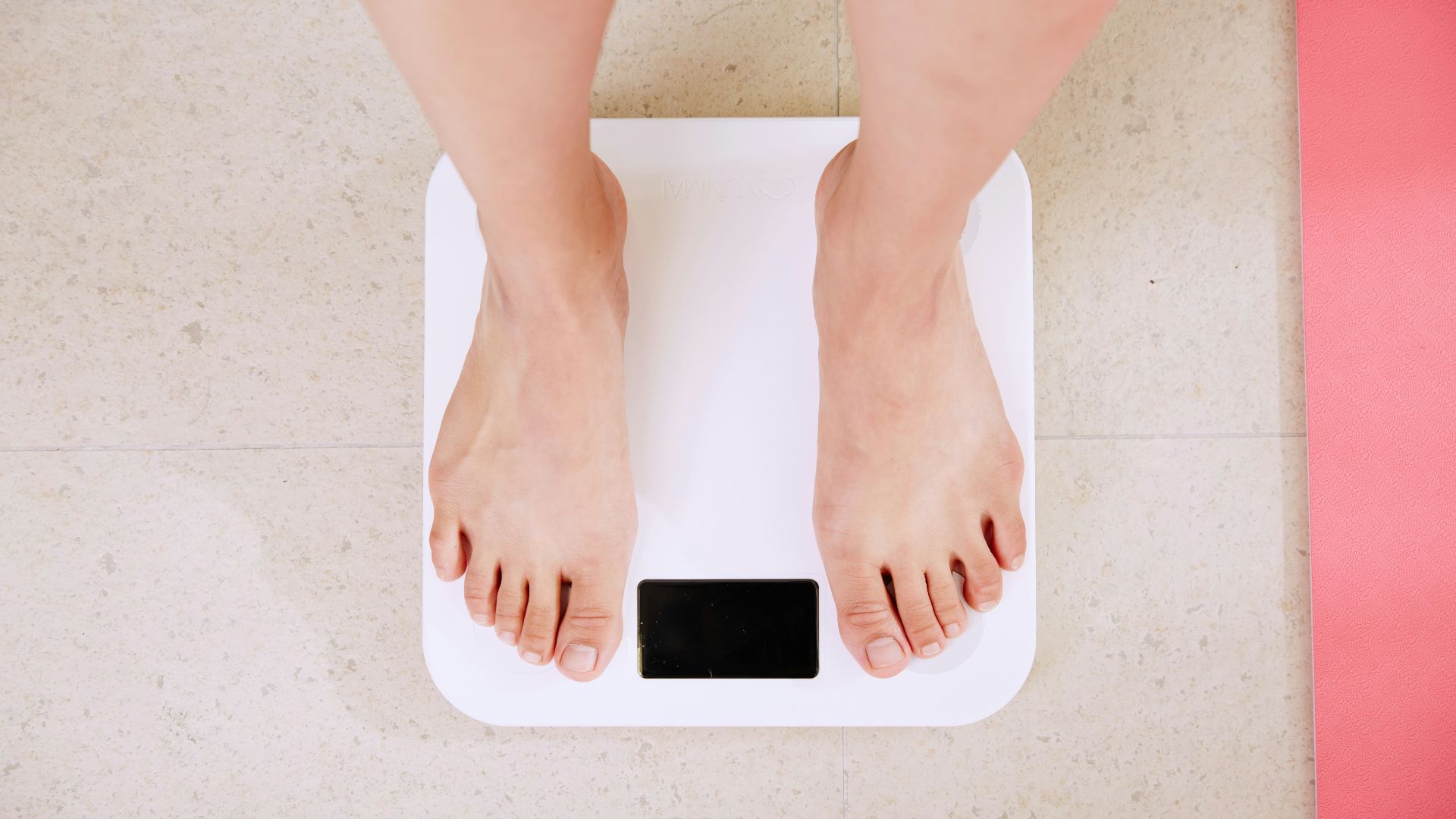
Major unexplained weight changes can sometimes point to underlying health issues, especially later in life. Keeping a relatively steady weight while eating well and remaining active may indicate that your routines and overall health have stayed fairly consistent. Weight alone can’t tell you how long you’ll live, though, so muscle mass, fitness, and metabolic health are still important pieces of the puzzle.
19. You Keep Doing Things for Yourself
Shopping, cooking, cleaning, running errands, and managing everyday responsibilities can feel too ordinary to count as signs of good health. In older adults, however, continuing to perform those tasks independently is an important measure of functional ability. Staying self-sufficient often means you’re maintaining movement, coordination, problem-solving skills, and confidence all at once.

20. You Tend to Bounce Back After Getting Sick
How quickly you recover from an illness or physical setback can reveal something about your body’s underlying resilience. Someone who returns to their normal routine fairly quickly after a common illness may have greater physical reserves than someone who struggles to regain their previous level of activity. It’s never a guarantee of a longer life, but the ability to recover well becomes increasingly valuable as you age.

KEEP ON READING