
Your Mouth Can Tell a Bigger Story
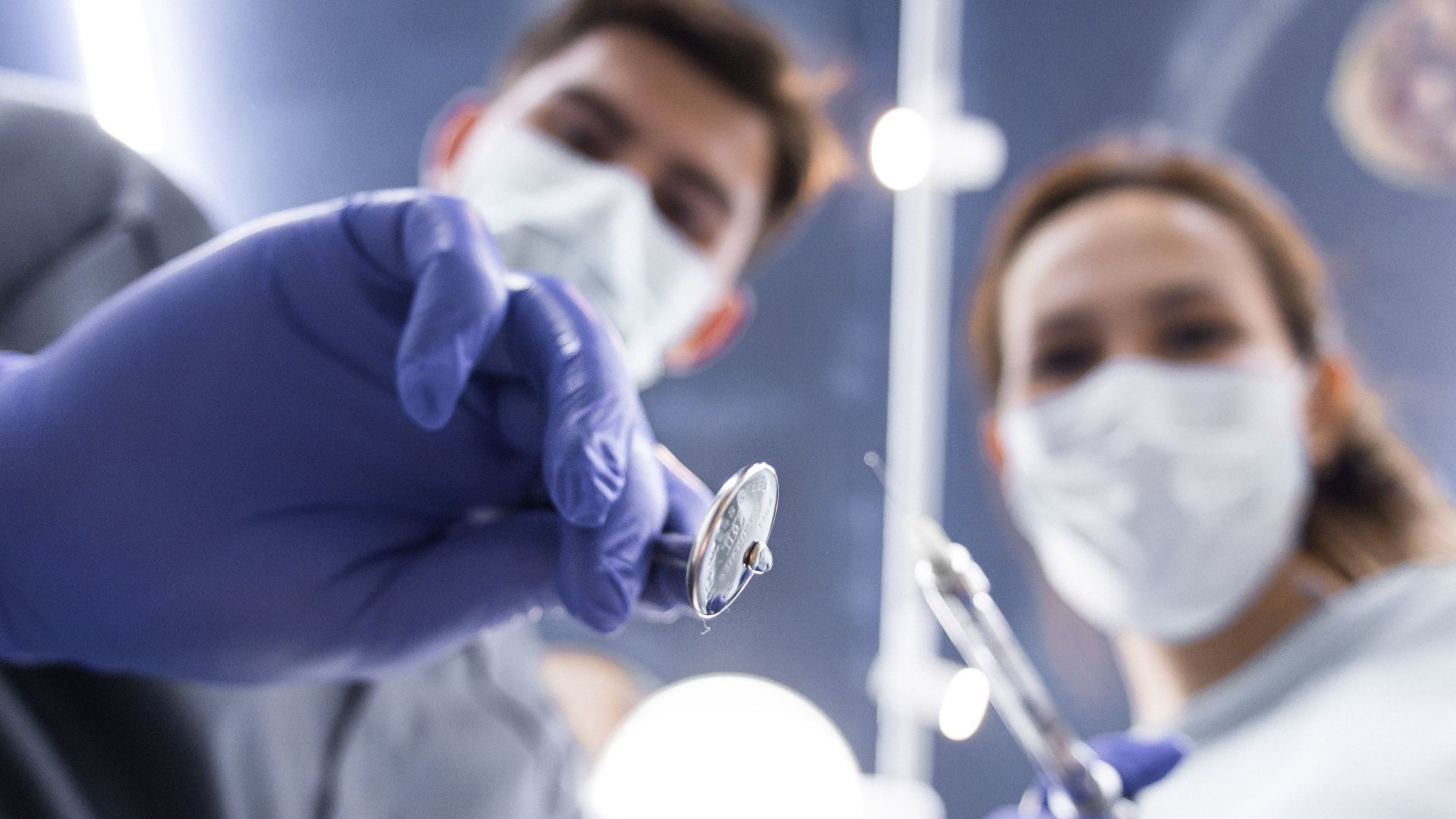
A dentist is not just looking for cavities and judging your flossing routine, even if your gums may have a few things to say. Your mouth can show clues about hydration, stress, sleep, nutrition, medications, smoking, alcohol use, reflux, and even certain health conditions that deserve a closer look. While none of these signs automatically proves one specific problem, dentists spend their careers studying the mouth closely, and they can often spot hints about your overall health before you realize anything is off. Here are 20 things dentists know about your overall health from looking at your teeth.
 Bakytzhan Baurzhanov on Pexels
1. If You're Dehydrated
Dry tissues, sticky saliva, cracked lips, and a dry tongue can all make a dentist wonder whether you're getting enough fluids. Dehydration isn't the only possible cause, but your mouth can look and feel different when saliva levels are low. Since saliva helps protect your teeth and soft tissues, dentists pay attention when there doesn't seem to be enough of it.

2. If You're Taking Certain Medications
Dentists can sometimes notice medication side effects before you connect the dots yourself. Many common medicines can contribute to dry mouth, gum changes, taste changes, or mouth irritation. That's why dentists usually ask what prescriptions, supplements, or over-the-counter drugs you take.
 Christina Victoria Craft on Unsplash
3. If You're Stressed
Stress has a sneaky way of showing up in the jaw and teeth. Dentists may notice signs of clenching, grinding, cheek biting, or jaw soreness that suggest your body is carrying tension. You may feel calm in the chair, but your molars might have been filing complaints at night.

4. If You Grind Your Teeth at Night
Teeth grinding can leave flattened surfaces, chips, cracks, or jaw muscle tenderness. A dentist may ask whether you wake with headaches, facial soreness, or a tired jaw. Since nighttime grinding often happens while you're asleep, you may not know you're doing it unless someone hears it or your dentist spots the damage.
5. If Your Sleep Is Poor
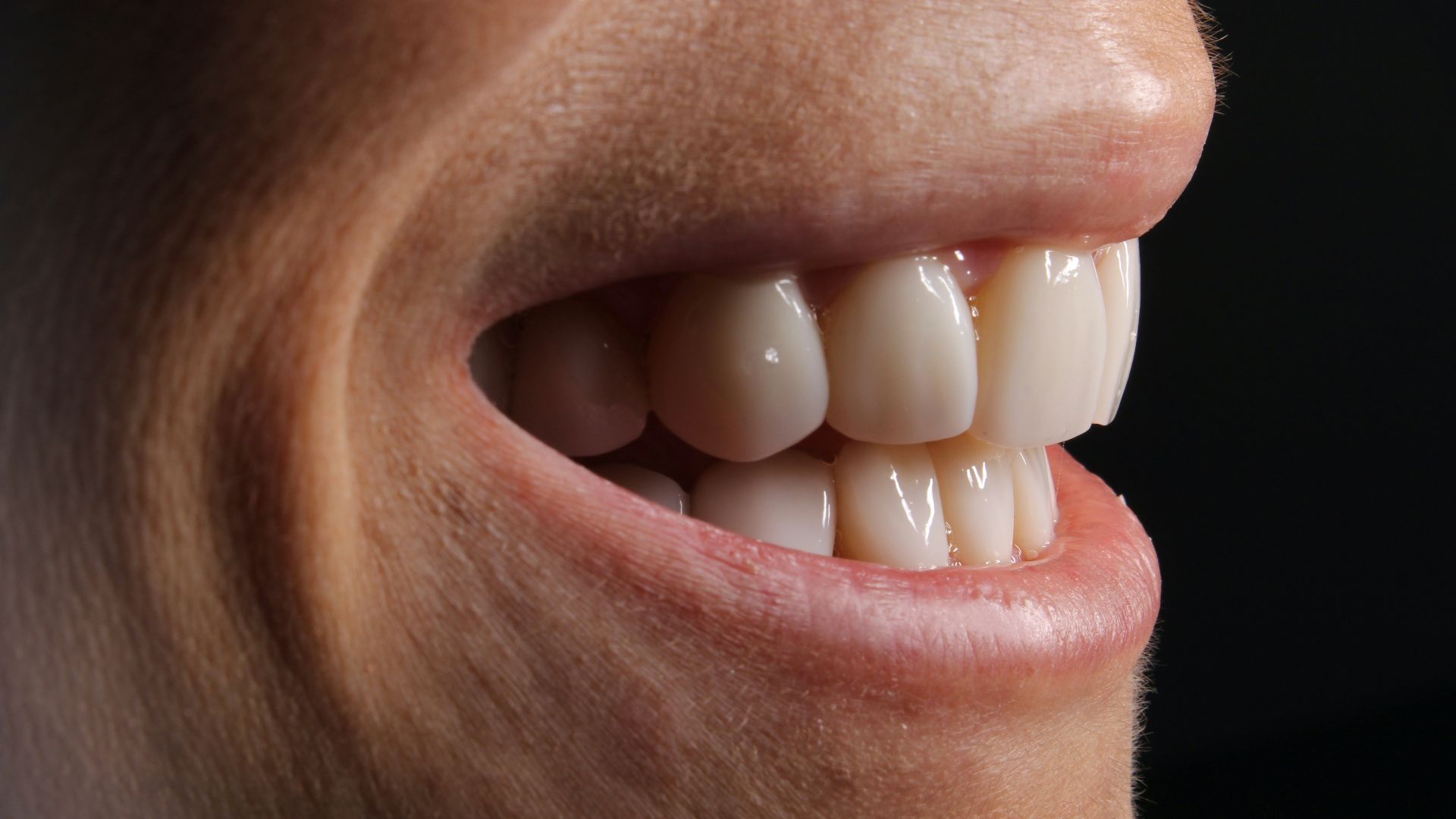
Dentists can't diagnose a sleep disorder just by looking, but they may notice clues that raise questions. Grinding, dry mouth, mouth breathing, worn teeth, or certain jaw patterns can sometimes connect with disrupted sleep or airway issues. If you also snore, wake tired, or have morning headaches, that information matters.

6. If You Breathe Through Your Mouth
Mouth breathing can leave the mouth dry, irritate gums, and contribute to bad breath. Dentists may notice patterns that suggest you're breathing through your mouth often, especially at night. Allergies, congestion, nasal issues, or sleep habits can all play a role.

7. Whether You Have Acid Reflux
Acid reflux can leave signs on the teeth and soft tissues, especially when stomach acid reaches the mouth. Dentists may see enamel wear in specific areas, increased sensitivity, or irritation that doesn't look like ordinary brushing damage. Some people have reflux without classic heartburn, which makes the dental clues more useful.

8. If Your Diet Is High in Acid
A dentist can often spot patterns linked to frequent acidic drinks or foods. Soda, sports drinks, citrus, vinegar-heavy foods, and some sparkling drinks can contribute to enamel erosion when they show up often enough. This doesn't mean you have to swear off lemonade; it just means your teeth may reveal when acid has become a regular guest.

9. If You Snack Often
Frequent snacking can affect the mouth differently than eating the same foods at mealtimes. Dentists may notice decay patterns or plaque buildup that suggest your teeth are getting repeated exposure to sugars or starches throughout the day. It's not only what you eat, but how often.
 THE ORGANIC CRAVE Ⓡ on Unsplash
10. If You're Low on Certain Nutrients
Dentists can sometimes notice signs that may be linked with nutritional issues. A sore tongue, cracks at the corners of the mouth, pale tissues, slow healing, or frequent sores can have many causes, but nutrition may be part of the conversation.

11. If You Smoke or Use Tobacco
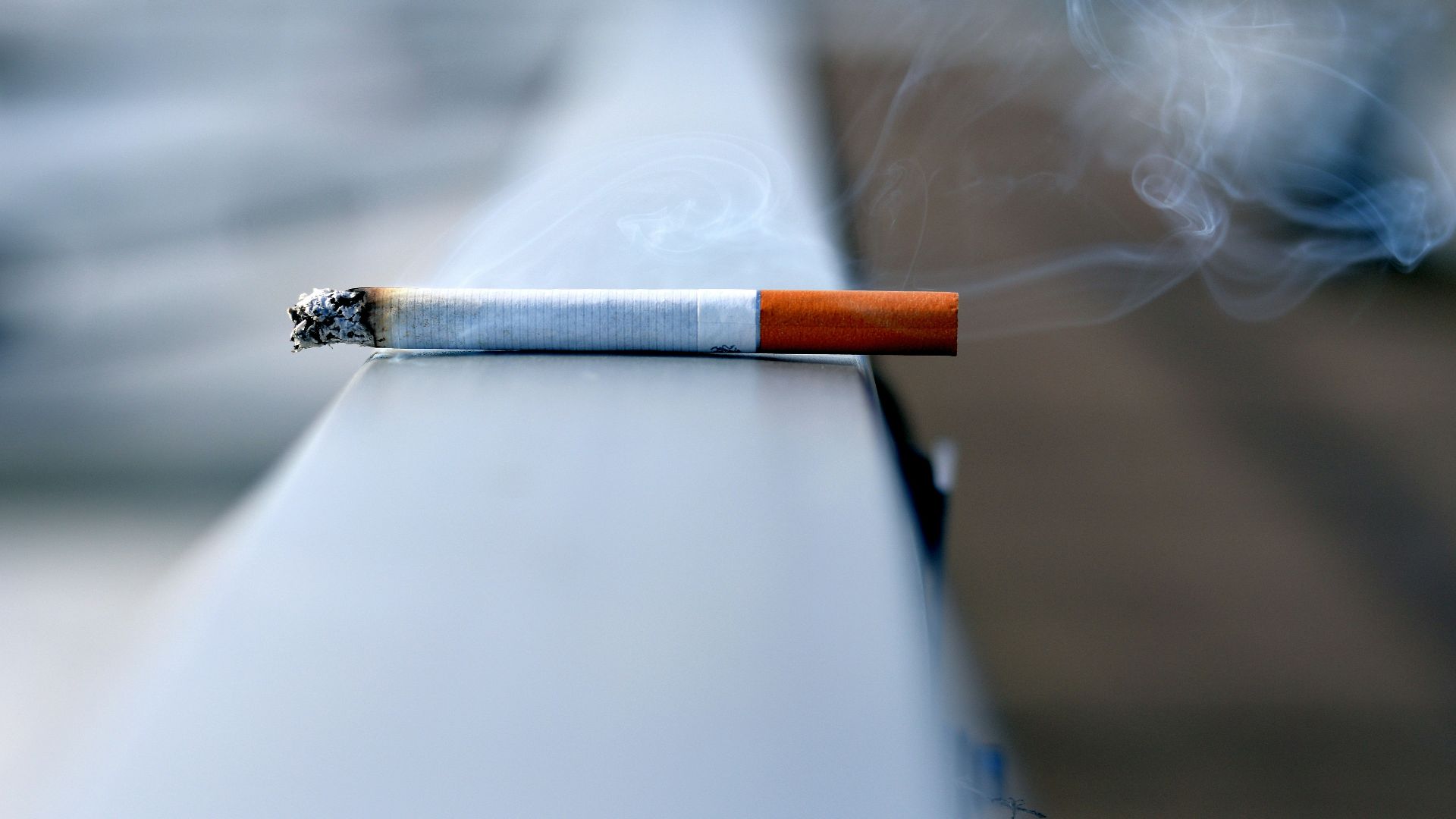
Tobacco use can leave several clues in the mouth. Dentists may notice staining, gum changes, bad breath, delayed healing, or tissue changes that need careful attention. They may also ask about smoking or smokeless tobacco because these habits can affect oral cancer risk and gum health.
12. If You Vape
Vaping may not leave the exact same signs as smoking, but dentists are increasingly alert to it. Dry mouth, gum irritation, nicotine effects, and changes in oral tissues can all raise questions. Since vaping habits can vary a lot, being honest helps your dentist understand what they're seeing.

13. If You Drink Alcohol Frequently
Alcohol can contribute to dry mouth, tissue irritation, and changes that dentists take seriously. Frequent alcohol use, especially combined with tobacco, is also linked with higher oral cancer risk. A dentist won't know your exact drinking habits from one look, but certain signs may prompt a conversation.

14. If Your Blood Sugar Needs Attention
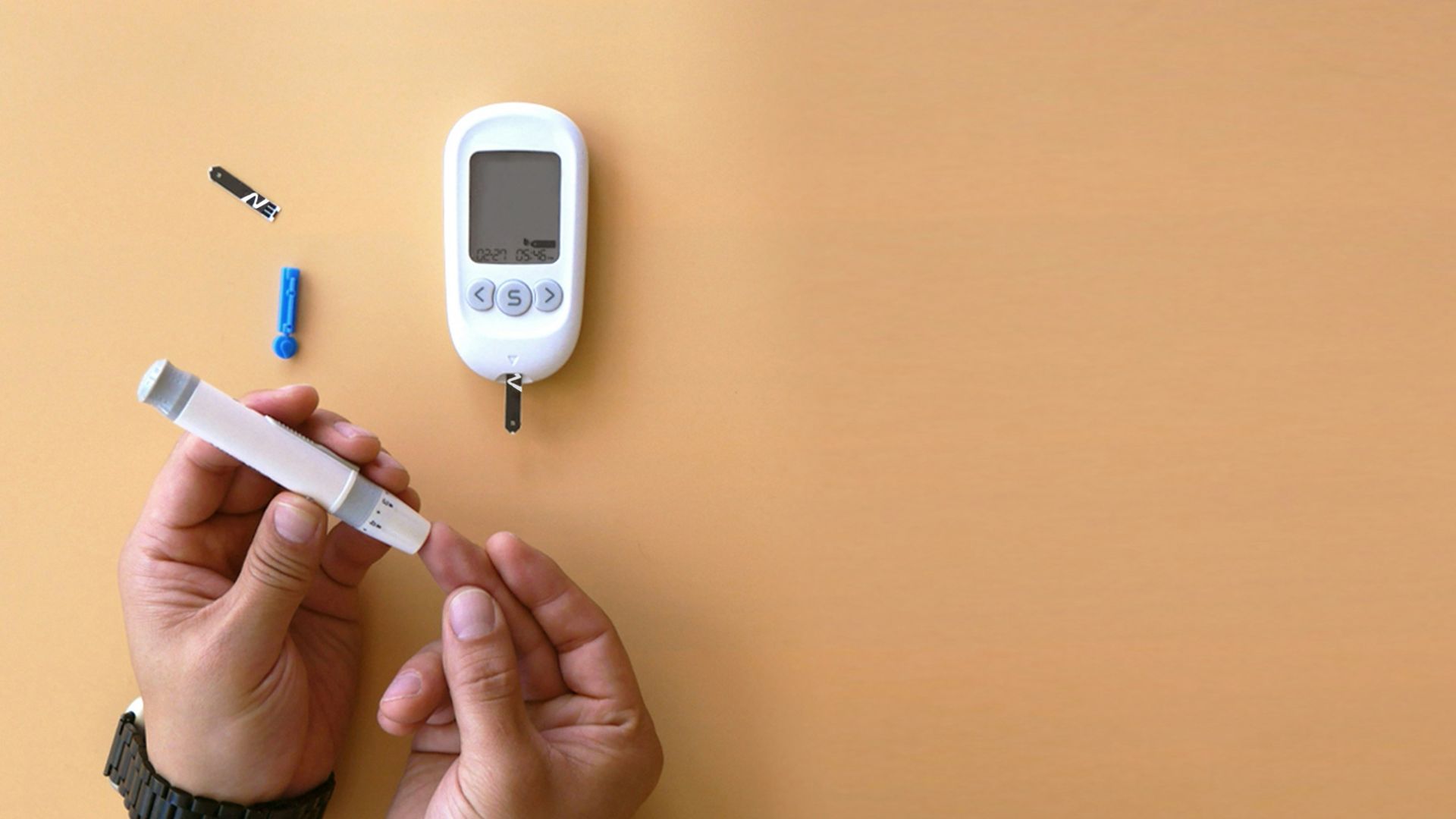
Dentists cannot diagnose diabetes from a dental exam, but they may notice clues that deserve follow-up. Dry mouth, gum inflammation, slow healing, frequent infections, or persistent bad breath can sometimes be associated with blood sugar problems. People with diabetes are also at higher risk for gum disease.
15. How Well Your Immune System Is Functioning
Recurring mouth sores, fungal infections, slow healing, or unusual tissue changes can make a dentist wonder whether something broader is going on. Stress, illness, medications, nutritional issues, and immune-related conditions can all affect the mouth. One sore doesn't mean your immune system is falling apart, but patterns, persistence, and severity are what make dentists pay closer attention.

16. If You're Experiencing Hormonal Changes
Hormonal shifts can affect gum sensitivity, inflammation, dryness, and bleeding tendencies. Dentists may notice changes during pregnancy, perimenopause, menopause, or with certain hormonal medications. These shifts can make the mouth feel more reactive than usual, even when your routine hasn't changed much.
 Reproductive Health Supplies Coalition on Unsplash
17. If You're Overbrushing From Anxiety or Perfectionism
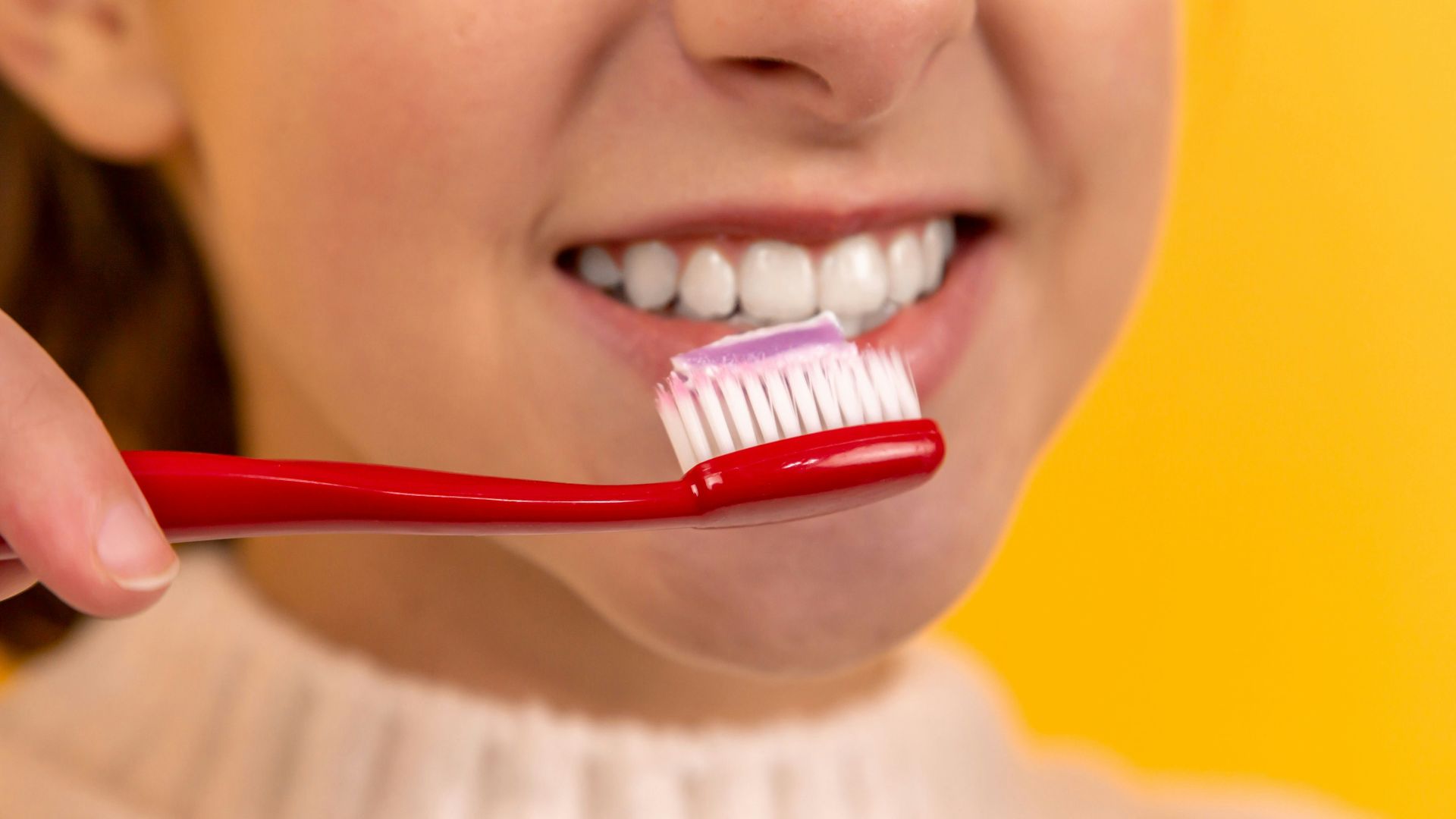
Some people brush so aggressively that the dentist can see the effects. Gum recession, worn enamel near the gumline, and sensitive spots may suggest too much pressure or a hard-bristle brush. Your dentist may recommend a softer approach because your mouth doesn't need to be scrubbed like a kitchen sink.
18. If You Have a Habit of Chewing Ice, Pens, or Nails
Tiny chips, worn edges, jaw strain, or cracks can reveal chewing habits. Ice, pens, fingernails, and other hard objects can leave marks over time, even if you barely notice doing it. Dentists are good at spotting patterns that look less like normal eating and more like nervous multitasking.

19. Signs of Oral Cancer
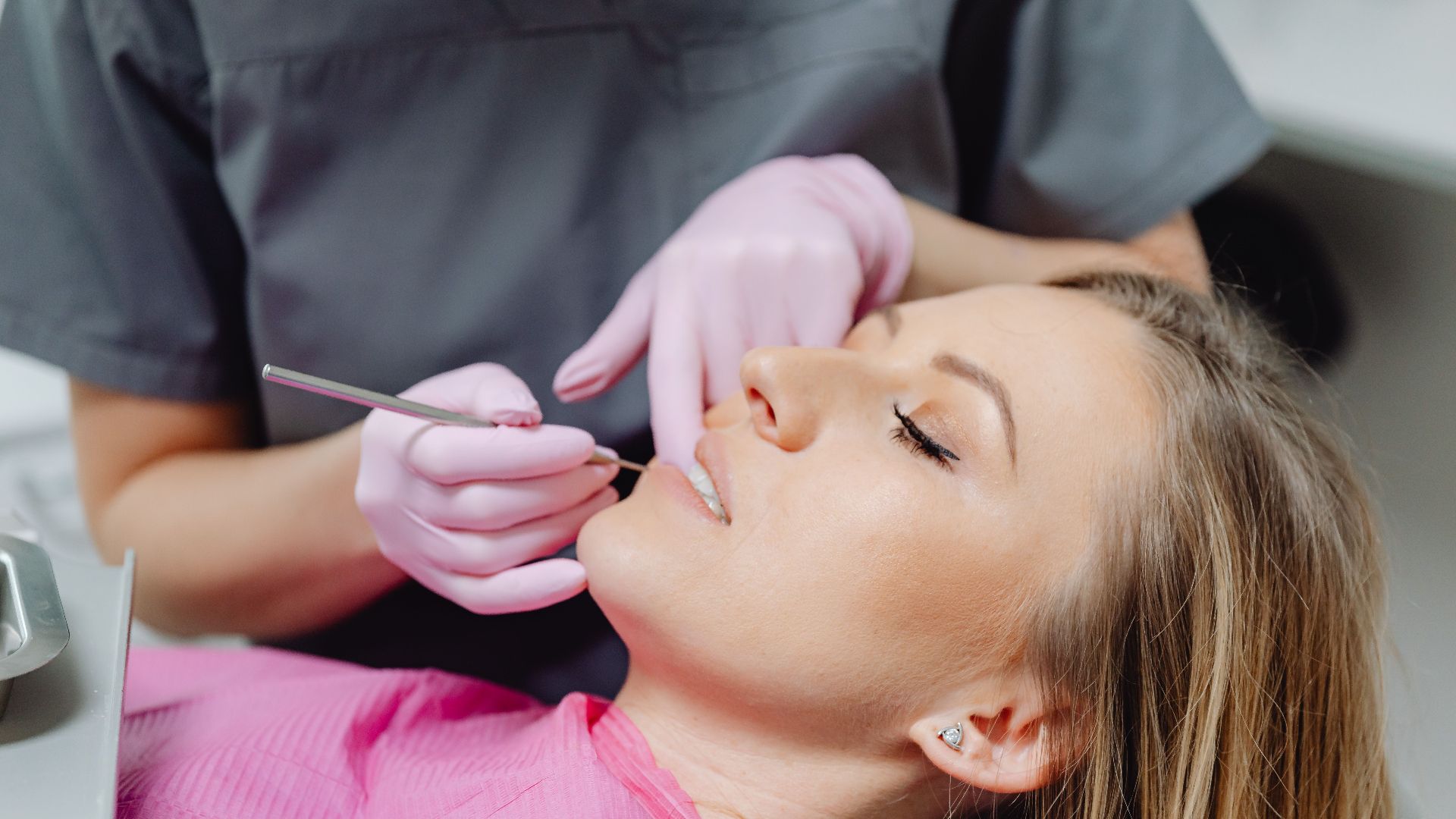
Dentists look for sores, lumps, thick patches, red or white areas, and changes that don't heal normally. Most mouth changes aren't cancer, but persistent ones should be checked. This is one reason routine dental visits matter, even if you're not having tooth pain.
20. If Your Health Habits Are Inconsistent
Dentists can often tell when someone’s routine comes in bursts. You might have areas that are very clean and other spots that keep getting missed, or signs that you flossed intensely right before the appointment, after a long break. A good dentist can help you build habits that fit real life instead of pretending everyone has a perfect routine all year.
KEEP ON READING