
Your Heart Appreciates the Small Stuff
After 50, heart health starts feeling less like a distant idea and more like something worth checking in on regularly. That doesn’t mean you need to panic, overhaul your entire life, or start treating every snack like a medical decision. Cardiologists usually care more about steady habits than dramatic promises, because blood pressure, cholesterol, blood sugar, sleep, stress, and movement all add up over time. The good news is that many heart-friendly changes are surprisingly practical, and your future self may be very grateful you started before anything sounded urgent. Here are 20 things cardiologists wish more people over 50 did.

1. Know Your Blood Pressure Numbers
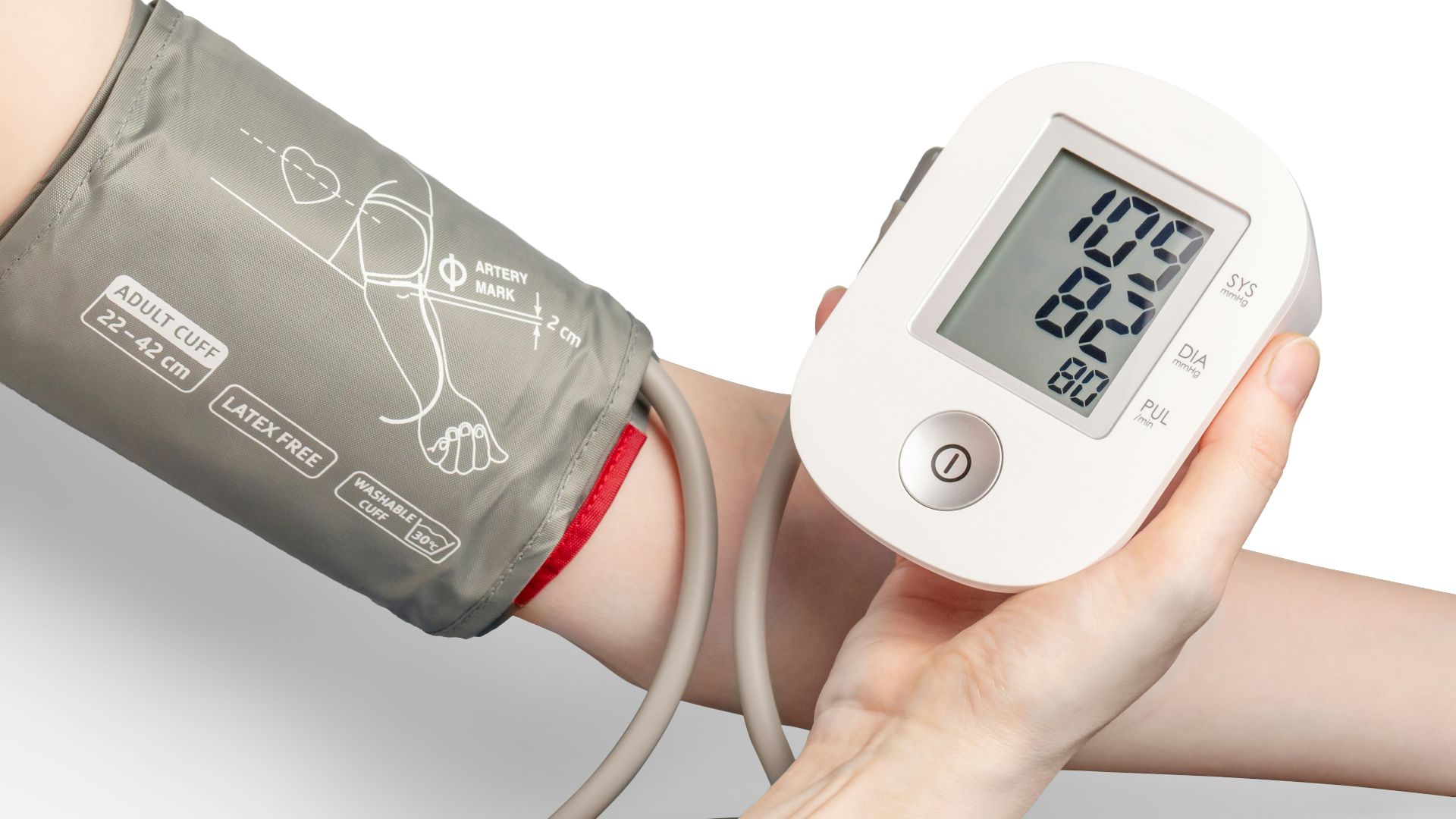
High blood pressure can quietly strain your heart and blood vessels for years. Cardiologists wish more people would check it regularly instead of waiting for symptoms that may never show up. If your numbers are creeping up, it’s much easier to act early than play catch-up later.
2. Take Cholesterol Seriously
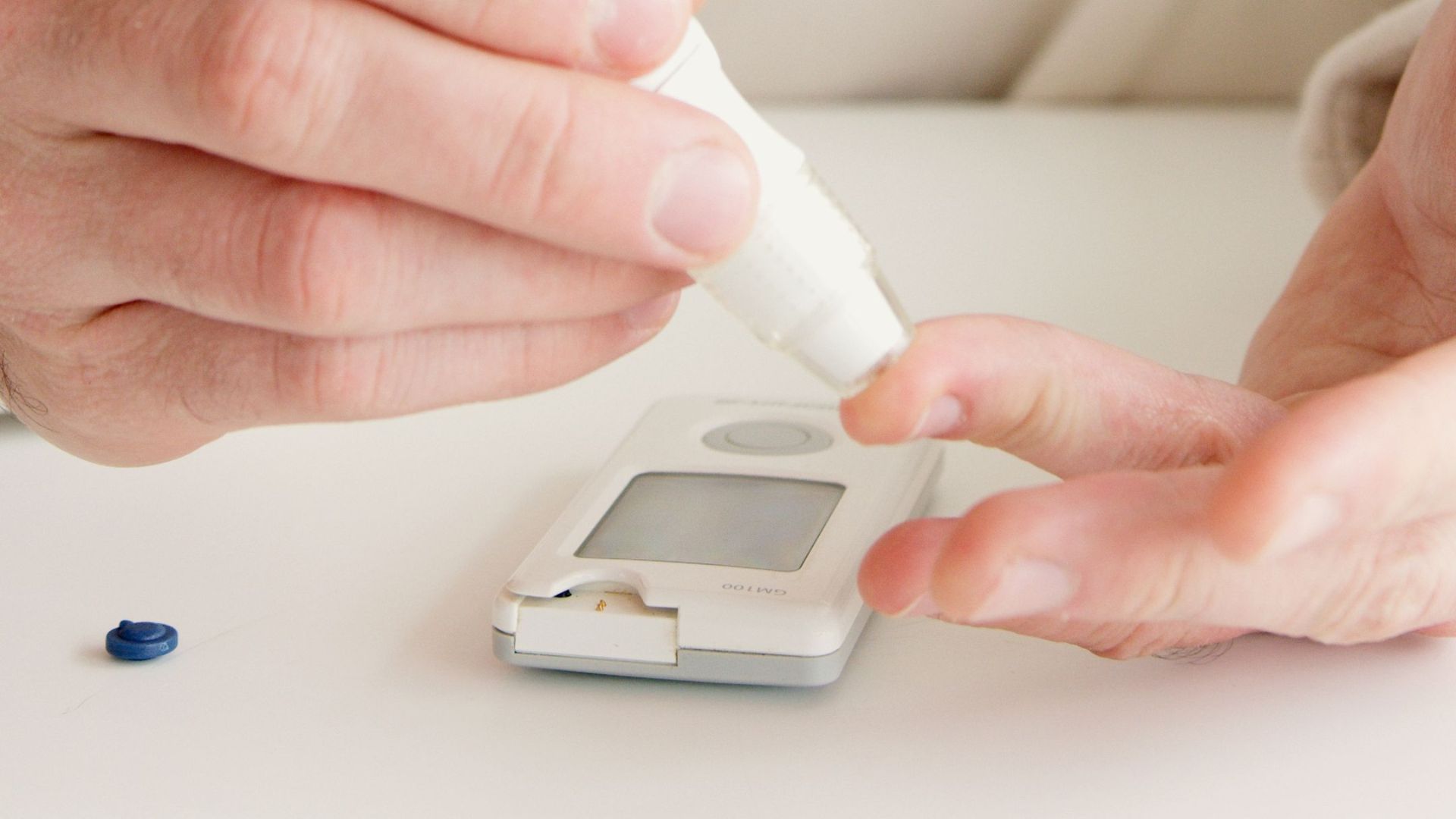
Cholesterol numbers can tell you a lot about what’s happening inside your arteries. LDL cholesterol, often called “bad” cholesterol, can contribute to plaque buildup when levels are too high. After 50, it’s smart to know your results and discuss what they mean for your personal risk.
3. Walk More Often
Walking is one of the simplest habits cardiologists love because it’s realistic for many people. A brisk walk can support blood pressure, blood sugar, weight management, circulation, and overall fitness. You don’t need fancy gear or a heroic personality to benefit from it.

4. Add Strength Training
Muscle matters more as you age, and your heart benefits when your body stays strong. Strength training can help with balance, metabolism, blood sugar control, and everyday independence. You don’t have to become a gym rat to get results—light weights, resistance bands, bodyweight exercises, or supervised classes can all be useful.

5. Eat More Fiber
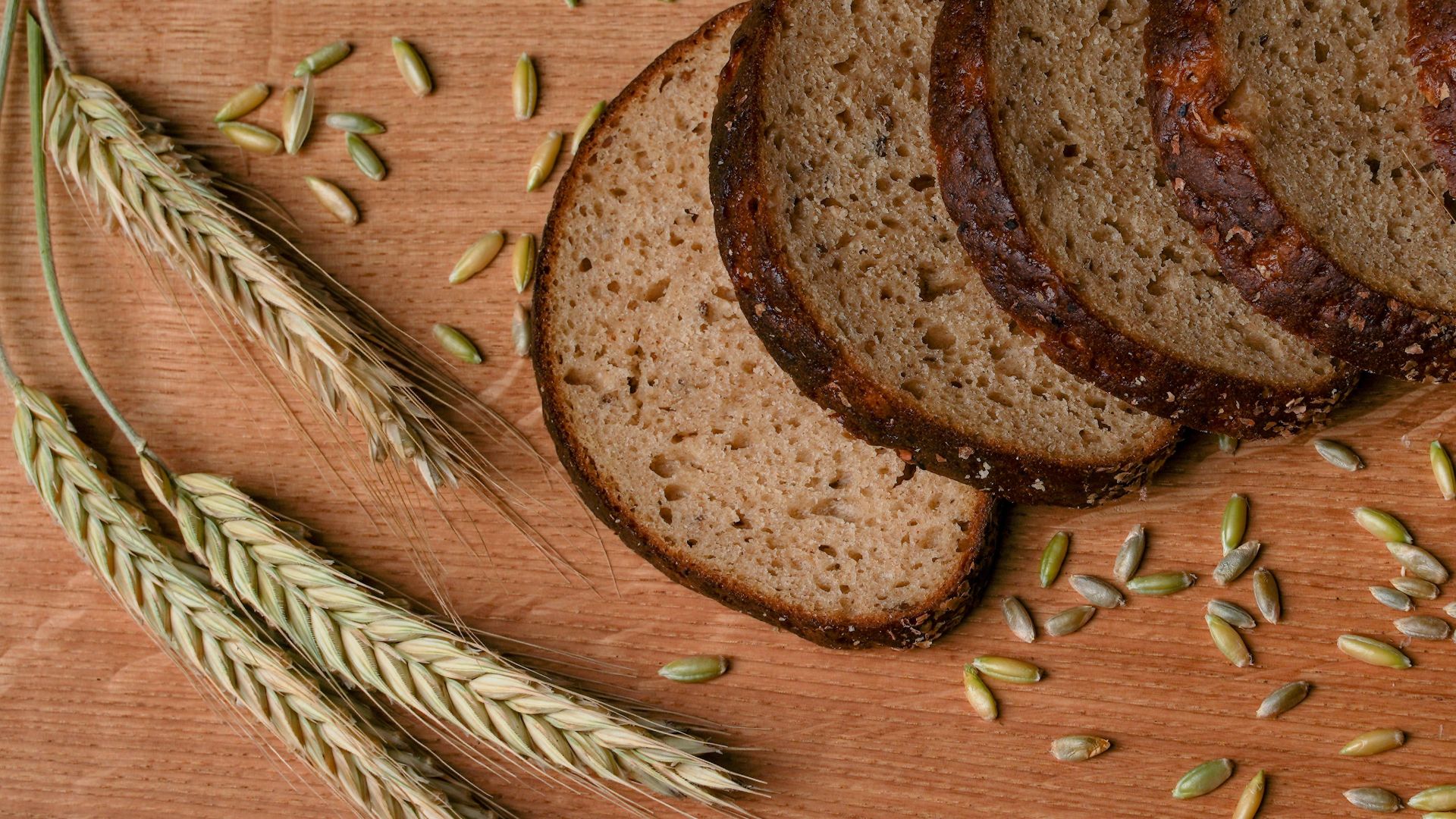
Fiber is not glamorous, but it does excellent work. Foods like oats, beans, lentils, vegetables, fruit, and whole grains can help support healthier cholesterol and steadier blood sugar. Cardiologists often wish people focused less on miracle foods and more on basics like this.
6. Cut Back on Sodium
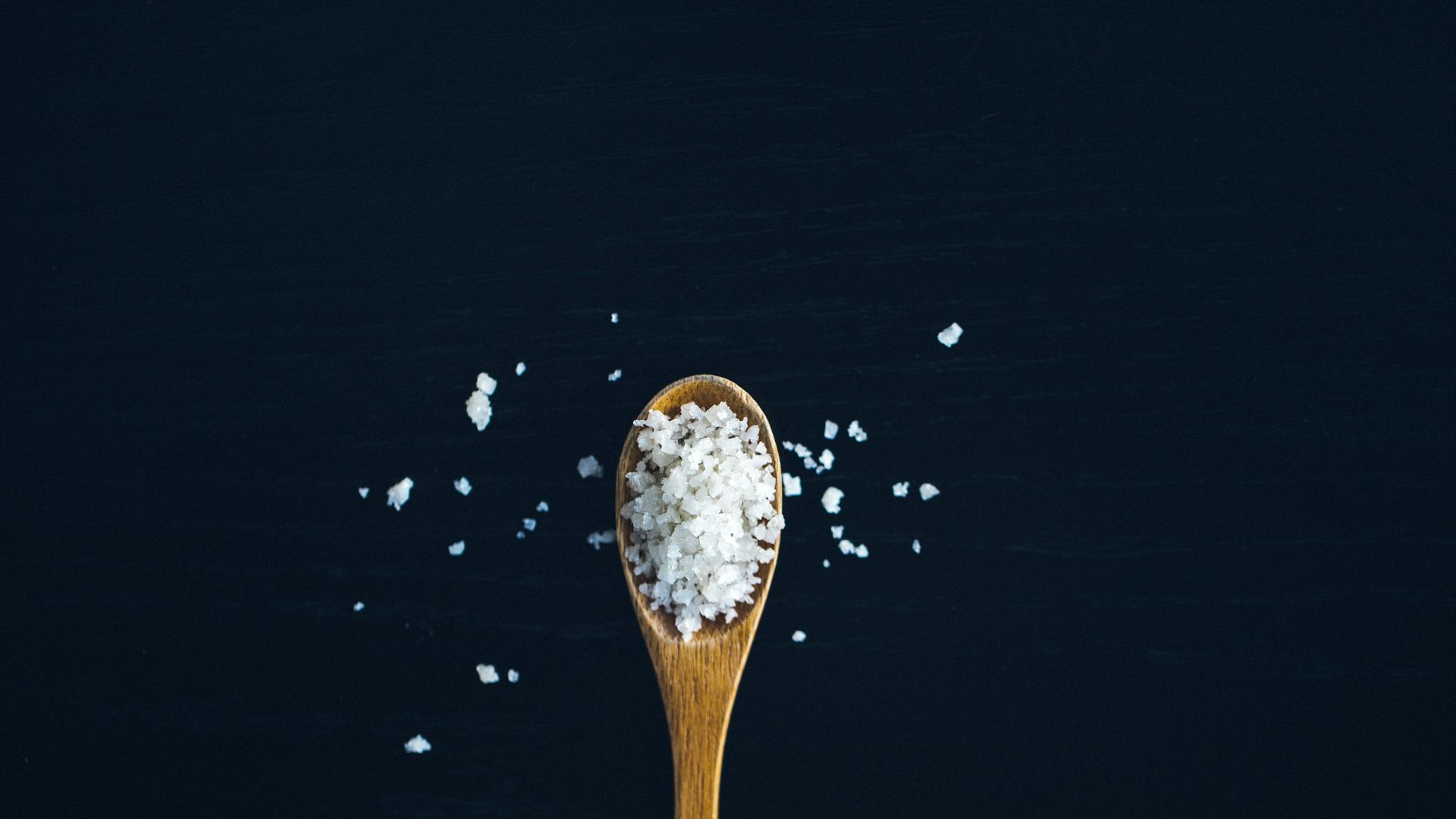
Too much sodium can raise blood pressure in many people, especially when it shows up daily through packaged meals, restaurant food, and salty snacks. You don’t have to eat flavorless food to lower your intake. Herbs, spices, citrus, garlic, vinegar, and better seasoning habits can help food stay enjoyable.
7. Stop Smoking for Good
Smoking is one of the biggest risks cardiologists want people to leave behind. It damages blood vessels, raises the risk of heart disease, and makes nearly every part of cardiovascular health harder. Quitting can be difficult, so support, medication, counseling, or structured programs may make a real difference.

8. Pay Attention to Blood Sugar
Blood sugar matters even if you don’t have diabetes. Elevated blood sugar can affect blood vessels and raise the risk of heart problems over time. After 50, regular screening can help catch changes before they become more serious.

9. Get Enough Sleep
Sleep isn't just downtime for your brain; it also affects your heart. Poor sleep is linked with higher risks of high blood pressure, heart disease, and stroke. Cardiologists wish more people treated sleep as part of prevention instead of something optional.

10. Treat Snoring Seriously
Loud snoring, gasping, or daytime exhaustion can point to sleep apnea. Untreated sleep apnea may contribute to high blood pressure and other heart-related problems. Many people joke about snoring for years before getting checked, which can delay useful treatment.

11. Get a Handle On Stress
Stress doesn’t always stay in your head. Over time, it can affect sleep, blood pressure, eating habits, inflammation, and how well you stick to healthy routines. Cardiologists don’t expect anyone to float through life peacefully at all times, but they do wish more people had practical stress tools, whether that means walking, counseling, breathing exercises, hobbies, or better boundaries.

12. Keep Up With Regular Checkups
Preventive visits can catch small issues before they turn into complicated ones. Blood pressure, cholesterol, blood sugar, weight changes, medication side effects, and family history all deserve periodic attention. Skipping appointments because you feel fine can backfire, since many heart risks are quiet at first.
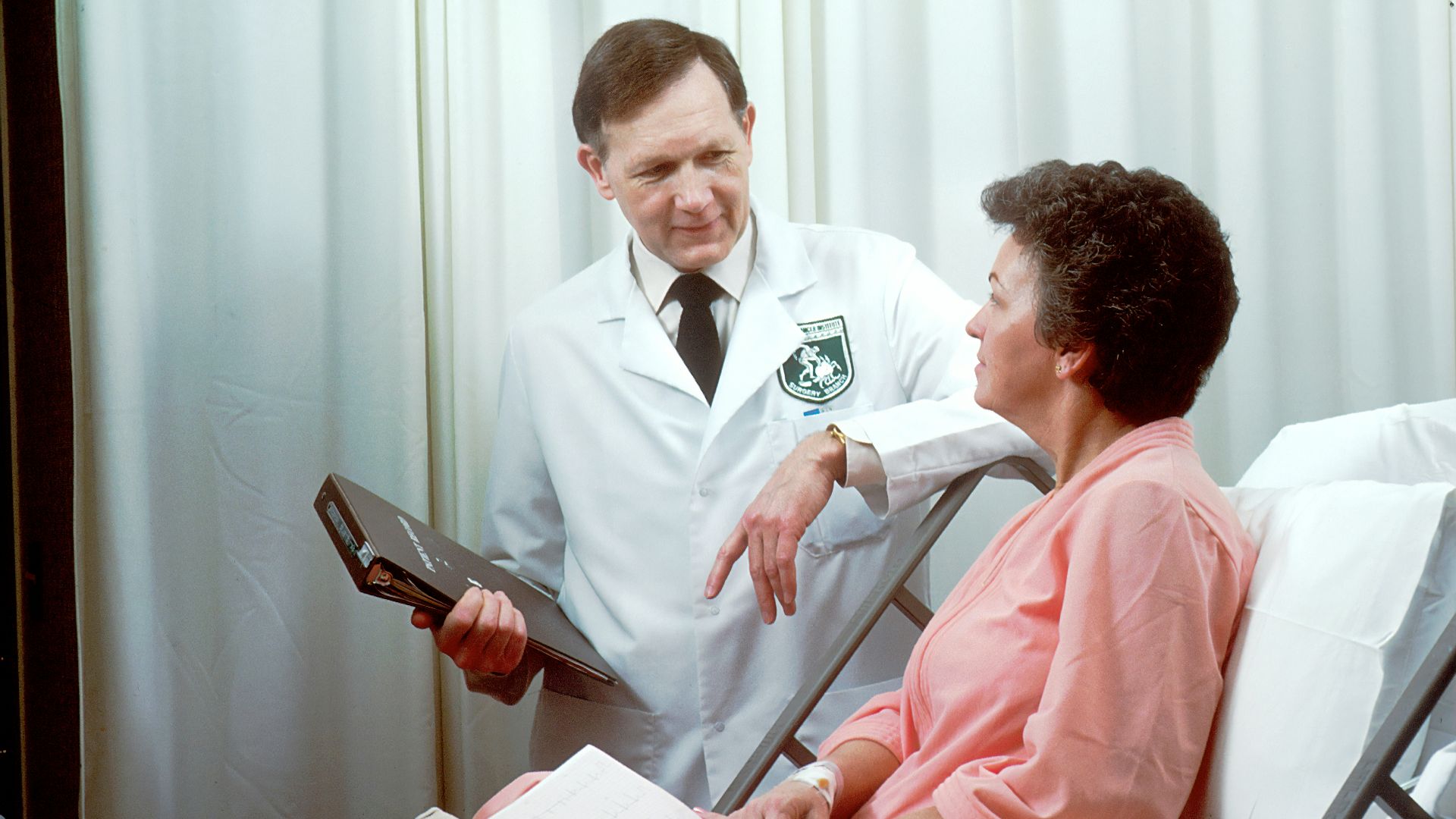 National Cancer Institute on Unsplash
13. Learn Your Family History
Family history can change your risk even if you follow a healthy lifestyle. Heart attacks, strokes, high cholesterol, high blood pressure, and diabetes in close relatives are worth mentioning to your doctor. You may not be able to change your genes, but you can use the information to screen earlier and act smarter.

14. Move After Meals
A short walk after eating can help your body manage blood sugar and digestion. It also adds movement to your day without requiring a big workout block. Cardiologists like habits that are easy to repeat because consistency beats occasional perfection.

15. Cut Back On Alcohol
Alcohol can affect blood pressure, rhythm problems, sleep, weight, and medication safety. After 50, your body may not handle drinks the same way it did in your 20s. Cardiologists often encourage people to be honest about how much they’re drinking, not just how much they wish they were drinking.

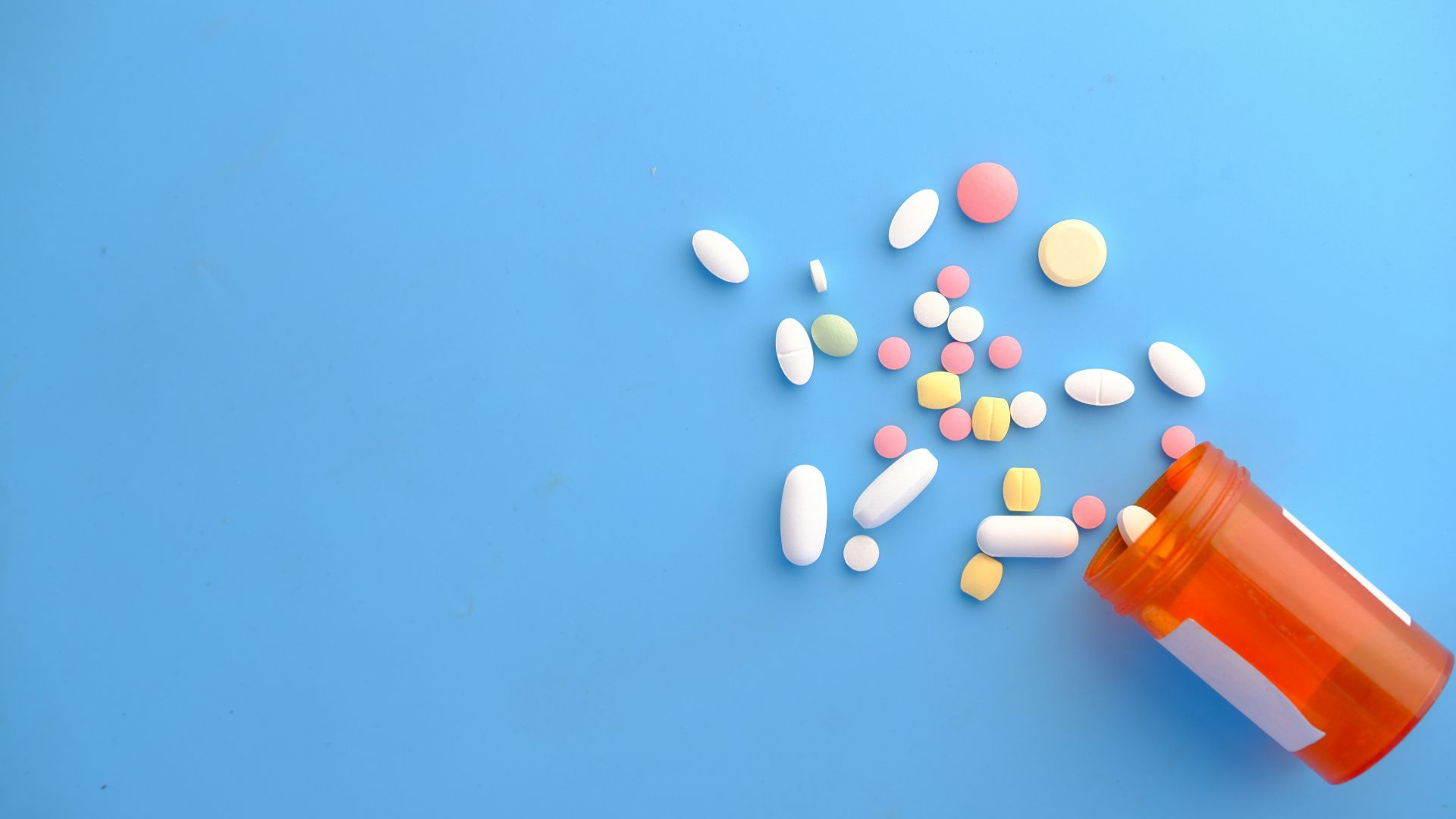
16. Take Medication as Prescribed
Blood pressure pills, statins, diabetes medications, and other prescriptions only work properly when taken consistently. Stopping because you feel fine can be risky, since many conditions improve silently with treatment. If side effects bother you, talk to your doctor instead of quietly quitting. There may be another dose or medication that works better for you.
17. Watch for New Symptoms
Chest pressure, shortness of breath, fainting, unexplained fatigue, swelling, or sudden exercise intolerance shouldn't be brushed off. Symptoms can look different from person to person, and not every heart problem feels like a dramatic movie scene. Cardiologists wish people would report changes earlier, especially when something feels new or unusual.

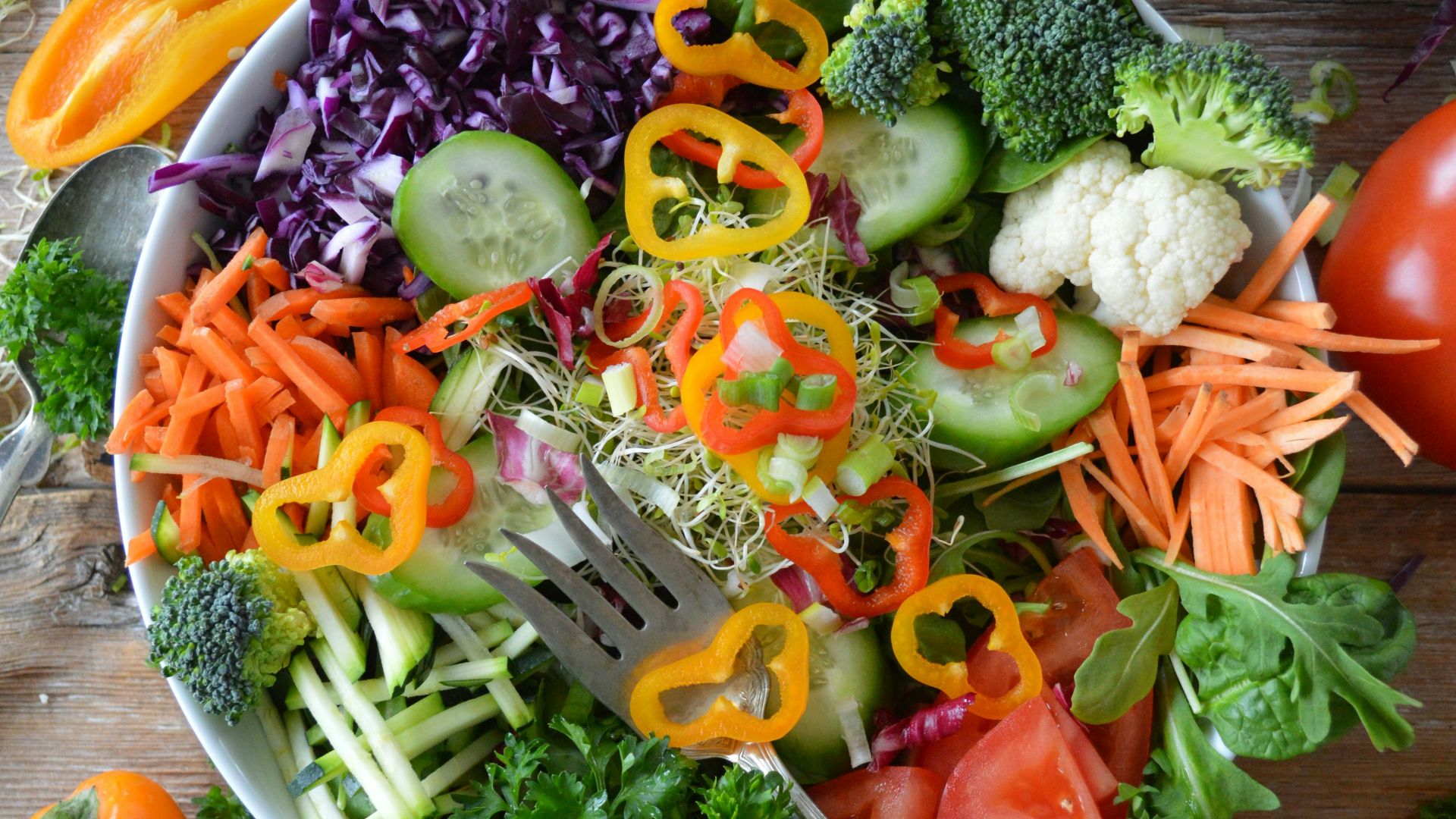
18. Build a Heart-Friendly Plate
A heart-friendly plate usually includes plenty of vegetables, fruit, lean proteins, beans, whole grains, nuts, and healthier fats. It also leaves less room for highly processed foods, sugary drinks, and heavy saturated fat. You don’t have to eat perfectly to eat better.
19. Stay Socially Connected
Loneliness and isolation can affect health more than many people realize. Social connection can support mood, stress control, activity levels, and the motivation to keep up with healthy habits. Cardiologists may not prescribe dinner with friends, but they know your emotional life matters.
 Priscilla Du Preez 🇨🇦 on Unsplash
20. Don’t Wait for a Scare
A heart scare has a way of making people suddenly very interested in prevention, but cardiologists would prefer you not need one. After 50, small changes can help protect your heart before problems become urgent. The goal isn't to live nervously; it’s to give yourself better odds with habits you can maintain.

KEEP ON READING



20 Signs You're Not Digesting Your Food Properly