
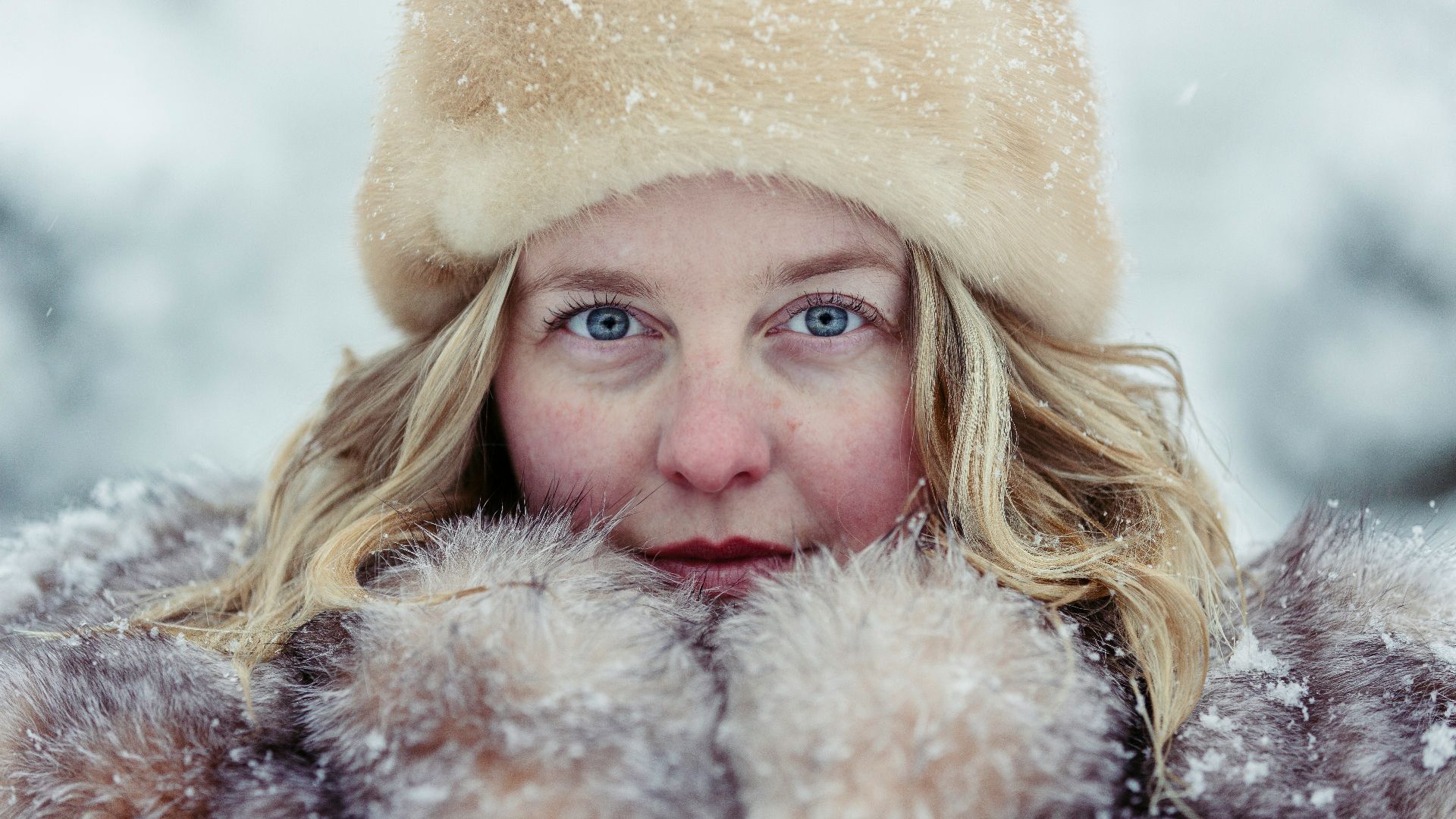
20 Strange Things That Happen to Your Skin When Temperatures Drop
Your Skin Has Some Unexpected Reactions to Cold Weather
As temperatures start to drop, you might notice your skin acting a little differently than it did during the warmer months. While dryness and chapped lips are common winter complaints, cold weather can also trigger some surprisingly strange reactions you might not expect. From mysterious bumps to unusual color changes, your skin responds to chilly conditions in several interesting ways. Here are 20 unusual things that can happen to your skin when the weather gets cold.
1. Your Skin Can Develop a Purple Pattern
Have you ever noticed strange purple or reddish patterns showing up on your legs after spending time outdoors? This could be a condition called livedo reticularis, which occurs when cold temperatures affect blood flow through the tiny vessels beneath your skin. The result is a temporary, lace-like pattern that usually fades once you warm up. However, if the discoloration sticks around, it's worth having a doctor take a look.
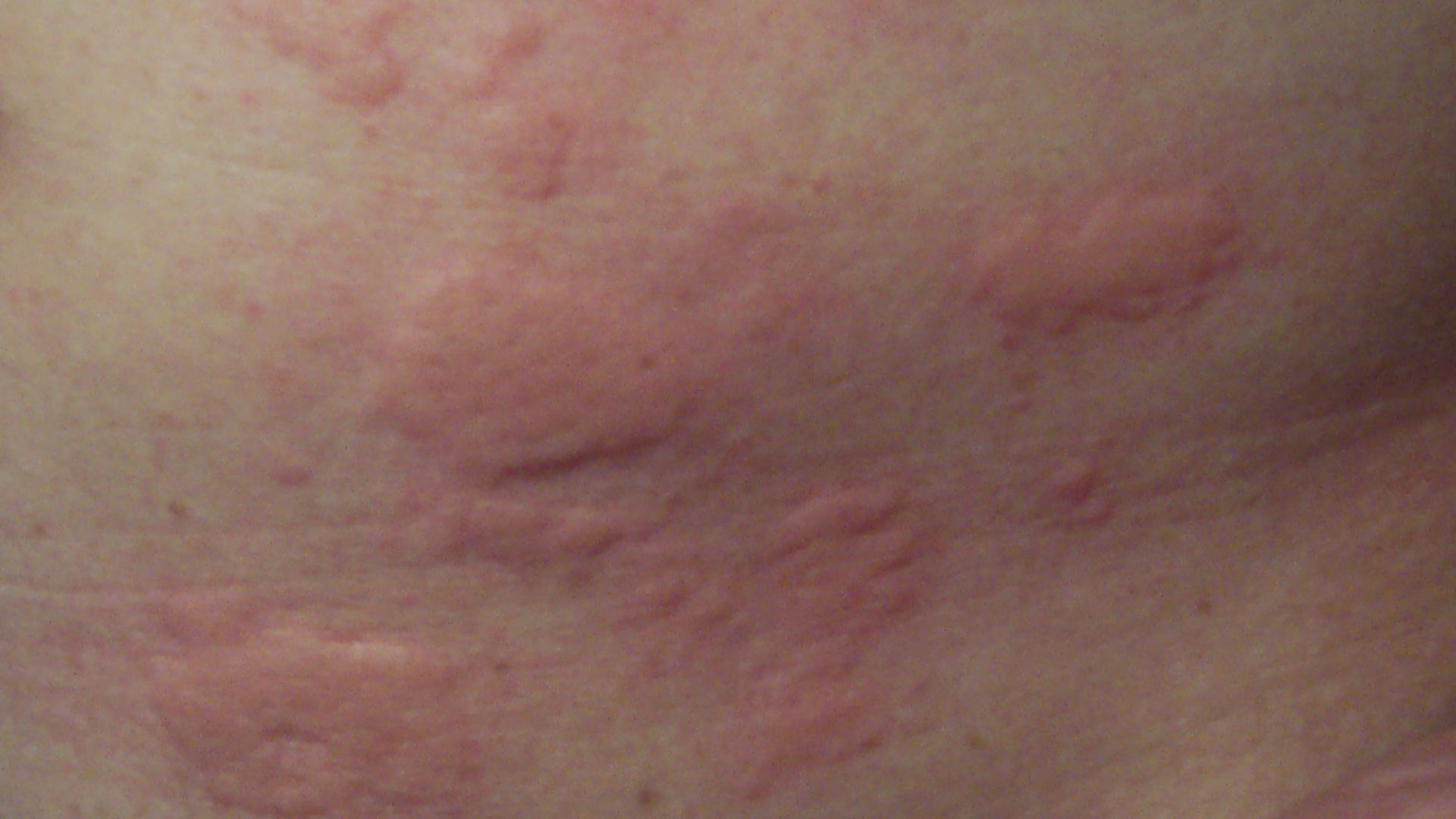
2. You Might Suddenly Break Out in Hives
For some people, heading outside into freezing temperatures can trigger an allergic-like reaction known as cold urticaria. This condition causes itchy, raised welts to develop when exposed skin comes into contact with cold air or water, sometimes becoming more noticeable as you warm up. Reactions can range from mild irritation to serious symptoms, especially after swimming in cold water. If you've noticed unexplained hives during winter, consider bringing them up with a dermatologist.
3. Your Skin Can Start Itching Without a Visible Rash
Cold weather can sometimes leave your skin incredibly itchy, even when there's nothing unusual visible on the surface. Low humidity and indoor heating can strip moisture from your skin, making its protective barrier less effective. Because of this, everyday clothing or even the slightest touch can suddenly feel irritating. Applying a thick moisturizer regularly can help keep that uncomfortable itching under control.
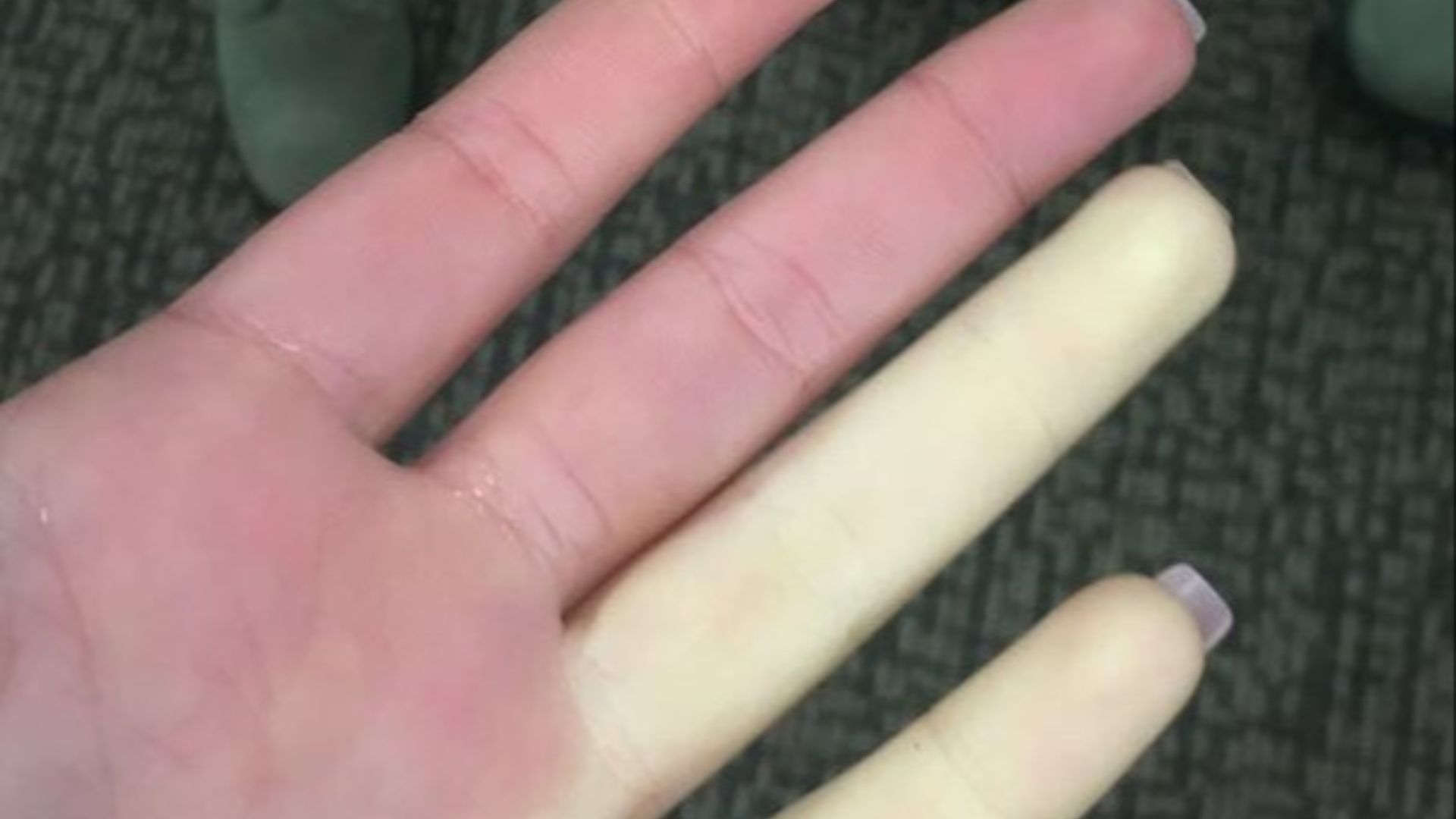
4. Your Fingers Might Turn Completely White
If your fingers suddenly lose their usual color when you're cold, you might be experiencing Raynaud's syndrome. This condition causes small blood vessels to temporarily narrow, restricting circulation and sometimes turning the affected skin white or blue. When blood flow returns, your fingers may turn red and develop a tingling or throbbing sensation. Although many cases are manageable, frequent or painful episodes should be checked by a doctor.
5. Your Lips Can Crack at the Corners
Winter doesn't always cause dryness across your entire mouth, as the corners of your lips can sometimes become especially irritated. These painful little cracks may develop into angular cheilitis, a condition linked to moisture collecting around the mouth, skin irritation, and occasionally yeast or bacterial infections. Cold weather and frequent lip licking can make matters worse by further irritating sensitive skin. If those cracks keep coming back, ordinary lip balm might not be enough to fix the problem.
 Mraig at English Wikipedia on Wikimedia
6. Your Skin Might Become Unusually Sensitive to Products
That skin care product you've been using without any trouble for months might suddenly start stinging once winter arrives. Cold temperatures and dry indoor air can weaken your skin's moisture barrier, making certain ingredients more irritating than they were before. Exfoliating acids, fragrances, and harsh cleansers can be especially uncomfortable during this time of year. Simplifying your skin care routine may be all it takes to help your skin adjust to the change in weather.
 Angélica Echeverry on Unsplash
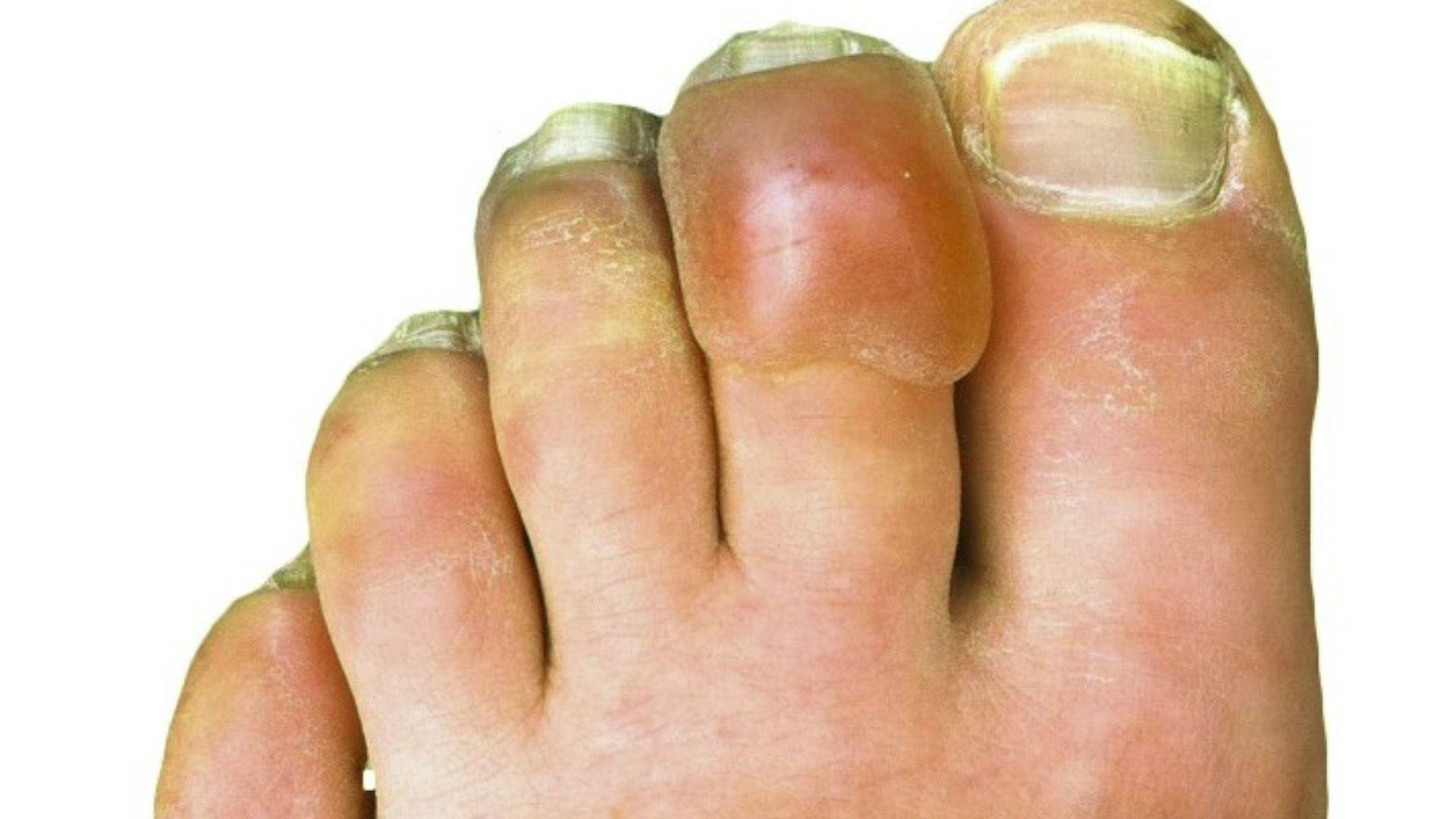
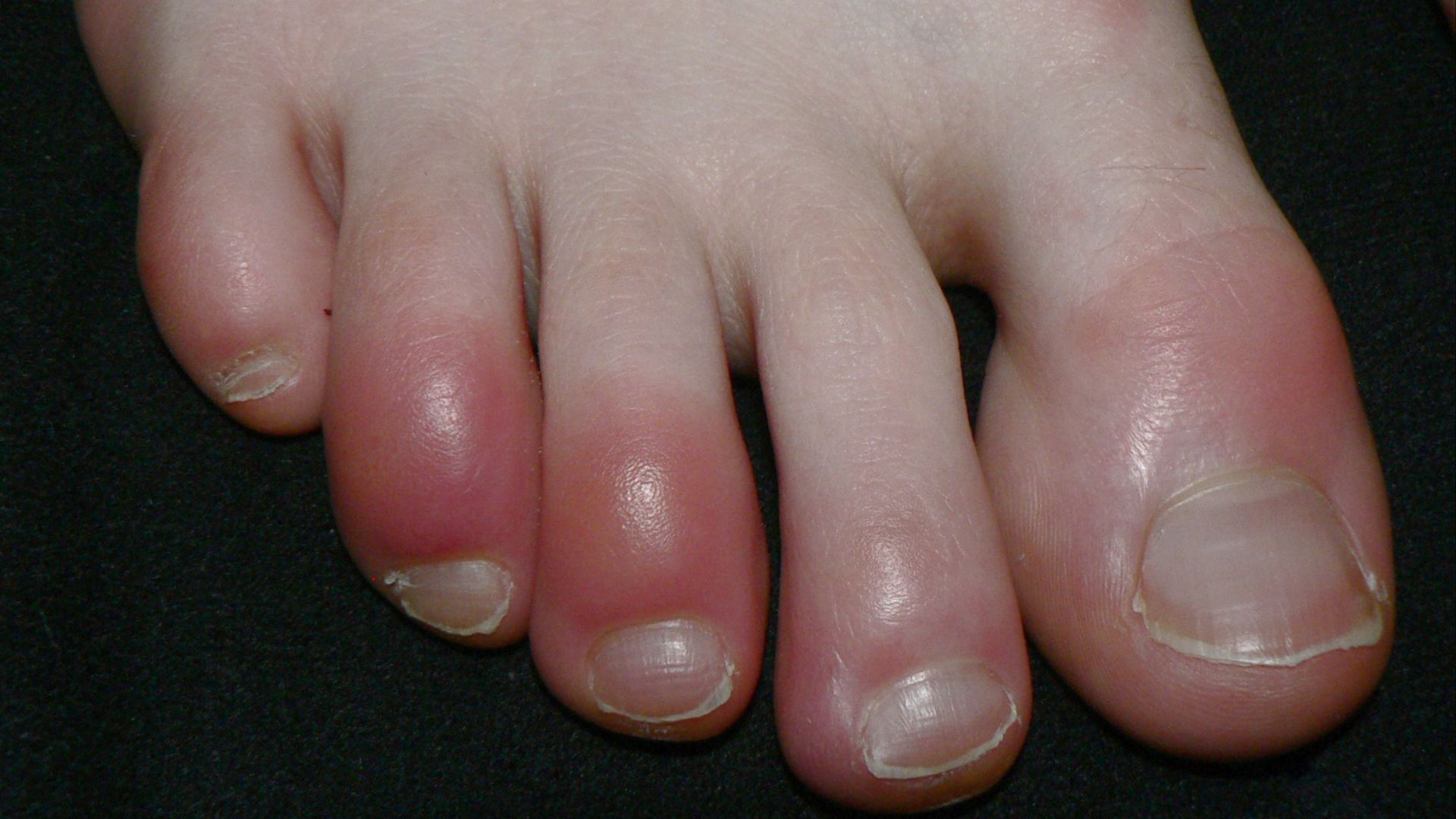
7. Tiny Red Bumps Can Appear on Your Fingers & Toes
Spending time in damp, chilly weather can sometimes trigger a condition called chilblains, also known as pernio. These small, inflamed patches typically develop on your fingers, toes, or heels and can cause itching, swelling, or an uncomfortable burning sensation. They're linked to an unusual response of small blood vessels to cold and subsequent warming, even when temperatures aren't below freezing. Keeping your hands and feet warm and dry can help lower the chances of experiencing another episode.
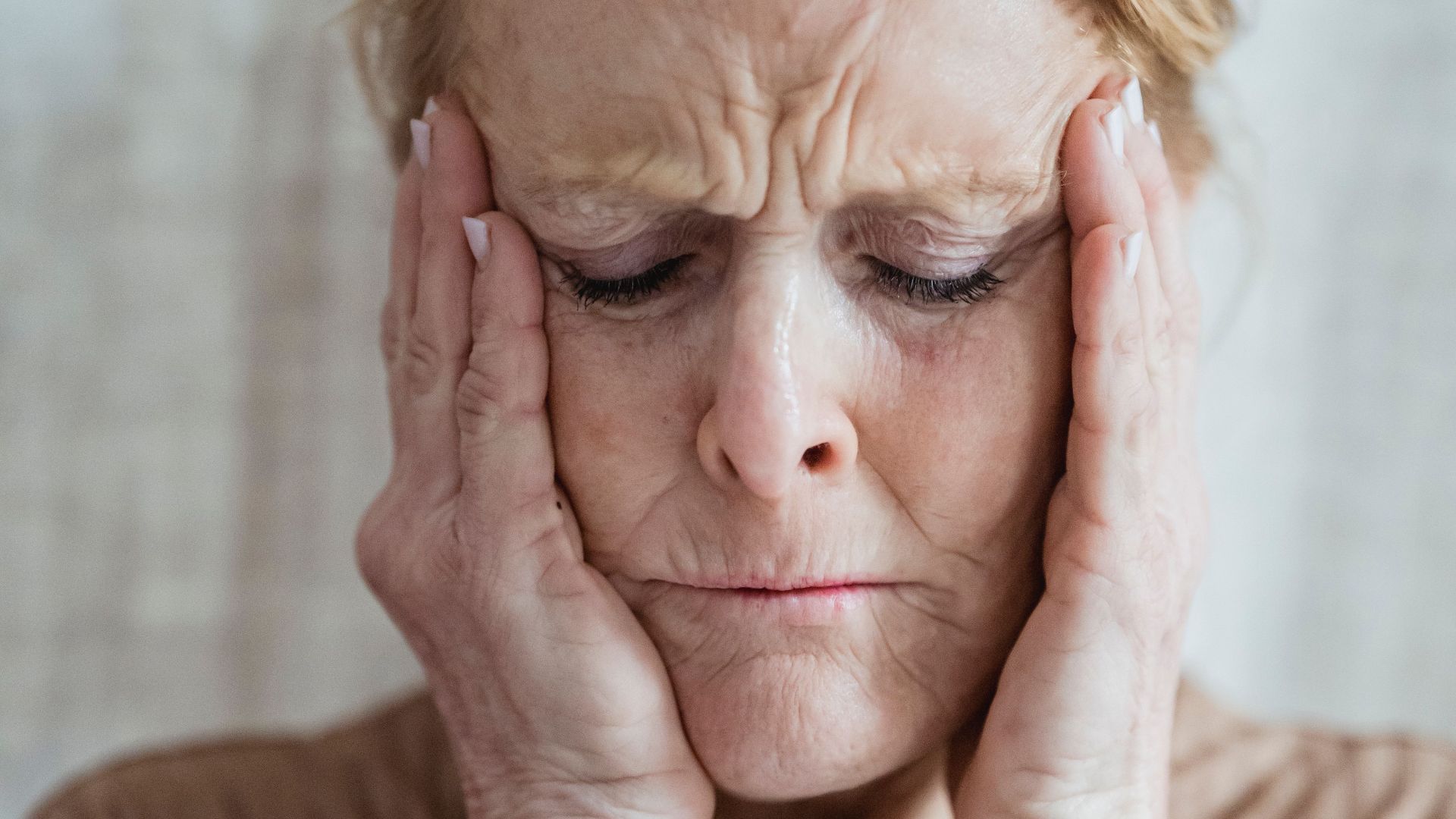
8. Your Fine Lines Might Suddenly Look Deeper
If your face seems noticeably more wrinkled during winter, that doesn't necessarily mean your skin has suddenly aged. Dehydration can make existing fine lines appear deeper, particularly around your eyes and mouth. Lower humidity leaves less moisture available to your skin, causing its surface to look less plump than it normally would. Luckily, keeping your skin properly moisturized can improve their appearance without needing to completely change your routine.
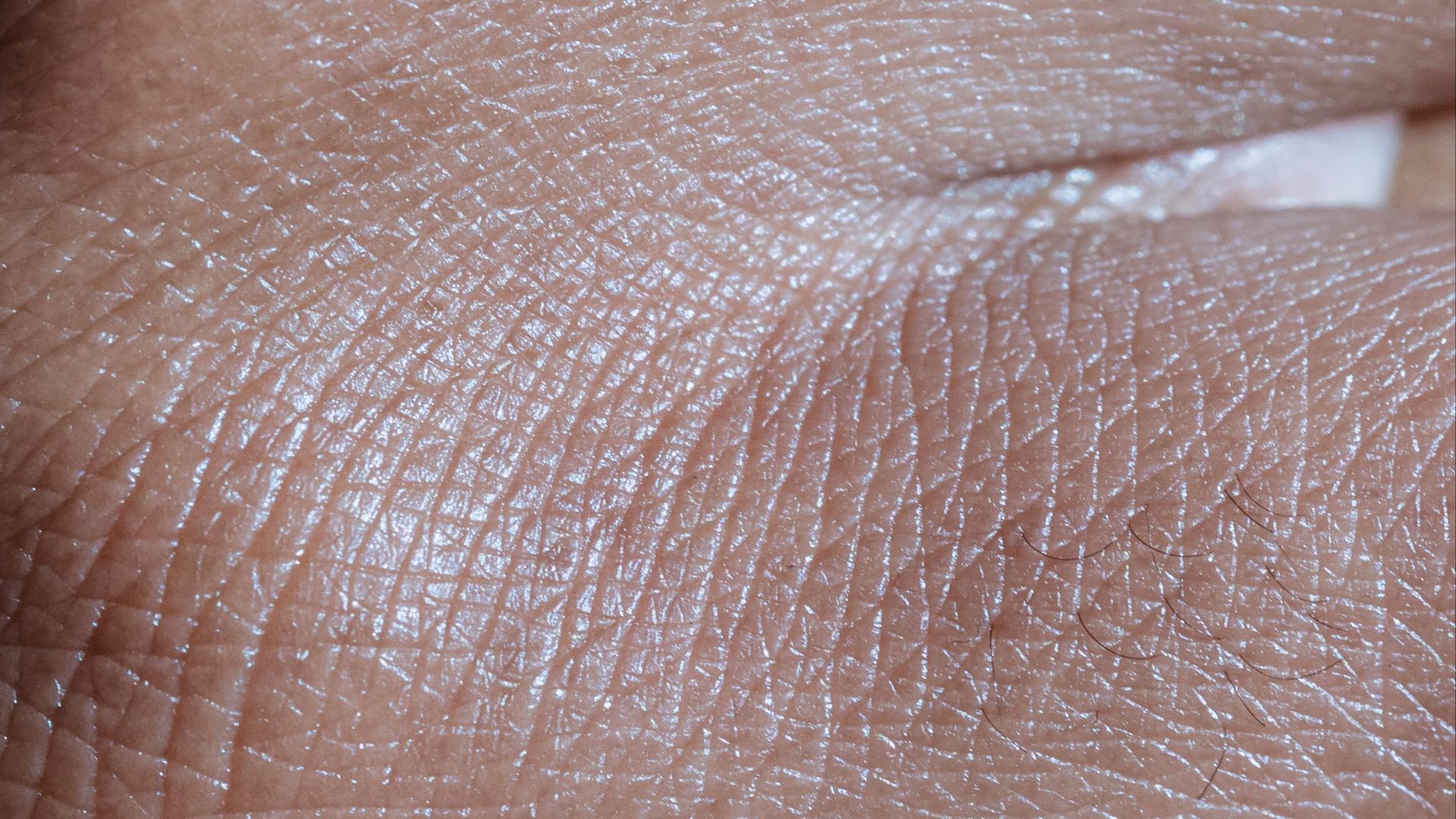
9. Your Skin Can Develop a Fish-Scale Appearance
Extremely dry skin can sometimes develop rough patches that resemble overlapping scales, especially along your legs. This appearance can happen with ordinary winter dryness, although people with ichthyosis vulgaris may notice more pronounced scaling during colder months. The condition makes it harder for dead skin cells to shed normally, allowing them to build up on the surface. Moisturizing regularly can help reduce the roughness, but stubborn scaling may need additional treatment.
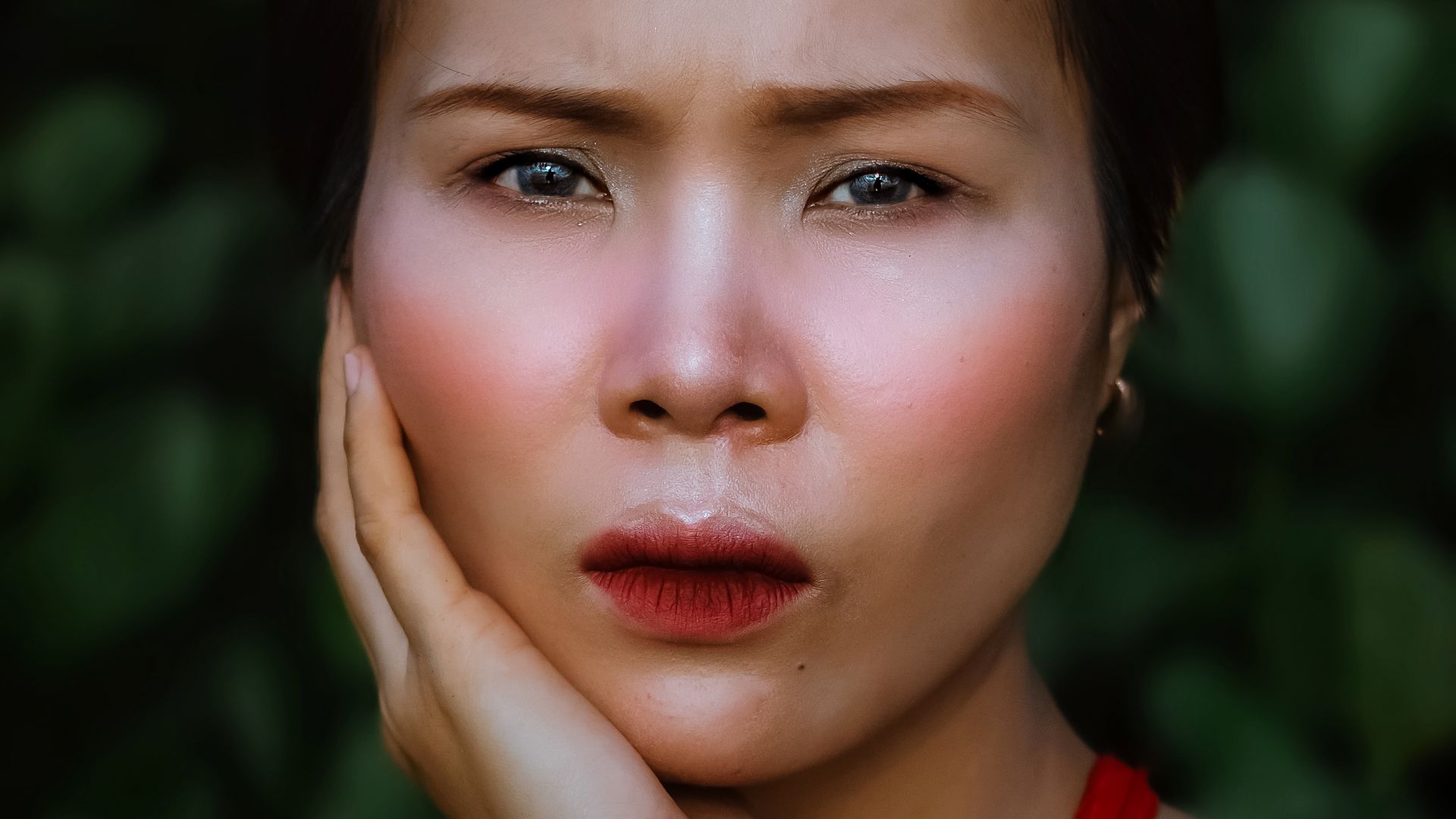
10. Your Cheeks Can Become Bright Red
Stepping into a warm building after spending time in freezing temperatures can leave your cheeks looking noticeably flushed. Cold weather causes certain blood vessels near the surface of your skin to narrow, while warmer conditions allow them to expand again. The resulting increase in blood flow can cause temporary redness, particularly across exposed areas of your face. If you have rosacea, these sudden temperature changes may also trigger more persistent flushing.
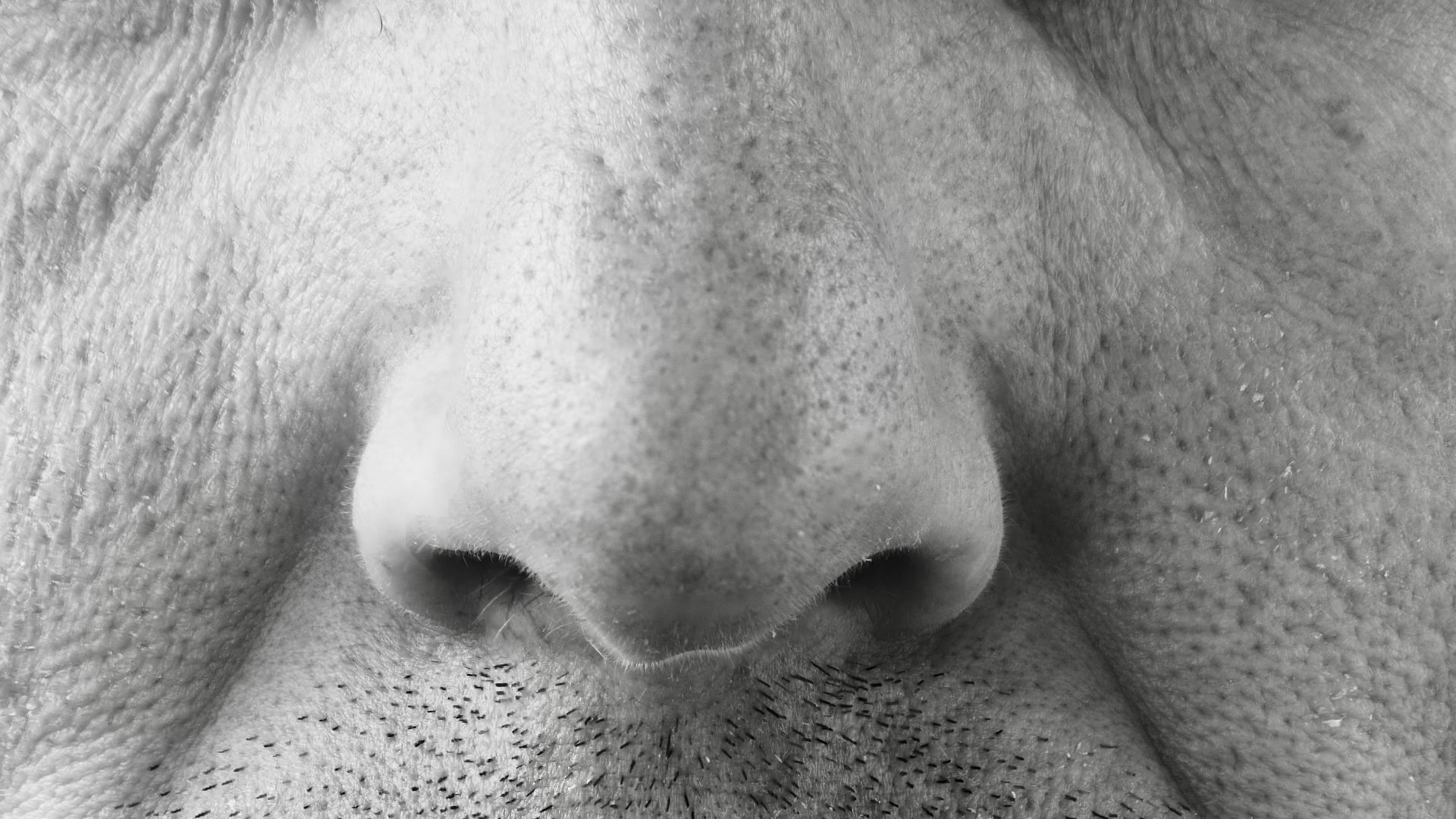
11. Your Skin Might Start Peeling Around Your Nose
Winter skin problems don't just affect your cheeks and forehead, since the area around your nostrils can become particularly irritated. Dry air, constant nose blowing, and repeated rubbing with tissues can damage the delicate skin surrounding your nose. Over time, you might notice peeling, redness, or tiny cracks that make the area uncomfortable to touch. Choosing softer tissues and using a gentle moisturizer can help prevent further irritation.
 Sebastian Schuster on Unsplash
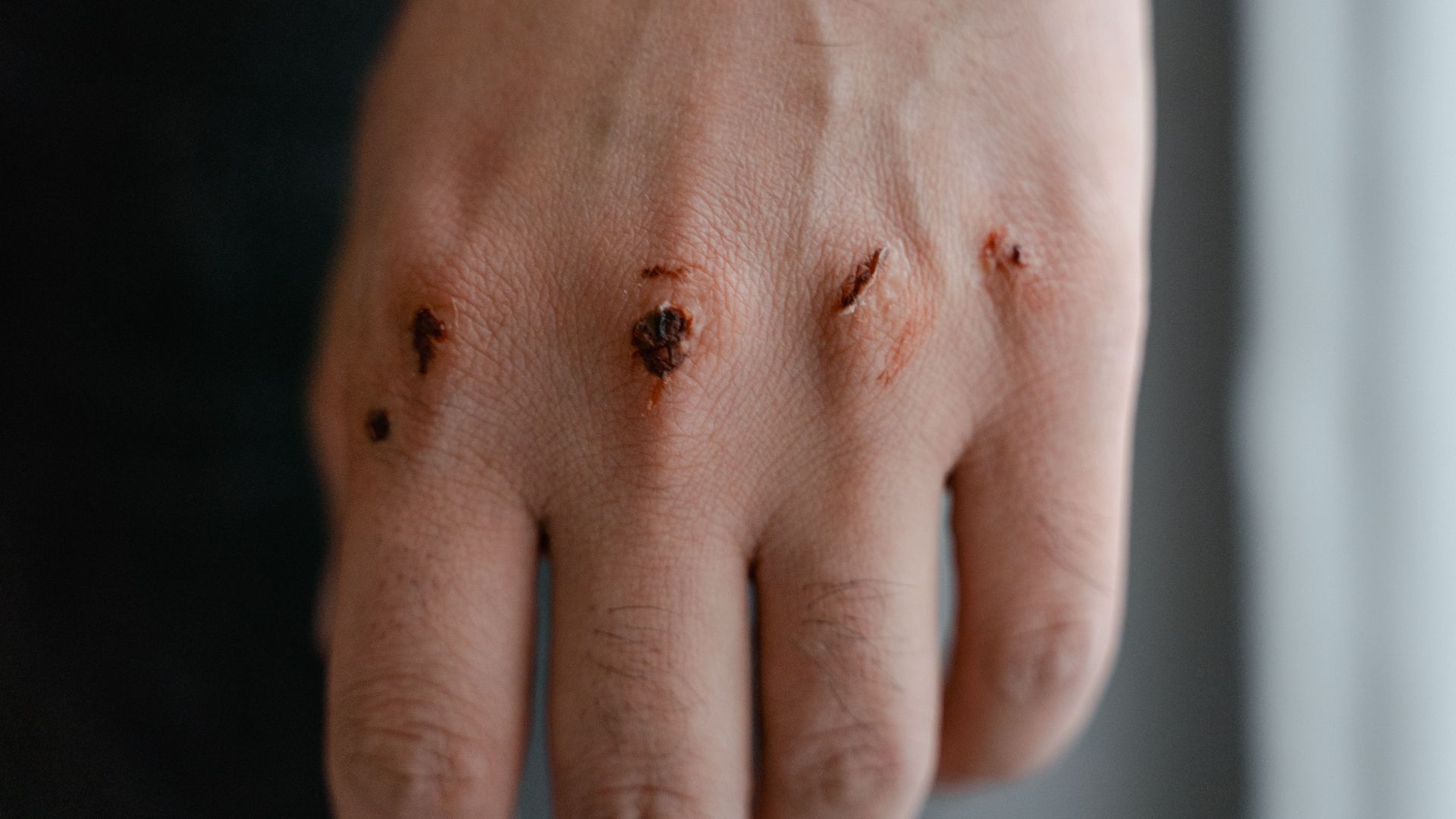
12. Your Knuckles Can Develop Painful Splits
When the weather turns cold, the skin across your knuckles can become so dry that even everyday hand movements cause it to crack. Frequent handwashing, chilly air, and exposure to cleaning products can make the situation even worse. Unlike ordinary dryness, these deeper splits can be quite painful and might occasionally bleed. Wearing gloves outdoors and applying a rich hand cream after washing can help protect your skin from further damage.
13. Your Skin Can Become Covered in Goosebumps
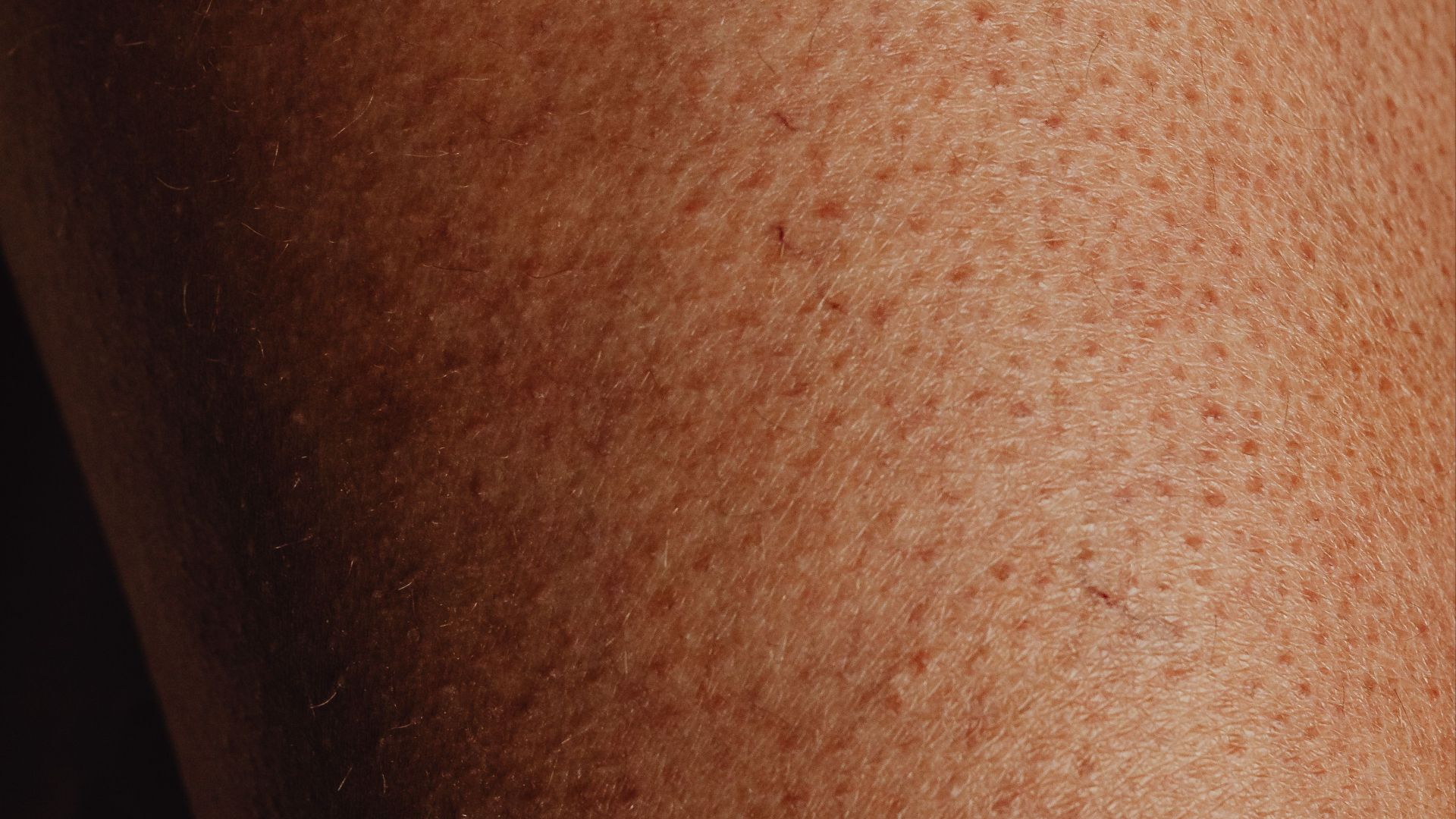
Goosebumps are among your body's fastest and most recognizable responses to cold temperatures. Tiny muscles connected to your hair follicles automatically contract, causing the surrounding skin to rise into small bumps. This reaction once helped our hairier ancestors stay warm by making their body hair stand upright. Since humans have relatively little body hair today, goosebumps don't offer much insulation anymore, although the reflex hasn't disappeared.
 https://kaboompics.com/ on Pexels
14. Your Eczema Might Suddenly Get Worse
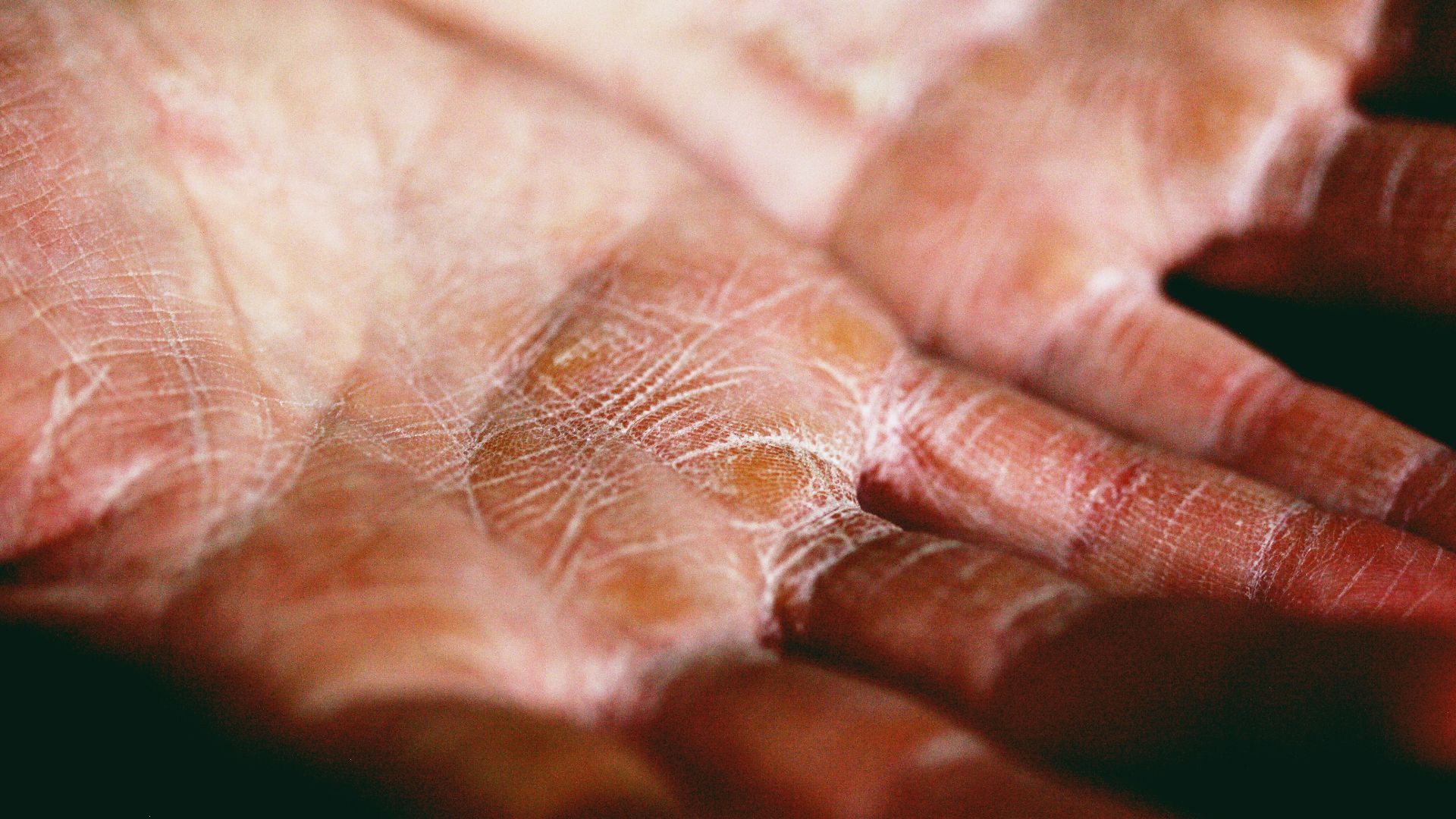
If you have eczema, you may notice that your symptoms become harder to manage once colder weather settles in. Dry air can weaken your skin's protective barrier, allowing moisture to escape while increasing the likelihood of irritation. This can result in itchy, inflamed patches that feel especially uncomfortable after hot showers or when wearing rough fabrics. Sticking to a regular moisturizing routine becomes even more important when winter conditions aggravate existing skin problems.
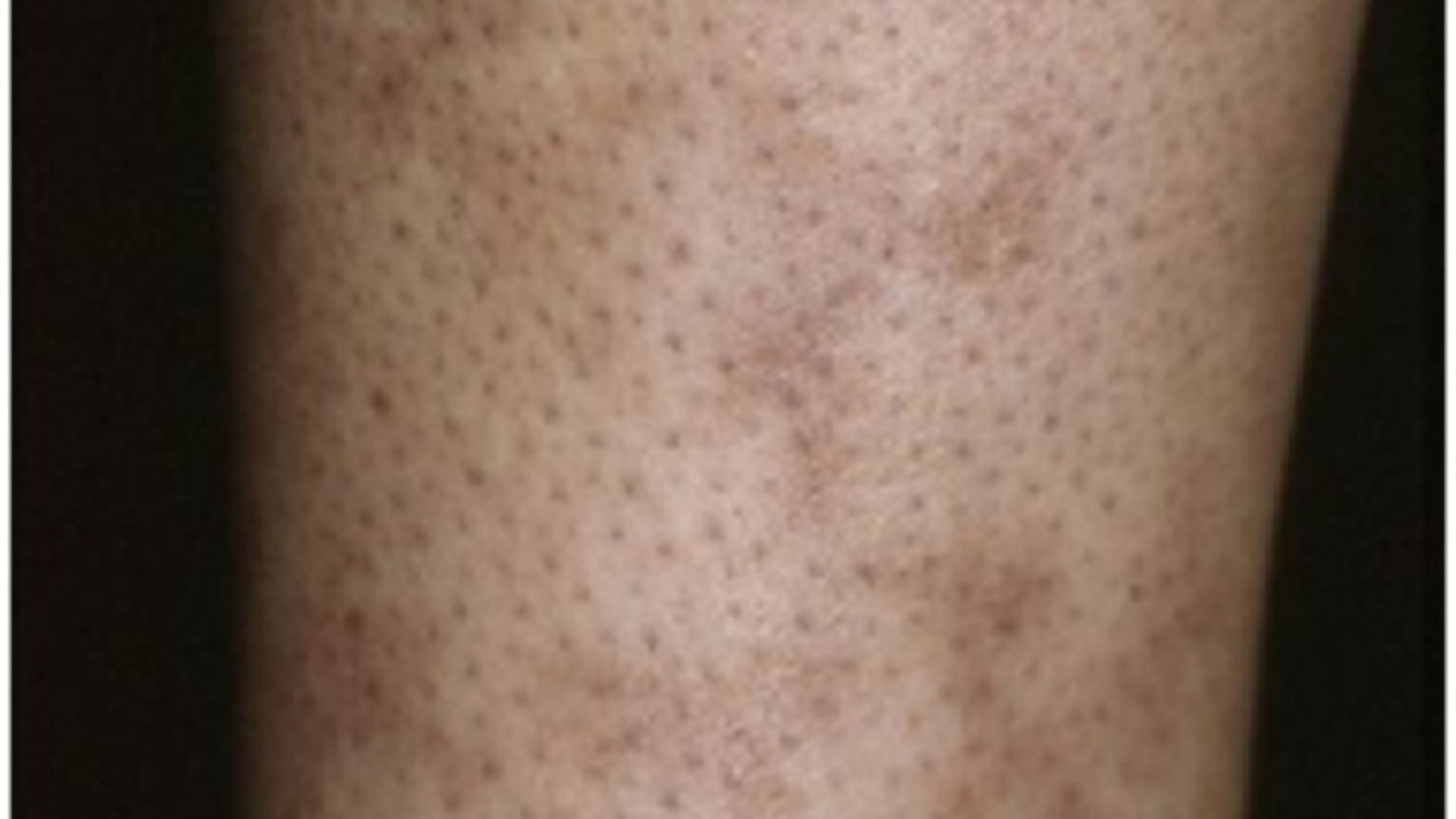
15. Your Skin Can Develop Tiny Rough Bumps
Those small bumps on the backs of your arms or thighs might become much more noticeable as temperatures start falling. Known as keratosis pilaris, this harmless condition develops when keratin builds up and blocks hair follicles. While it can occur at any time of year, dry winter air often makes the surrounding skin feel rougher and more irritated. Gentle moisturizing and suitable exfoliating products may help smooth the texture without the need for harsh scrubbing.
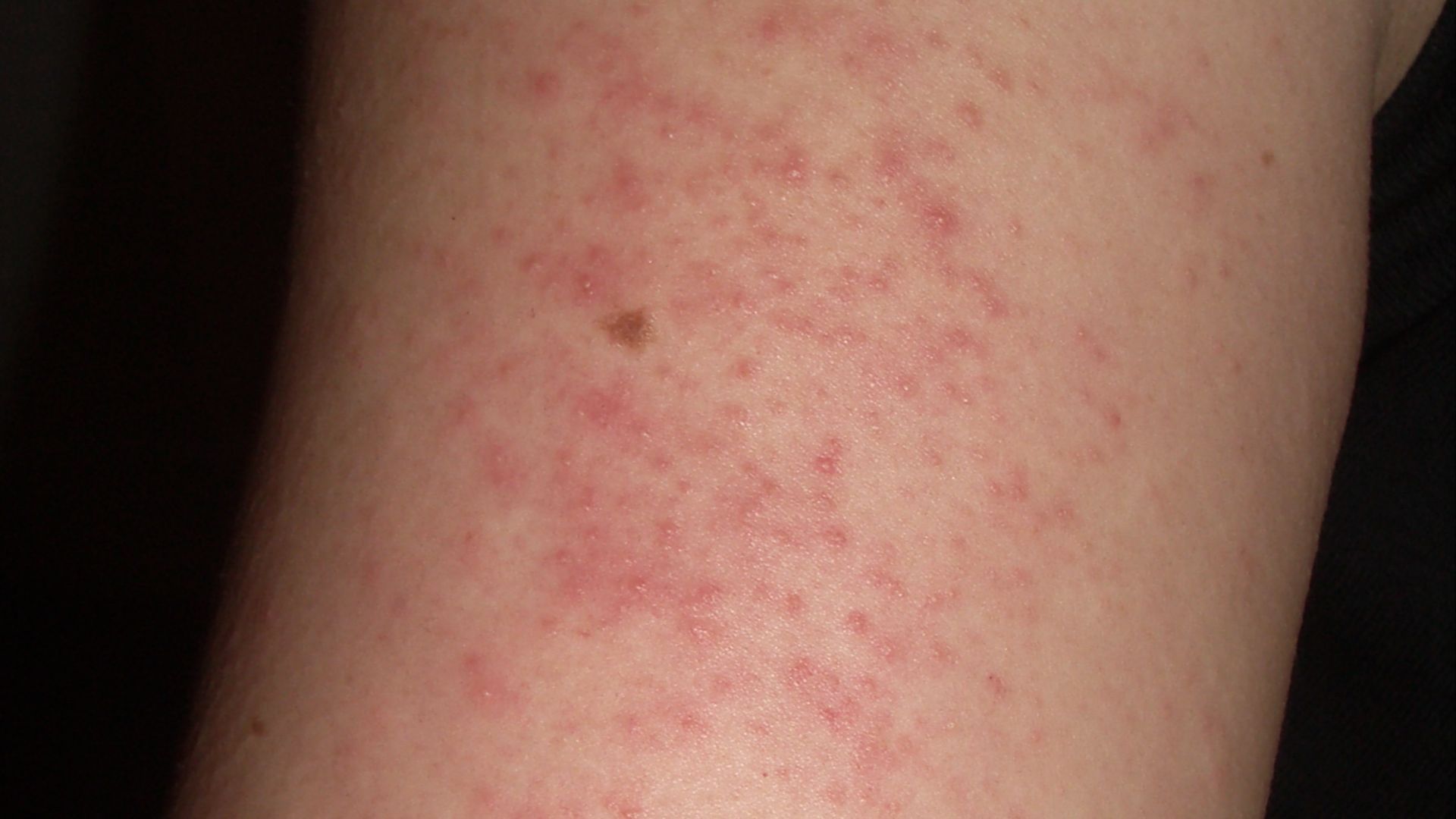 Irja from San Francisco on Wikimedia
16. Your Skin Might Feel Surprisingly Tight
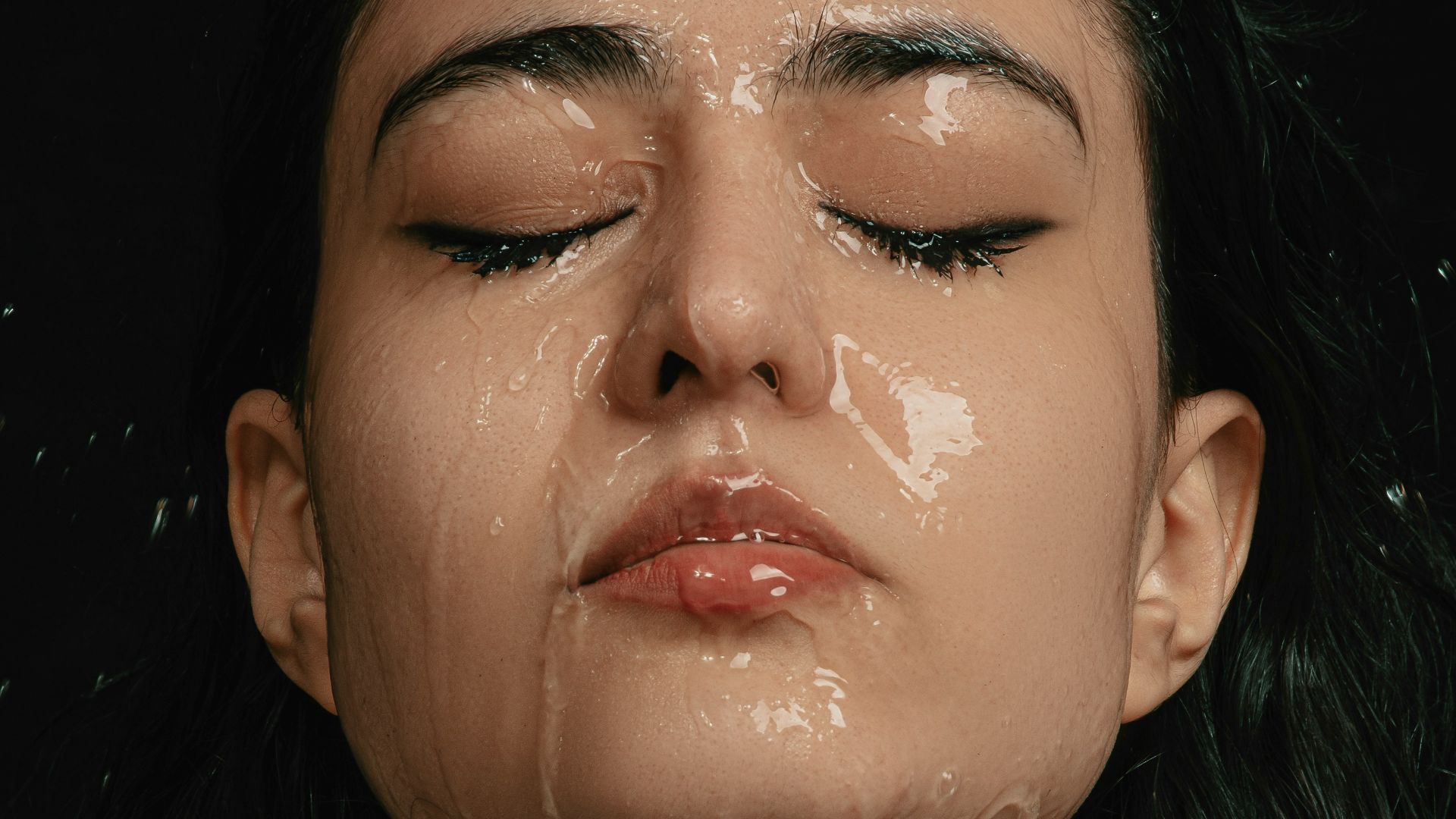
After washing your face in winter, you might notice an uncomfortable pulling sensation as your skin begins to dry. This tight feeling often occurs because cleansing removes some of the natural oils that protect your skin against moisture loss. Cold outdoor air and heated indoor spaces can make the sensation even more noticeable, particularly if you're using strong cleansers. Washing with lukewarm water and moisturizing shortly afterward can help your skin feel comfortable again.
17. Your Fingertips Can Lose Some of Their Sensitivity
Cold temperatures can temporarily leave the skin on your fingertips feeling numb or less sensitive to touch. As your body tries to conserve heat, blood vessels in your hands constrict, limiting circulation to your extremities. Nerve activity can also slow down in the cold, making simple tasks like fastening buttons surprisingly difficult. Feeling should gradually return as your hands warm up, but lasting numbness or noticeable color changes shouldn't be overlooked.

18. Your Scalp Might Become Flakier
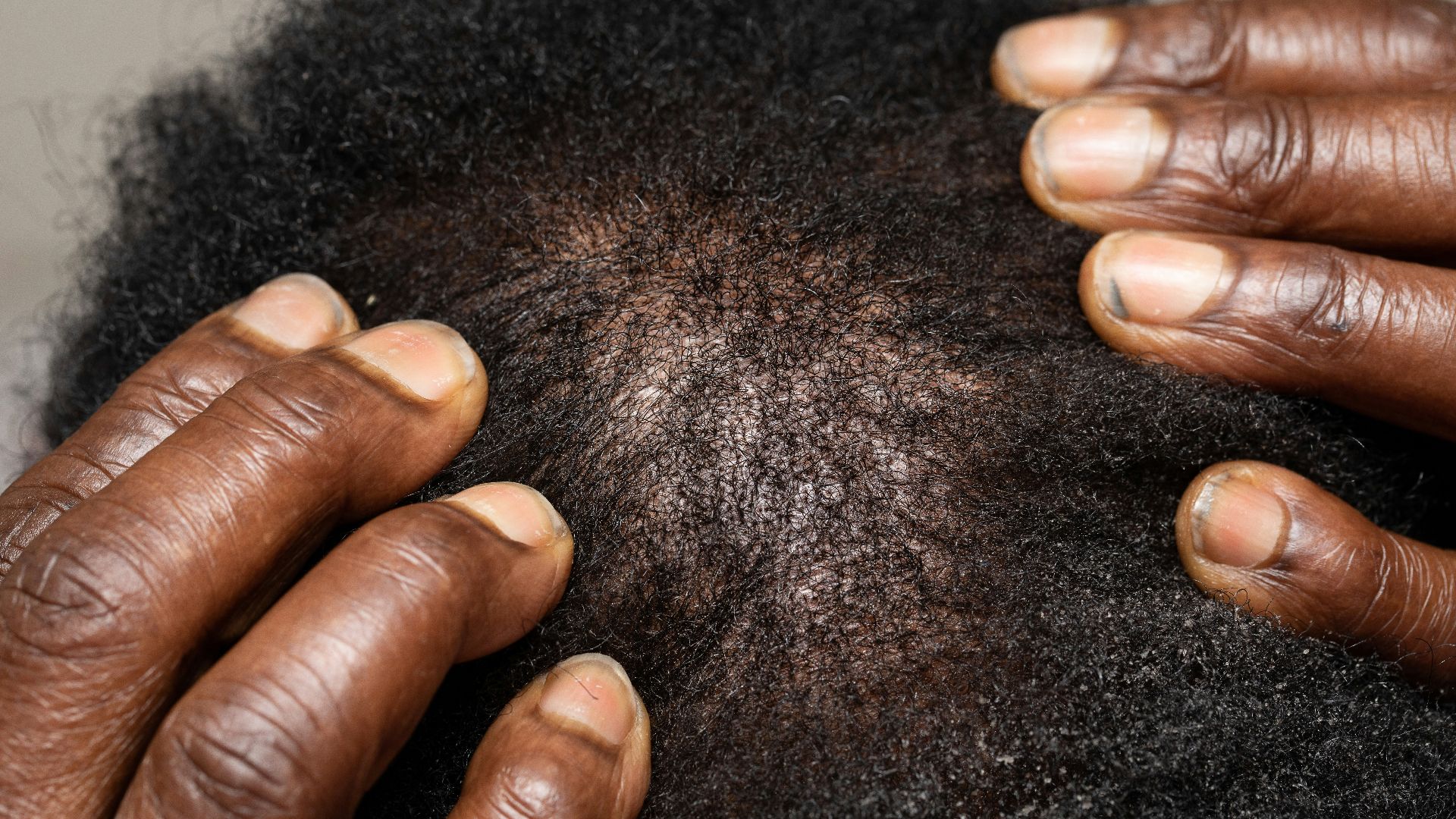
Your scalp can react to seasonal changes just as much as the skin on your face or hands. During winter, dry air can contribute to tightness and flaking, while conditions such as seborrheic dermatitis may become more noticeable for certain people. As a result, you might find yourself dealing with visible flakes and persistent itching. Since ordinary dry scalp and dandruff have different causes, finding the right treatment depends on what's causing the problem.
19. Your Skin Can Become More Prone to Static Irritation
Winter clothing can occasionally make your skin feel surprisingly uncomfortable, especially when you're wearing synthetic materials. Dry air makes it easier for static electricity to build up as fabrics rub together, sometimes causing those annoying little shocks. Meanwhile, friction from sweaters, scarves, and other winter layers can further irritate skin that's already dry or sensitive. Opting for softer fabrics and keeping your skin moisturized can make your winter wardrobe much more comfortable.

20. Your Skin Can Develop Frostnip Before Frostbite
When you're exposed to freezing temperatures, your skin may initially become cold, pale, or numb without experiencing permanent tissue damage. This early, reversible condition is called frostnip, and it commonly affects exposed areas such as your nose, cheeks, ears, and fingers. However, continued exposure can eventually lead to frostbite, which may cause deeper tissue damage and requires prompt medical attention. Covering exposed skin and taking numbness or unusual color changes seriously can help prevent a much bigger problem.