

Your Body Gets Weird Without Water
You’ve heard about the importance of water a thousand times before, but have you heard about just how weird dehydration is? Because water is involved in everyday processes, losing too much fluid can produce some legitimately strange reactions. Before you think about dodging that water bottle, here are 20 unusual things that can happen when your body starts running short on fluids.

1. Your Skin Stops Springing Back
Pinch the skin on the back of your hand. It’s supposed to settle back into place almost immediately. Without enough water, however, skin can lose some of its normal elasticity and stay tented for a lot longer after being pinched. It’s such a notable symptom that doctors sometimes check this "skin turgor" when they're looking for evidence of fluid loss.
 Angélica Echeverry on Unsplash
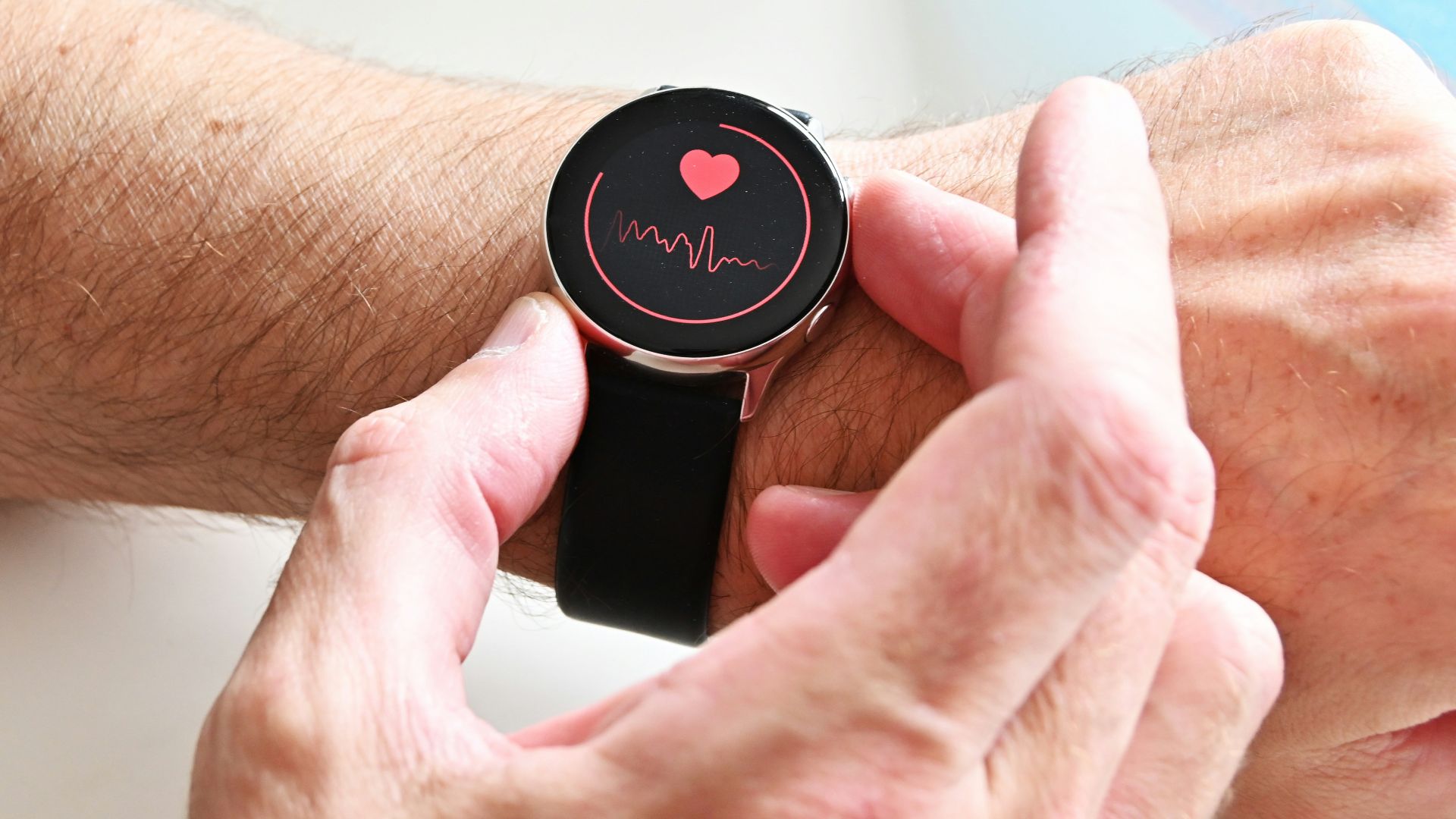
2. Your Heart May Beat Faster
Losing fluid reduces the amount of blood circulating through your body, which means your cardiovascular system has to work overtime to make up for it. For example, your heart may begin beating faster as it works to keep enough blood reaching your tissues. That unexpected pounding sensation can become especially noticeable when dehydration worsens.
3. Standing Up Can Make You Dizzy
Getting off the couch shouldn't mean a moment to steady yourself, but dehydration can change that. Reduced blood volume can actually cause your blood pressure to drop when you stand, leaving you lightheaded when all you did was get off the sofa.

4. Your Breath Can Smell Worse
Though water doesn't freshen your breath, your mouth needs saliva to wash away bacteria and food particles. Dehydration can reduce saliva production, leaving your mouth susceptible to the dry conditions that foster bad breath. Brushing your teeth may not even solve the problem if your mouth is still dry.

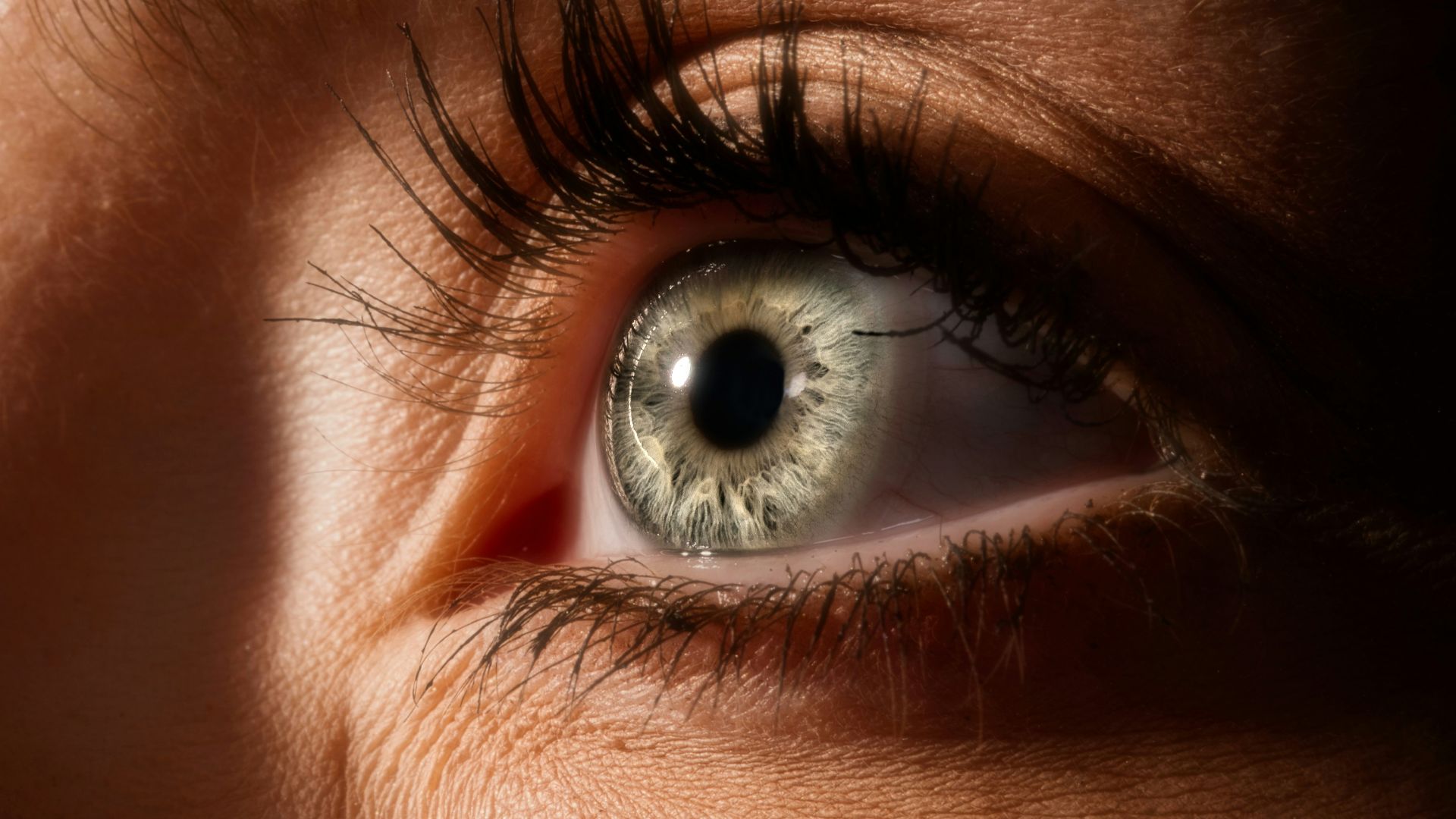
5. Your Eyes Can Look Sunken
One of the stranger changes happens around the eyes. Believe it or not, dehydration can make them appear more hollow or sunken than they normally do, and it only gets worse when you’ve battled vomiting or diarrhea. It's a more concerning sign when it appears alongside severe weakness, confusion, or very little urination.
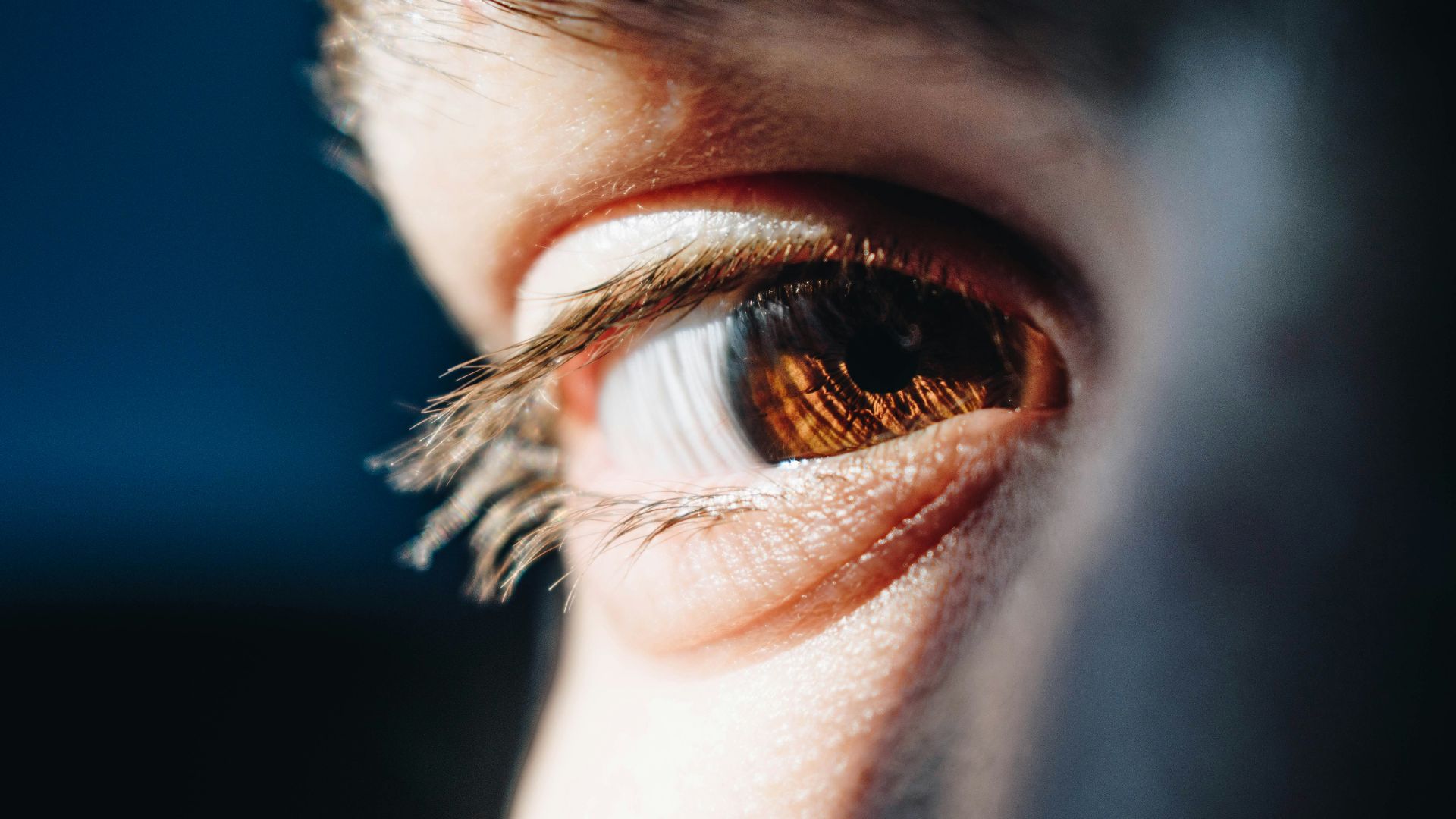
6. You May Stop Producing Many Tears
Crying normally involves plenty of fluid, but your body becomes more and more conservative when its water supply lowers. Significant dehydration can result in fewer tears, something that's most noticeable and important in babies and young children.
7. Your Muscles Can Cramp
There’s a reason people always tell you to bring water to a workout! A calf that tightens halfway through a hot-weather walk isn't always complaining about the physical strain alone. Fluid loss can contribute to painful muscle cramps, and when you sweat, things only get worse.

8. Bathroom Trips Become Less Frequent
Your kidneys won't send water out of your body at the usual rate when supplies are running low. They'll conserve fluid, too, which means you may realize you haven't needed to urinate for much longer than usual. That’s a serious issue; absent urine output can signal more serious dehydration and shouldn't be ignored.

9. Your Urine Can Turn Dark
Speaking of bathroom trips, when your kidneys conserve water, the urine they produce becomes more concentrated. Instead of the usual pale yellow, it may very likely become noticeably darker yellow.
10. Your Head Can Ache
Sometimes the splitting headache isn't caused by noise, stress, or skipping your morning coffee. When was the last time you had a glass of water? Headaches are absolutely a recognized symptom of dehydration and may occur alongside thirst, fatigue, or dizziness.

11. Your Thinking Can Become Foggy
Don’t assume that your brain’s safe from the effects of dehydration. Fluid loss may leave you tired, distracted, or less aware, and more severe cases can cause genuine delirium. If someone who's been ill or exposed to extreme heat suddenly seems disoriented, don't dismiss it as ordinary tiredness.

12. Your Blood Pressure Can Drop
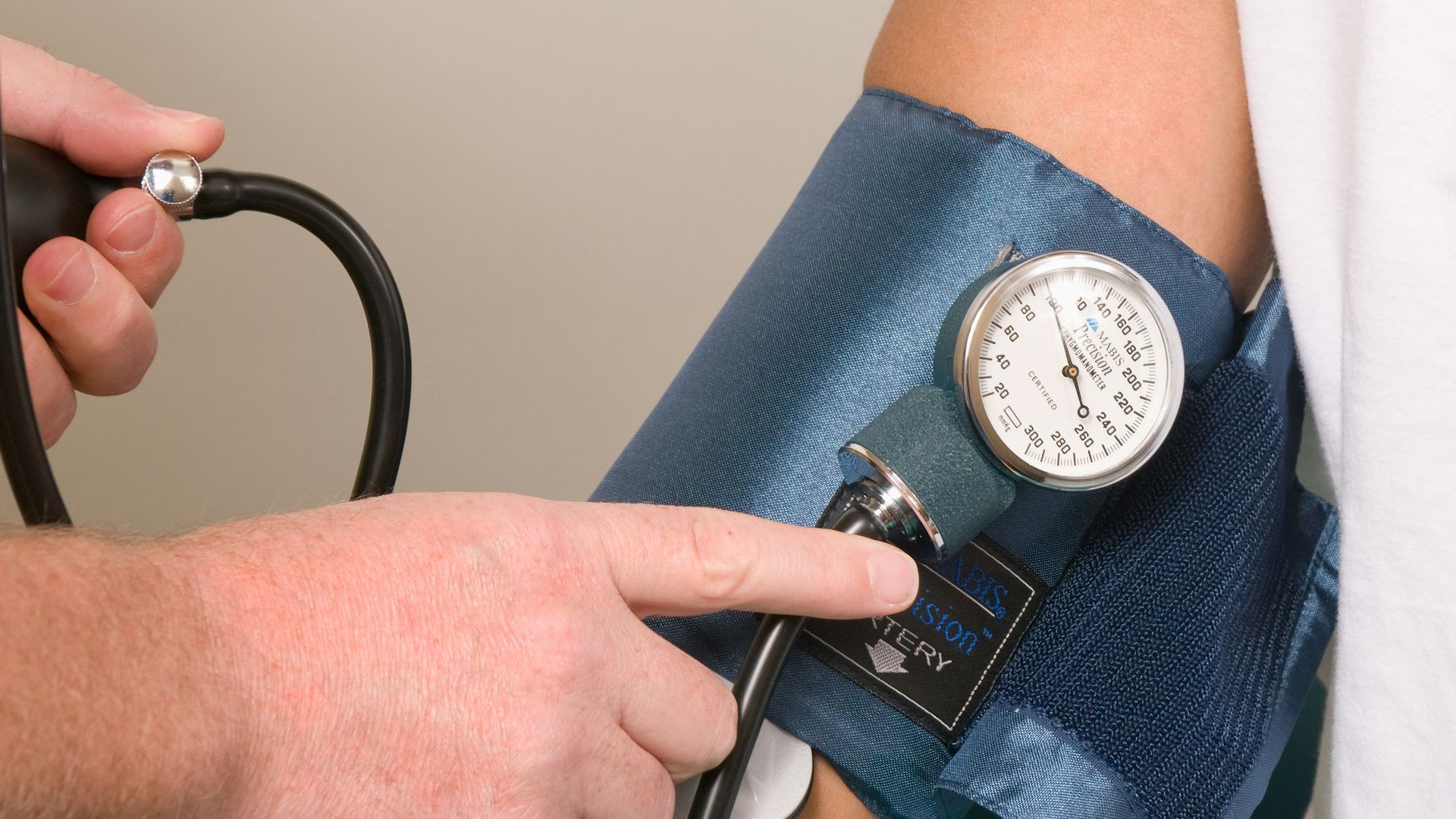
Your poor body really goes through the wringer during dehydration, and blood pressure is no different. There's less fluid available to circulate when you've lost a substantial amount of water. That means as blood volume decreases, blood pressure may fall enough to produce weakness, dizziness, or fainting.
13. Your Breathing May Speed Up
We’ve already talked about an increased heart rate, and that pounding isn’t where things stop. Some people begin breathing unusually quickly as their body struggles to maintain normal circulation and function. Keep in mind that rapid breathing combined with confusion, fainting, or a very fast pulse warrants urgent medical attention!

14. Your Fingers May Refill With Color More Slowly
Doctors can learn something about circulation simply by pressing on a fingernail until it briefly turns pale. Normally, healthy color returns pretty quickly once the pressure is released—poor circulation from substantial fluid loss can slow that process.

15. Your Mouth Can Feel Sticky
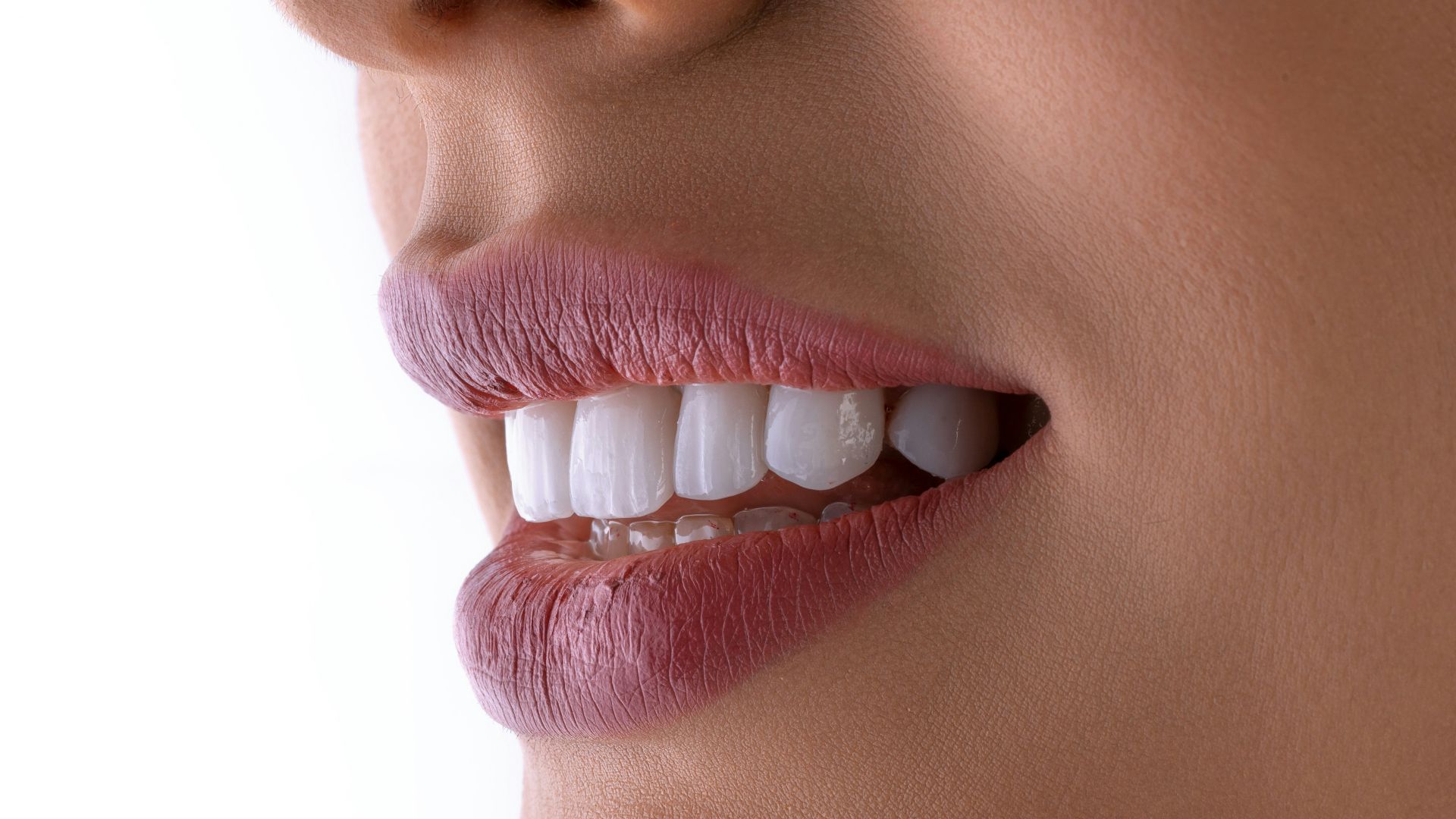
Dehydration doesn't always trigger thirst; reduced saliva can leave your tongue and the inside of your mouth feeling sticky. Talking and swallowing may even feel more difficult when dryness becomes pronounced.
 Kamal Hoseinianzade on Unsplash
16. You Can Become Constipated
Your colon naturally absorbs water from waste as it moves through your digestive system. So, what happens when you’re not taking in enough fluid? Stools become harder to pass.

17. You May Feel Cold
Sweating helps regulate body temperature, which makes adequate fluid especially important in hot conditions. Interestingly, as dehydration progresses, normal temperature control can become disrupted, and some people experience chills or unusual intolerance to heat.

18. Your Skin Can Become Cool and Dry
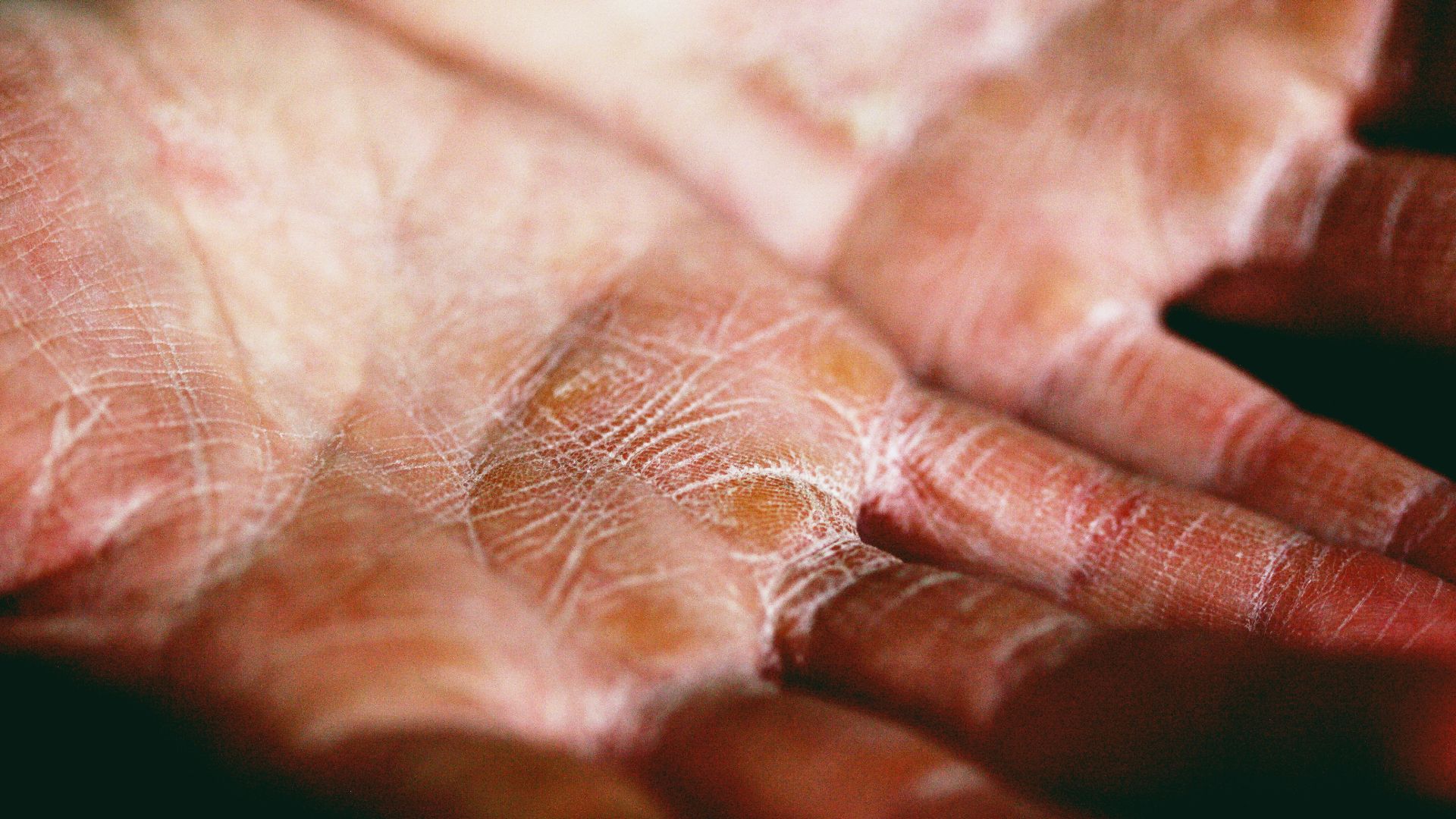
Sweat is mostly water, so prolonged fluid loss eventually affects how much your body has available for cooling. Skin may become noticeably dry and, in more serious dehydration, can feel cool as circulation changes.
19. Your Energy Can Disappear
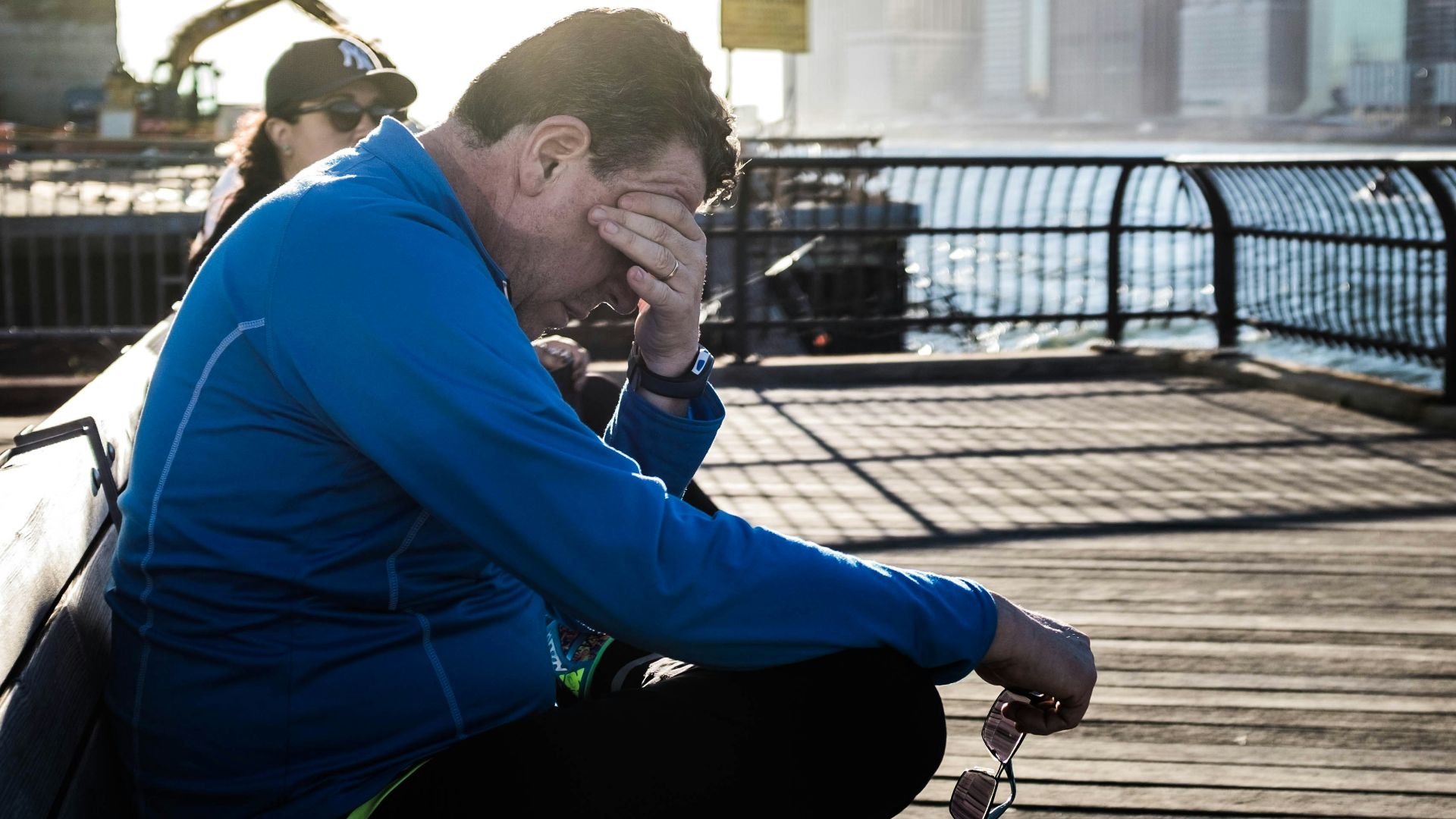
Dehydration-related fatigue can feel oddly disproportionate to whatever you've actually been doing. Reduced fluid volume and disrupted normal body functions may leave you weak, sluggish, or suddenly desperate to sit down after an activity that’s usually easy.
20. Severe Dehydration Can Affect Awareness
At its most serious, dehydration isn't just an uncomfortable collection of minor symptoms. Confusion can progress to fainting, seizures, shock, or loss of consciousness when fluid loss gets bad enough. Someone who's barely urinating, confused, or showing other symptoms needs prompt medical care—not just another reminder to drink water.

KEEP ON READING