
20 Strange Reasons Some People Age Much Slower Than Others
Aging Isn't Quite as Predictable as It Looks
Two people can be the exact same age and look like they were born a decade apart. Some of that comes down to obvious habits such as smoking and sun exposure, but aging is also shaped by genetics, hormones, sleep, stress, environment, and even the way your body handles everyday damage. There's no single trick that keeps someone young, and looking younger doesn't necessarily mean every part of the body is aging more slowly, but researchers have found plenty of interesting reasons why some people seem to hold onto their youthful appearance and physical function longer than others. Here are 20 strange reasons some people age much slower than others.
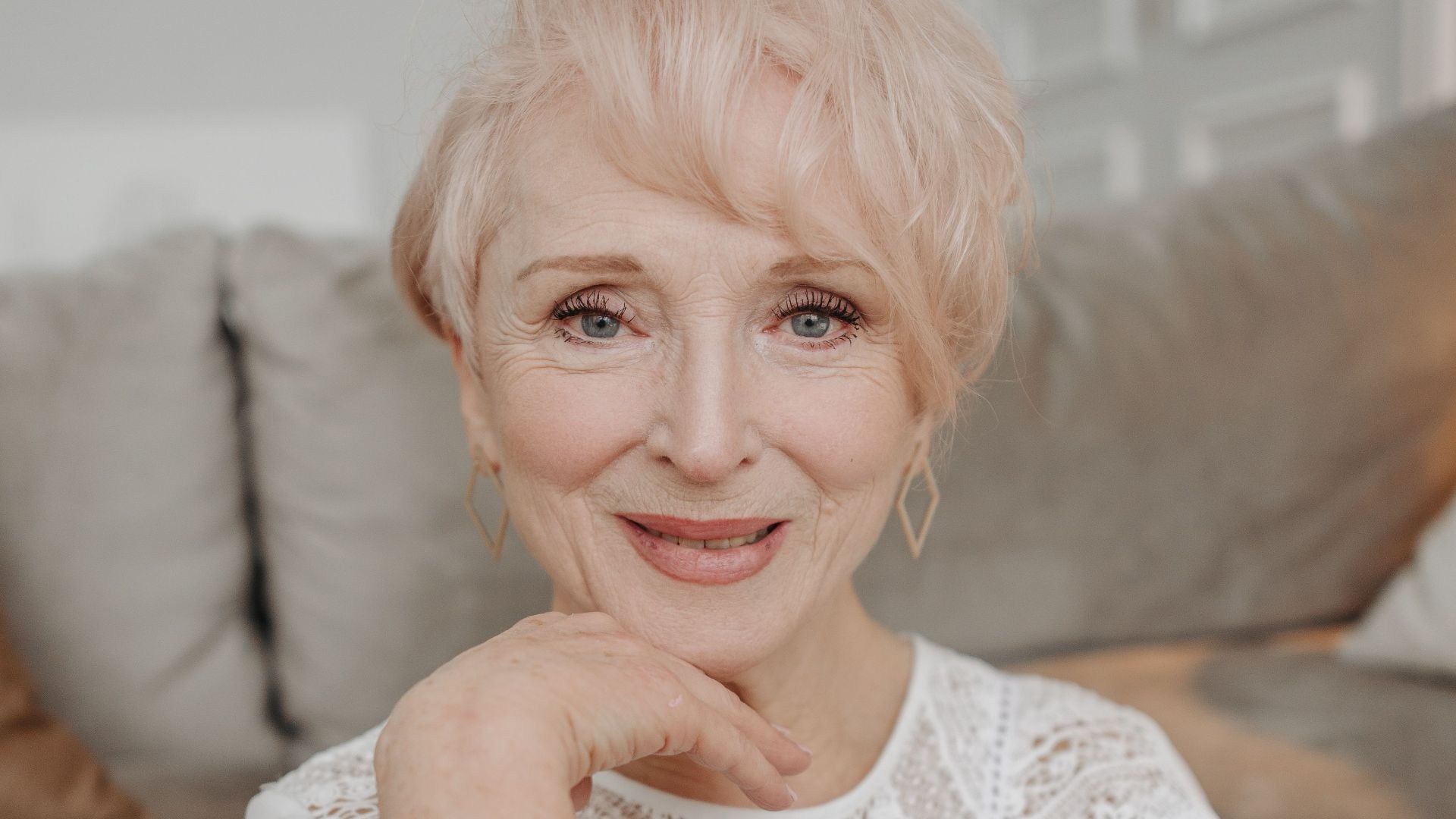
1. They Inherited Favorable Aging Genes
Genetics can give some people a noticeable head start when it comes to aging. Certain inherited traits influence how well the body repairs DNA, controls inflammation, and maintains cells over time. Even characteristics such as skin thickness and collagen production have a genetic component, which helps explain why the way people age sometimes seems to run in families.
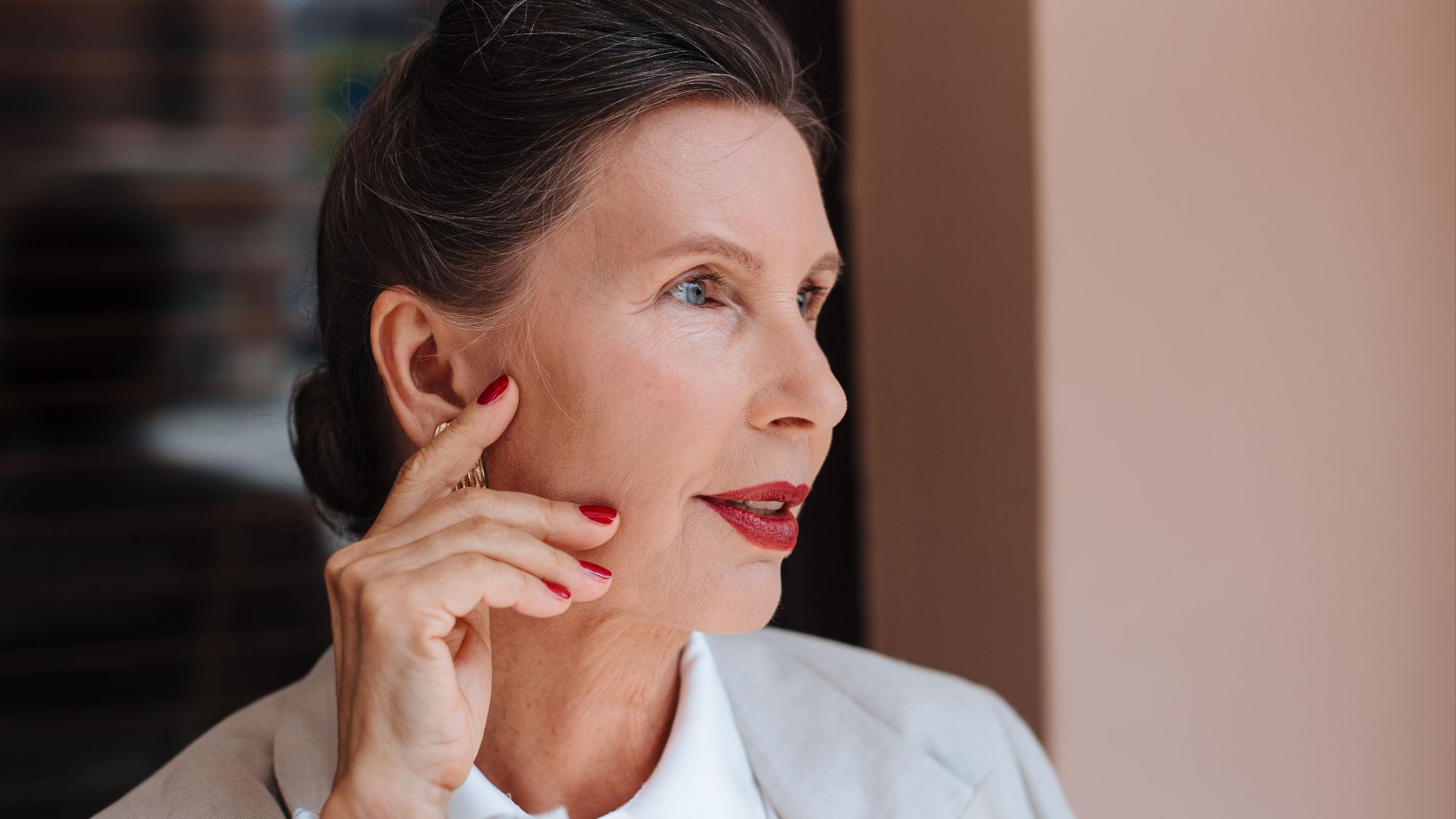
2. Their Skin Naturally Produces More Melanin
Melanin does more than determine skin color, since it also provides some natural protection from ultraviolet radiation. People with more melanin generally develop certain signs of sun-related skin aging, including wrinkles and sunspots, later than people with less. That doesn't make anyone immune to UV damage, though, so sunscreen still matters regardless of skin tone.
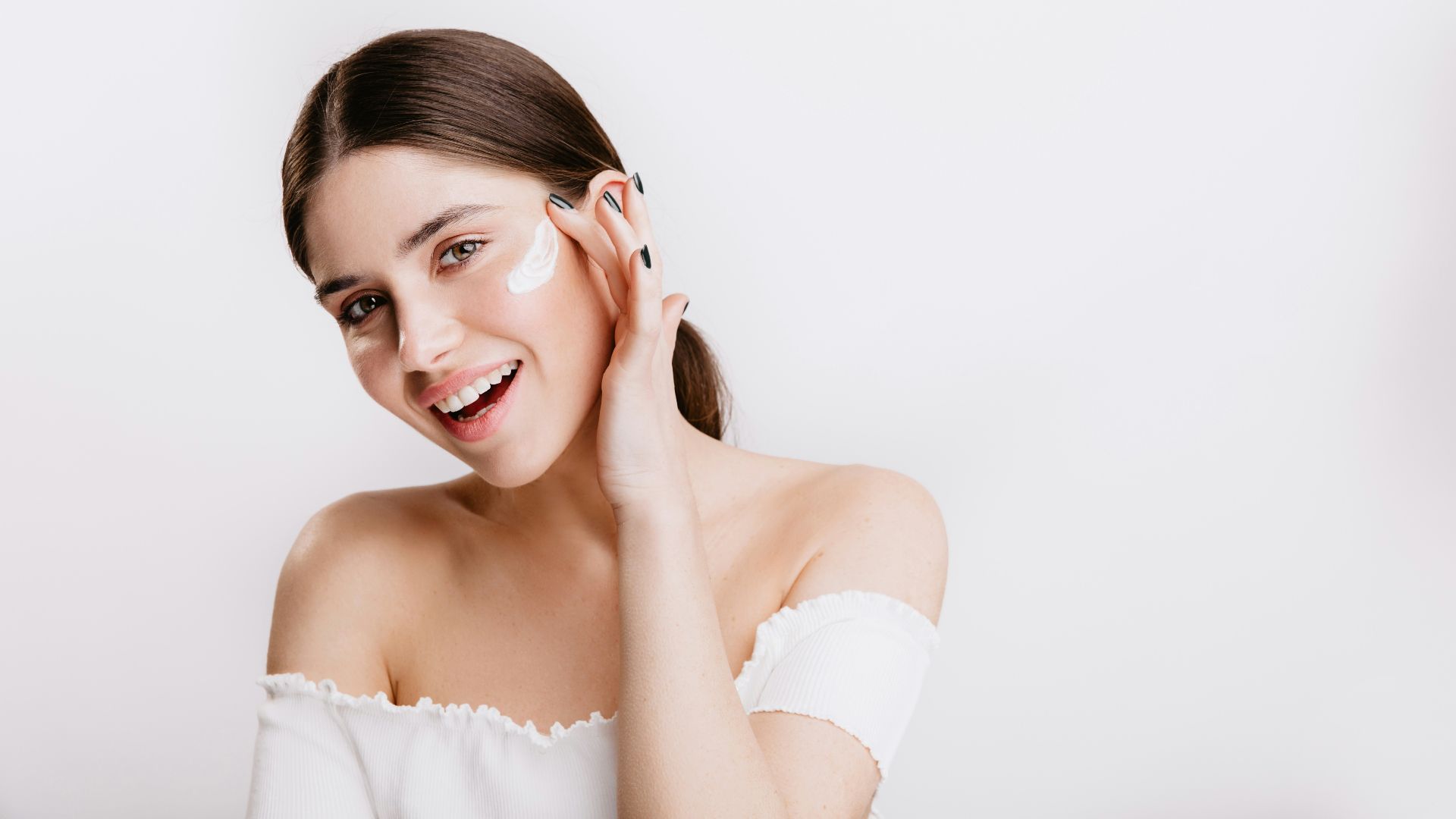
3. They've Always Avoided the Sun
Someone who spent their younger years avoiding tanning beds and long afternoons in the sun may see the benefits decades later. Ultraviolet radiation breaks down collagen and elastin, contributing heavily to wrinkles, discoloration, and changes in skin texture. A person who simply wasn't that interested in getting a tan may have accidentally made one of the best anti-aging decisions possible.

4. Their Face Naturally Holds More Fat
Facial fat tends to decrease and shift as you get older, contributing to hollow cheeks and more noticeable lines. People who naturally retain more volume in certain areas of their faces may therefore appear younger for longer. Facial structure plays a role as well, which is one reason two people with similar lifestyles can age very differently.
5. They Don't Experience Much Chronic Stress
A stressful week probably isn't going to suddenly age you, but years of ongoing stress can be a different story. Chronic stress affects hormones, inflammation, sleep, and numerous other processes that influence long-term health. Someone with a calmer lifestyle may be benefiting from much more than simply feeling relaxed.

6. They're Naturally Great Sleepers
Some people seem capable of falling asleep almost anywhere and waking up refreshed, which becomes a surprisingly useful advantage with age. Sleep gives your body time to carry out repair processes while also helping regulate hormones, immunity, and metabolism. Consistently poor sleep, meanwhile, has been associated with several markers of poorer health and aging.

7. They Never Started Smoking
Avoiding cigarettes can make an enormous difference in how someone looks and feels later in life. Smoking damages collagen and elastin, reduces blood flow to the skin, and exposes the body to chemicals that contribute to disease. When lifelong nonsmokers look unusually youthful, never picking up the habit may deserve some of the credit.

8. Their Bodies Keep Inflammation Under Better Control
Inflammation is useful when your body is fighting an infection or healing an injury, but persistent low-level inflammation becomes much more problematic. Chronic inflammation is associated with numerous age-related diseases and physical changes throughout the body. Some people appear naturally better at regulating inflammatory responses, partly because of genetics and partly because of lifestyle.
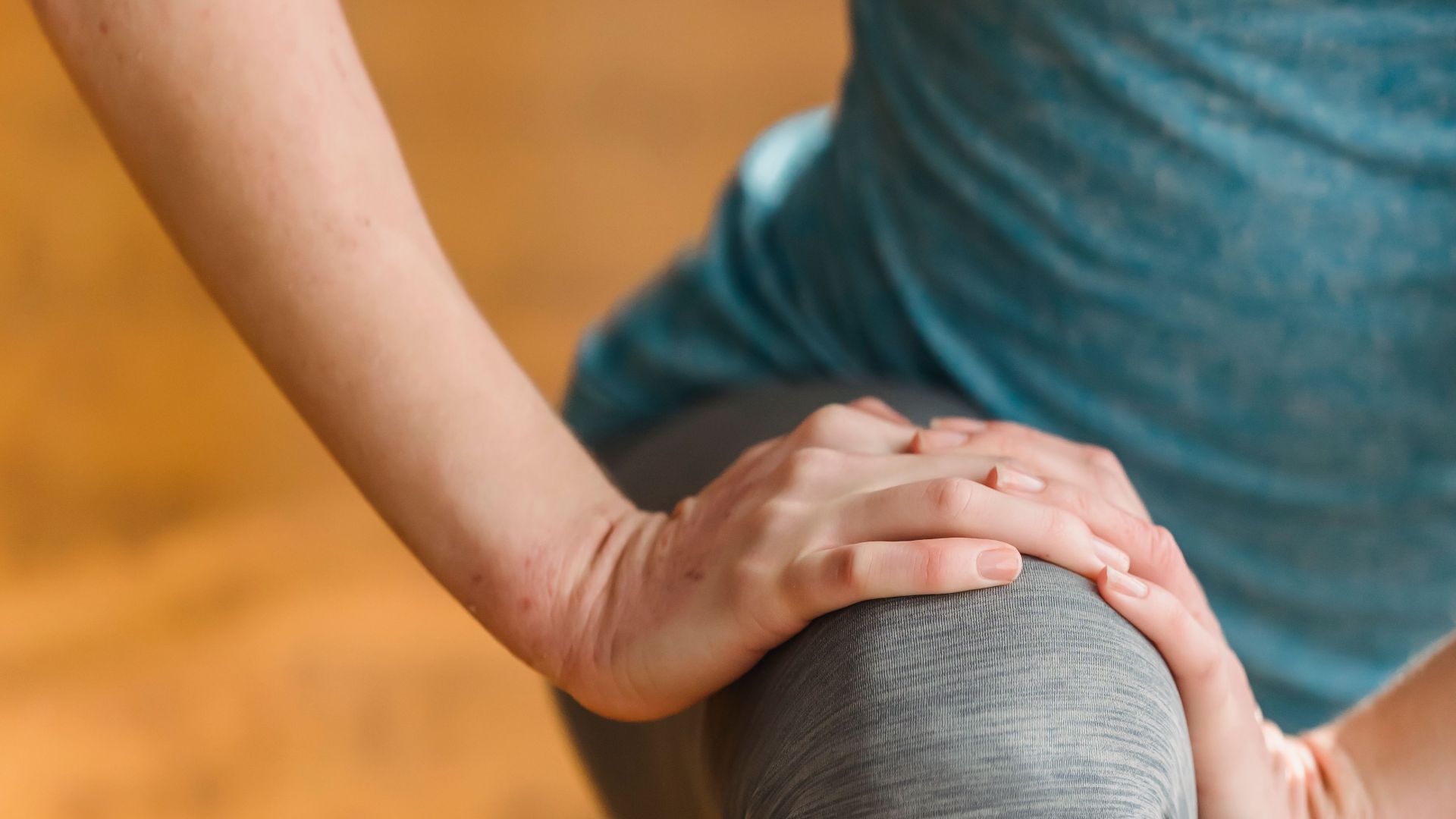
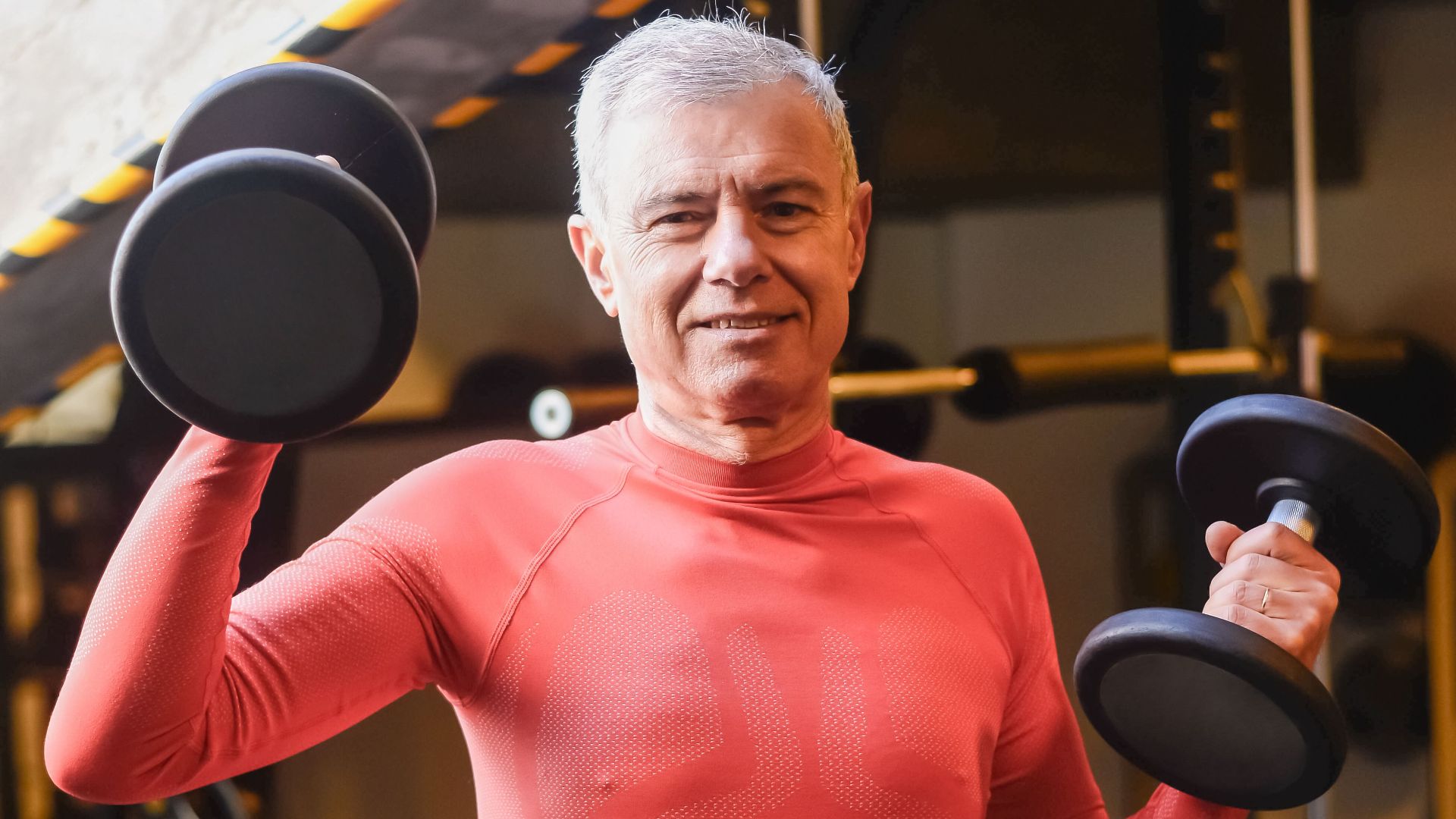
9. They've Maintained Muscle Without Thinking Much About It
Muscle gradually becomes harder to maintain with age, particularly if you aren't physically active. Someone who spent decades walking, lifting things, gardening, playing sports, or doing physical work may have preserved more muscle than they realize. Maintaining strength supports mobility, balance, metabolism, and independence as the years go by.
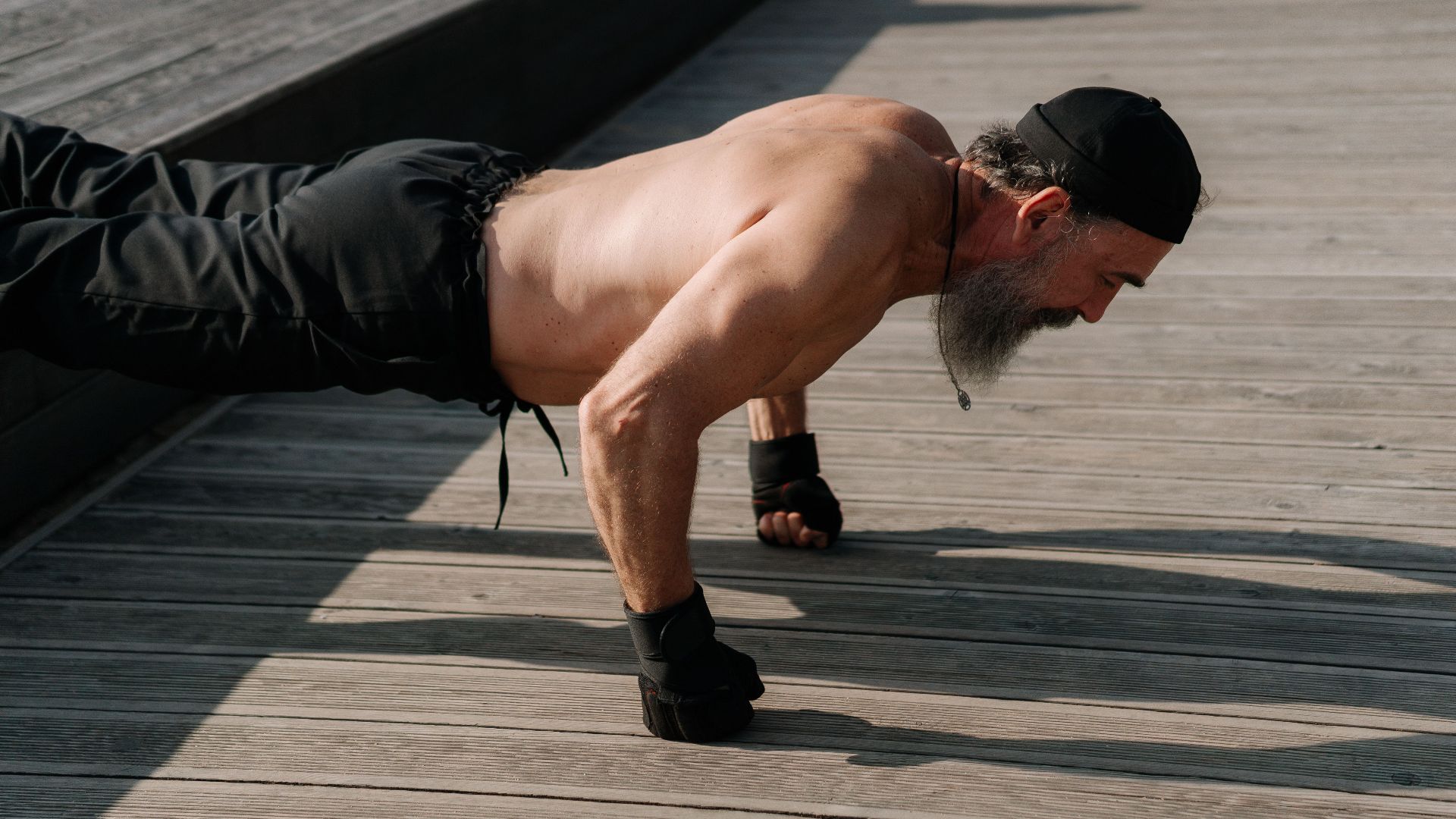
10. They Have a Naturally Strong Skin Barrier
Not everyone's skin holds onto moisture equally well. Genetics influence the proteins and fats involved in maintaining the skin barrier, which helps keep moisture in while keeping irritants out. People with a naturally resilient barrier may experience less dryness and irritation, both of which can make skin look older.
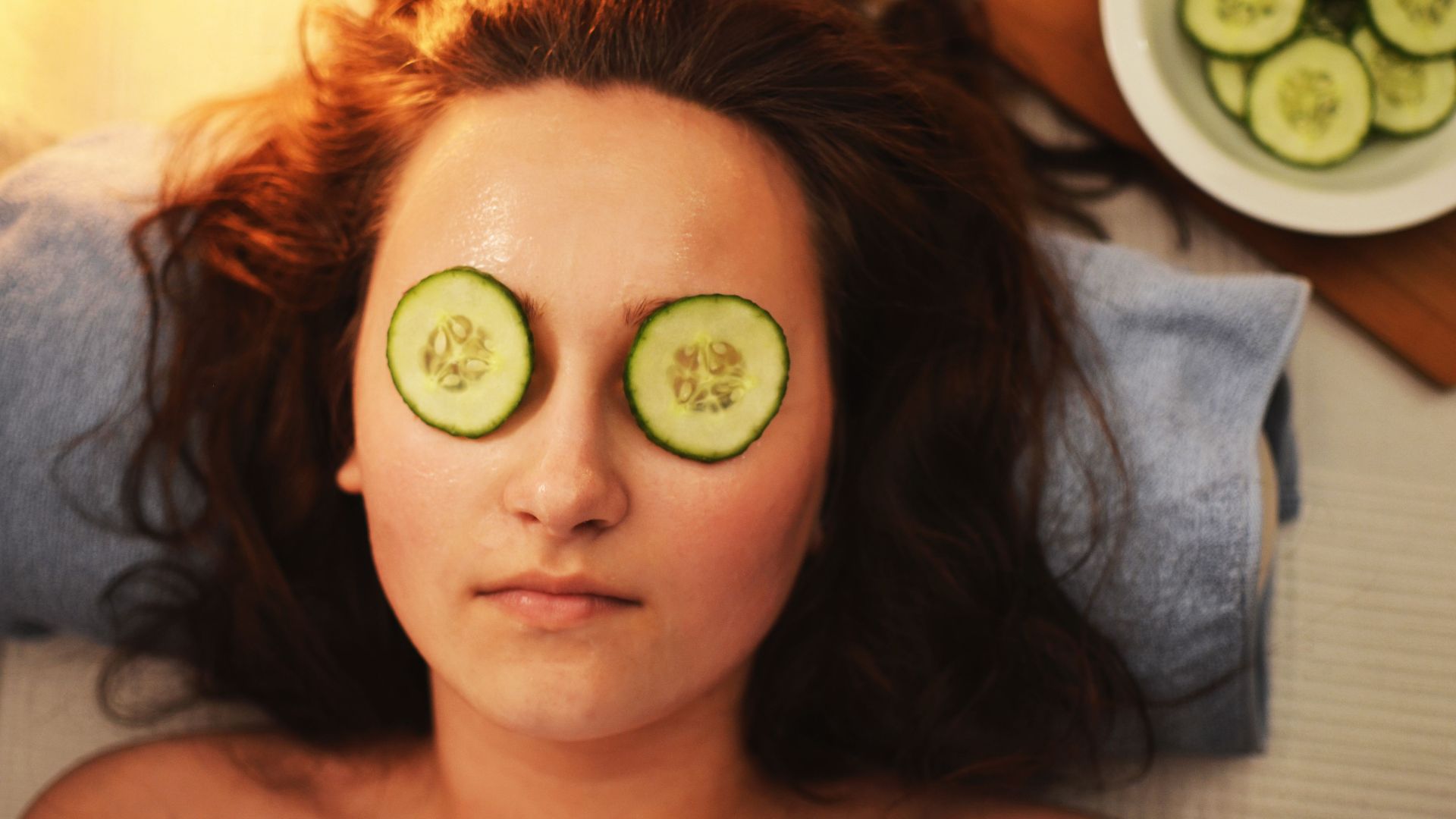
11. They Eat Plenty of Colorful Plant Foods
Fruits and vegetables contain vitamins, minerals, fiber, and plant compounds that support many normal processes in the body. A varied diet rich in plant foods is also associated with better long-term cardiovascular and metabolic health. Someone who genuinely enjoys vegetables may have been helping their future self for years without thinking about anti-aging at all.

12. Their Blood Sugar Stays Relatively Stable
Persistently high blood sugar can promote a process called glycation, in which sugars attach to proteins and affect how those proteins function. Collagen is among the proteins that can be affected, potentially contributing to changes in skin elasticity over time. Keeping blood sugar within a healthy range also matters for far more important reasons involving cardiovascular, kidney, nerve, and eye health.
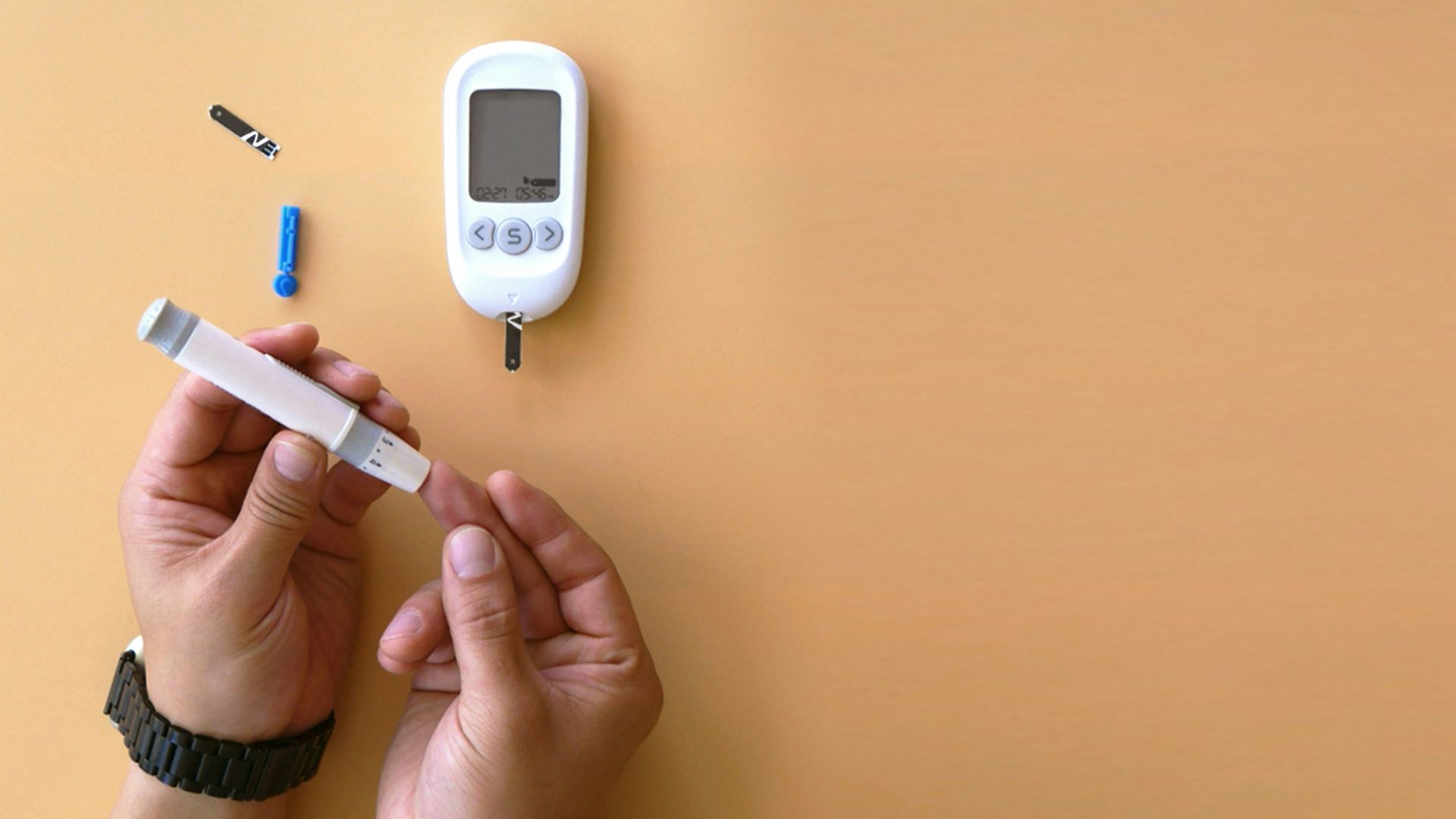
13. They Drink Less Alcohol Than Everyone Assumes
Heavy alcohol consumption can affect sleep, blood pressure, liver health, hydration, and several other areas that influence how you feel as you age. Someone who rarely drinks may avoid some of those cumulative effects altogether. The difference isn't always obvious at 25, but decades of habits have plenty of time to show up later.

14. They Spend a Lot of Time Around Other People
A packed social calendar doesn't literally erase wrinkles, but strong social connections have repeatedly been linked with better health outcomes later in life. Friends, family, and community can encourage activity, reduce loneliness, and provide valuable support when life gets stressful. Staying socially engaged may therefore contribute to healthier aging in ways you can't necessarily see from the outside.
 Priscilla Du Preez 🇨🇦 on Unsplash
15. Their Hormones Change Differently
Hormonal changes can affect skin, muscle, bone, hair, fat distribution, and energy levels as people get older. The timing and intensity of those changes aren't identical for everyone, particularly around menopause and other major hormonal transitions. That natural biological variation can create surprisingly large differences between people who are exactly the same age.
16. They're Almost Always Moving
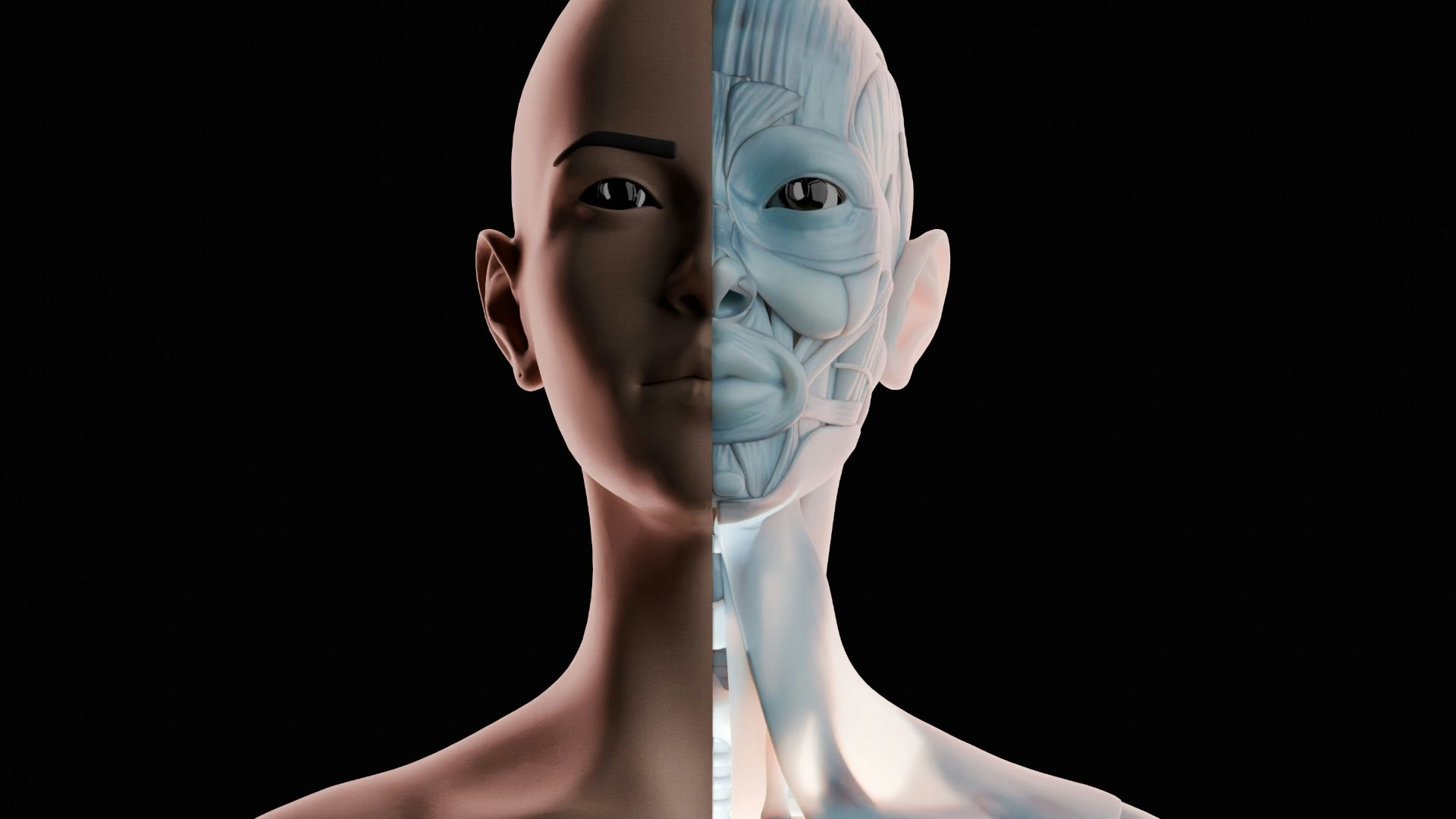
You don't necessarily need to spend your life running marathons to stay physically capable. People who walk frequently, take the stairs, do yard work, clean, cook, and generally avoid sitting for long stretches can accumulate a surprising amount of activity. Those everyday movements help maintain cardiovascular fitness, mobility, strength, and metabolic health.

17. They Live Somewhere With Cleaner Air
Where you live may affect aging more than you'd expect. Long-term exposure to air pollution has been associated with cardiovascular and respiratory problems, while research has also linked pollution exposure to changes in the skin. Someone living in a cleaner environment may simply face fewer harmful exposures over the course of their life.
18. Their Cells May Be Biologically Younger
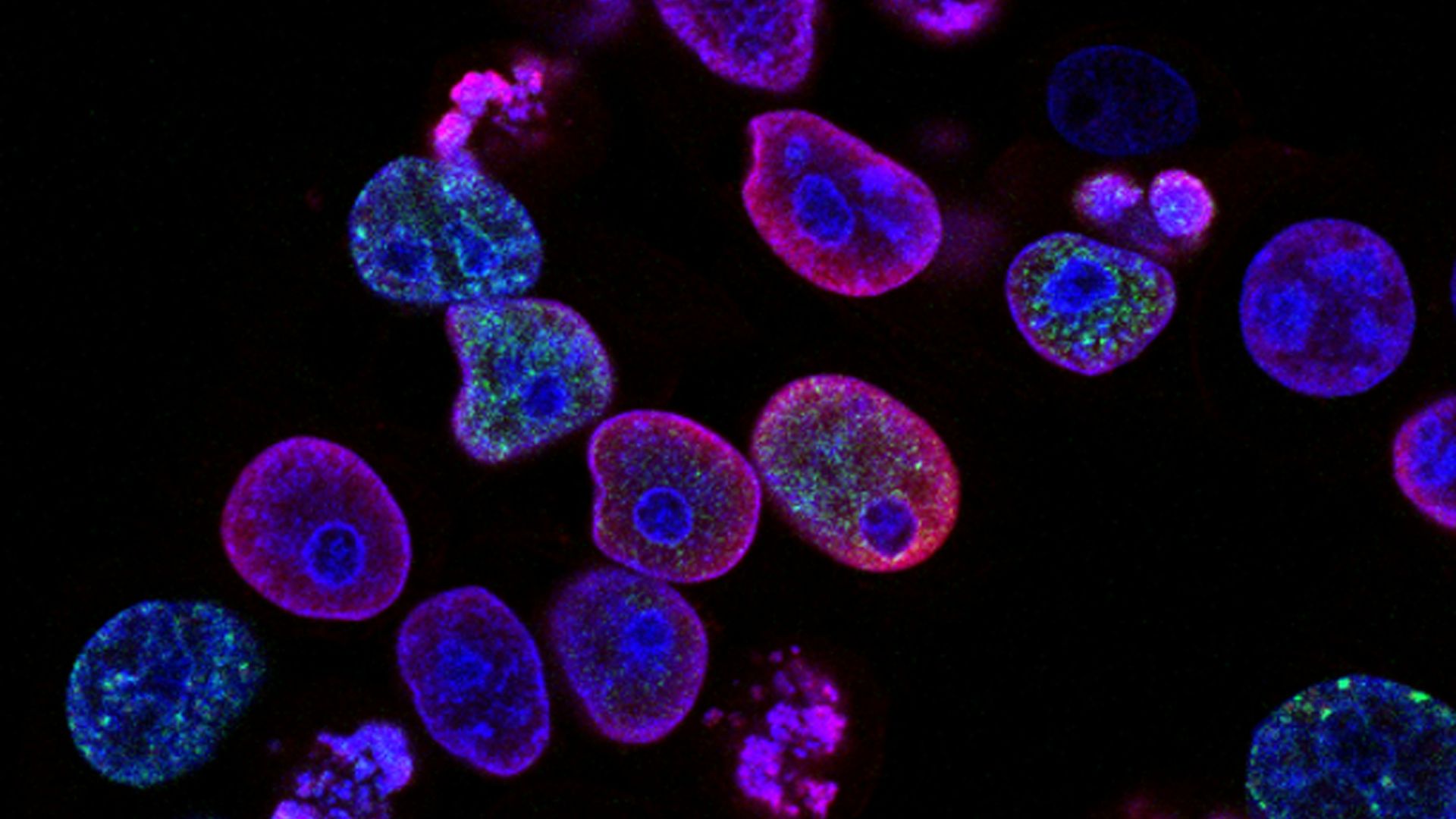
Your birthday measures chronological age, but scientists can also examine biological markers that change as people get older. One example involves patterns of DNA methylation, which researchers use to create what's often called an epigenetic clock. Two 60-year-olds can show different biological aging patterns, although scientists are still working out exactly what these measurements mean for an individual's health.
 National Cancer Institute on Unsplash
19. They Keep Learning New Things
People who continually challenge their brains through work, hobbies, reading, music, languages, or other activities may help maintain cognitive abilities as they age. Education and mentally stimulating activities have been associated with greater cognitive reserve, which can help the brain cope better with age-related changes. Staying curious won't stop aging, but it may help certain abilities stay stronger for longer.
20. They Happened to Get a Lucky Combination of Everything
Sometimes there's no dramatic secret behind someone who seems unusually young. They may have favorable genes, little sun damage, good sleep, strong relationships, regular activity, and decades of relatively healthy habits all working together. Aging results from an enormous number of interacting factors, which is why copying someone else's routine won't necessarily give you the same results. In some cases, the strangest explanation is simply that a lot of small advantages happened to line up at once.
KEEP ON READING


20 Things Your Body Is Secretly Doing Right Now