The Salad Isn't The Problem
Ordering a salad sounds like an easy way to keep a meal light, but the dressing can completely change the nutritional picture. Some dressings are surprisingly calorie-dense because they're packed with oil, sugar, cheese, nuts, or creamy ingredients, and a generous restaurant portion can contain far more than the standard serving size. You don't have to give up dressing entirely to maintain a calorie deficit, but it helps to know which varieties can quietly turn a sensible salad into a much heavier meal.
1. Ranch Dressing
Ranch dressing tops many polls as America's favorite salad dressing, but creamy dressings are often quite calorie-dense. Those couple tablespoons can sneakily add a lot of calories before you count your lettuce, toppings, cheese, or protein. Restaurants may also serve large portions, and that little side cup might contain multiple servings.
 Jarritos Mexican Soda on Unsplash
2. Caesar Dressing
Caesar dressing gets lots of flavor from oil, egg, Parmesan cheese, and other high-calorie ingredients. It's especially bad when the restaurant dumps it on your salad rather than lightly tossing the ingredients. Using a smaller amount still gives you the familiar flavor without turning the dressing into the main ingredient.
3. Blue Cheese Dressing
Blue cheese dressing mixes the creamy base with even more cheese. You only need a little to enjoy the strong flavor, but your salad won't necessarily. If you love blue cheese, try dipping your fork into the dressing instead of covering every leaf with it.
4. Thousand Island Dressing
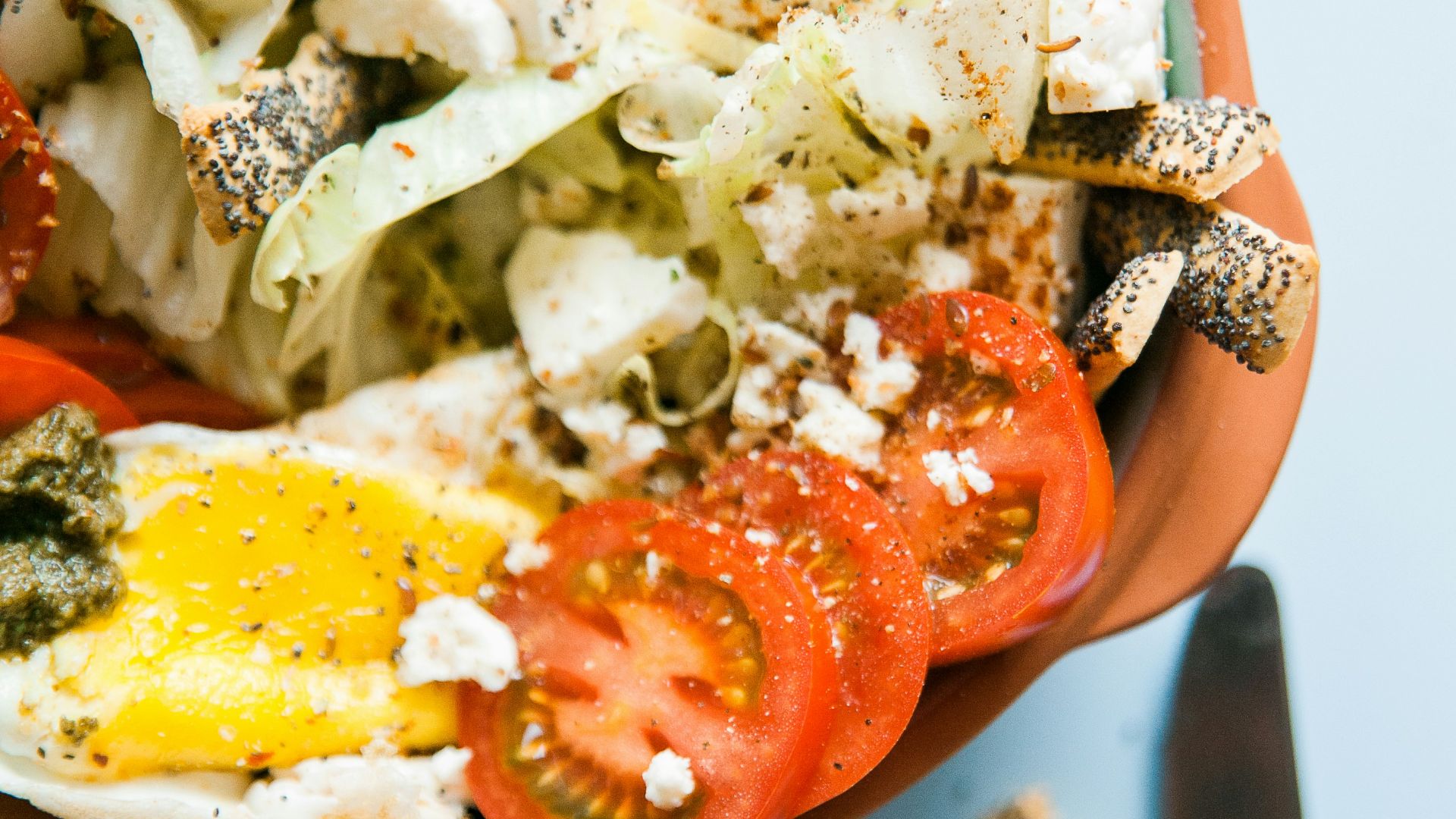
As the name suggests, Thousand Island dressing typically has more than 15 ingredients. Mayonnaise, sugar, and relish combine to create a sweet and creamy taste that can lead to overpouring. You only need a few tablespoons to get the flavor you crave without blowing your calorie budget.
5. Honey Mustard
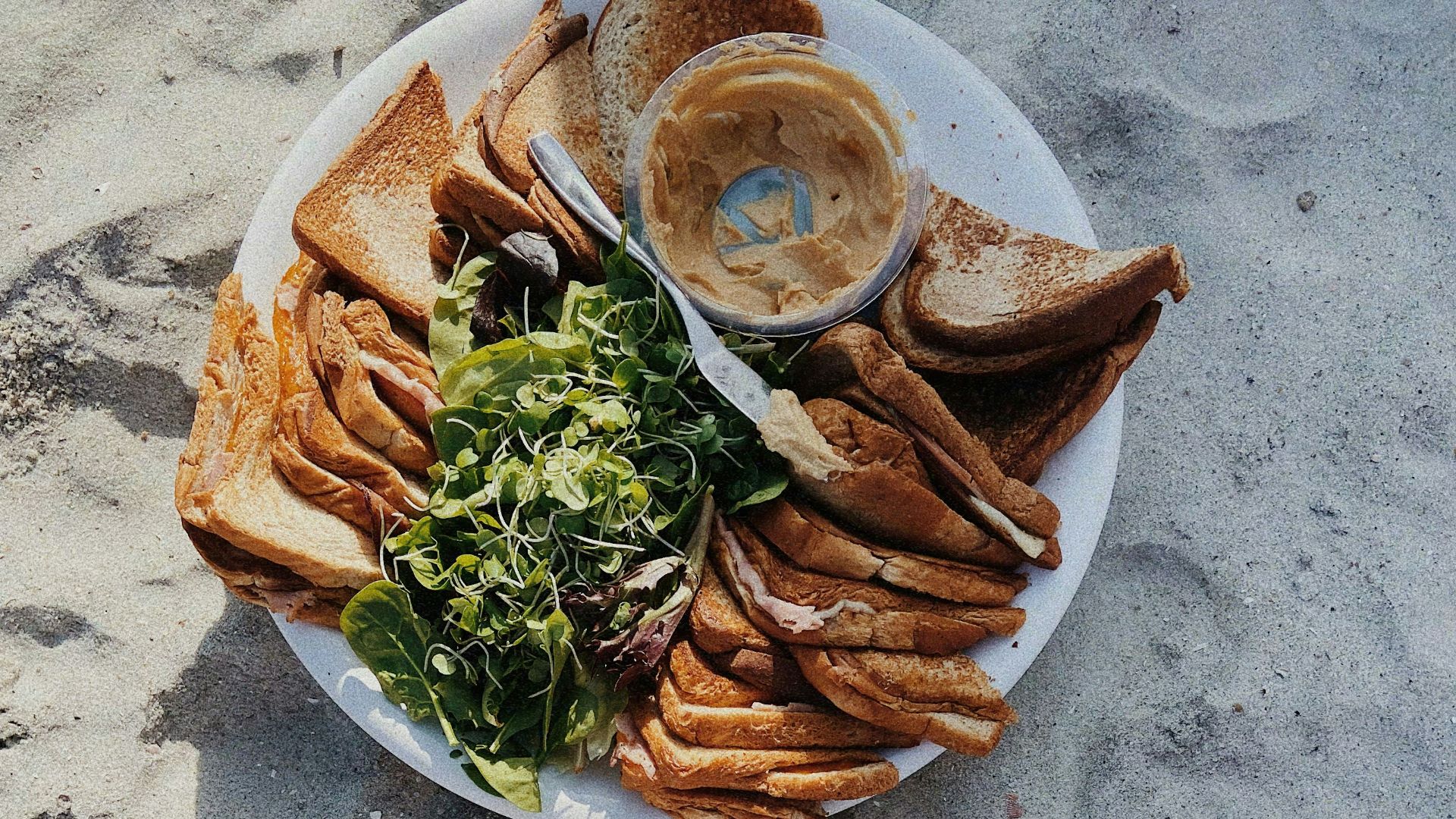
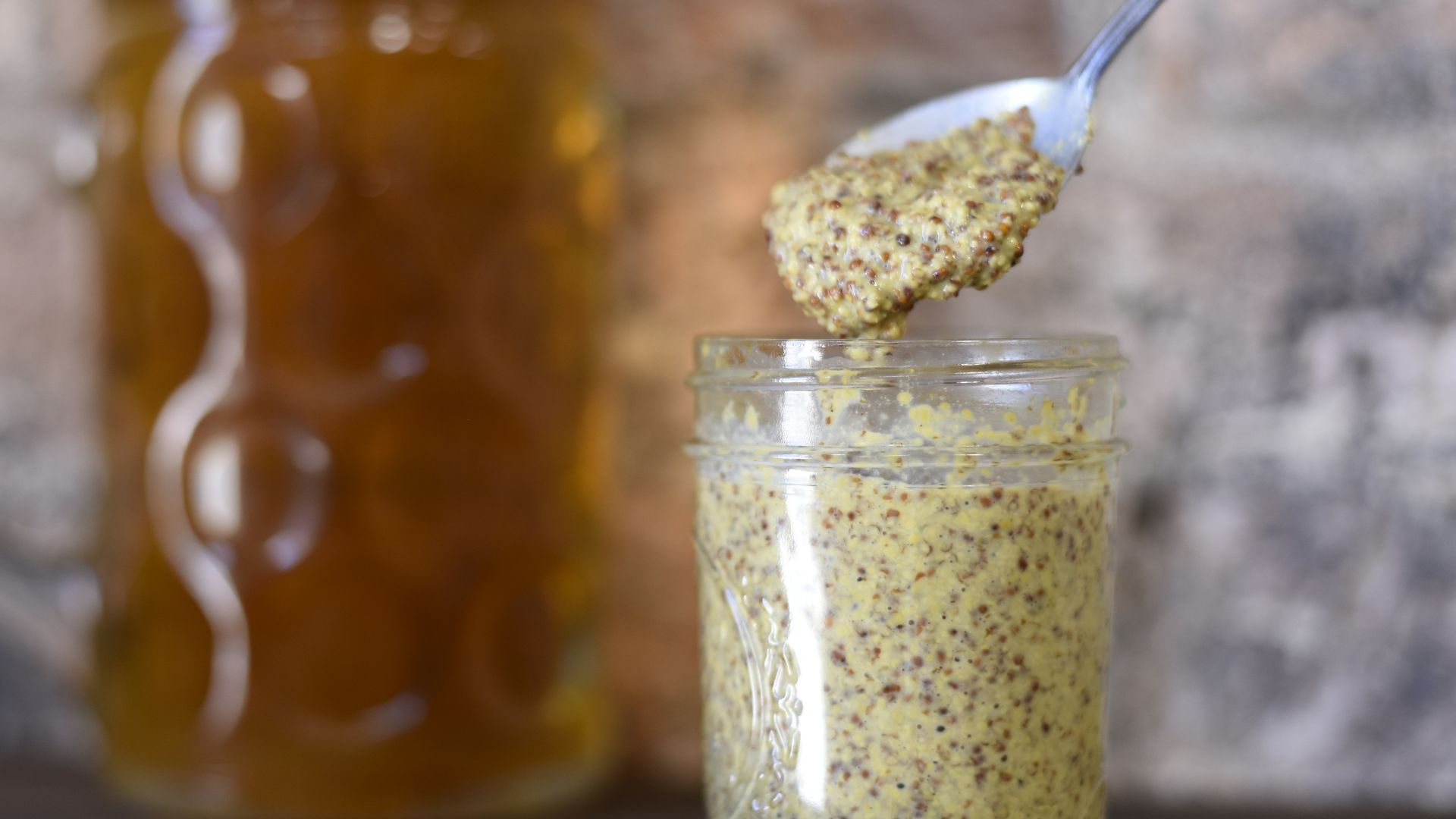
Honey mustard sounds relatively innocent because mustard itself is generally a flavorful, lower-calorie condiment. If your restaurant serves up a sweet, creamy sauce rather than a mustard-based dressing, rethink your choice. When in doubt, look up the nutrition information, as restaurant versions can vary significantly.
6. Creamy Italian
Italian dressing can be light and refreshing, but creamy Italian includes mayo, cheese, or other additives. You still get that great Italian flavor profile, but with more calories than the traditional version. The herbs may trick your brain into thinking it's lighter than it is, so when given the option, go for regular Italian.
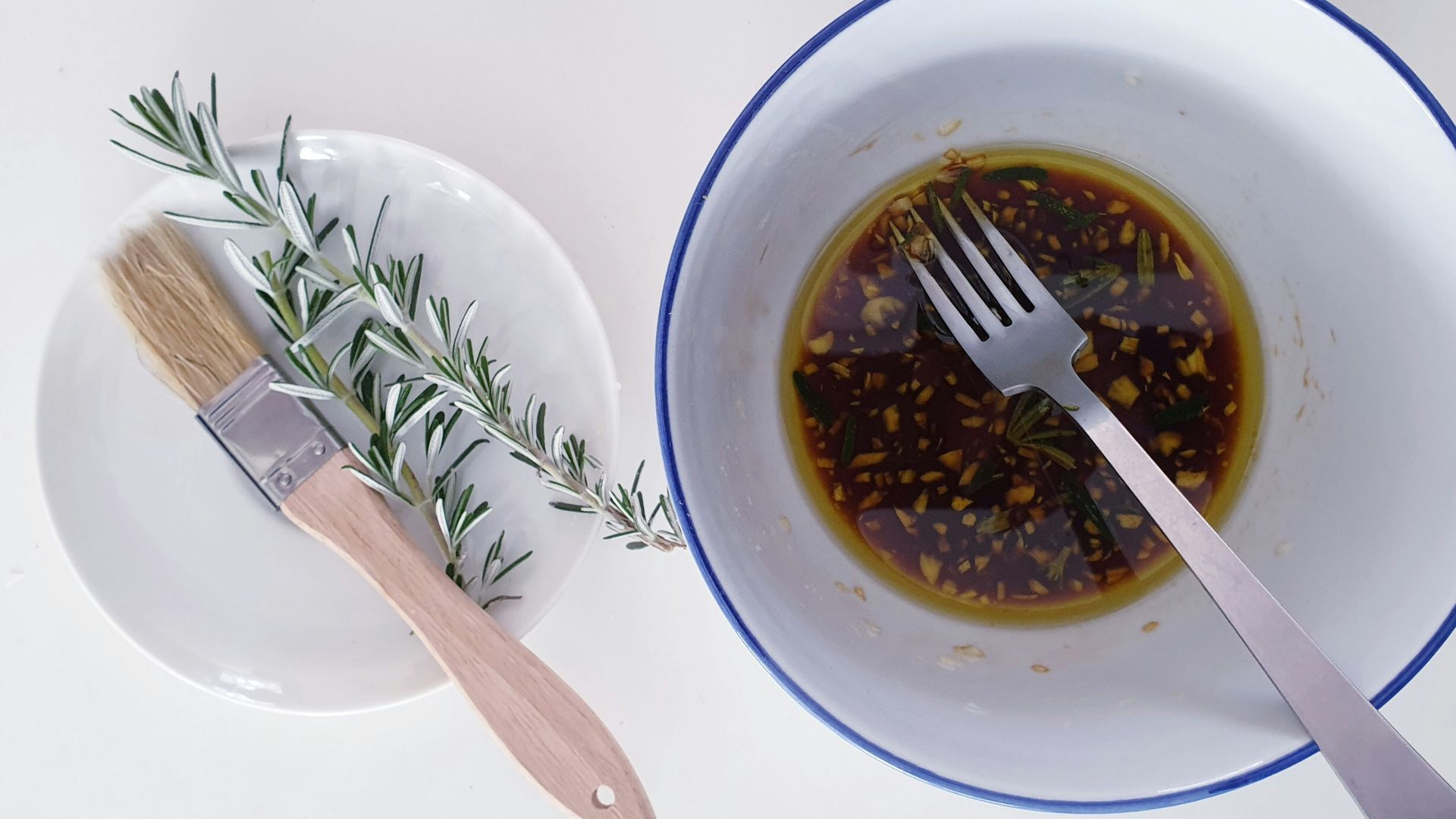
7. Balsamic Vinaigrette
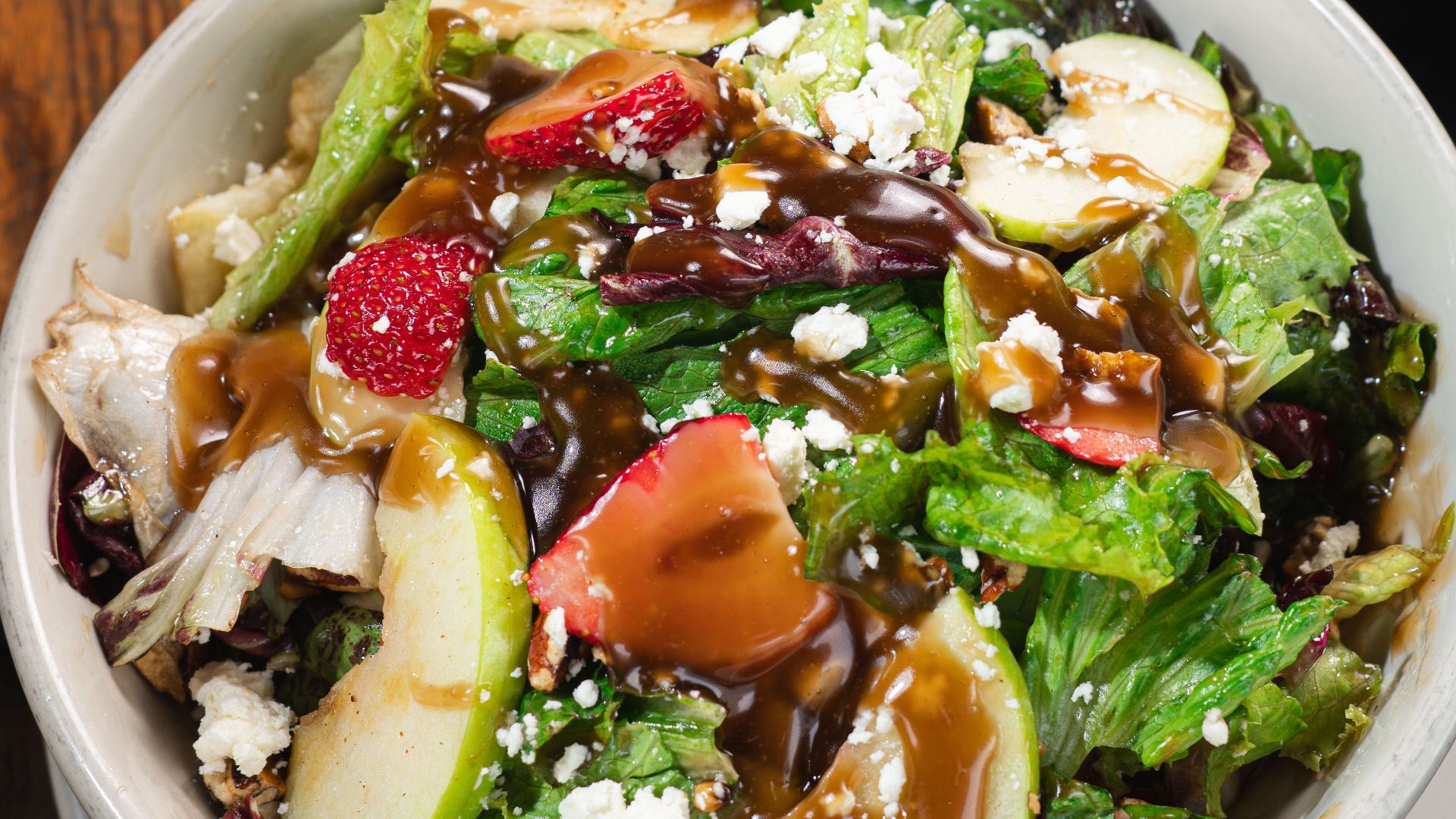
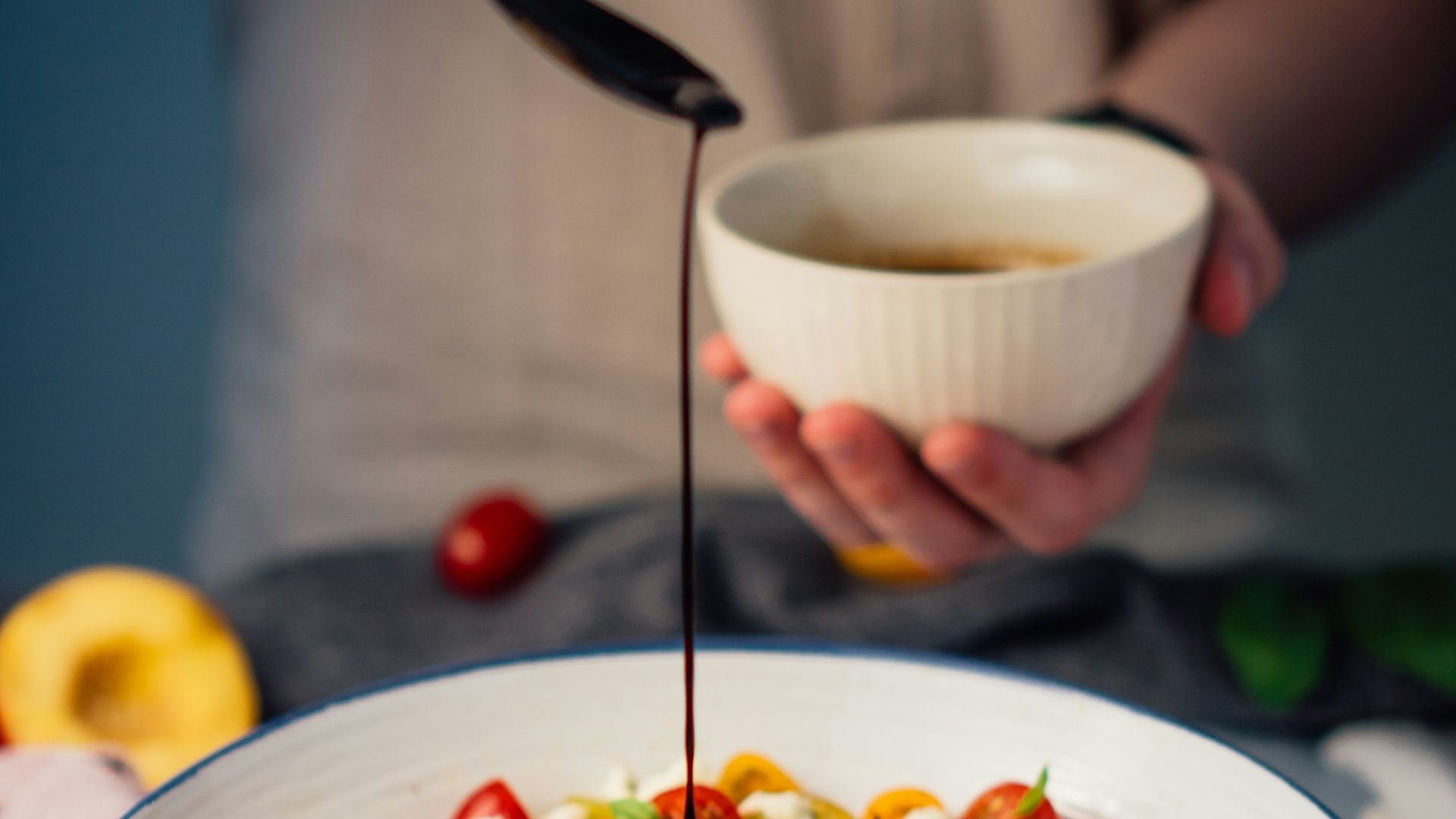
Balsamic vinaigrette sounds like an automatic healthy choice, but the word "vinaigrette" doesn't guarantee a low-calorie dressing. Balsamic vinaigrette often has oil as a primary ingredient, and some brands add sugar or other sweeteners. That tablespoon or two pours quickly when you're drizzling directly from the bottle.
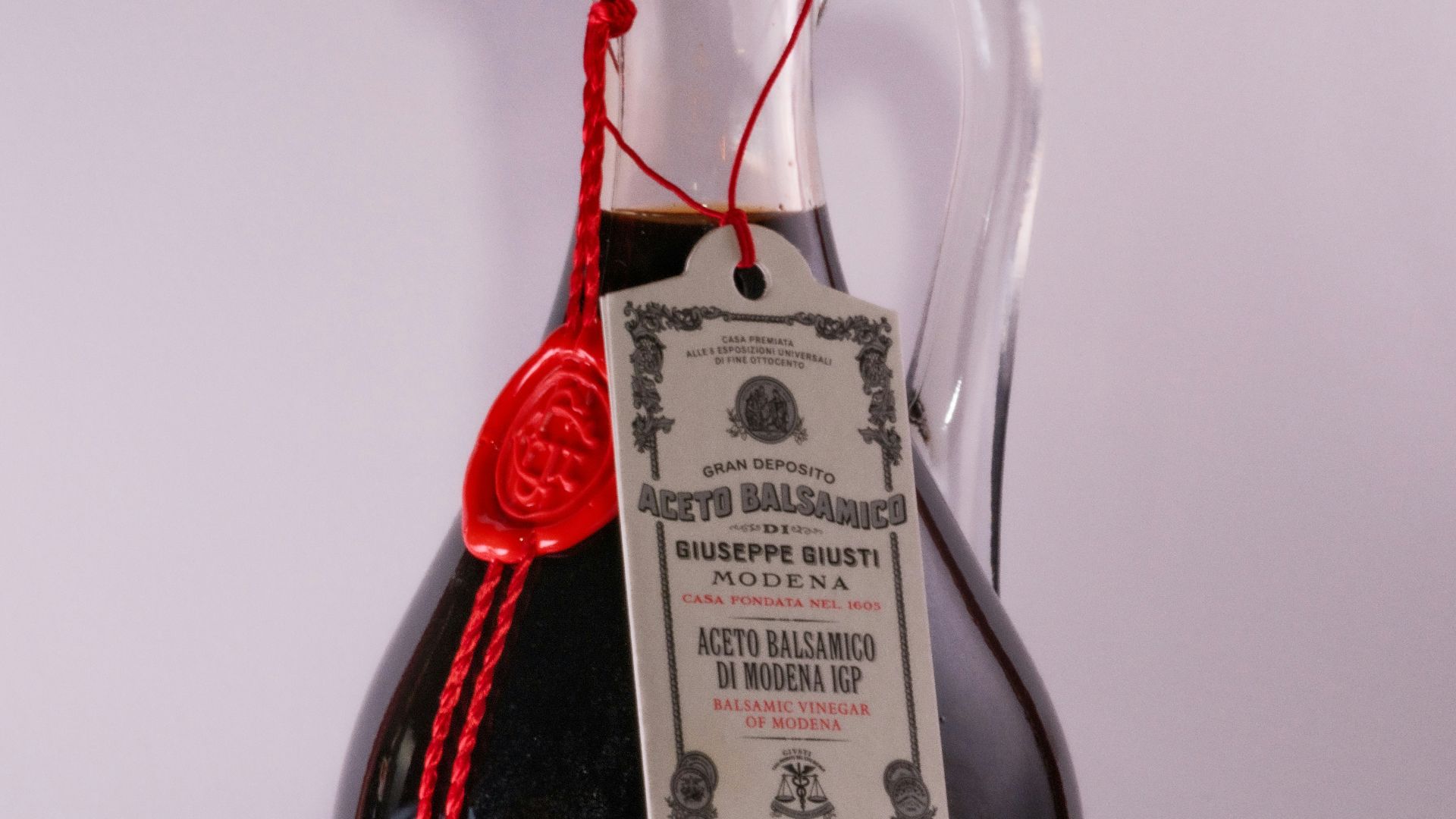
8. Olive Oil And Balsamic
When it comes to healthy fats, olive oil is one of the best options. However, that doesn't mean it doesn't contain calories. The server may pour enough oil to drown your salad before adding a splash of balsamic vinegar on top.
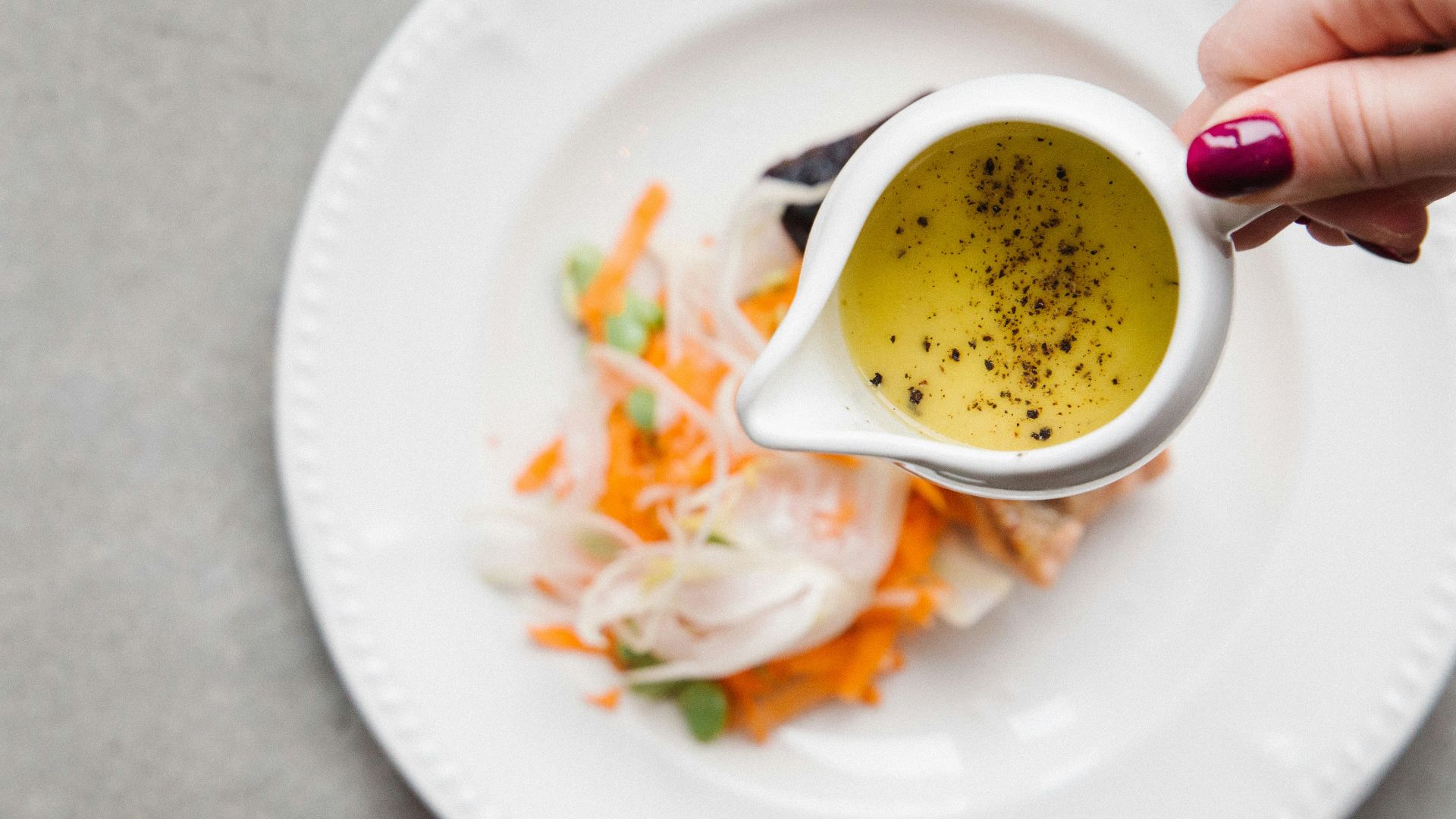
9. Poppy Seed Dressing
Poppy seed dressing is often sweet, making it tasty with fruit, chicken, or leafy greens. That sweetness usually comes from sugar or other sugary additives. Like oil, dressing is easy to pour if you use the bottle directly.
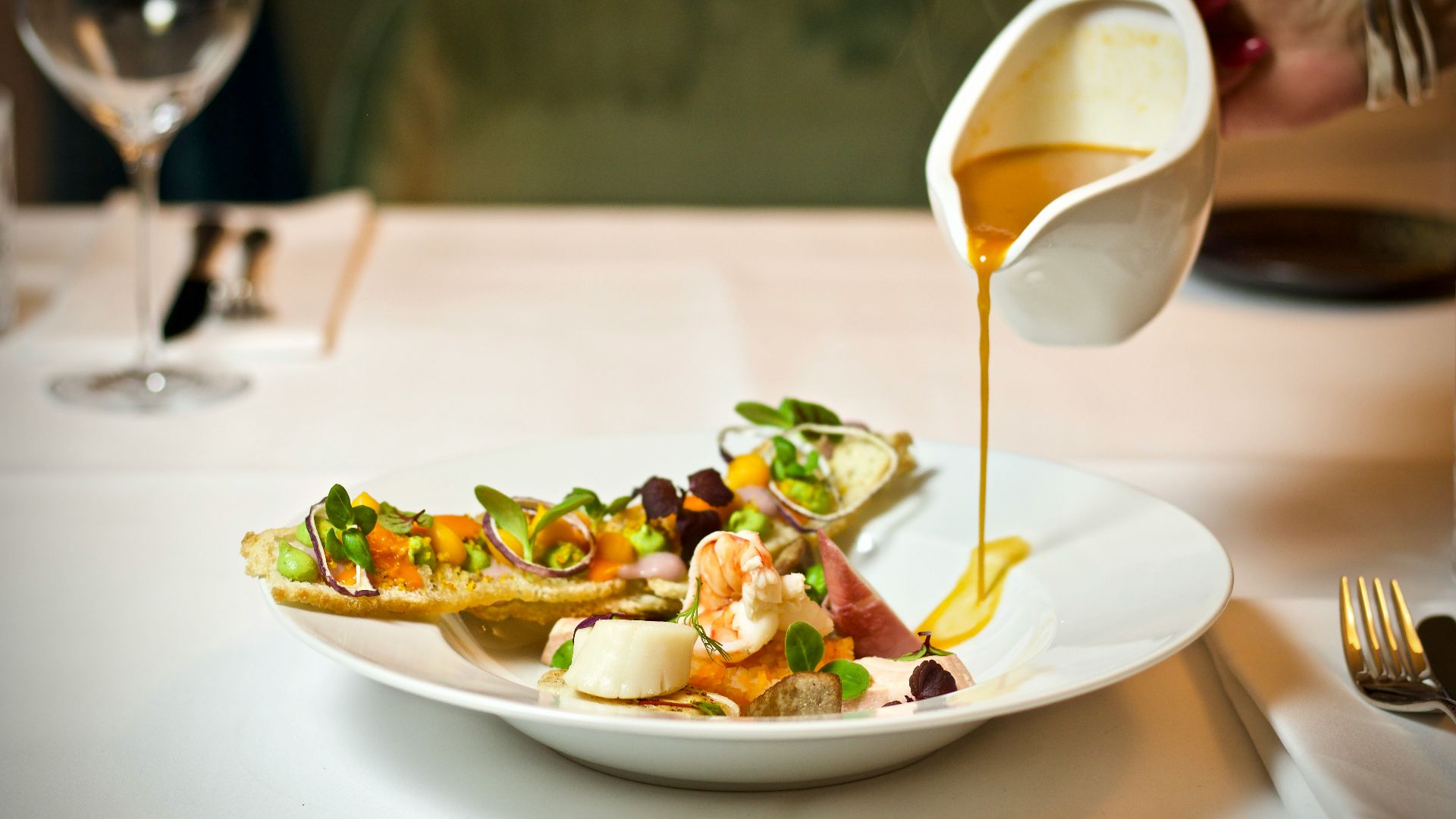
10. French Dressing
French dressing is sweet, tangy, and often pretty rich. French dressing frequently includes oil, sugar, and other ingredients that up the calorie count. French dressing is also often bright orange, which can make it look lighter than creamy dressings.
 Stefan Schauberger on Unsplash
11. Russian Dressing
Russian dressing is creamy and full of flavor, but that comes at a price. Russian dressing often contains mayo, ketchup, sugar, and other high-calorie ingredients. Restaurants also like to pour on the Russian dressing because it pairs well with salads and sandwiches.
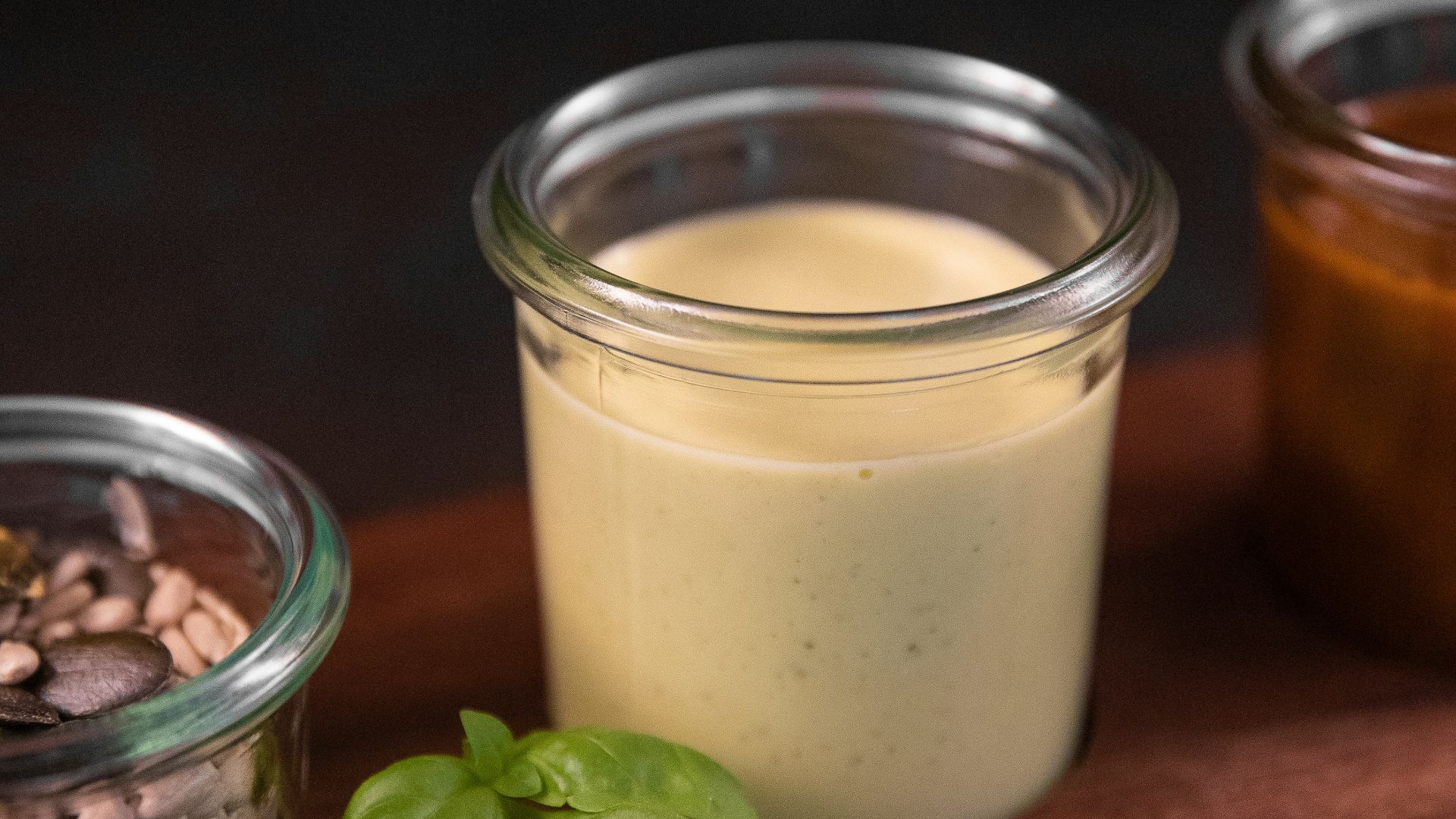
12. Green Goddess Dressing
Thanks to ingredients like parsley and chives, green goddess dressing has a reputation for being healthy and fresh. However, many recipes also use mayo, sour cream, and other creamy ingredients. You can't go by color or assume it's low in calories just because there are fresh herbs mixed in.
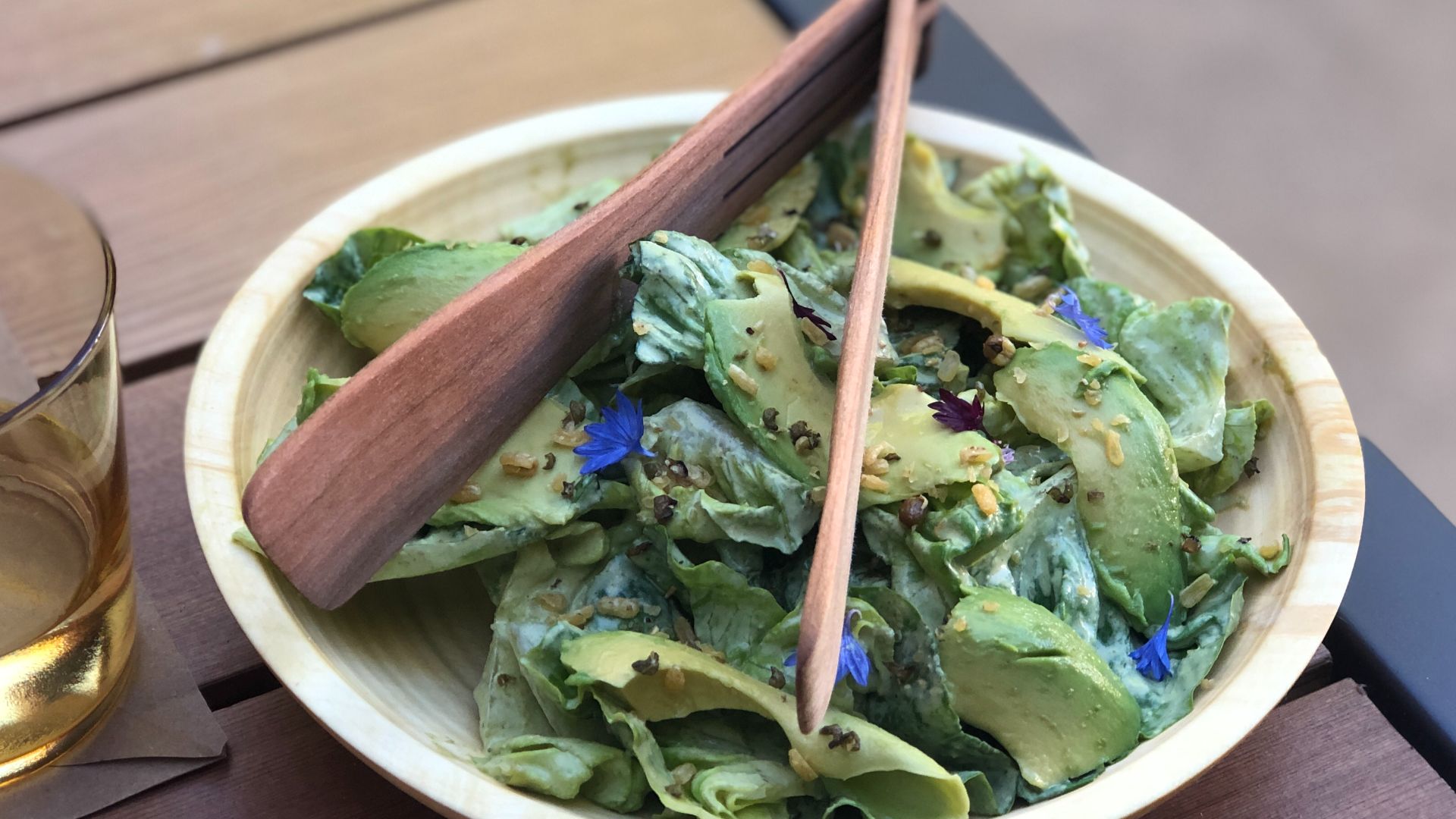
13. Chipotle Ranch
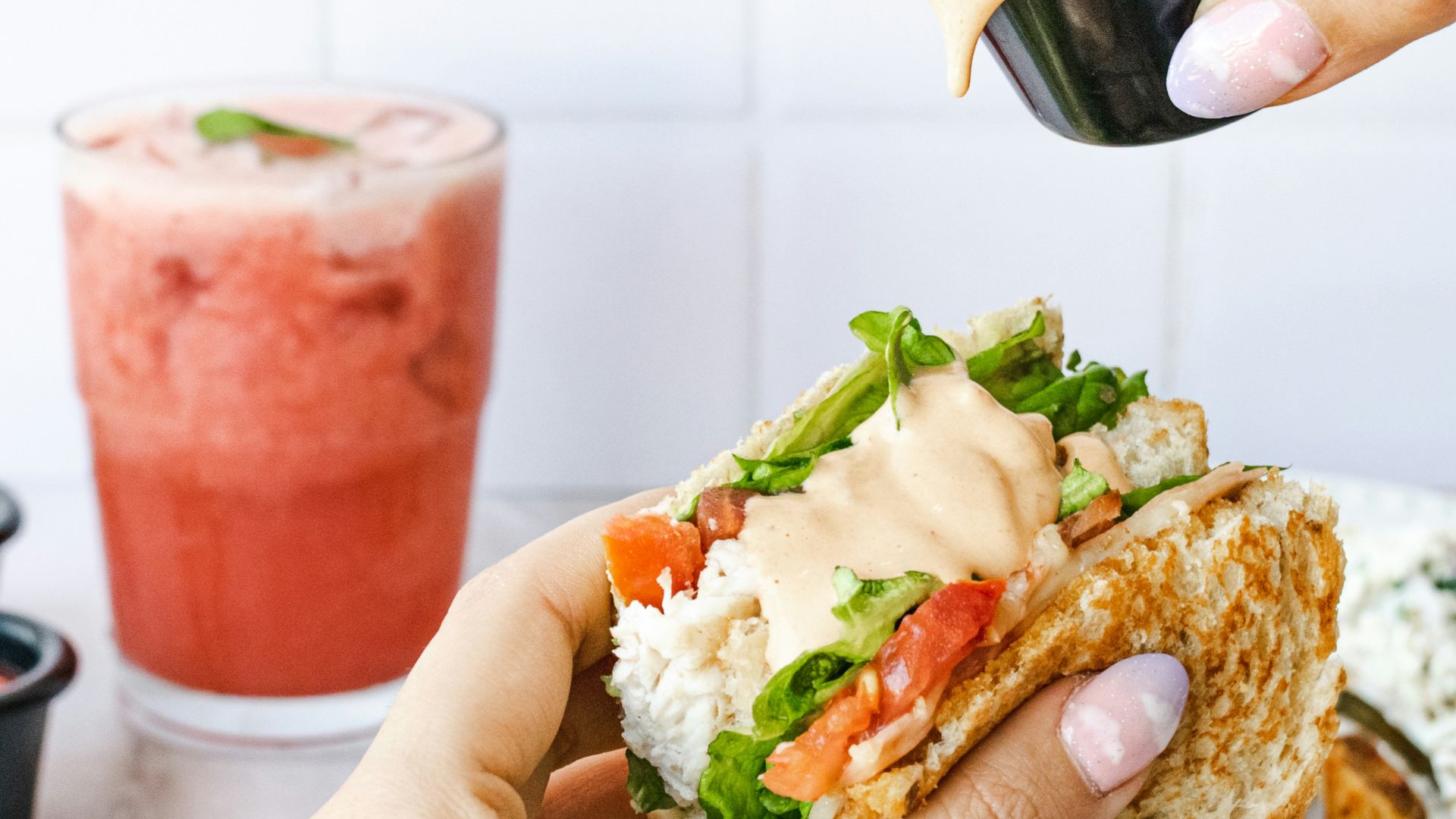
Combining ranch with chipotle peppers makes for a flavorful dressing, but the peppers don't magically reduce the calories in the ranch. Chipotle ranch is often just as high in calories as traditional ranch dressing, with a few extra tasty ingredients mixed in. Chipotle ranch pairs particularly well with high-calorie salads packed with cheese, avocado, meat, and tortilla strips.
 Alexandra Mendívil on Unsplash
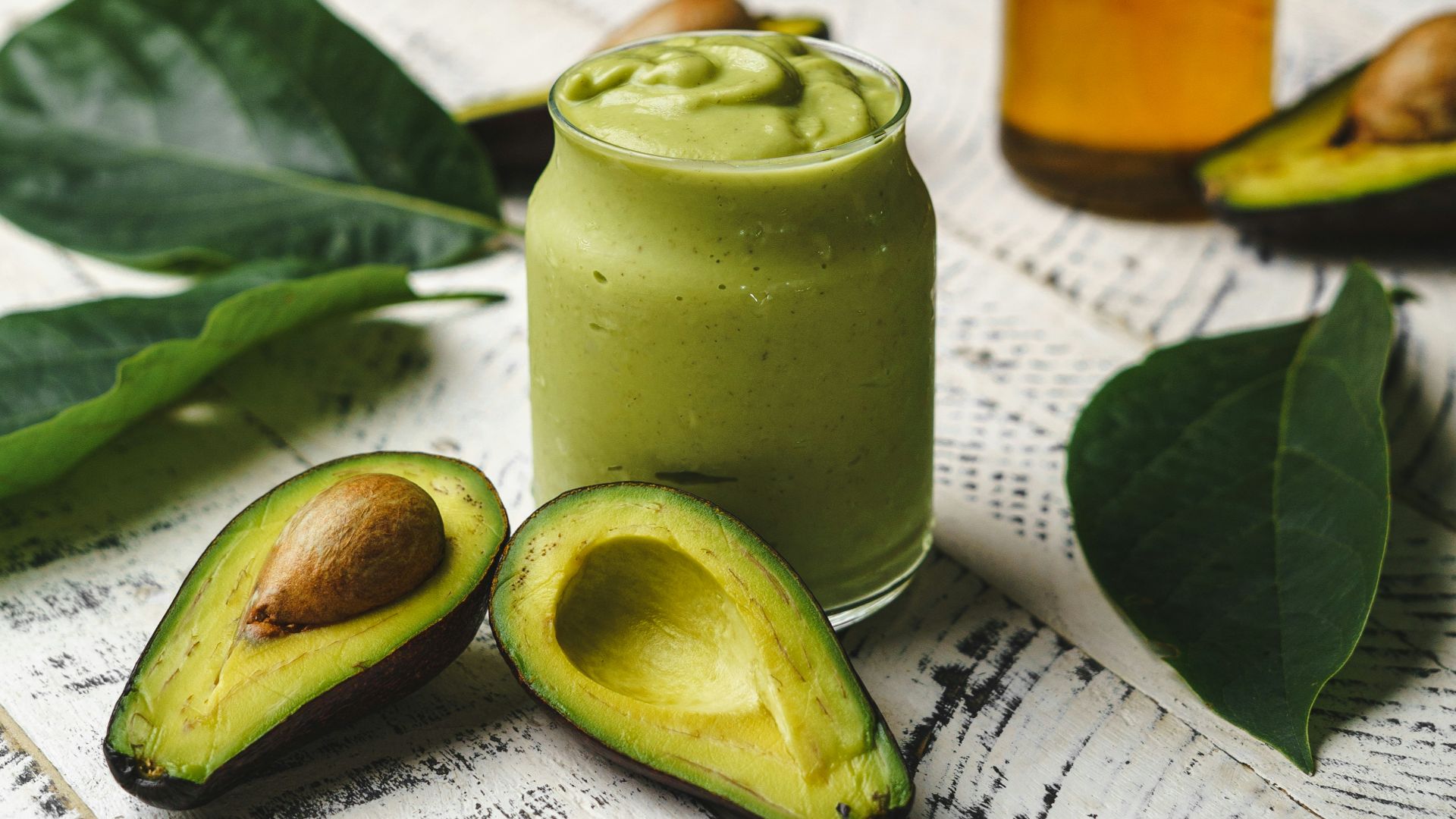
14. Avocado Dressing
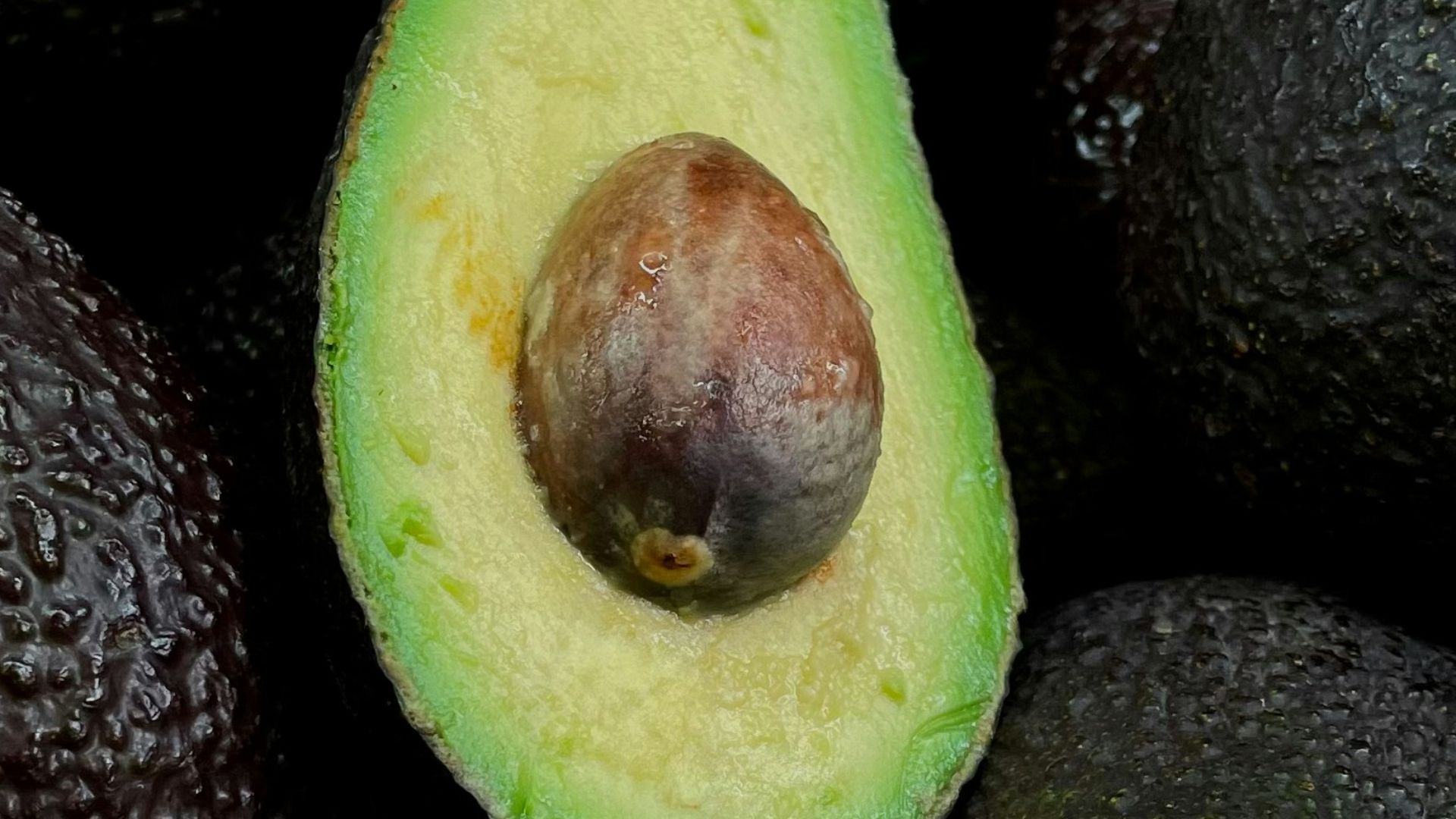
Avocado is packed with healthy fats and nutrients, but it still has calories. Avocado also serves as the base for many high-calorie dressings since you can blend it into a creamy texture. Avocado dressing is fine in small amounts, but you'll still need to account for those calories.
15. Sesame Ginger Dressing
Sesame ginger dressing sounds healthy because it's usually packed with lots of good flavors. You get sesame oil, soy sauce, ginger, and often sugar or other sweeteners. Sesame oil is high in calories, while bottled brands typically use added sugar.
16. Peanut Dressing
Peanut sauce tastes great on salads, but peanuts and peanut butter are calorie-dense. Expect additional calories from coconut milk, sesame oil, and sweeteners if the restaurant makes its own dressing. Homemade dressing will also tend to be thicker, making you think you want more than you do.
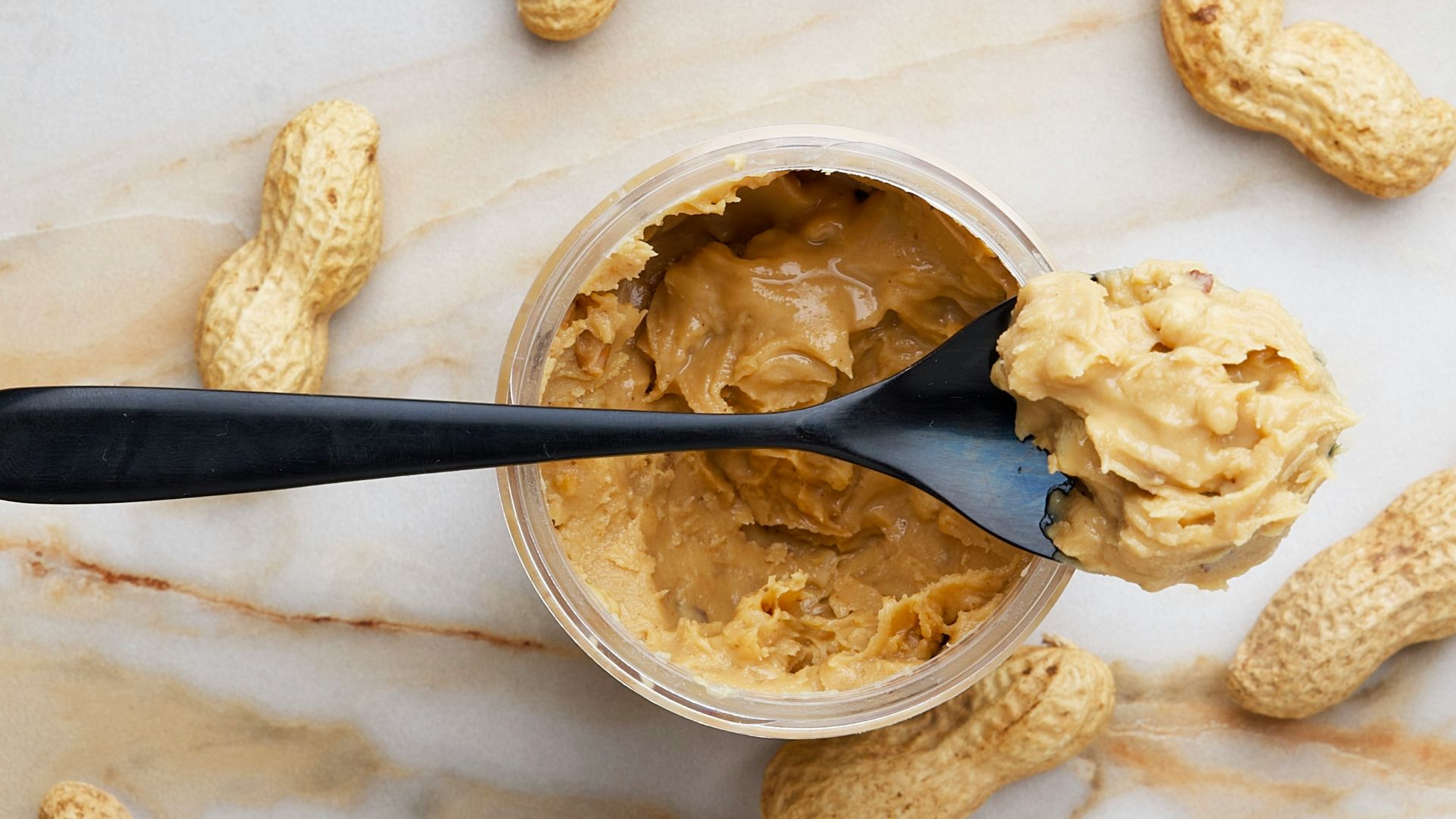 Corleto Peanut butter on Unsplash
17. Creamy Cilantro Lime
Cilantro and lime juice give this dressing a fresh and light feeling, but the base is often creamy. Expect mayo, sour cream, and other high-calorie ingredients in restaurant-style creamy cilantro lime dressing. That freshness tastes light without actually being low in calories.
18. Greek Dressing
Greek dressing can include ingredients like olive oil, herbs, and feta cheese. While those ingredients can all be part of a healthy diet, they also add calories to your salad. You can still eat Greek dressing while dieting by using less than the serving on your salad.
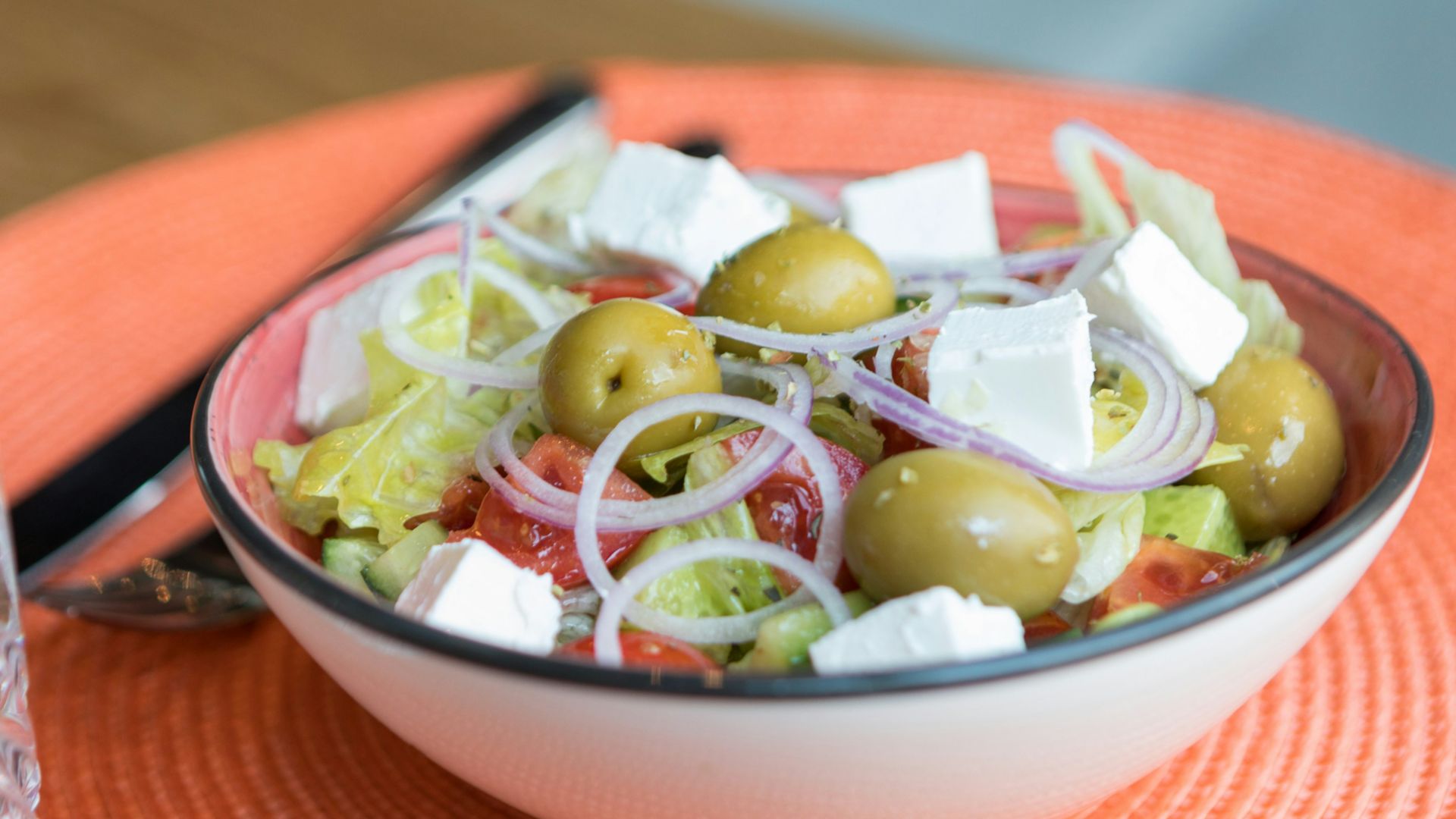 Farhad Ibrahimzade on Unsplash
19. Creamy Avocado Cilantro Dressing
Avocado cilantro dressing combines several healthy ingredients. However, several high-calorie ingredients combine to push the calorie count higher. Pay attention to the portion rather than assuming that a vegetable-based dressing is automatically light.
20. Homemade Restaurant Dressing With No Nutrition Information
Your biggest salad dressing enemy might not even be one type of dressing. If you can't find nutrition information for the restaurant's homemade dressing, you have no idea how many calories you're actually eating. When you're trying to maintain a deficit, choosing a simple dressing or requesting oil and vinegar separately gives you far more control over what ends up on your plate.
KEEP ON READING



20 Natural Ways You Can Boost Your Immune System

20 Ways To De-stress & Relax After Work

The 10 Most Common Diseases & The 10 Most Rare