
20 Predictions You Can Make About Yourself Based On Your Parents Genetics
Your Parents Gave You More Than Their Last Name
You inherited roughly half of your genetic material from each biological parent, and those genes influence far more than whether you have your mother's eyes or your father's hair. They can affect physical characteristics, how your body processes certain substances, and even your susceptibility to particular conditions. That doesn't mean your genes have written your entire future, because environment, lifestyle, age, and plain genetic randomness all matter too.
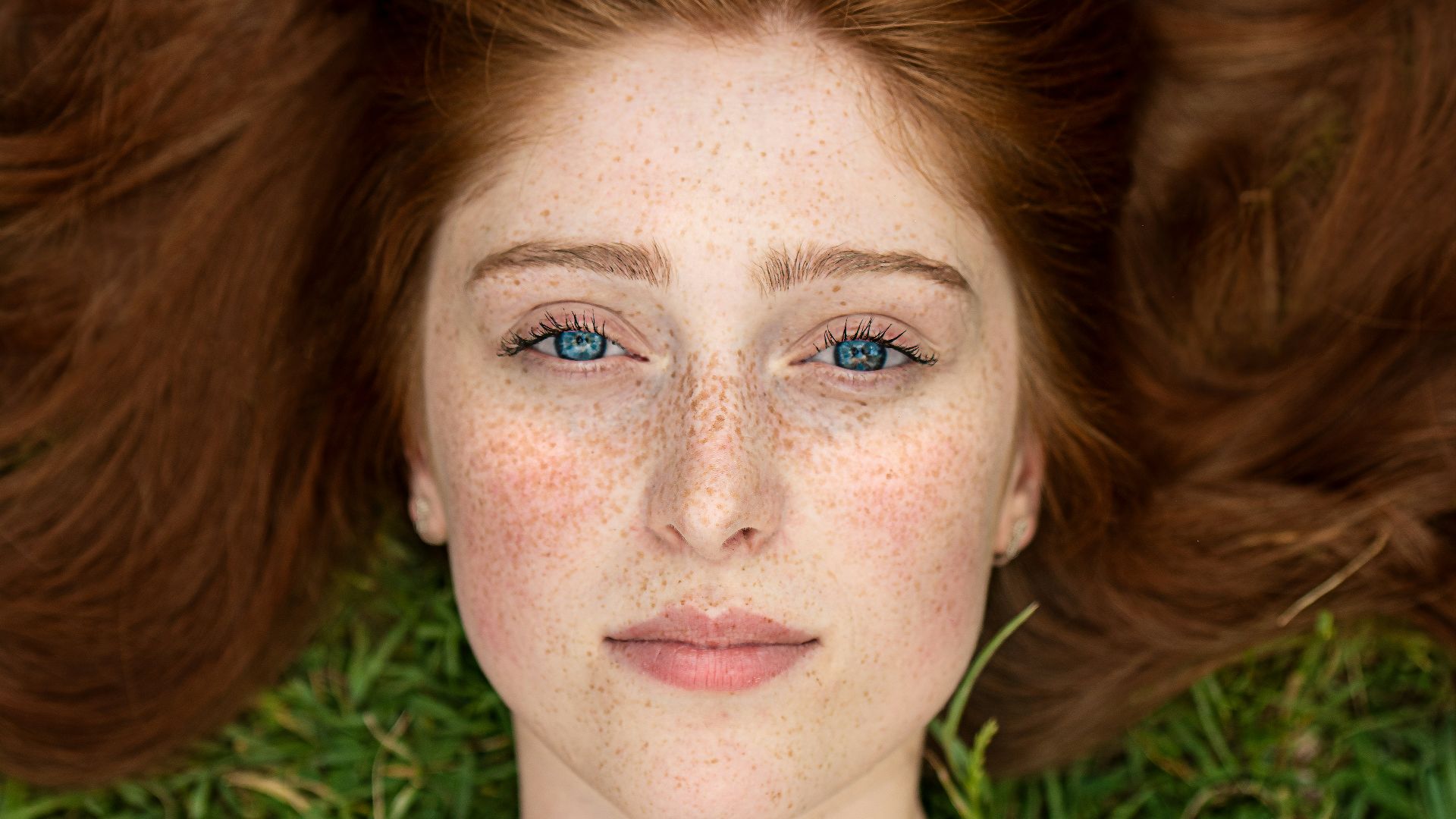
1. Your Natural Hair Color
Your parents can give you some clues about the hair color you're likely to have because pigmentation is influenced by multiple genes inherited from both sides of the family. The result isn't always as simple as matching whichever parent has darker hair, since several genes work together to influence the amount and type of melanin produced. Hair color can also change naturally during childhood and adolescence.
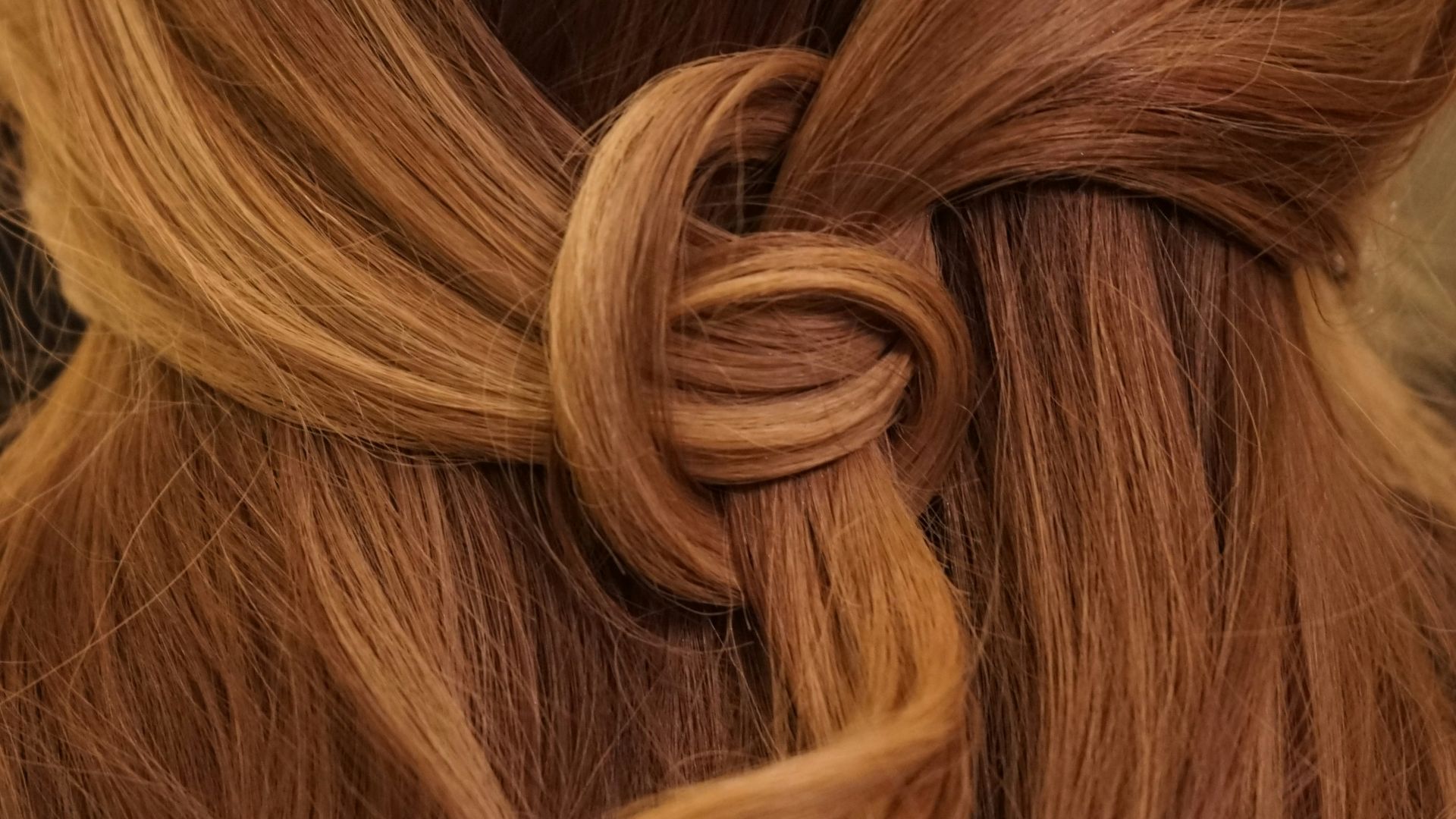
2. Whether You'll Go Gray Early
Graying hair is partially hereditary, so if your parents started graying early, you may have inherited that tendency. You might not gray on their anniversary either, though, since genetics and individual variations still play a role. That doesn't mean you'll necessarily start finding silver strands on the same birthday they did, because individual genetics and other factors still matter.
 FETHI BOUHAOUCHINE on Unsplash
3. Your Adult Height
Height is heavily genetic, but environmental factors like nutrition, health, hormones, and other childhood factors play some role too. Examining your biological parents' heights along with your extended family's can help give you an idea of your potential height range. If your entire family needs the tallest setting on an airplane seat, you probably have a reasonable idea where you got it.

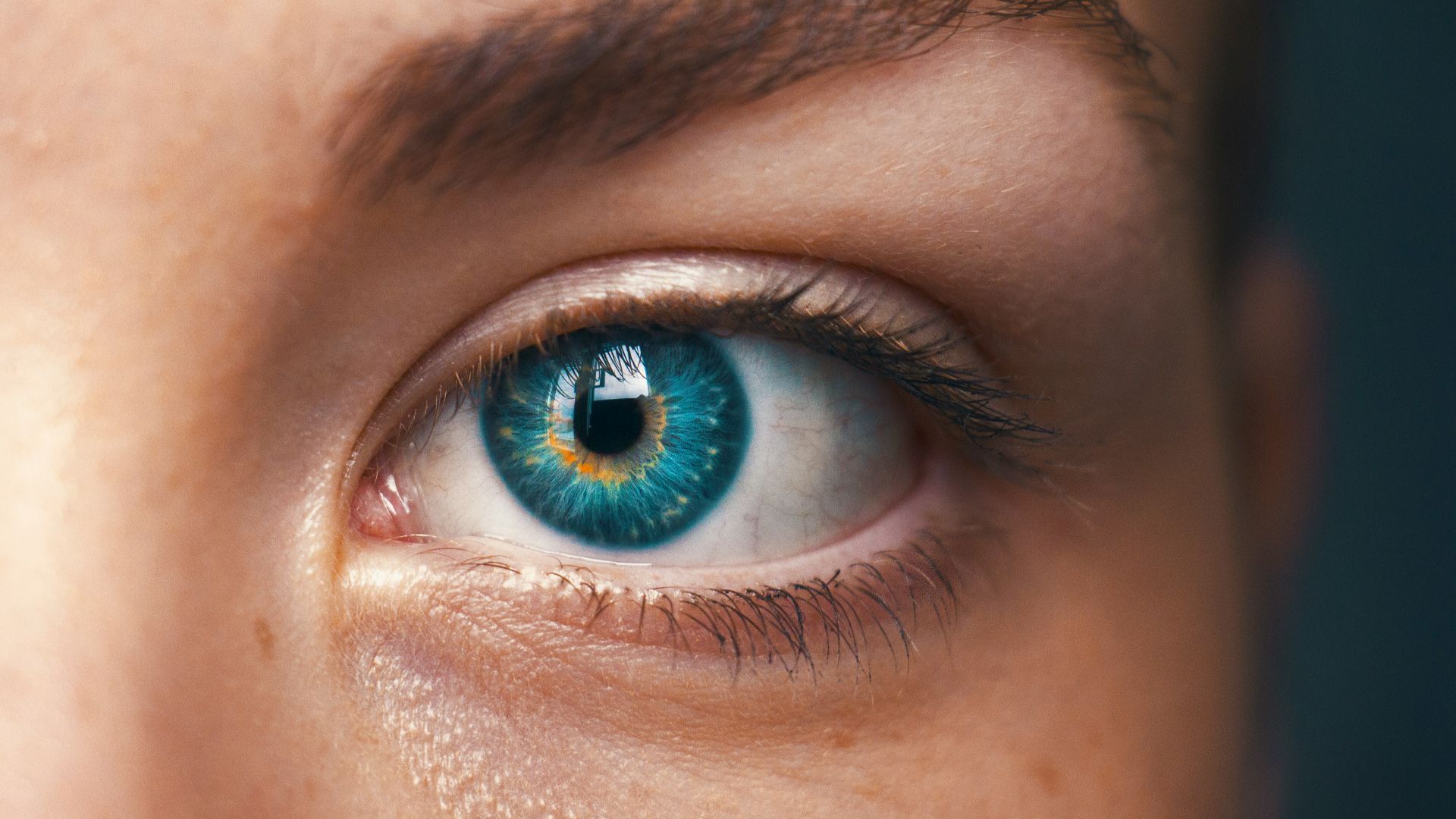
4. Your Likely Eye Color
Variants in several genes contribute to your eye color by impacting melanin production and distribution in your iris. That's why parents with similar eye colors can sometimes end up with a child with drastically different eyes. Your parents' eyes can provide clues, but the family tree can reveal possibilities that aren't immediately obvious from looking at Mom and Dad.
5. Your Tendency To Freckle
Freckling is influenced by genetics, particularly genes involved in pigmentation and the way skin responds to ultraviolet exposure. Some variants increase your likelihood of developing freckles when in the sun. Familial trends in freckling can increase your chances of being freckled yourself, though sun exposure is also a factor.

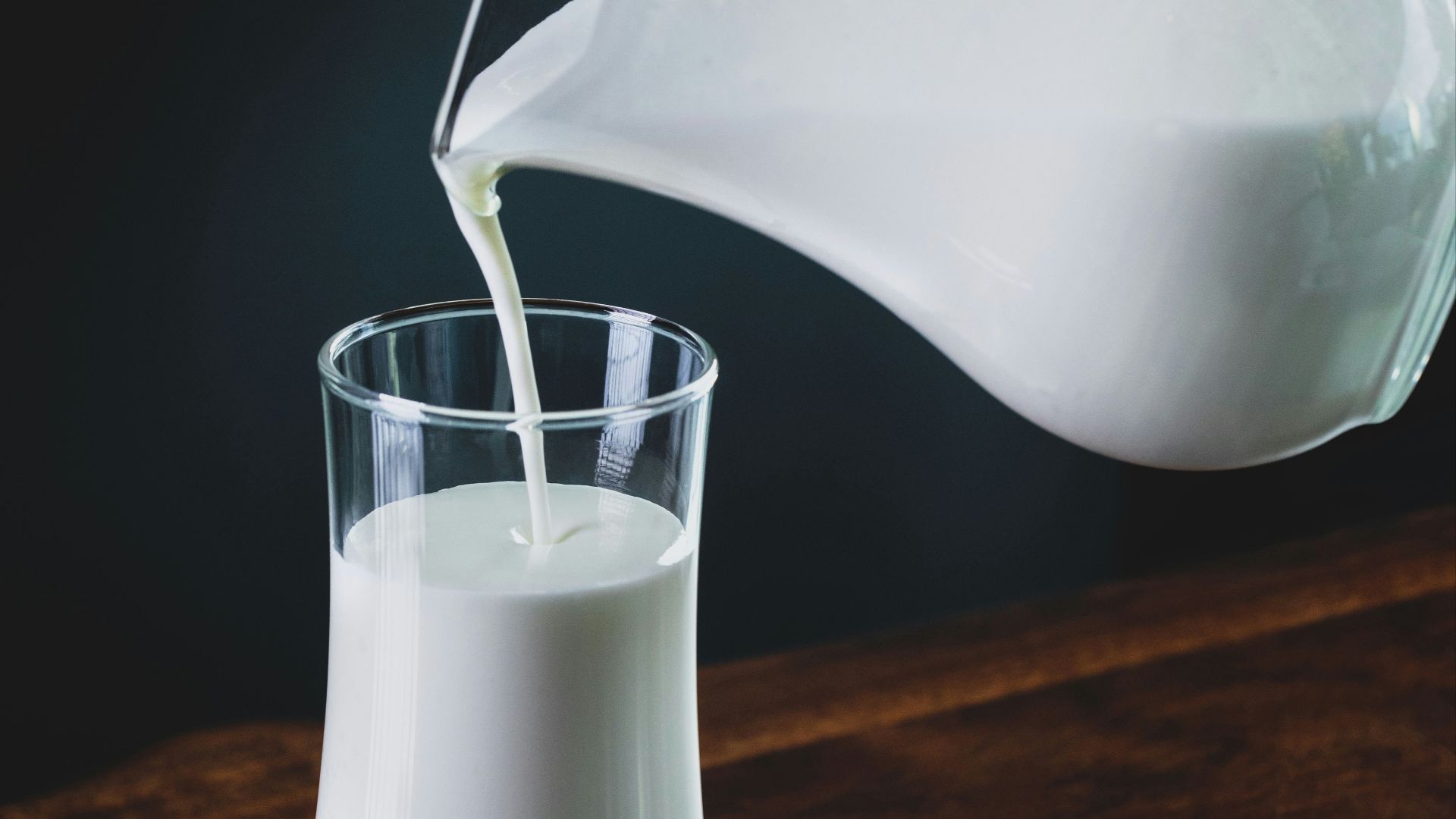
6. How Your Body Handles Lactose
Whether or not you keep producing lactase into adulthood is partially genetic. Genetic variants associated with lactase persistence are less common in populations with histories of bovine milk avoidance, while variants that cause decreased lactose digestion beyond early childhood are more common. Of course, actually having trouble after a bowl of ice cream is a much more immediate clue.
7. Your Blood Type
Your ABO blood type and Rh factor are inherited through specific genetic variants from your parents. Because the combinations follow established inheritance patterns, knowing your biological parents' blood types can sometimes narrow down which blood types you could have. It isn't possible to predict every person's blood type simply by looking at their parents without knowing the relevant combinations.

8. Your Natural Body Shape
Since genes affect things like bone structure, fat distribution, muscle tendencies, and even some metabolic factors, you may find that your body naturally resembles one or both of your parents. This doesn't mean that you'll look exactly like a member of your parents but instead that you inherited some of their body's tendencies.
 Kira auf der Heide on Unsplash
9. Your Risk Of Developing Certain Heart Conditions
Some heart diseases and conditions can be affected by genetics. If multiple relatives on either side of your family developed heart disease or high cholesterol at younger-than-average ages, you may have inherited an increased risk for it as well. That doesn't mean you definitely have it or will develop it.

10. Your Likelihood Of Developing Type 2 Diabetes
Many factors go into whether you develop type 2 diabetes, including genetics, diet, exercise, environment, and more. Having a family member with type 2 diabetes increases your risk because you're more likely to share genetic variants and environmental factors that can contribute to it.
 Anna Tukhfatullina Food Photographer/Stylist on Unsplash
11. How Your Skin Ages
The process of skin aging and various skin features are partially genetic. If your parents age well, you may inherit some of the same favorable genetics, though you can't assume your skin will age the same way. Your parents can give you clues, but sunscreen still gets a vote.
 Enecta Cannabis extracts on Unsplash
12. Your Natural Athletic Potential
Athletic performance depends on an enormous combination of training, motivation, nutrition, technique, environment, and genetics. Certain genetic variants you inherit from your parents can affect your athletic potential by impacting muscle composition, aerobic capacity, physique, and how your body responds to training. Having athletic parents won't guarantee you'll be the next champion, but it might mean you have good genetics on your side.

13. Your Sensitivity To Caffeine
People vary considerably in how quickly they metabolize caffeine, and genetics is one reason for those differences. Genetic variants affecting caffeine metabolism can impact how long caffeine affects you as well as how sensitive you are to it. If you have relatives who can slam coffee before bed with no repercussions and others who shake uncontrollably from one afternoon latte, your caffeine tolerance could fall anywhere in that range.

14. Your Susceptibility To Motion Sickness
Motion sickness tends to run in families, meaning there's a genetic component to it. If several family members get carsick, struggle on boats, or can't travel by air without medication, you might be susceptible to motion sickness as well. Genetics may simply make some forms of transportation more challenging for you than others.

15. Your Natural Sleep Tendencies
Your genetics play a role in your chronotype, which is whether you naturally lean more toward being a morning person or not. If your parents are lifelong early risers or notorious night owls, you may recognize some of those tendencies in yourself. Work schedules, light exposure, age, and habits can still shift your sleep patterns, so your family's bedtime preferences aren't a guarantee.

16. Your Likelihood Of Nearsightedness
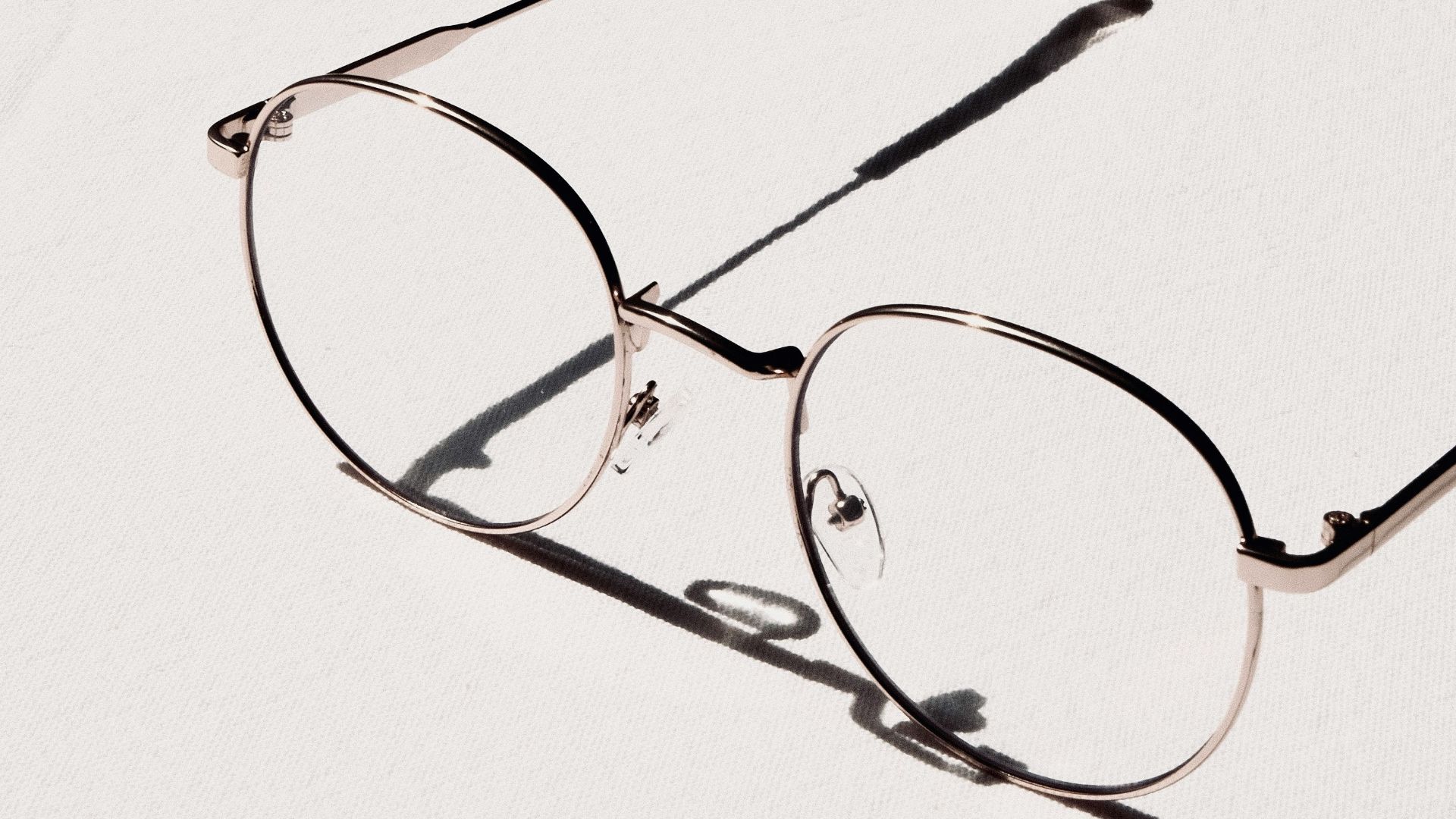
Both genes and environmental factors influence whether or not you're nearsighted. Parents with nearsightedness can pass some of those genetic factors on to their children, increasing the chance that you'll need glasses. Your parents' glasses therefore provide a clue, but they don't tell you whether you'll eventually need a pair yourself.
17. How You Process Drinking
Multiple enzymes are involved in alcohol metabolism, some of which are genetically influenced. How quickly your body can process a drink and your sensitivity to it can be affected by genetic variants you inherit from your parents. However, inherited metabolism doesn't make drinking safe or unsafe by itself.

18. Your Risk Of Certain Diseases
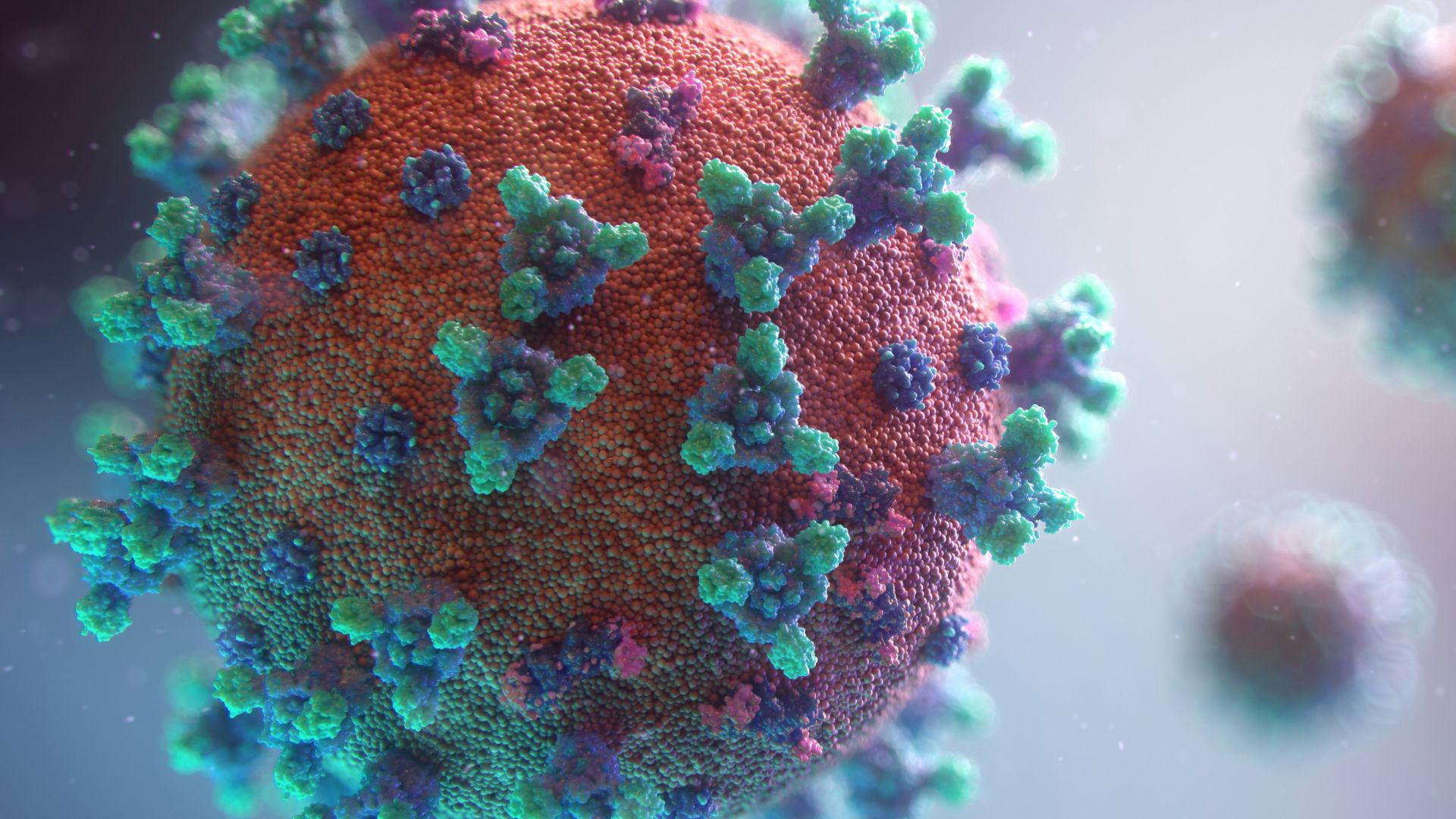
Some inherited genetic variants can substantially increase the risk of particular cancers, although most cancers aren't caused by a single inherited mutation. Family history becomes especially informative when multiple close relatives have had the same or related ailments, particularly at unusually young ages. Genetic testing can sometimes identify inherited risk variants when a medical professional determines that testing is appropriate.
 Fusion Medical Animation on Unsplash
19. Your Likelihood Of Developing Varicose Veins
Besides age and pregnancy, varicose veins can be hereditary. Veins that are susceptible to becoming varicose can sometimes be passed down from parent to child. While there's no guarantee you'll develop them like your parent did, your relatives' legs can serve as early notice for you of what to look for in yourself.

20. How Similar You'll Be To Your Parents
Whether you realize it or not, you'll probably find some ways that you naturally resemble one or both of your parents. From biological tendencies to facial features and mannerisms, you inherited genes from both sides of your family. Genetics gives you the ingredients, but it doesn't produce an exact copy of either parent.
 Juliane Liebermann on Unsplash