The Seemingly Little Things With Massive Consequences
If you’re an older adult living with diabetes, your daily habits can either protect your independence or quietly chip away at it. The tricky part is that the “bad” habits often feel small in the moment—until your numbers swing, your feet hurt, or you end up dealing with preventable complications. To help keep you safe and informed, we’ve put together a list of some of the worst habits that you need to ditch immediately.
1. Skipping Meals While Still Taking Meds
When you take insulin or certain pills and then don’t eat, you’re setting yourself up for low blood sugar. That risk is especially high with insulin and sulfonylureas, and a “light day” of eating can turn into shakiness, confusion, or a dangerous fall.

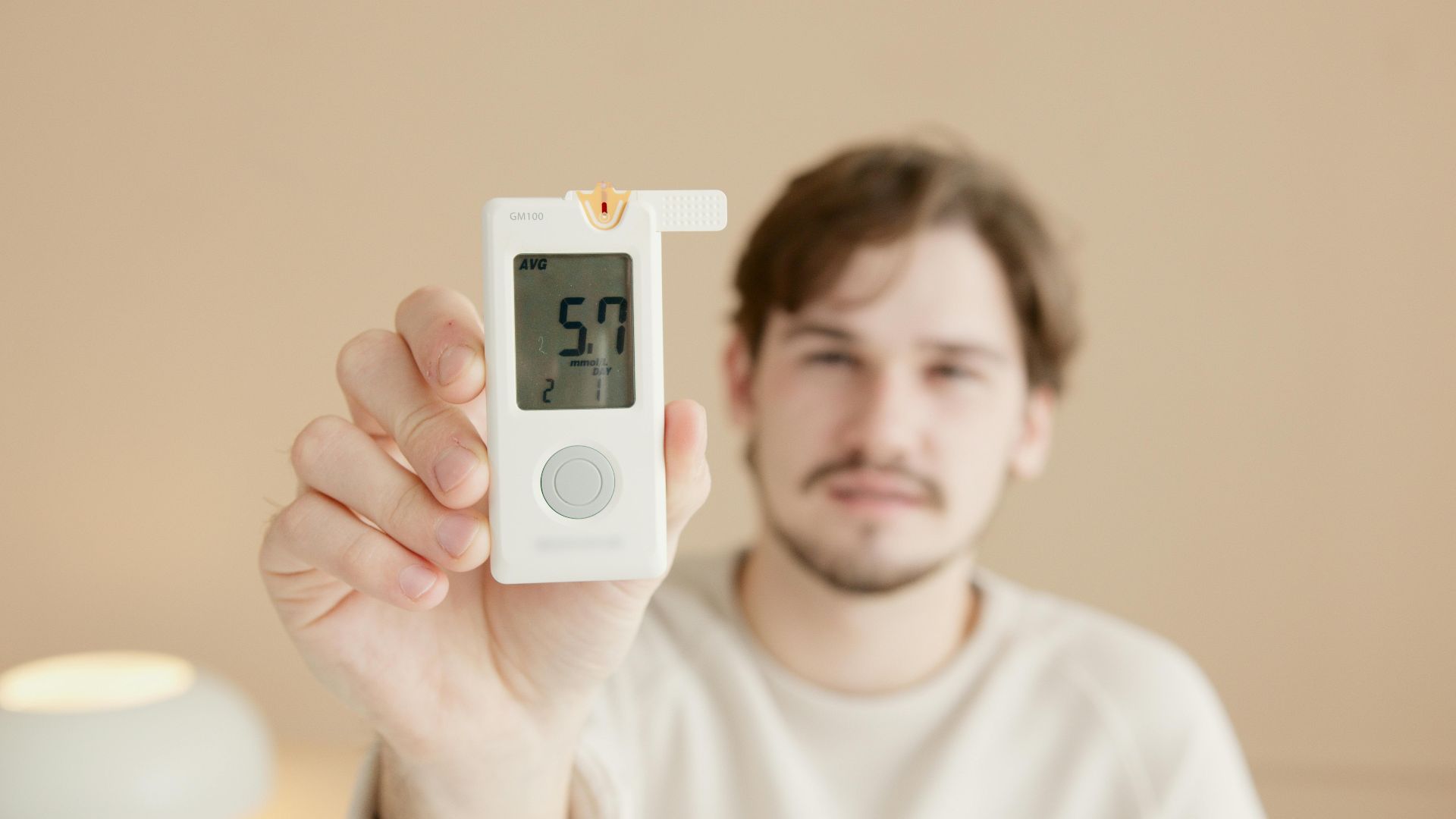
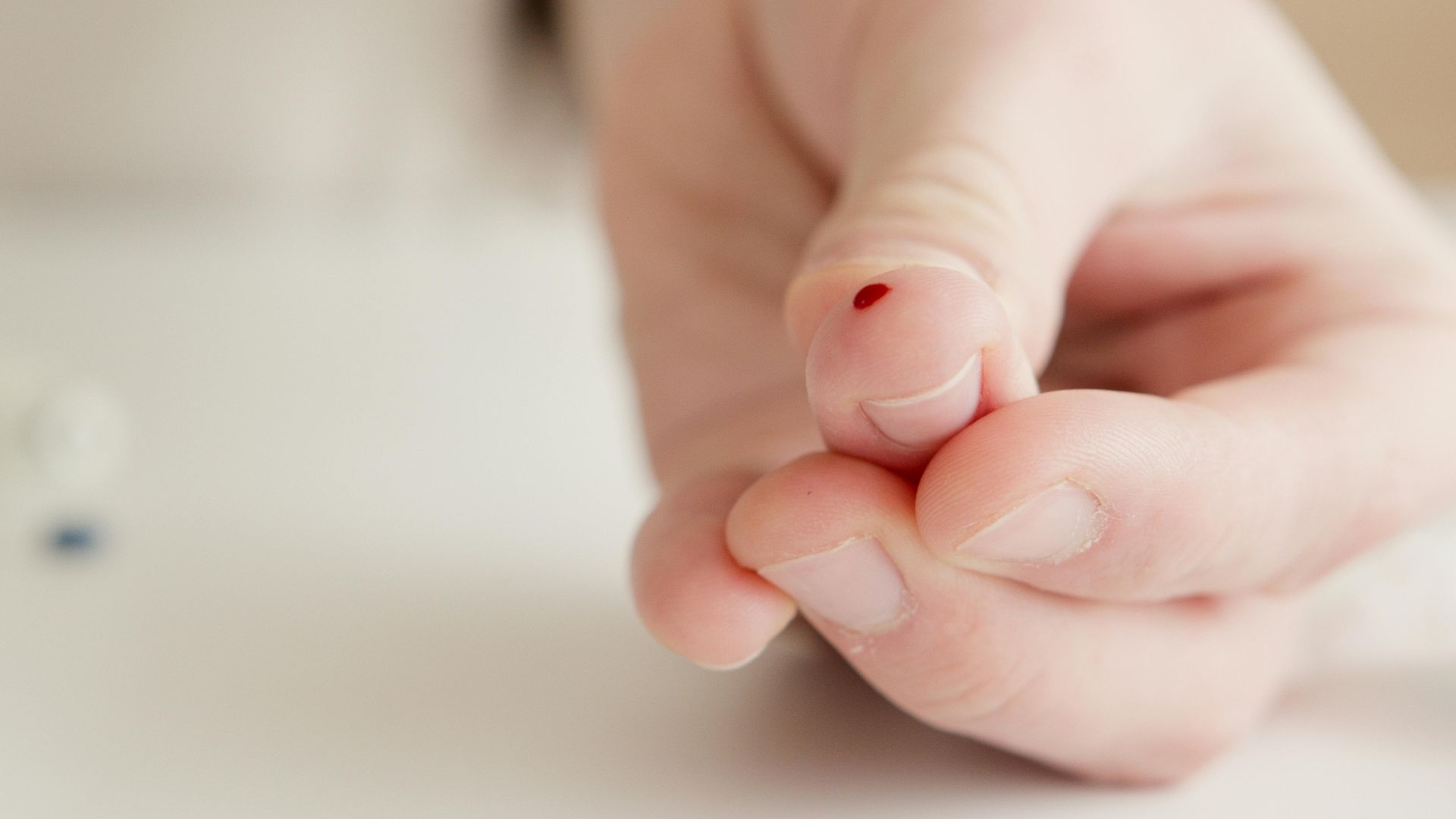
2. “Optional” Blood Sugar Checks
Using a CGM isn’t about being perfect; it’s about catching problems early. If you don’t look, you can’t learn what your body is doing after meals, activity, or poor sleep. Over time, that blind spot can lead to repeated highs or lows that wear you down.
3. Ignoring Hypoglycemia Warning Signs
Sweating, trembling, sudden irritability, and confusion aren’t symptoms of “just getting older” when you have diabetes. If you brush them off, a mild low can escalate into a severe episode. In seniors, severe hypoglycemia is closely tied to falls and injuries, which can start a long recovery spiral, so pay attention to your body.

4. Drinking Alcohol Like It Doesn’t Count
Alcohol can cause low blood sugar, especially when it’s paired with certain medications. If you drink on an empty stomach, the risk gets even worse. What feels like a harmless nightcap can turn into a dangerous overnight low, so make sure you consult with your doctor before indulging.

5. Smoking
Tobacco damages blood vessels and worsens circulation, which is a big deal when diabetes already raises complication risk. Smoking is also linked to poorer blood sugar control and higher risks of heart disease, stroke, nerve damage, and foot problems. Cutting back helps, but quitting helps far more.

6. Sitting Most of the Day
Your muscles are one of the best tools you have for using glucose effectively. Older adults are recommended to get about 150 minutes per week of moderate activity, plus strength work and balance training; if your routine is mostly chair-to-couch, your blood sugar and mobility can both slide.

7. Letting Dehydration Sneak Up On You
High blood sugar increases urination, which makes dehydration more likely. Though it seems like an easy enough problem to handle, dehydration can actually make you feel weak or dizzy. When you don’t drink enough, you’re also more prone to constipation and confusion, neither of which you want to deal with.

8. Rationing Prescriptions
Stretching pills or insulin might feel practical, but it can destabilize your glucose and raise complication risks. Running short also encourages risky improvising, like using expired supplies or guessing doses. If cost is the issue, it’s worth addressing directly—safer options often exist.
9. Changing Doses Without Consultation
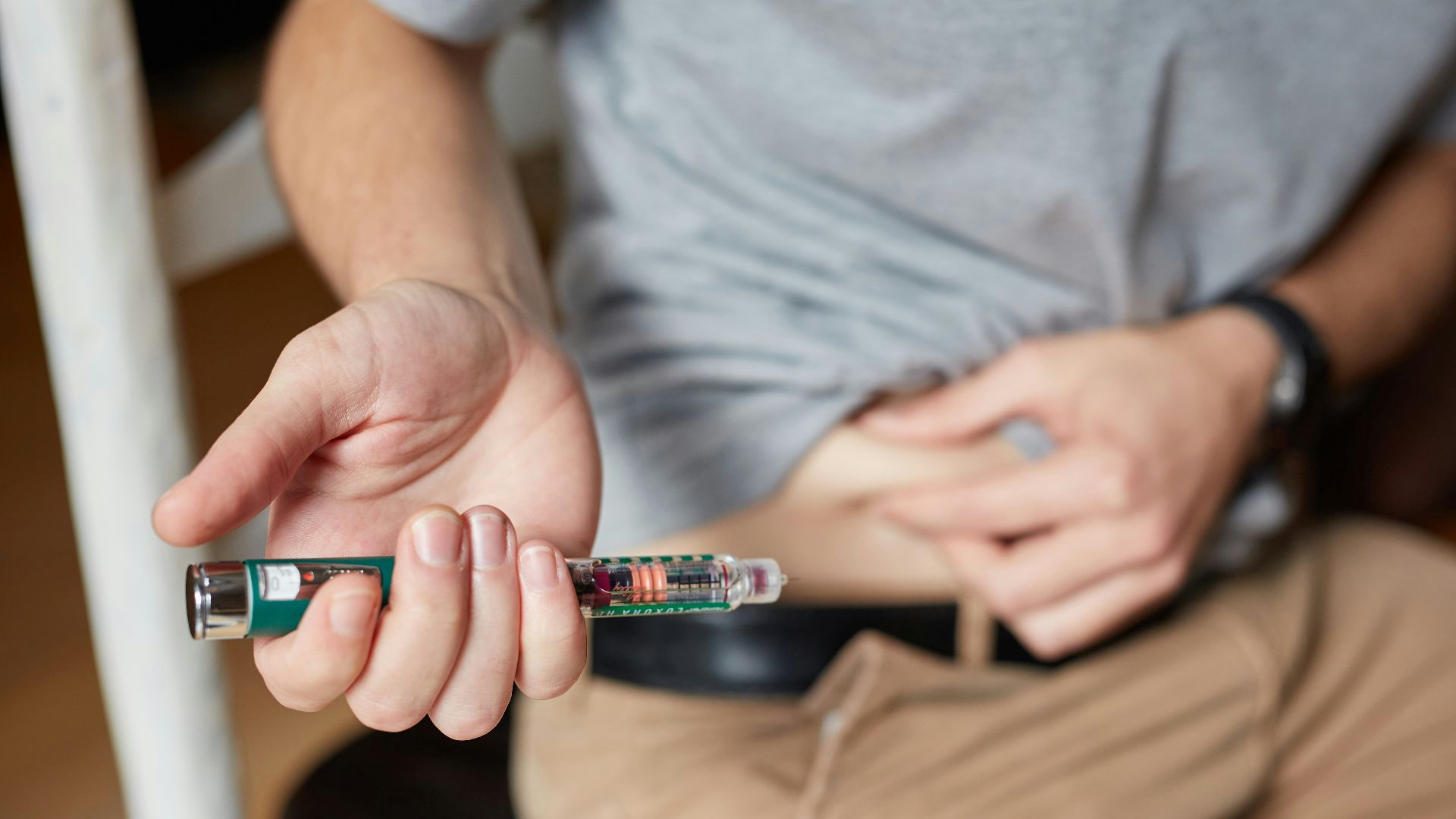
Adjusting medication without guidance is never a good idea. Remember: older adults are often more vulnerable to hypoglycemia, so overtreatment can be as dangerous as undertreatment. If your numbers are consistently off, that’s a signal for a structured review, not random tweaks.
 National Cancer Institute on Unsplash
10. Treating Foot Care Like a Sporadic Chore
With diabetes, even a small blister can become a serious problem before you even notice it. Skipping daily checks means you may miss massive warning signs, like redness, cracks, swelling, or early infection. Clean, dry feet and well-fitting shoes aren’t cosmetic concerns; they’re crucial for prevention.

11. Walking Around With “Minor” Wounds
Slow-healing cuts are common with diabetes—ignoring them can turn a nuisance into a medical emergency. Infection risk rises when circulation is poor, or glucose runs high, and the longer you delay care, the harder it can be to reverse the damage. Even if it doesn’t seem like a big deal, it’s better to be safe than sorry.

12. Eating the Wrong Diet
Sugary drinks, pastries, and refined snacks spike glucose fast. Not only that, but they also leave you hungry. Without fiber and protein, meals tend to hit your bloodstream like a wave rather than a steady stream. A more balanced plate supports steadier energy and steadier numbers; dieticians can guide you down the right path.
13. Overcorrecting Lows With a Sugar Binge
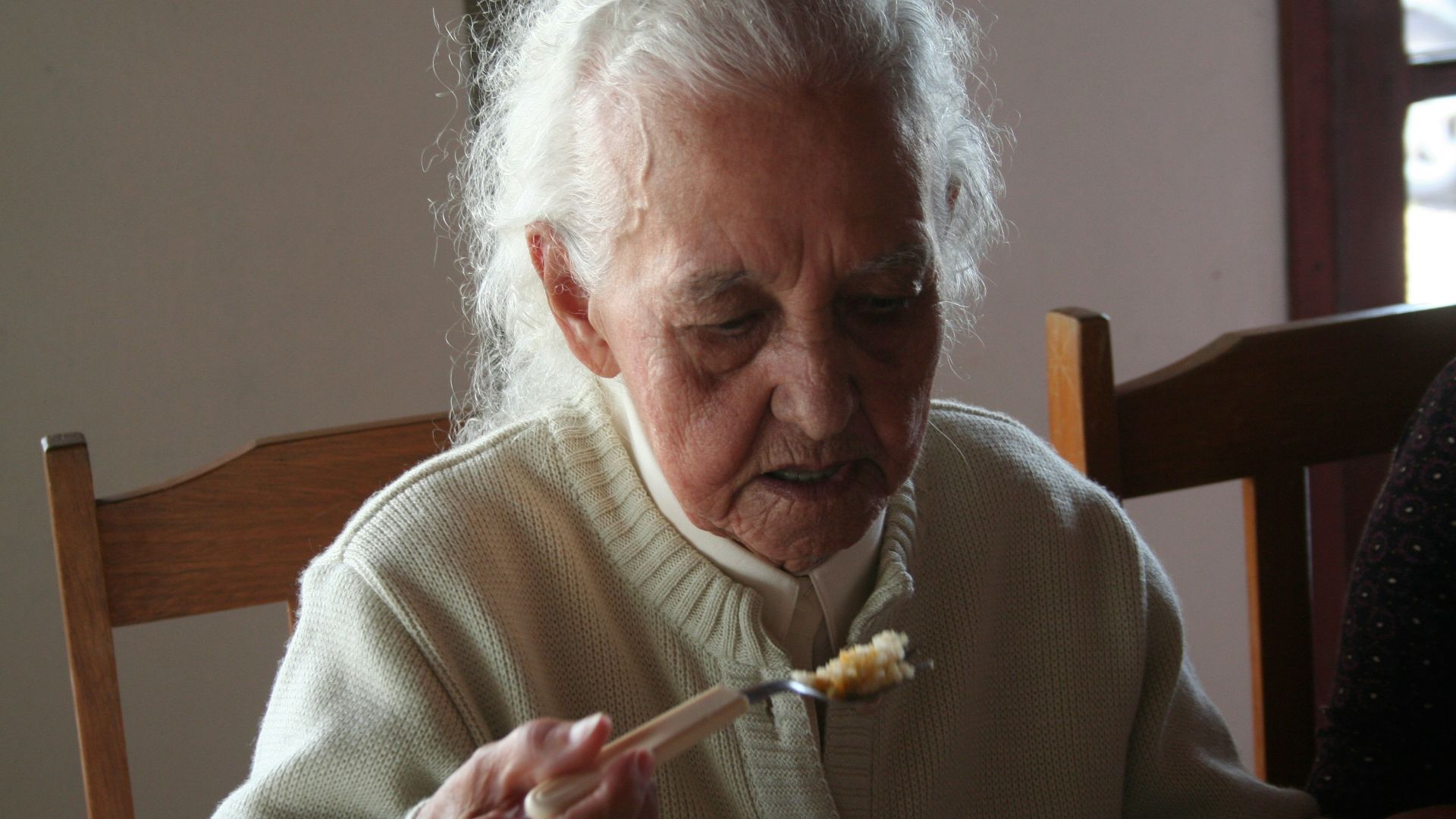
When you feel shaky, it’s tempting to grab everything sweet within reach, but that often overshoots the mark, leading to a rebound high that makes you feel lousy later. A measured response is safer and helps you avoid the exhausting up-and-down cycle.
14. Letting Sleep Quality Fall Apart
Poor sleep can make blood sugar harder to manage and can increase cravings and irritability. If you’re up half the night, your next day’s decisions often get sloppier, including food choices and medication timing. Don’t underestimate the power of a good night’s sleep—both for your brain and your body.

15. Ignoring Stress
Chronic stress wreaks havoc on the body and can push glucose higher or make self-care feel overwhelming. You’re also more likely to skip meals, forget meds, or avoid movement when you’re under pressure, which means monitoring is a must. You don’t need a perfect mindset, but you do need a strategy that calms your system.

16. Neglecting Blood Pressure and Cholesterol Management
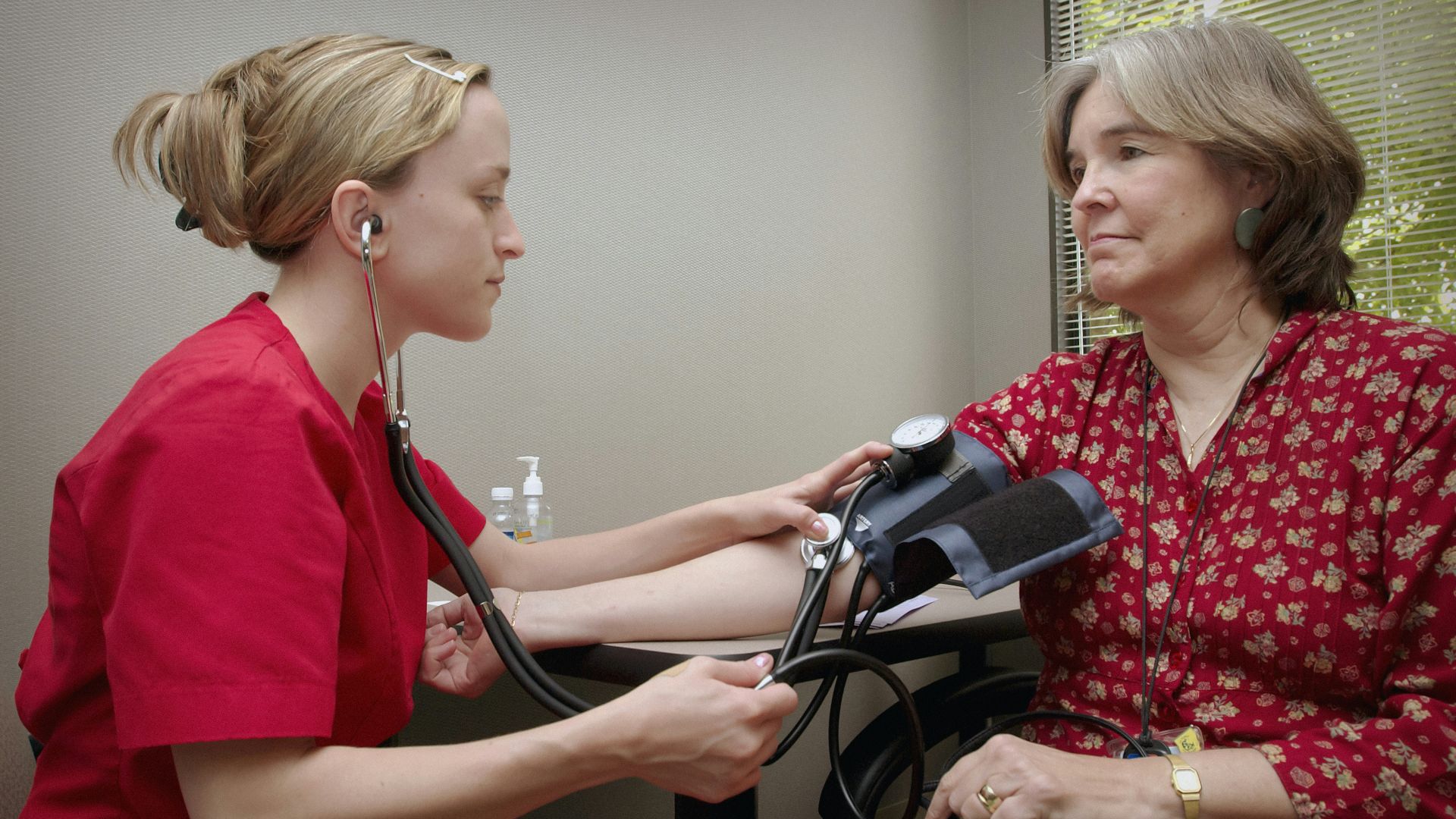
Diabetes doesn’t travel alone; it often comes with higher cardiovascular risk. Ignoring blood pressure or cholesterol targets can accelerate heart, kidney, and stroke complications, so even if glucose looks “fine,” those other numbers still matter.
17. Taking Over-The-Counter Meds Without Checking First
Some cold medicines, pain relievers, and supplements can affect your system. Anything from blood pressure, your kidneys, or glucose control can suffer, so don’t always assume that “non-prescription” equals “risk-free.” A quick check with a pharmacist can prevent a nasty surprise.
18. Skipping Routine Eye and Kidney Monitoring
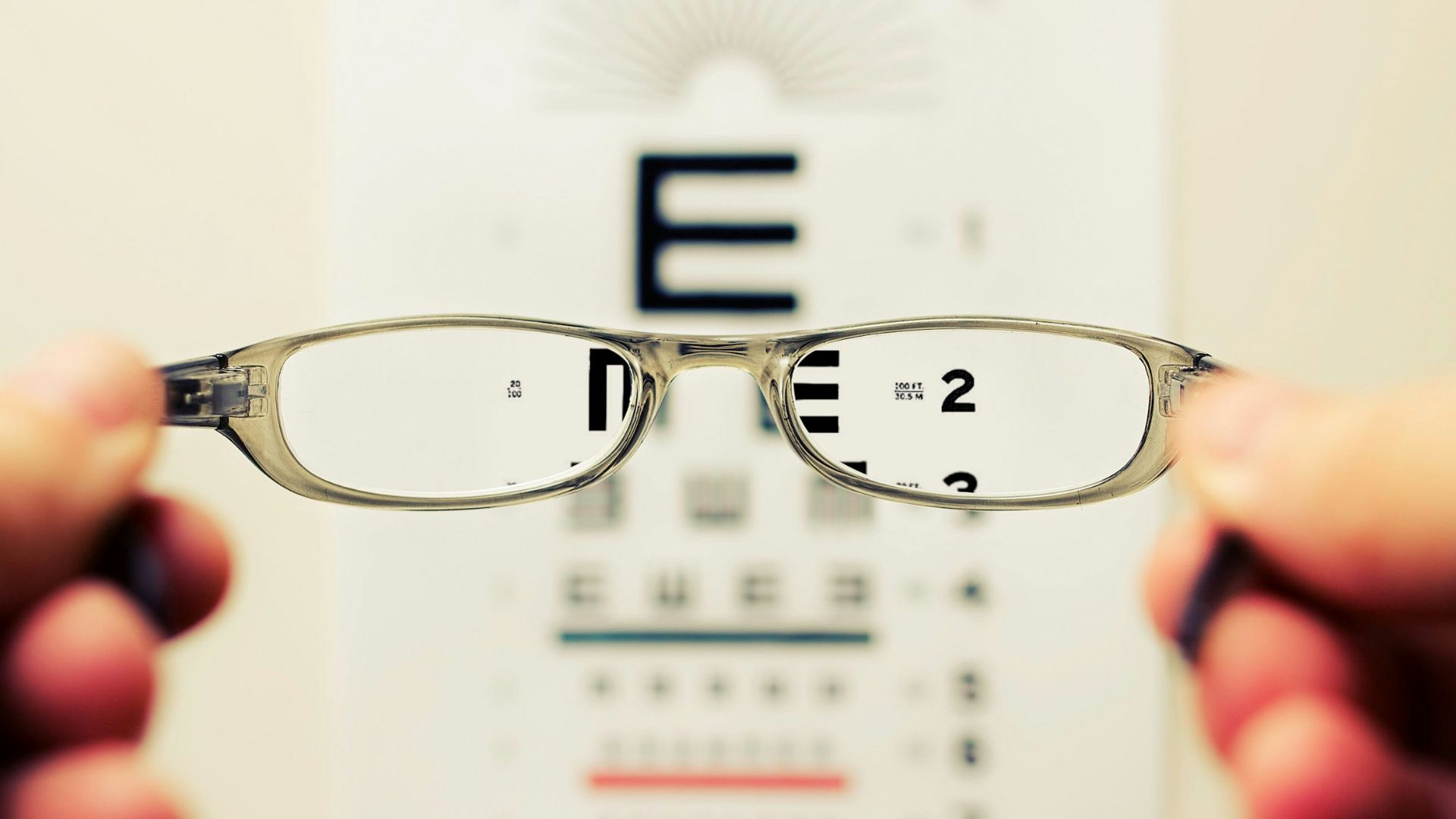
Diabetes doesn’t only target blood sugar—it can damage your eyes and kidneys long before symptoms show up. If you only seek care when something hurts, you may miss the window for early treatment. Staying on schedule with screenings protects your vision and your long-term independence.
19. Not Planning for Lows When You Leave the House
Going out without a quick source of glucose is a gamble. A low can happen during errands, after a longer walk, or even after a delayed meal, so make sure you have a gameplan in place. Whether that means something in the car or medication in your pocket, keep on top of your health.

20. Staying Silent
If you hide symptoms, downplay side effects, or avoid asking questions, your care medical team can’t help you adjust. Diabetes management in older adults often needs fine-tuning to balance safety, so speaking up early is how you prevent small problems from becoming big ones.

KEEP ON READING


20 Reasons You Might Wake Up With a Headache