

20 Health Rules Everyone Follows That Aren’t Backed by Science
A Lot of Health “Rules” Are Really Just Very Successful Rumors
Health advice has a way of sounding official long before it's actually well supported. Once a rule gets repeated enough by parents, gym teachers, wellness influencers, and random people, it starts to feel like settled science even when the evidence is shaky, outdated, or much more nuanced than the slogan suggests. That doesn't mean every common rule is useless, of course. It just means plenty of them survive on familiarity and confidence more than strong research. Here are 20 health rules that aren't backed by very much science.

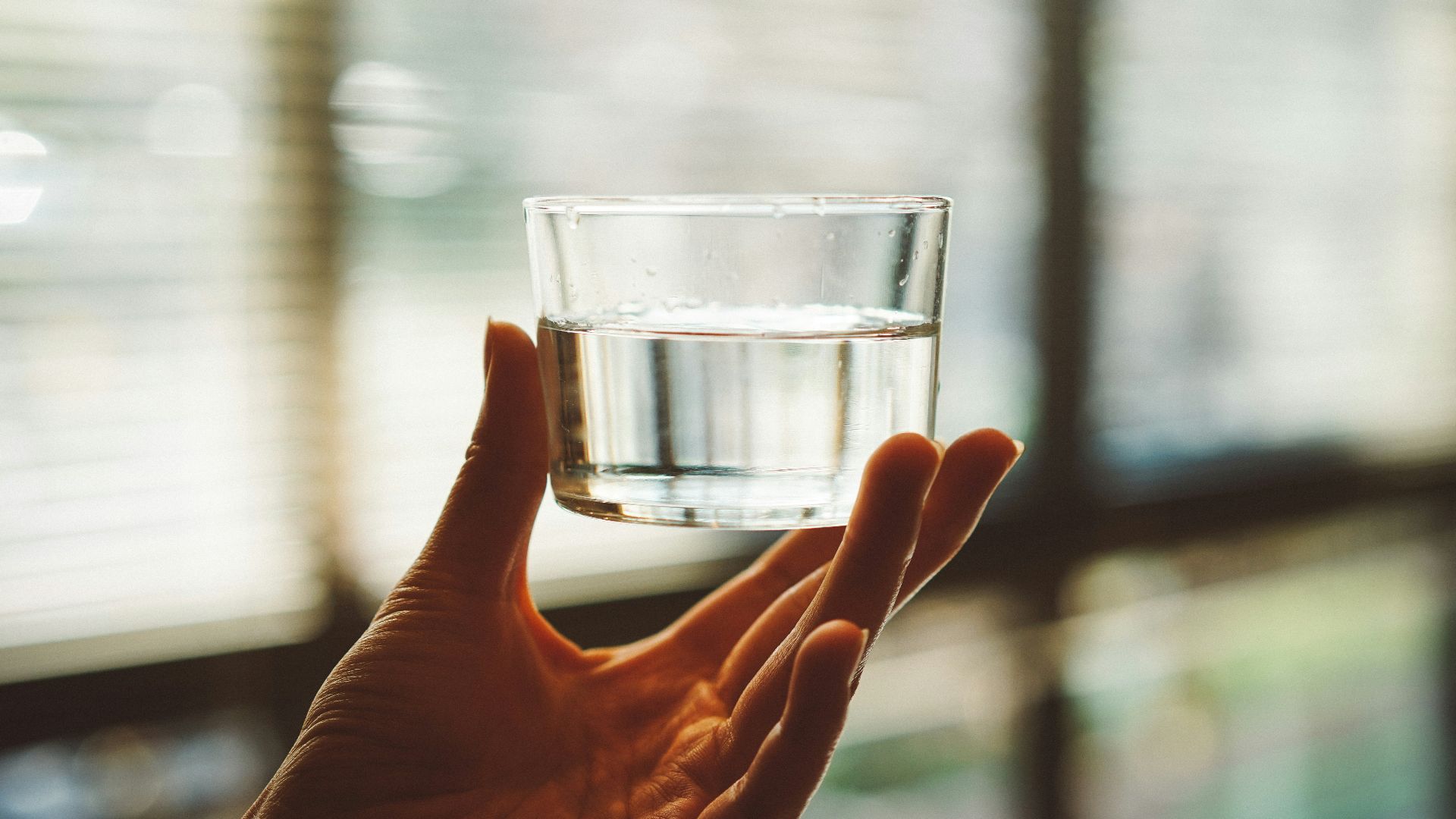
1. The Eight Glasses of Water a Day Rule
This one survives because it's simple, memorable, and easy to repeat. The problem is that fluid needs vary by body size, activity, climate, diet, and health, so there's no universal magic number that fits everyone perfectly.
2. Everyone Needs Eight Hours of Sleep
Eight hours is a helpful benchmark, but it's not a law stamped onto every adult body. Sleep guidance is usually given as a range because some healthy people do well with less and some need more. Treating eight as the only correct answer makes a much more flexible science sound rigid.

3. We Must All Hit 10,000 Steps a Day
The 10,000-step goal is motivational, but it's not a scientific cliff edge where health starts only after step 9,999. Research has shown that benefits can appear below that number, and in some groups, the gains level off before 10,000 anyway.

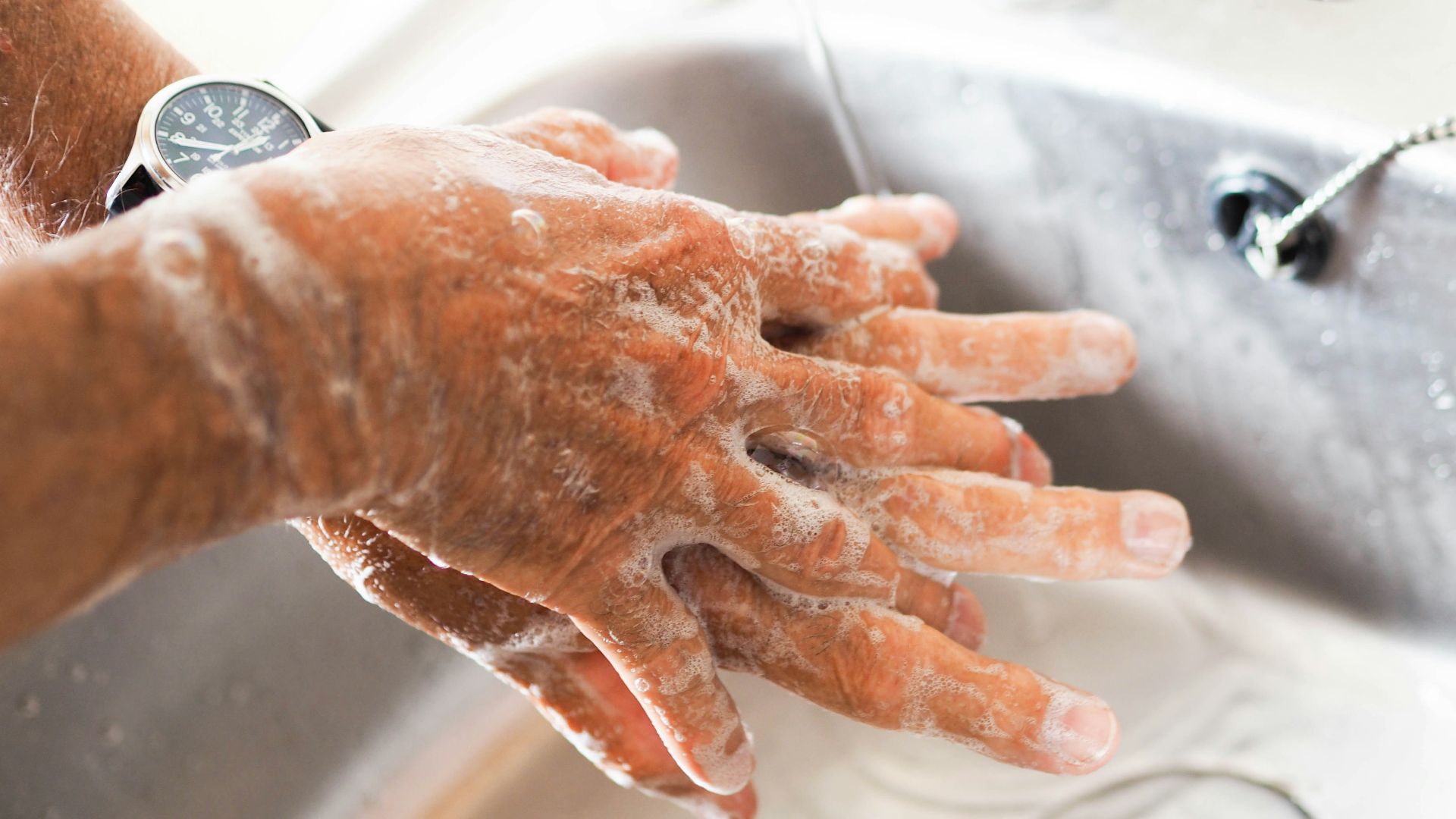
4. Hot Water Kills Germs Better When You Wash Your Hands
People often assume hotter water means cleaner hands, which sounds reasonable right up until you look at what actually matters. The important part is washing with soap and clean running water for long enough, not scorching your hands.
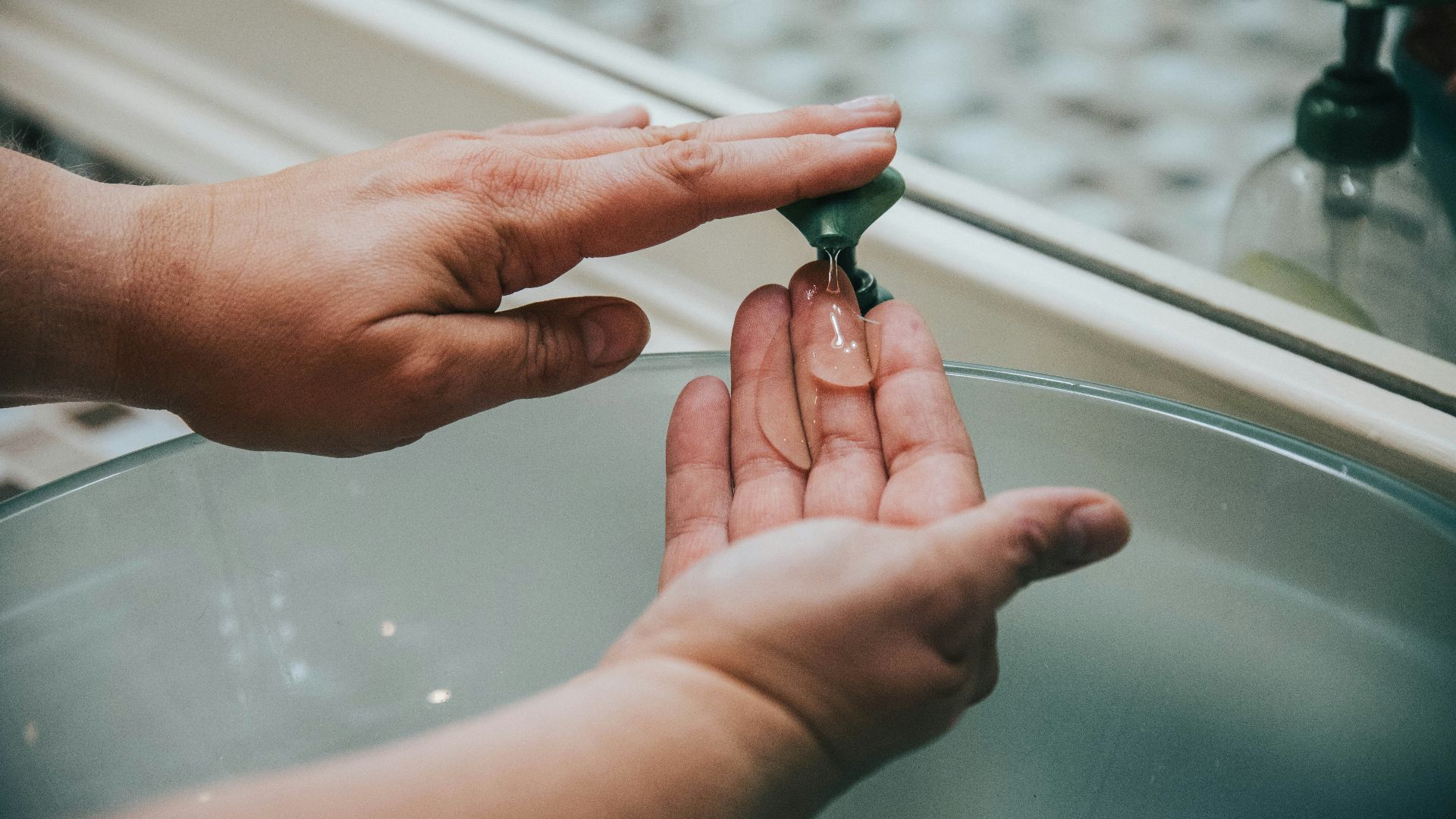
5. Antibacterial Soap Is Better
This one sounds modern and effective, which probably helped it spread. In practice, plain soap and water work very well for routine handwashing, and over-the-counter antibacterial soaps haven't shown a clear advantage in preventing illness in everyday settings.
6. Cold Weather Gives You a Cold
Chilly air isn't a virus, even if a lot of childhood warnings made it sound like one. Colds are caused by viruses, and you get them through exposure to those viruses rather than from simply stepping outside. Actually, colds are more common in the winter because of the germs hiding inside, where it's warm.

7. Cracking Your Knuckles Causes Arthritis
This myth has been irritating hands for generations. The sound may be annoying to anyone standing nearby, but studies haven't shown a reliable link between knuckle cracking and developing arthritis. It can still make people wince, though science has been much less offended by it.

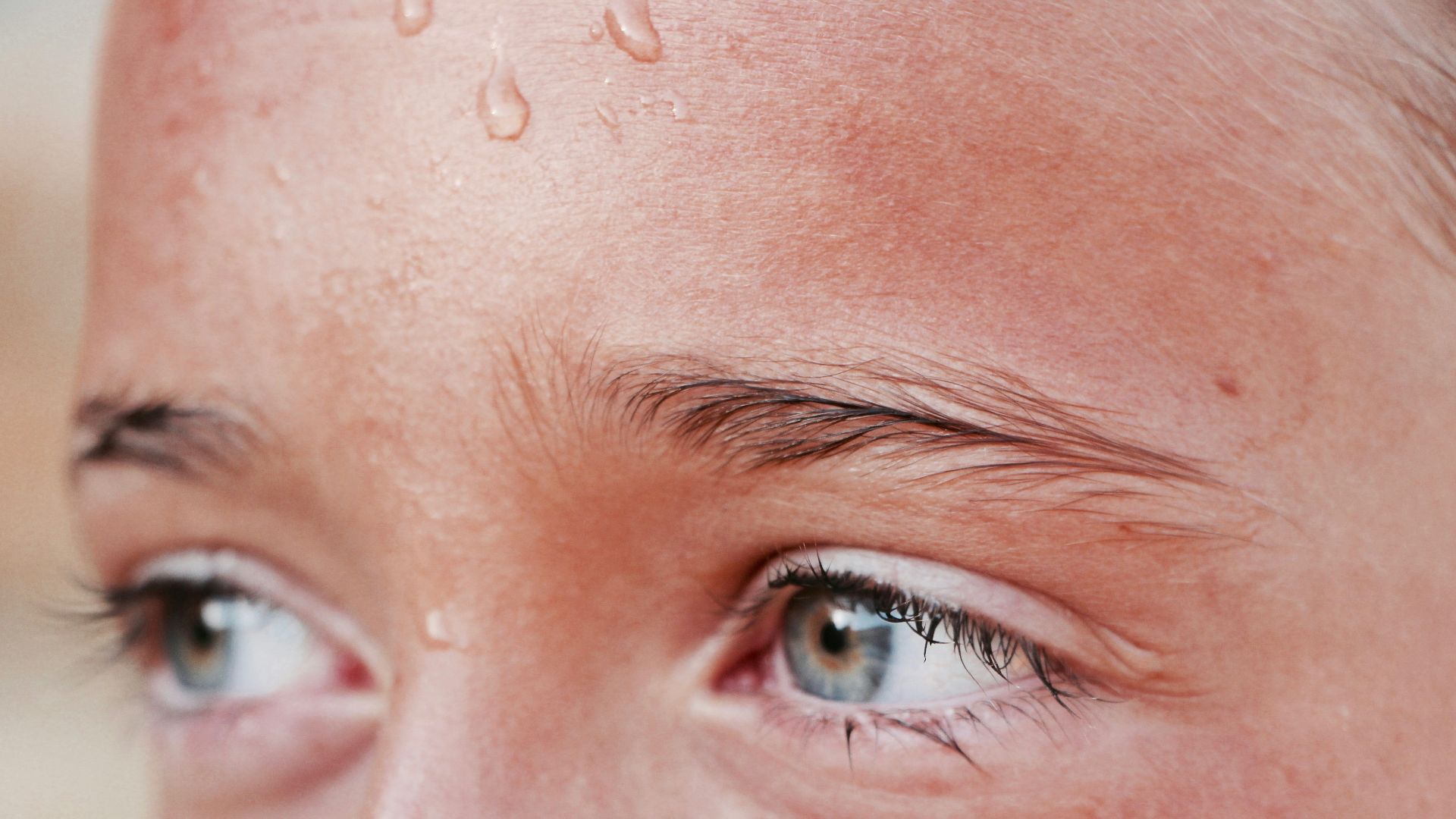
8. Sweating Means You’re “Detoxing”
Sweat gets praised for a job it was never really hired to do. Its main role is temperature regulation, not escorting mysterious toxins out of your body like a tiny security team. If your perspiration comes from exercise, that may be helping with cell turnover and blood flow, but not the sweating itself.
9. Detoxes & Cleanses Remove Everyday Toxins
“Detox” is one of those words that sounds productive even when the claims behind it are vague. These programs vary widely, and they're not the same thing as medically indicated detoxification for specific toxic exposures. Your liver and kidneys were already handling a lot of the body’s routine filtering work before the juice bottles arrived.

10. You Should Starve a Fever & Feed a Cold
This old saying has survived mostly because it sounds wise and a little stern. The trouble is that illness doesn't really follow catchy nursery-rhyme logic. Fever and cold care are more about hydration, comfort, and paying attention to symptoms than obeying a phrase that sounds older than indoor plumbing.
11. Every Fever Needs to Be Knocked Down Immediately
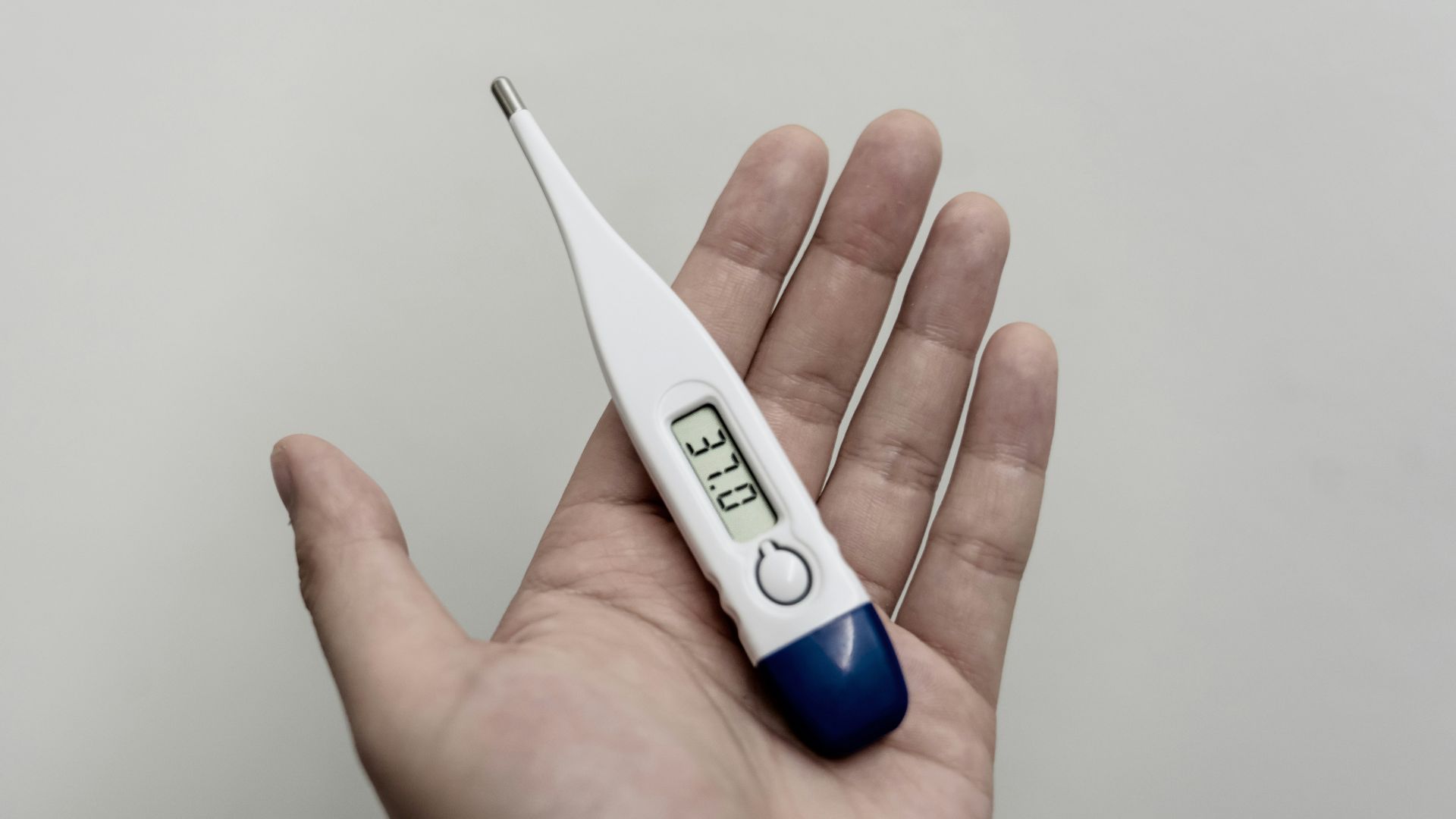
People often treat fever itself like the enemy, even when it's part of the body’s response to infection. Low-grade fevers don't always need aggressive treatment right away, especially if the person is otherwise comfortable and being monitored appropriately.

12. Green or Yellow Mucus Means You Need Antibiotics
Colored mucus looks dramatic, which probably explains why people trust it so much. The color can change during both viral and bacterial infections, so it's not a neat little prescription signal from your tissue box. Your nose is many things, but it's not a reliable antibiotic decision-maker on its own.
13. Antibiotics Help You Get Over Colds Faster
This one keeps hanging on despite the basic fact that colds are viral. Antibiotics don't work against viruses, so taking them for a common cold doesn't speed recovery just because you're eager to do something. Stronger medicine isn't automatically smarter medicine.
 Mark Fletcher-Brown on Unsplash
14. Extra Vitamin C Will Keep You From Catching a Cold
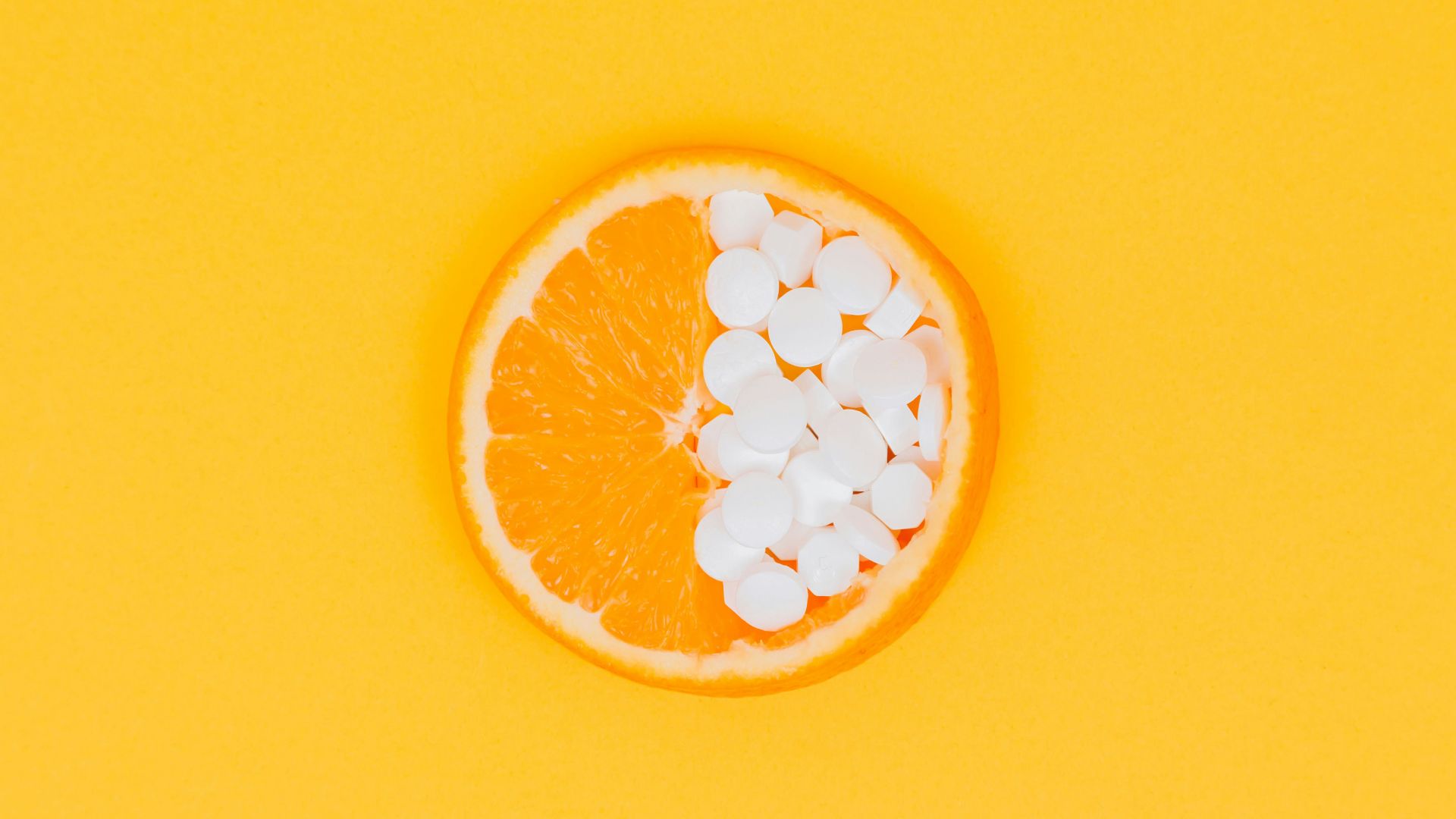
Vitamin C matters, but the popular idea that it reliably prevents colds has been oversold for years. For most people, taking extra oral vitamin C doesn't stop colds from happening, and any effect on duration tends to be small at best. Orange juice still has a nice public image, but it's not a force field.
15. Everyone Should Take a Daily Multivitamin
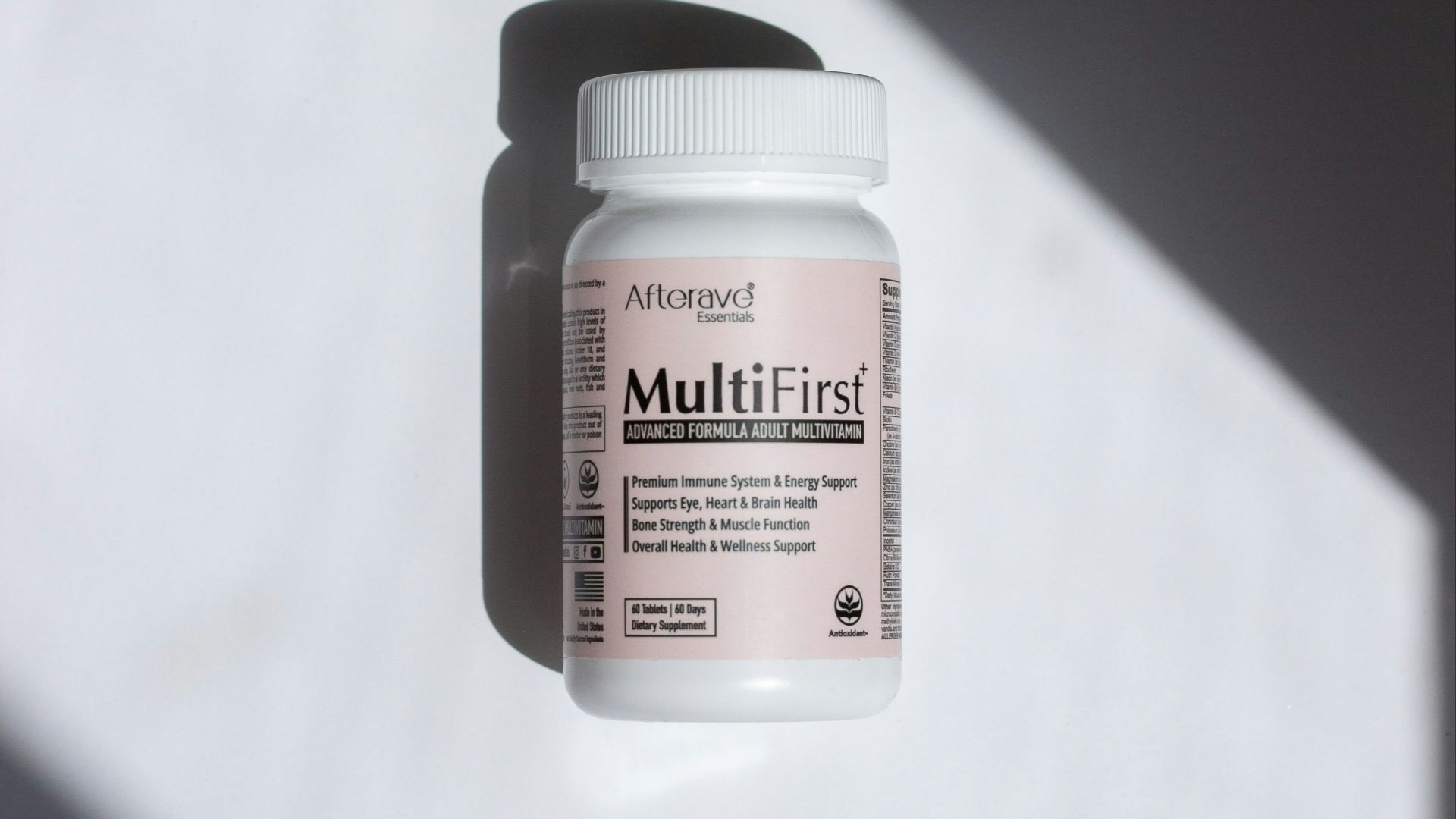
A lot of people treat multivitamins like automatic nutritional insurance. In reality, supplements can help in specific situations, but they're not a replacement for a varied diet built around actual food. If you're already healthy and eating well, the daily tablet may be doing less dramatic work than the label suggests.
 Afterave Essentials on Unsplash
16. Supplements Can Replace a Good Diet
This idea is very convenient for marketers and for anyone hoping spinach can be outsourced. Unfortunately, that's not really how nutrition works. A healthy eating pattern does more than isolated pills can replicate.

17. Organic Food Is Healthier
Organic food can be a perfectly reasonable choice for all kinds of personal reasons. What it doesn't automatically mean is that the food is nutritionally superior in every important way just because the label says organic. This is a much more complicated decision than the simple rule many people repeat.

18. Coffee Dehydrates You
Coffee has been blamed for sabotage it doesn't fully commit. Caffeinated drinks can still contribute to your daily fluid intake, even if plain water remains the simplest option. So your morning coffee isn't secretly canceling hydration just because it contains caffeine.

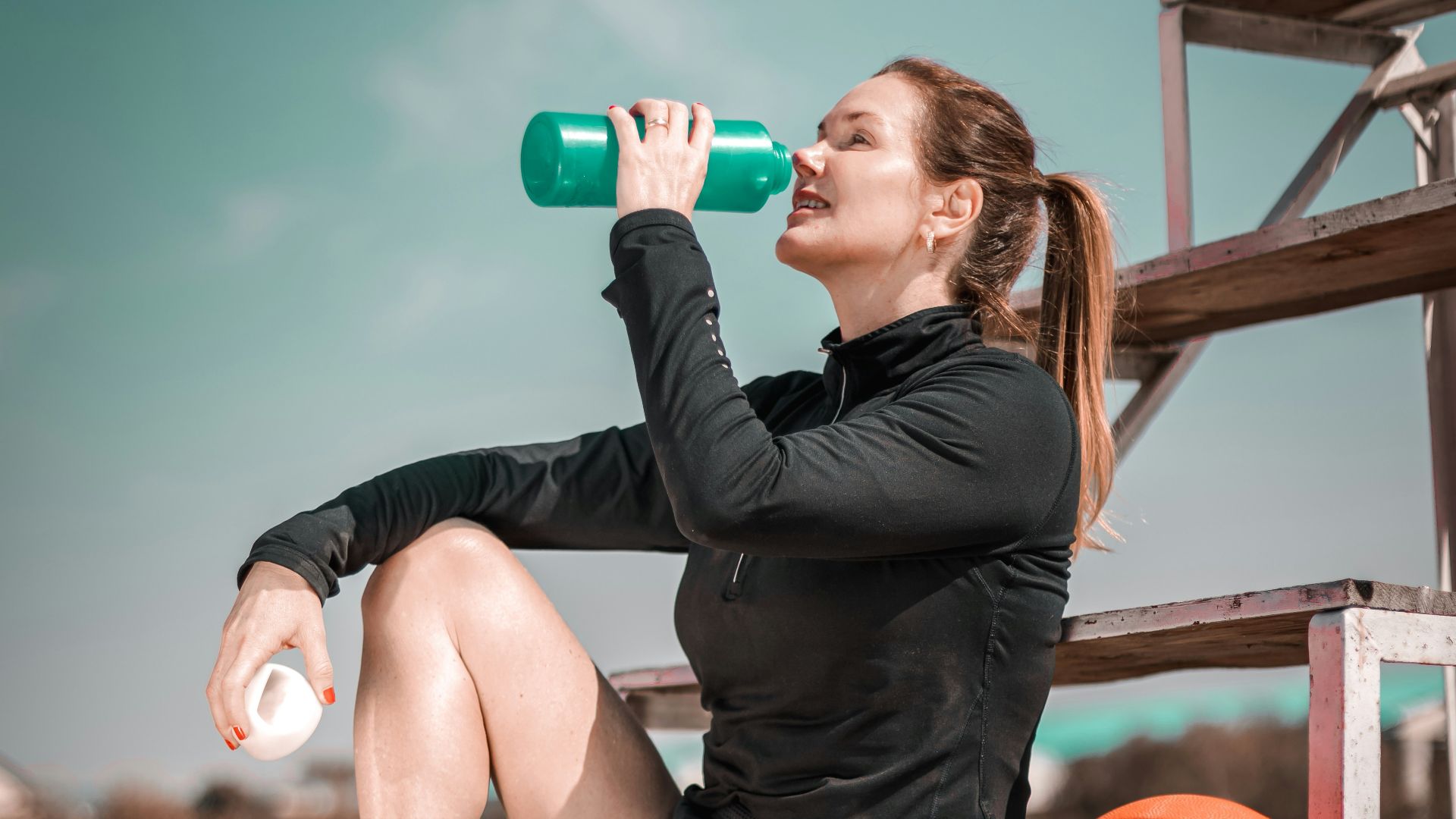
19. You Need a Sports Drink After Every Workout
Sports drinks have their place, but ordinary exercise doesn't automatically require a fluorescent beverage. For many shorter or moderate workouts, water is an even better choice because it doesn't contain any extra sugar or sodium.
20. Static Stretching Before Exercise Prevents Injury
Stretching is useful for flexibility and mobility, but the old rule that a few static stretches before activity will protect you from injury has not held up very well. A more active warm-up usually makes better sense before exercise, while stretching can still have value in other contexts.

KEEP ON READING

20 Ways Perimenopause Changes Fitness and Appetite


20 Unhealthy Obsessions People Have

20 Gut-Friendly Fermented Foods For Everyday Meals