
Unexpected Triggers
You’re probably used to checking the pollen count or avoiding peanuts, but sometimes your body decides to rebel against the most mundane objects in your house. It’s pretty frustrating when you’re sneezing or breaking out in a rash without a single flower or cat in sight. Most people don’t realize that the very things we use to stay clean, stylish, or entertained can actually be secret sources of irritation. We’ve put together a list of twenty common items that might be the hidden culprits behind your mystery symptoms so you can finally figure out why you’re feeling under the weather.

1. The Nickel in Your Cell Phone
Many modern smartphones contain traces of nickel in their metal frames or around the charging ports which can cause a nasty rash on your cheek or hands. If you’ve noticed a red, itchy patch where you hold your phone, it’s likely a localized reaction to the hardware itself. Putting a plastic or silicone case on your device is an easy way to create a barrier between the metal and your skin.

2. Scented Toilet Paper
While it might seem like a fancy addition to your bathroom, the chemicals used to make your tissue smell like lavender can be incredibly irritating. These synthetic fragrances often lead to contact dermatitis in very sensitive areas, making you feel miserable for no obvious reason. Switching to a plain, dye-free, and unscented brand is usually the quickest way to solve this uncomfortable problem.

3. Your Favorite Leather Watchband
The process used to tan leather often involves chromium salts, which are a very common trigger for skin allergies. You might find that your wrist gets sweaty and breaks out whenever you wear your classic timepiece for more than a few hours. Choosing a nylon or stainless steel strap can help you keep track of time without having to deal with a persistent, itchy ring around your arm.

4. Freshly Printed Receipts
Most thermal paper used for grocery store receipts is coated with BPA, a chemical that can absorb through your skin and cause a reaction in some people. You might notice your fingertips getting dry or irritated after a day of handling a lot of paperwork or shopping bags. It’s a good idea to wash your hands after a trip to the mall or just ask for a digital version of your bill instead.

5. Houseplants with Hidden Sap
Even if a plant doesn't produce any pollen, its leaves or stems might contain irritating fluids that cause a rash if you touch them while pruning. Common favorites like the Ficus or Poinsettia are known to bother people who have a pre-existing sensitivity to latex. You should definitely wear gloves when you’re gardening indoors to make sure you don't accidentally transfer any sticky residue to your face.

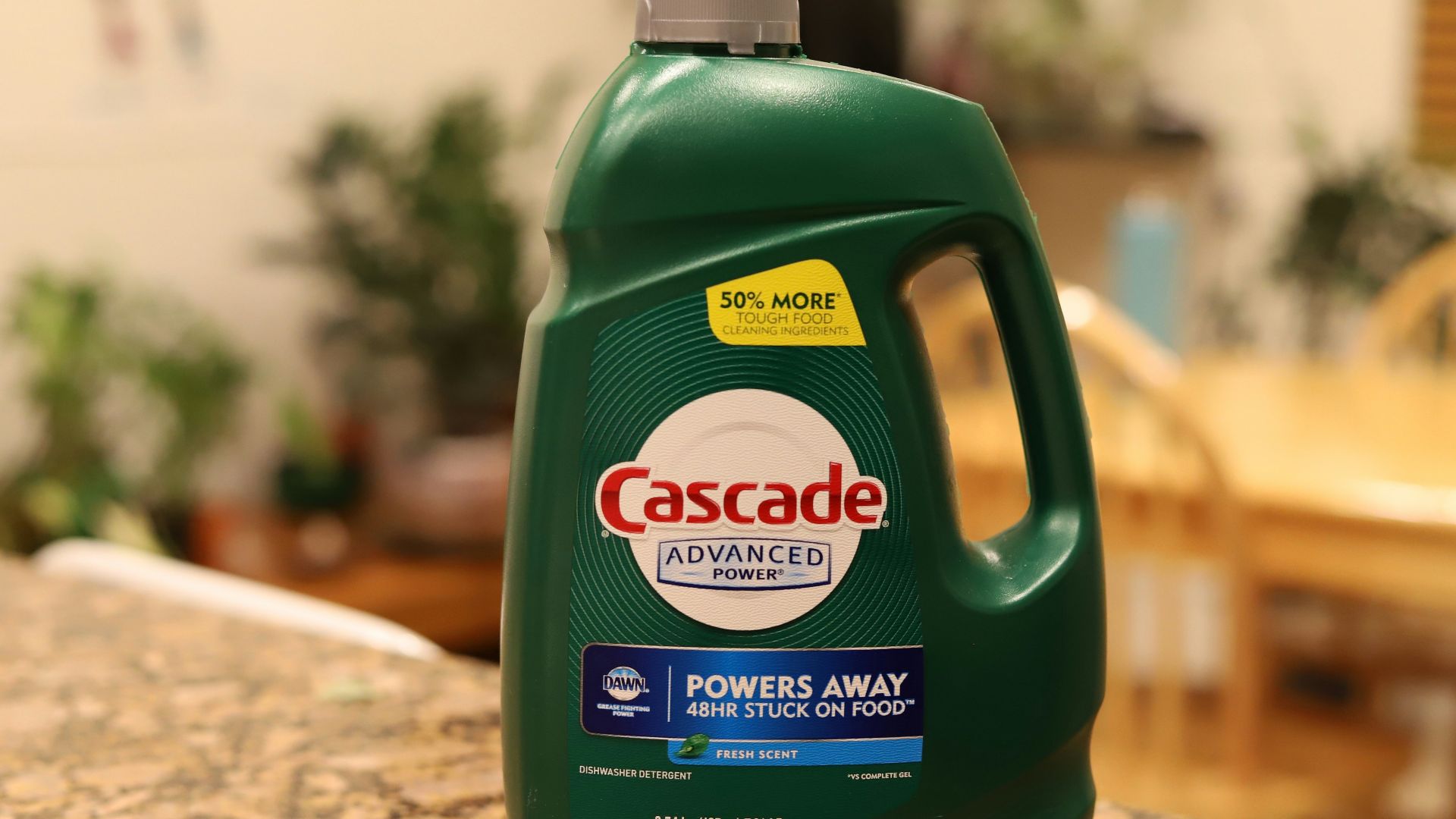
6. The Bubbles in Your Dish Soap
Sodium lauryl sulfate is the ingredient that makes your soap get all sudsy, but it’s also a harsh surfactant that strips away your skin’s natural oils. If your hands feel tight, red, or cracked after doing the dishes, you're likely experiencing a reaction to these aggressive cleaning agents. Try looking for "sulfate-free" versions or simply wear a pair of rubber gloves to keep your skin protected from the foam.
 soumya parthasarathy on Unsplash
7. Old Books and Library Dust
That wonderful "old book smell" is actually the result of organic compounds breaking down, which can release tiny spores and dust mites into the air. If you find yourself sneezing every time you browse a used bookstore, your respiratory system is probably reacting to the mold that lives in aging paper. Keeping your personal collection in a dry, well-ventilated area can help minimize the buildup of these microscopic irritants over time.

8. The Ink in Your New Tattoos
Red pigments are particularly notorious for causing long-term allergic reactions because they often contain mercury or other metallic elements. You might find that a specific part of your tattoo stays raised or itchy for years after the skin has supposedly healed. It’s always smart to talk to your artist about the specific ingredients in their ink before you commit to a permanent design on your body.

9. Wool Sweaters and Lanolin
Lanolin is a natural wax found in sheep's wool that helps the animals stay dry, but it’s a frequent cause of itchy skin for human beings. Even high-quality cashmere can cause a breakout if it hasn't been thoroughly cleaned of these natural oils during the manufacturing process. If you can't live without your winter knits, try wearing a cotton shirt underneath to prevent the fibers from touching your skin directly.

10. Common Household Dust Mites
These tiny creatures live in almost every mattress and pillow, feeding on dead skin cells and making life difficult for people with asthma. You’ll likely feel the most congested first thing in the morning because you’ve spent eight hours breathing in their microscopic waste. Using allergen-proof covers on your bedding and washing your sheets in hot water can significantly reduce your exposure to these invisible roommates.

11. Cheap Costume Jewelry
Most inexpensive earrings and necklaces are made with large amounts of nickel or cobalt to keep the production costs down. These metals can leach into your skin, especially if you're sweating or if the jewelry is tight against your neck. Investing in sterling silver or gold-plated pieces is usually worth the extra money to avoid the green stains and itchy bumps that come with "fashion" metal.

12. The Steam from Your Dishwasher
When you open a hot dishwasher, the cloud of steam that hits your face can contain vaporized chemicals from your detergent and rinse aid. This can lead to a sudden coughing fit or itchy eyes if you're sensitive to the concentrated fragrances and enzymes used to clean your plates. It's better to wait a few minutes for the machine to cool down before you start unloading everything into your cabinets.

13. Certain Types of Tropical Fruit
Believe it or not, people with a latex allergy often experience a cross-reaction when eating bananas, kiwis, or avocados. This happens because the proteins in these fruits are very similar to the proteins found in natural rubber. If your mouth feels tingly or itchy after a healthy snack, you might want to ask your doctor about the connection between your produce and your gloves.

14. Modern Laundry Pods
The highly concentrated detergents found in those convenient little pods can leave a residue on your clothes that irritates your skin all day long. Because the formula is so strong, even a small amount that doesn't rinse away can cause a flare-up of eczema or hives. You might find better luck with a liquid detergent that lets you control the dosage or one specifically formulated for sensitive skin.

15. The Metal Pins in Your Hair
Bobby pins and hair clips are often coated with a thin layer of paint or finish that can wear off and expose the underlying nickel. If you notice small itchy spots on your scalp where you tuck your hair back, the culprit is likely your hardware. Try switching to plastic accessories or look for pins that are specifically labeled as being hypoallergenic to keep your scalp happy.

16. Scented Candles and Diffusers
Filling your home with the scent of "ocean breeze" might actually be filling the air with volatile organic compounds that irritate your lungs. Many people find they get a headache or a stuffy nose within an hour of lighting a candle because of the synthetic waxes and oils. Soy-based candles with natural essential oils are generally a much better choice for anyone who wants a fragrant home without the respiratory stress.

17. The Glue in Your Shoes
Manufacturers often use a strong adhesive called PTBP to hold the soles and uppers of your sneakers together. This chemical can cause a localized rash on the tops of your feet or around your toes, especially if your feet get warm and damp. If your new shoes are causing a "sock-shaped" rash, you might need to look for brands that use different assembly methods or more natural materials.

18. Raw Vegetables During Harvest Season
If you have a hay fever allergy to birch pollen, your body might mistake the proteins in raw carrots or apples for the stuff floating in the air. This strange phenomenon is called Oral Allergy Syndrome, and it usually causes a brief itching or swelling of the lips and throat. Fortunately, cooking the vegetables usually changes the protein structure enough that your immune system doesn't realize it's there.

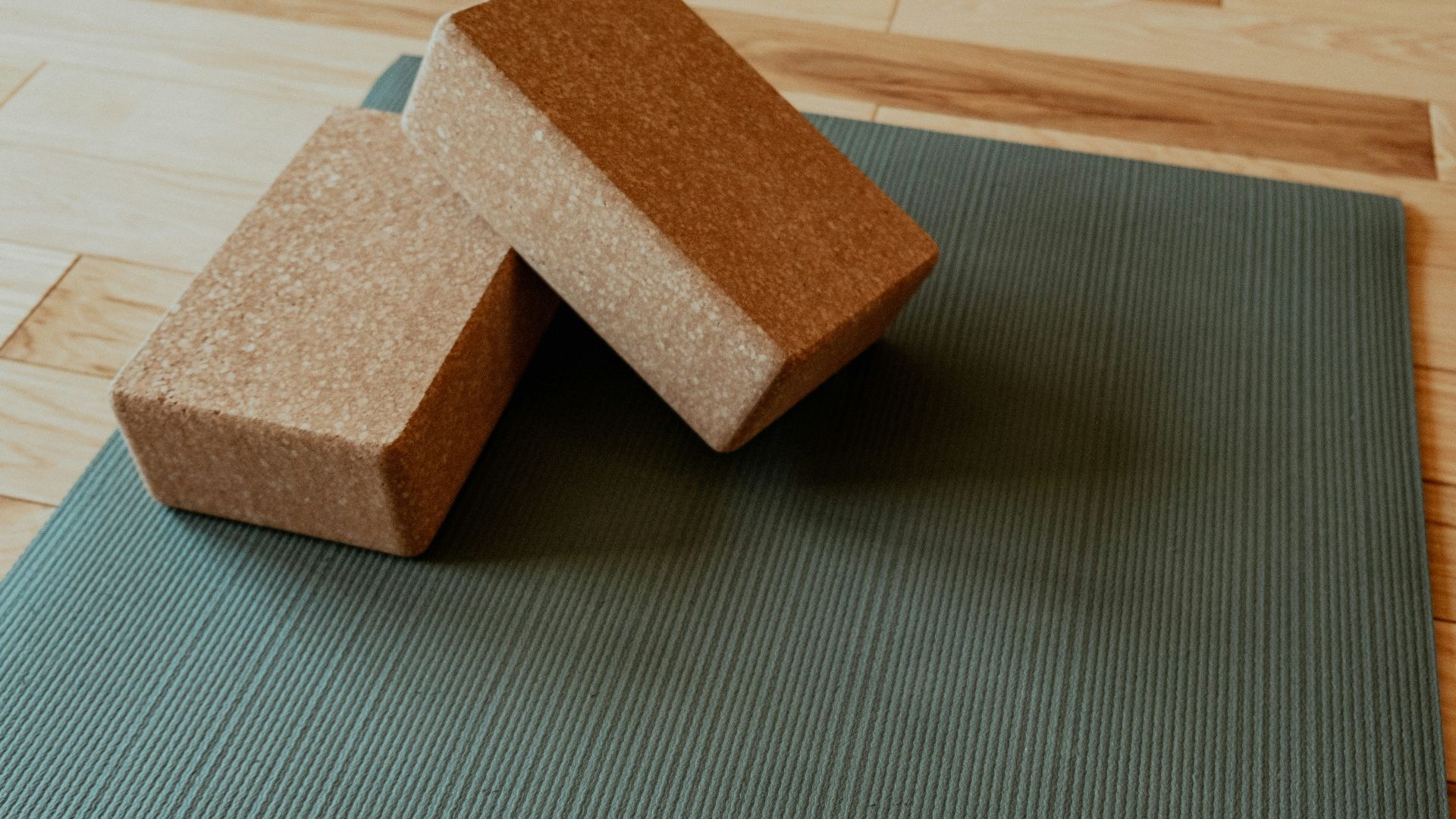
19. Your Yoga Mat
Many exercise mats are made from natural rubber latex or PVC, both of which can cause skin irritation during a sweaty workout. You might find that your palms or knees get red and itchy after you finish your morning routine on the floor. Switching to a mat made from TPE or cork can provide a much safer surface for your skin while you're working on your flexibility.
20. The Chlorine in Your Local Water
While chlorine is necessary to keep our tap water safe to drink, the levels can sometimes be high enough to cause dry, itchy skin after a shower. The chemical strips away the protective barrier of your skin, leaving you feeling tight and uncomfortable as soon as you dry off. Installing a simple filter on your showerhead can help neutralize the chlorine and make your daily rinse a lot more soothing.