Science Behind An Icy Trend
Cold exposure is having a moment and for good reason. Be it a cold shower, an ice bath, or a winter swim, intentionally chilling your body does something remarkable: it wakes up systems you didn't know were sleeping. But before you dive into the nearest frozen lake, there's a catch. Cold therapy can carry real dangers that could turn a health boost into a health crisis. So it's better to know both sides of the coin before you dive in. Let's start with the benefits.

1. Activates Brown Fat For Increased Calorie Burning
Hidden within your body is brown fat—a powerhouse tissue that burns calories to create heat instead of storing energy. When exposed to cold, this fat activates through a process called thermogenesis. The result? A natural calorie-burning boost.

2. Improves Insulin Sensitivity And Glucose Regulation
Cold exposure trains your body to use glucose more efficiently. By activating brown fat, your system breaks down sugar and fat molecules to produce warmth. Over time, this metabolic fine-tuning can help improve insulin sensitivity and balance blood sugar levels naturally.

3. Enhances Cellular Level Heat Production
Repeated exposure to cold encourages the body to grow more mitochondria in brown fat cells. This process, known as mitochondrial biogenesis, helps your system generate heat more effectively to improve metabolic flexibility and endurance even in normal temperatures.
 Maarten van den Heuvel on Pexels
4. Enhances Blood Circulation Through Vasoconstriction
When exposed to cold, blood vessels constrict to preserve core temperature. As the body warms, they expand to improve overall circulation. This alternating process strengthens cardiovascular function and enhances nutrient and oxygen delivery throughout the body.

5. Regulates Hormonal Balance
Think of cold exposure as a quick hormonal reset button. It calms the stress hormone cortisol while firing up adrenaline and testosterone. It leaves you feeling sharper in your upcoming task, which can be a confidence booster.

6. Accelerates Muscle Recovery Post-Exercise
Athletes have long trusted ice baths as they work well. Such exposure can constrict blood vessels and reduce inflammation in your muscles after tough workouts. As circulation rebounds, nutrient-rich blood floods back into muscles for speedy recovery.

7. Stimulates Natural Energy Production
Cold exposure triggers a rush of norepinephrine that boosts heart rate and blood flow, which delivers oxygen and nutrients throughout the body. This heightened circulation naturally energizes muscles and tissues to create a sustained lift in vitality without relying on caffeine or stimulants.

8. Strengthens Mental Resilience And Stress Tolerance
Stepping into cold water is psychological conditioning. The initial shock teaches your nervous system to stay calm under pressure. Over time, this practice builds mental resilience to help you handle life’s challenges with more composure.

9. Boosts Immune System Response
This process also challenges your body, and your immune system rises to meet it. Regular cold showers or dips can stimulate white blood cell production to improve the body’s ability to fight off pathogens. It’s an invigorating ritual that may help you stay healthier.
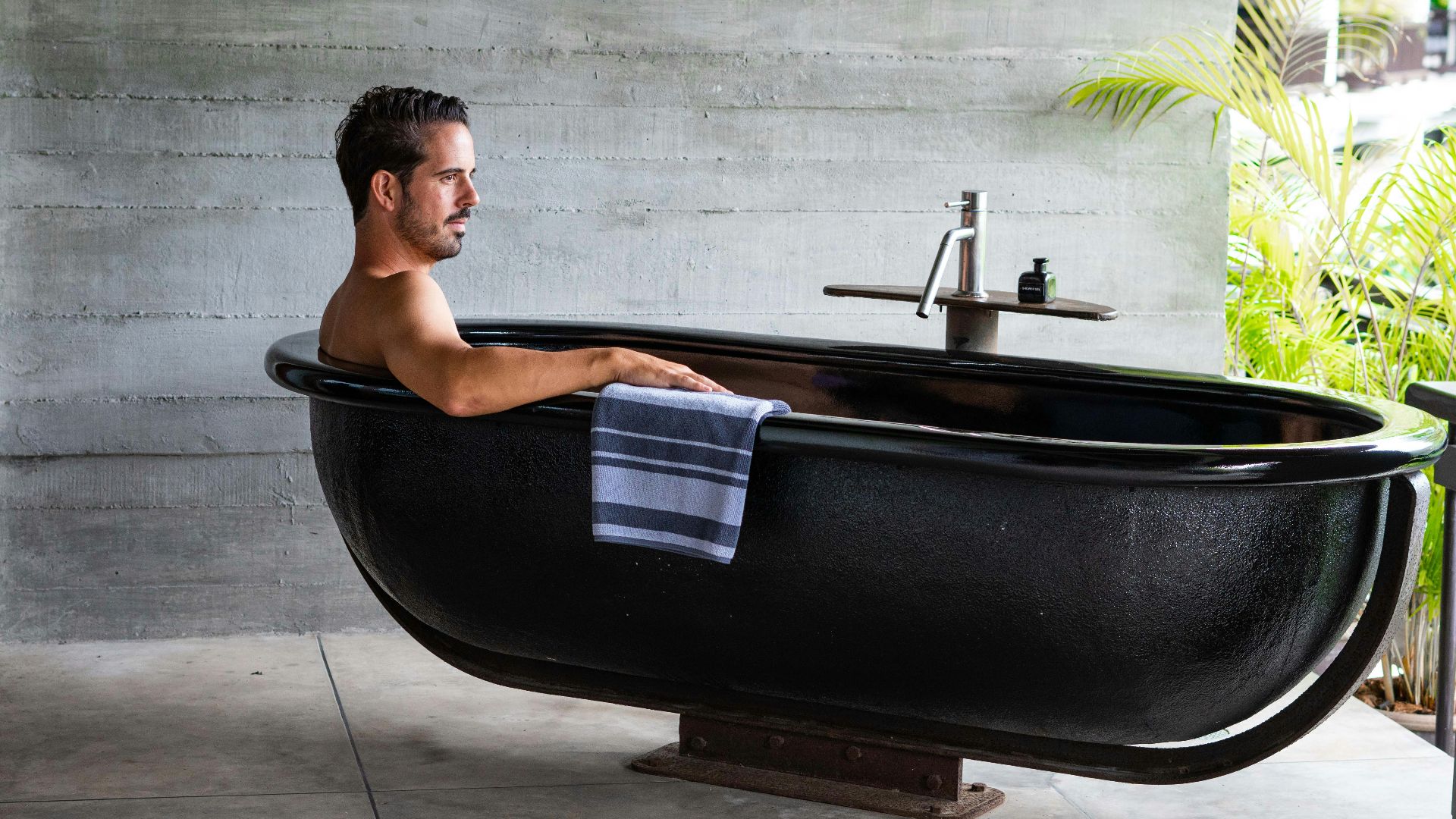
10. Cold Exposure Promotes Lymphatic Health
When your body meets cold water, the lymphatic system gets a workout. The vessels contract and release in rhythm, which pushes lymph through their pathways more efficiently. This natural stimulation helps clear toxins and strengthen immune defense over time.

While this process offers impressive health benefits, it's not without its complications. Here are 10 risks you should be aware of before taking the plunge.
1. Hypothermia
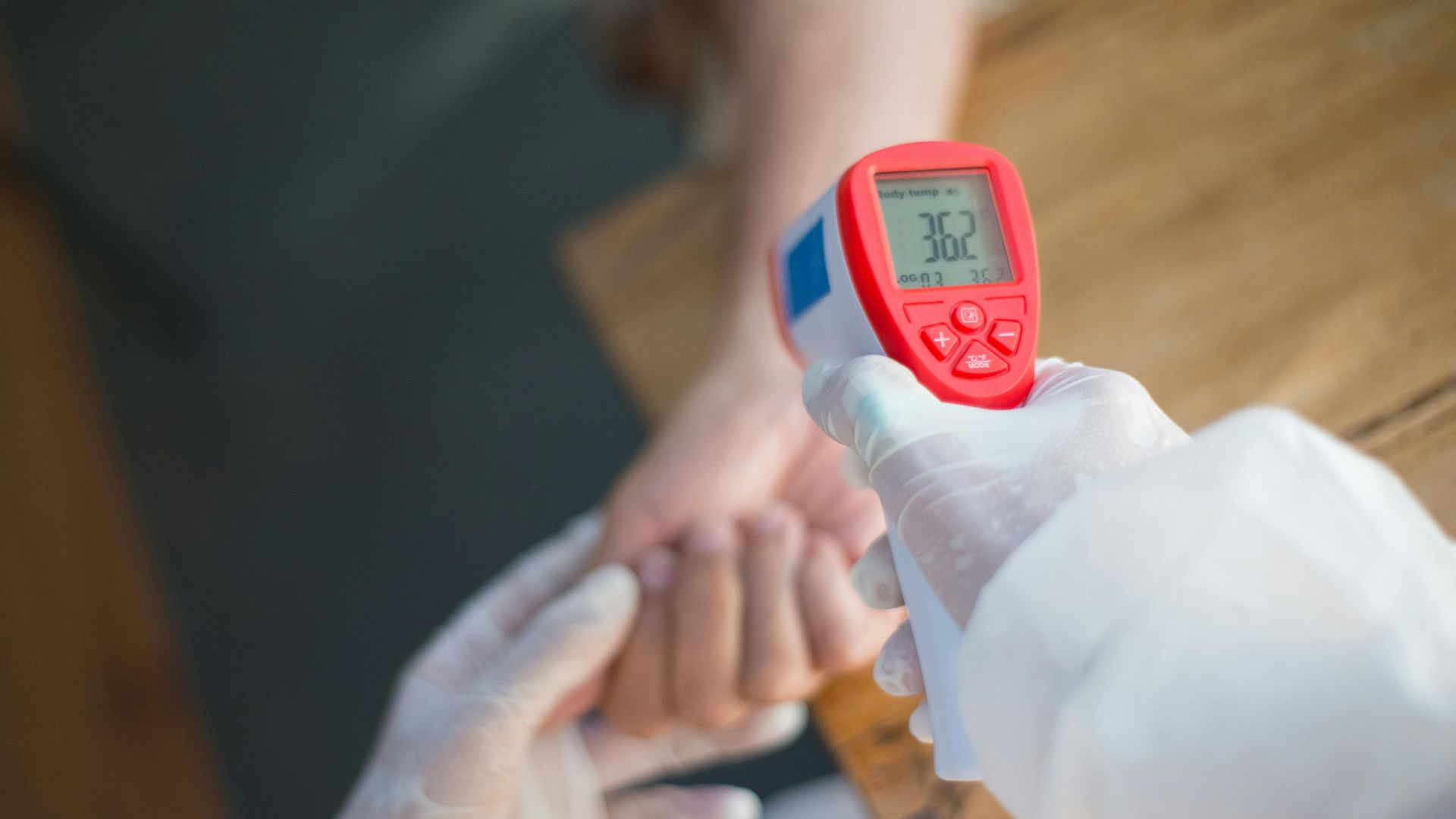
When your core temperature dips below 95°F (35°C), your body enters hypothermia—a medical emergency. Breathing slows, and the heart struggles to keep rhythm. Shivering helps at first, but untreated hypothermia can spiral into cardiac arrest.
2. Frostbite
Frostbite freezes skin and deeper tissues, usually on fingers, toes, ears, and the nose. The skin may turn pale and lose sensation before pain sets in. Severe cases may result in amputation, which makes protection essential in freezing weather.

3. Non-Freezing Cold Injury (Trench Foot)
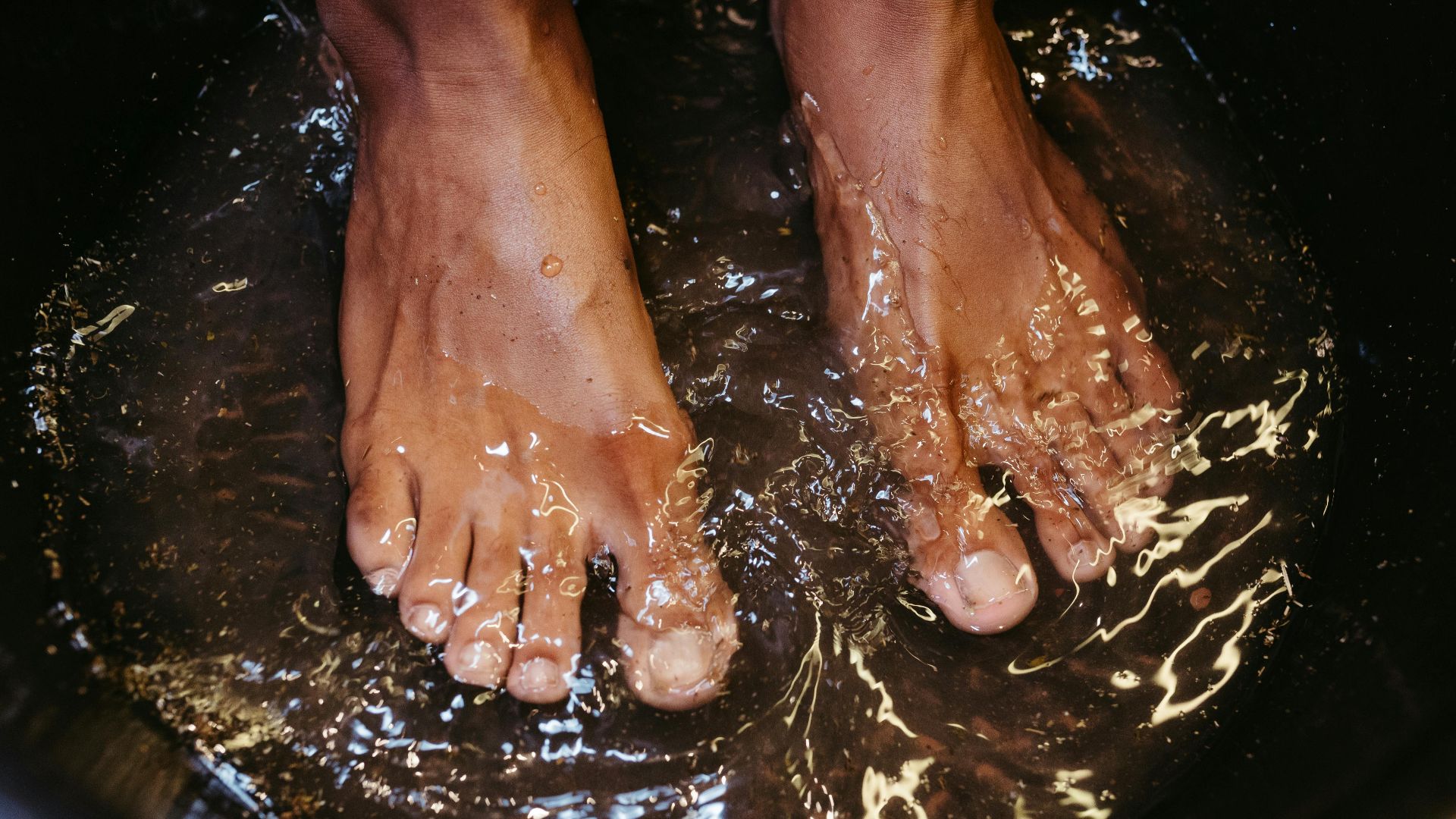
Trench foot is still a modern cold-weather hazard. Caused by prolonged exposure to cold conditions, it can develop even at 60°F if the feet stay damp. The result is numbness and tissue breakdown, which can take a long time to recover.
4. Cold-Induced Urticaria
For some, cold triggers spark an allergic reaction. Cold-induced urticaria causes red, itchy welts within minutes of exposure. In some cases, immersion in cold water can lead to fainting or shock, making awareness vital for those prone to allergies.

5. Raynaud’s Phenomenon Exacerbation
When the temperature drops, Raynaud’s sufferers feel it first. The small arteries in their fingers and toes spasm by restricting blood flow and turning the skin white, blue, then red as warmth returns. These attacks can be painful and unpredictable.

6. Myocardial Infarction Trigger
Sudden immersion in cold water can sharply constrict blood vessels and raise blood pressure, along with cardiac workload. For individuals with preexisting heart conditions, this rapid physiological stress may trigger arrhythmias or, in severe cases, a heart attack.

7. Bronchospasm
Cold-water immersion triggers a reflexive gasp and rapid breathing, which can constrict the airways in sensitive individuals. This response, called bronchospasm, may cause wheezing or uncontrollable coughing, particularly in those with asthma or other lung conditions.

8. Cognitive Decline
Extreme cold fogs the mind. Hypothermia impairs brain function that may lead to confusion or even paradoxical undressing, where victims mistakenly feel hot. Because mental clarity fades early, people may not realize they’re in danger until it’s too late.

9. Immersion Pulmonary Edema (IPE)
Cold water can cause fluid to shift into the lungs, a condition known as immersion pulmonary edema. This leads to chest tightness even in healthy swimmers. The risk rises when cold exposure combines with exertion, like swimming or treading water.

10. Rhabdomyolysis
Prolonged exposure sometimes leads to rhabdomyolysis, a condition where damaged muscle fibers release proteins into the bloodstream. These proteins can overwhelm the kidneys, causing serious injury. One telltale sign? Dark, tea-colored urine that signals internal strain.

KEEP ON READING



20 Ways To Get Your Vitamins And Minerals

20 Ways Doing Less Can Actually Improve Your Health