
Rhythm Gone Wrong
Your heart races for reasons you'd never suspect. That coffee you can't quit? It's adding beats every single time you sip. Stress doesn't just mess with your mind—it floods your body with adrenaline that sends your pulse skyrocketing. The good news is that calming your heart rate doesn't require fancy equipment or expensive treatments. Here are ten things that raise your heart rate and ten ways you can lower it.
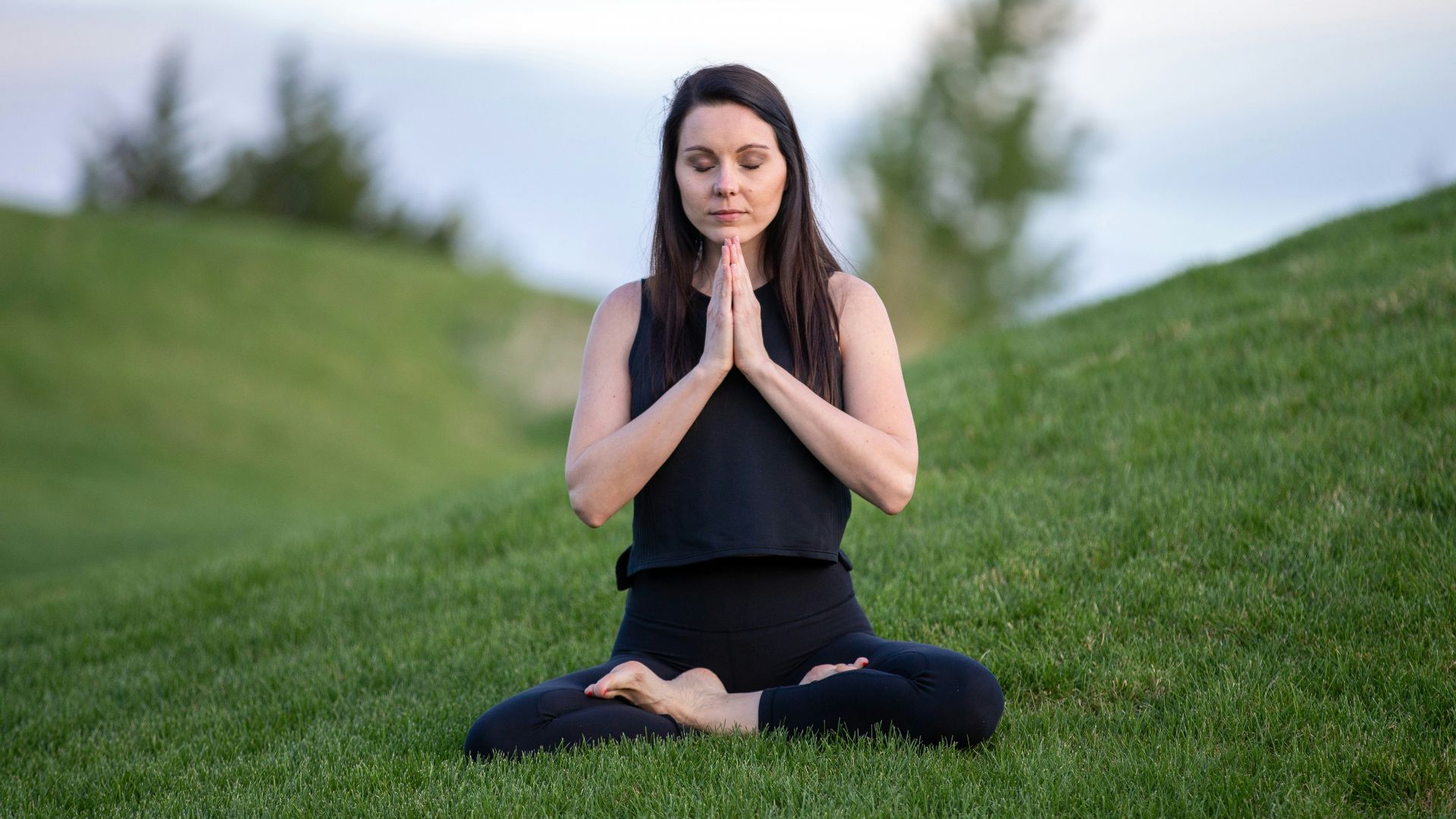
1. Stress Or Anxiety
Your body doesn't differentiate between a looming deadline and a charging predator—it reacts the same way. When stress strikes, your sympathetic nervous system floods your bloodstream with adrenaline, sending your heart rate skyrocketing by up to 20–30 beats per minute.

2. Physical Exercise/Overexertion
During physical activity, the heart beats faster to deliver oxygen-rich blood to muscles. Intense or prolonged exercise can temporarily raise the heart rate significantly. While this is a normal response, overexertion or inadequate recovery can strain the cardiovascular system.

3. Caffeine Consumption
That morning cup of coffee blocks adenosine receptors throughout your body, triggering increased adrenaline release that elevates your heart rate by 5-10 beats per minute per cup consumed. Caffeine's cardiac effects aren't fleeting either; regular high intake can cause sustained tachycardia.

4. Excessive Alcohol Use
"Holiday heart syndrome" is a real phenomenon where binge drinking triggers dehydration and electrolyte shifts that send heart rates soaring above 100 beats per minute. The immediate effects of alcohol include stimulating adrenaline release, which directly increases both heart rate and blood pressure.

5. Smoking Or Nicotine Exposure
Within 20 minutes of stubbing out a cigarette, your heart rate begins dropping toward normal levels. Nicotine stimulates specialized nicotinic receptors in your body, boosting catecholamine release and raising resting heart rate by 10–20 beats per minute in regular smokers.

6. Fever From Illness
Before thermometers existed, ancient physicians used pulse rate to estimate fever severity. This is a surprisingly accurate diagnostic method, given what we now know about the relationship between temperature and heart rate. For every degree Celsius your body temperature climbs above normal.

7. Obesity
Excess body weight forces the heart to work more to circulate blood. Obesity increases strain on the cardiovascular system, contributing to high blood pressure, inflammation, and other heart-related issues. Therefore, it's important to maintain a healthy weight through balanced nutrition and regular exercise.

8. Hyperthyroidism
In case you didn't know, hyperthyroidism can make people feel like they're perpetually stuck in "fight-or-flight" mode, similar to downing an endless stream of espresso. Excess thyroid hormones overstimulate cardiac tissue. This condition increases sympathetic nervous system activity.
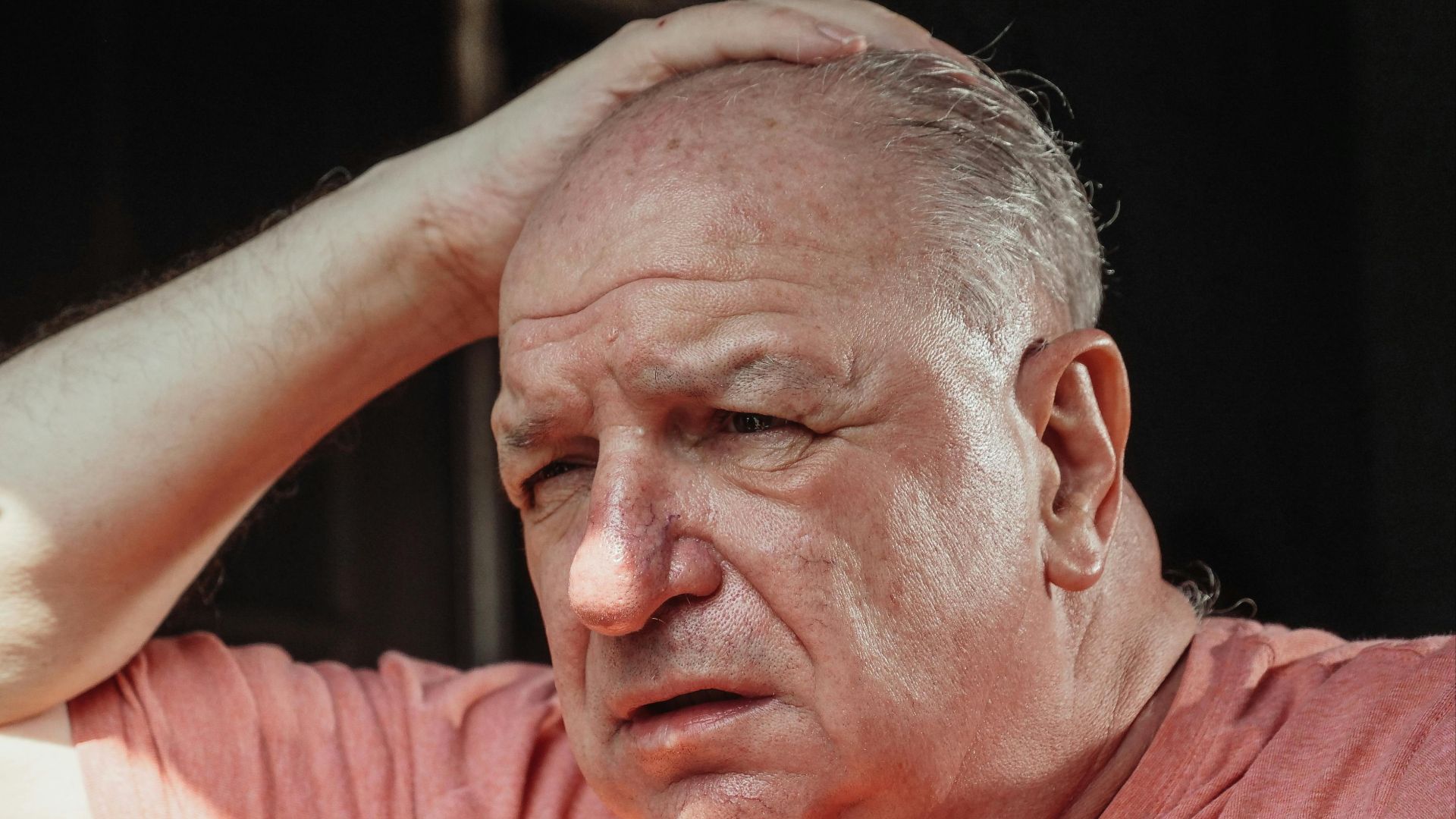
9. Anemia
Low red blood cell counts lower oxygen delivery throughout your body. Anemic individuals may develop an unusual craving for chewing ice (pagophagia), a bizarre symptom that researchers believe relates to improved brain oxygenation, according to the Cleveland Clinic.

10. High Blood Pressure
Undoubtedly, hypertension damages arteries over time, triggering reflex tachycardia with a 15–20% higher risk of persistent fast rhythms as your cardiovascular system struggles to adapt. Chronic high blood pressure essentially leads to left ventricular hypertrophy, a thickening of the heart's main pumping chamber.

1. Perform Vagal Maneuvers
Sneezing can sometimes mimic a vagal maneuver, briefly slowing your heart rate in an unexpected physiological quirk. Vagal maneuvers work by stimulating the vagus nerve, which acts like a brake pedal for your heart, reducing heart rate during supraventricular tachycardia episodes.

2. Practice Deep Breathing Exercises
Whales use deep breathing techniques to slow their heart rates to an astonishing 4 beats per minute during dives, according to marine biology studies. Deep breathing activates your parasympathetic response, the body's natural calming system. This helps lower the heart rate.

3. Engage In Meditation Or Mindfulness
Long-term meditation practice enhances vagal tone. It reduces your risk of tachycardia by strengthening the connection between your brain and heart's natural pacemaker. Meditation reduces cortisol levels in your bloodstream and makes it one of the most time-efficient interventions available.

4. Incorporate Regular Aerobic Exercise
Marathon runners often maintain resting heart rates under 50 beats per minute. Their hearts function like highly efficient engines that accomplish more work with fewer revolutions. Aerobic exercise strengthens cardiac efficiency by enlarging and strengthening the heart muscle itself.
 Antoni Shkraba Studio on Pexels
5. Use Relaxation Techniques
Cats purring at specific vibration frequencies might actually lower their own heart rates. Progressive muscle relaxation reduces physical tension throughout your body. This technique decreases sympathetic drive, the body's stress response system, specifically stabilizing heart rates in cases of stress-induced tachycardia.

6. Get Consistent, Quality Sleep
Poor or irregular sleep can elevate stress hormones, raise blood pressure, and increase the resting heart rate. Therefore, getting regular, high-quality sleep allows the body to recover and the heart to naturally slow down. Prioritize 7–9 hours of restful sleep every night.

7. Maintain Proper Hydration
Proper hydration restores blood volume to optimal levels. If you drink 2–3 liters of water daily, it prevents the electrolyte shifts that cause tachycardia, maintaining the delicate balance of sodium, potassium, and other minerals your heart needs for steady electrical signaling.

8. Avoid Hot Environments Or Use Cooling Methods
Avoiding hot environments prevents compensatory tachycardia, which occurs when your blood vessels dilate to release heat. This decreases blood pressure and forces your heart to beat faster to maintain circulation. Lowering your core body temperature also eases cardiac workload.

9. Take Prescribed Medications
Beta-blockers help musicians calm their stage fright-induced racing heart rates. These medications work by blocking the receptors for adrenaline in the heart. Under proper medical supervision, they stabilize heart rhythms in cases where high blood pressure causes persistently elevated rates.

10. Practice Tai Chi
Tai Chi combines deliberate breathing patterns with slow, flowing movements. This practice lowers heart rate through activation of the parasympathetic nervous system while simultaneously improving balance and muscle strength. Both practices tend to improve heart rate variability.
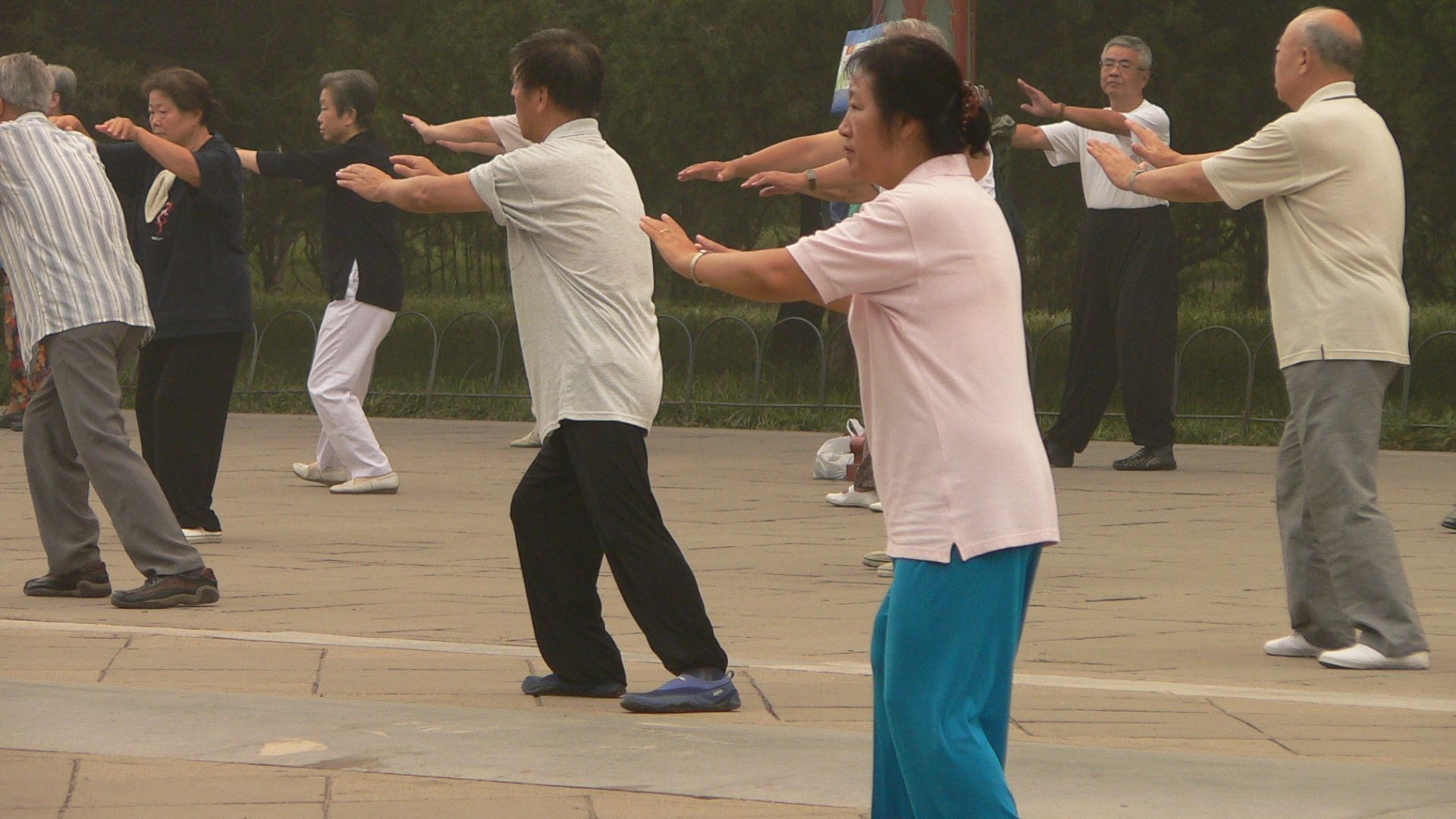 Craig Nagy from Vancouver, Canada on Wikimedia
KEEP ON READING


20 Reasons You Might Wake Up With a Headache