Don't Get Discouraged, Get Proactive
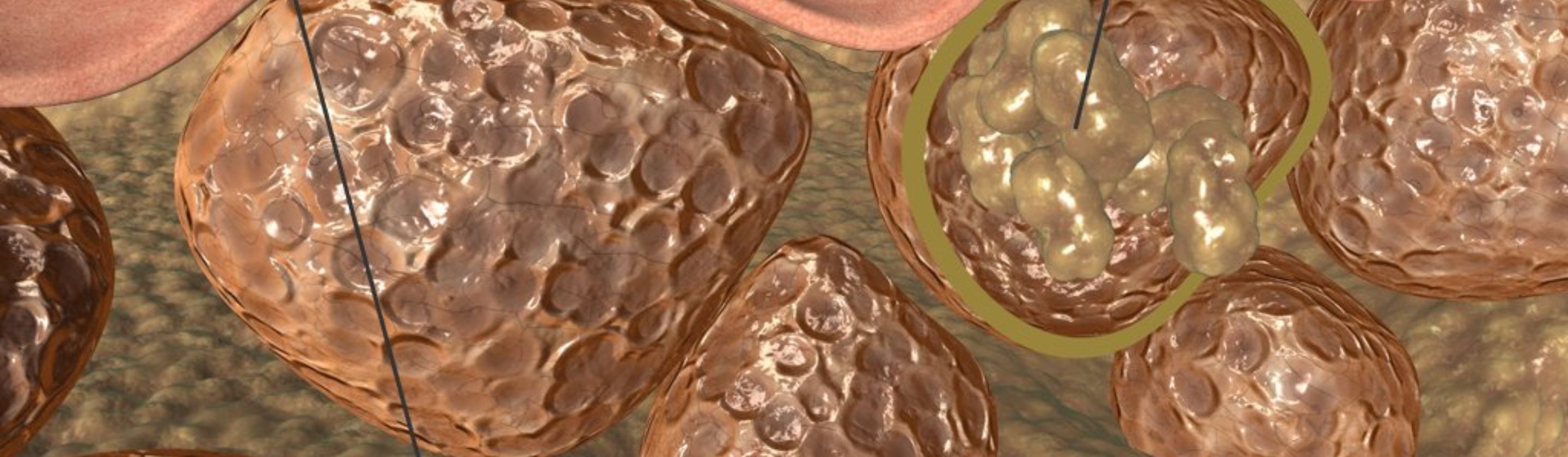
Cellulite is incredibly common, and having it doesn’t mean you're not fit and healthy. It happens when fat pushes up against connective tissue under the skin, creating that dimpled look, and genetics, hormones, and skin structure play a big role in whether you see it. While getting rid of it entirely is nearly impossible, there are simple steps you can take to reduce its appearance. Here are 10 reasons we get cellulite and 10 ways to deal with it.

1. Genetics
If cellulite runs in your family, you might notice it even if you work out and eat well. Your skin’s structure and how connective tissue is arranged can be inherited, which affects how easily dimpling shows. It’s frustrating, but it’s also proof that this isn’t just about willpower.

2. Hormones
Estrogen influences fat storage, circulation, and connective tissue, which is why cellulite is more common in women. Puberty, pregnancy, birth control, and menopause can all shift what you see in the mirror. Your body isn’t being dramatic, it’s just responding to chemical signals.
3. Connective Tissue Structure
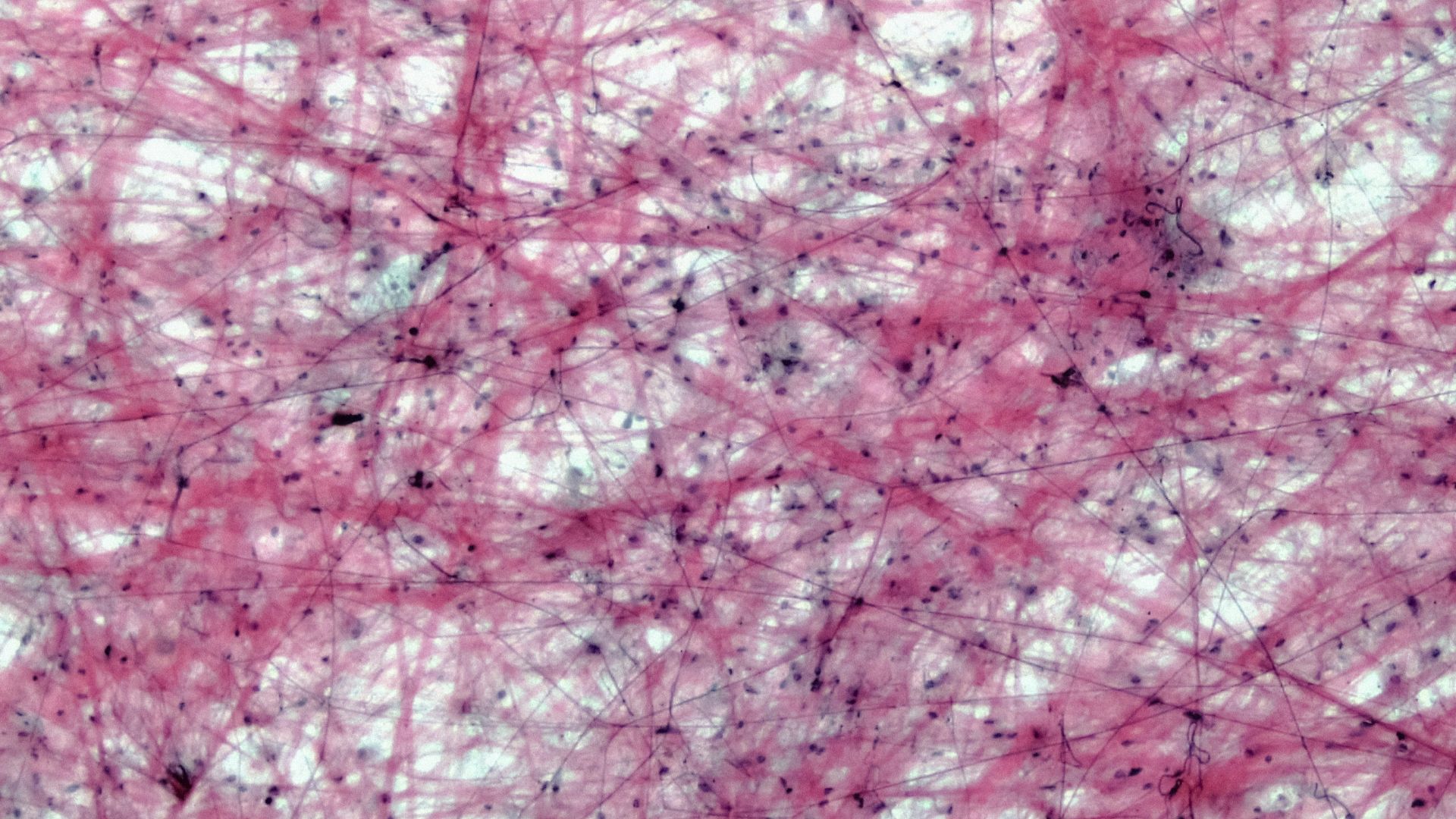
Cellulite is partly about how fibrous bands under the skin pull downward while fat pushes upward. That tug-of-war creates the classic uneven texture. You can’t “spot treat” the structure with a cream, but understanding it makes the whole thing feel less personal.
 Bioscience Image Library by Fayette Reynolds on Unsplash
4. Natural Fat Distribution
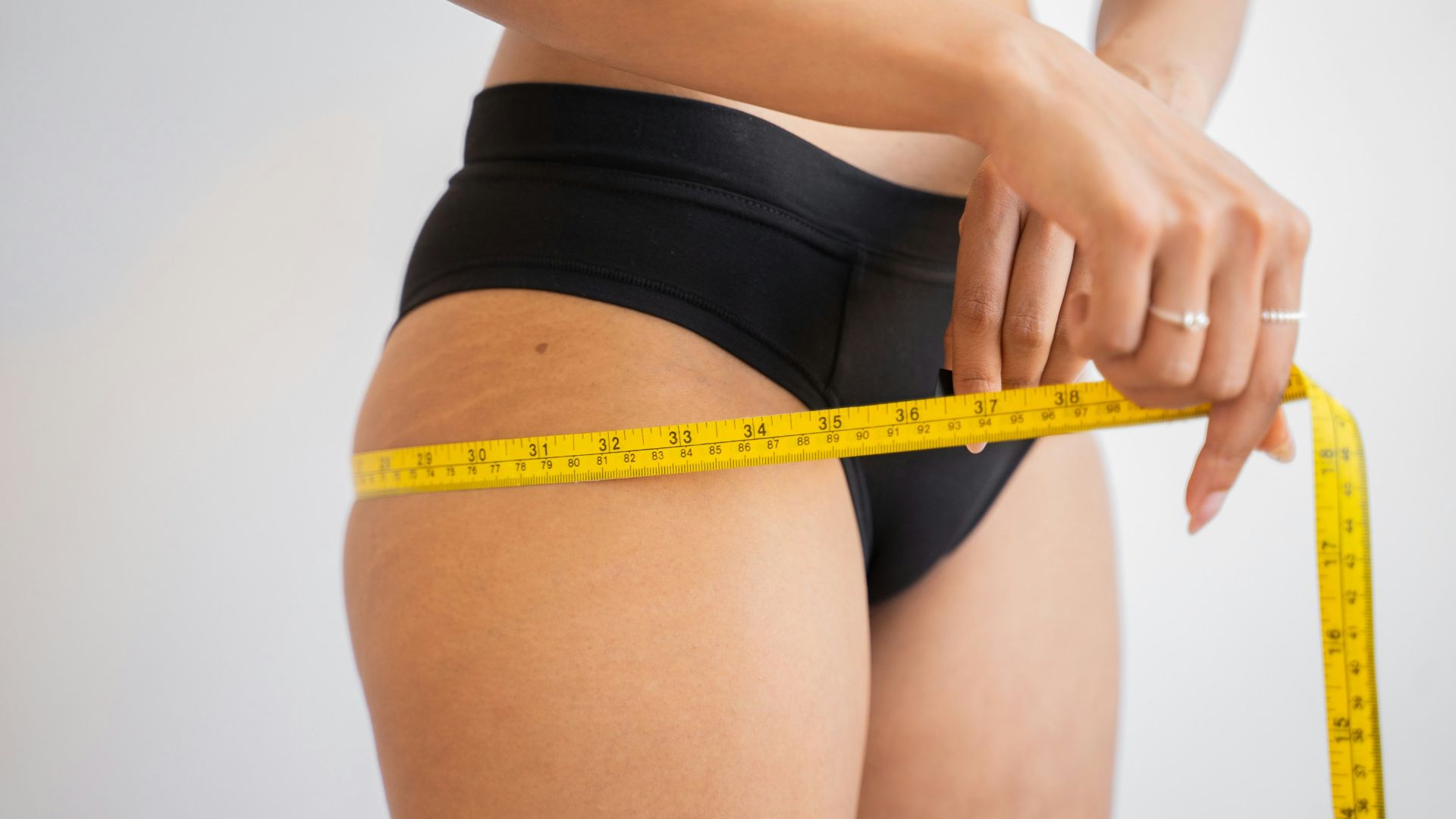
Some bodies store more fat in the hips, thighs, and butt, and those are cellulite’s favorite neighborhoods. Even at a lower body weight, you can still have it because distribution matters more than a scale number. If you’ve been confused by that, you’re not alone.
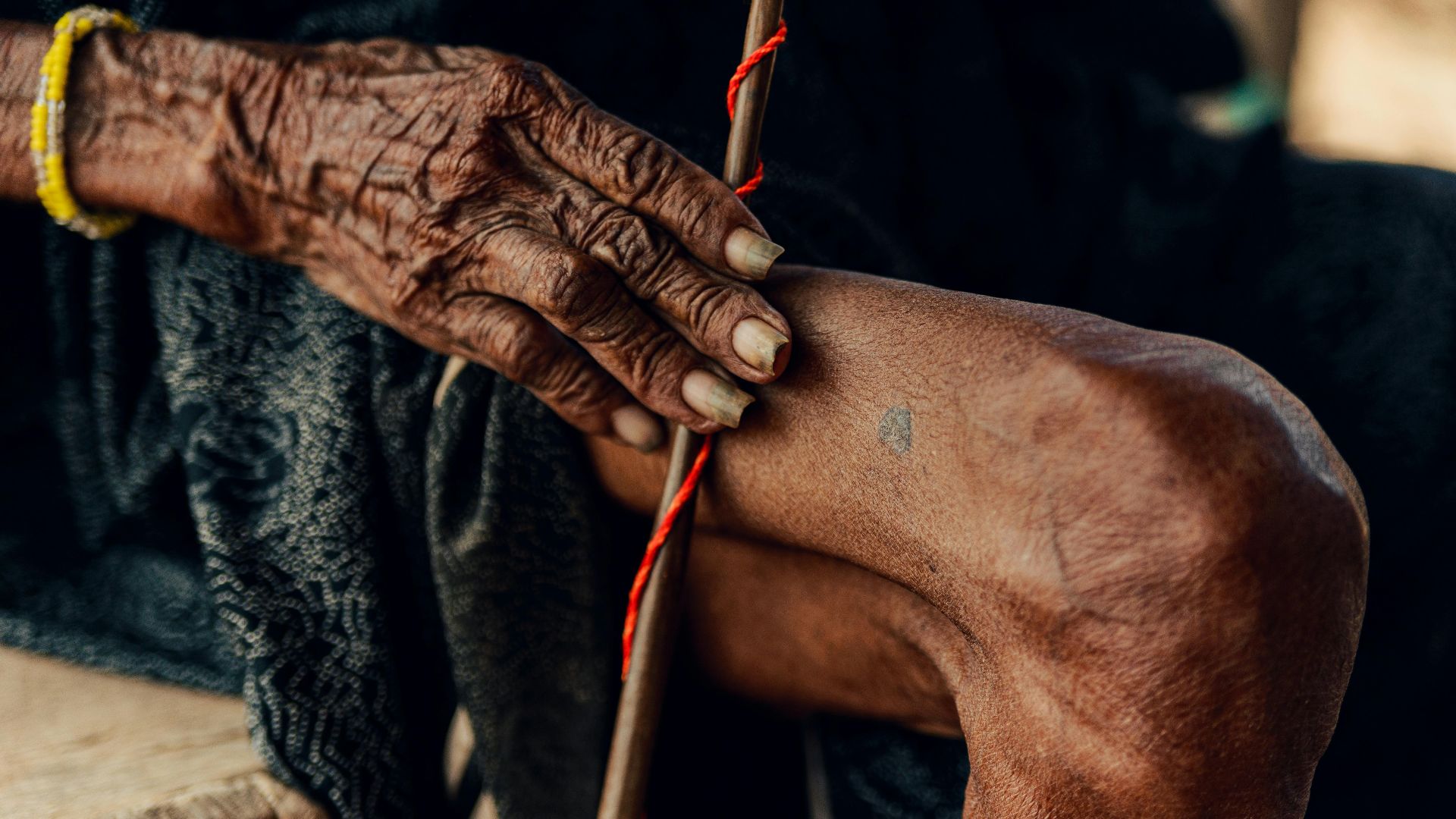
5. Skin Thins With Age
As skin loses collagen and elasticity over time, the underlying texture becomes more visible. That means cellulite you barely noticed before can start looking more obvious later. It’s normal aging, not a sudden failure of your routine.
6. Lower Muscle Tone
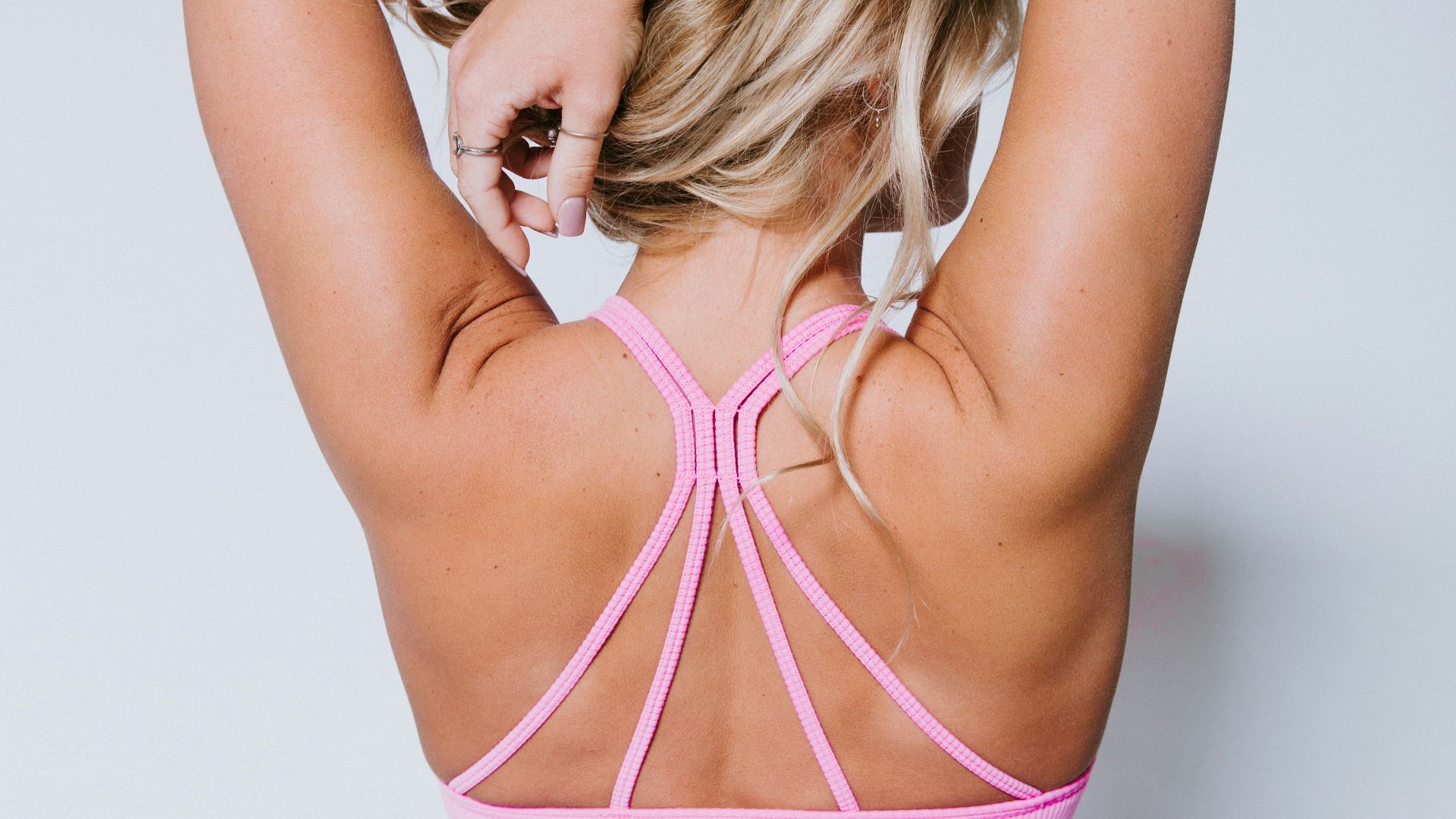
When the muscles under the skin aren’t as developed, the surface can look less smooth. This doesn’t mean you need to chase a certain body type, but it explains why strength training often helps. A firmer base can make the texture look softer.
7. Poor Circulation
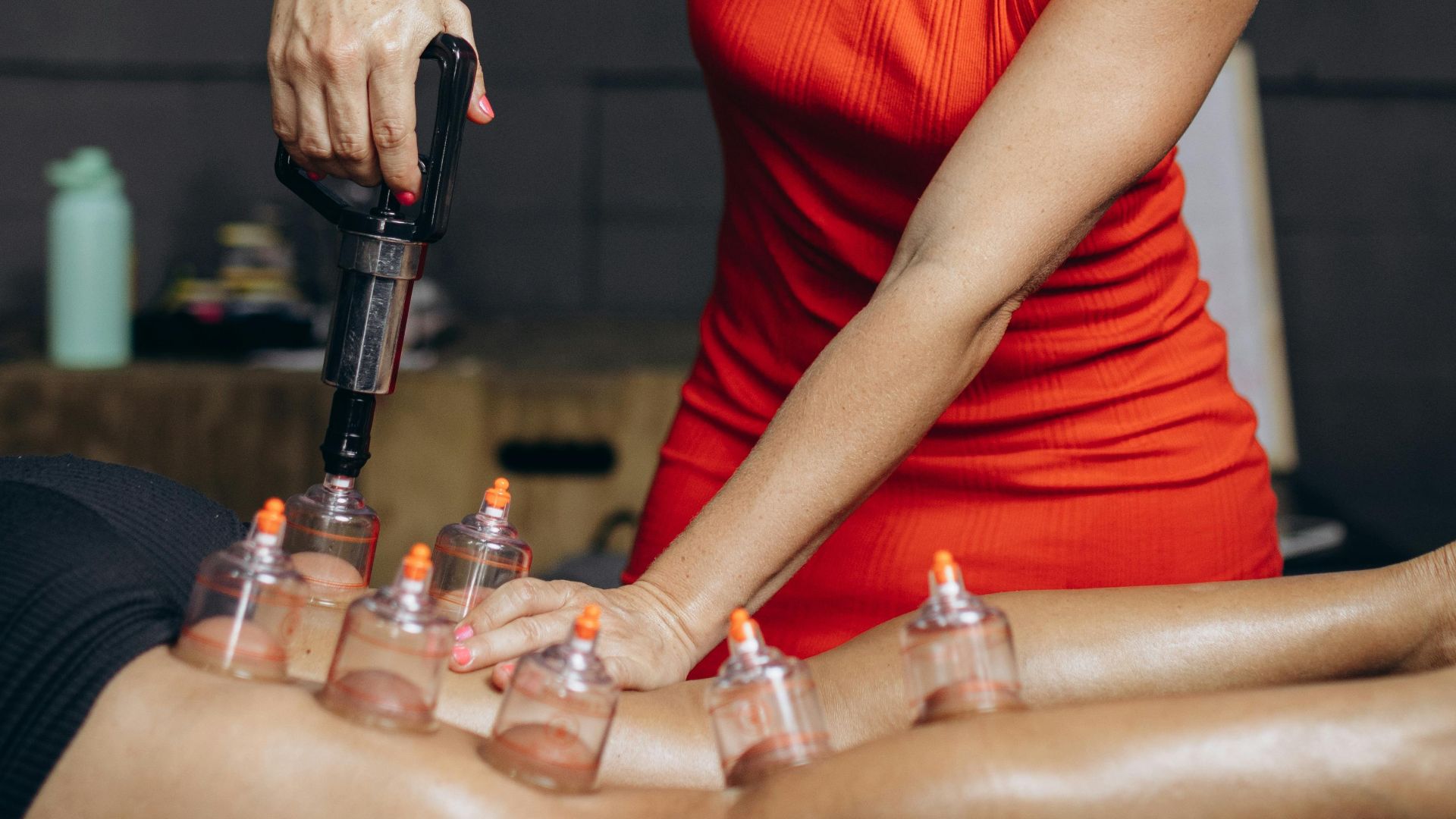
When blood flow and lymphatic movement are sluggish, the area can look puffier or less even. Long periods of sitting can contribute, especially if you’re at a desk all day. Movement helps because your body is built to circulate better when you do.
8. Dehydration
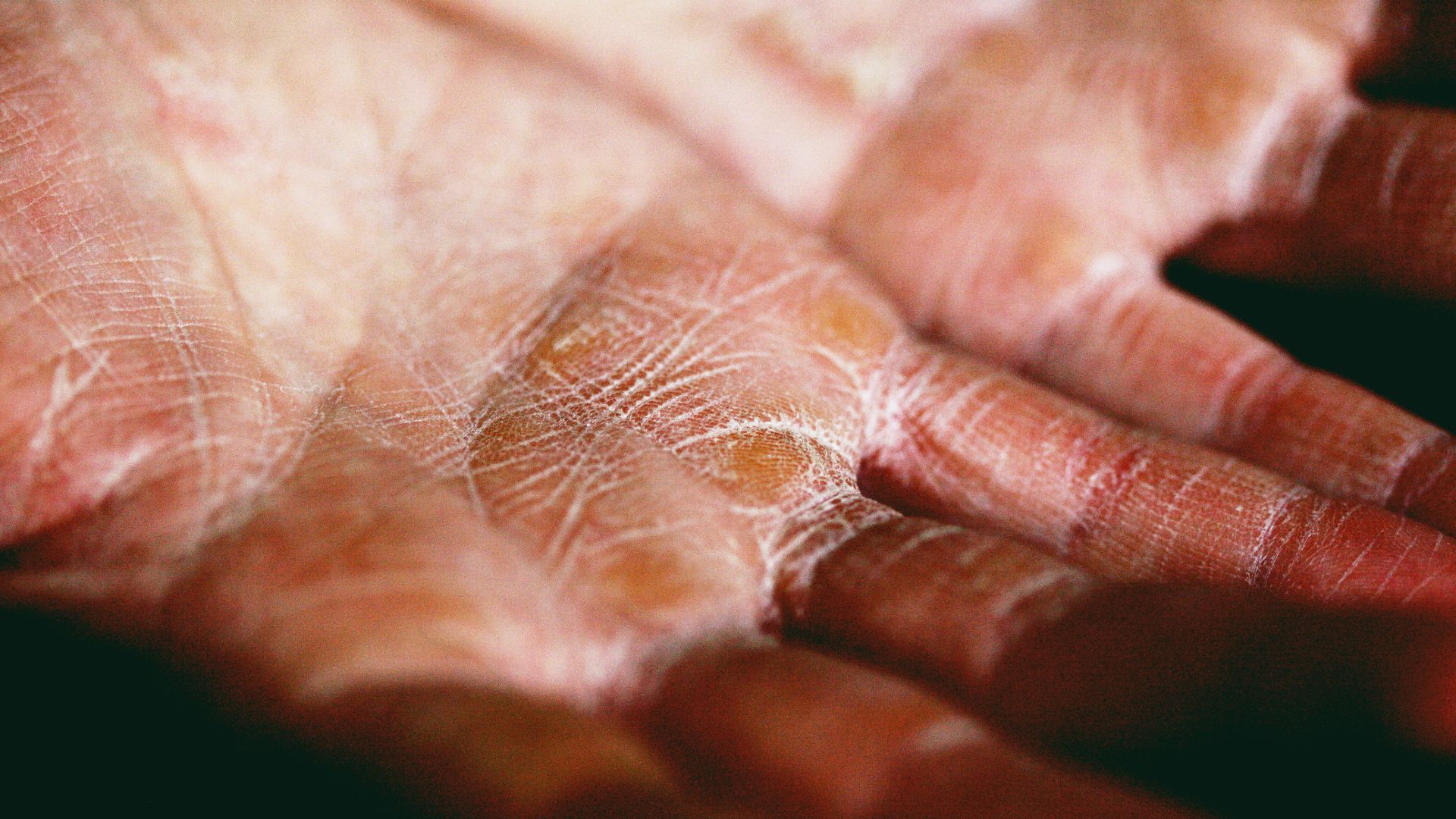
Dry, dehydrated skin can make dimpling appear sharper, even if nothing else has changed. Hydration won’t erase cellulite, but it can improve how your skin looks and feels. Think of it as a visibility issue, not the root cause.
9. Diet
Very salty foods can make you hold onto water, which sometimes makes skin texture look more pronounced. It’s not that one bag of chips “causes” cellulite, but it can make things look worse temporarily. If you notice swelling, your diet might be adding to the effect.

10. Weight Fluctuations
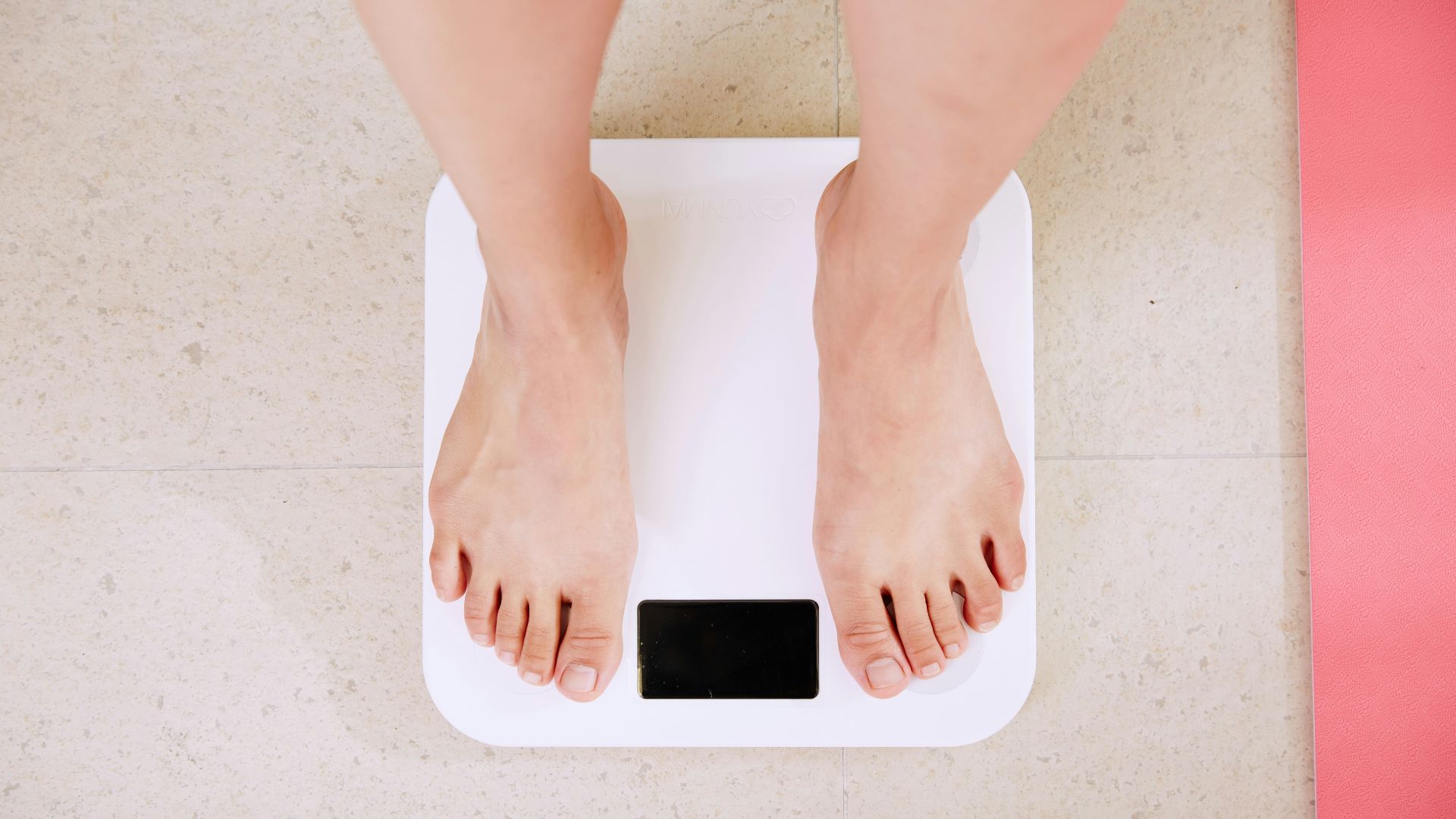
Gaining and losing weight repeatedly can affect skin elasticity and how smoothly it sits over the tissue underneath. Some people notice cellulite more after weight loss because the skin has less bounce. Your body can still be healthy while your skin is adjusting to change.
Now that we've talked about the causes, let's talk about how to tackle your cellulite so you can feel comfortable rocking those short shorts again.
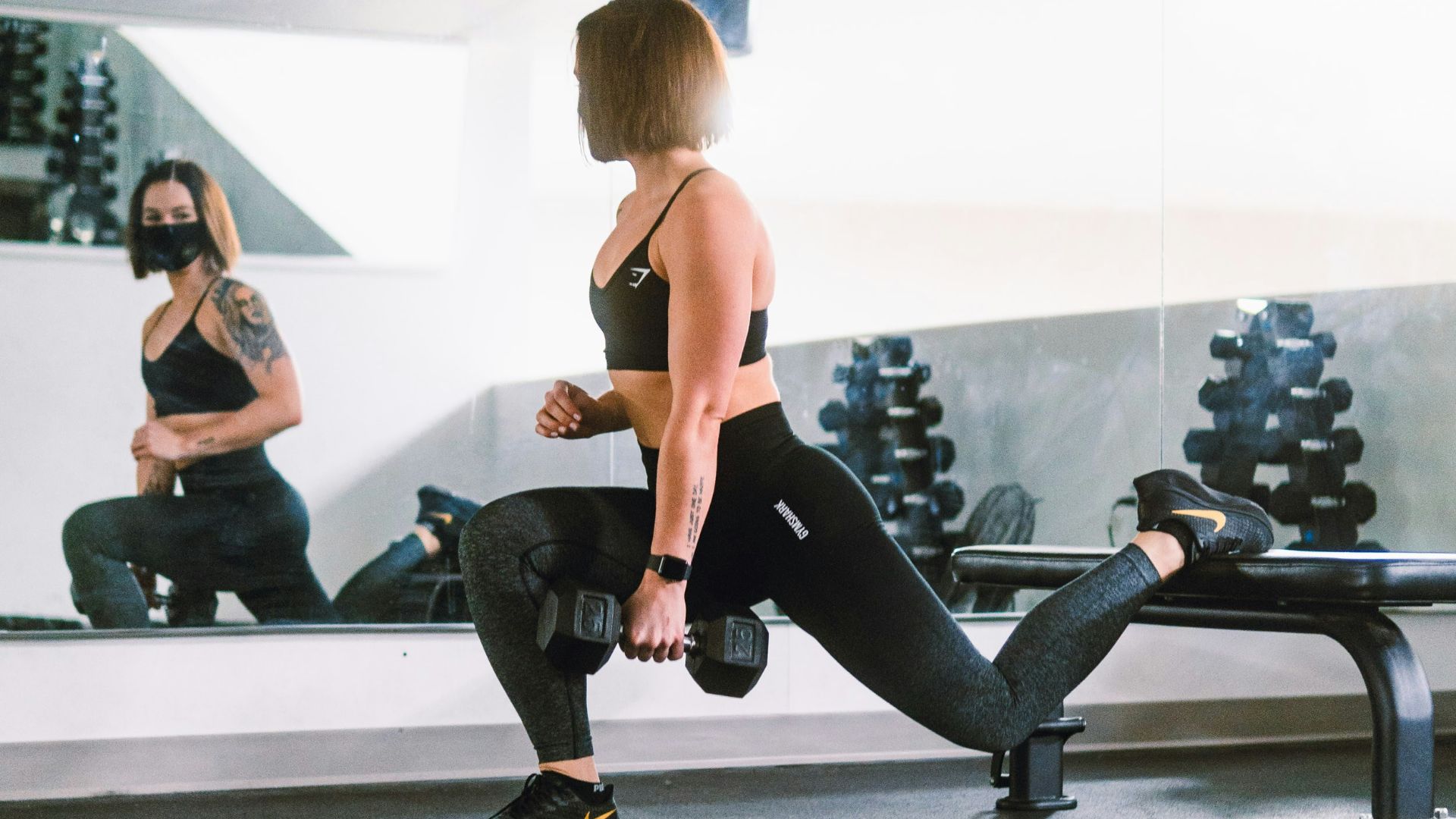
1. Strength Train Your Lower Body
Building muscle in the thighs and glutes can create a smoother-looking foundation under the skin. You don’t need fancy workouts, but you do need regular effort over time. Squats, lunges, deadlifts, and step-ups are the most effective.
2. Add Walks or Cardio
Cardio supports blood flow and overall body composition. Even brisk walking can help reduce puffiness and improve how your skin looks. If you hate running, don’t run, because consistency beats suffering.

3. Aim for Slow, Sustainable Fat Loss
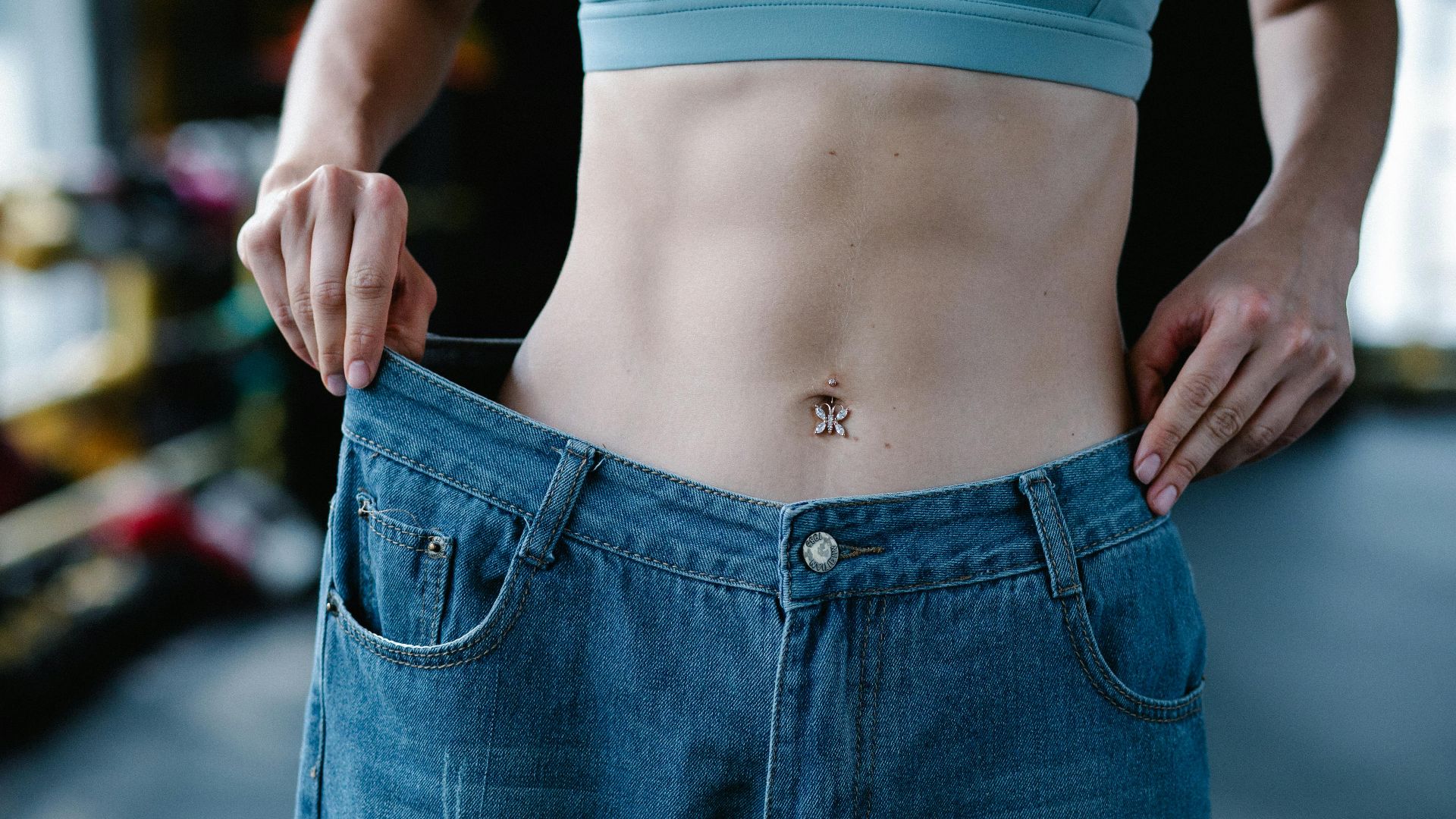
If you’re carrying extra body fat and want to reduce cellulite’s appearance, gradual weight loss can help. Crash diets tend to backfire and can leave skin looking less firm. A small calorie deficit paired with strength training usually gives the best odds.
4. Prioritize Protein
Protein helps you build and maintain muscle, which can improve overall texture. It also supports your body’s repair processes, which matters for skin health. You don’t have to obsess, but making protein a regular part of meals can be a game-changer.

5. Use Retinol Body Products
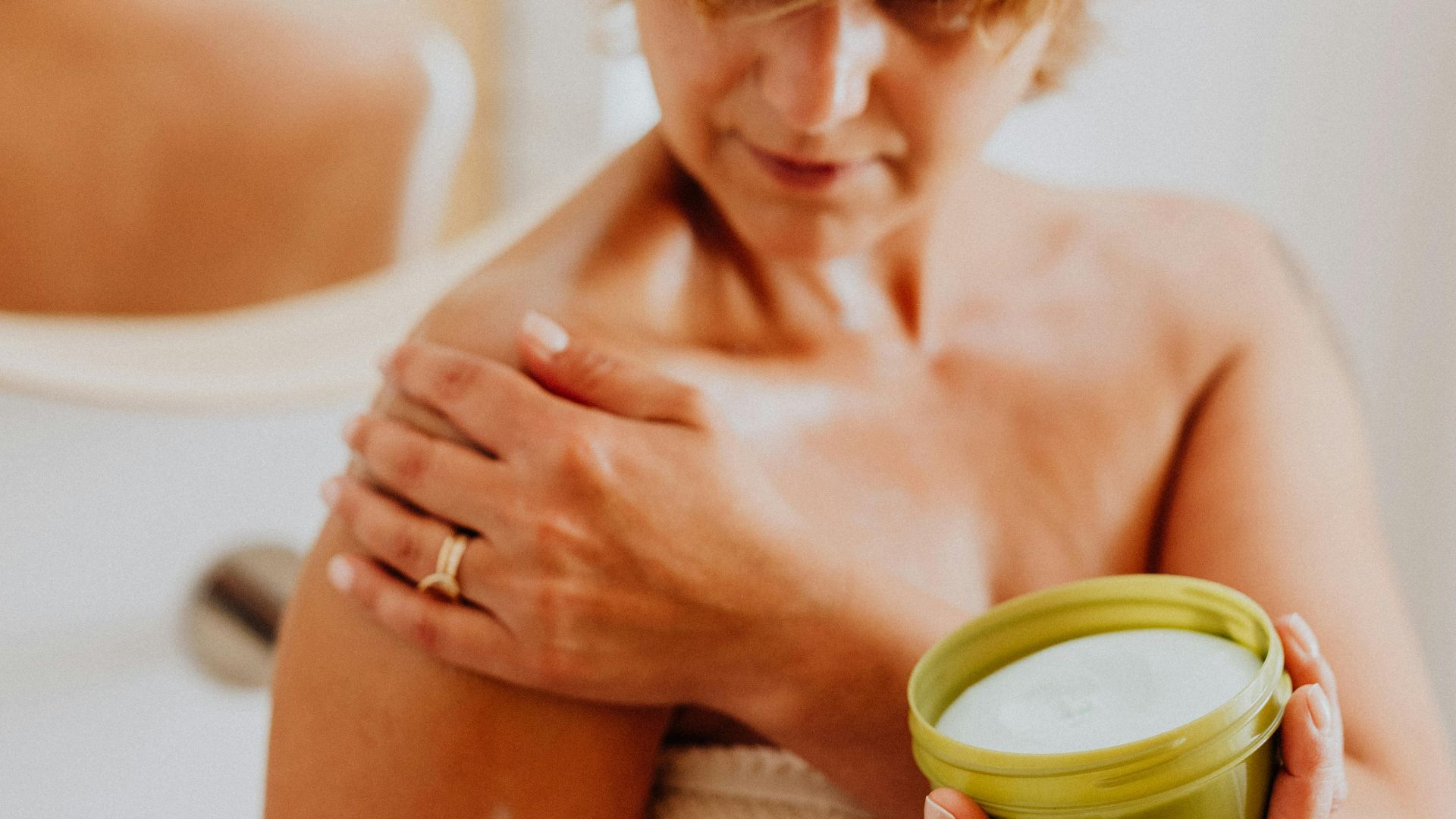
Topical retinol can help improve skin texture by supporting collagen over time. It won’t erase cellulite, but it can make skin look smoother with consistent use. Start slowly and use sunscreen, because retinoids can make skin more sensitive.
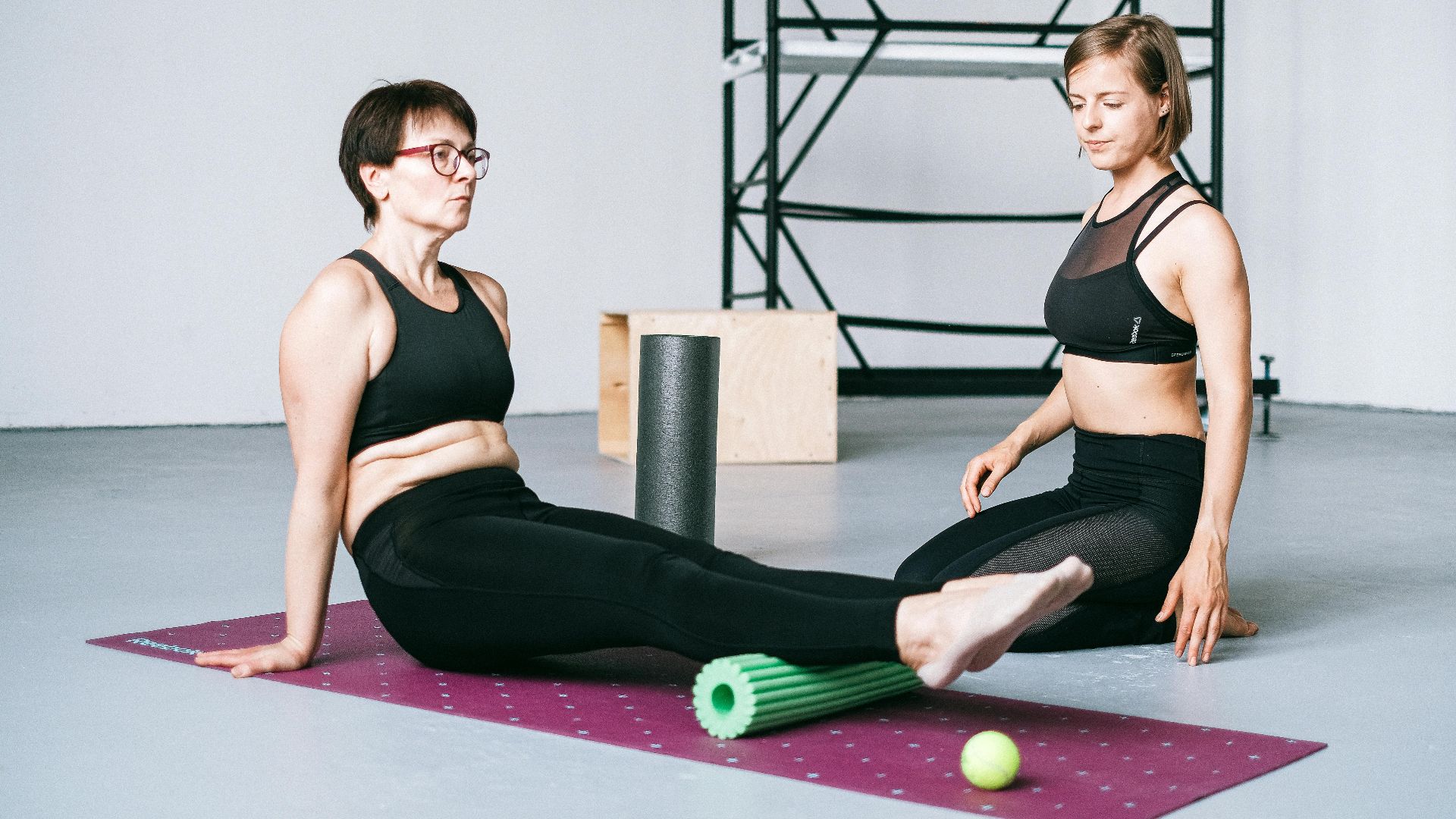
6. Try Massage or Foam Rolling
Massage can temporarily improve the look by moving fluid and increasing circulation in the area. Foam rolling can do something similar while also helping with muscle tightness. The keyword is temporary, so think of it as a short-term assist, not a cure.
7. Consider Professional Treatments
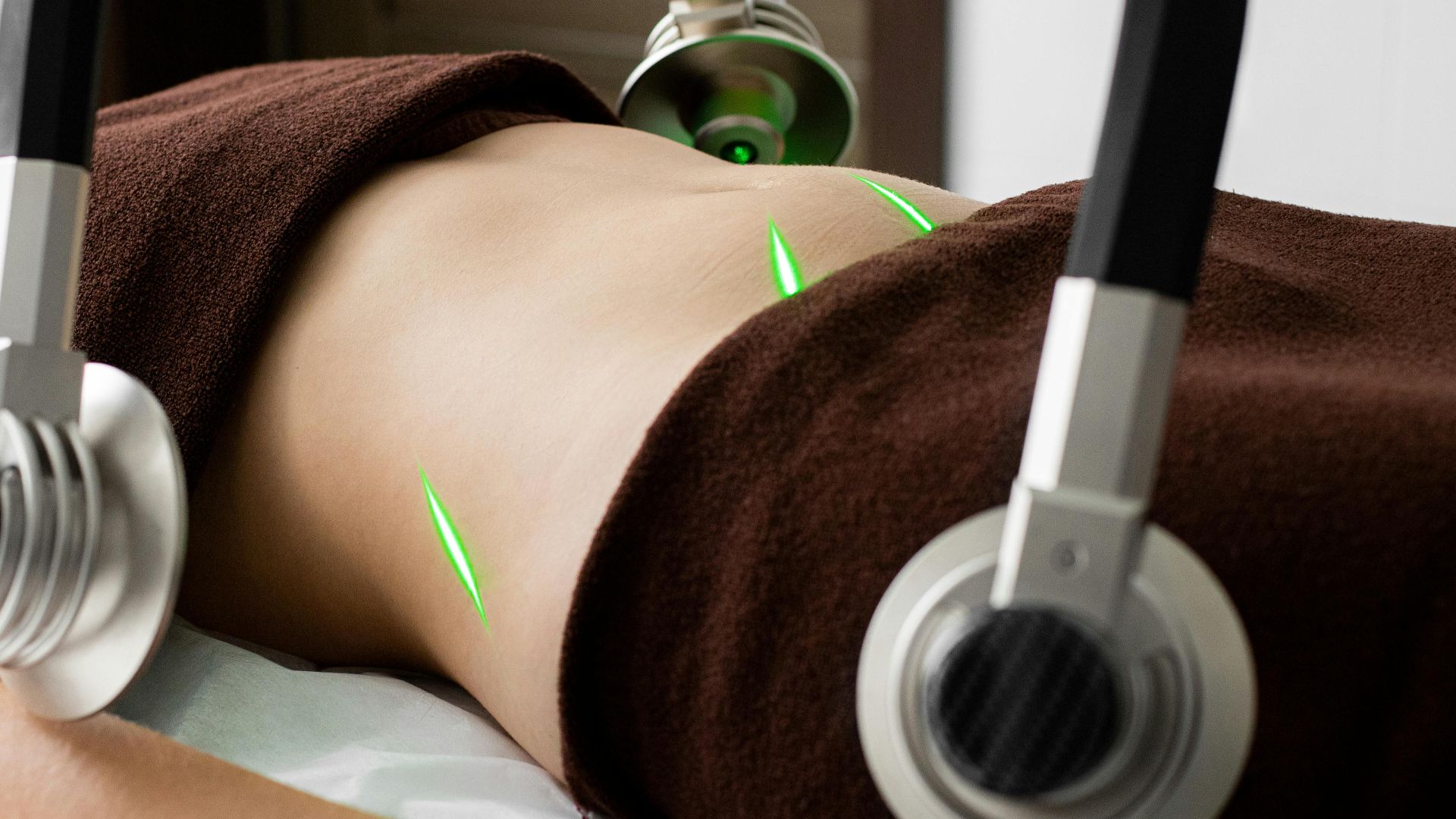
Options like subcision, radiofrequency, laser treatments, or acoustic wave therapy can reduce the appearance more noticeably than at-home methods. Results vary, costs add up, and you’ll want a board-certified dermatologist or qualified provider. If you’re going to spend money, spend it where the evidence is stronger.
8. Limit Sun Exposure
UV exposure breaks down collagen, and less collagen can make the skin texture show more. Daily sunscreen on exposed areas is an underrated move, even when it’s not beach weather. Protecting skin won’t remove cellulite, but it can keep it from looking more pronounced.

9. Hydrate and Moisturize
Drinking enough water and using a good moisturizer can make skin look plumper and more even. This is about optics and comfort, not a magical fix. Still, when your skin looks healthier, cellulite often looks less harsh.

10. Set a Realistic Goal
Chasing “zero cellulite” can turn into a never-ending project because your body isn’t a smooth marble statue. You’ll get better results when you focus on strength, skin support, and habits you can actually keep. Focus on small improvements, not perfection.

KEEP ON READING



20 Natural Ways You Can Boost Your Immune System
20 Ways To De-stress & Relax After Work
The 10 Most Common Diseases & The 10 Most Rare