What's Hiding In Your Seafood?
Mercury sneaks into our meals more often than we think—but in food, it’s seafood doing most of the heavy lifting. Large, long-living fish tend to carry the highest levels, making them the biggest concern for regular eaters. Mercury is measured in parts per million (ppm), meaning even tiny amounts can add up fast. If you eat fish often, knowing which ones pose the biggest risk can help you choose better. Let’s begin with the seafood that carries the highest mercury concentrations.

1. Tilefish (Gulf Of Mexico) – 1.123 ppm
Living up to 40 years in deep waters, Gulf tilefish have plenty of time to soak up mercury. Their bright golden skin may look appealing, but don’t let the glow fool you. This species ranks among the riskiest choices out there.
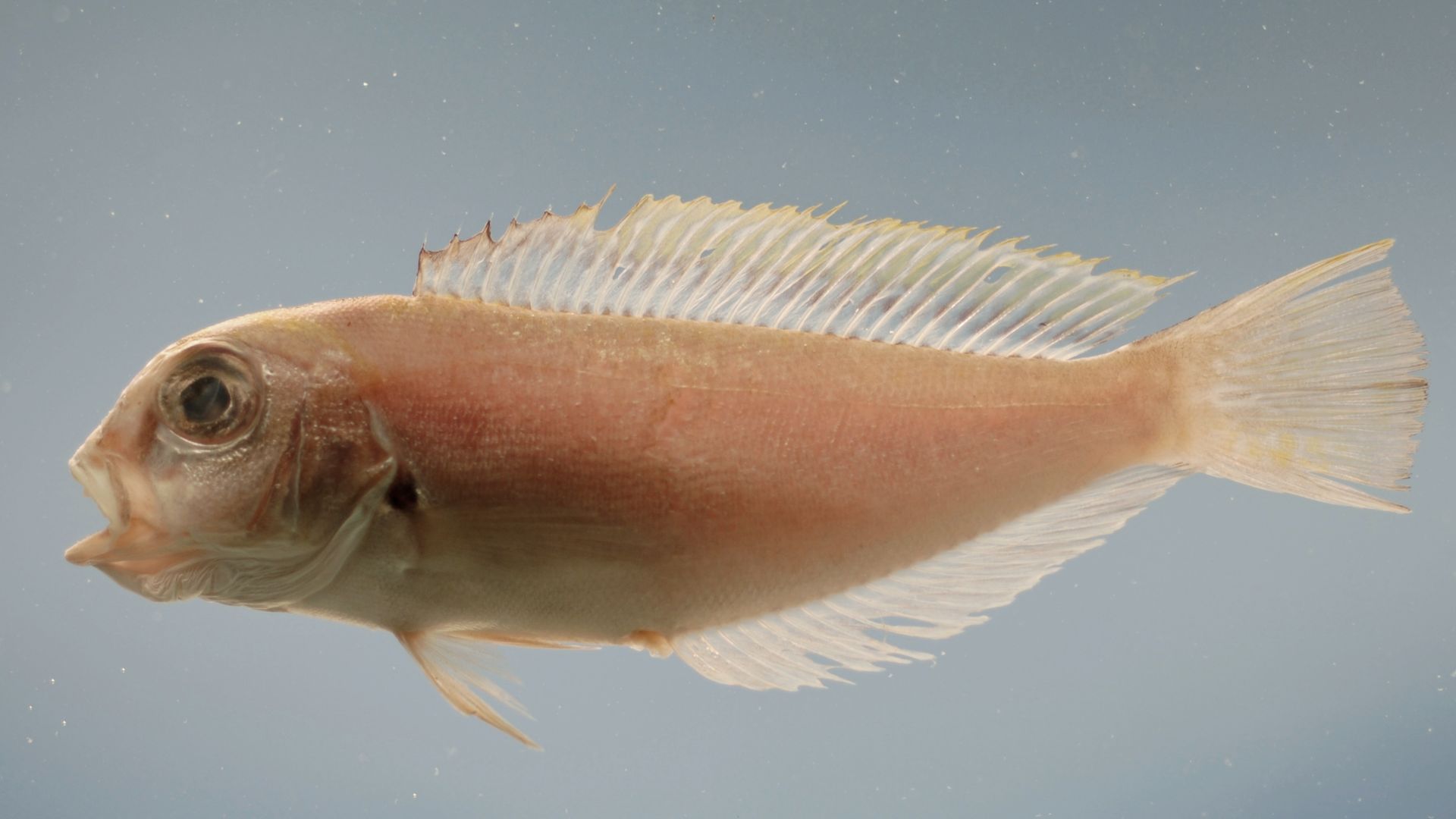 SEFSC Pascagoula Laboratory; Collection of Brandi Noble, NOAA/NMFS/SEFSC. on Wikimedia
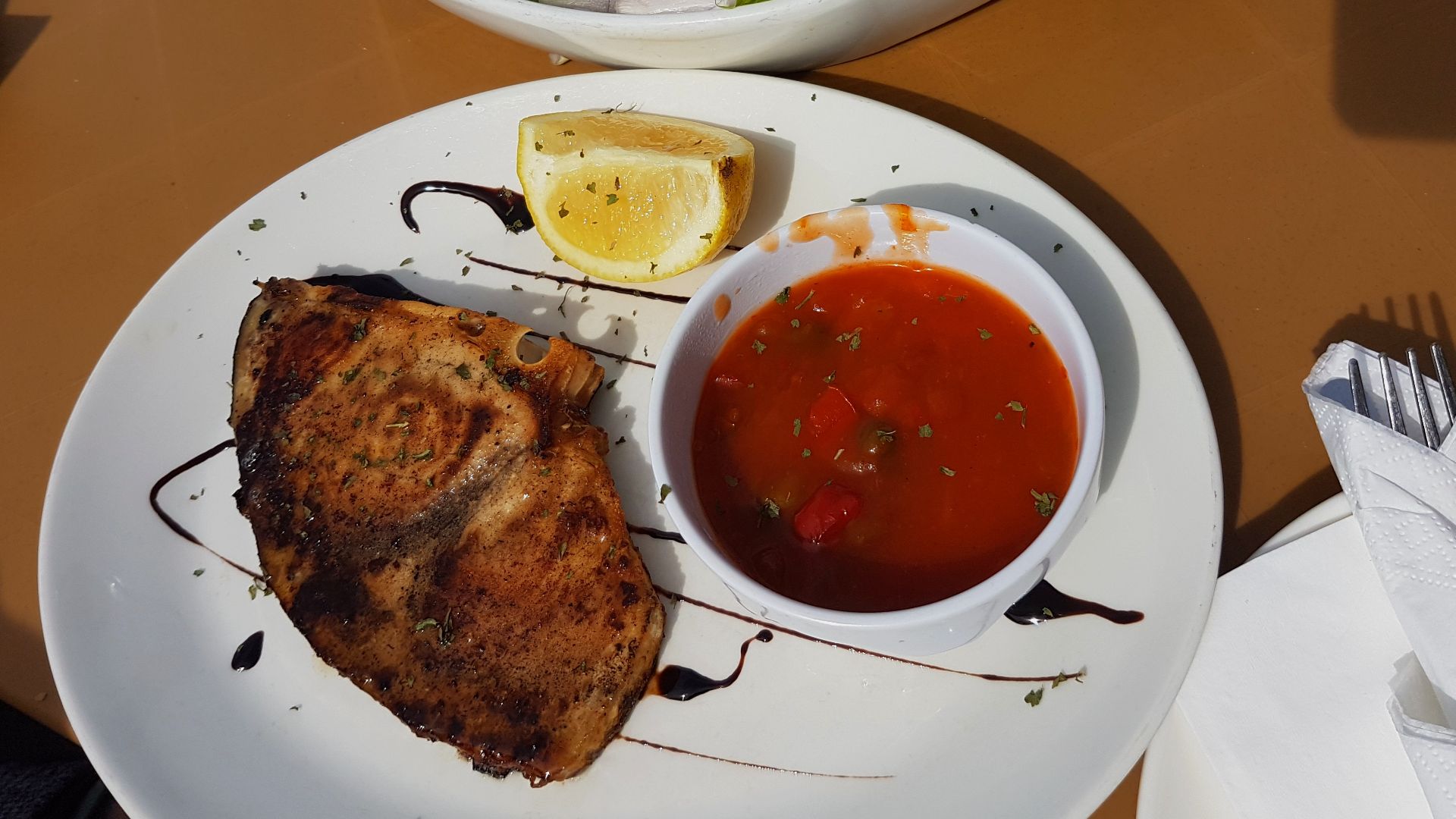
2. Swordfish – 0.995 ppm
This ocean heavyweight can reach over 1,000 pounds—and its mercury load keeps pace. Common in warm seas, swordfish build up toxins as they grow. Though the size may impress at the market, for safety, you’re better off choosing something smaller.
3. Shark – 0.979 ppm
Sharks dominate the food chain, and unfortunately, that means they collect a toxic load. Their long lives and diet lead to mercury buildup in their muscle tissue. No matter the species, most test too high to land on a safe dinner table.
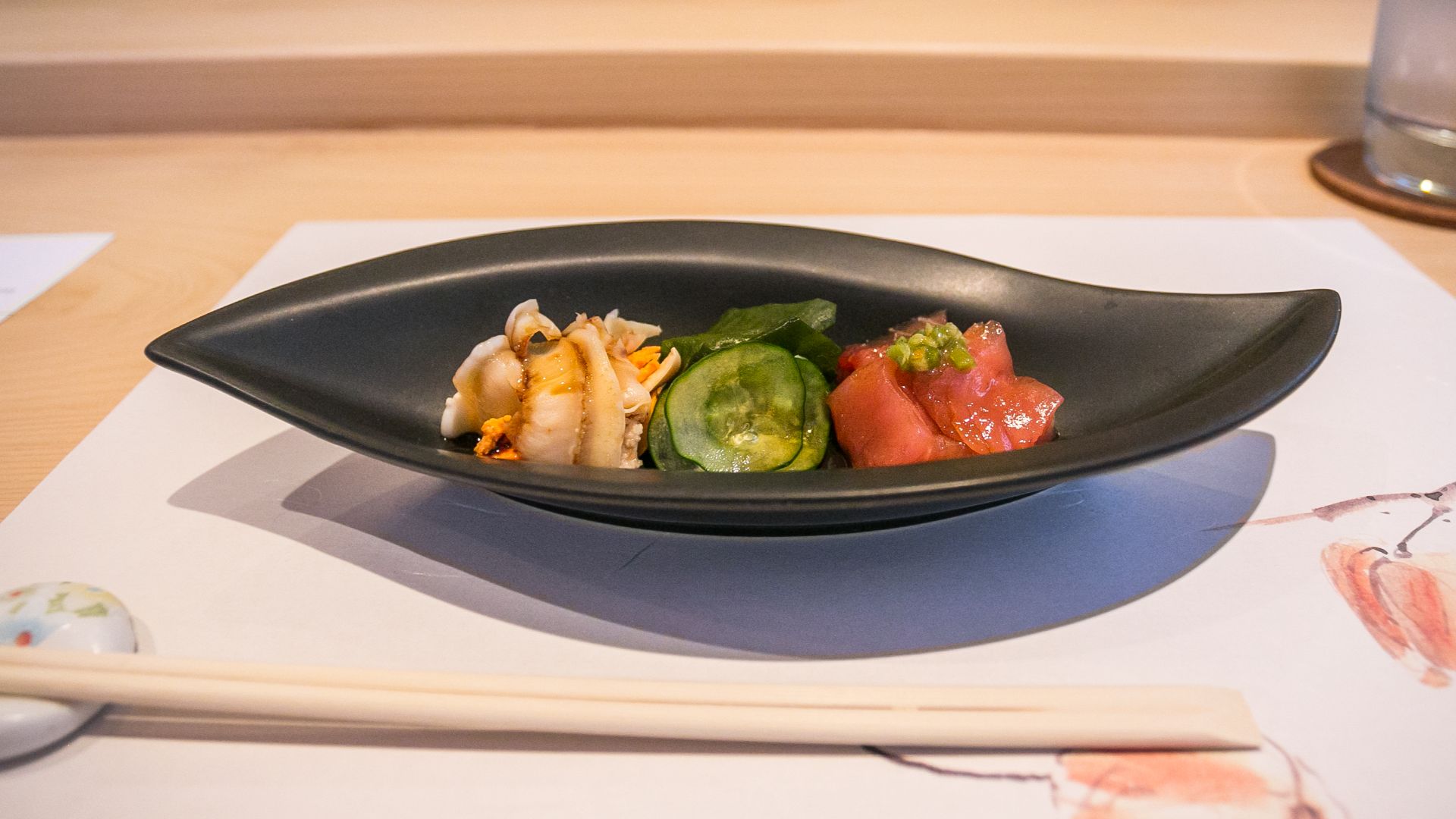
4. Bluefin Tuna – 0.796 ppm
Highly prized and shockingly toxic, bluefin tuna ranks among the mercury-heavyweights. Their large size and long lives give toxins plenty of time to settle in. Found in premium sushi, this delicacy might come with risks that aren’t listed on the menu.
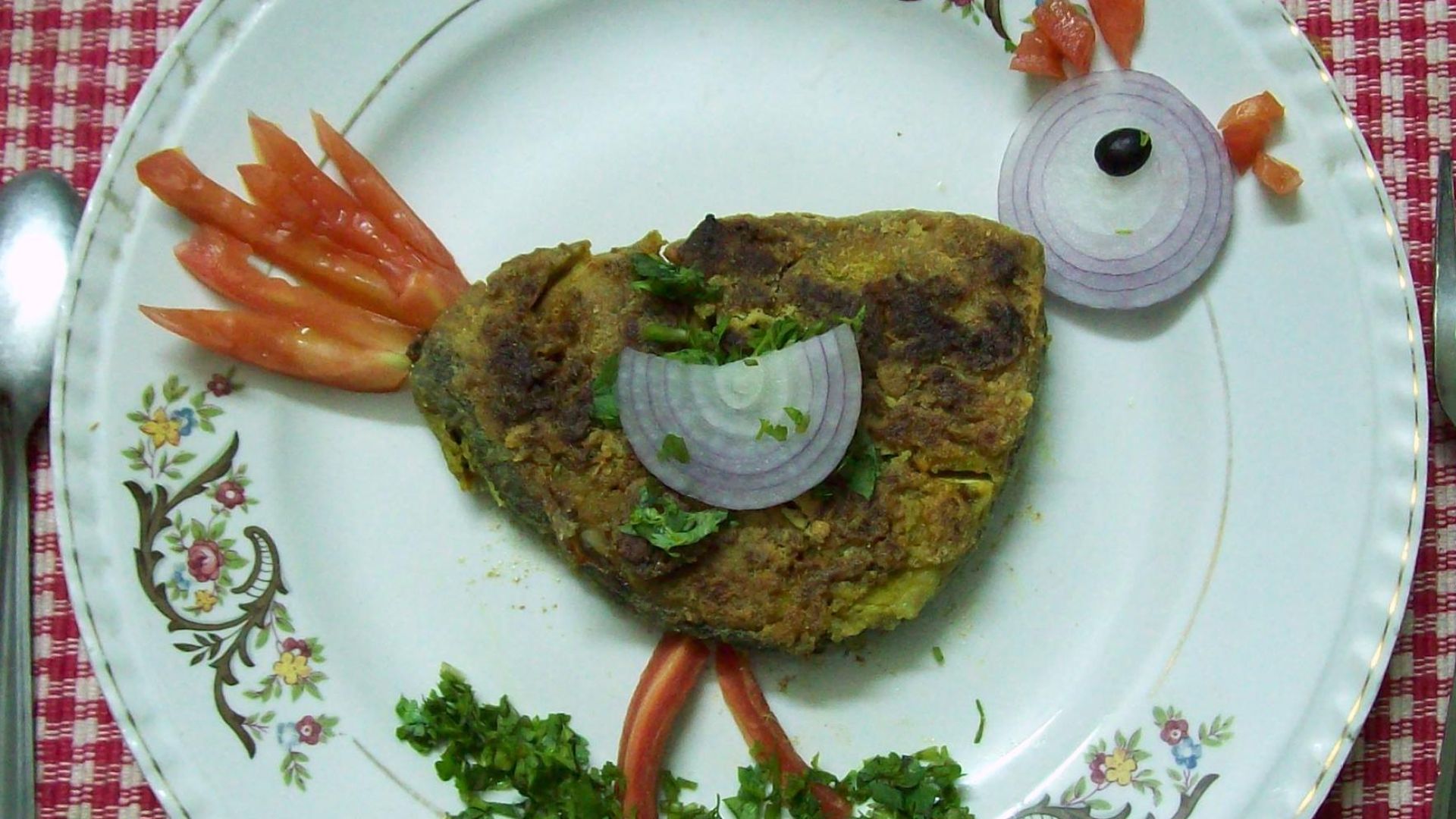
5. King Mackerel – 0.73 ppm
King mackerel speeds through the ocean like a torpedo, but it’s what's inside that should stop you. Found in the Atlantic and Gulf, these fast predators carry more mercury the older and bigger they get. Best to keep them off your plate.
 Rajendra prabhune on Wikimedia
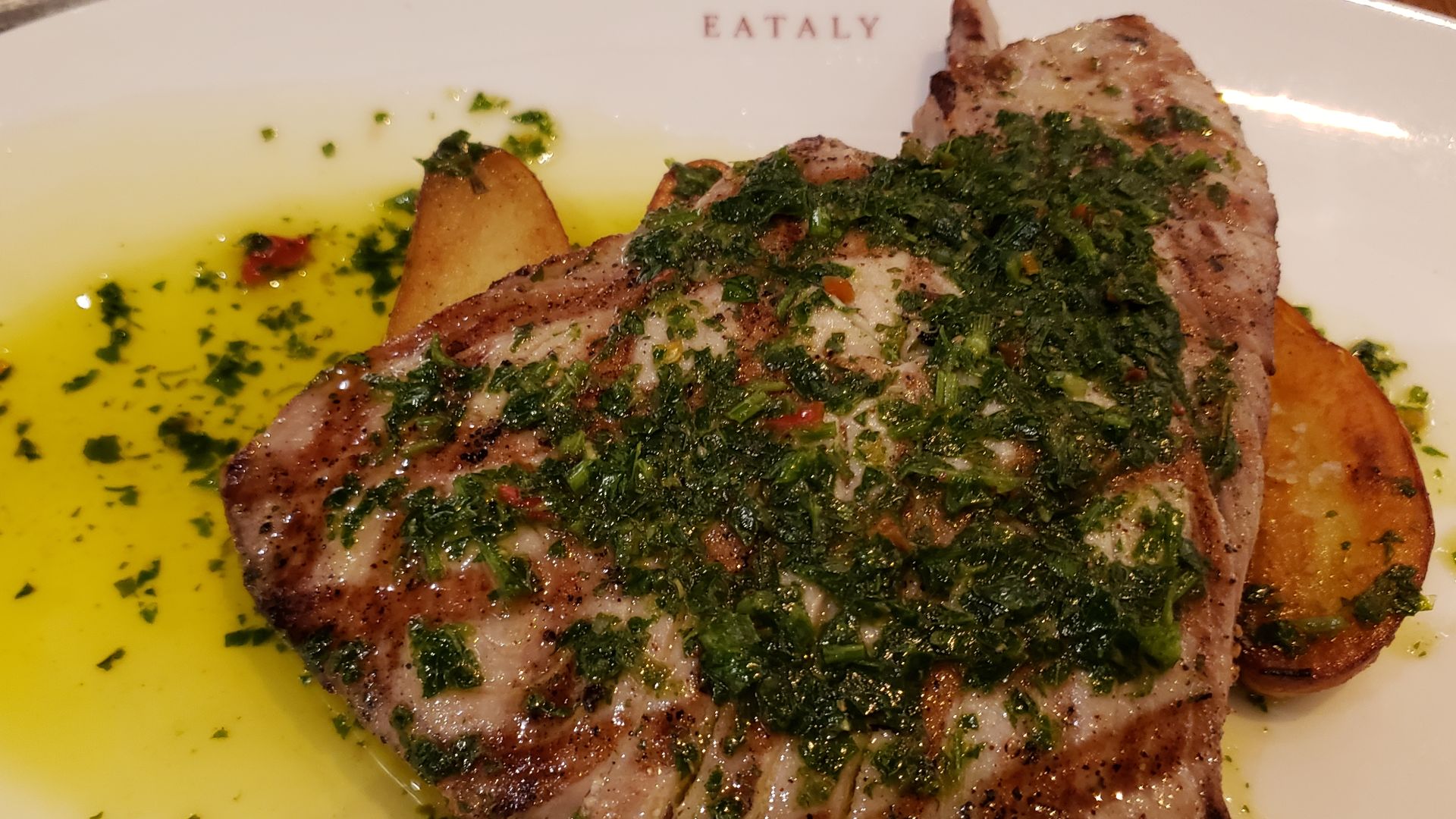
6. Bigeye Tuna – 0.689 ppm
Bigeye tuna dives deep and lives long—and mercury stays with them. Often sliced into sushi or sashimi, the bigger the fish, the bigger the risk. When you’re ordering raw, it pays to know what’s really traveling from sea to table.
7. Orange Roughy – 0.571 ppm
A fish that might be older than you? Orange roughy can live 150 years, which gives mercury plenty of time to build up. Despite the sustainable label, its deep-sea biology raises real concerns. Longevity in the water doesn’t equal safety on land.
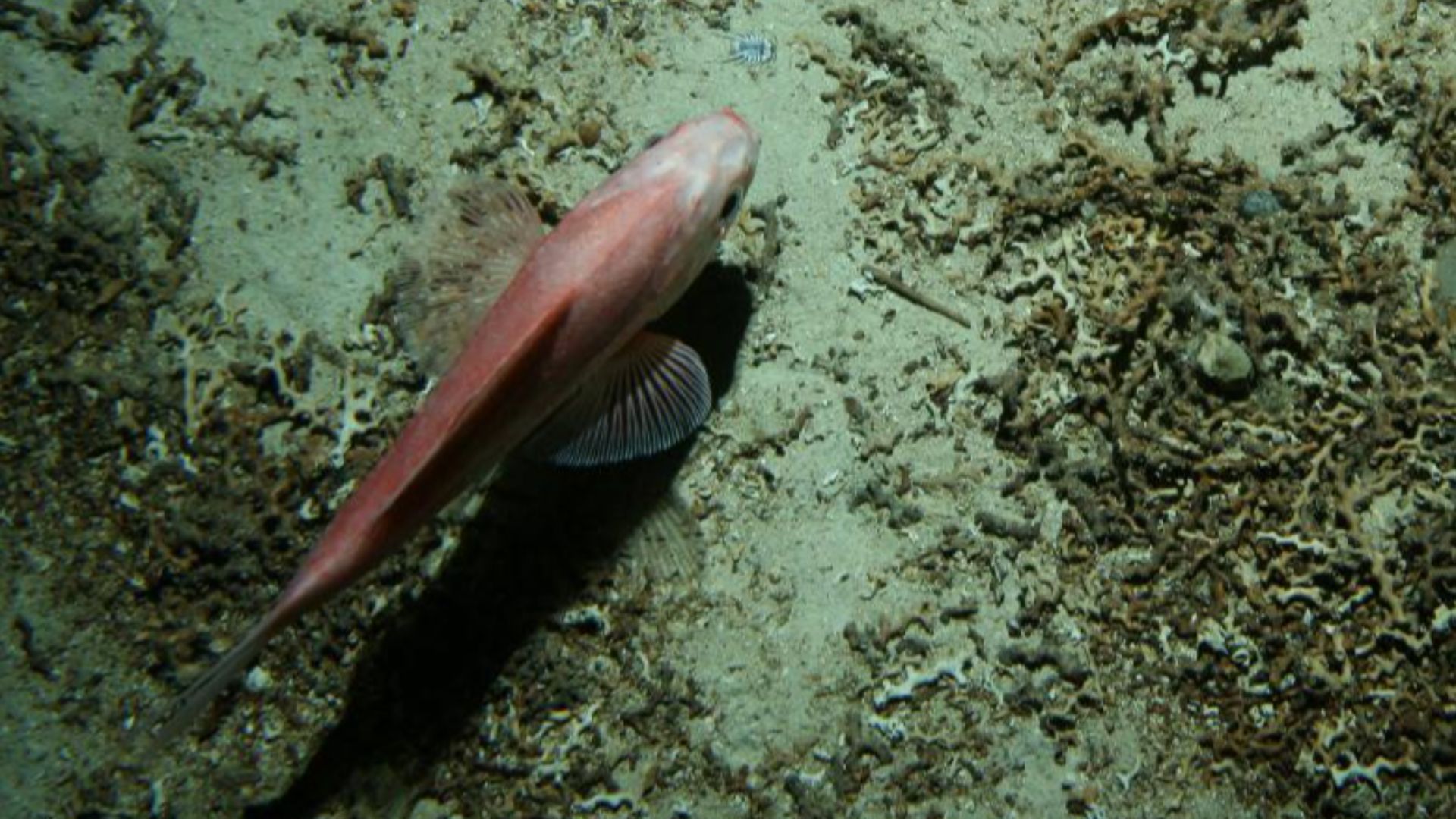 DTIS NIWA/ Seamount voyage. on Wikimedia
8. Barracuda – 0.5 ppm
They strike fast and look fierce—and that diet of smaller fish leaves barracuda loaded with mercury. Bigger specimens pose the most danger. Found in warm waters, these speedsters are better admired in the ocean than added to your next seafood feast.
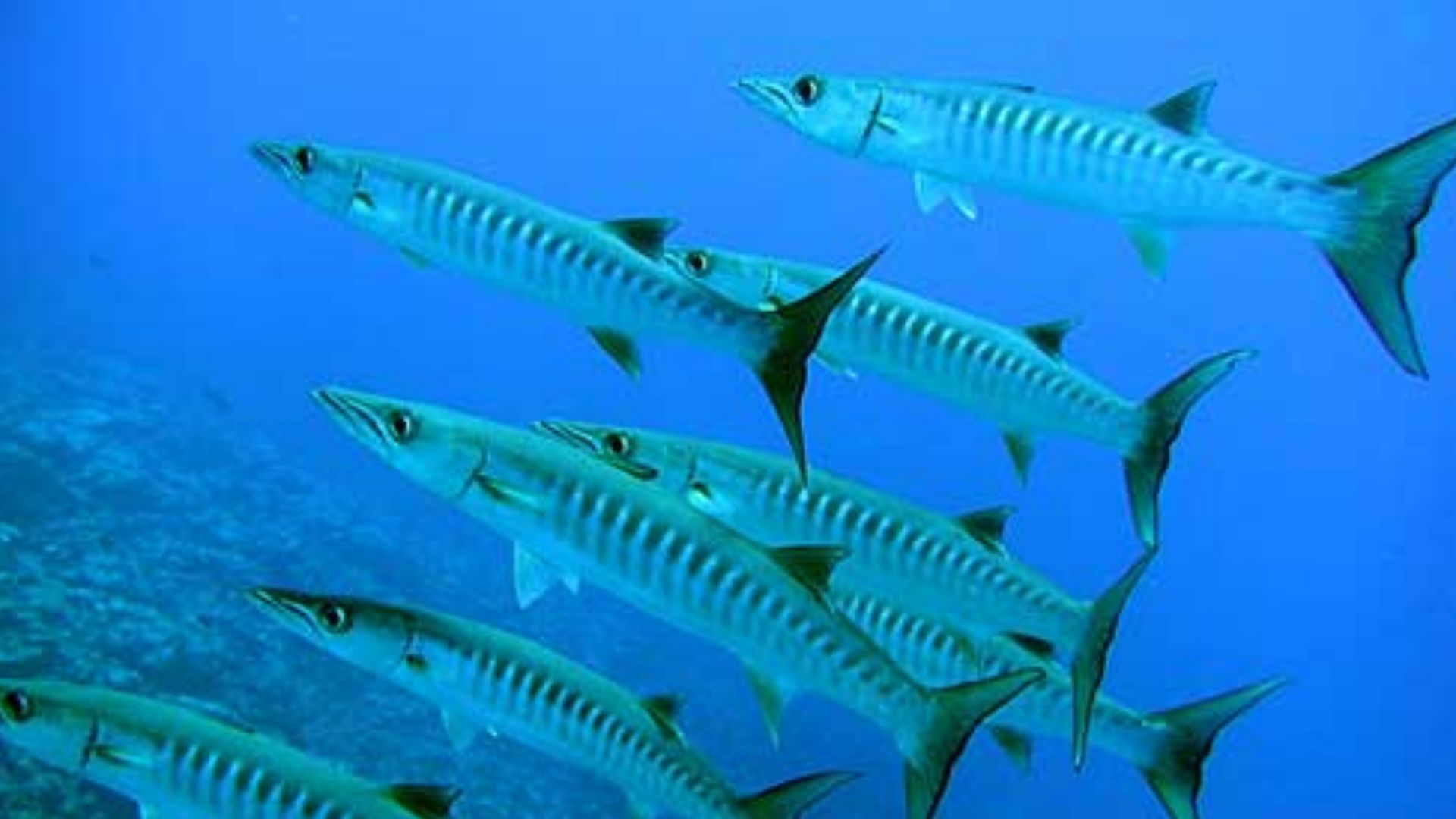 NPS photo - Larry Basch on Wikimedia
9. Marlin – 0.485 ppm
Marlin are powerful sport fish, built for speed and strength. But that muscle mass also holds mercury, especially in large ones. Even though they may excite anglers, they’re far less thrilling on a dinner plate when health is the goal.
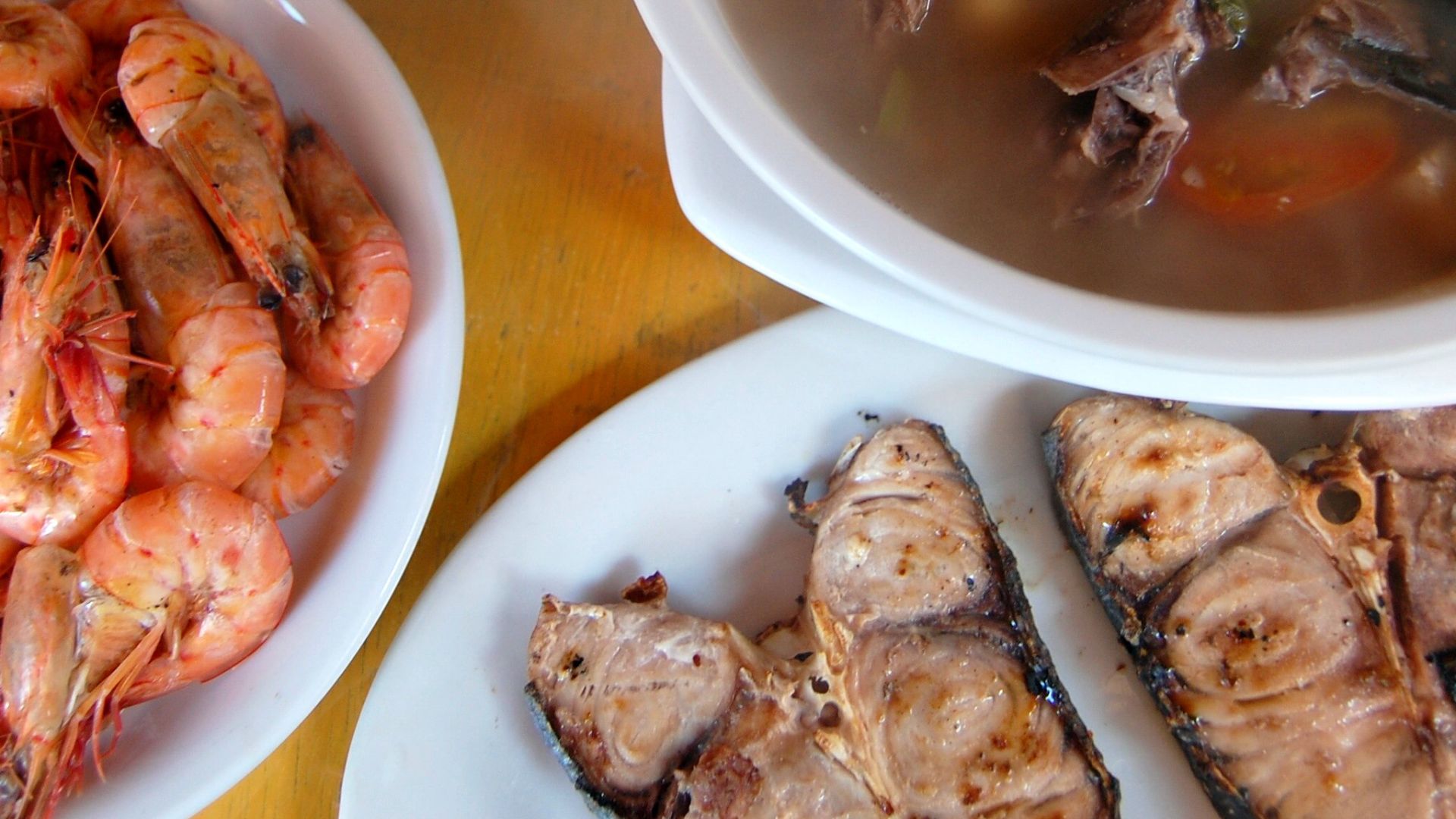 Shubert Ciencia from Nueva Ecija, Philippines on Wikimedia
10. Kingfish (Indian/Australian) – 0.454 ppm
Off the shores of India and Australia, kingfish rule the water with speed and power. Their size and predatory habits make them a favorite among anglers—but that same profile means mercury builds up fast. On the plate, they’re more risk than reward.
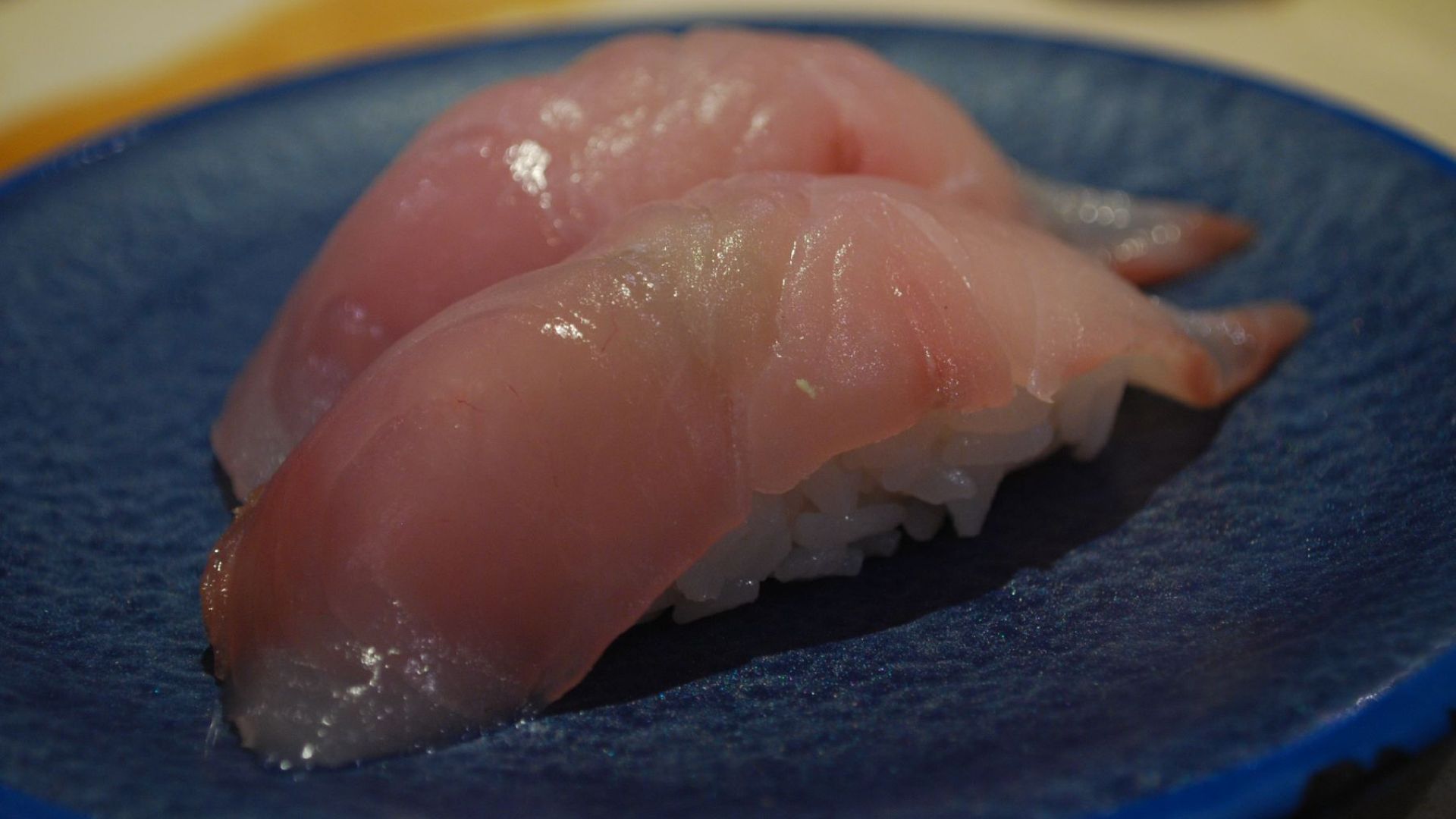 Alpha from Melbourne, Australia on Wikimedia
Next up: seafood that’s low in mercury.
1. Scallops – 0.003 ppm
With rows of tiny eyes and a sweet, delicate taste, scallops bring more than just elegance to the plate. Their low mercury levels and high protein content make them a go-to option for searing, baking, or grilling without second thoughts.
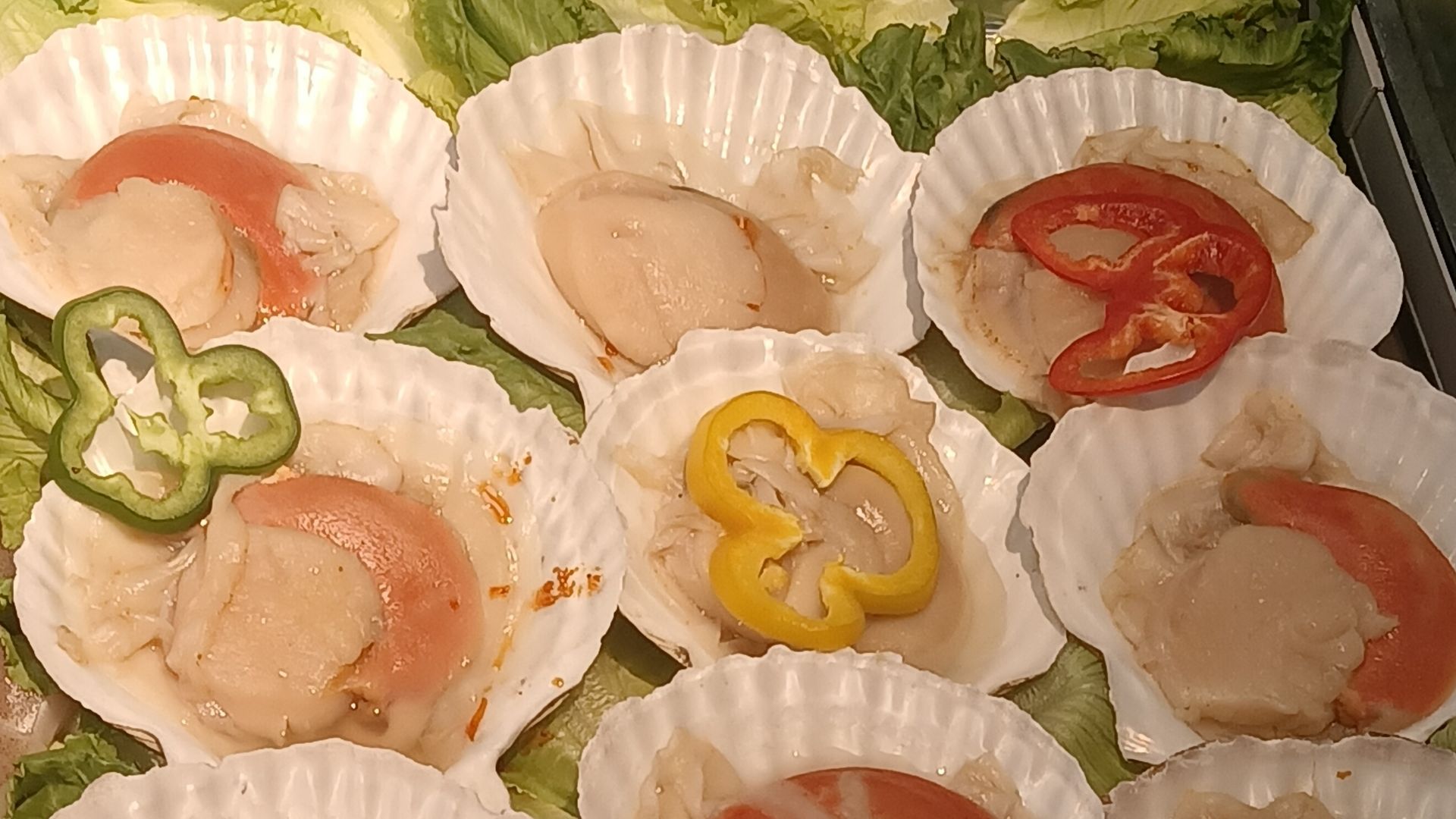 Fumikas Sagisavas on Wikimedia
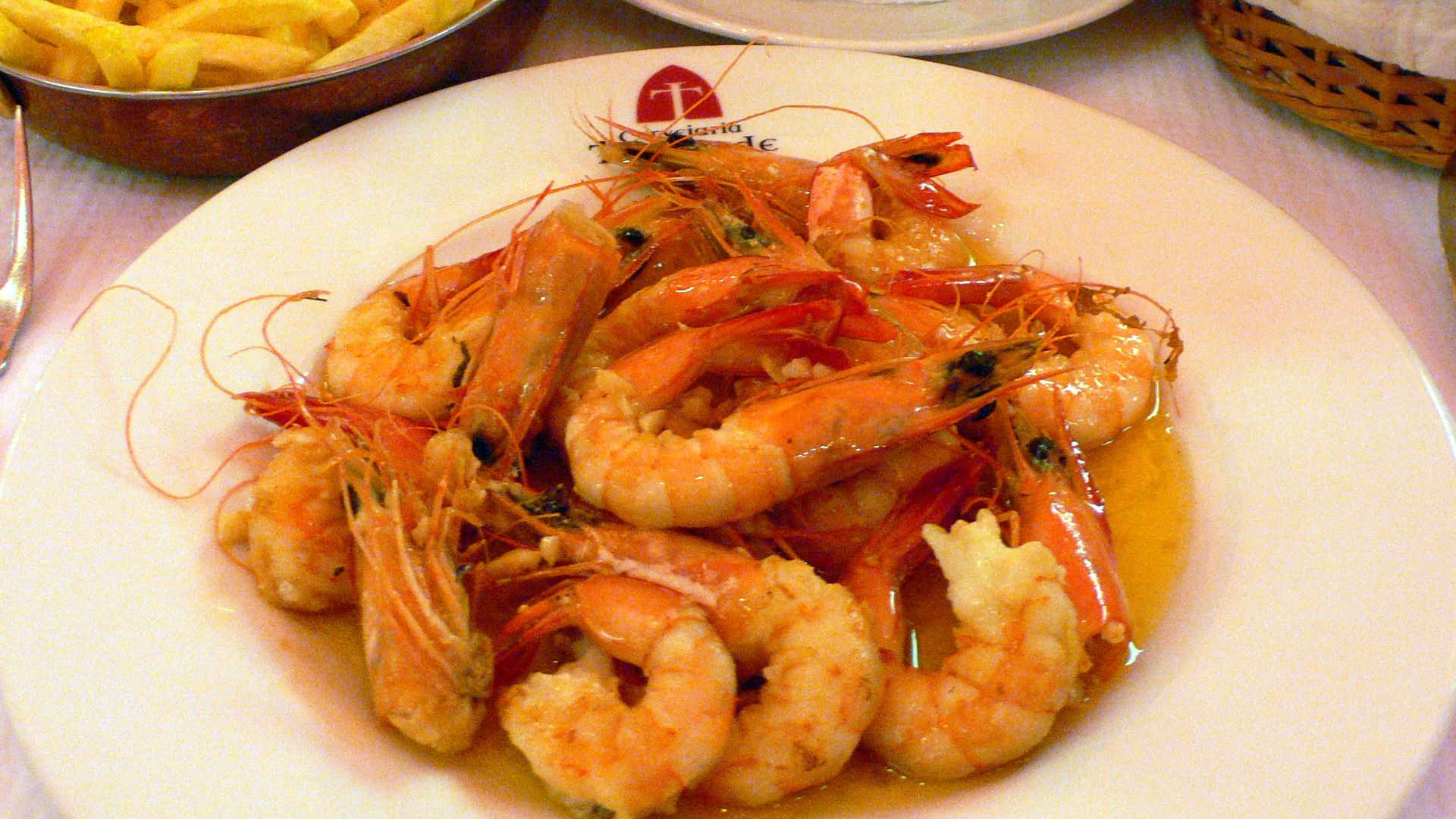
2. Shrimp – 0.009 ppm
Shrimp don’t stay still, and neither does their popularity. Fast-swimming and fast-growing, they barely give mercury a chance to settle in. Whether farmed or wild-caught, shrimp bring protein and iodine to the table with very little baggage.
 Heather Cowper from Bristol, UK on Wikimedia
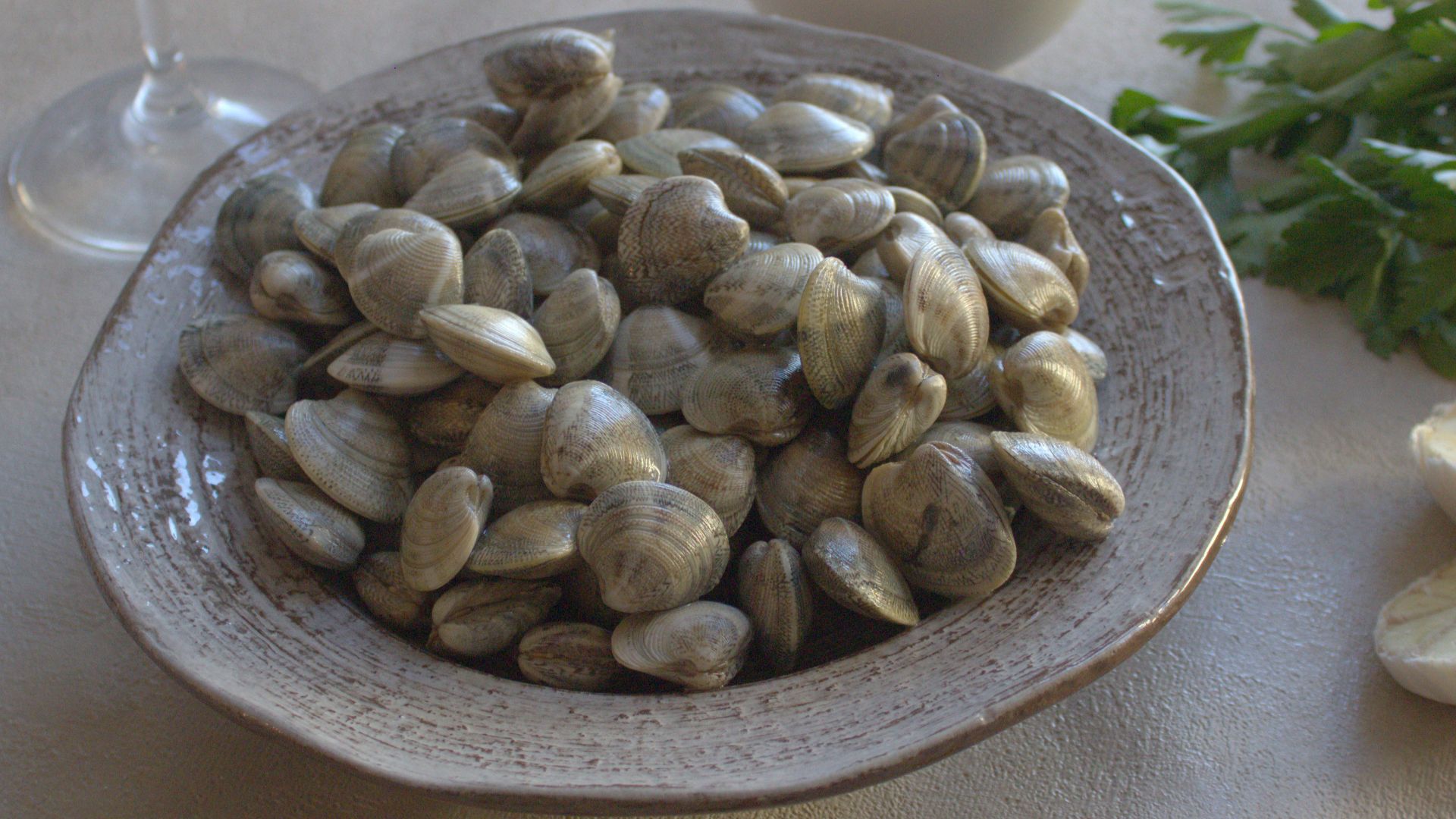
3. Clams – 0.009 ppm
Some clams live for over a century, yet still manage to keep mercury in check. From chowder bowls to steam pots, these small shellfish serve up iron and B vitamins. Clean and packed with nutrients, they’re built for both flavor and safety.
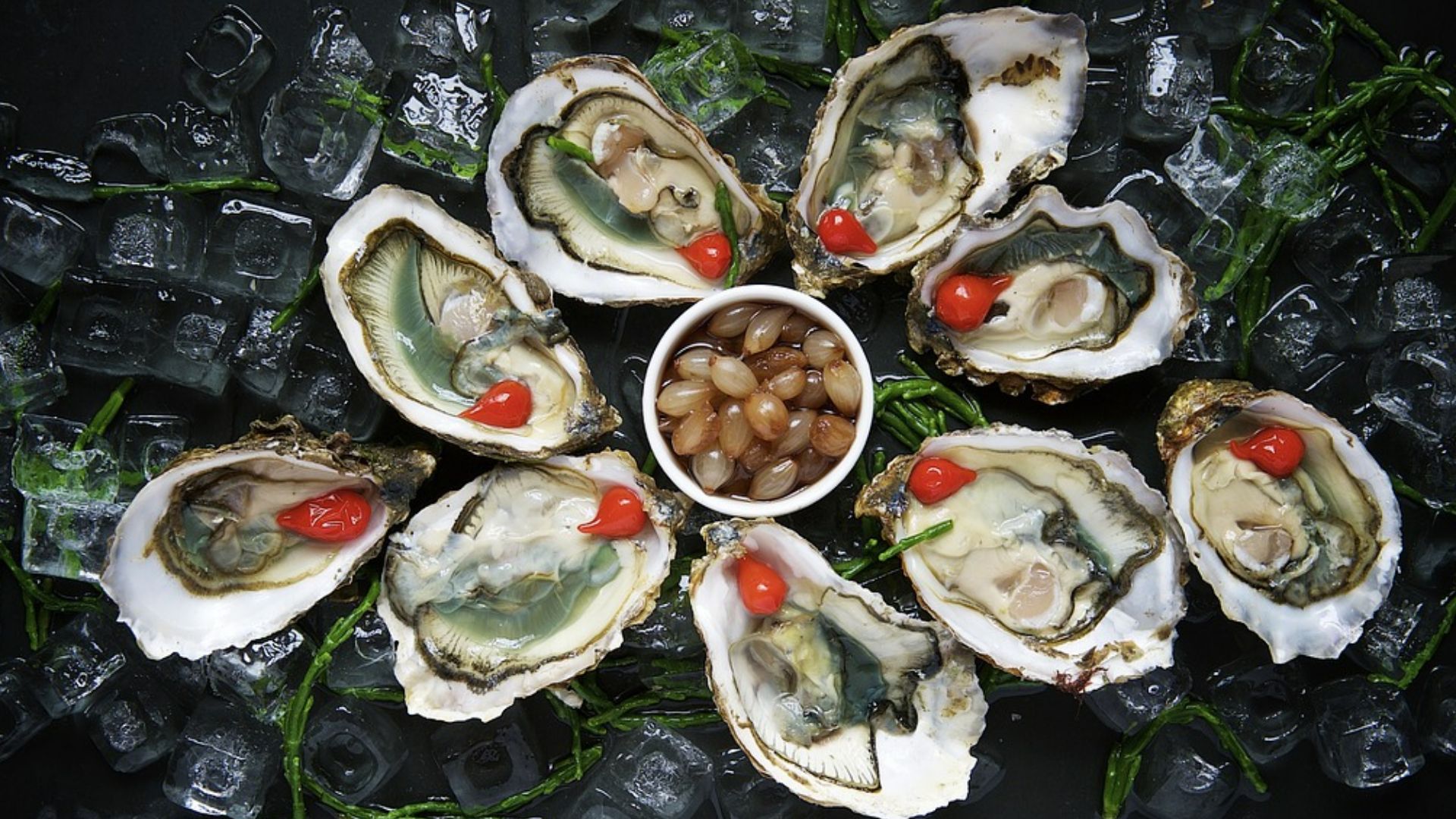
4. Oysters – 0.012 ppm
Oysters play a quiet role in cleaning coastal waters, which helps keep their mercury levels low. They're rich in nutrients like zinc and omega-3s, and their unique biology only adds to their value. Safe and sustainable—they’re hard to beat.
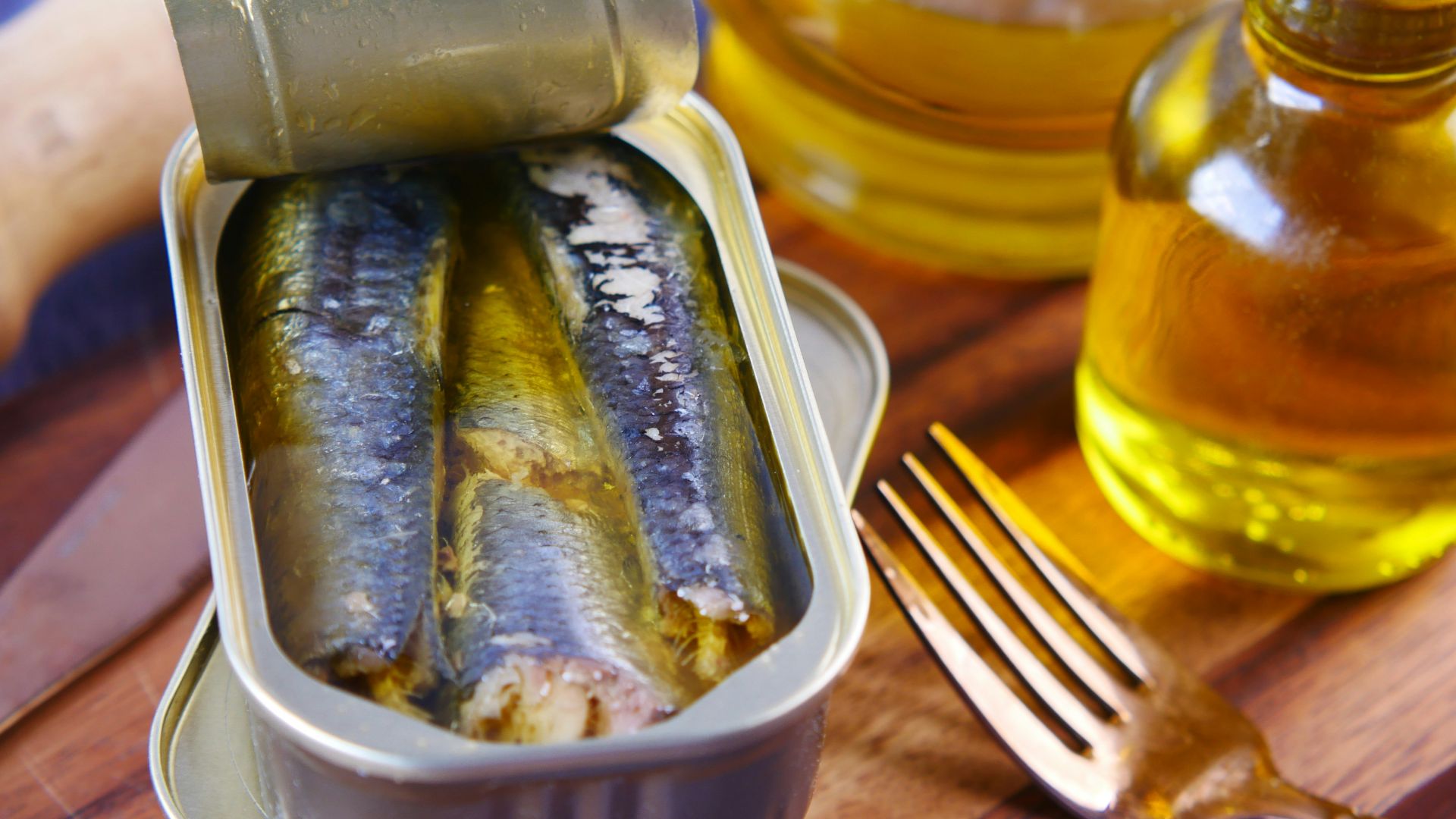
5. Sardines – 0.013 ppm
Bite-sized and bone-in, sardines deliver calcium, vitamin D, and minimal mercury. Their short life span means they don’t hang around long enough to accumulate much. Straight from a can or grilled fresh, they’re an underrated nutritional win.
6. Tilapia – 0.013 ppm
Don’t let the nickname fool you—this “chicken of the sea” doesn’t play around with safety. Tilapia’s fast growth and freshwater lifestyle keep mercury levels low. Its mild flavor makes it a favorite in everything from tacos to baked fillets.
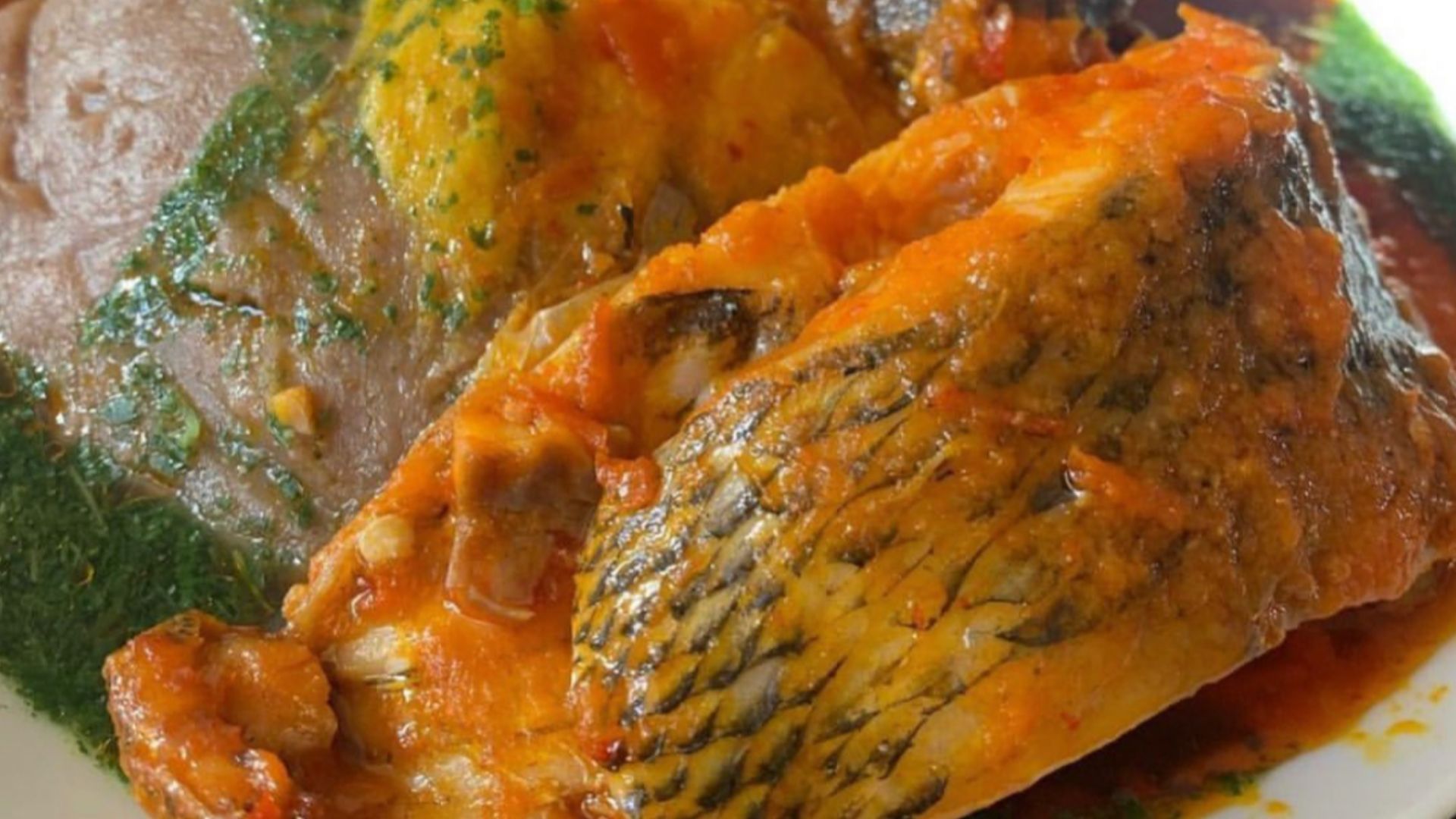
7. Anchovies – 0.016 ppm
No pizza topping works as hard as the anchovy. Small and low on the food chain, it dodges mercury buildup. Packed with omega-3s and protein, it adds punch to sauces and snacks without raising red flags.
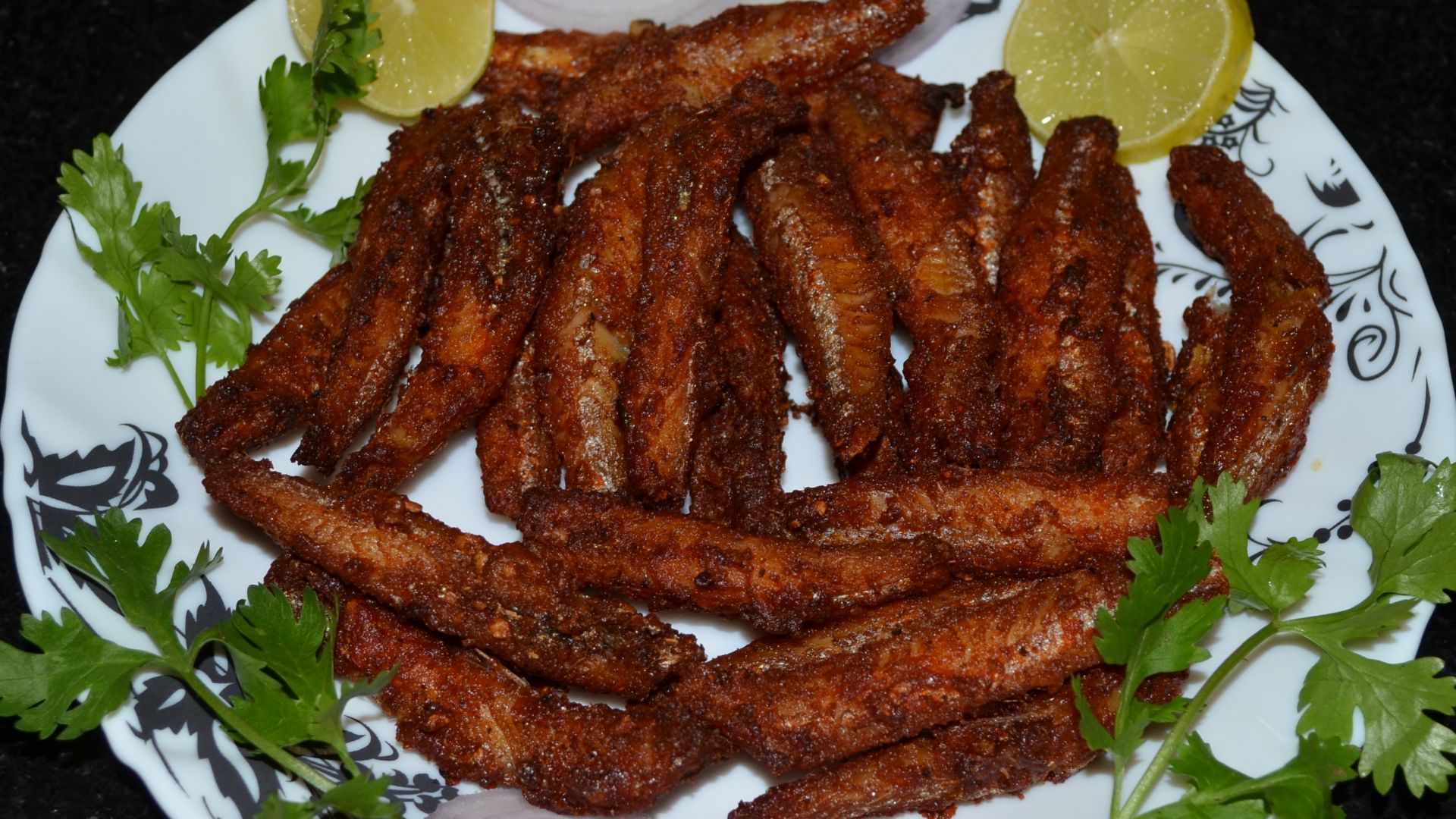
8. Mussels – 0.015 ppm
Mussels don’t just feed—they clean. These filter feeders draw nutrients from the water and leave mercury behind, provided they’re harvested from clean environments. Rich in protein, iron, and B12, mussels cling to rocks but fit beautifully onto any dinner plate.
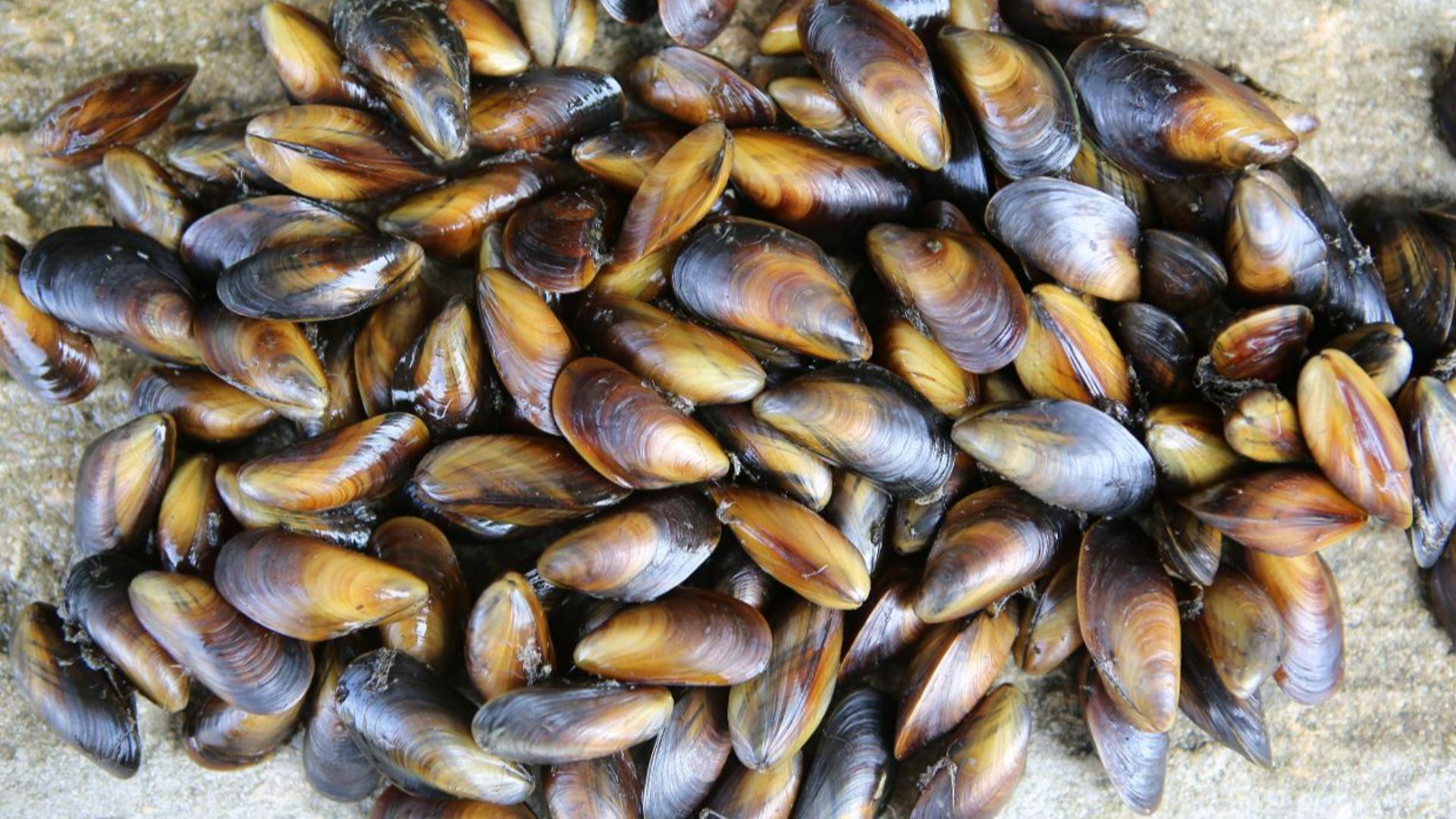
9. Salmon (Wild Or Farmed) – 0.022 ppm
Thousands of miles of migration don’t weigh salmon down with toxins. Its low position on the food chain keeps mercury in check. Farmed or wild, it’s a heart-healthy powerhouse loaded with protein and omega-3s that doesn’t compromise your safety.
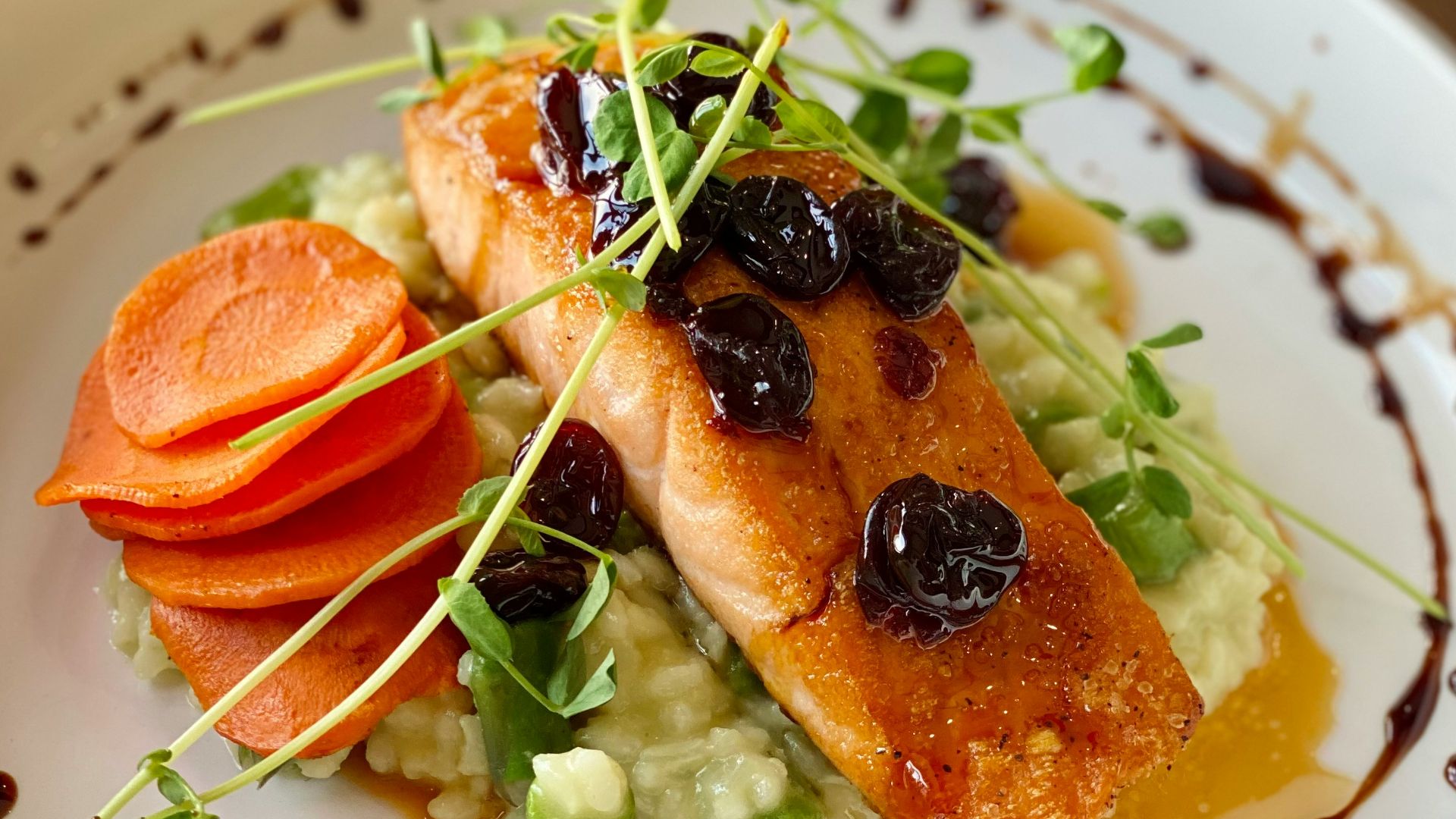
10. Catfish – 0.024 ppm
Barbels help catfish “taste” their muddy world, but what ends up on your plate is reliably clean. Raised in freshwater farms across the U.S., catfish offers lean protein, low fat, and very little mercury to worry about.
KEEP ON READING


20 Ways to Deal With Your Sweet Tooth

20 Low-Impact Exercise Ideas For People Over 50