The Science Of Putting Things Off
Most people think procrastination only wastes time, but its real cost shows up in the body. Stress lingers longer than it should, and energy slowly drains away. These changes happen slowly, which makes them easy to overlook. Once you see how procrastination impacts physical well-being, the habit becomes harder to justify. Before learning how to stop it, take a closer look at what it’s doing to your health behind the scenes.
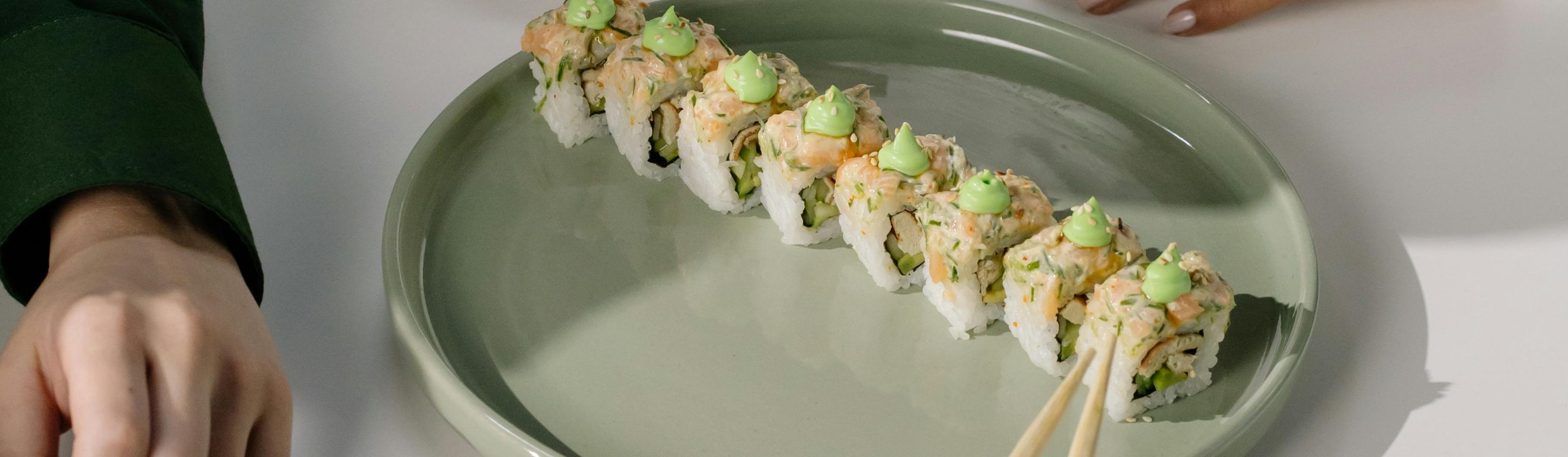
 Antoni Shkraba Studio on Pexels
1. Chronic Elevation Of Cortisol
If you keep putting things off, your body pumps out cortisol like it's preparing for danger. This stress hormone is supposed to rise in the morning and fall at night. But procrastination keeps it elevated all day long, which throws your entire system out of balance.

2. Increased Reliance On Substances For Self-Medication
People often reach for quick fixes when stress becomes too much to handle alone. What starts as occasional relief can turn into a pattern that's hard to break. When stress is high constantly, temporary solutions start looking more appealing than addressing the real problem.

3. Increased Blood Pressure And Cardiovascular Strain
Stress from procrastination puts your heart through unnecessary workouts throughout the day. Your body keeps triggering its emergency response system, which raises blood pressure and heart rate repeatedly. Over time, this constant strain wears down your cardiovascular system in ways you can't see.

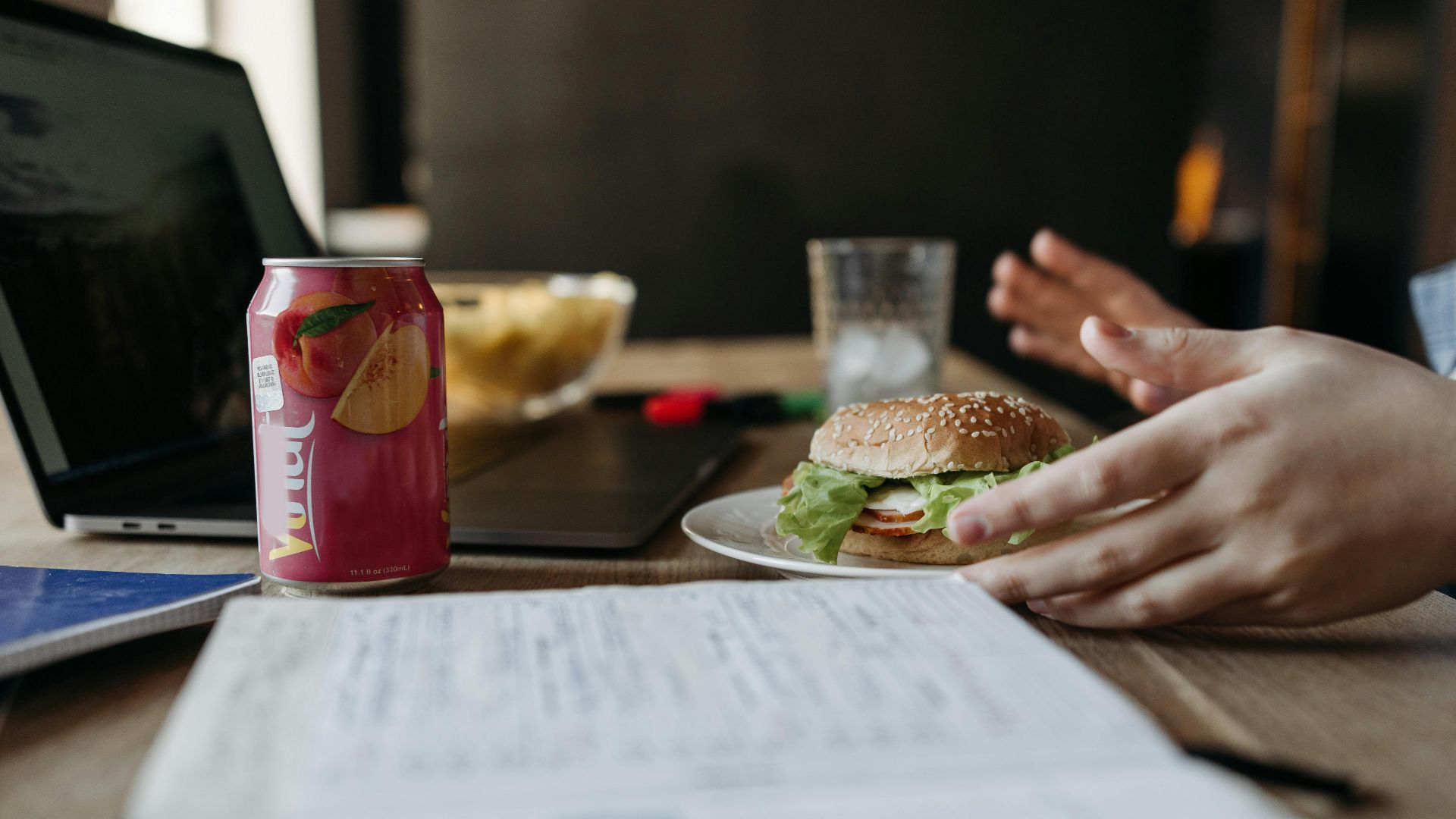
4. Poor Nutritional Choices And Meal Skipping
Running out of time means grabbing whatever's fastest, not what's actually good for you. Skipped meals lead to energy crashes that make focusing nearly impossible. You end up choosing convenience over nutrition because procrastination left you with no better options available.
5. Reduction In Physical Activity And Exercise Frequency
Exercise is always the first thing to go when you're suddenly buried under delayed tasks. You sit there feeling guilty instead of moving, and sedentary habits take over quickly. Your joints, muscles, and heart need regular movement—sitting around worrying doesn't count as self-care.

6. Triggering Of Systemic Inflammation
Long-term stress affects more than mood; it disrupts immune function throughout the body. The hormones involved interfere with inflammation regulation, and because the nervous and immune systems work together, stress can unsettle both systems at the same time.

7. Persistent Muscle Tension And Bracing
Your shoulders creep up toward your ears. Then, stress locks your neck, jaw, and back into tight positions that eventually become painful. Most people walk around holding tension they don't realize exists until it really starts hurting.

8. Disruption Of The Brain-Gut Axis And Digestion
The stomach knows when you're stressed before your brain fully admits it to itself. Anxiety changes your appetite, causes discomfort, and slows down digestion in noticeable ways. The nervous system and gut are closely linked, making emotional stress frequently show up as digestive problems.

9. Reduced Respiratory Efficiency (Shallow Breathing)
Stress makes you breathe like you've just run a marathon, even while sitting still. Lungs don't expand fully, which means less oxygen reaches where it needs to go. But the good news is that slowing down your breathing can flip your body into relaxation mode almost instantly.

10. Reduced Sleep Quality
Unfinished tasks follow you to bed and refuse to let your mind rest peacefully. Your brain needs deep sleep to repair itself, but stress keeps interrupting those vital stages. The result? You wake up feeling tired, no matter how many hours you spent lying there.

Now that the physical effects are clear, the next step is learning how to interrupt the habit before it causes further damage. Let’s move into practical ways to stop procrastinating.
1. Break Tasks Into Micro-Steps
Huge projects feel impossible to start, but tiny steps feel manageable even on your worst days. Breaking things down removes the mental block that keeps you frozen in place. Each small win builds momentum, and suddenly you're actually making progress.
2. Use The 2-Minute Rule
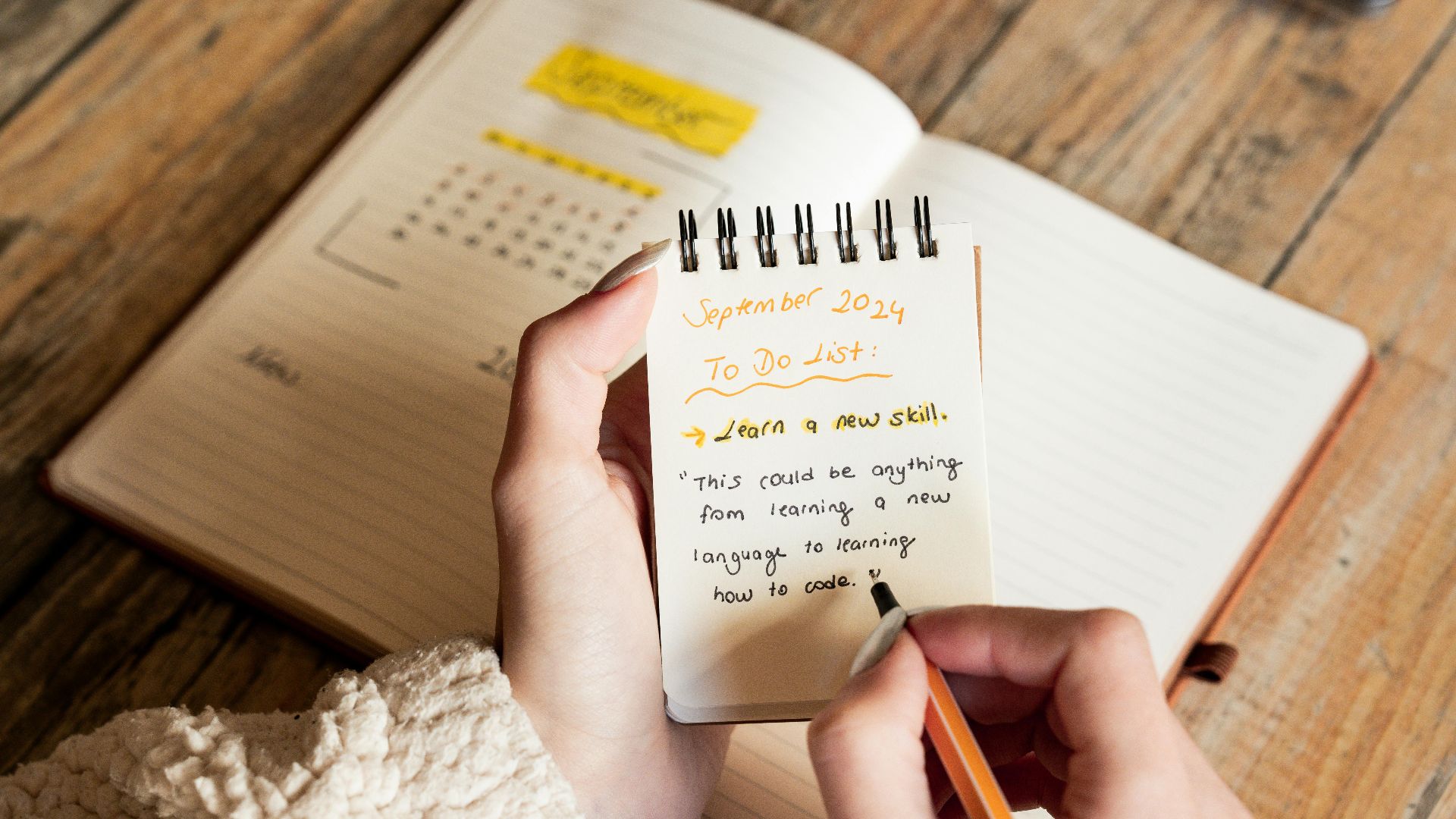
Most tasks take way less time than your brain convinces you they will beforehand. Once you start, continuing feels easier than the dread you felt while avoiding it. Remember: The hardest part is always just beginning.

3. Implement Time-Blocking
If you assign specific time slots to tasks, you stop wasting energy deciding what to do next. Blocking out your day reveals how much time you actually have versus how much you thought. You'll probably find pockets of time you didn't know existed before.

4. Apply The Pomodoro Technique
Work in focused bursts with breaks in between to keep your brain fresh throughout the day. This method stops you from overthinking or delaying because the timer creates natural boundaries. Tasks also feel manageable this way.

5. Practice The "Eat The Frog" Method
Tackle your hardest task first thing when your energy and focus are at their peak. Getting the worst part done early removes the weight hanging over your entire day, and every other task feels lighter.

6. Eliminate Distractions Proactively
Remove temptations before you start so you're not constantly fighting the urge to check something because even a quick distraction can throw you off for several minutes longer than you'd think. Fewer interruptions mean you finish things on time.

7. Set Clear, Specific Deadlines
"Eventually" never arrives, but "Tuesday at 3 PM" creates real pressure to actually do something. Specific deadlines turn vague intentions into concrete commitments you can't easily ignore, and writing them down makes them feel official.

8. Use Accountability Partners
Telling someone about your goals makes you way more likely to follow through on them. Nobody wants to admit they accomplished nothing when someone asks for an update. This works even if you're both working on completely different things.

9. Visualize Future Consequences
Picture what happens if you keep avoiding what needs to get done right now. Thinking through real consequences makes delay feel less appealing when you connect today's choices to tomorrow's reality. Your brain treats vivid mental images surprisingly similarly to actual experiences.

10. Reward Yourself After Completion
Give yourself something to look forward to after finishing tasks, big or small. Rewards train your brain to associate completion with positive feelings instead of just relief. Even anticipating the reward helps you focus better while you're actually working.