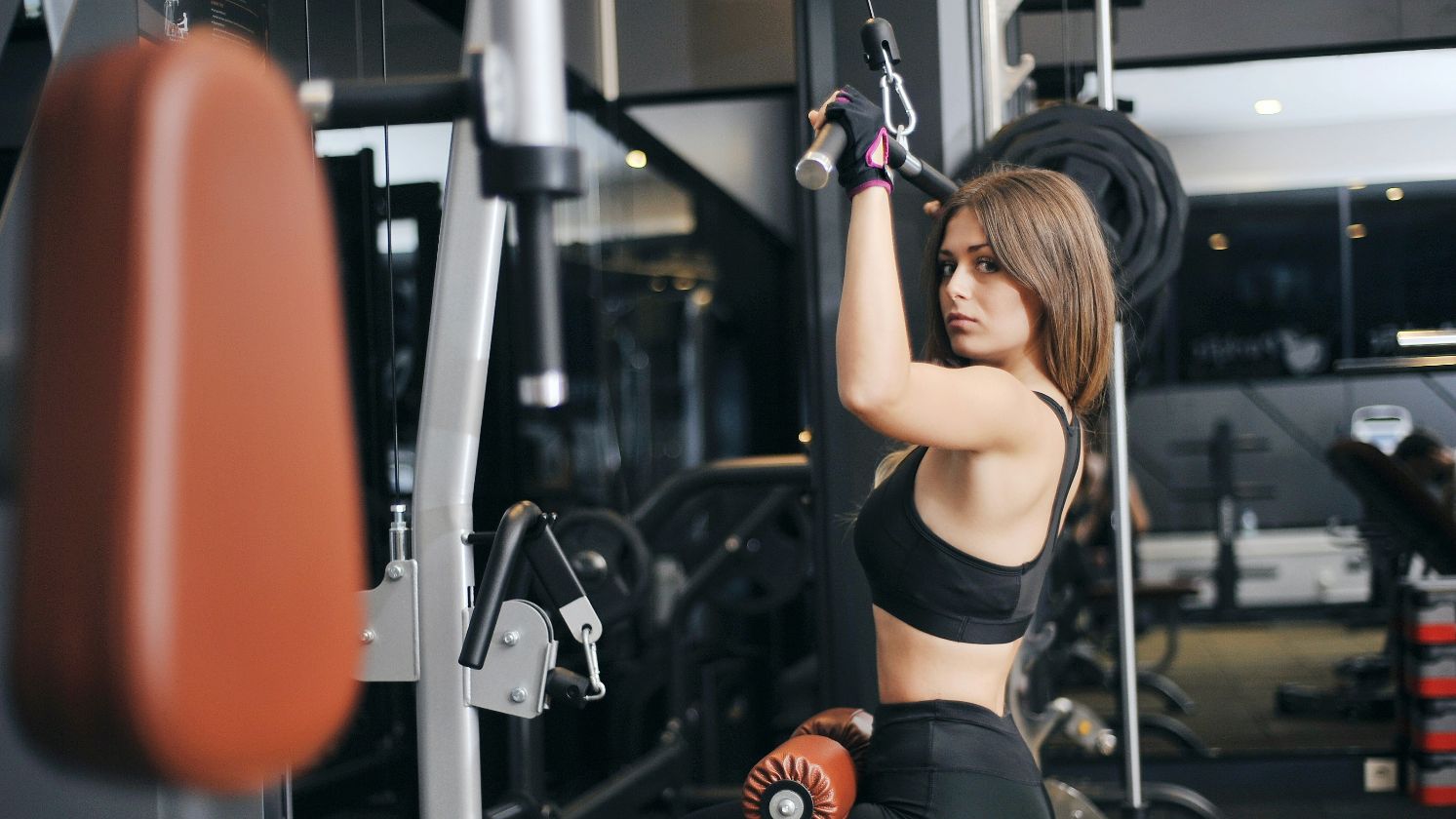
Plan Your 2026 Fitness Journey Using These Workout Tips That Make Your Life Easier
Consistency Over Perfection
Getting fit in 2026 doesn't require complicated plans or expensive programs. You just need strategies that fit into your actual life. Think scheduling tricks, accountability hacks, and recovery methods that work when you're exhausted. Let's look at practical approaches that remove barriers instead of adding them. After all, real consistency comes from making fitness easier, and these tips do exactly that.

1. Set A Fixed Workout Time In Your Daily Calendar
Decision fatigue is real, and it's killing your gains before you even start. Calendars help prioritize fitness alongside other commitments, treating your workout like the important meeting it actually is. Scheduling workouts is said to increase consistency.

2. Prepare Your Gym Clothes The Night Before
Some people sleep in workout clothes to guarantee morning exercise—extreme, maybe, but it illustrates an important truth about human psychology. Visual cues remind you of your fitness goals the moment you wake up. Laying out clothes removes morning obstacles.

3. Track Workouts In A Simple App Or Journal
Logs highlight strengths and weaknesses you'd never notice otherwise. These reveal patterns in your performance that feel invisible in the moment. Recording sessions boosts accountability—there's no lying to a journal that clearly shows you skipped leg day three weeks straight.

4. Start With Just 10 Minutes If Motivation Is Low
Even brief workouts improve circulation, which matters more than people realize when you're trying to build a sustainable habit. Short sessions reduce mental barriers because ten minutes sounds laughably easy compared to an hour-long commitment. Small starts often lead to longer sessions.

5. Pair Workouts With Your Favorite Podcast Or Playlist
Rhythmic beats improve exercise pacing in ways that silence simply cannot match—your body naturally syncs to tempo. Entertainment is believed to reduce perceived effort, making brutal sets feel almost manageable when you're distracted by a gripping true crime podcast.

6. Find An Accountability Partner For Regular Check-Ins
Shared progress builds motivation through competition, encouragement, and the simple fact that someone else knows your goals. Many marathon runners train in pairs to stay consistent, and partners increase commitment to goals by turning solitary suffering into a shared experience.

7. Reward Yourself After Completing A Week Of Sessions
Celebrating progress prevents burnout when the novelty wears off, and discipline becomes your only fuel source. Some people use new workout gear as milestone rewards, creating positive feedback loops their brains can't resist. Rewards reinforce positive habits through basic behavioral psychology.

8. Use Progressive Overload By Increasing Weight Gradually
Safe progression reduces injury risk while still pushing your limits—the balance every lifter must find. Apparently, ancient Greek athlete Milo trained by lifting a growing calf daily, proving this principle worked before science even explained why. Overload prevents plateaus in strength.

9. Warm Up With Dynamic Stretches Before Every Session
Stretching reduces injury risk more effectively than any other five-minute investment you'll make in the gym. Soccer teams worldwide use dynamic warm-ups before matches, and there's a reason professionals never skip this step despite time pressure.

10. Focus On Proper Form Using Mirrors Or Recordings
Good form prevents injuries that could sideline you for months. This is the difference between sustainable progress and frustrating setbacks. Recordings allow review and correction when you're not mid-set and gasping for air, giving you objective feedback your fatigued brain can't provide.
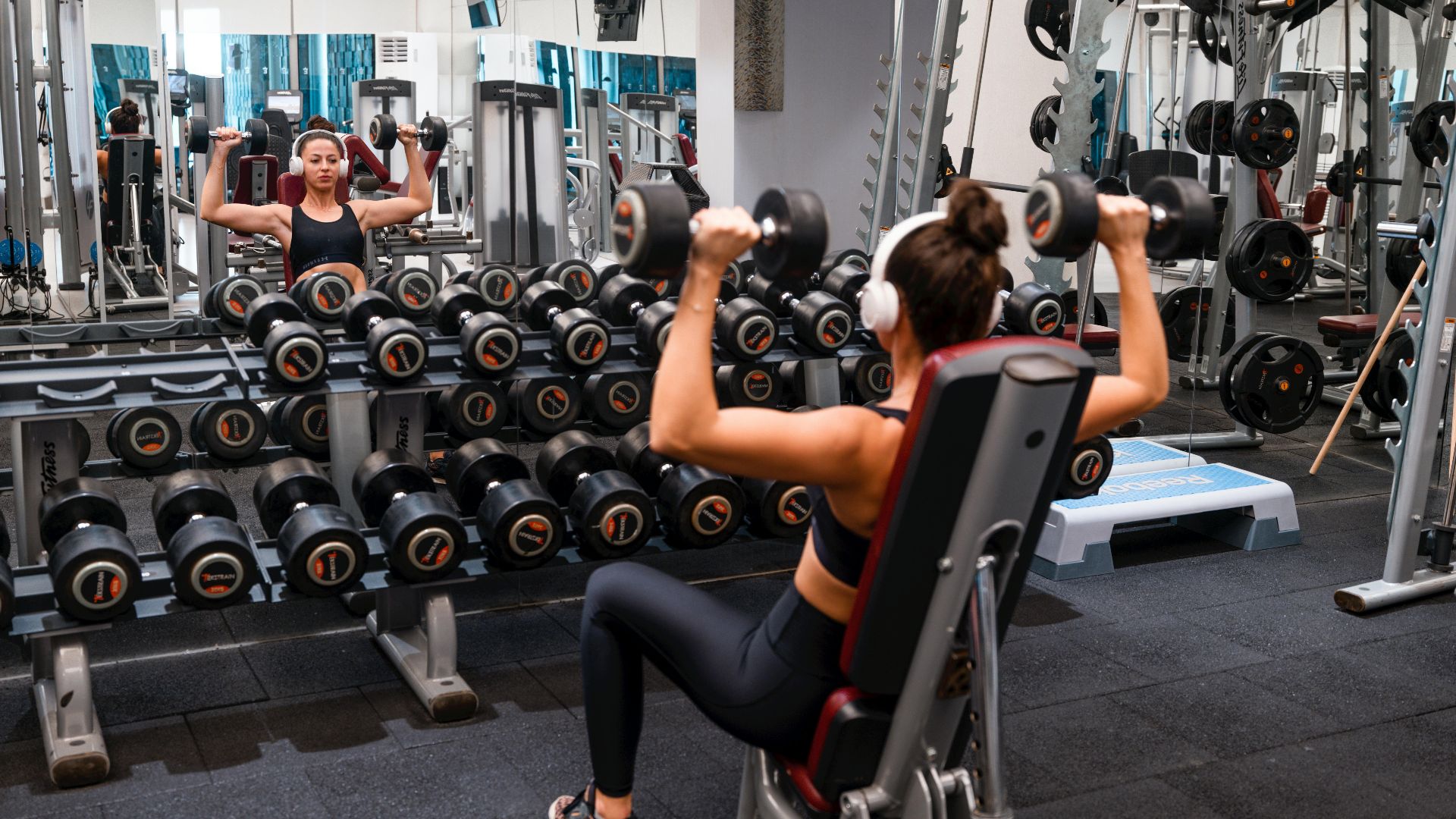
11. Drink Water Before, During, And After Training
Ancient athletes drank diluted wine as a hydration method, which sounds absurd until you realize they grasped something essential about performance and fluid intake. Your body temperature regulation depends entirely on having enough water circulating through your system.
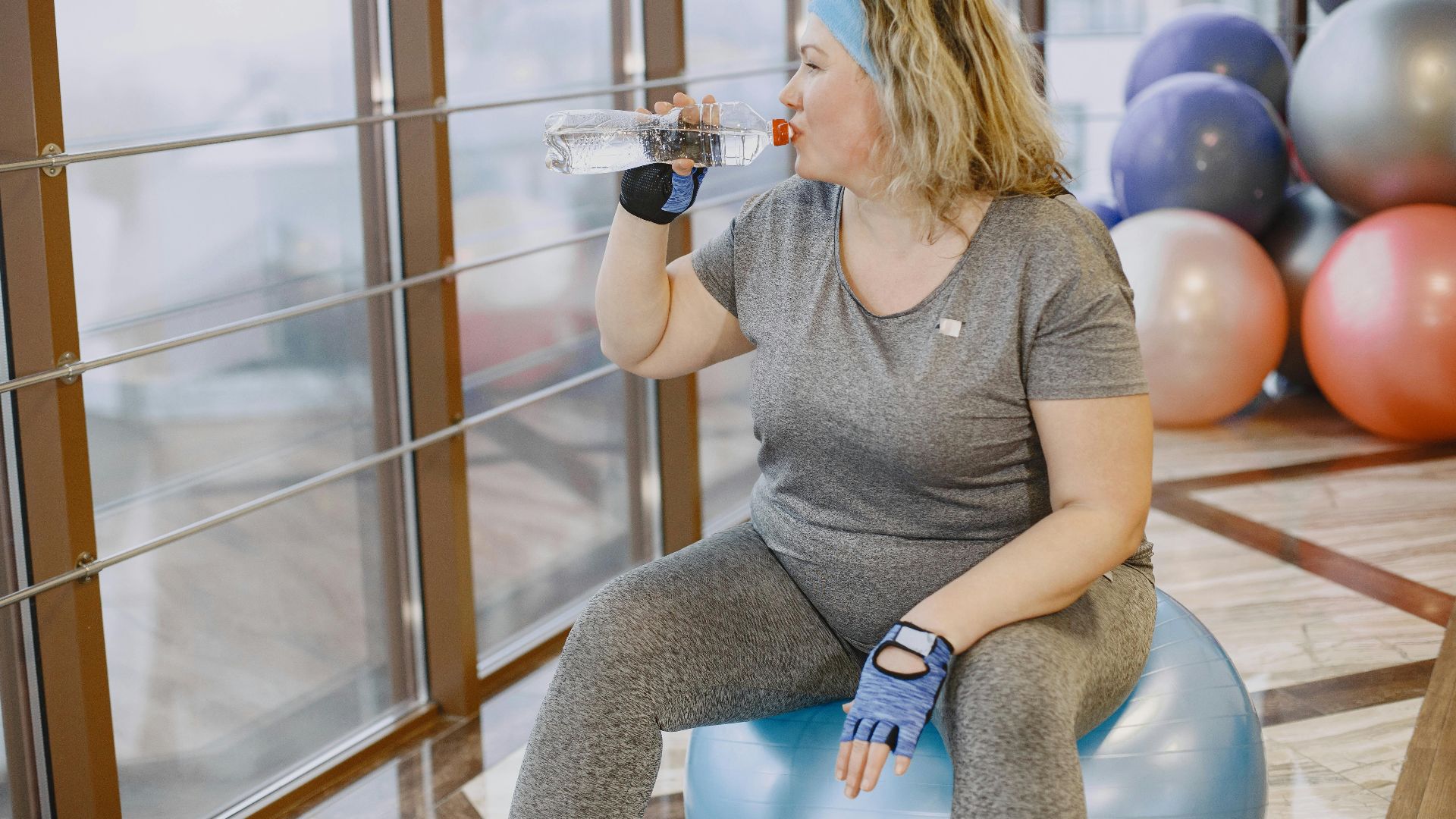
12. Schedule Rest Days To Prevent Burnout
Even elite athletes include rest days in training cycles, which should tell you something about the people who brag about never taking breaks. Muscles don't actually grow while you're lifting—they grow during the repair process that happens when you're sleeping.

13. Eat Protein-Rich Meals Within Two Hours Post-Workout
Chocolate milk is a popular recovery drink among athletes. Well, it combines the perfect ratio of carbs and protein in a convenient package that tastes way better than chalky supplements. Your muscles are essentially starving after you've broken them down during training.
 American Heritage Chocolate on Unsplash
14. Prioritize Sleep To Support Muscle Recovery
Did you know that LeBron James sleeps up to 12 hours for recovery? He treats his rest schedule with the same discipline most people reserve for their actual training sessions. Growth hormone floods your system during deep sleep cycles and repairs tissue damage.

15. Join A Beginner-Friendly Group Class Monthly
There's something about shared suffering that makes brutal workouts feel almost enjoyable. Zumba classes became a global fitness trend through group participation, proving that sometimes the secret ingredient to fitness success is just other humans sweating alongside you.

16. Set Specific, Measurable Strength Goals
Powerlifters often set yearly strength benchmarks for competition, giving themselves concrete targets instead of vague aspirations about "getting stronger" someday. Vague outcomes are the enemy of progress because your brain needs clear finish lines to stay motivated.
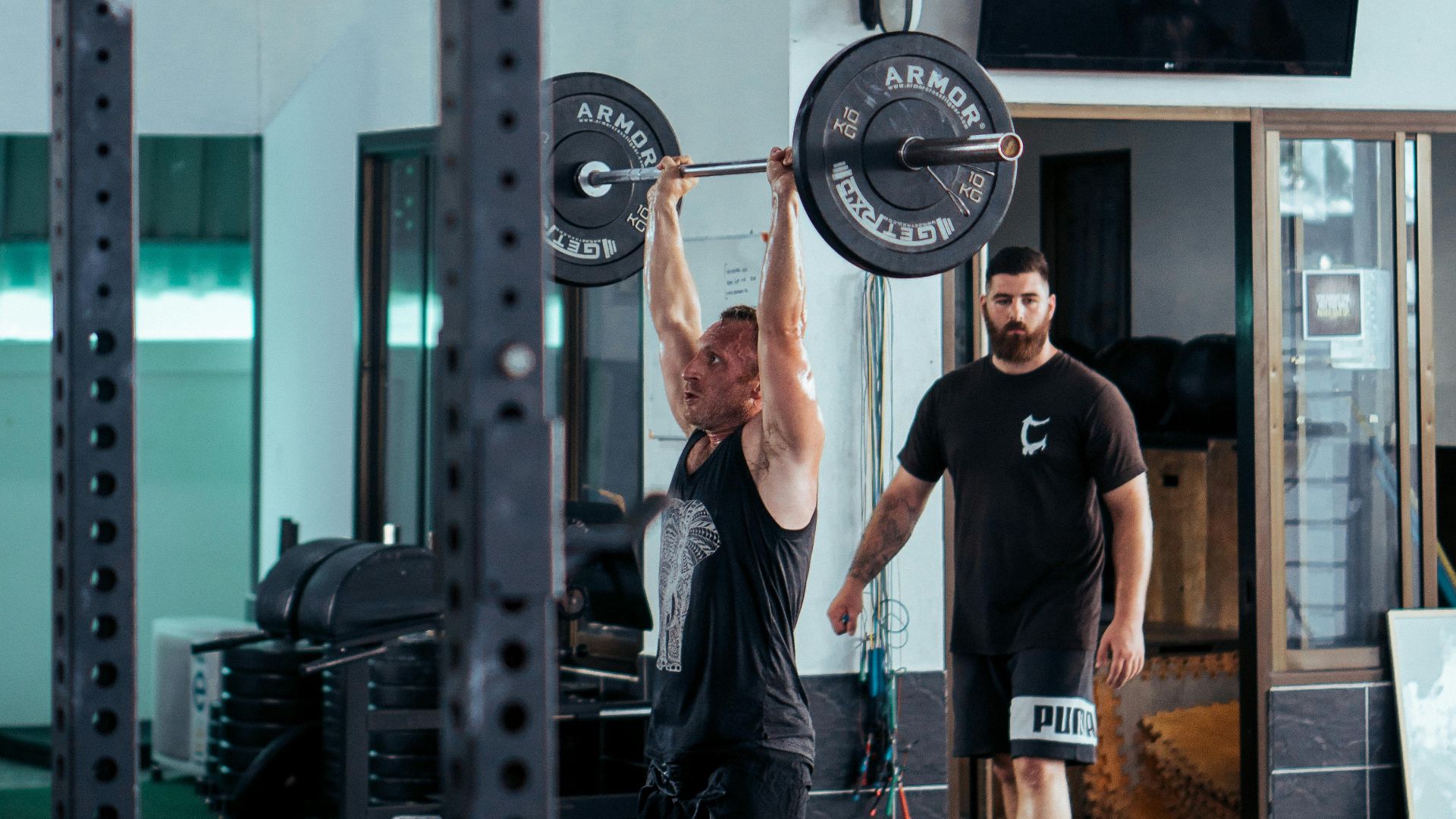
17. Incorporate Variety By Changing Routines Every 8 Weeks
CrossFit thrives on constantly varied routines, building an entire fitness empire on the principle that repetition breeds stagnation and boredom. Your muscles are surprisingly smart, as they adapt quickly to whatever stress you throw at them.
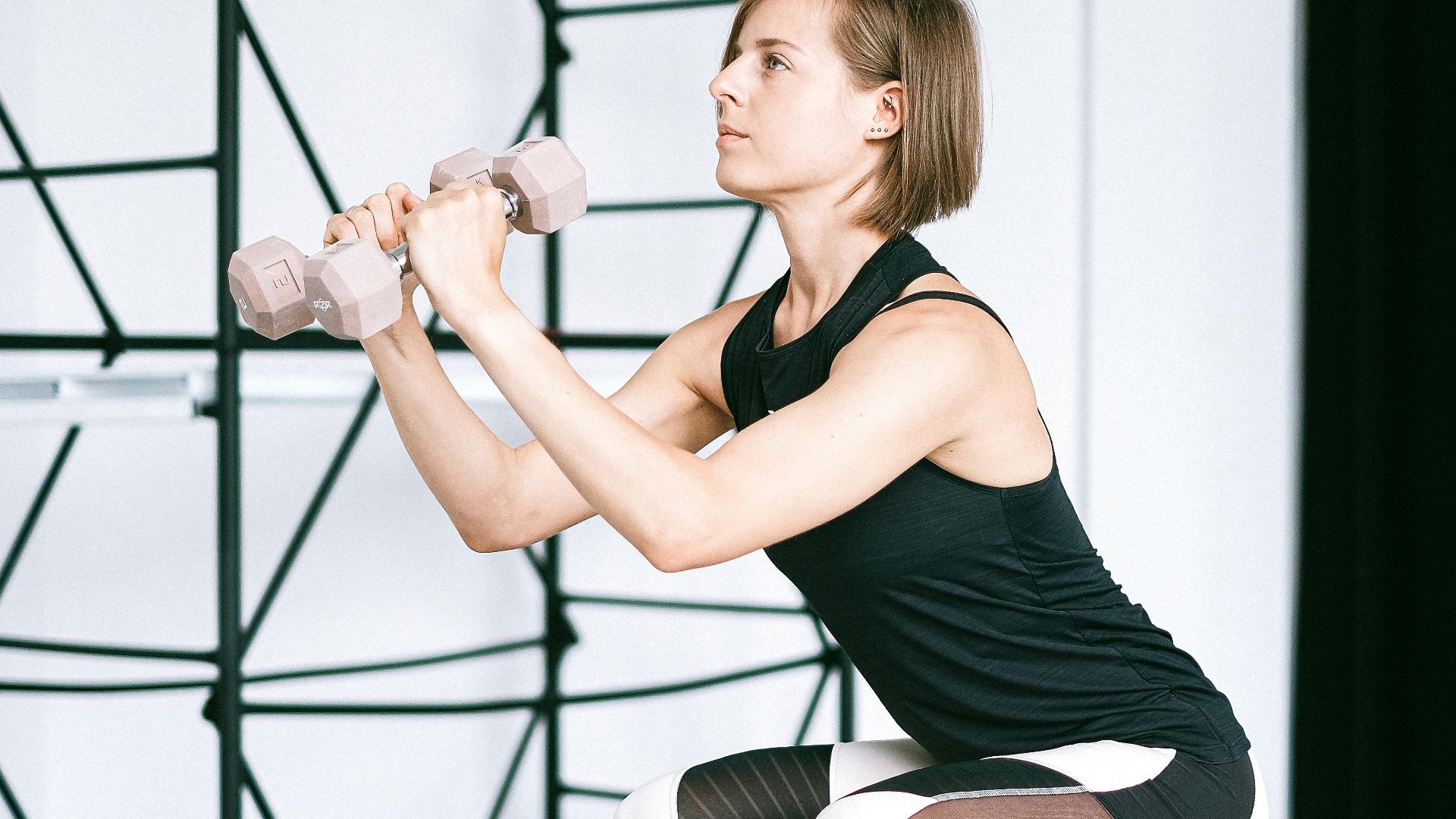
18. Use Habit Stacking By Linking Workouts To Existing Routines
Many people pair workouts with morning coffee as a trigger, creating an automatic chain where one behavior naturally leads to another without conscious effort. Your brain loves patterns and shortcuts, which is exactly why linking habits increases consistency far more effectively.

19. Visualize Success Before Starting Each Session
It is said that positive imagery reduces anxiety. At the same time, visualization improves confidence, priming your brain and body for success before you even touch your first weight or take your first stride. Olympic athletes use visualization before major events.
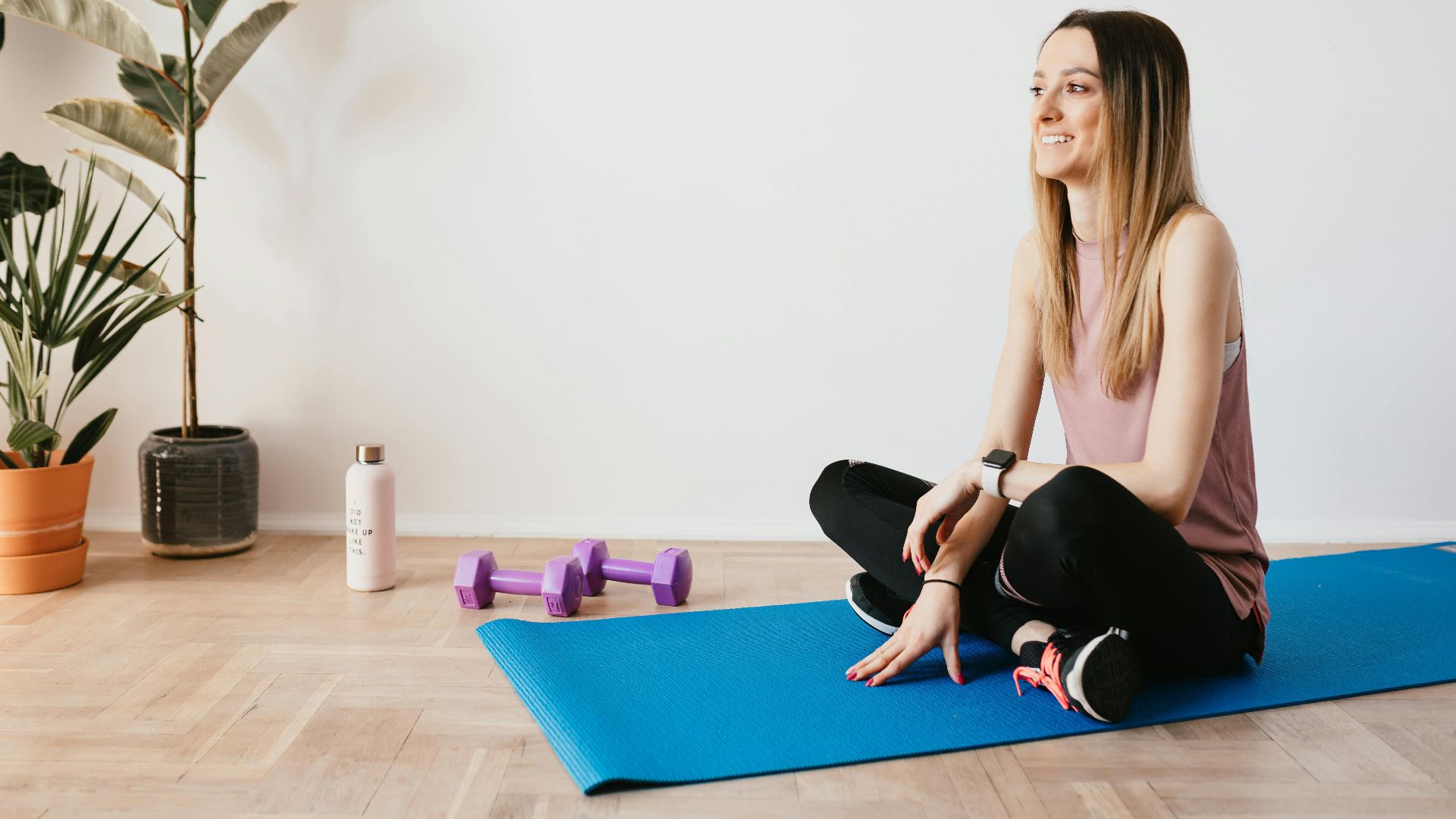
20. Keep A Clean, Dedicated Home Workout Space
Minimalist home gyms are trending for convenience and clarity. These places reject the cluttered chaos that makes finding your resistance bands feel like an archaeological dig. Your environment shapes your mindset more than you probably realize.