
10 Signs You’re Losing Muscle & 10 Things You Can Do About It
When Your Body Starts Quietly “Downsizing” Muscle
Muscle loss can sneak up on you because it doesn’t always look dramatic at first. Sometimes it’s just feeling weaker, getting tired sooner, or noticing daily tasks take more effort than they used to. The good news is that muscle is responsive tissue, and with the right habits, you can often slow loss down and build strength back up. Here are 10 signs you might be losing muscle and 10 practical moves that can help.

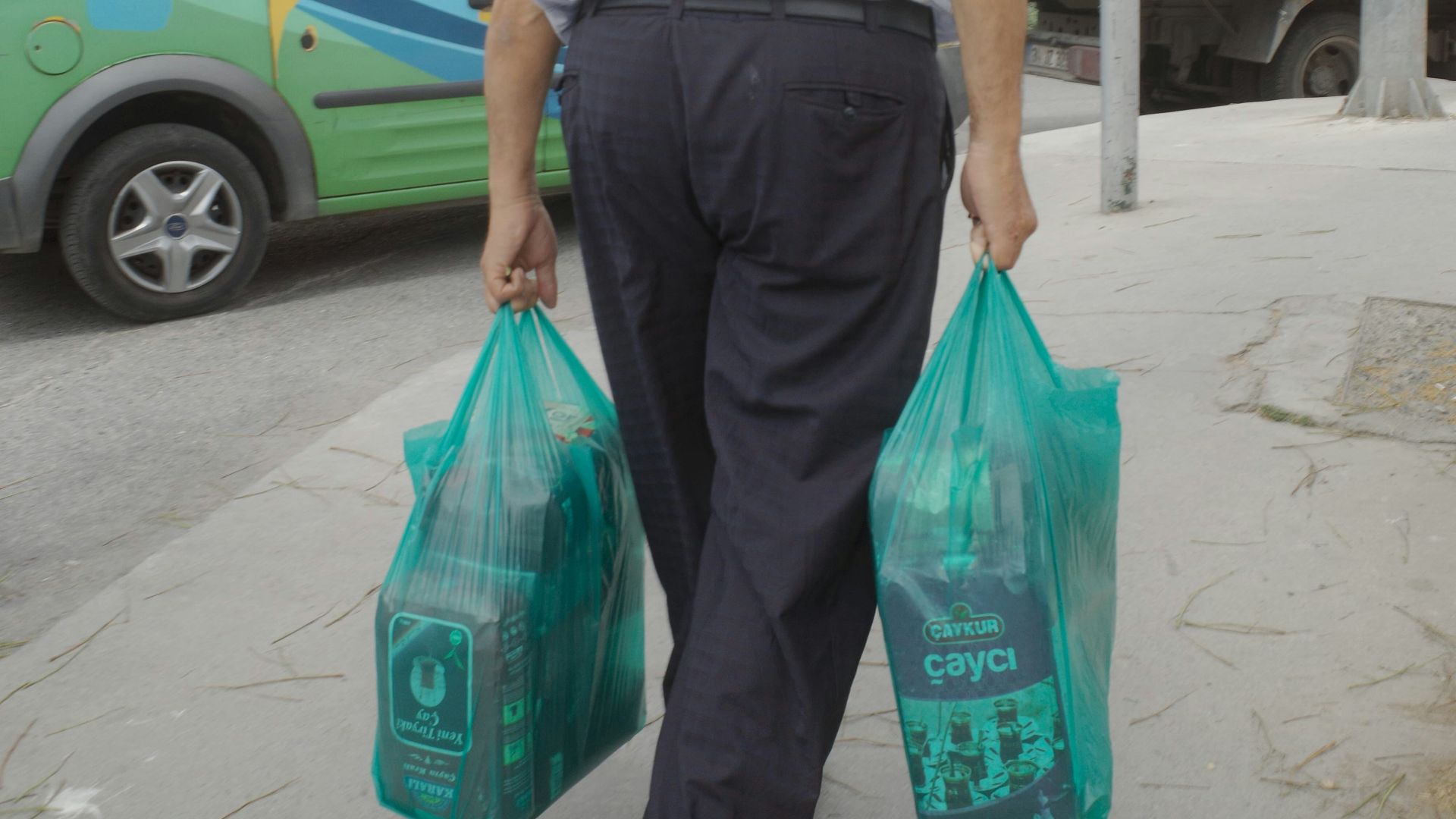
1. You’re Weaker at Basic Tasks
If carrying groceries, opening stubborn jars, or moving furniture suddenly feels harder, your strength may be slipping. Muscle loss often shows up first as reduced strength rather than a visible change in size. A common hallmark is simply feeling “not as strong as you were” in everyday life.
2. Stairs Feel Like a Bigger Deal
Needing more breaks on stairs or avoiding them altogether can be an early functional clue. Difficulty climbing stairs is commonly listed among symptoms tied to sarcopenia (age-related muscle loss). It’s not proof on its own, but it’s a signal worth noticing.

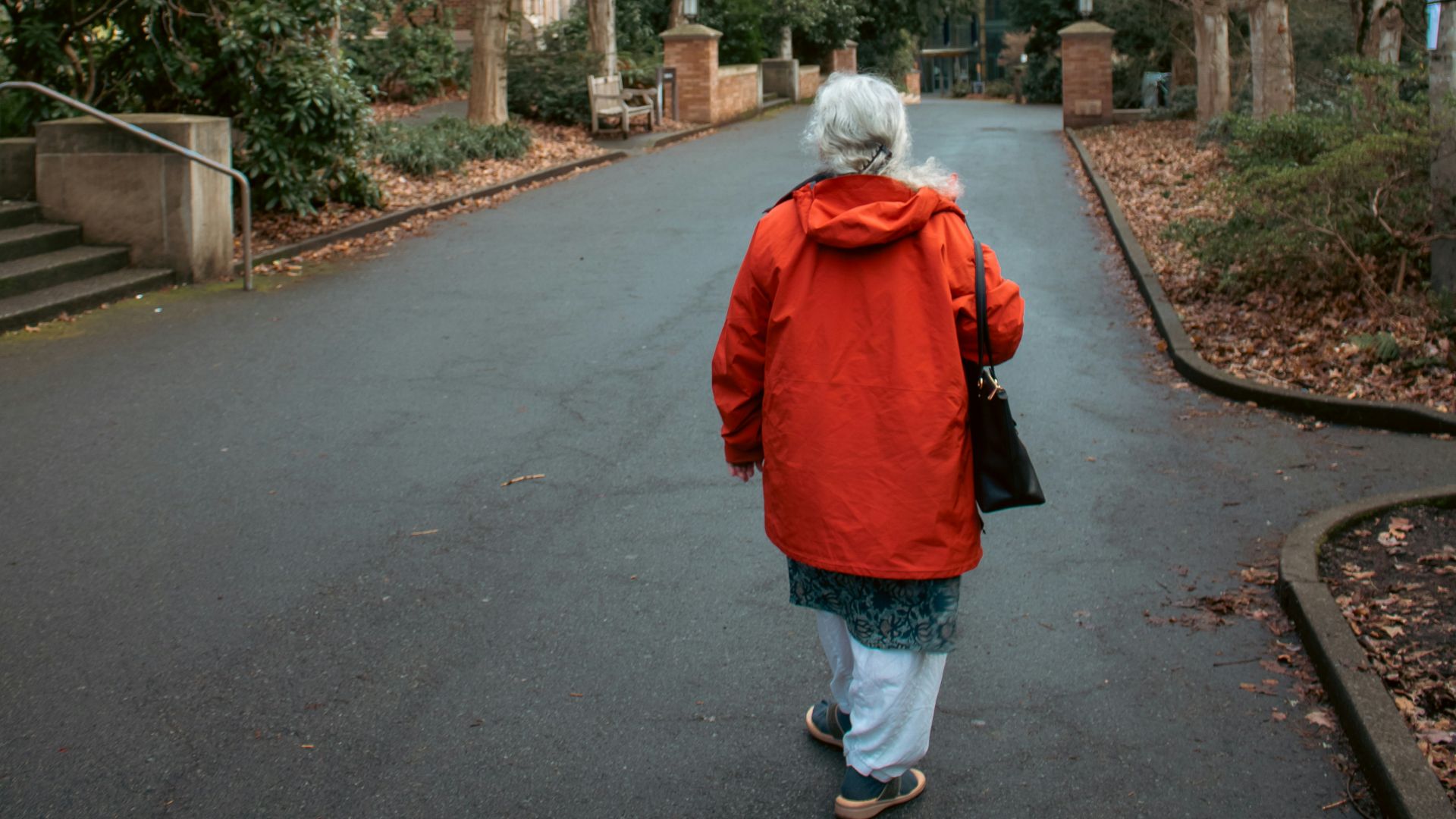
3. You Walk Slower Without Meaning To
A slower walking pace can creep in gradually, especially if you’ve been less active. Slower walking is also cited as a common symptom pattern in sarcopenia. If you’re consistently lagging behind your usual speed, it’s worth paying attention.
4. Standing Up Takes More Effort
If you have to get your arms involved when you get up from a chair more than you used to, your legs might be losing strength. This kind of change often shows up before you notice anything in the mirror. It’s a functional marker because your lower body does a lot of quiet work all day.

5. Your Endurance Has Dropped
You might notice you tire out faster during walks, workouts, or busy days. Loss of stamina is frequently listed alongside weakness in muscle-loss discussions. Feeling wiped out sooner can come from many things, but muscle is often part of the equation.

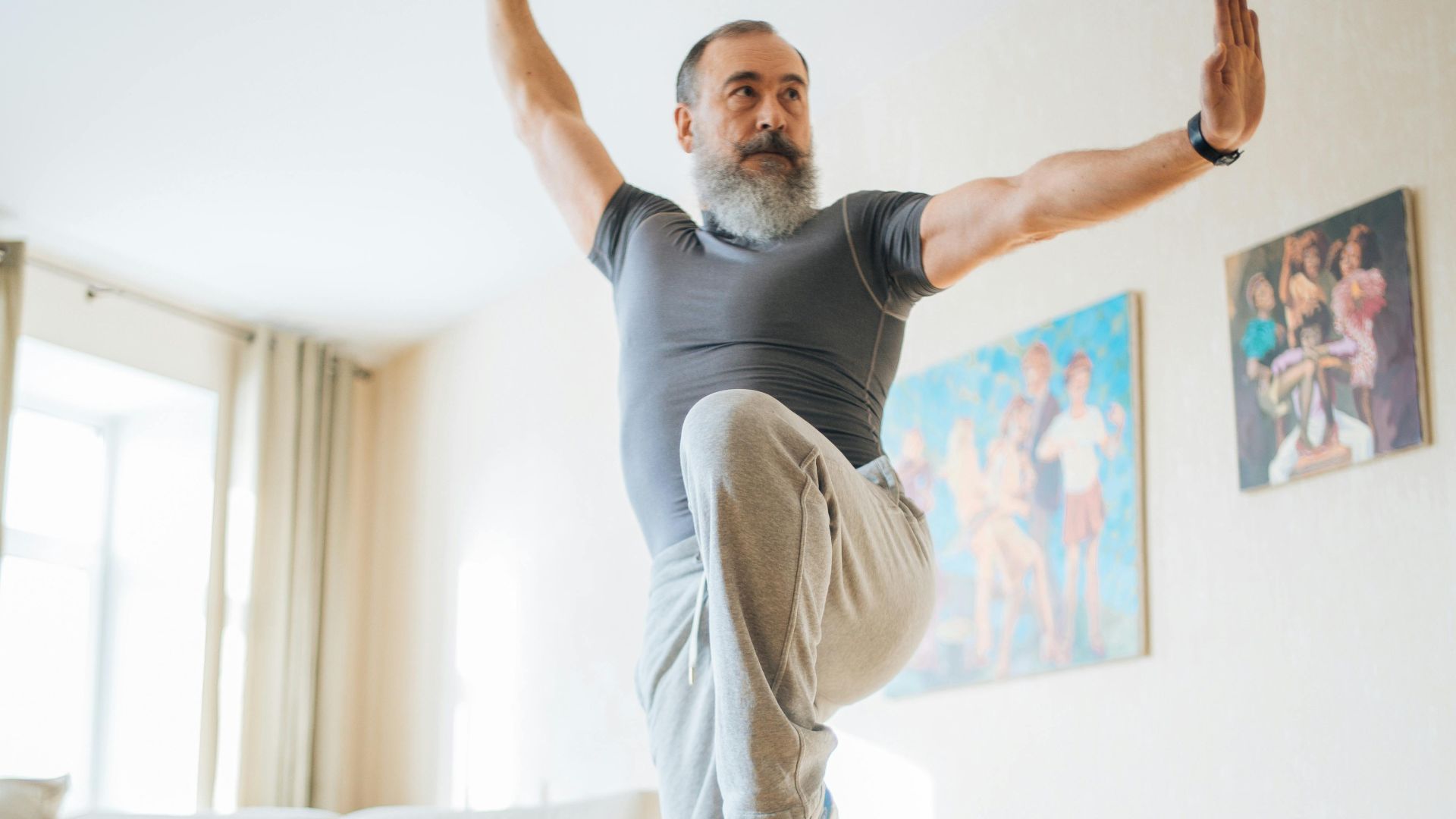
6. Your Balance Is Off
If you feel wobblier, catch yourself more often, or worry about tripping, don’t brush it off. Poor balance and falls are linked with muscle weakness and reduced function. Even small changes can matter because balance is a team sport involving strength, coordination, and confidence.
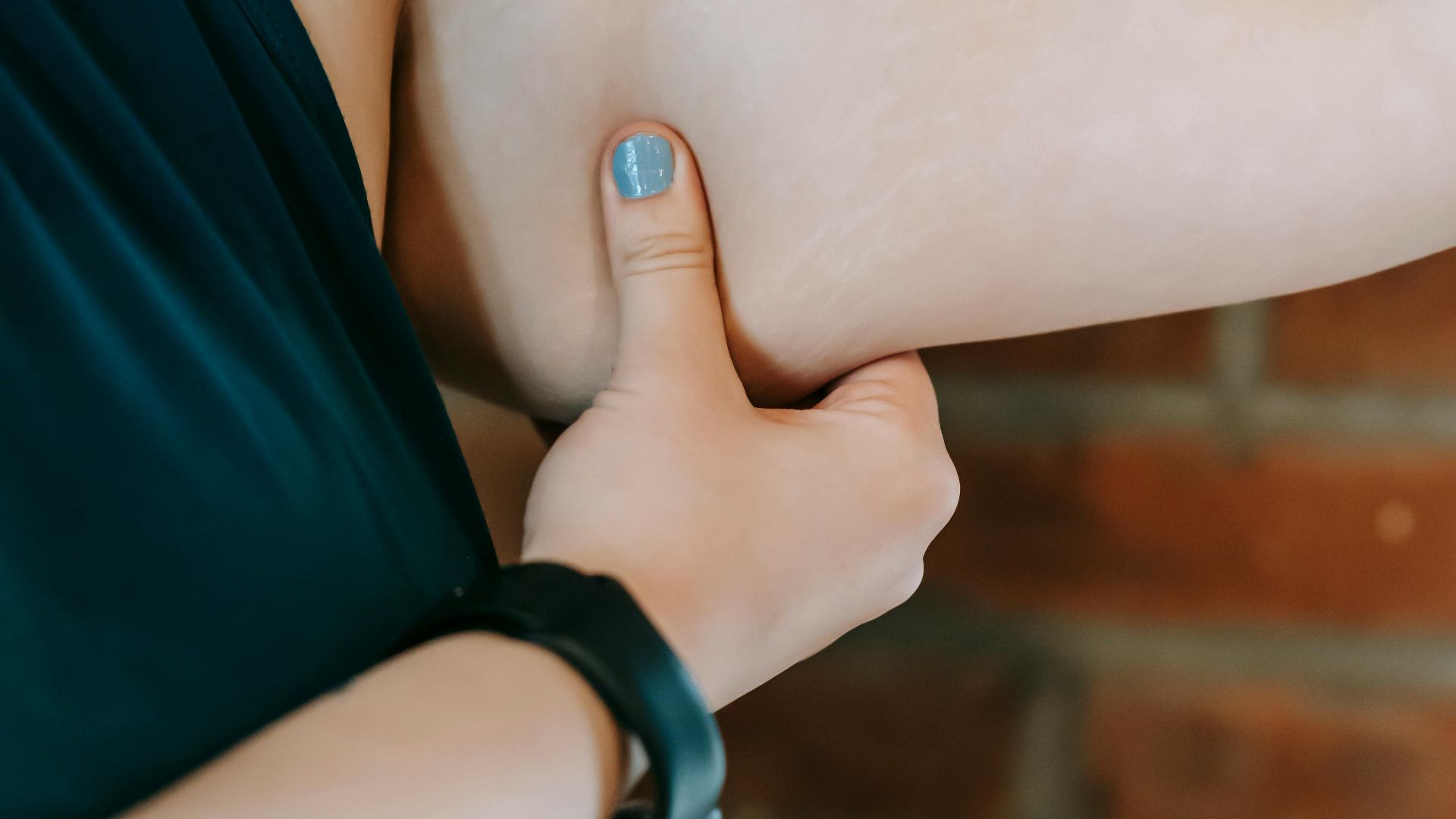
7. Your Clothes Fit Looser in the Arms or Legs
A noticeable decrease in muscle size can show up as looser sleeves or less “fill” in pants. This sign is easier to spot if your weight hasn’t changed much overall. It’s also common for muscle loss to be masked by body-fat changes, so fit clues can help.
8. You’re Losing Weight Without Trying
Unintentional weight loss can include muscle loss, especially if appetite is down or activity is low. It’s not automatically alarming, but it’s one of those changes you shouldn't ignore. If it’s persistent or paired with fatigue, it deserves attention.

9. Your Workouts Feel Weirdly Hard
If you’re lifting the same weights but they feel heavier, or you’re losing reps you used to own, that’s a clue. Muscle strength can dip before you see big physical changes. A long plateau can also happen when you’re not getting enough recovery or fuel.

10. You’re Getting Injured or Sore More Easily
When strength and support drop, joints and tendons may feel the difference. You might notice more aches after normal activity or small injuries that didn’t used to happen. It’s not always muscle loss, but weaker muscles can reduce stability. If pain is sharp or ongoing, it’s smart to get checked.
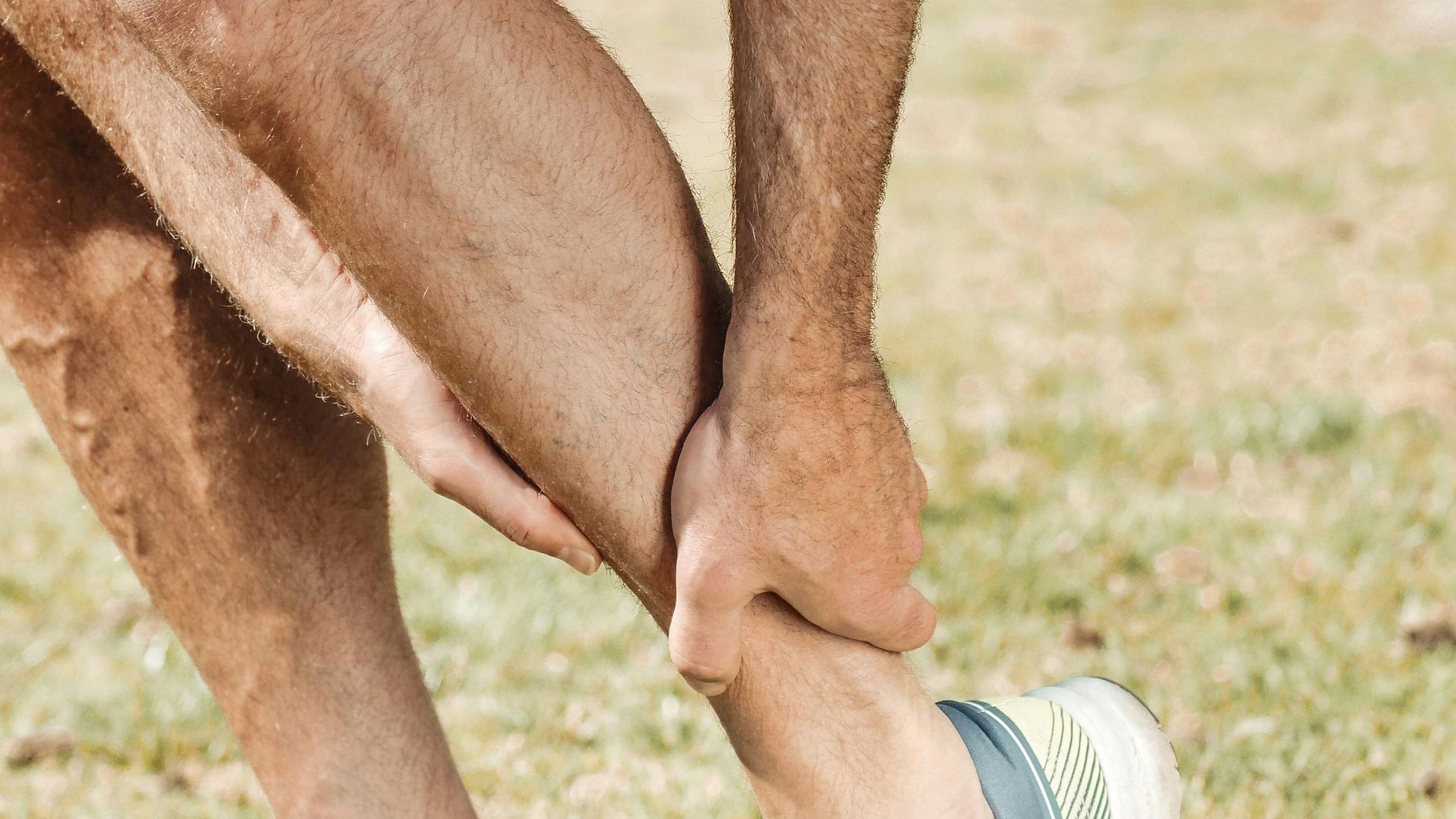
Now that we've talked about some of the signs of muscle loss, let's cover some ways you can combat it.
1. Prioritize Resistance Training
Resistance exercise is widely recommended as a first-line approach for countering sarcopenia-related declines. You don’t need fancy machines, but you do need progressive challenge over time. If you want the biggest return for muscle, strength work is the main event.

2. Strength Train At Least Twice A Week
A simple baseline is doing muscle-strengthening activity at least two days per week. That’s the CDC guideline for adults, and it’s a solid starting point if you’ve been inconsistent. Once it’s a habit, you can build from there without burning out.
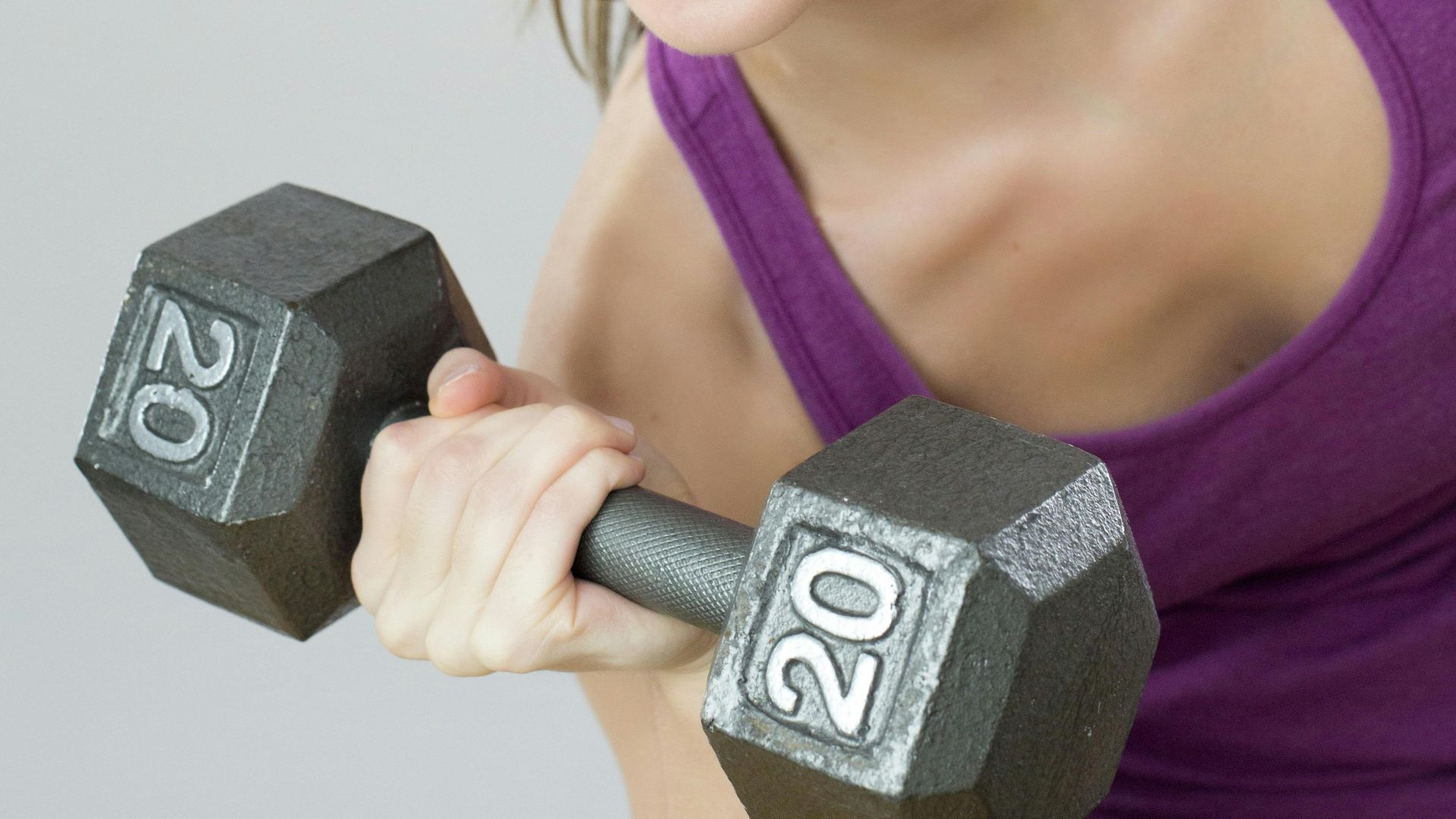
3. Prioritize Legs & Glutes
Lower-body strength supports stairs, balance, and getting up from chairs, so it deserves extra attention. Squats to a chair, step-ups, lunges, and hip hinges cover a lot of real-life movement. Keeping the lower body strong is one of the most practical strategies for aging well.

4. Train Progressively
Doing the same easy workout forever won’t give your muscles a reason to adapt. Add weight, reps, sets, or difficulty in small steps so your body keeps responding. You’re not trying to punish yourself, you’re trying to give your muscles a clear signal.
5. Eat Enough Protein, Especially If You’re Older
For older adults, guidance often recommends higher protein than the basic minimum. More protein can support muscle maintenance alongside training. If you’re unsure, a registered dietitian can help you match intake to your body and goals.

6. Spread Protein Across the Day
If you cram all your protein into one meal, you may miss chances to support muscle throughout the day. A protein-forward breakfast, a solid lunch, and a real dinner tend to work better. It’s also easier on the appetite and digestion when you distribute it.

7. Don’t Overdo It On Cardio
Cardio is great for health, but if you only do cardio and skip strength, muscle mass can drift downward over time. A balanced week includes both aerobic activity and muscle-strengthening sessions. You’ll likely feel better overall when you train for strength and stamina together.

8. Prioritize Recovery
Muscle grows and repairs during recovery, not while you’re grinding through a workout. If you’re constantly sore, sleeping poorly, or stacking hard days back-to-back, progress can stall. Rest days and lighter sessions aren’t “lazy,” they’re part of the program.

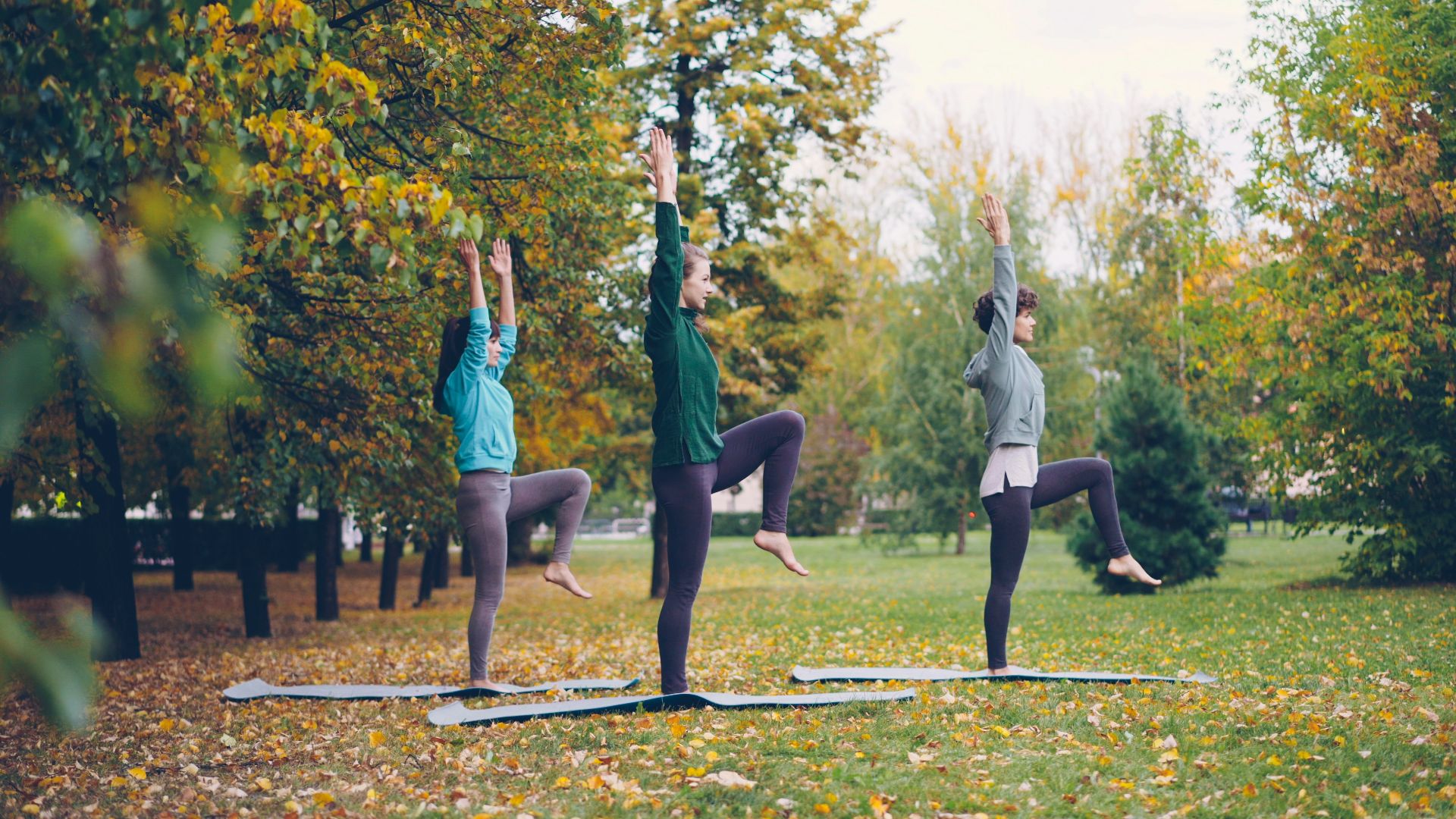
9. Add Balance Exercises
If balance is slipping, practice it on purpose instead of hoping it returns. Simple drills like single-leg stands, heel-to-toe walking, and controlled step-ups can help, especially when paired with leg strengthening.
10. Rule Out Medical Causes
If you notice sudden weakness, rapid unintentional weight loss, or major fatigue that doesn’t match your lifestyle, it’s worth talking to a clinician. Sarcopenia is common with aging, but other issues can mimic muscle loss or accelerate it. Getting clarity early can save you time and stress.