10 Foods That May Improve Fertility In Women & 10 That May Increase It In Men
A Little Support Can Go a Long Way
If you and your spouse are trying to bring a new little life into the world, you're probably willing to take any help you can get. Food may not be the first thing that comes to mind, but it can still play a meaningful role. No single ingredient is going to work miracles, but a balanced diet with the right nutrients may help support reproductive health in both women and men. Here are 10 foods that may boost fertility in women and 10 that may improve it in men.
 Wright Brand Bacon on Unsplash
1. Lentils
Lentils make a strong start for women because they’re rich in folate, and folate matters before and during early pregnancy. The folate in lentils supports egg quality and implantation, and they also contain the polyamine spermidine, which is linked to better egg fertilization. What's more, replacing animal protein with plant proteins like lentils reduces the risk of ovulatory infertility.
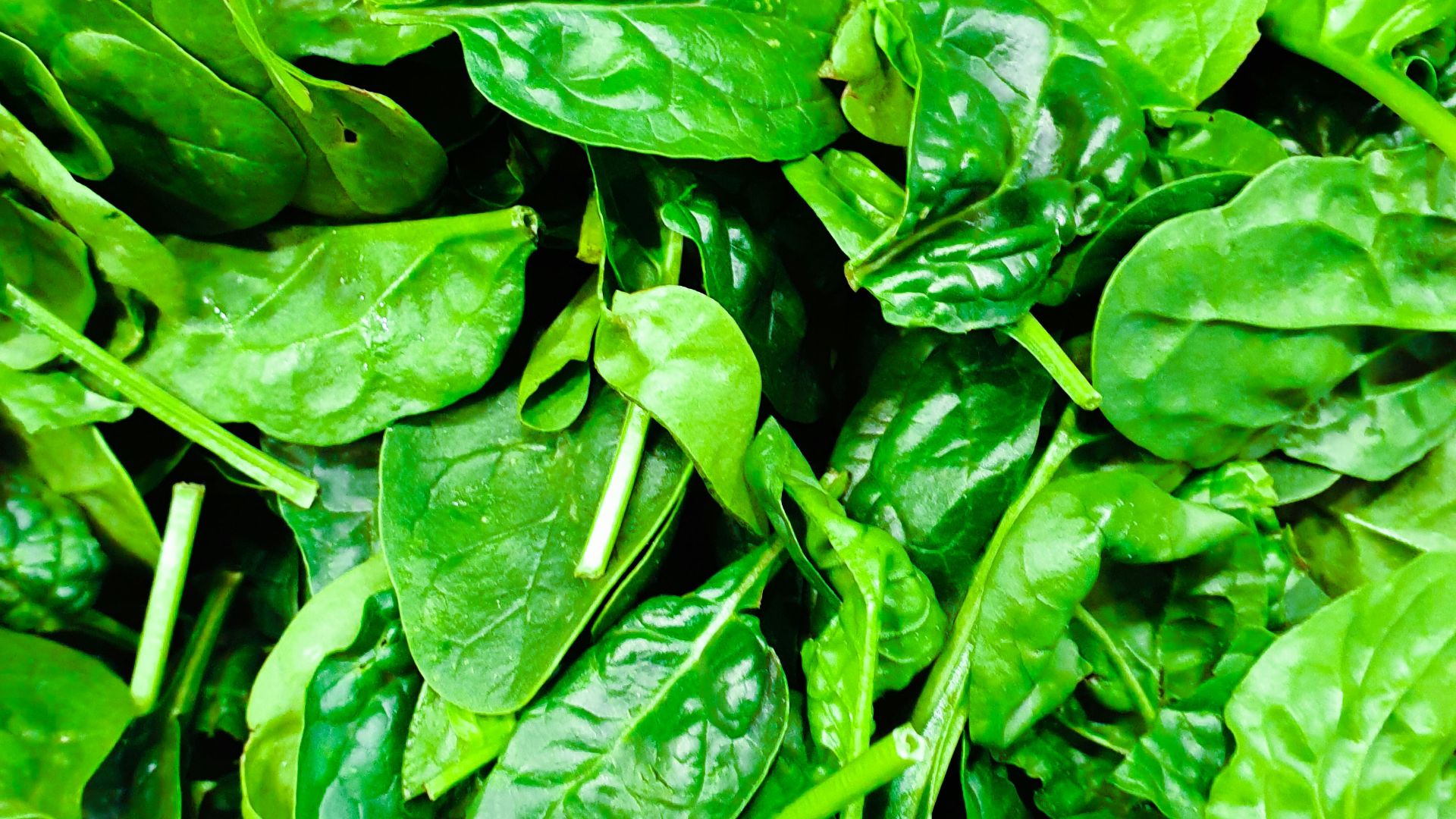
2. Spinach
Spinach gets attention for good reason, since it naturally provides folate along with other nutrients that fit well into preconception eating. That doesn’t mean a salad is going to solve fertility on its own, but it does mean leafy greens belong in the conversation.
 Shutter Sphere Collective on Unsplash
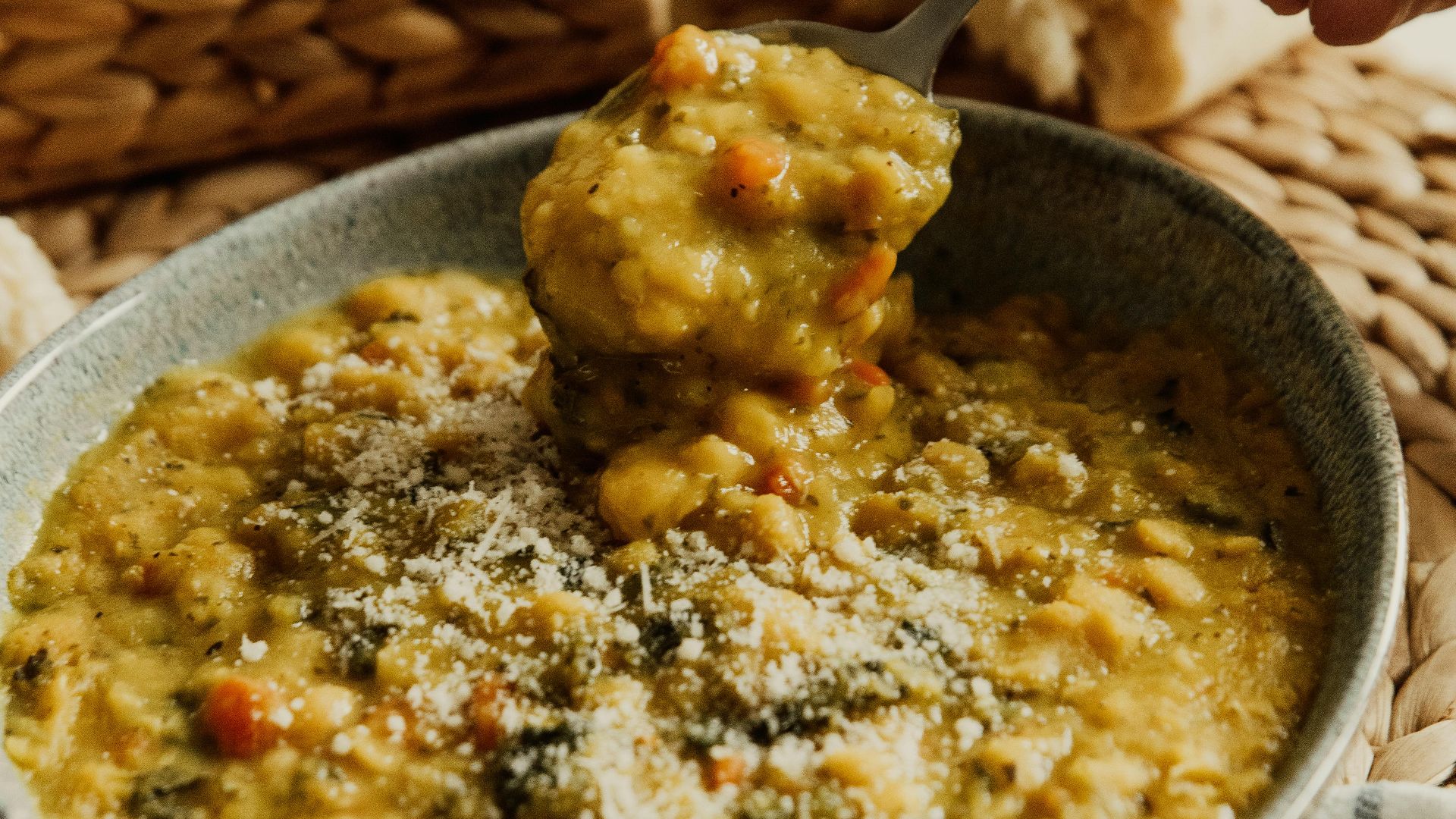
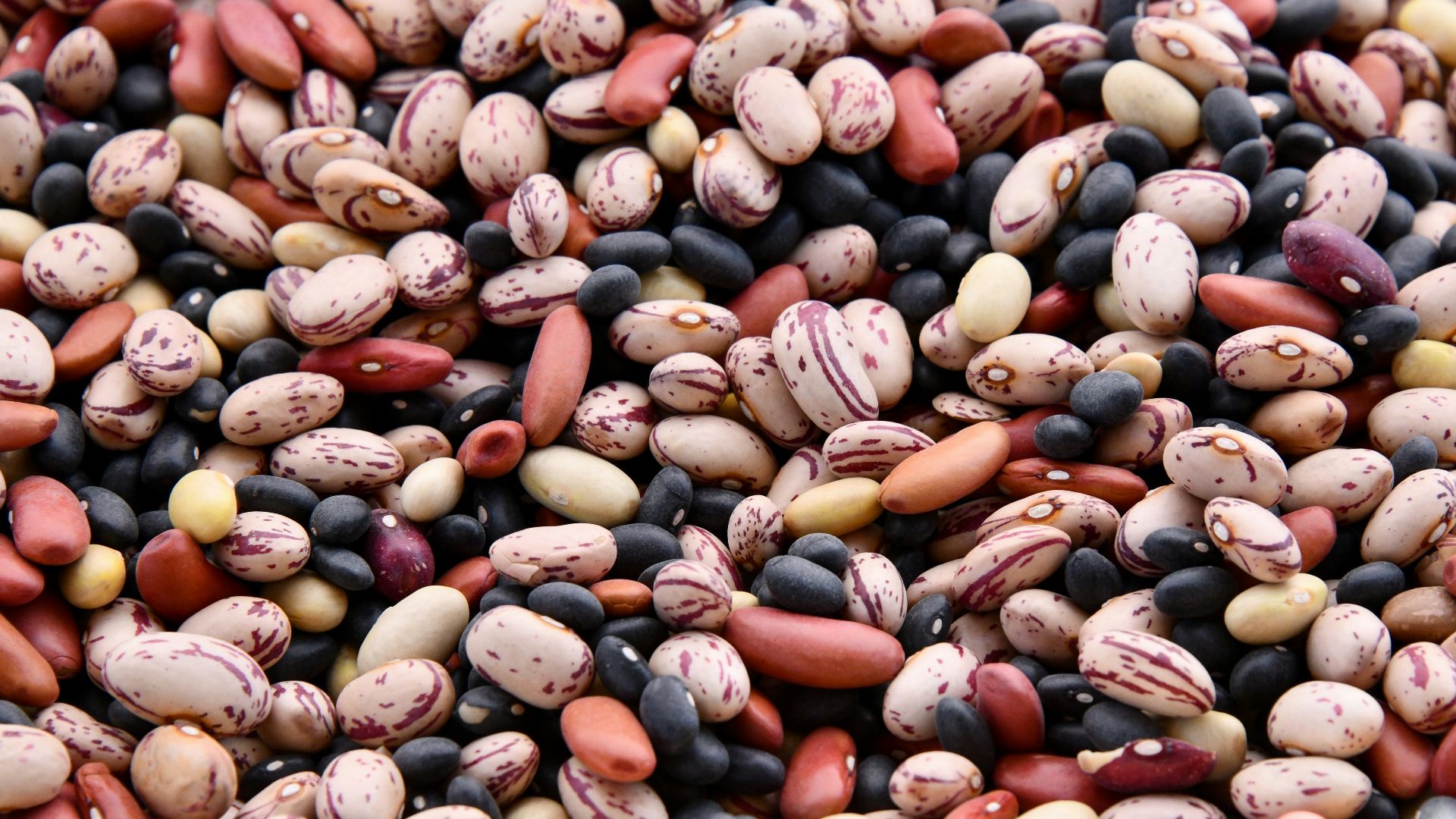
3. Beans
Beans are another solid pick because they bring plant protein, fiber, and a nutrient profile that lines up with healthier dietary patterns. Harvard’s fertility guidance specifically points toward replacing meat with vegetable proteins as a helpful strategy, which puts beans in a pretty favorable spot.
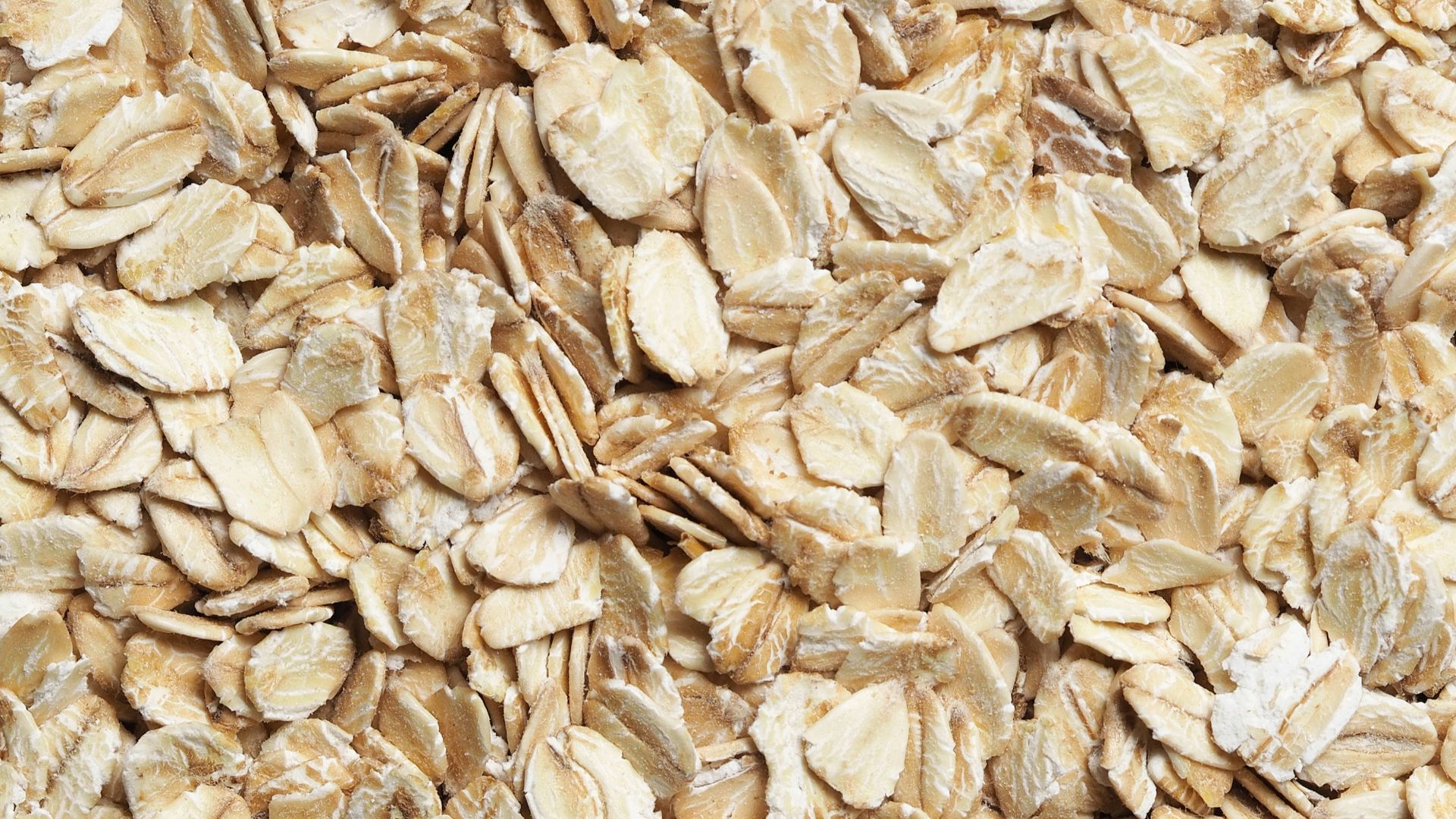
4. Oatmeal
Whole grains show up often in discussions about better diet quality, and oatmeal is an easy way to get more of them. It’s not about oats having some secret fertility power, but about choosing less refined carbohydrates as part of a steadier overall pattern. If your breakfast normally leans sugary or ultra-processed, this upgrade can help.
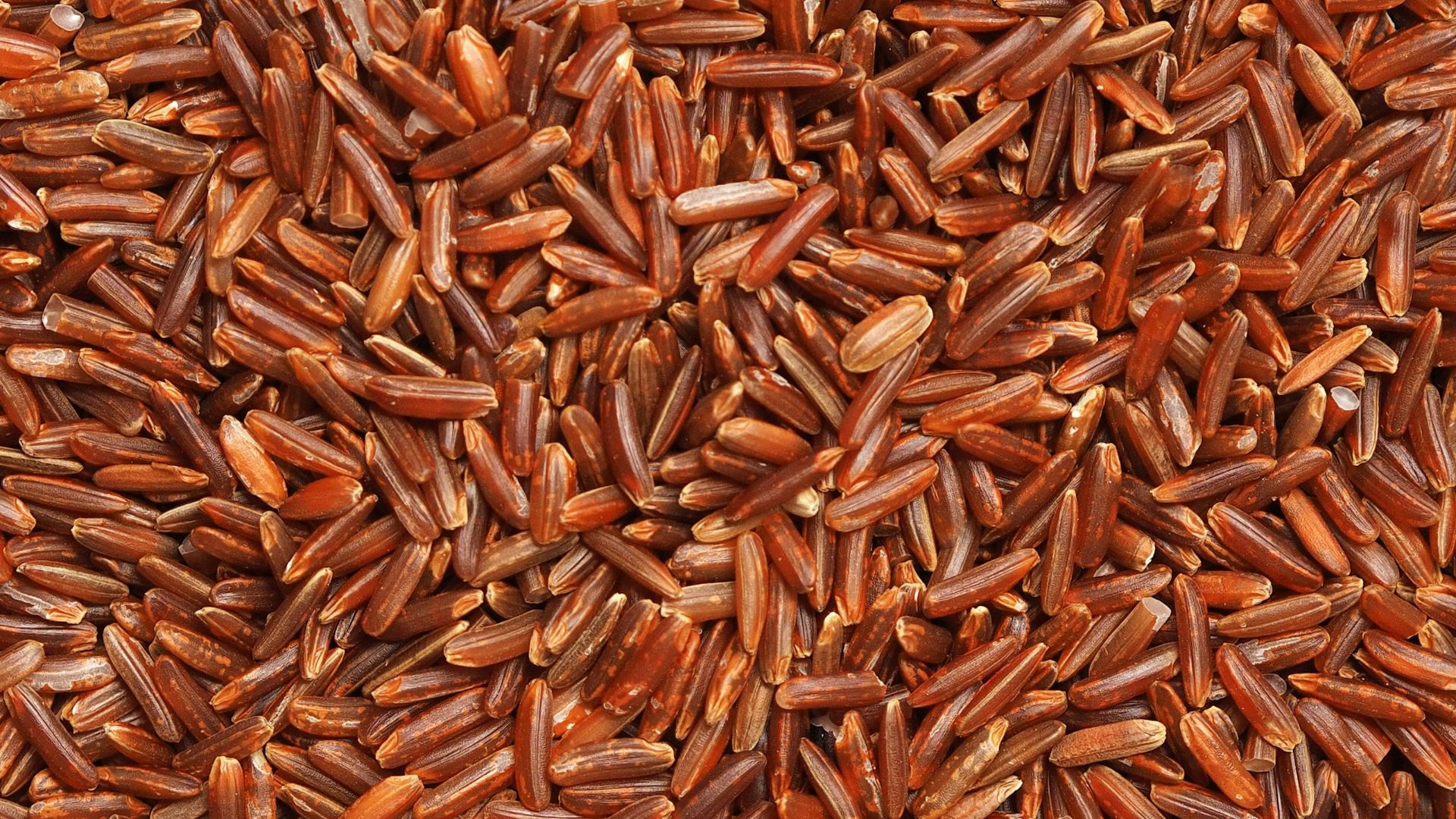
5. Brown Rice
Brown rice works for similar reasons, since whole grains are generally favored over refined grains in healthy eating patterns. That matters because fertility research tends to reward the bigger dietary pattern, and rice makes for an easy swap with white rice.
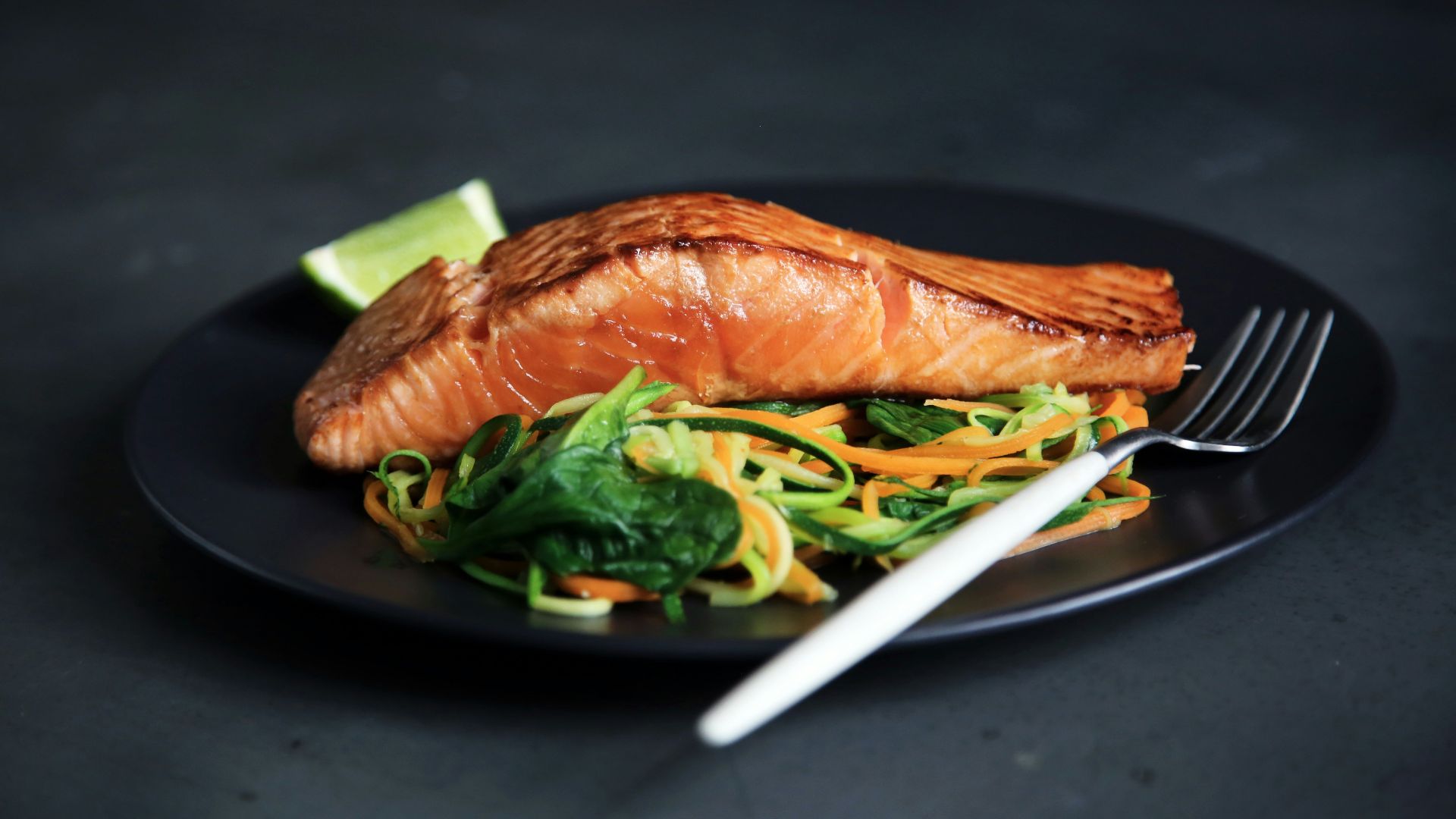
6. Salmon
Salmon is often discussed because omega-3 fats are important during pregnancy planning, and fish is one of the main food sources of EPA and DHA. These two fatty acids help regulate reproductive hormones, support fetal development, increase blood flow to reproductive organs, and improve egg and sperm quality. It’s one of the few foods that gets brought up repeatedly without sounding like wishful thinking.
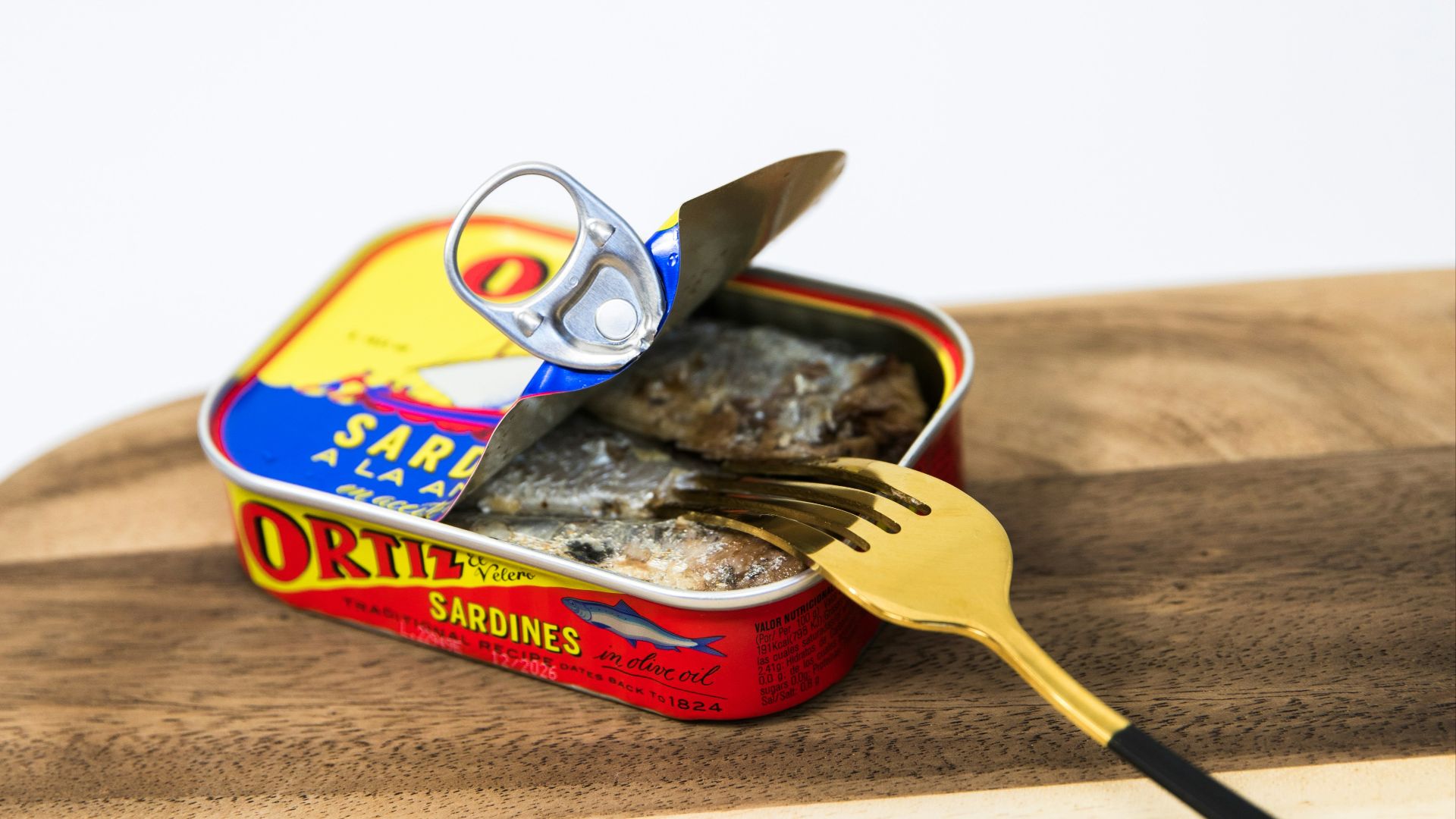
7. Sardines
If salmon isn’t your thing, sardines can offer a similar omega-3 advantage in a smaller package. They’re nutrient-dense, and that can be useful when you’re trying to improve diet quality without overcomplicating everything. Sometimes the least glamorous options are the ones doing the best work.
 S O C I A L . C U T on Unsplash
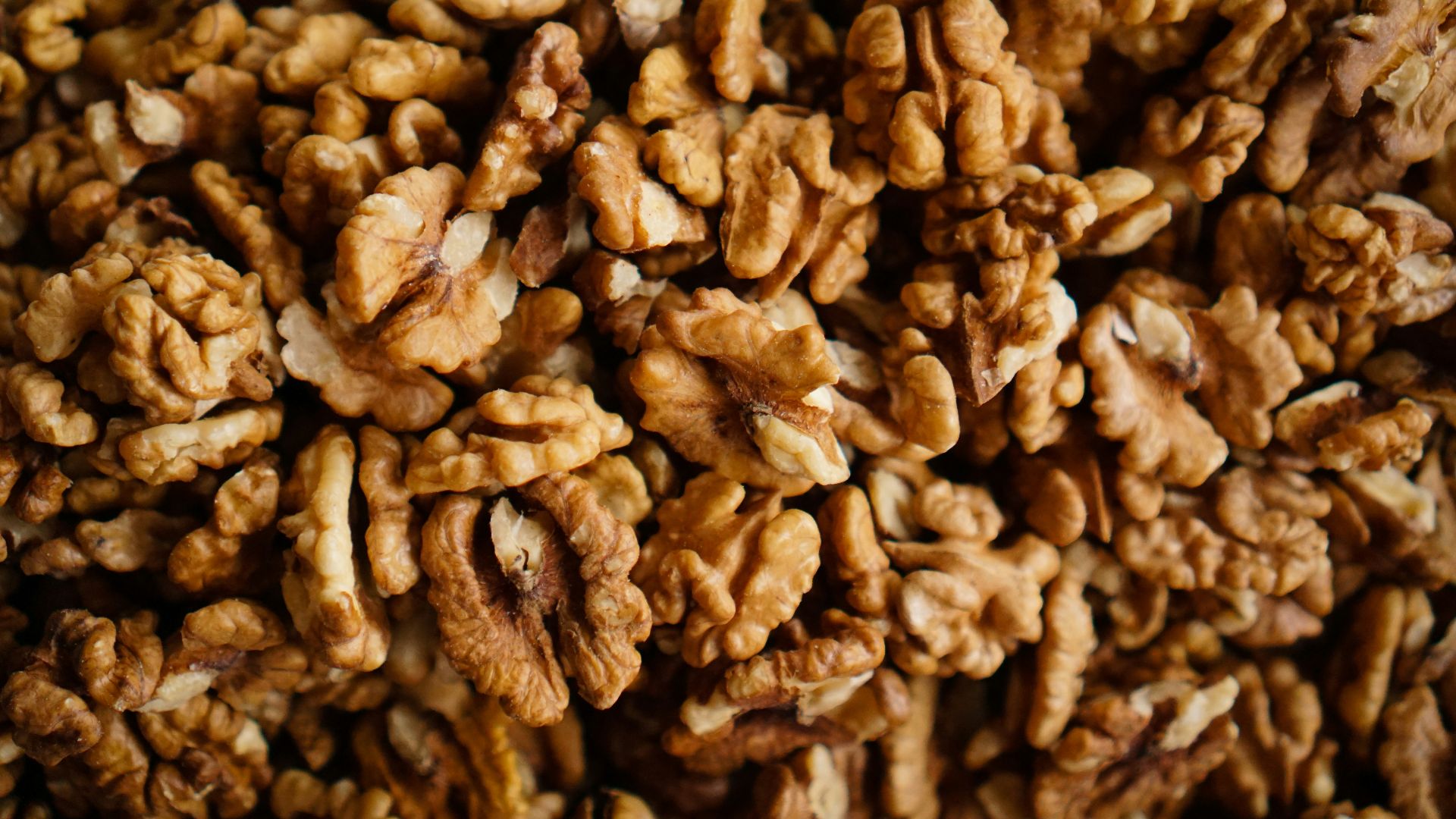
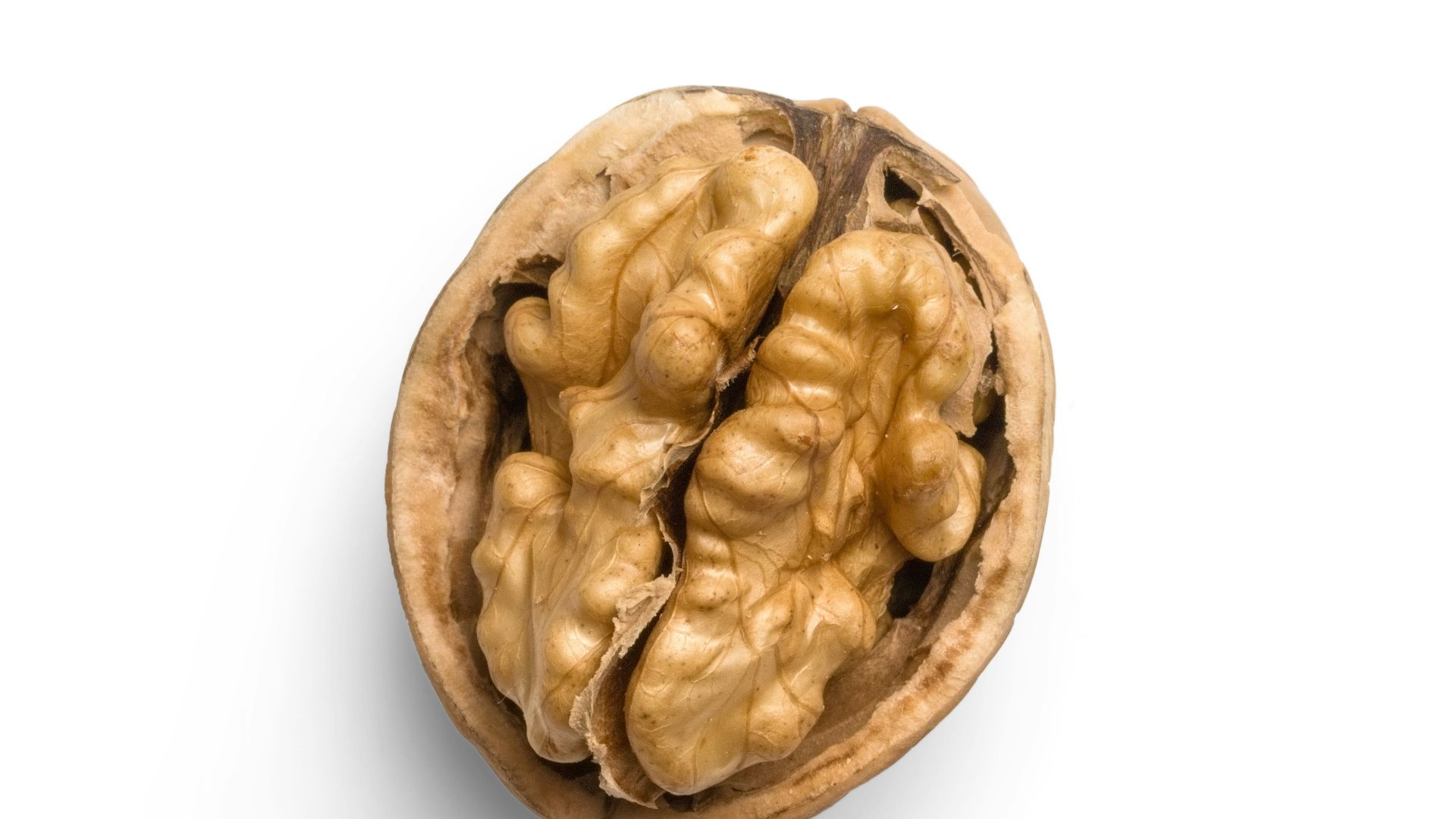
8. Walnuts
Walnuts bring healthy fats and fit nicely into a fertility-friendly eating pattern that emphasizes better fat sources overall. They contain omega-3 fatty acids, antioxidants, and magnesium, which support ovulation.
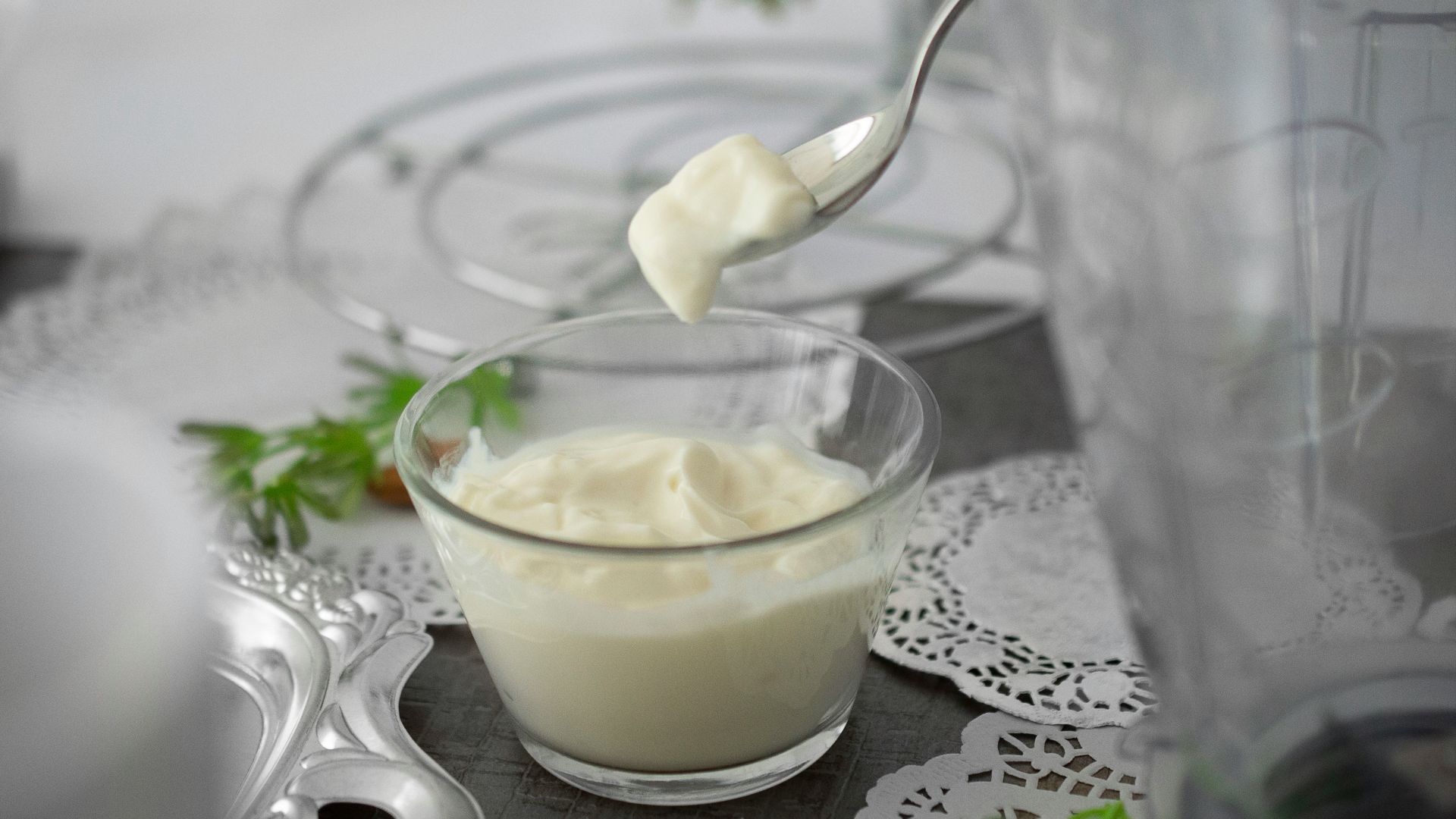
9. Greek Yogurt
Dairy is one of those areas where the discussion gets a little more nuanced, but yogurt can be a useful source of protein and other nutrients in a balanced diet. It’s less about yogurt being a fertility hack and more about it being a practical, nutrient-rich food that fits many healthy eating plans. It’s an easy option that doesn’t require much effort.
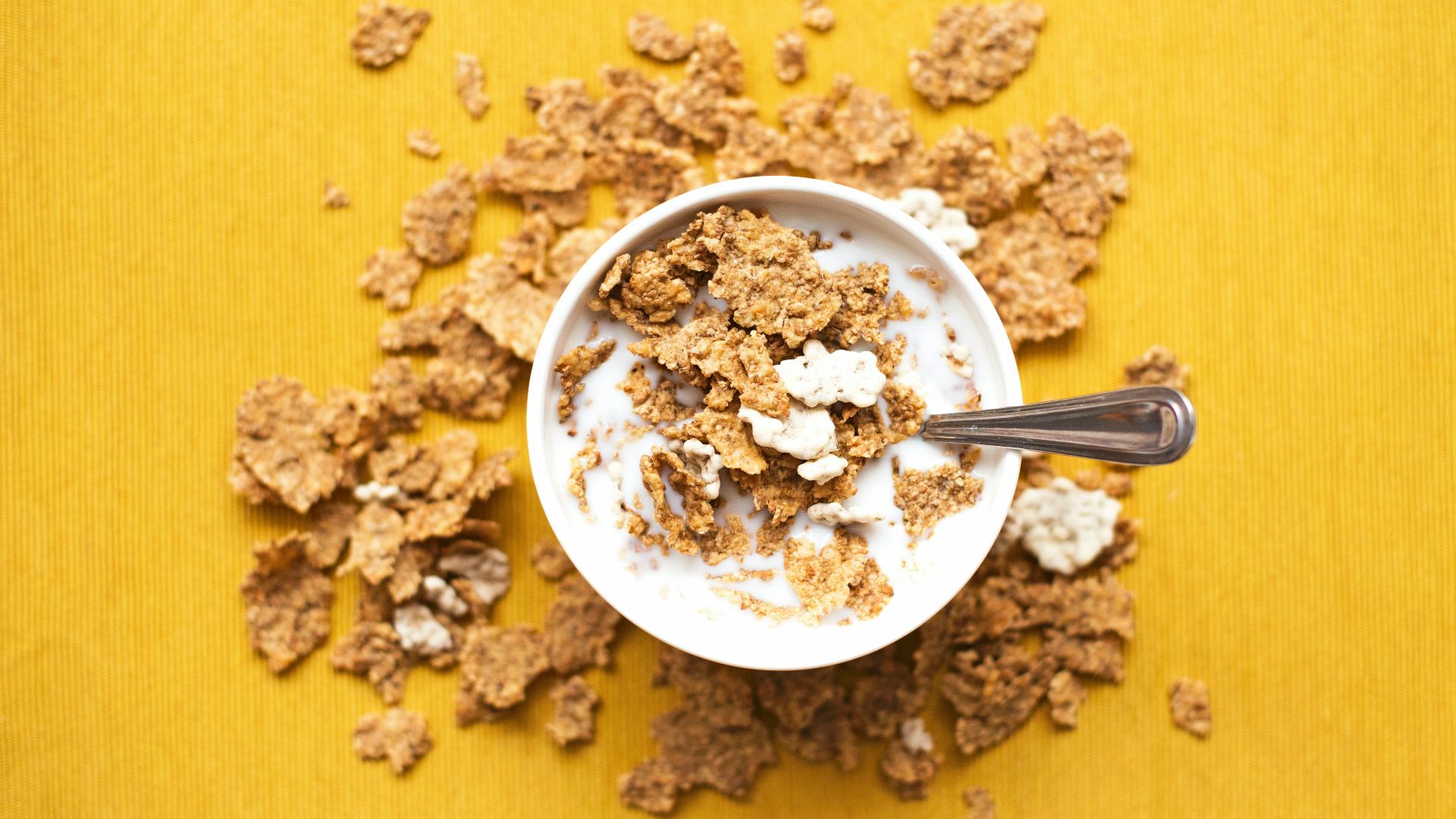
10. Fortified Breakfast Cereal
This one may sound less exciting than berries or avocado toast, but fortified cereal can help women get folic acid, which improves ovulation and supports egg development. The CDC specifically notes fortified foods as an important source because the folic acid is more stable and absorbs well.
Now that we've talked about the foods that might help support fertility in women, let's cover the ones that suggest higher fertility in men.
1. Walnuts
For men, walnuts get more direct attention because research has linked nut-rich diets, including walnuts, with improvements in some semen parameters. That doesn’t mean a handful of walnuts rewrites your biology overnight, but it does make them one of the more credible foods in this space.
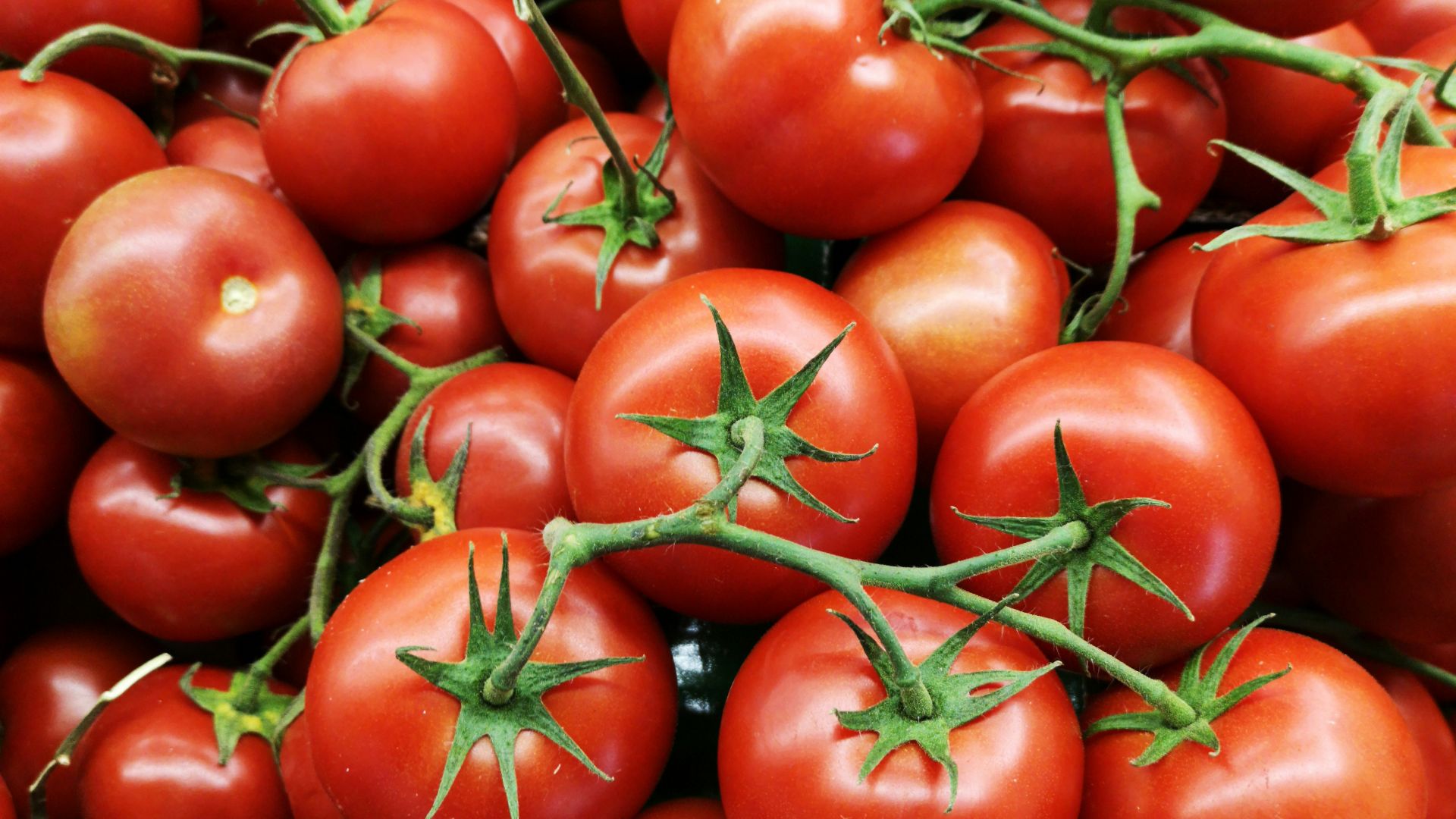
2. Tomatoes
Tomatoes are often mentioned because they contain lycopene, an antioxidant that shows up regularly in male fertility research. It's been shown to boost sperm count, concentration, and morphology, with studies showing potential to increase sperm quality by up to 70 percent. The evidence is not strong enough to treat tomato sauce like a prescription, but the basic logic is reasonable enough that it keeps coming up.
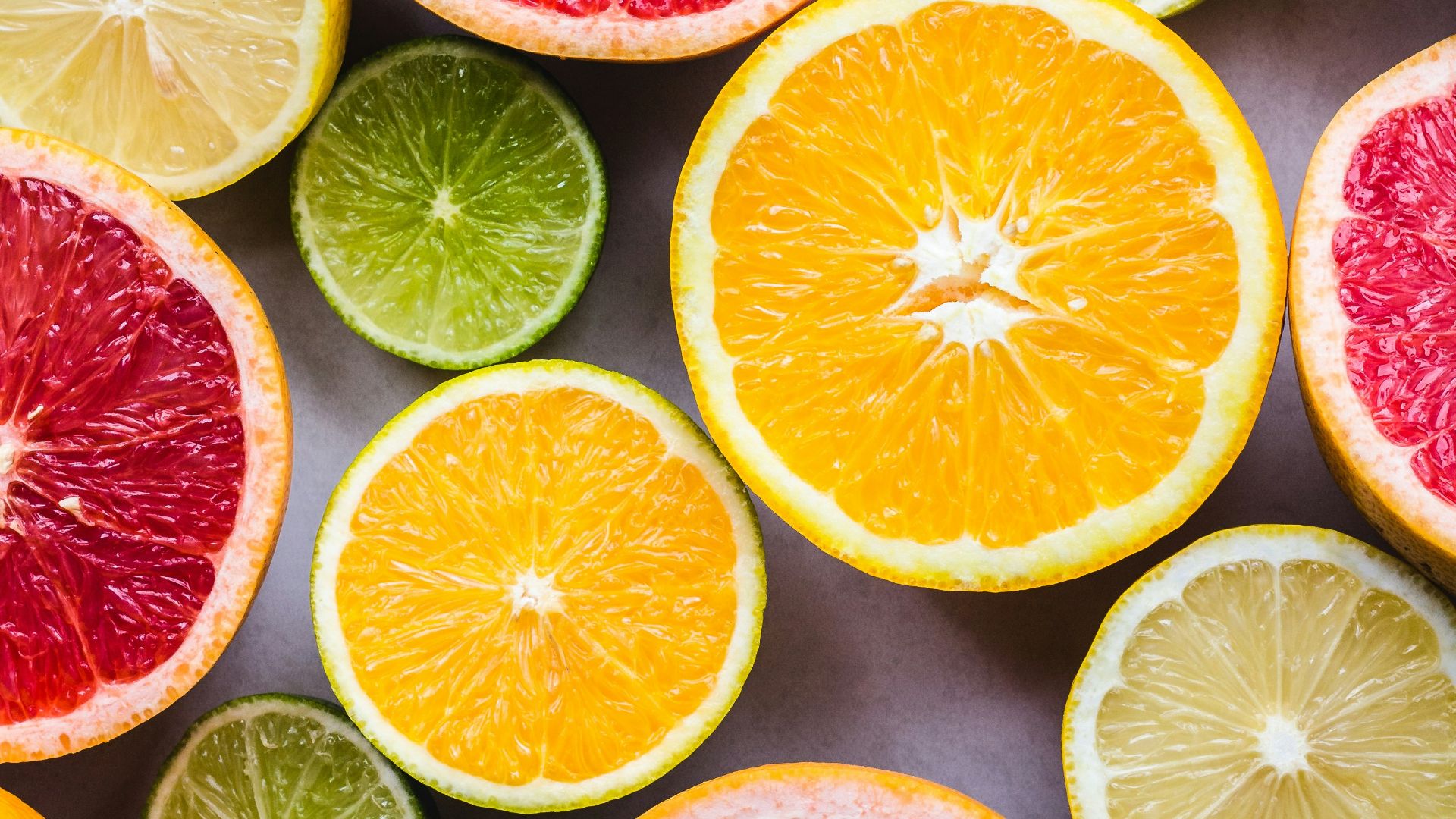
3. Citrus Fruits
Oranges, grapefruit, and similar fruits bring vitamin C and other antioxidants, which are commonly discussed in relation to sperm quality. Again, the effect is about support, not certainty, but antioxidant-rich foods keep showing up in the literature.
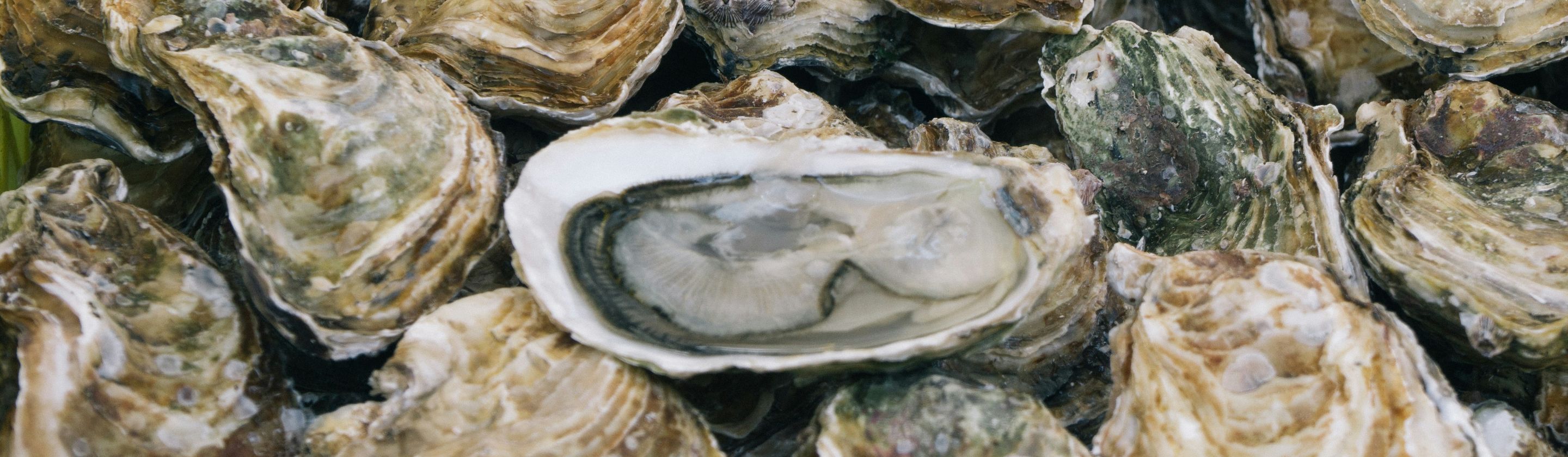
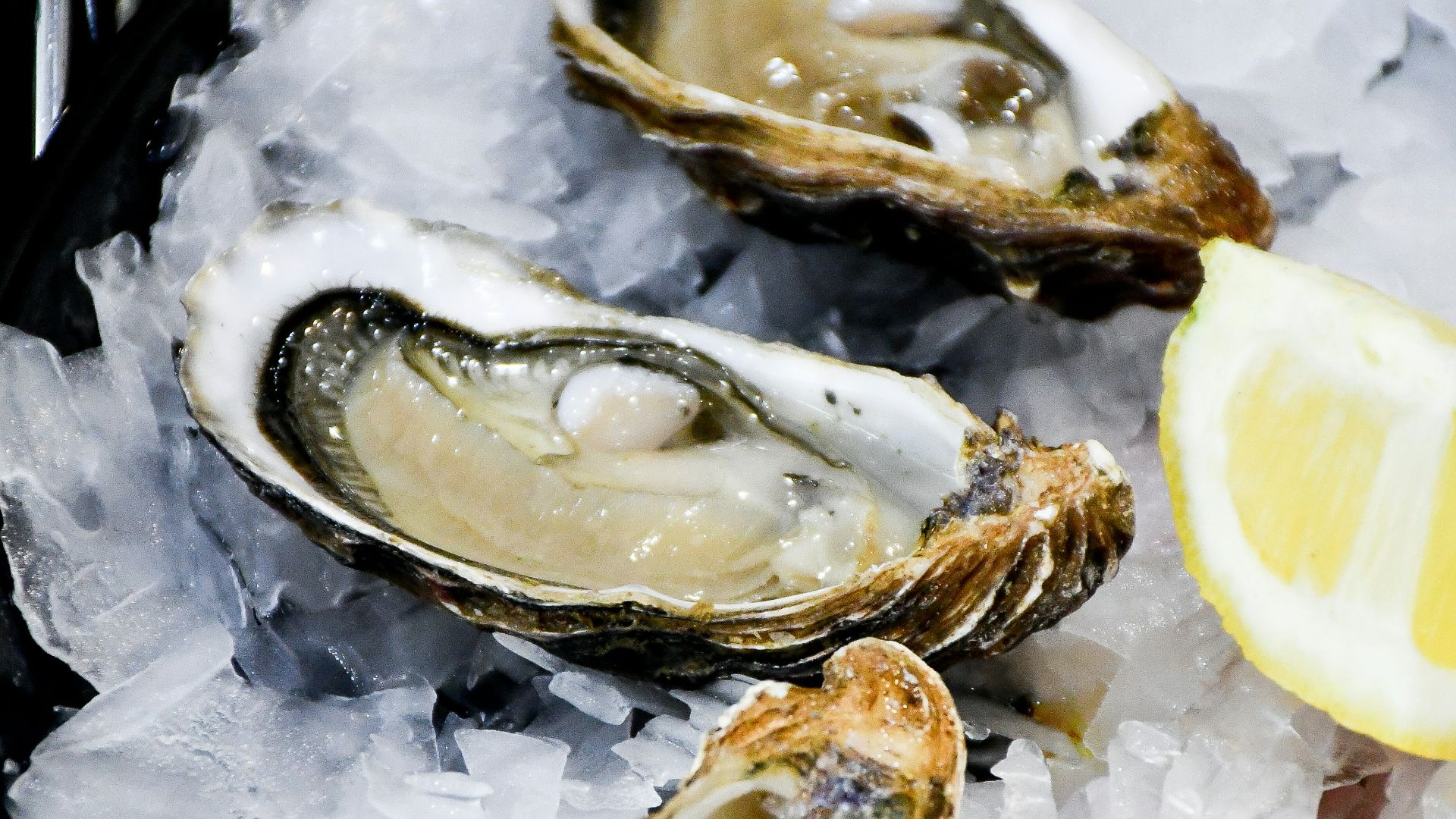
4. Oysters
Oysters have a reputation that borders on cliché, but there may actually be some substance behind the lore. The nutritional angle usually comes back to zinc, which is good for sperm quality. That doesn’t make oysters mandatory, though they do at least have a better argument than most romantic folklore foods.
5. Pumpkin Seeds
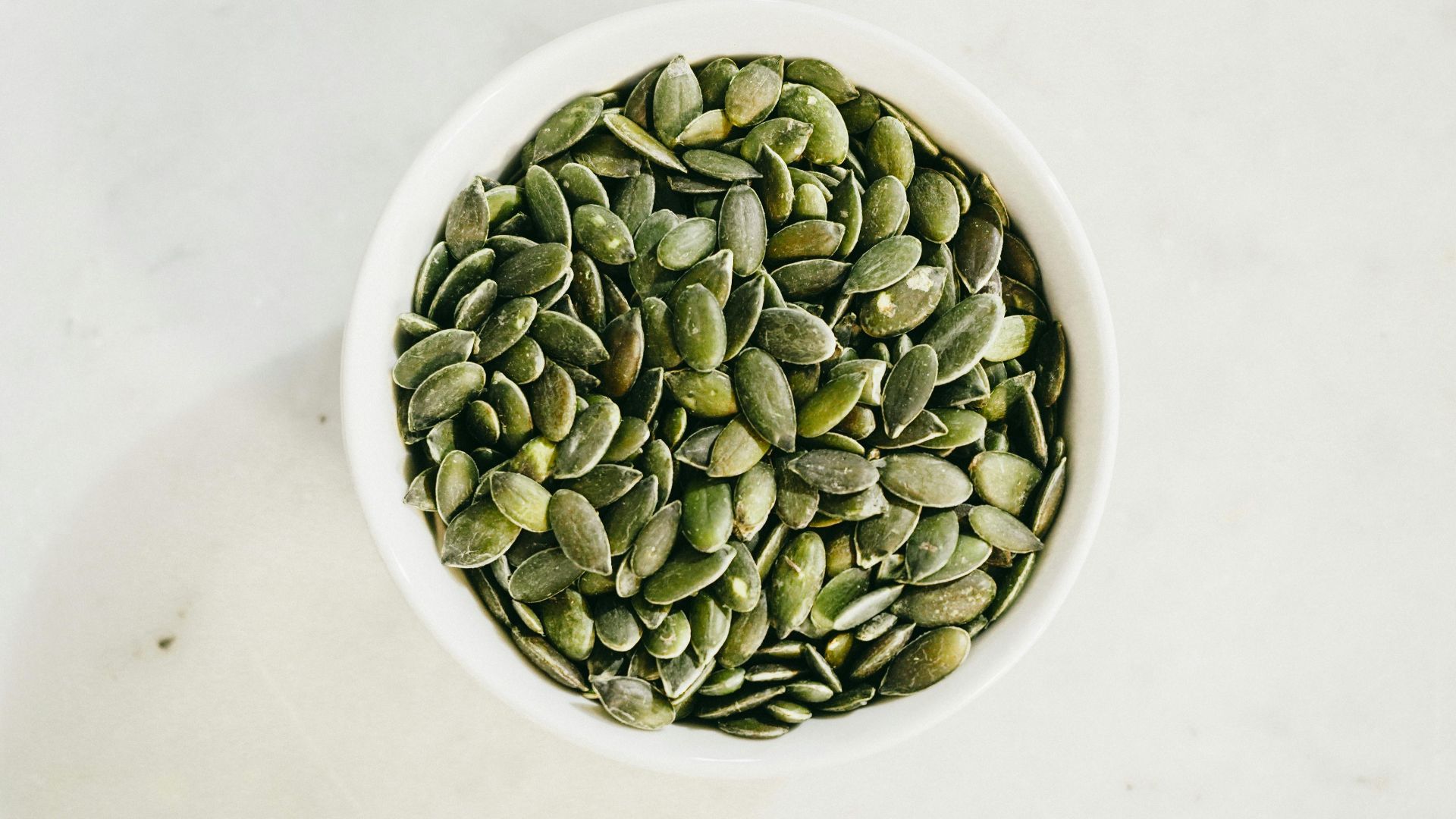
Pumpkin seeds are another food people point to because they contain zinc and other minerals that fit into male reproductive health discussions. They’re also easy to add without changing your whole routine, which makes them realistic. Sometimes a helpful food is just one that you’ll actually keep eating.
 Antoni Shkraba Studio on Pexels
6. Brazil Nuts
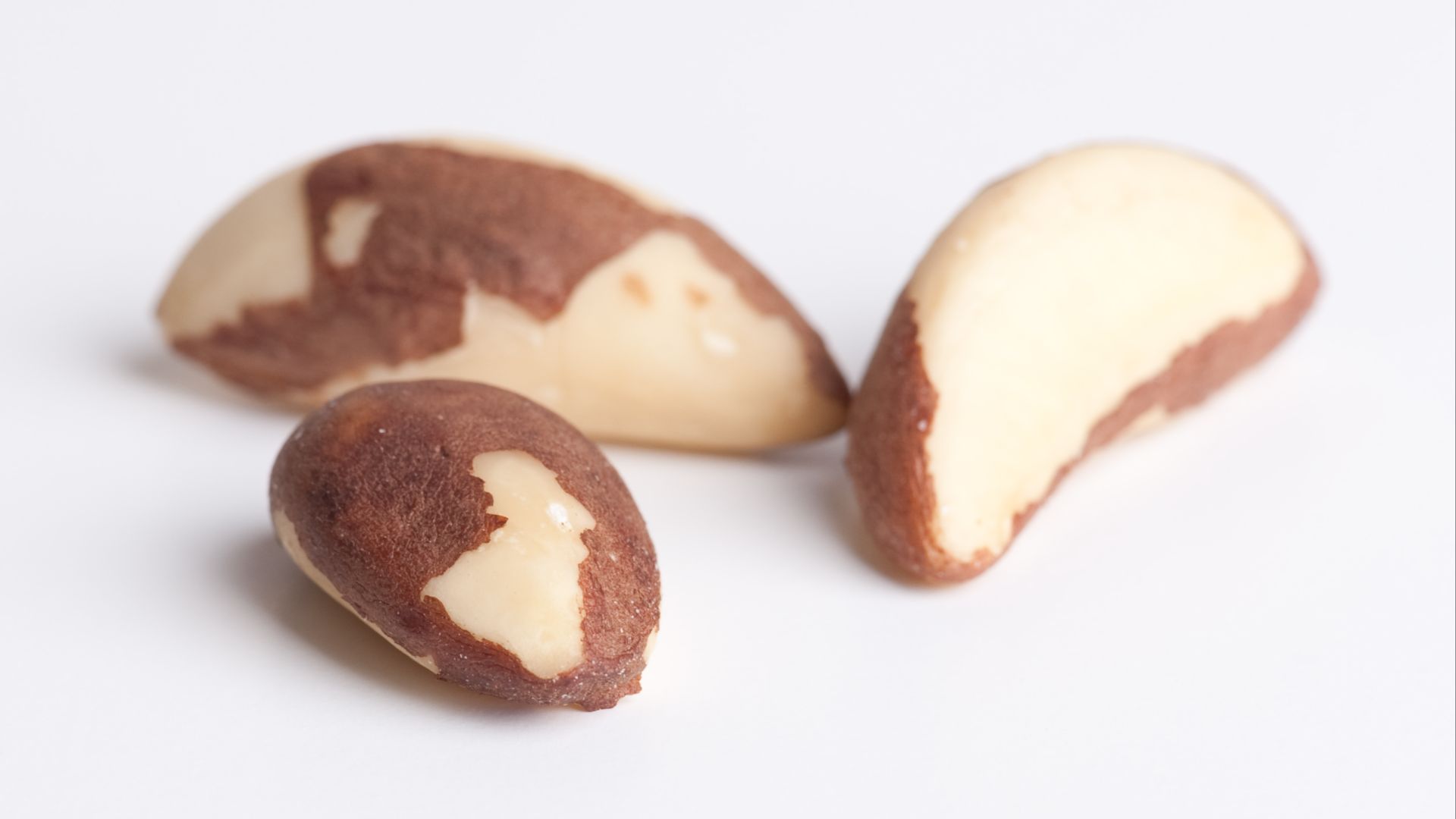
Brazil nuts come up mostly because of selenium, a mineral that has been studied for its role in sperm health. As usual, the keyword is “may,” not “will,” but this is at least a biologically plausible food choice. You don’t need to treat them like magic beans, though they do make more sense than random internet advice.
7. Salmon
Salmon shows up again on the men’s side because omega-3 fats are relevant to sperm cell membranes as well. DHA is especially high in sperm cells, which is a pretty direct reason this food keeps getting mentioned. Salmon also contains vitamins that improve blood flow to reproductive organs and support hormone production.

8. Sardines
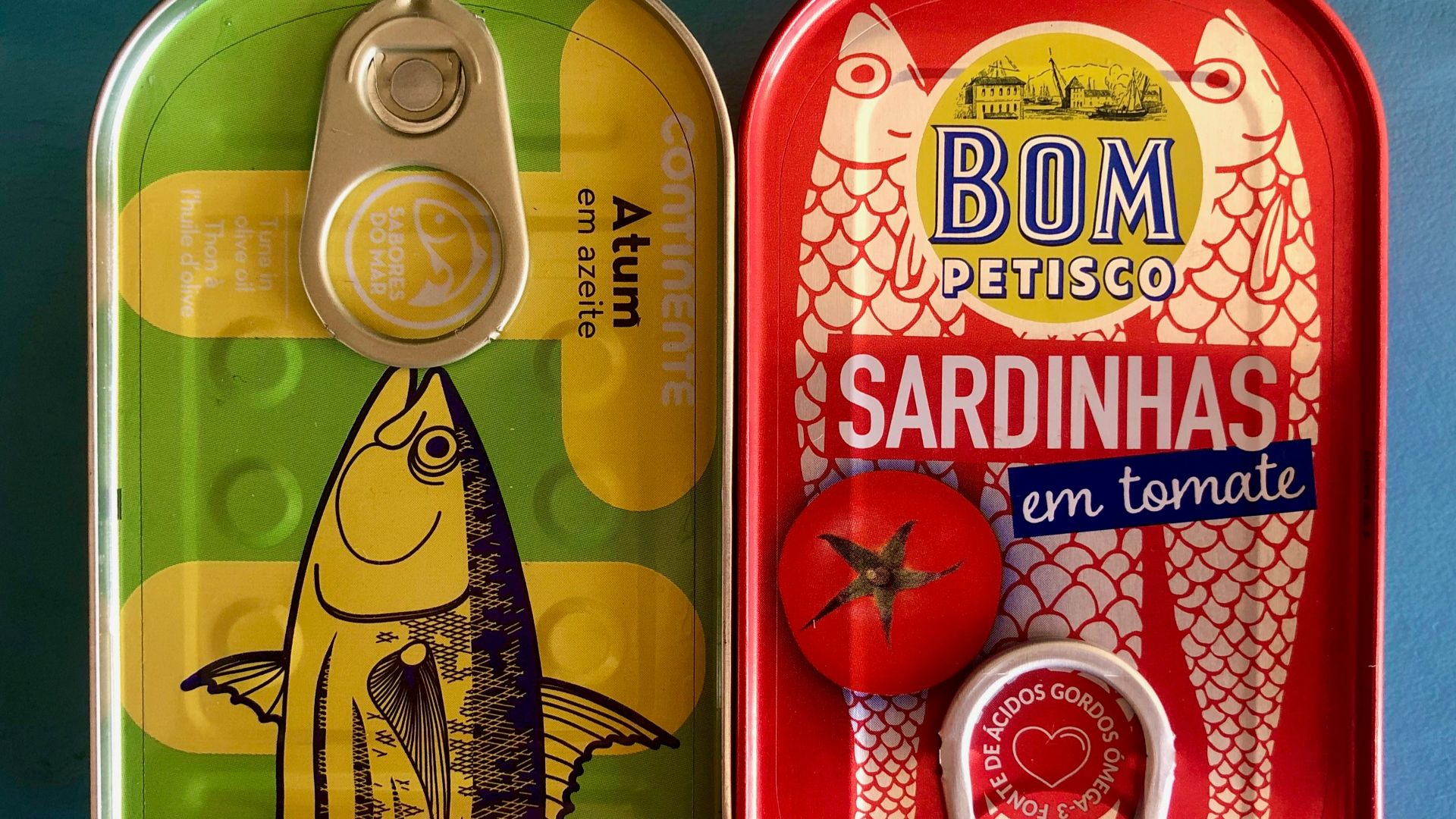
Sardines deserve a second mention for men too, mostly because they offer those same omega-3 fats in a compact, nutrient-dense form. Additionally, they contain high levels of vitamin B12, selenium, and Coenzyme Q10 (CoQ10), which protect sperm from damage and improve quality.
9. Eggs
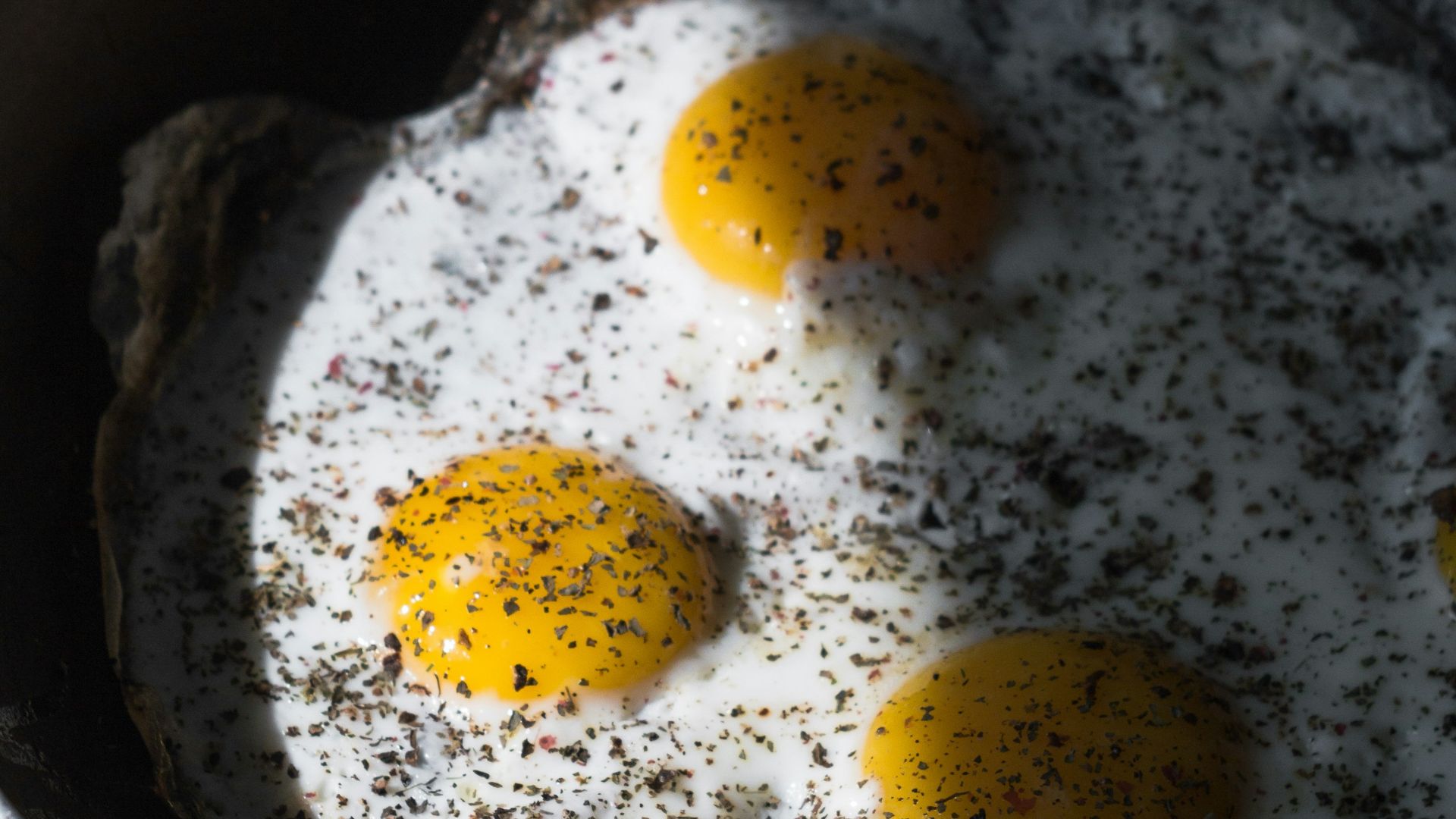
Eggs can be useful here because they provide protein and choline, and choline is an important nutrient in pregnancy and preconception nutrition discussions more broadly. For men, they fit best as part of an overall higher-quality diet rather than as a singled-out fertility fix.
 Viktor Nikolaienko on Unsplash
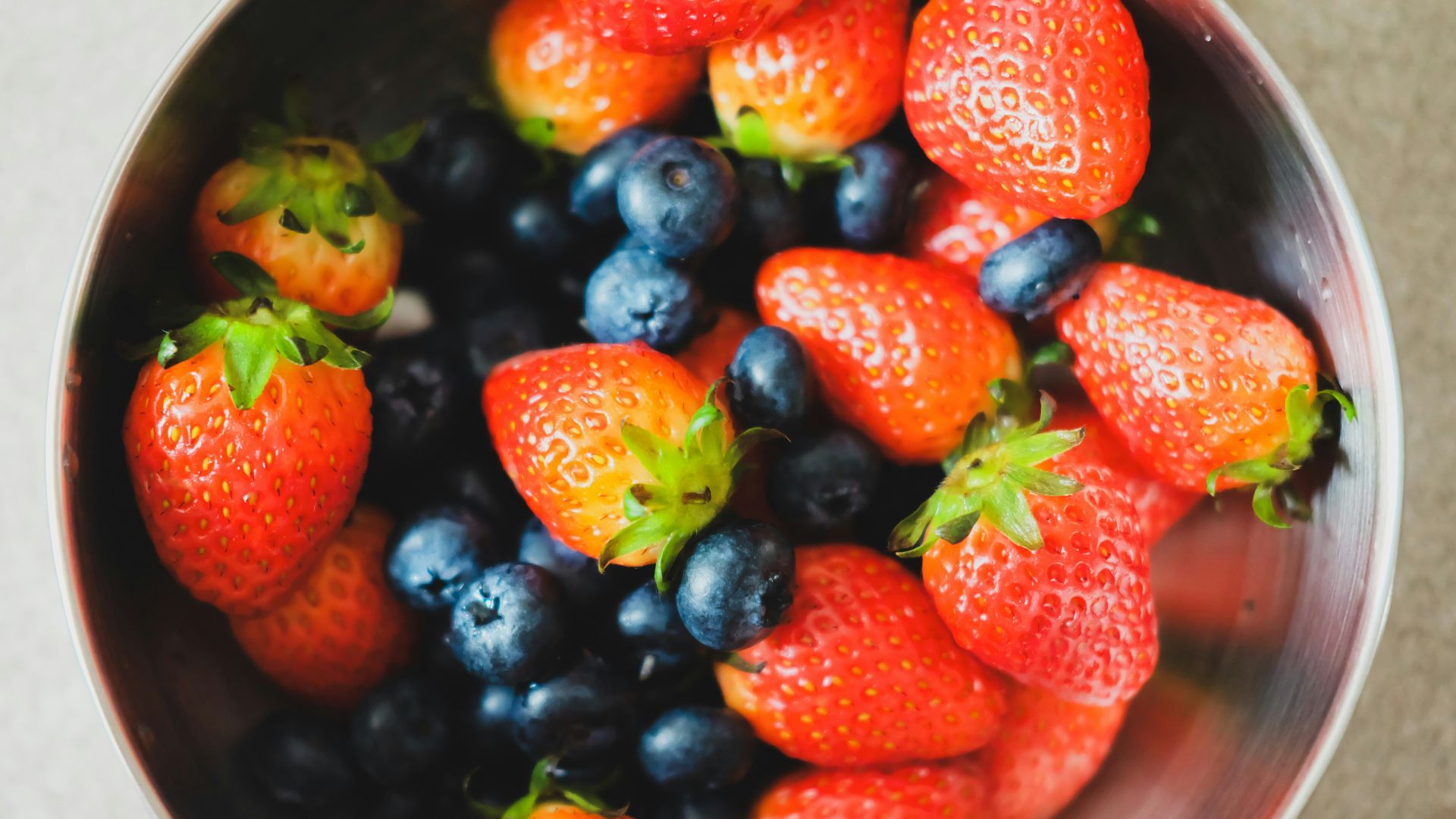
10. Mixed Berries
Berries round out the list because they’re rich in antioxidants and easy to work into a generally healthier diet. Antioxidants combat oxidative stress, which can cause sperm damage. You don’t need to act like blueberries are performing miracles, but they’re certainly more likely to help than hurt.