10 Foods That Are Sneakily High in Sodium & 10 Better Options
The Sodium Trap Hiding in Plain Sight
Sodium has a sneaky way of piling up, even when you're not in the habit of snacking on chips. Many everyday foods, even healthy ones, contain more sodium than you might imagine. You don’t need to swear off flavor or eat like a rabbit to cut back, but it helps to know where the salt is quietly doing the most. Here are 10 common foods that tend to run high in sodium, and 10 better options that can make a real difference.

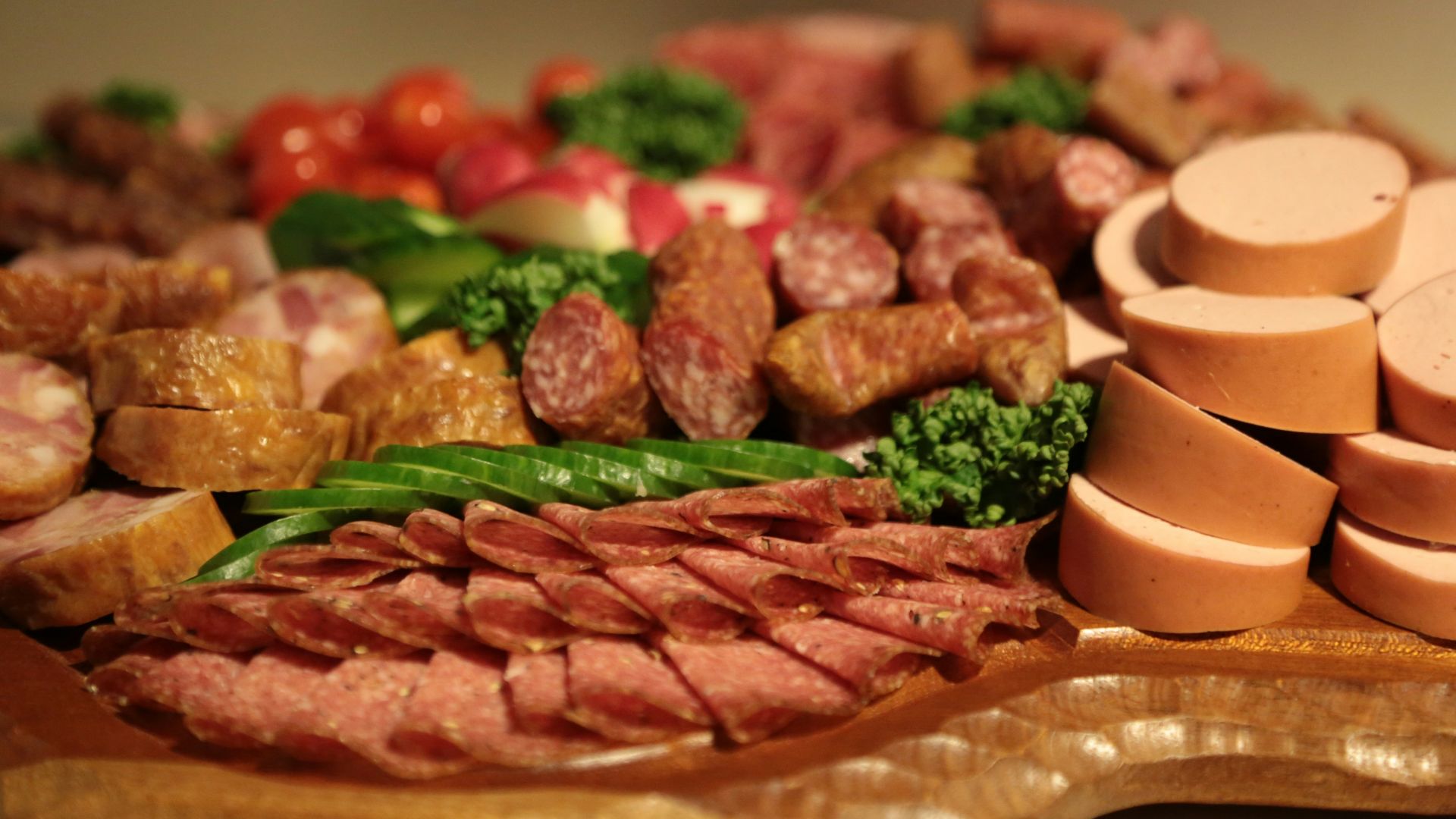
1. Deli Meats & Cold Cuts
Deli turkey, ham, salami, and roast beef are usually cured or heavily seasoned, which means sodium is part of the package. Even a single sandwich can end up saltier than you planned once you pile on a few slices. “Lower sodium” versions exist, but they can still be higher than you’d assume. If this is a daily lunch habit, it adds up fast.
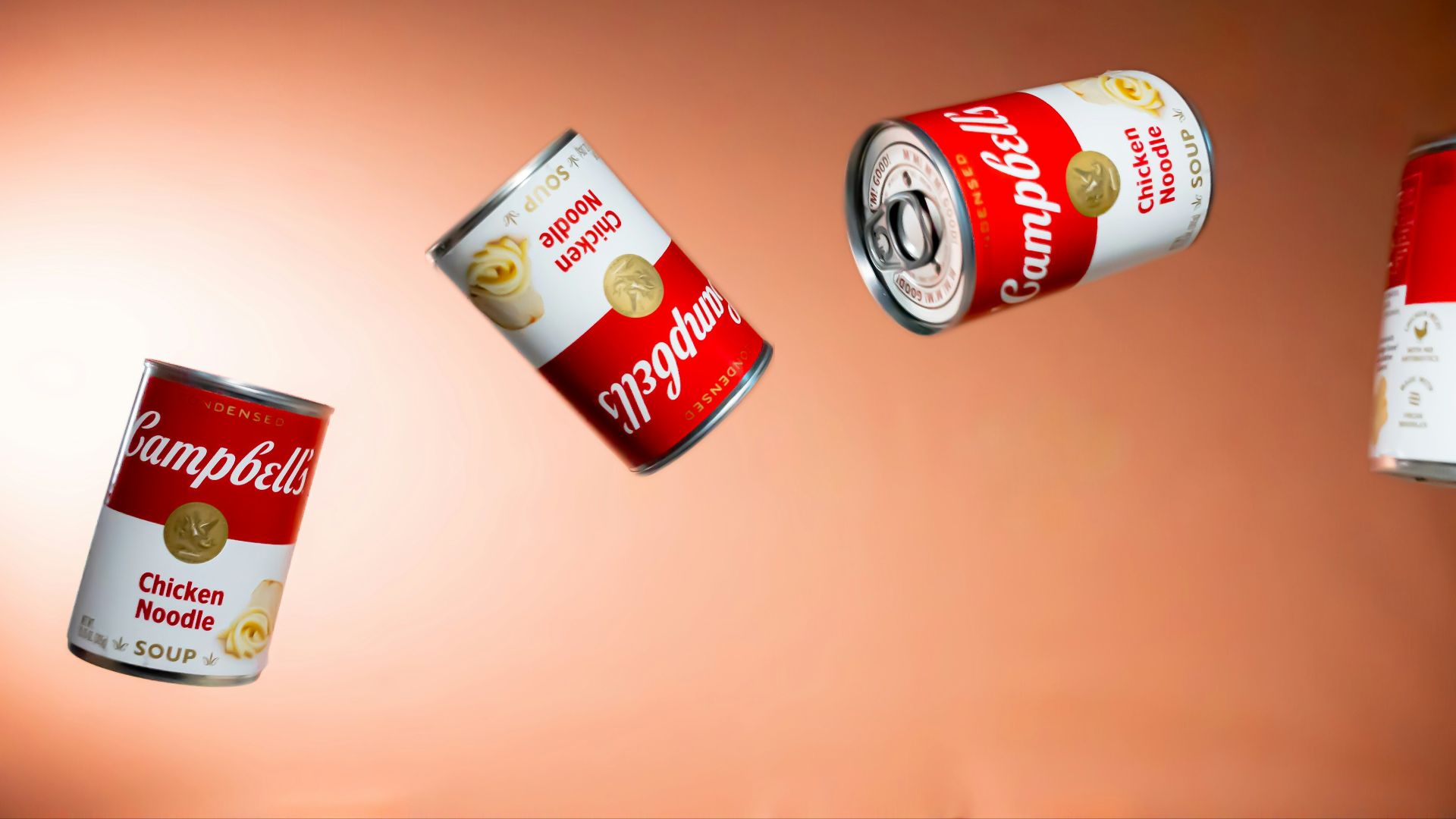
2. Canned Soup
Canned soup gets a lot of its flavor from salt, and manufacturers use it to keep the taste consistent. Brothy soups can be just as high in sodium as creamy ones, even when the label looks wholesome. One bowl can take up a huge chunk of your day’s sodium without you realizing it.
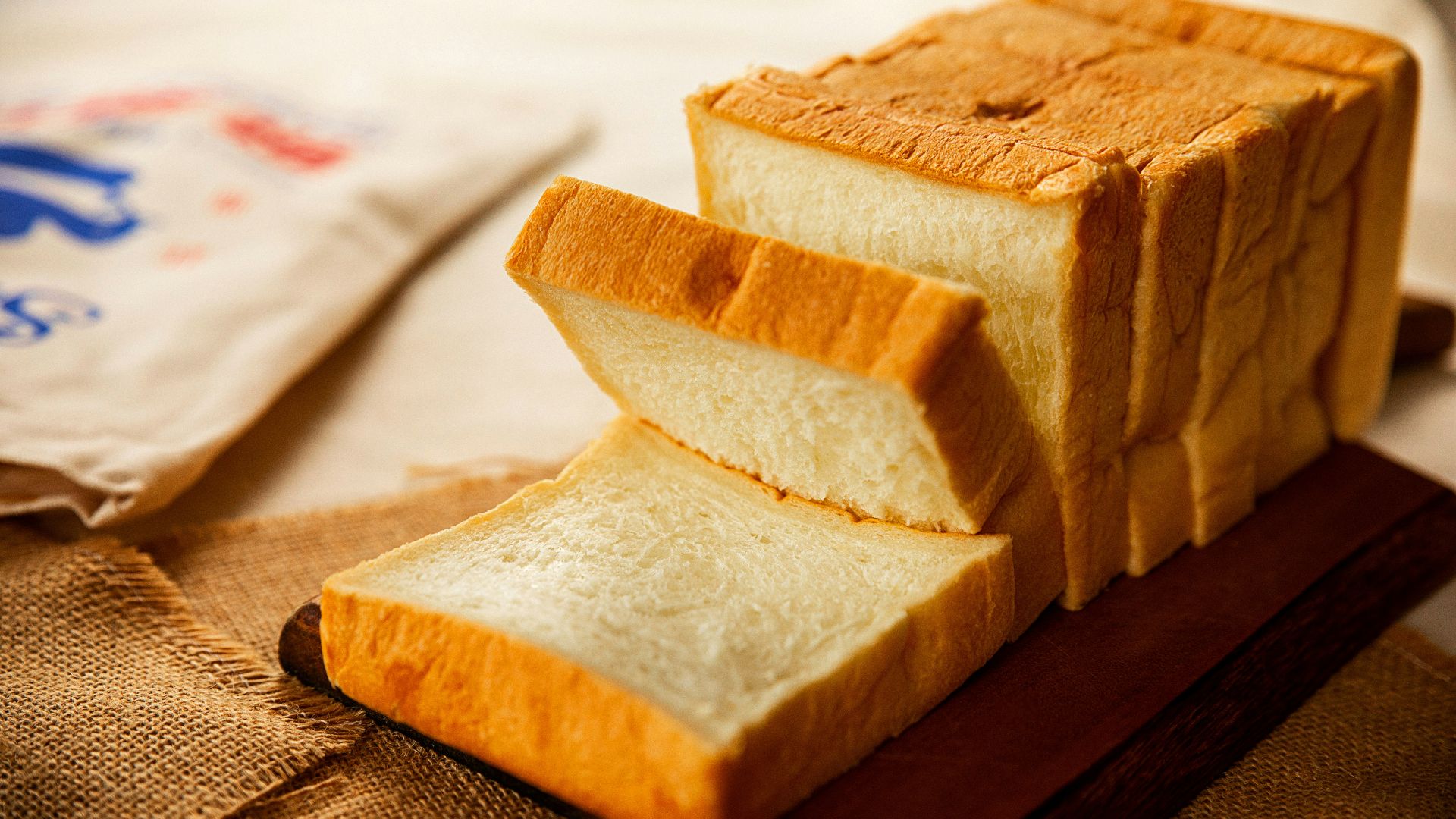
3. Bread
Bread doesn’t taste very salty, which is exactly why it’s a sneaky sodium source. Whether you get it from a bakery or buy factory-made bread at the grocery store makes little difference as all bread needs salt to offset the yeast. A slice here and there seems harmless, but toast at breakfast and a sandwich at lunch can turn into a steady stream.
4. Instant Noodles & Packaged Ramen
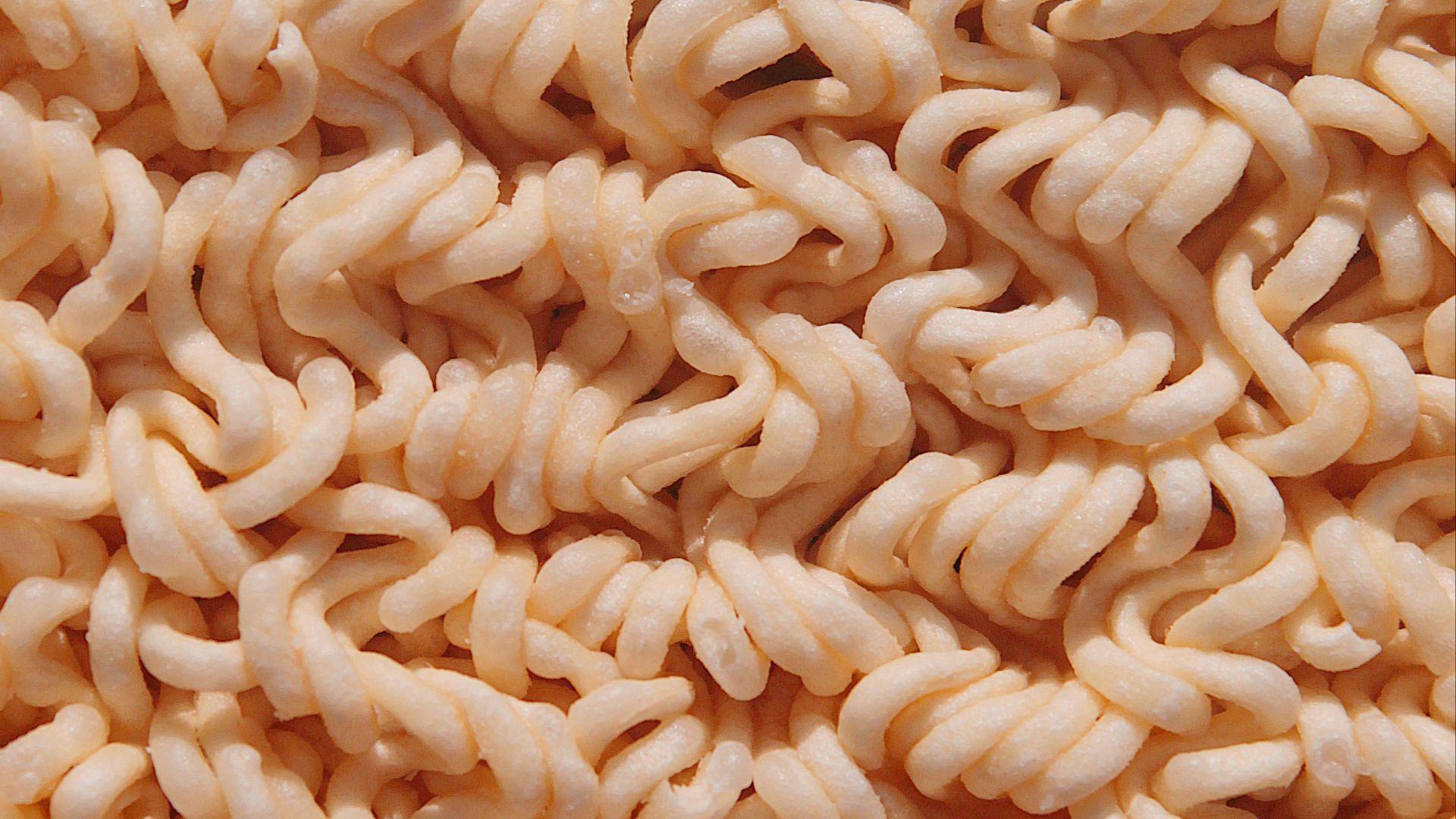
That seasoning packet is doing a lot of heavy lifting, and it usually brings a sodium avalanche with it. The noodles themselves can contain sodium too, so it’s not just the broth. It’s easy to eat the whole package and then sip the soup without thinking about it. The flavor is great, but the salt is aggressive.
5. Frozen Pizza
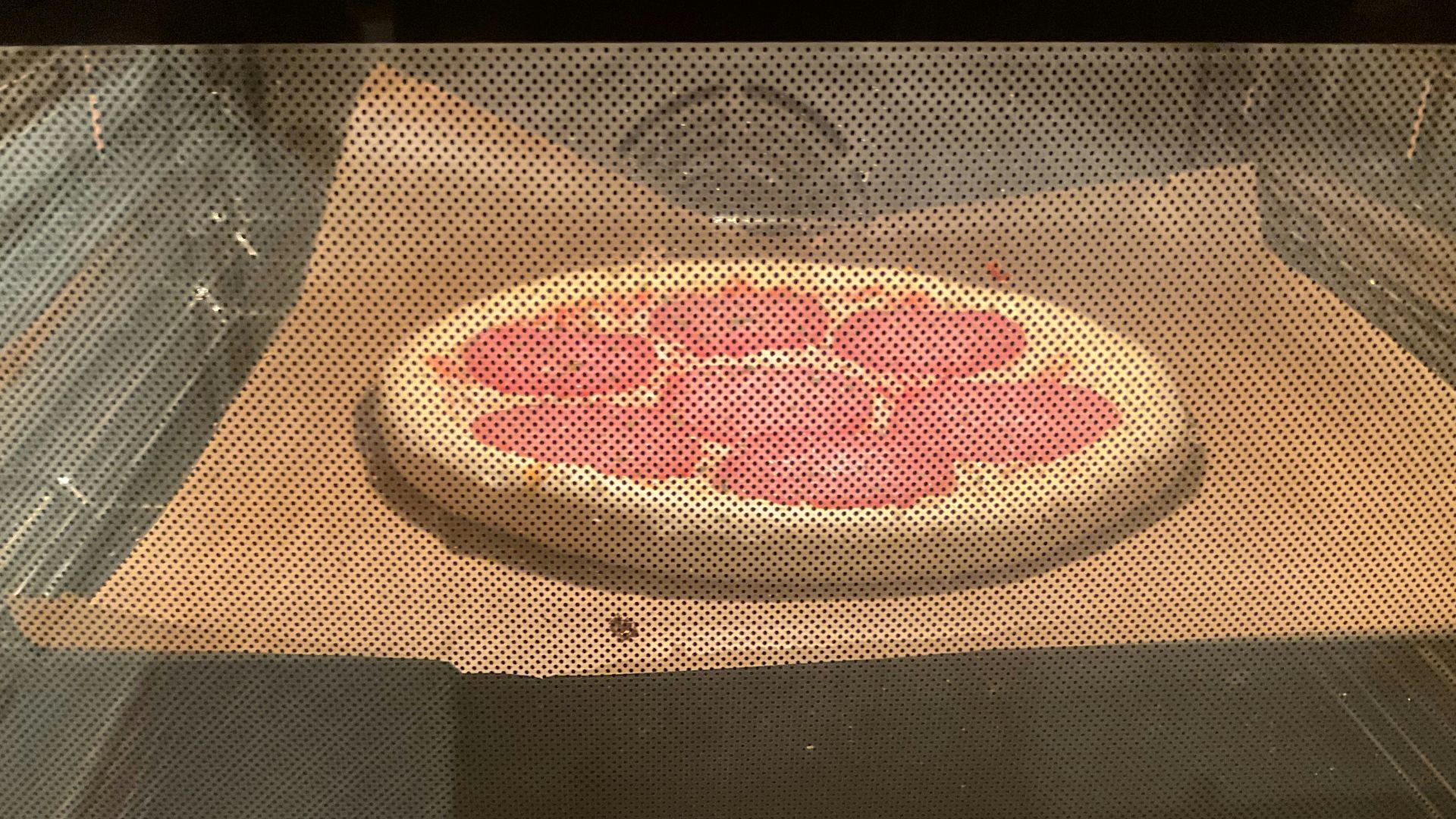
Frozen pizza tends to stack sodium from multiple places at once: crust, sauce, cheese, and processed toppings. Two slices can feel like a normal dinner, but sodium-wise it can be a big deal. Some “thin crust” or “lite” options still run salty, so the label matters more than the marketing. It’s one of those foods that feels casual but hits hard.
6. Bottled Salad Dressings
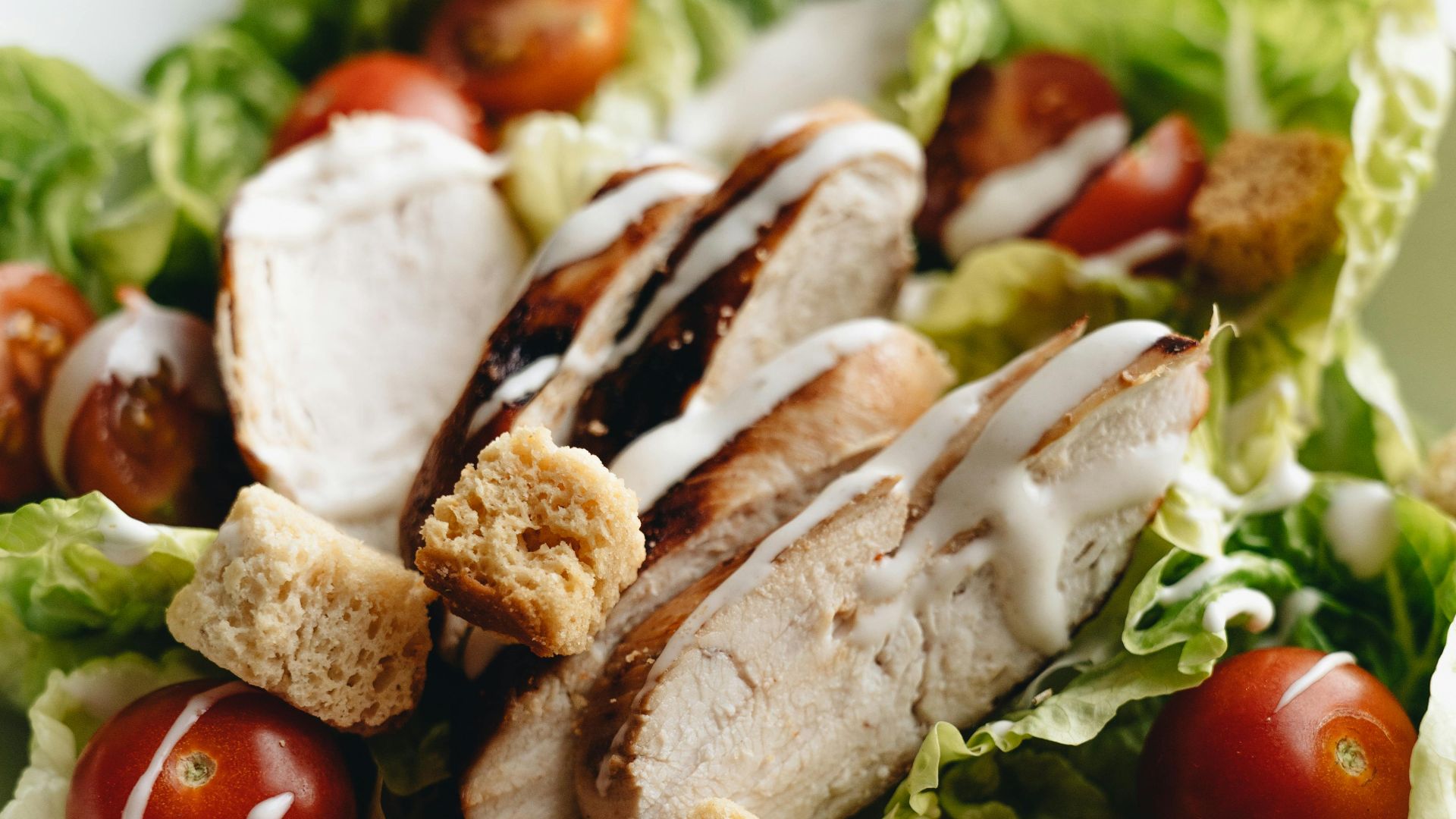
Salads can be a great choice until the dressing quietly takes over the nutrition story. Bottled dressings often use sodium to keep flavor strong and shelf-stable, especially creamy styles. It’s also easy to pour more than you meant to, which makes the sodium climb quickly. Your “healthy” meal can end up shockingly salty.
7. Pickles & Pickled Vegetables
Like is the case with most fermented foods, salt is a necessity in things like pickles, kimchi, and saurkraut because it creates a controlled environment for the beneficial bacteria. Without it, these products would just immediately spoil, so even if you’re only adding a few slices or a spoonful, pickle-heavy snacks can rack up sodium fast.
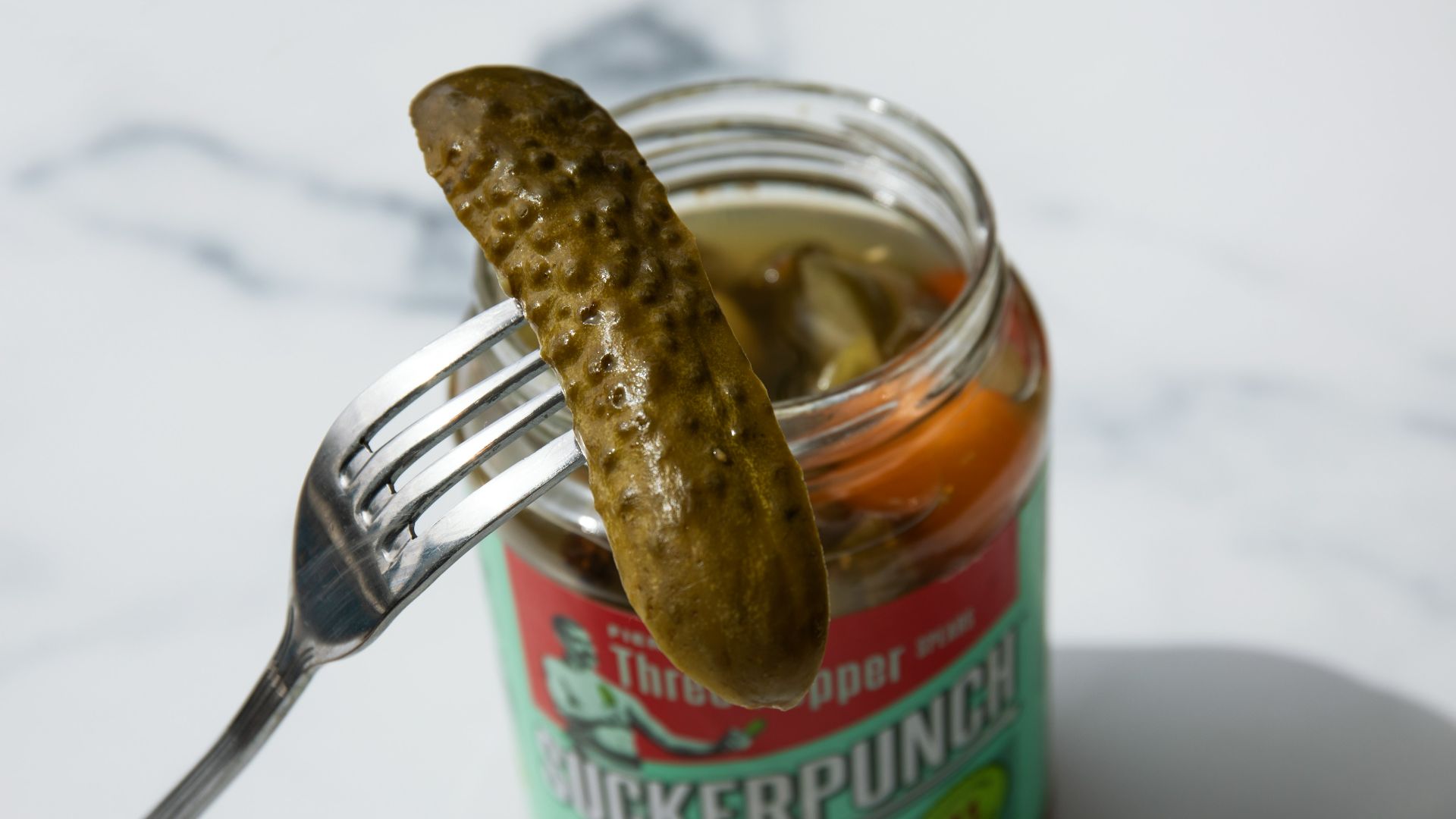 SuckerPunch Gourmet on Unsplash
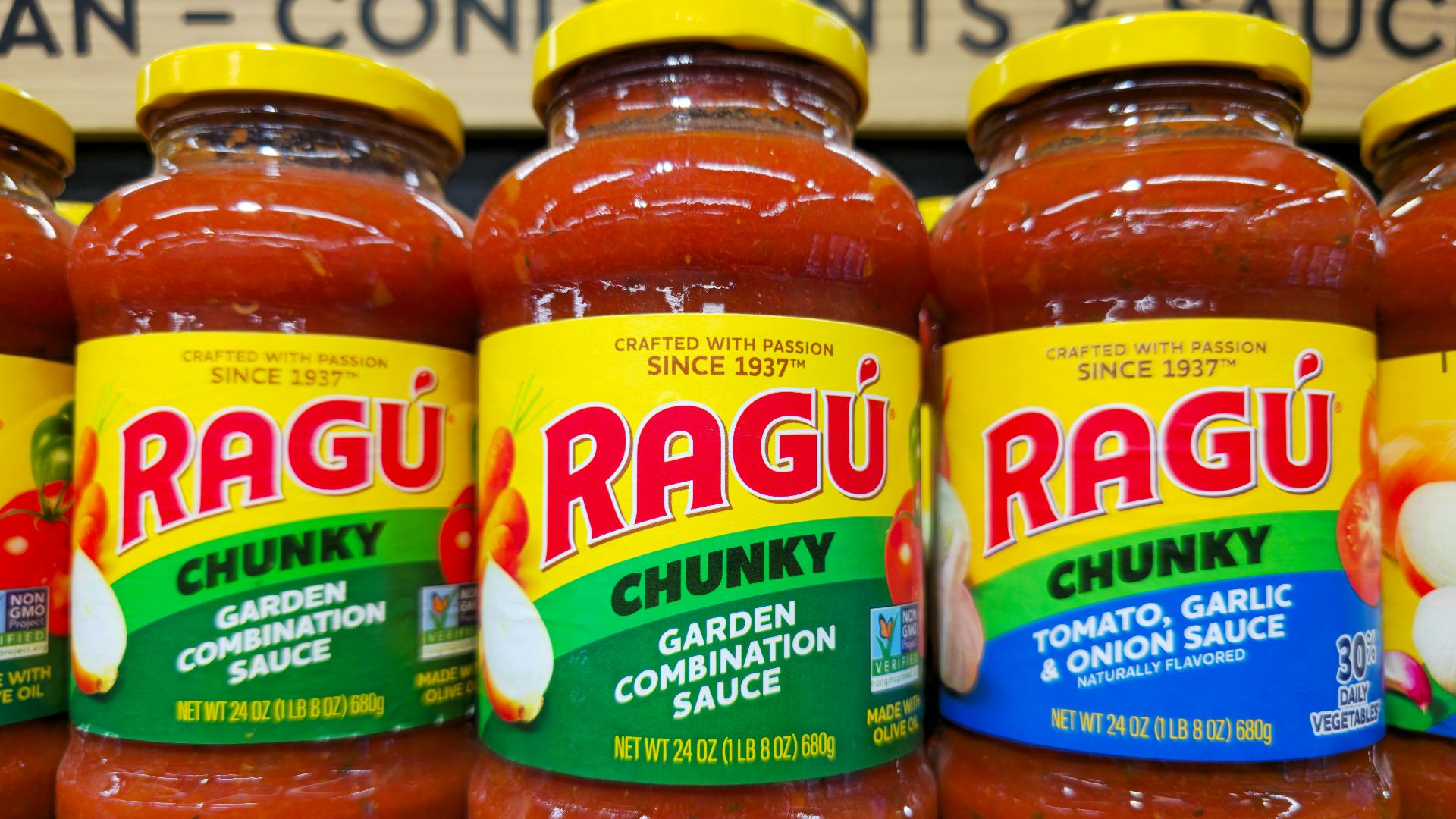
8. Jarred Pasta Sauce
Many jarred sauces use sodium to balance acidity and make the flavors pop. It doesn’t always taste salty, which makes it easy to underestimate. Once you add salted pasta water and cheese, the whole meal can swing high-sodium quickly. If pasta night happens a lot, this is a big one.
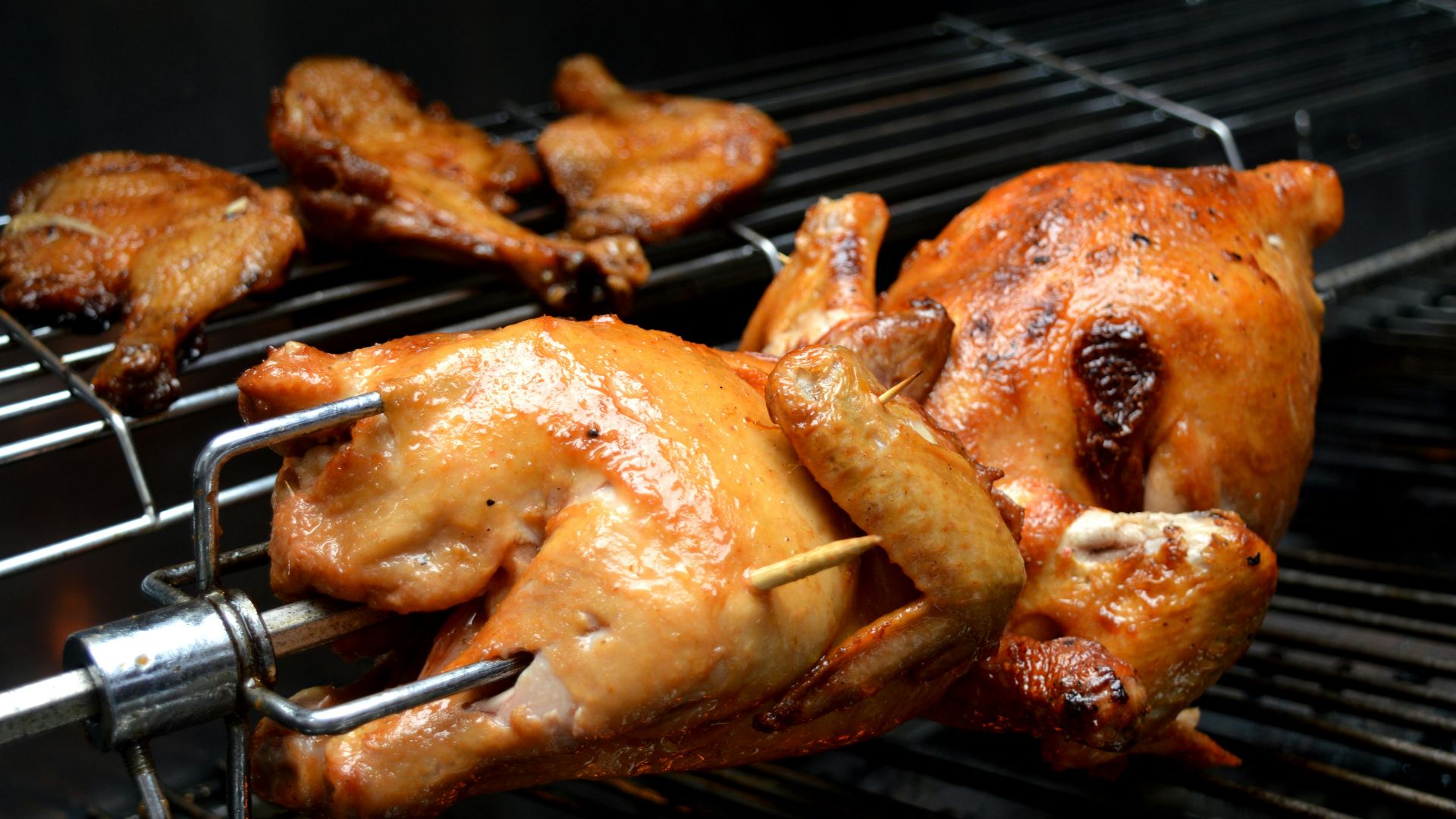
9. Rotisserie Chicken
Rotisserie chicken feels like a healthy shortcut, but it’s often seasoned generously to taste great right out of the container. The sodium isn’t just on the skin, it’s in the meat, so you can’t really “scrape it off.” If you build multiple meals around it, you might notice you’re thirstier than usual.
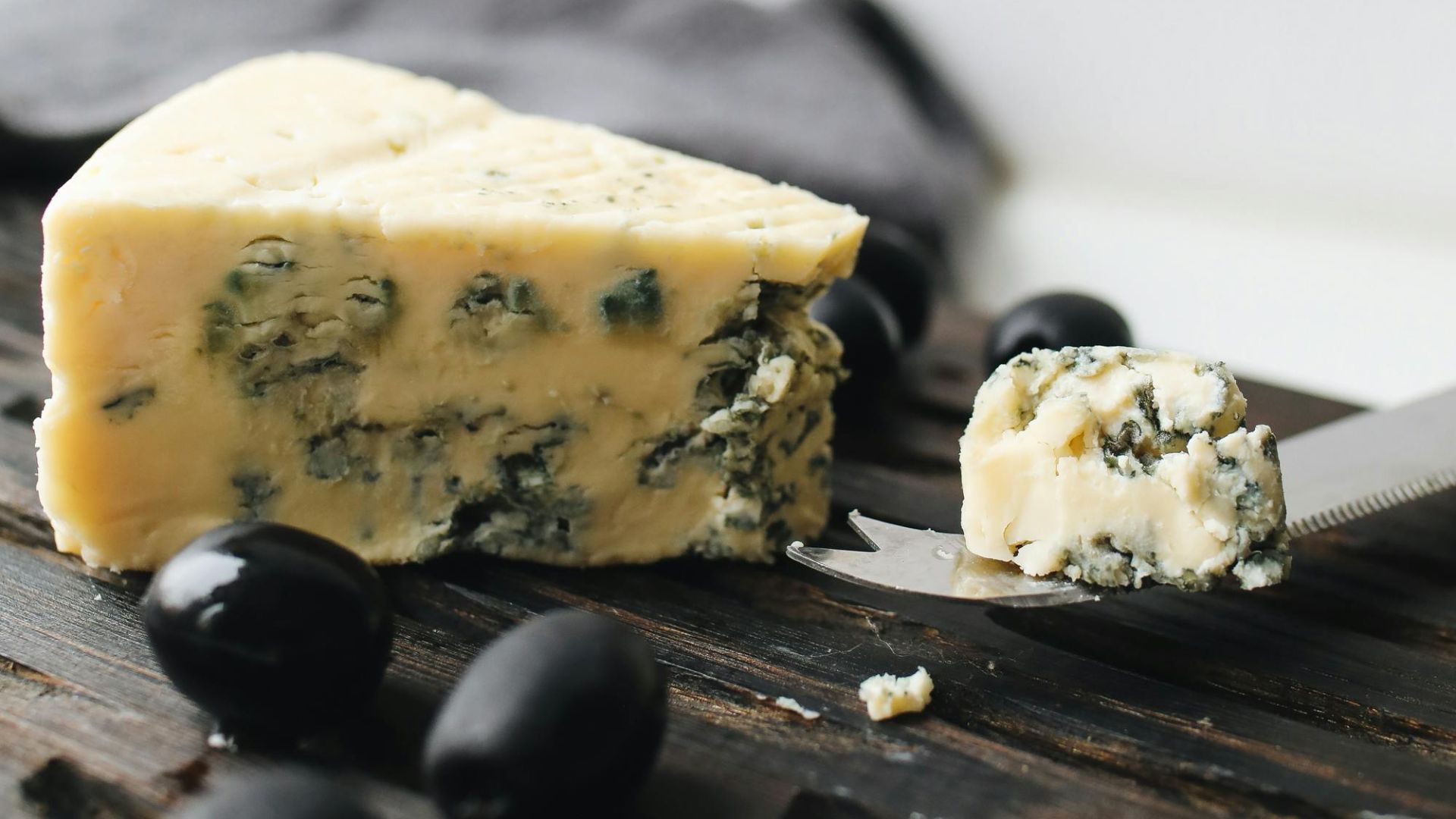
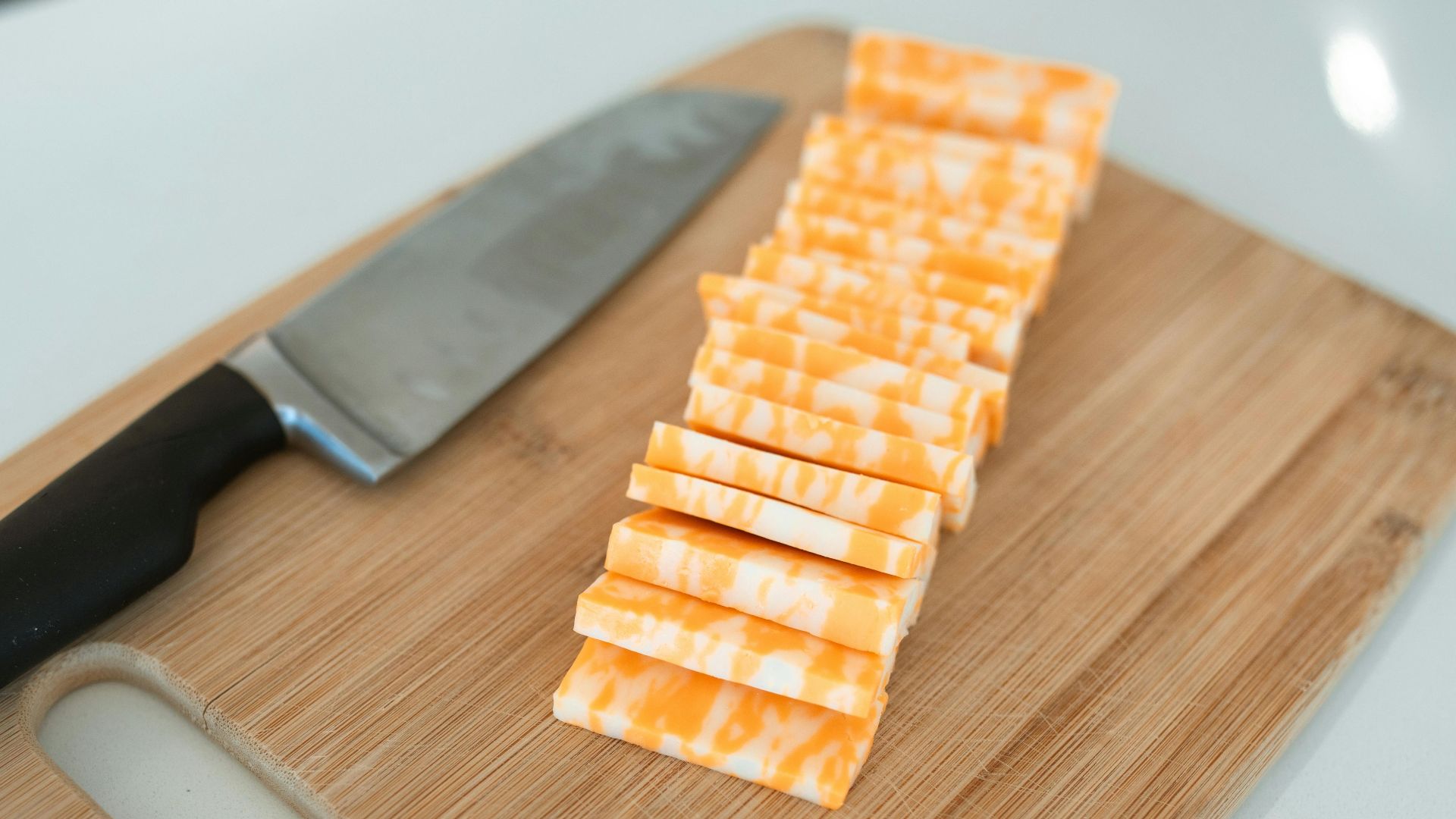
10. Cheese, Especially Processed Slices
Cheese naturally contains sodium, and processed slices can be even higher because they’re designed to melt perfectly and taste consistent. It’s easy to double up on cheese without thinking, especially in sandwiches, burgers, and breakfast wraps. Once it’s paired with other salty foods, it becomes a major contributor. If you’re a cheese lover, you don’t have to quit, but you might want to be aware.
Now that we've talked about the everyday foods that are secret salt bombs, let's talk about some safer alternatives.
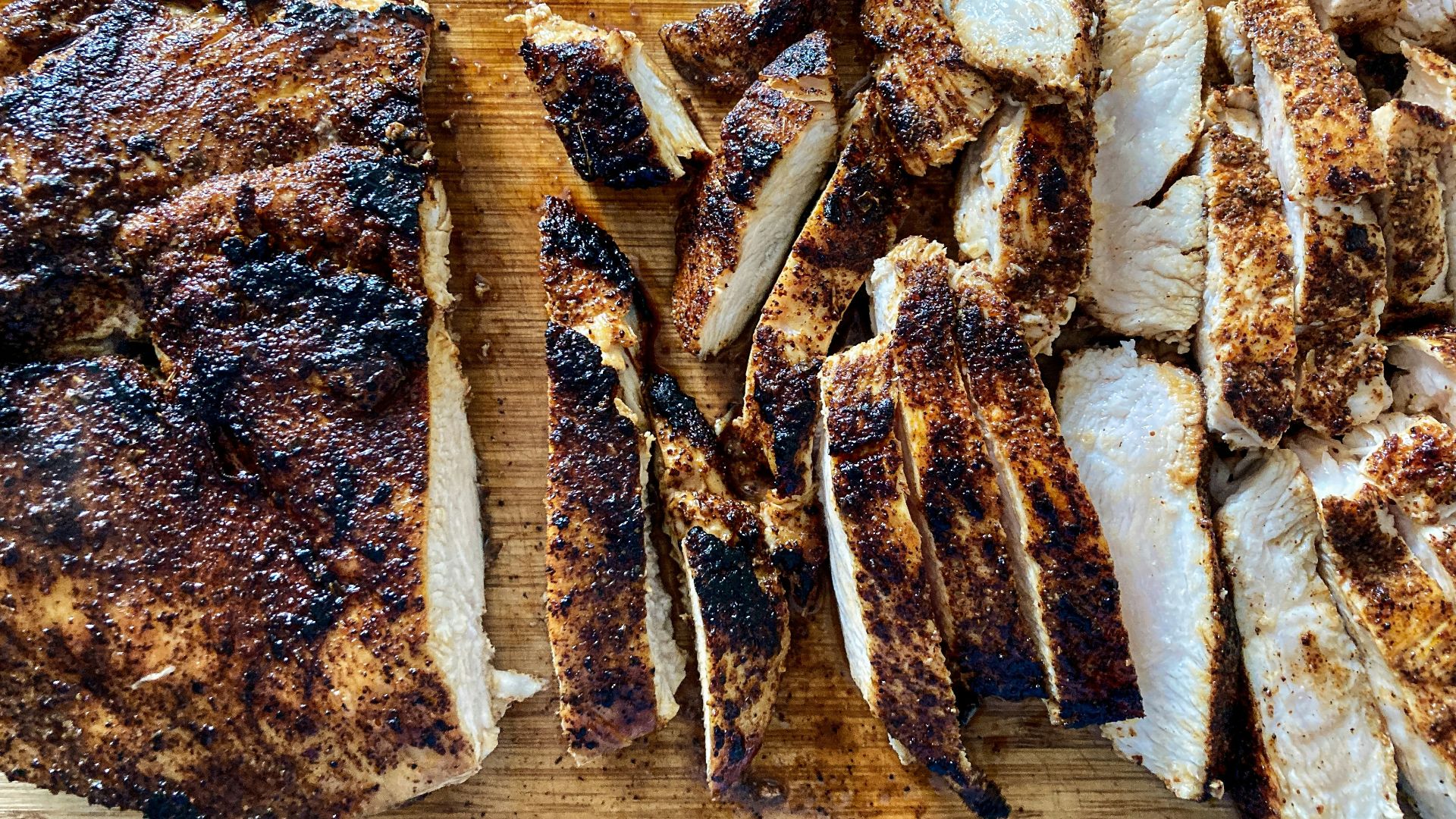
1. Fresh Roasted Chicken or Turkey You Slice Yourself
Cooking a simple chicken breast or turkey tenderloin at home lets you control the salt instead of inheriting it. You can season with pepper, garlic, lemon, and herbs and still get a ton of flavor. Slice it up once and you’ve got sandwich-ready protein for a few days. It’s one of the easiest swaps that actually feels like an upgrade.
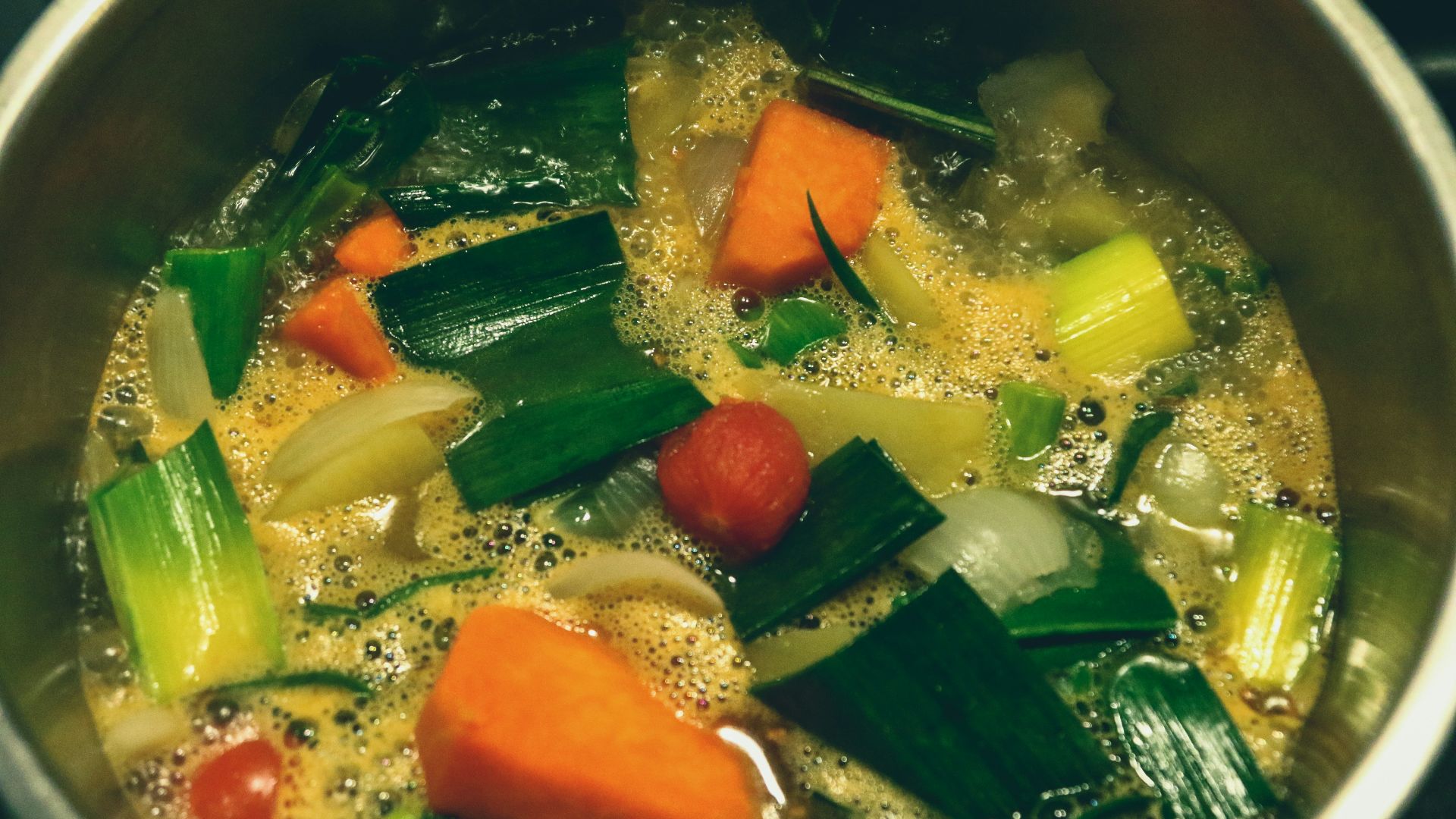
2. Low-Sodium Soup or Quick Homemade Soup Shortcuts
Low-sodium canned soups can help, but making a quick soup is often even better and easier than it sounds. Start with low-sodium broth (or make your own), add frozen vegetables, and toss in beans or shredded chicken for a real meal. Herbs, a squeeze of lemon, or a splash of vinegar makes everything taste brighter without extra salt. You’ll still get comfort food without the same sodium hit.
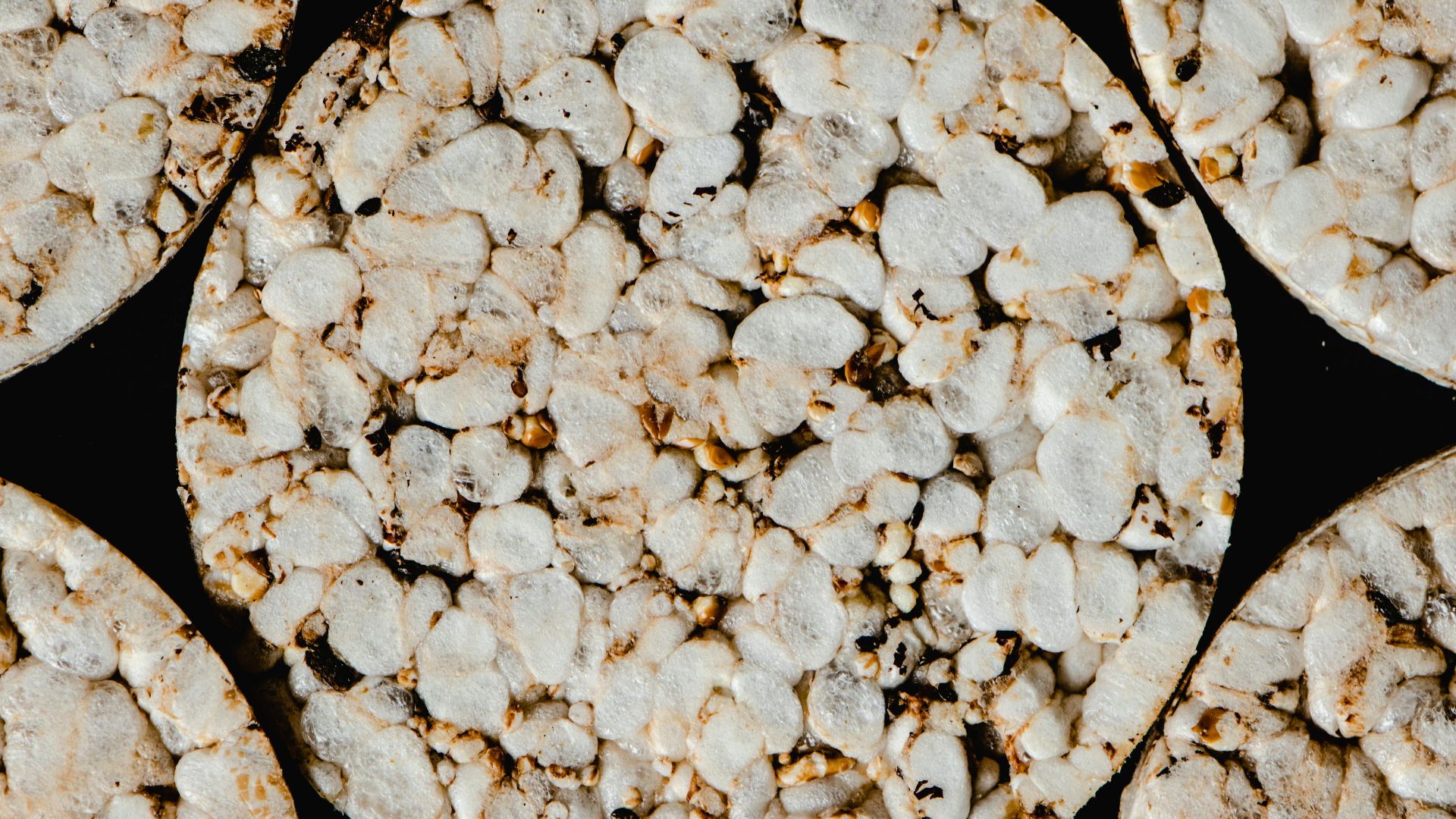
3. Plain Rice Cakes
If you're in the habit of eating things on top of bread, using plain rice cakes as you base instead makes for an easy swap. They usually contain much less or no sodium at all. Try them with nut butter and banana for sweet, or avocado and sliced veggies for savory.
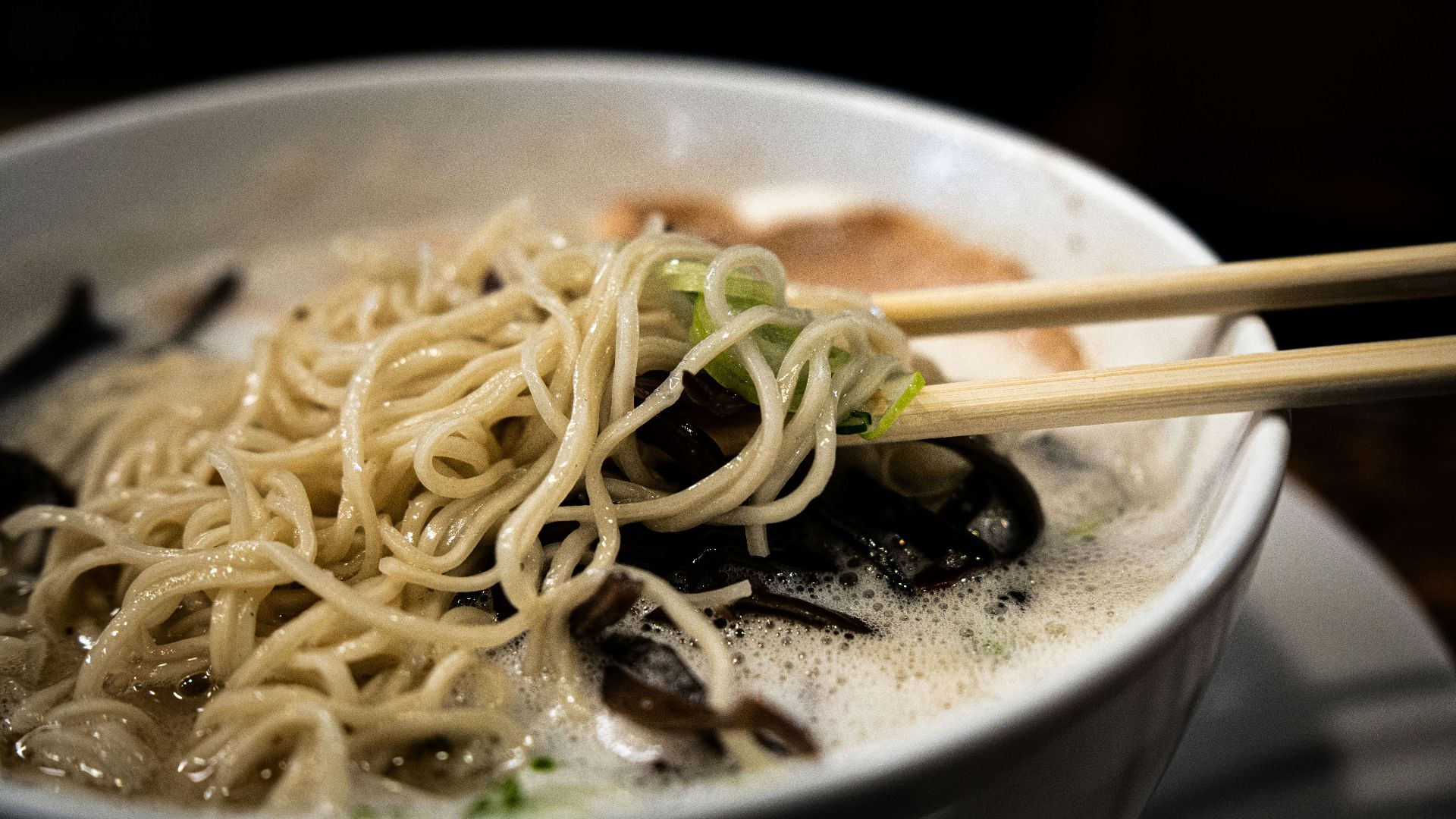
4. DIY Noodles with Your Own Seasoning
If you love noodles, you don’t have to give them up, you just need to ditch the sodium bomb packet. Use low-sodium broth or hot water with ginger, garlic, and a little sesame oil for flavor. Add an egg, tofu, or leftover chicken plus frozen veggies and it becomes a solid meal. You’ll still get the cozy vibe without the salt overload.
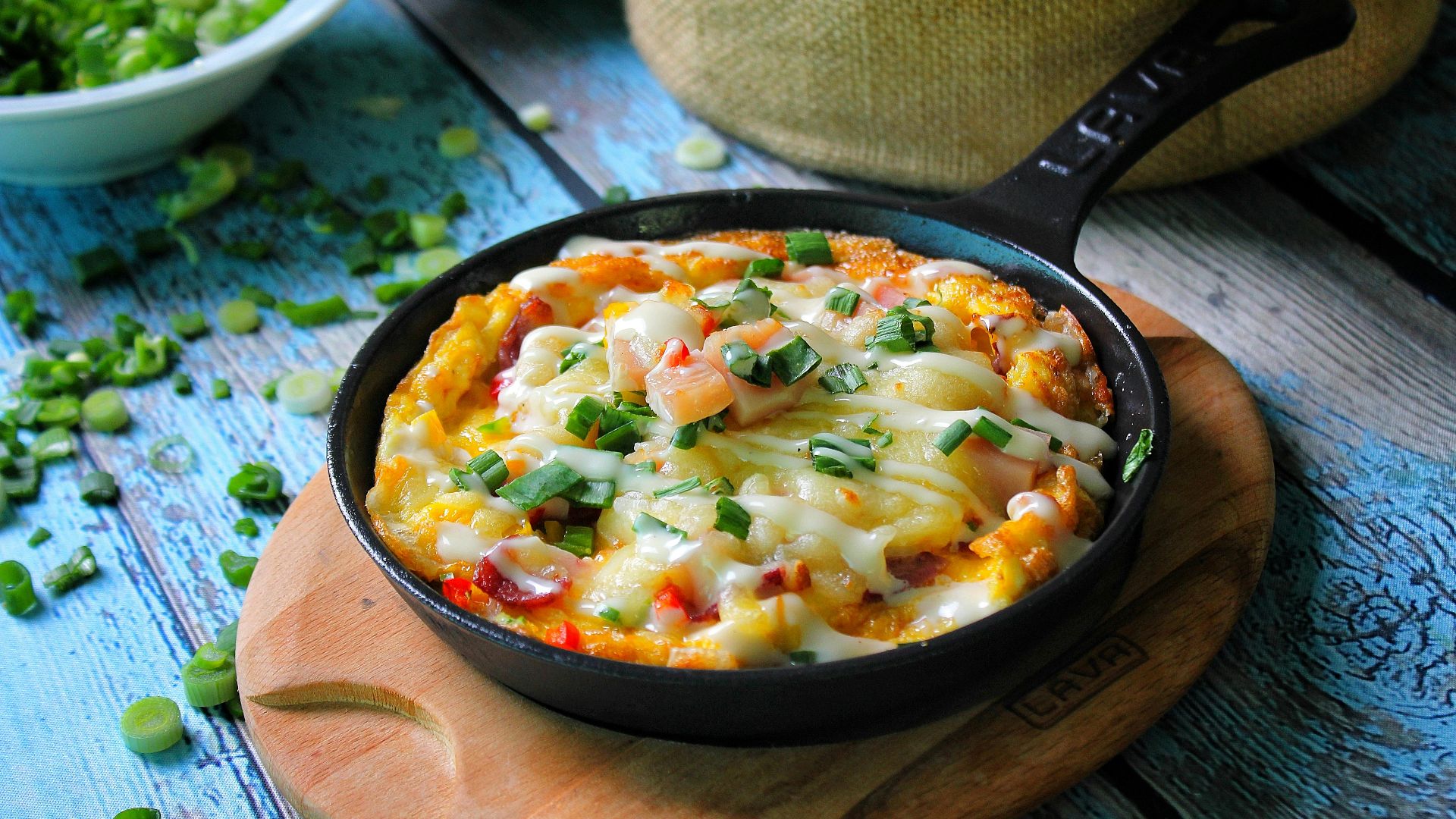
5. Simple Pizza Bowl
Another easy move is a “pizza bowl,” which is like the casserole version of pizza, with tomatoes, mozzarella, veggies, and seasoning baked until bubbly. It scratches the itch without the same sodium stacking from every direction.
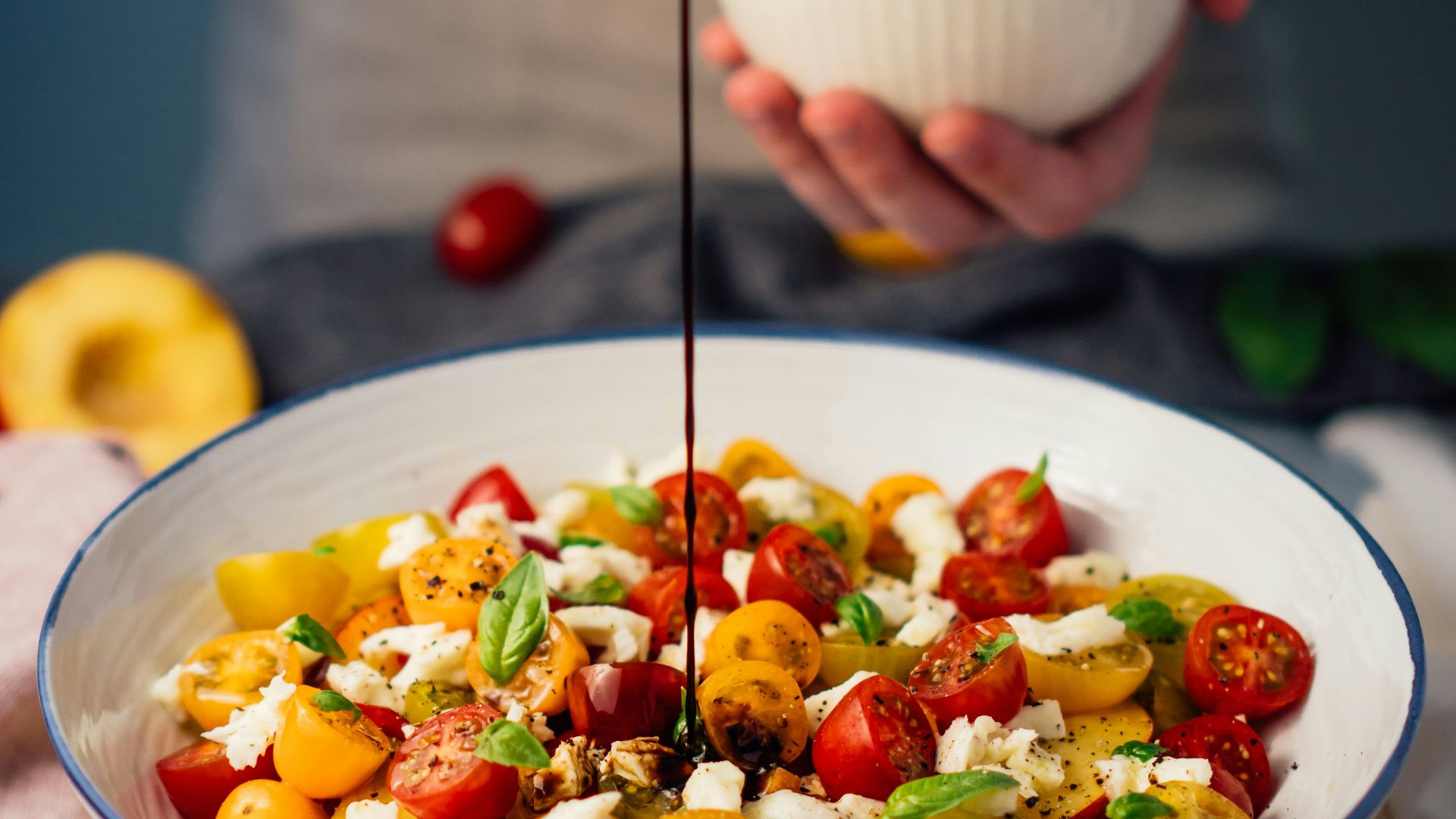
6. Olive Oil & Vinegar Dressing You Mix Yourself
The nice thing about salad dressing it it's extremely simple to make yourself with just a few ingredients. A basic dressing of olive oil and vinegar or lemon tastes fresh and doesn’t need much salt to work. Mustard, pepper, garlic, and herbs add plenty of flavor without turning it into a sodium trap. If you like creamy dressing, plain Greek yogurt or mashed avocado can do the job.
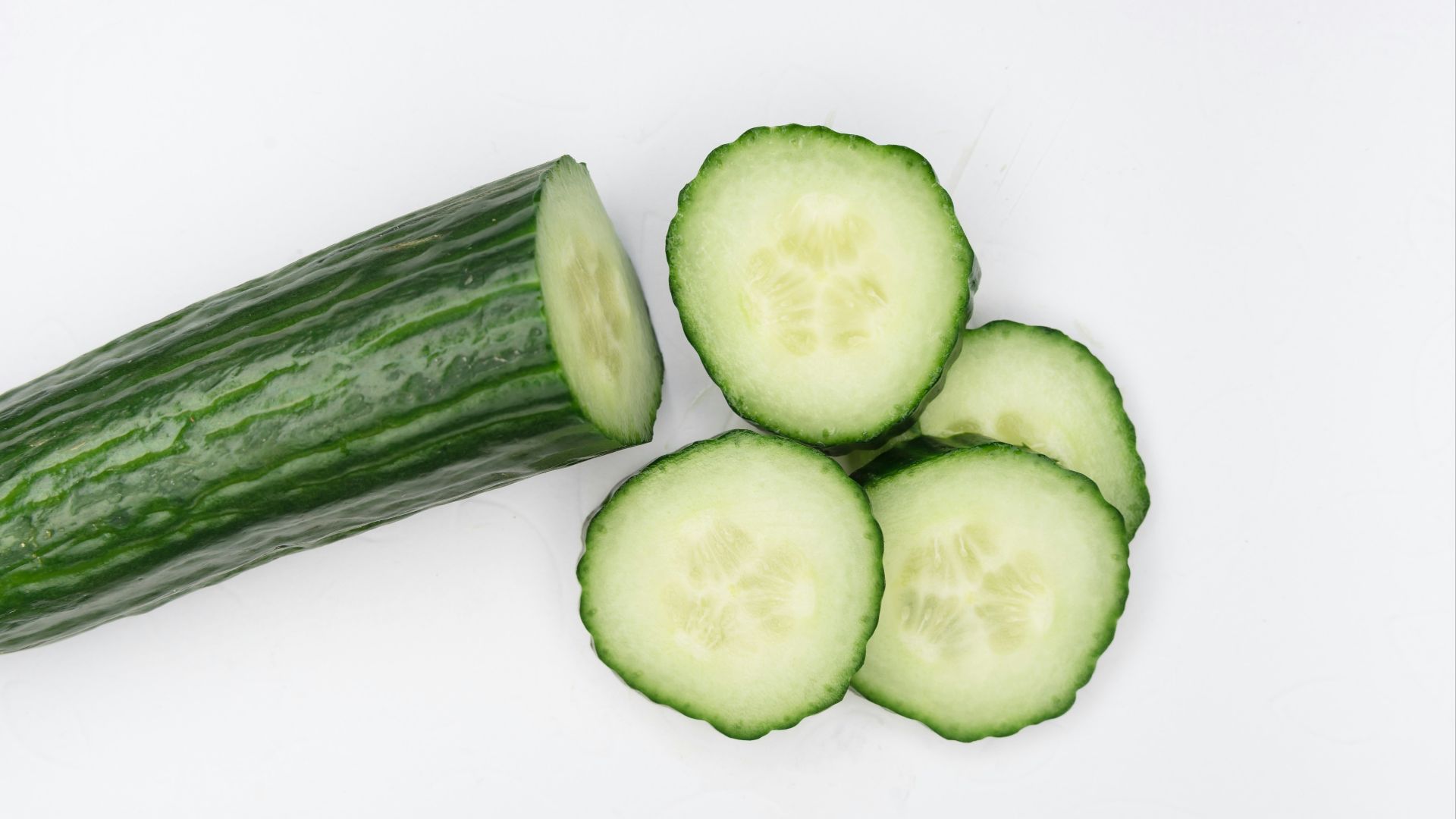
7. Fresh Crunchy Snacks with Tangy Flavor
If pickles are your weakness, aim for crunch and tang in a way that doesn’t rely on brine. Cucumbers, carrots, and bell peppers with lemon juice or a splash of vinegar can hit the same craving. You can also make quick refrigerator pickles with less salt and more spices.
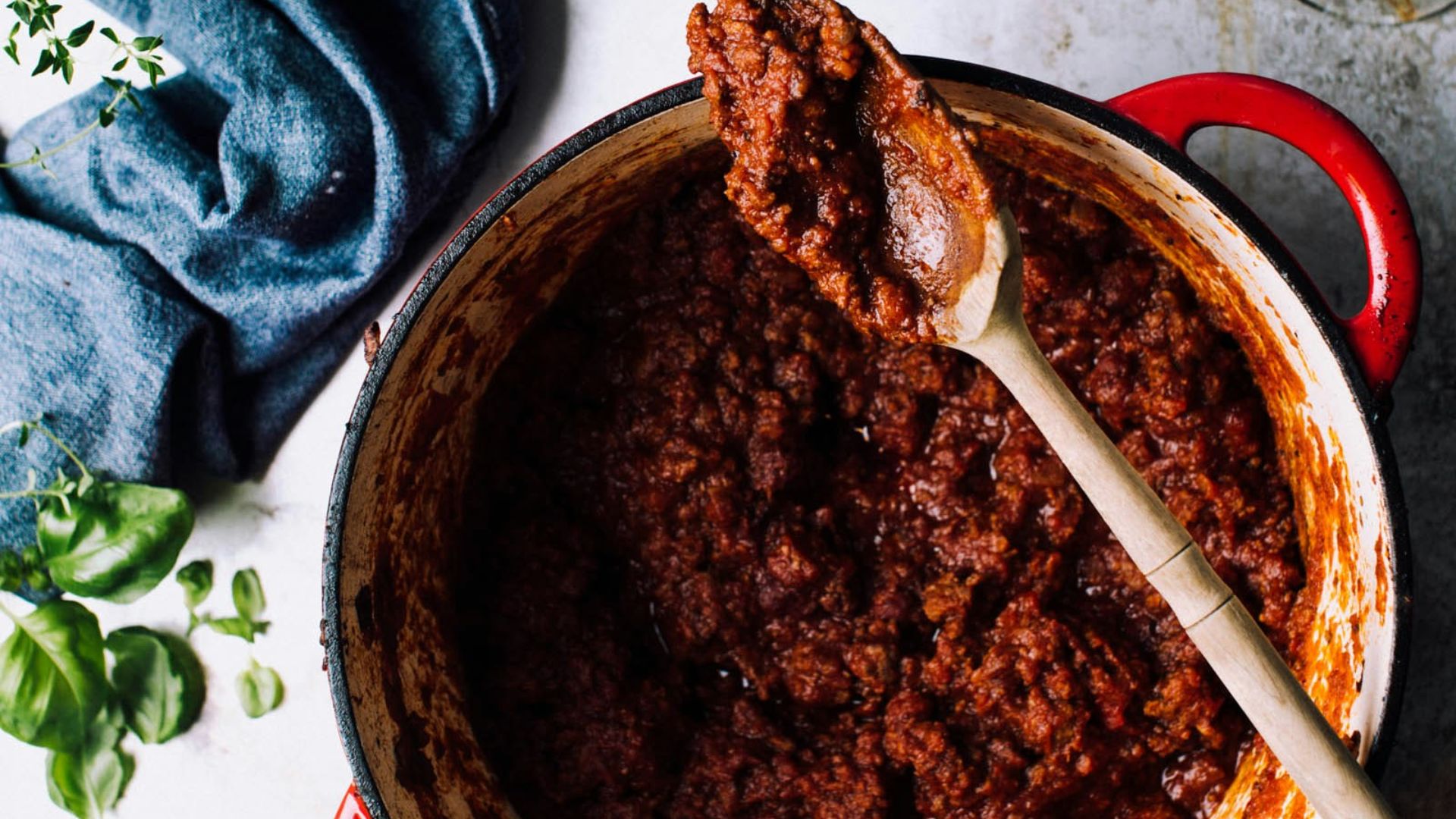
8. Simple Homemade Tomato Sauce
Instead of buying sauce, pick up a can of crushed tomatoes with no salt added. Dump it into a sauce pan and simmer with some garlic, onion, and Italian seasoning, and add salt yourself so you can control it. It literally take 15 minutes to make a sauce that's more flavorful than the pre-made anyway, and pasta night stays comforting without being a sodium overload.
 Food Photographer | Jennifer Pallian on Unsplash
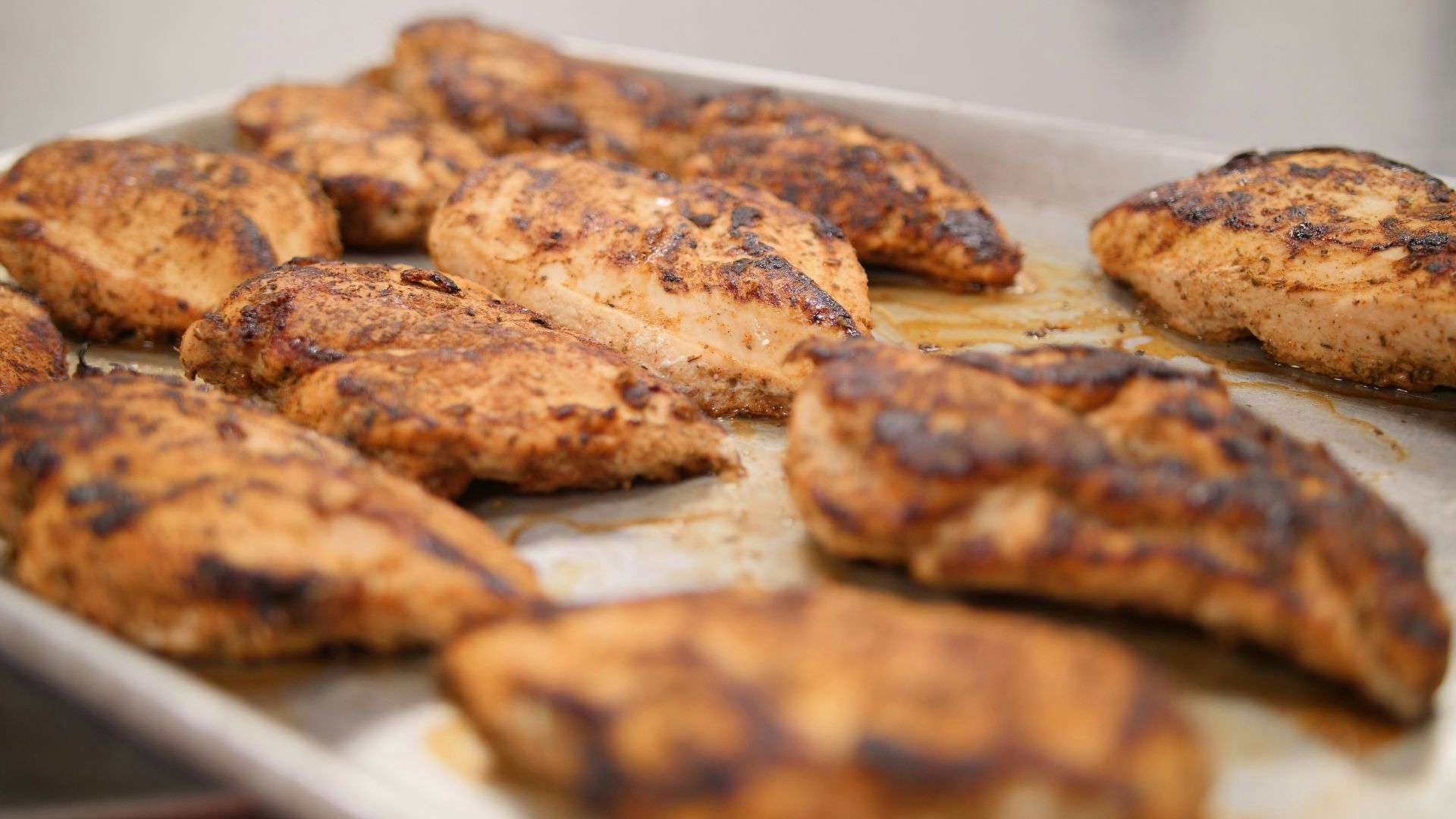
9. Plain Cooked Proteins or Lower-Sodium Prepared Choices
Roasting or grilling a batch of chicken, fish, or tofu gives you easy protein without the extra sodium. If you’re buying prepared foods, look for plainly seasoned options when you can, since sauces and rubs are often where the salt hides. You can always add flavor at home with citrus, herbs, or salt-free seasoning blends.
10. Less Processed Cheese & Smaller Portions
If you want cheese, you’ll usually do better with less processed options and a lighter hand. Stronger-flavored cheeses can be satisfying in smaller amounts, so you don’t feel like you’re missing out. Pairing cheese with fruit, veggies, or unsalted nuts can help it feel like a complete snack without piling on more sodium.