Senior Fitness Fundamentals
Remember when getting up from a chair felt effortless? Those days don't have to be behind you. The human body responds remarkably well to gentle, consistent movement, regardless of age or current fitness level. You won't require expensive gym memberships or complicated equipment either—just you, your favorite chair, and maybe a wall. Here are 20 beginner exercises that fit seamlessly into daily life.
1. Chair-Supported Squats
The National Library of Medicine reports that adults over 60 lose 3–8% muscle mass per decade, primarily in the legs. Chair-supported squats brilliantly address this by mimicking daily movements. Stand behind a sturdy chair, grip the back, lower yourself as if sitting, then rise.
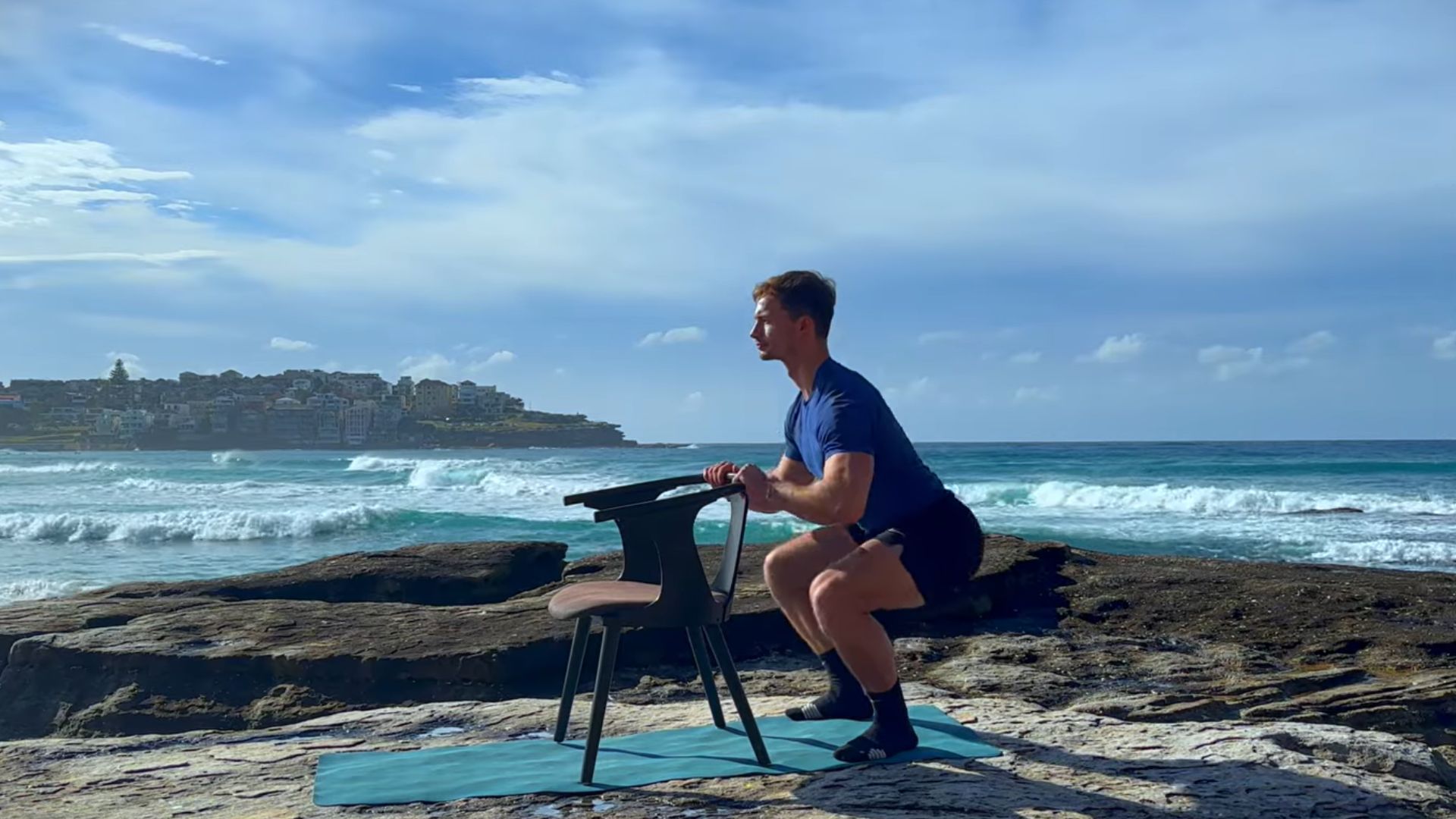 Squat | Chair Supported | Strong Band Exercise Library by Strong Band
2. Wall Push-Ups
Unlike traditional floor push-ups that can strain wrists and require significant upper body strength, wall push-ups offer a gentler introduction to resistance training. This builds chest, shoulder, and tricep strength while retaining proper form and reducing the risk of injury.
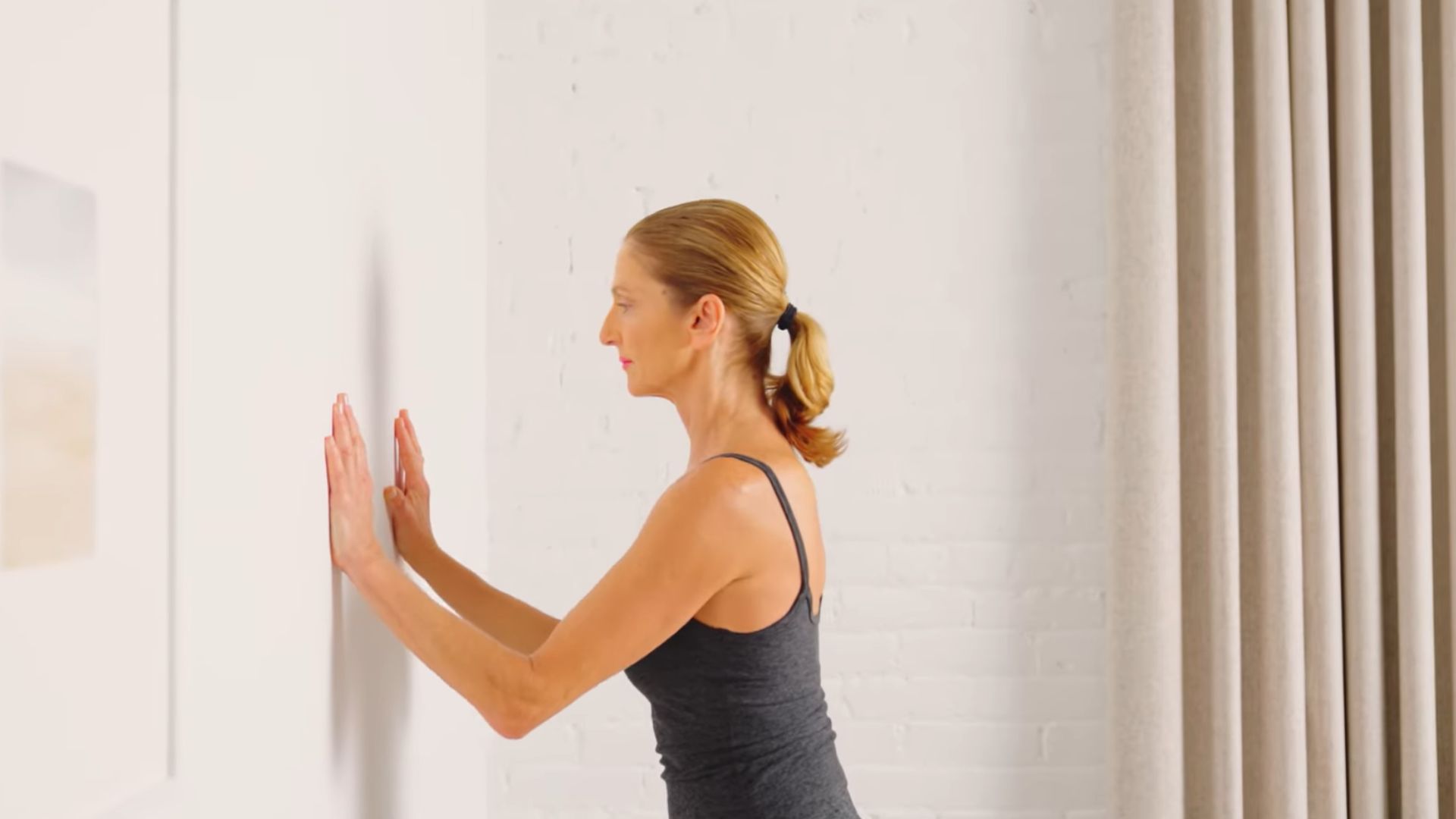 How To Properly Do A Wall Push-Up - Strength Exercises - Wellen by Wellen
3. Seated Marching
Your cardiovascular system doesn't care if you're sitting or standing. It responds to movement and elevated heart rate. Seated marching provides low-impact cardio that's particularly valuable for those with joint concerns or balance issues. Even light physical activity can improve circulation.
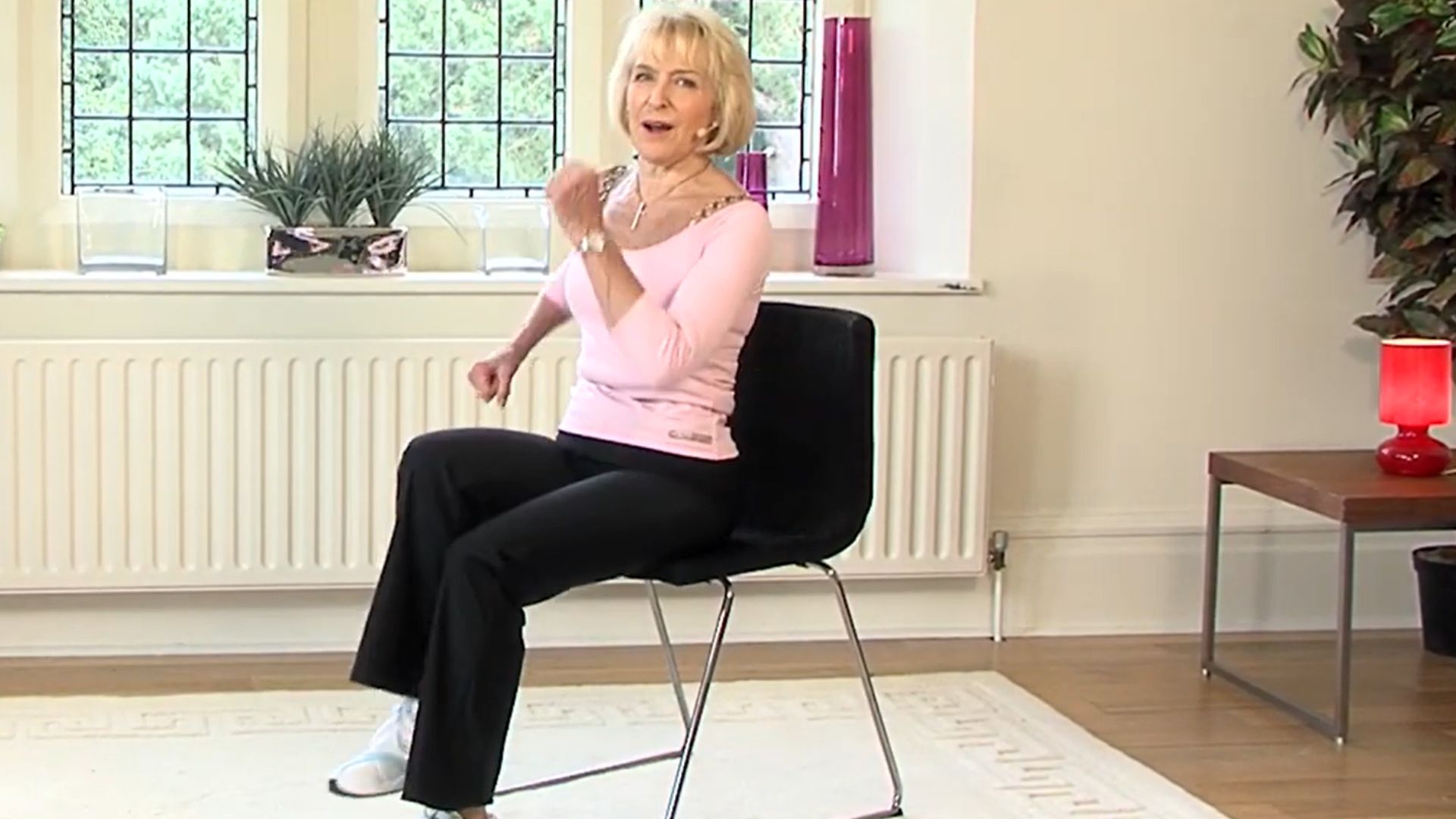 Rosemary Conley | Seated March Exercise by FirstPort
4. Ankle Circles
Ankle circles might seem simple, but they're remarkably effective. The repetitive circular motion acts like a pump. It encourages blood flow back toward the heart and reduces swelling. This exercise also maintains ankle joint mobility, which is important for preventing falls.
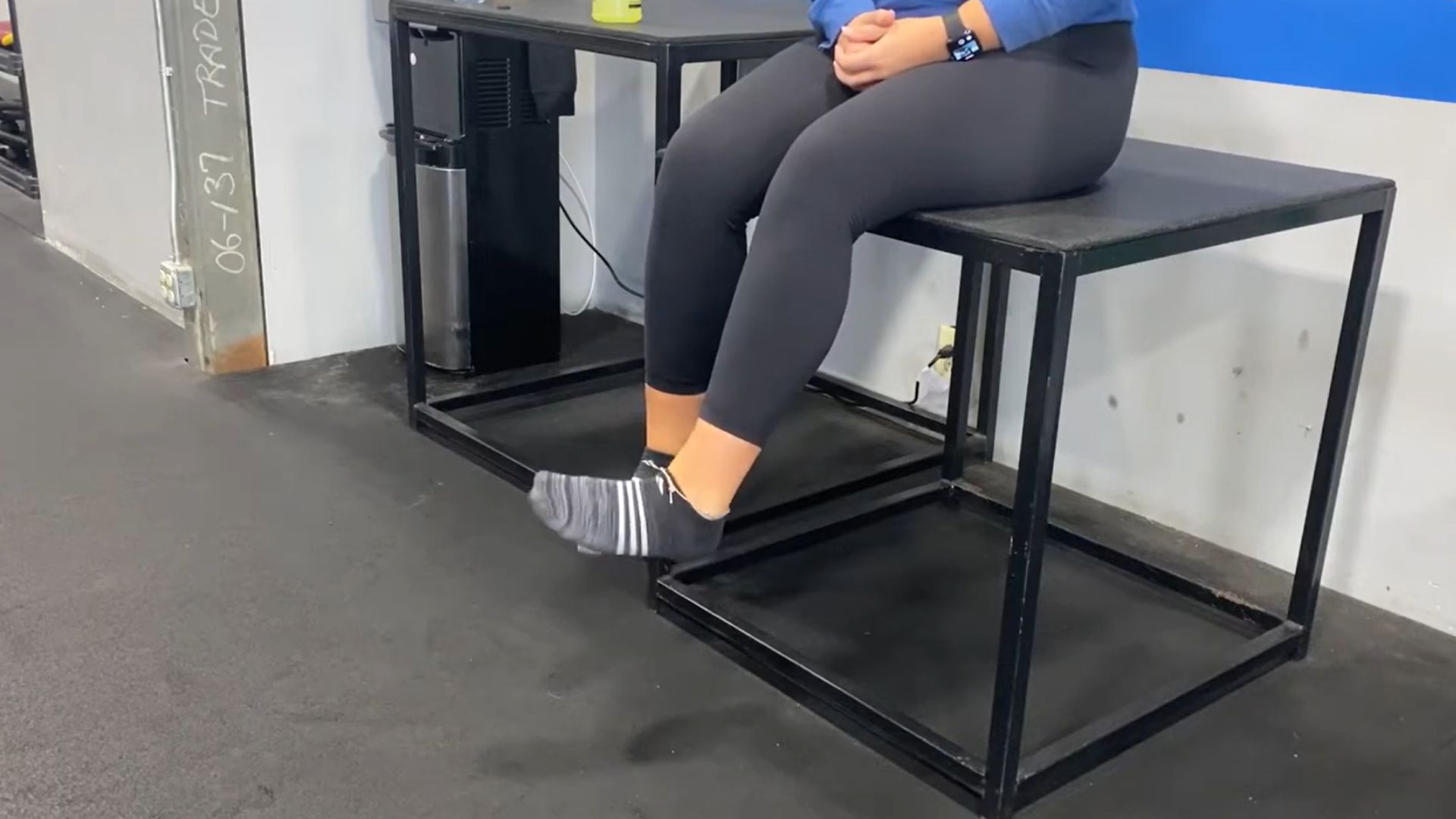 Ankle Circles by Restore Physical Therapy
5. Arm Circles
Sit or stand with arms extended at shoulder height. Make small circles forward for 10 repetitions, then backward for 10. Shoulder mobility often deteriorates with age due to decreased activity and prolonged sitting, leading to what physical therapists call "frozen shoulder syndrome."
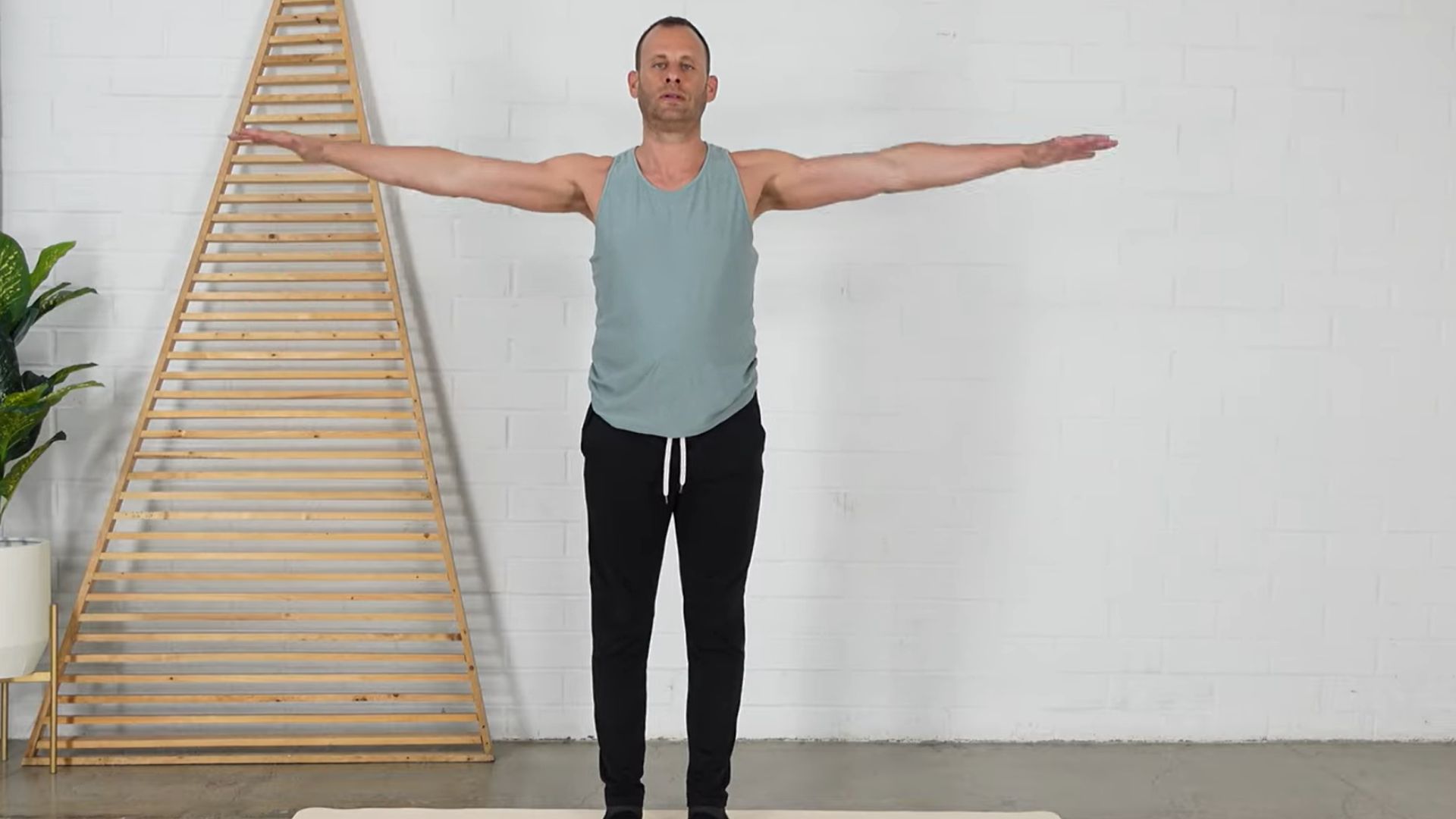 Standing Arm Circles by Posture Guy
6. Heel-To-Toe Walking
Balance-related falls send over 3 million seniors to emergency rooms annually, according to the Centers for Disease Control and Prevention. What's remarkable about heel-to-toe walking is how it challenges your proprioceptive system. Regular practice literally rewires neural pathways, improving stability.
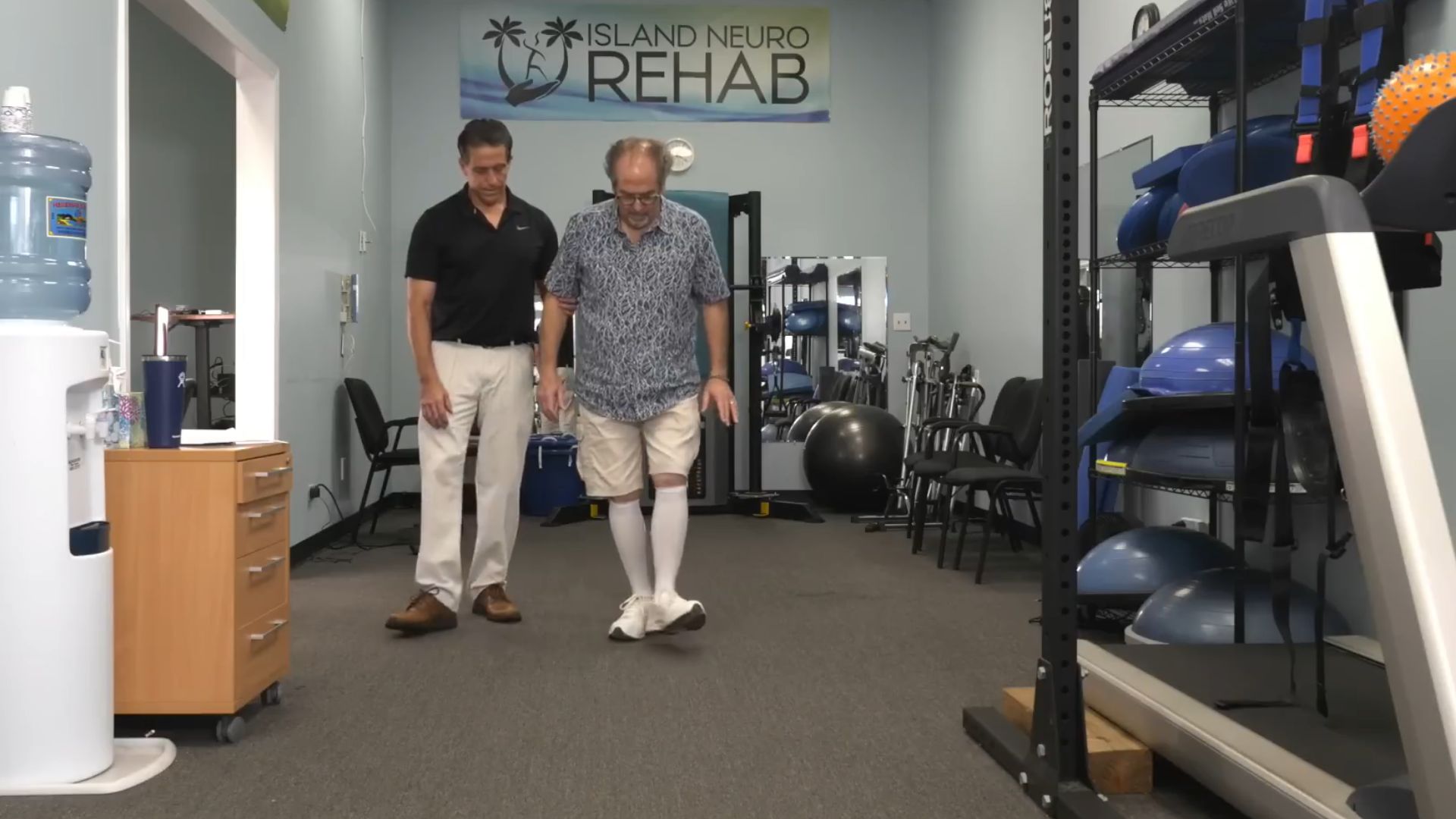 Seniors: Improve Balance with Heel to Toe Walking by Better Balance by Physical Therapist Doug Weiss
7. Seated Leg Extensions
The beauty of this exercise lies in its adjustability. You can modify the range of motion based on comfort level. Strong quadriceps muscles act as natural shock absorbers. It reduces pressure on knee cartilage and slows the progression of arthritis.
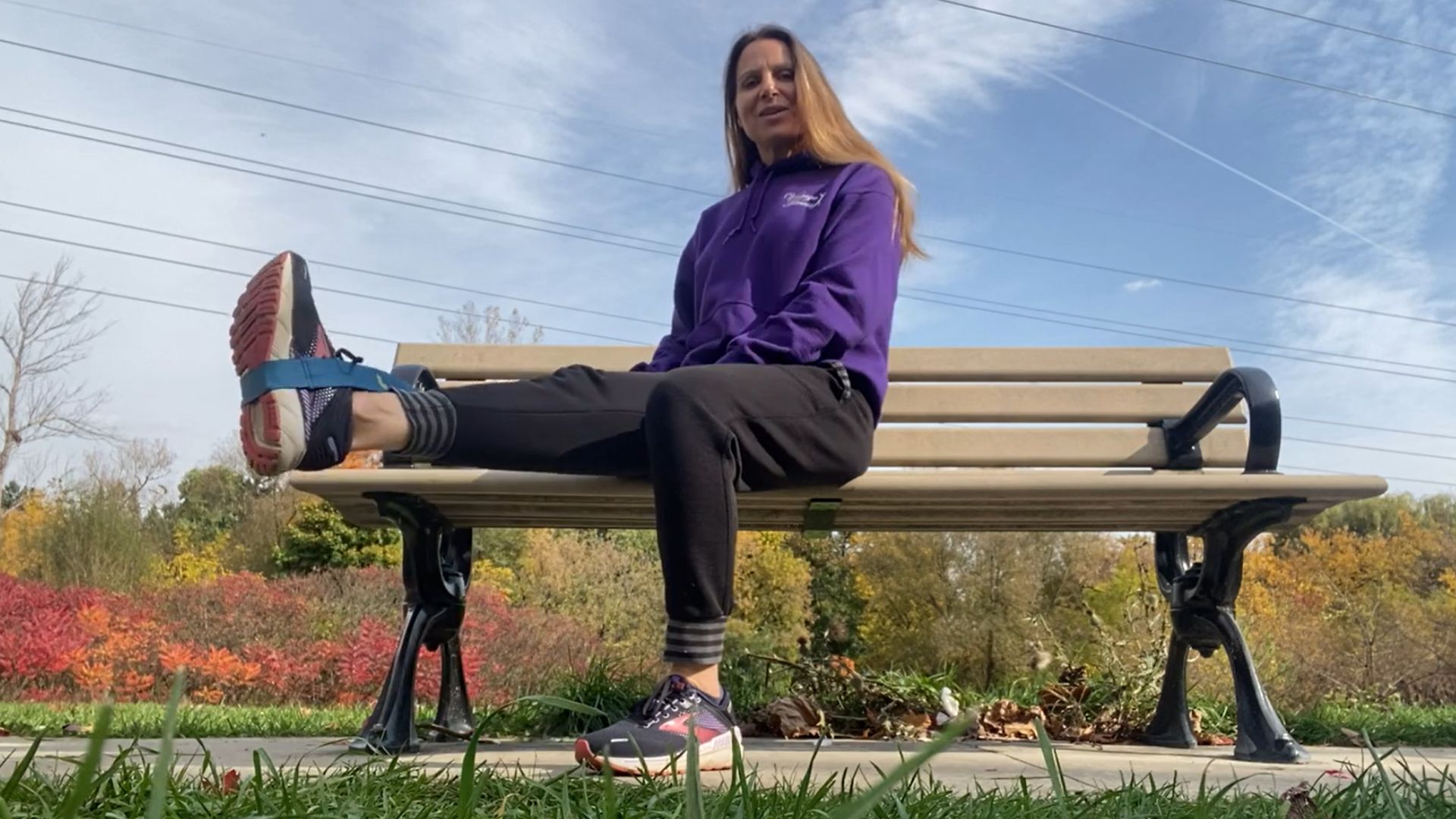 Seated Leg Extension Exercise for Seniors by Vintage Fitness
8. Calf Raises
Weakened calf muscles contribute significantly to circulation problems in older adults. Stand behind a chair for support, rise up onto your toes by lifting your heels off the ground, hold for 2–3 seconds, then slowly lower. Start with 10 repetitions.
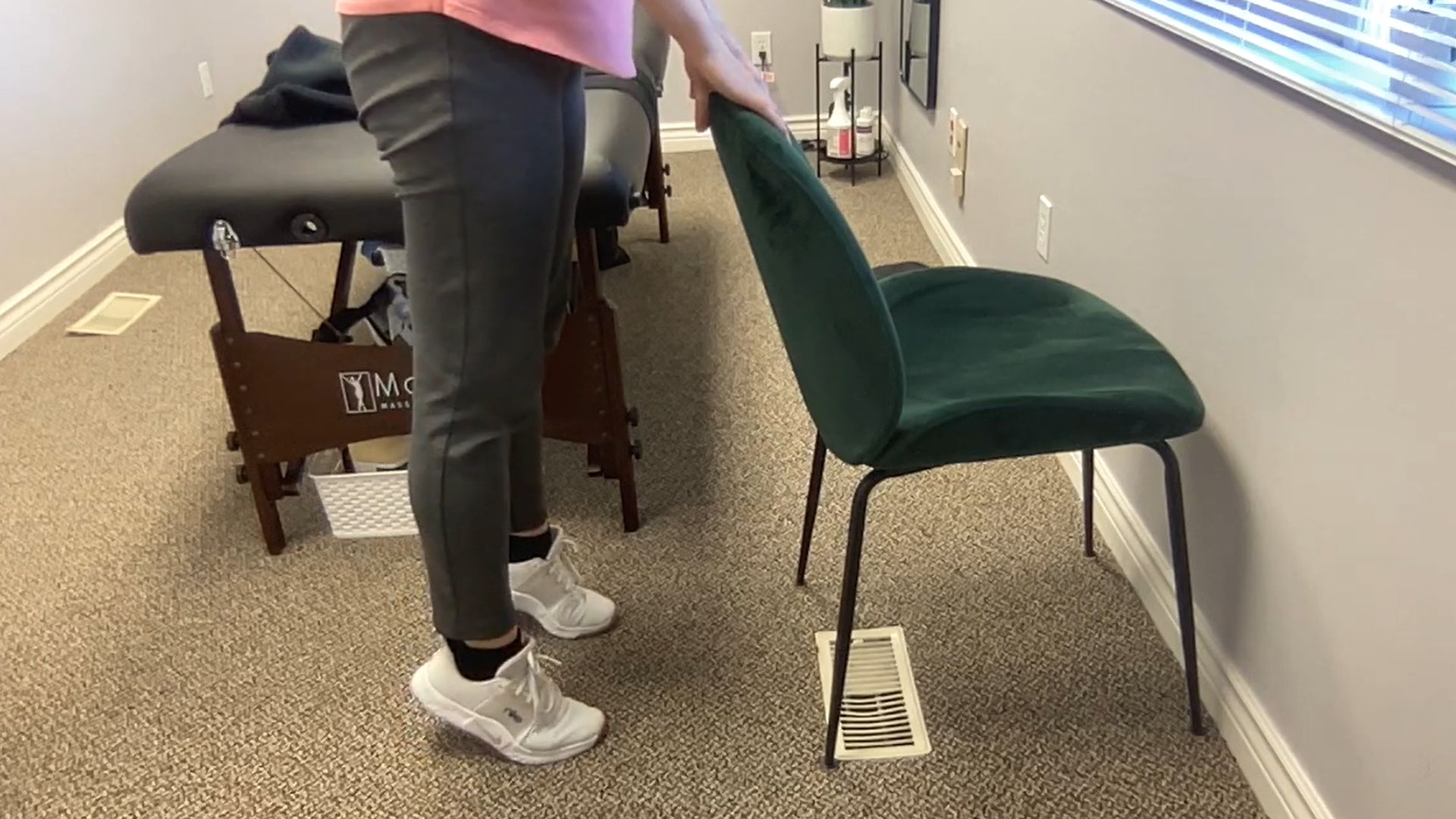 Calf raises with chair support by Ossum Wellness
9. Neck Stretches
Technology has crafted an epidemic of forward head posture, adding up to 60 pounds of stress to the cervical spine. For adults, this helps combat age-related changes in the neck vertebrae and muscles. Gentle neck stretches help to restore natural cervical curves.
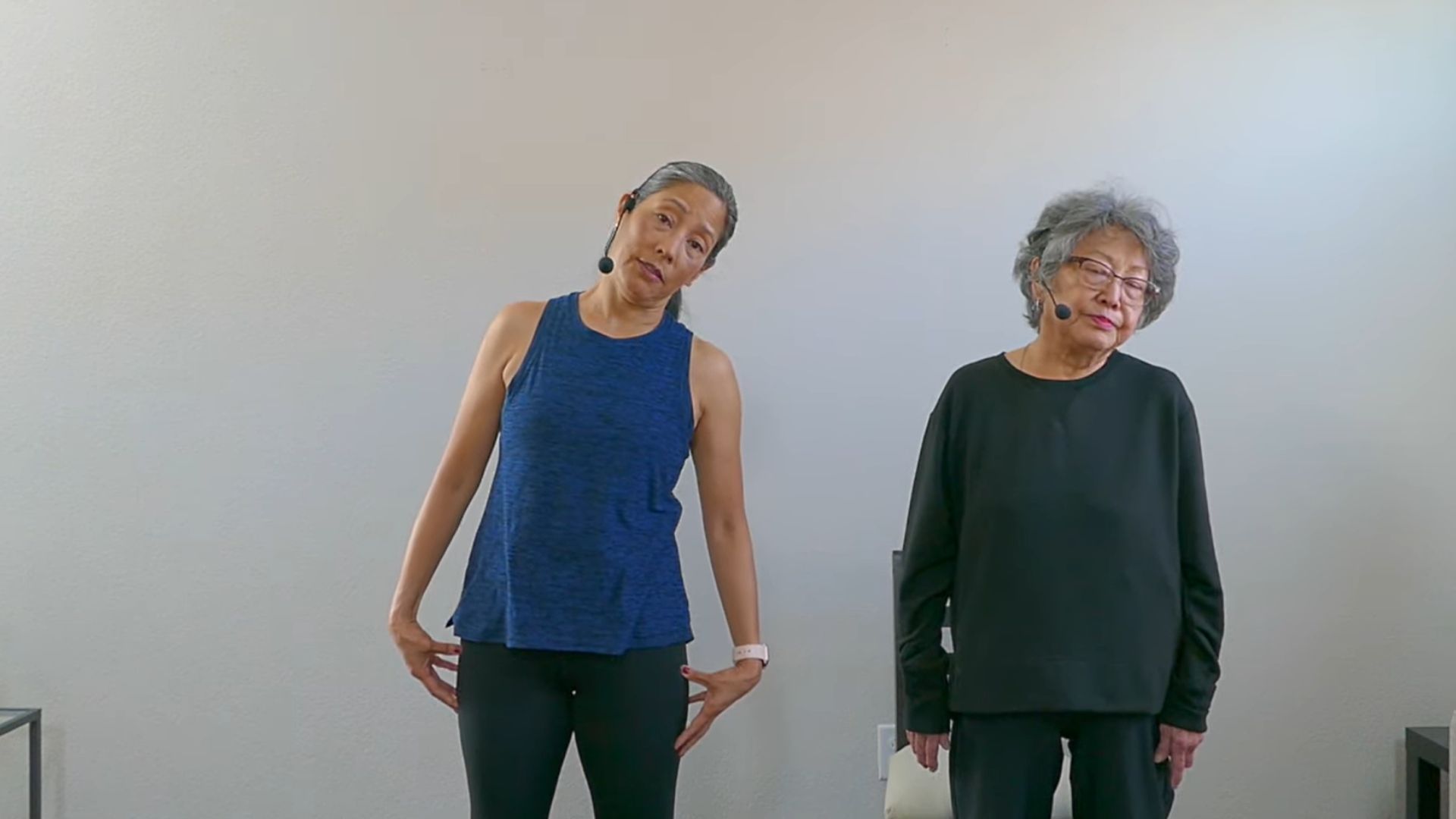 Reduce Neck Pain for Seniors, 8 Gentle Neck Stretches by yes2next
10. Standing Side Bends
The Mayo Clinic emphasizes that lateral spinal movement takes care of disc health and prevents stiffness. Stand with feet hip-width apart, and place one hand on your hip for support. Slowly bend sideways, reaching your other arm overhead and to the side.
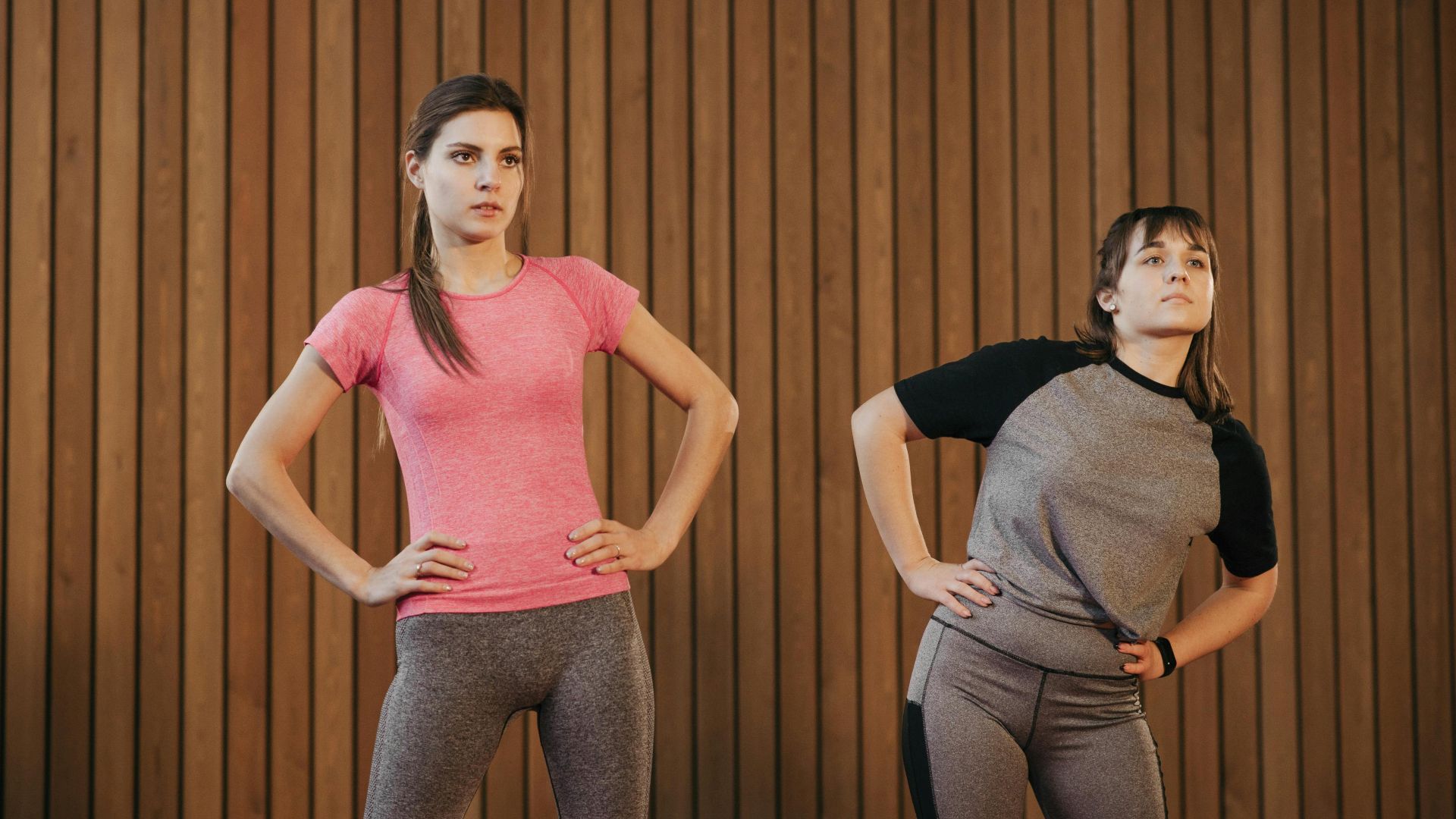
11. Seated Spinal Twists
This rotational motion also stimulates the vagus nerve. Ancient yoga practitioners understood something modern science has confirmed: spinal rotation is essential for back health. Seated spinal twists work by stretching the erector spinae muscles and promoting intervertebral disc nutrition through movement.
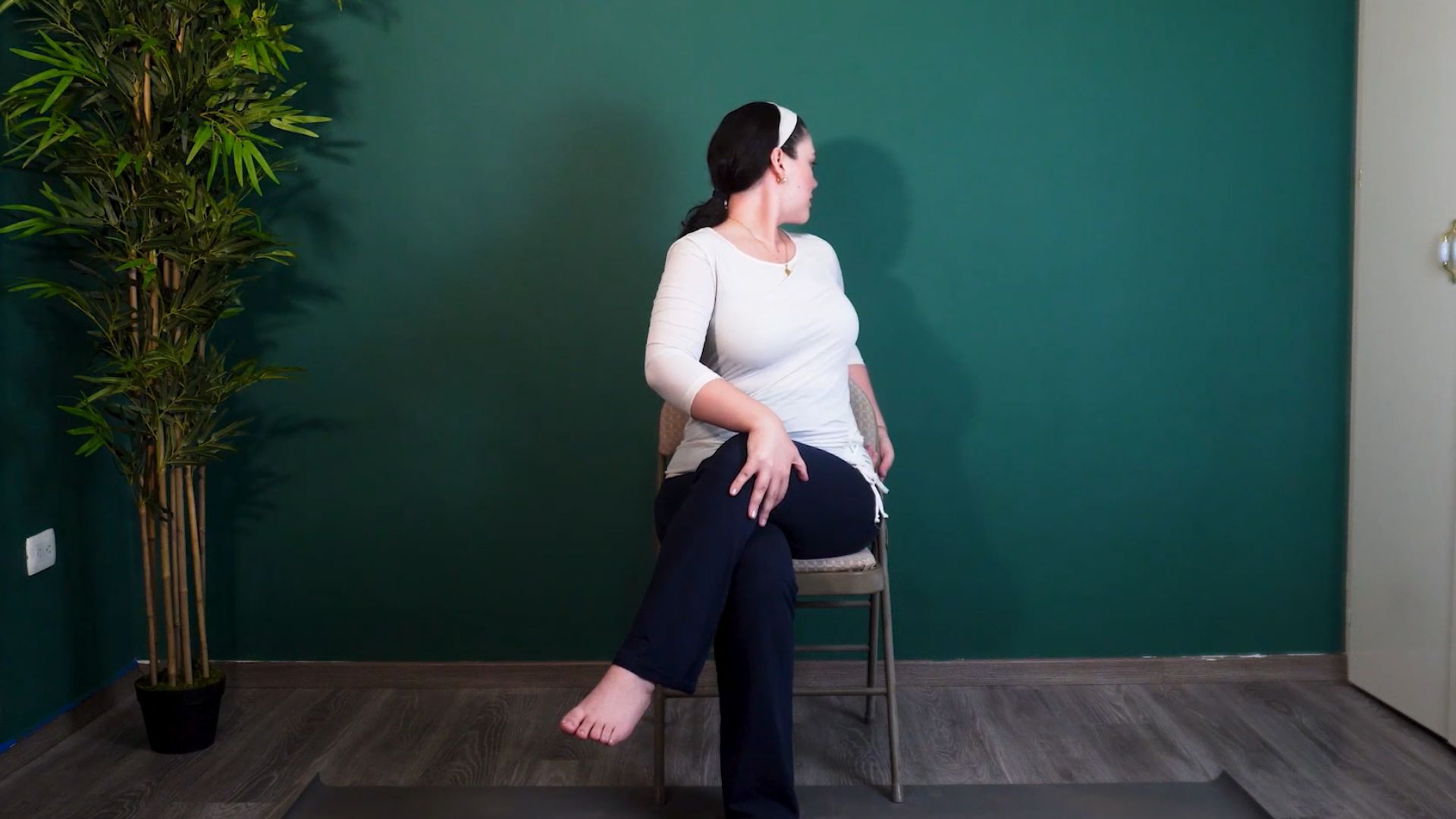 Seated Spinal Twists by Chair Yoga Fitness Tips For Seniors and Beginners
12. Modified Lunges
For this one, hold onto a sturdy surface, step one foot forward into a shallow lunge position, keeping most of your weight on your back foot. Lower gently until you feel a stretch in your hip flexor, then return to standing.
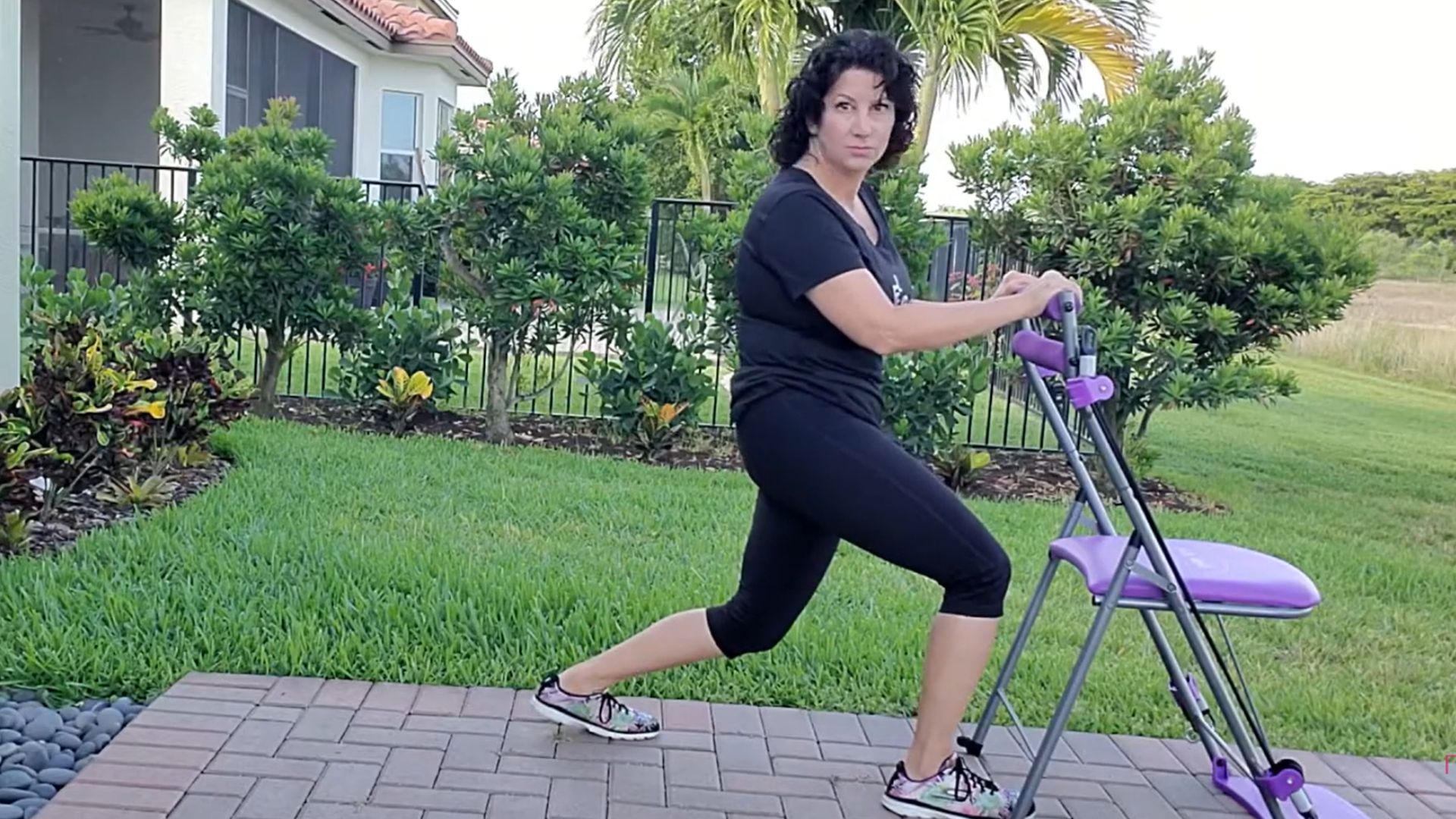 Beginner Stationary Lunges for Seniors by Feel Better Fitness Steps
13. Bicep Curls (With Light Weights)
Sarcopenia, the age-related loss of muscle mass, affects arm strength disproportionately after 60, making simple tasks like carrying groceries pretty difficult. Well, resistance training with weights of 2–5 pounds can improve functional strength. Bicep curls target the muscles responsible for lifting.
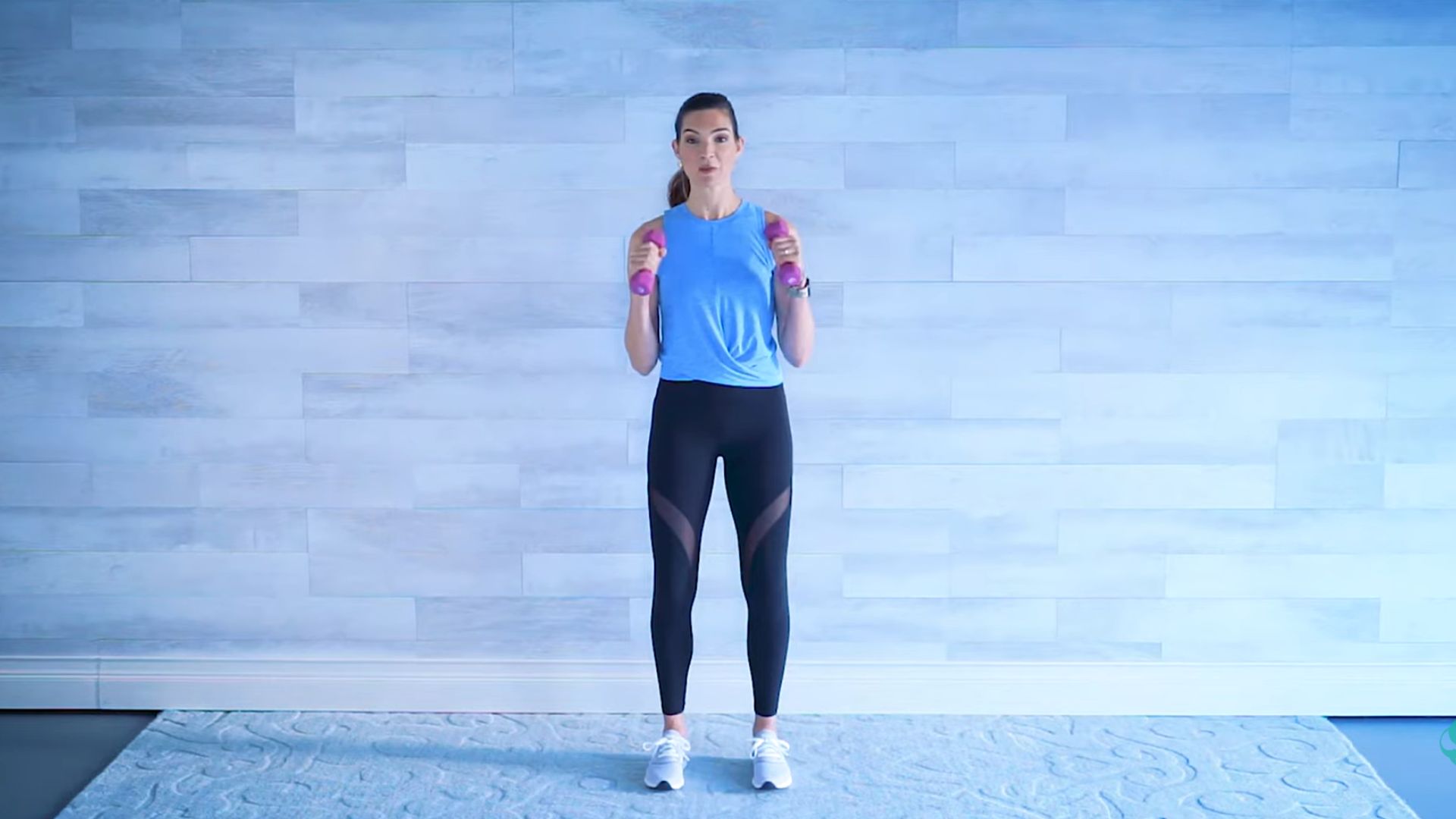 Senior and beginner Workout 10 minute ARMS & SHOULDERS with light Weights by SeniorShape Fitness
14. Shoulder Blade Squeezes
Poor posture has become so common among older adults that physical therapists have coined the term "tech neck" to describe the forward head, rounded shoulder position. Sit tall, imagine squeezing a pencil between your shoulder blades, hold for 5 seconds, then release.
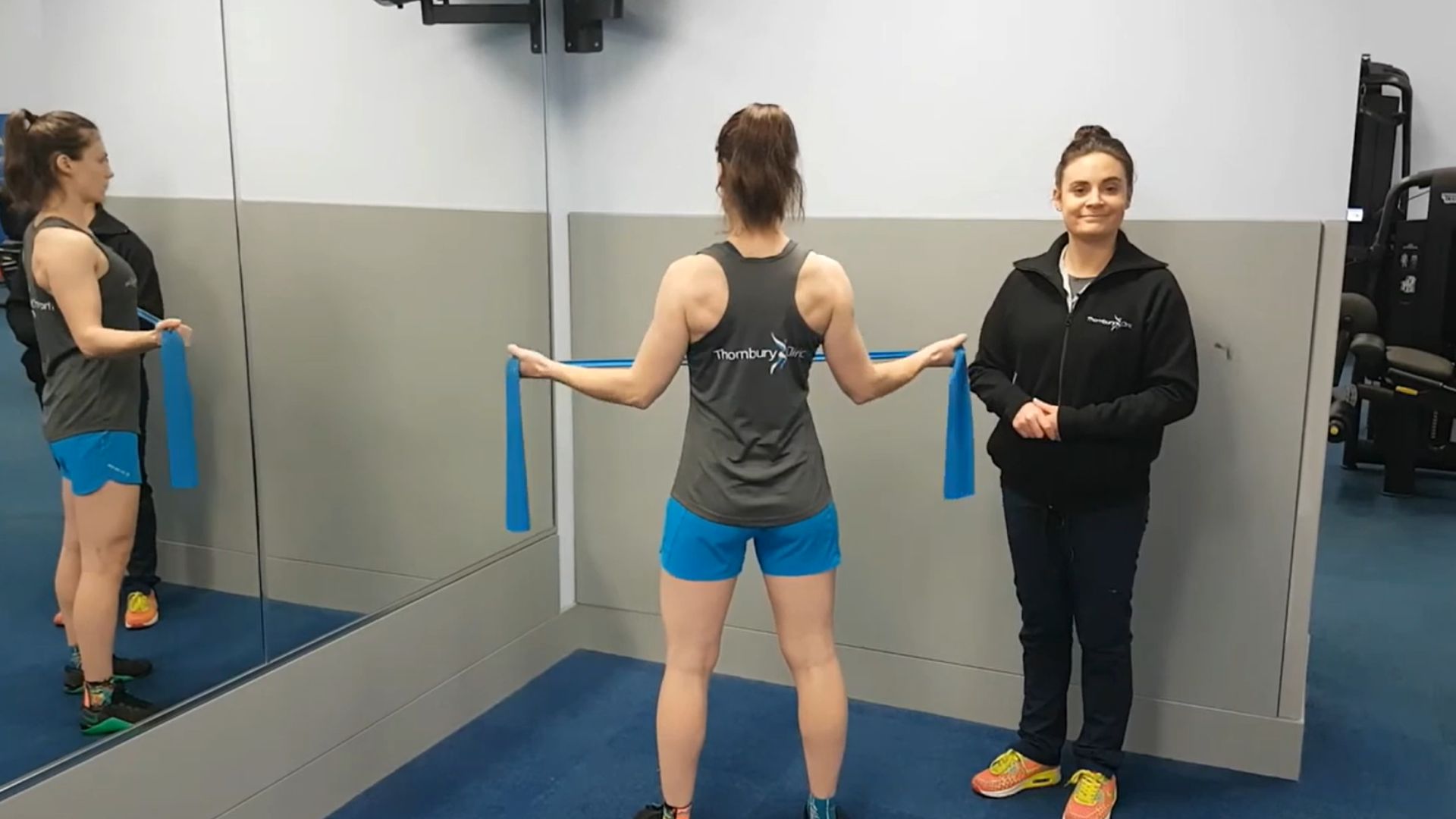 Shoulder Blade Squeeze by The Thornbury Clinic
15. Standing Hip Circles
The hip joint, being a ball-and-socket joint, requires movement in all planes to maintain its full range of motion. Physical therapists note that hip stiffness contributes to altered gait patterns, which in turn increase the risk of falls and knee problems.
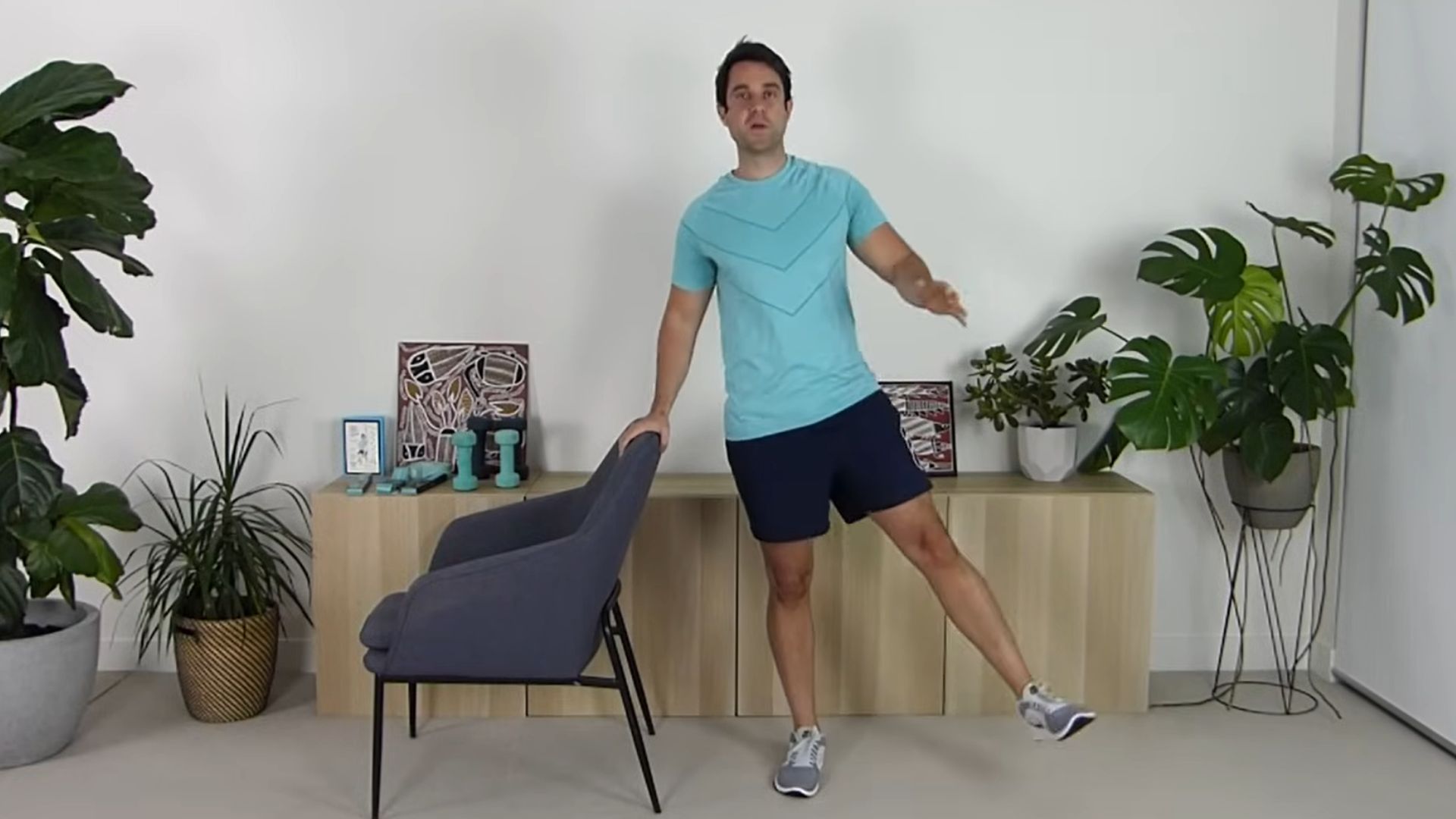
16. Seated Forward Bends
Sit at the edge of a chair with your feet flat on the floor. Slowly hinge forward at your hips with a straight back. Reach toward your toes as far as is comfortable, and hold for 15 seconds. The fascinating connection here is neurological.
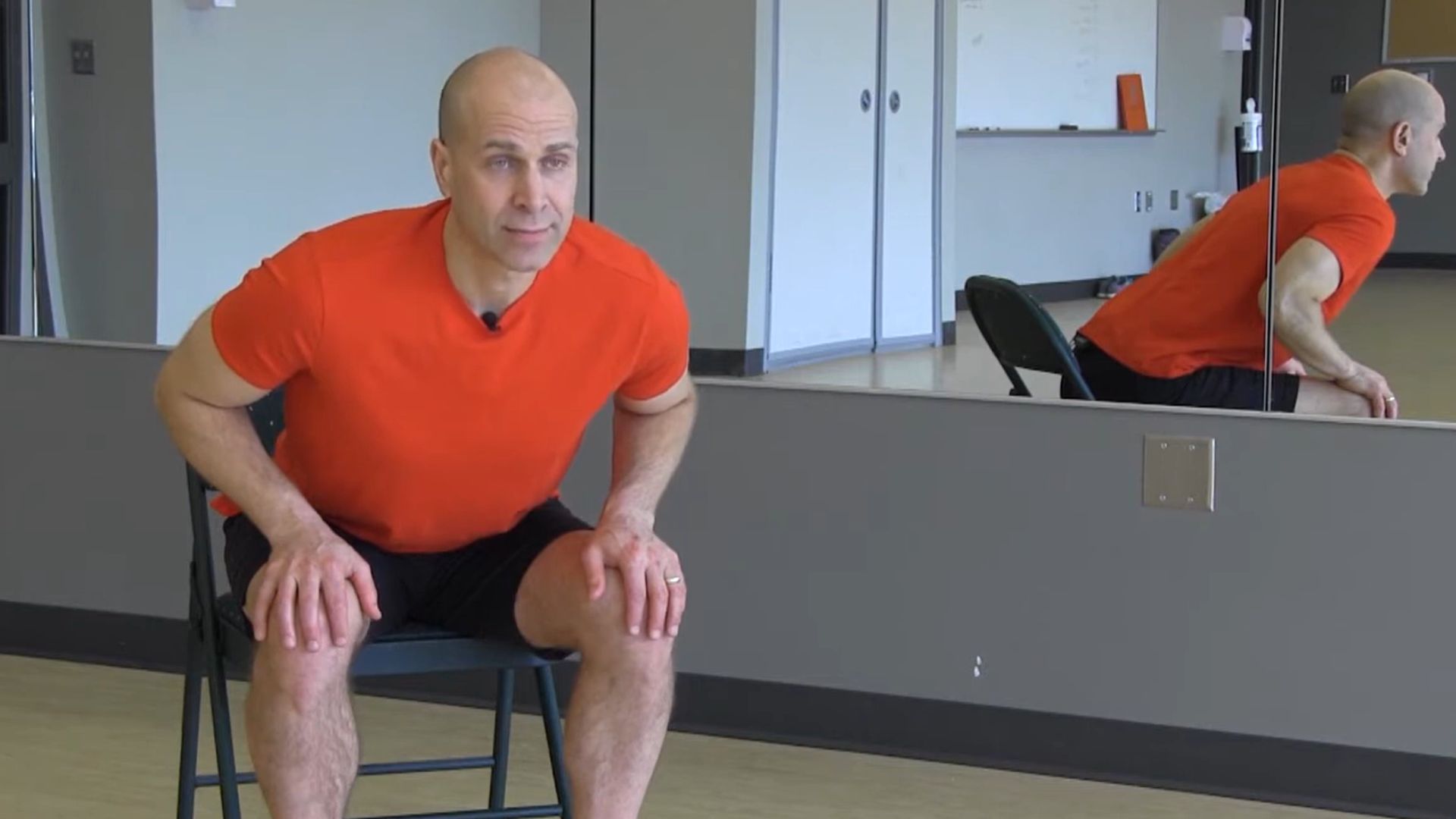 #1 "Yoga Minute" Seated Forward Bend by Yoga Chuck by Chuck Burmeister
17. Knee Lifts
The American Geriatrics Society identifies weak hip flexors as a primary contributor to shuffling gait patterns common in elders. This seemingly simple exercise helps rebuild the strength necessary for proper foot clearance during walking. Additionally, knee lifts engage deep core stabilizers.
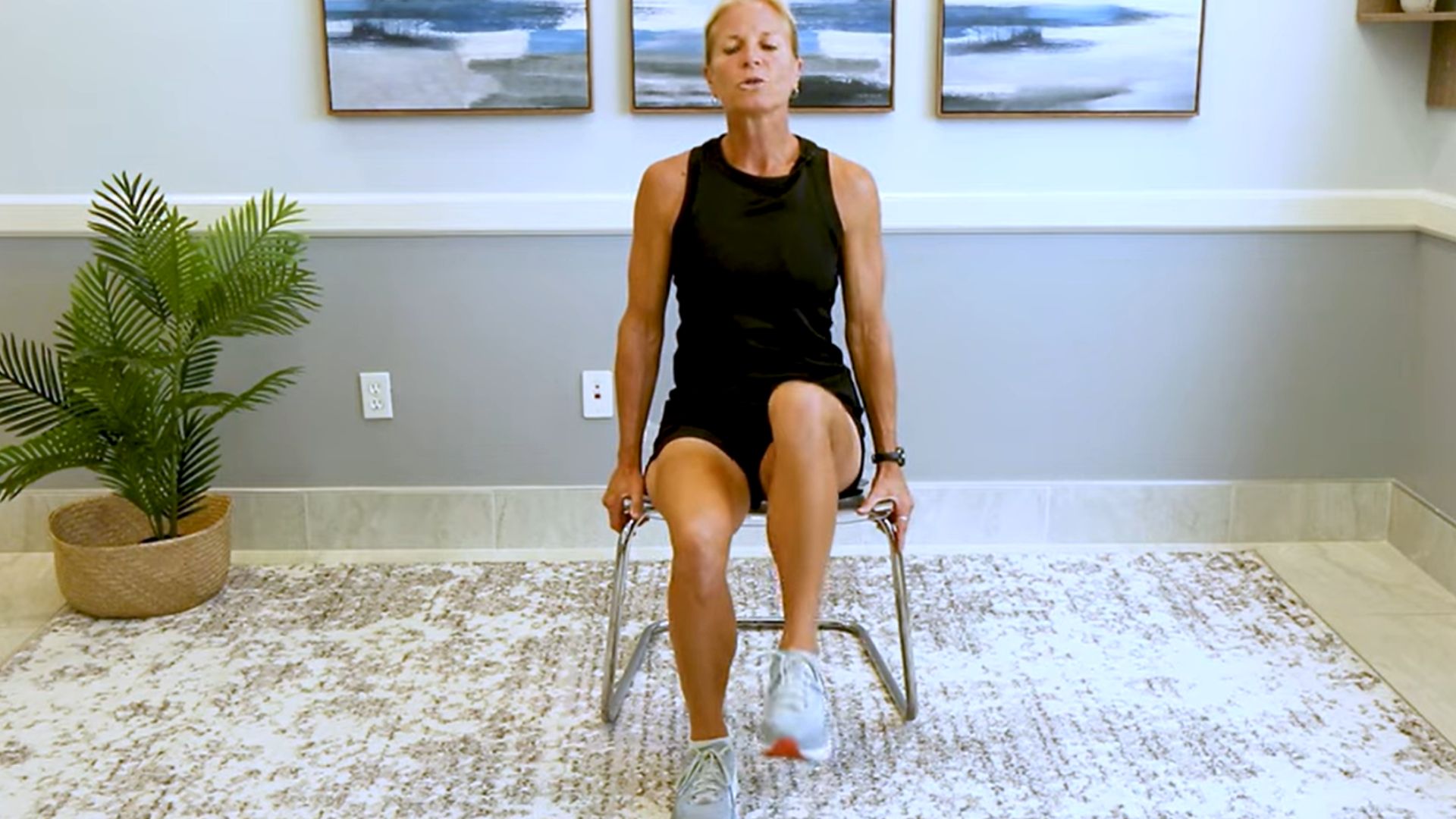 End Your Knee Pain with Seated Knee Strengthening Exercises by Vive Health
18. Wrist And Finger Stretches
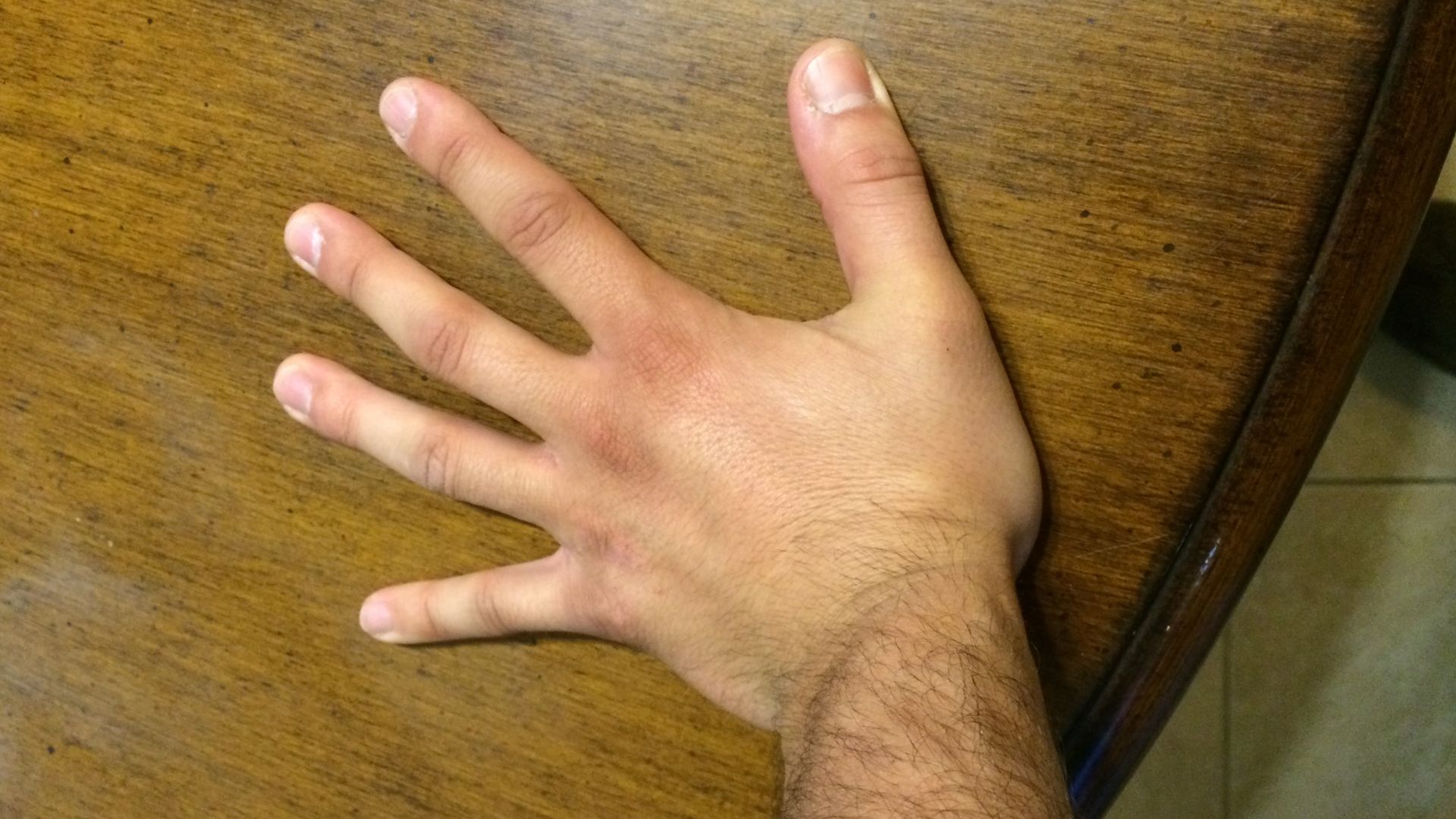
Stand with arms extended, make gentle fists, then spread your fingers wide. Hold for 5 seconds and repeat 10 times. Next, rotate wrists in circles in both directions. Regular joint movement prevents stiffening and retains the synovial fluid that lubricates joints.
19. Standing Balance On One Foot
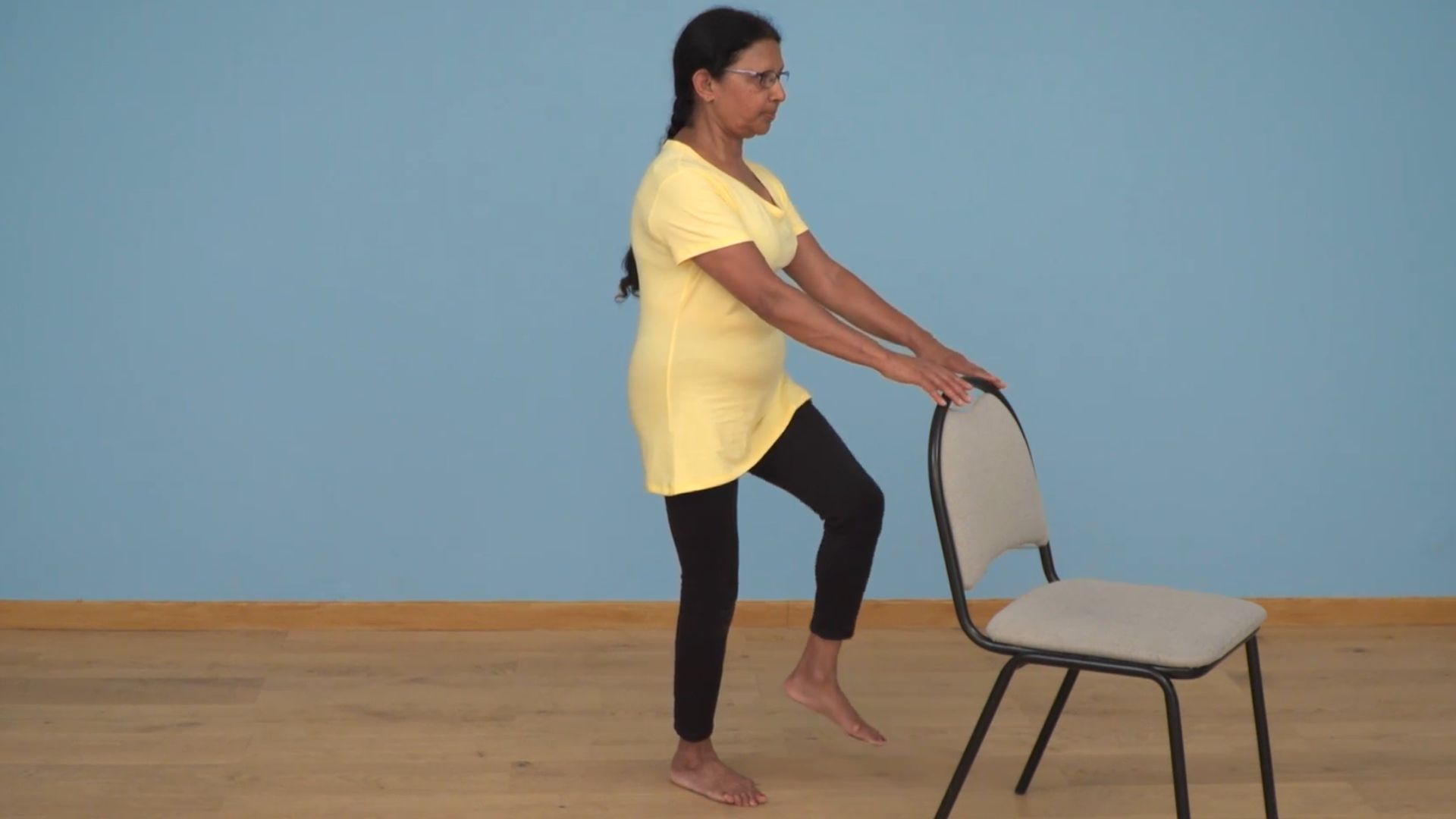
Professional dancers have long known that single-leg balance training dramatically improves proprioception—your body's ability to sense its position in space. Hold onto a chair back, lift one foot slightly off the ground, and try to balance for 10-30 seconds. Then, switch feet.
20. Deep Breathing Exercises
Chronic shallow breathing patterns develop over decades, reducing lung capacity and contributing to anxiety and fatigue. This diaphragmatic breathing technique enhances oxygen delivery, lowers blood pressure, and stimulates the parasympathetic nervous system. All in all, it promotes relaxation and improved sleep quality.
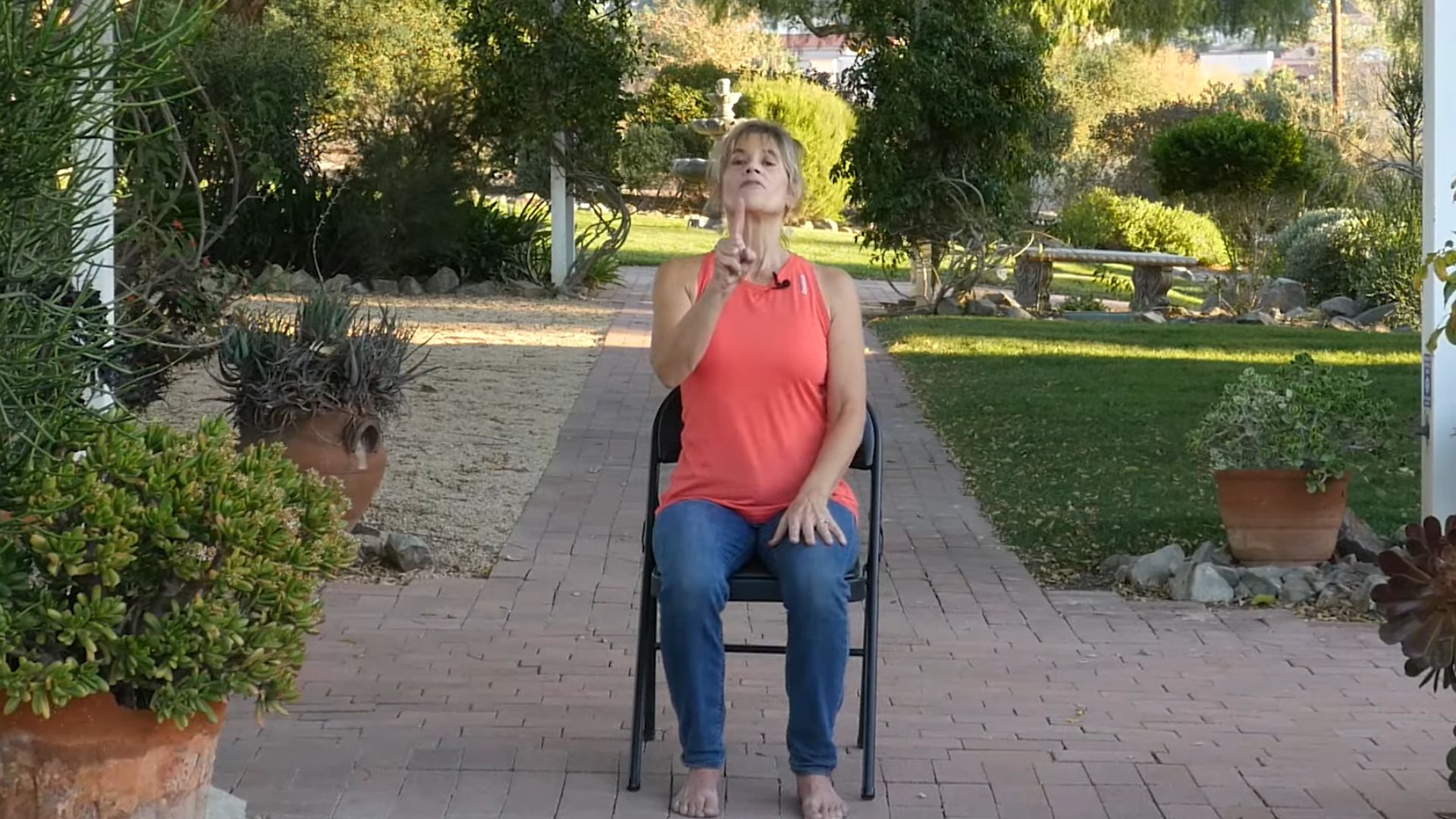 Improve your Breathing & Strengthen your Lungs – with Sherry Zak Morris, C-IAYT by Yoga Vista
KEEP ON READING

10 Pre-Workout & 10 Post-Workout Tips To Follow