
Running Together Changes Everything
To you, certain habits are routine. But to others, it’s weird to lace up shoes before sunrise and chase pavement with strangers. A run club is simply a group that meets to move together, talk between breaths, and share miles. It blends fitness with community, turning solo sweat into something social. Curious how that works and how to show up ready? Keep reading to step into the rhythm.

1. You Gain Built-In Accountability
When you’re part of a run club, you show up because others expect you to. Scheduled meetups cut skipped runs, and group expectations push follow-through. Even low motivation mornings feel manageable when consistency improves aerobic fitness, and showing up beats deciding alone.

2. Motivation Is From Shared Energy
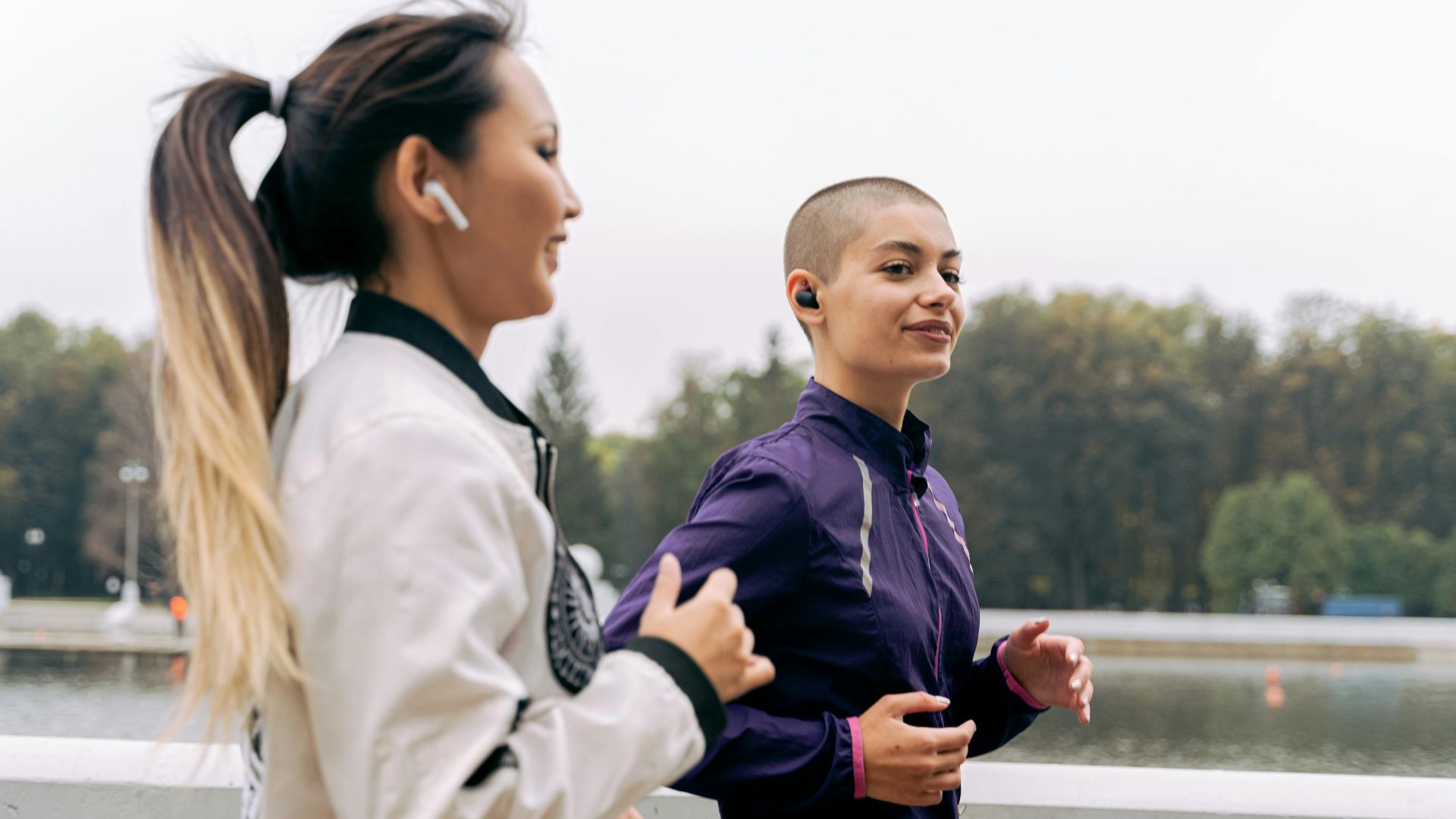
Feet strike pavement together, and effort feels lighter. Running beside others may boost tolerance, while collective momentum could ease mental fatigue. Group pacing holds speed steady, so tough stretches pass faster as excitement distracts from discomfort.

3. Safer Runs By Default
Visibility increases when several bodies move together. Shared routes reduce the risk of isolation, and immediate help is available if trouble arises. Night outings also feel less intimidating. Urban runners often feel calmer because traffic notices groups more quickly than a lone silhouette.

4. Structured Weekly Routine
Fixed schedules remove guesswork. Predictable timing simplifies planning and lowers decision fatigue. The regular cadence supports training adherence and consistency, which protects joints. Even though you may miss a session or two sometimes, you’ll stand out, and just that thought quietly nudges you back.

5. Improved Pace Awareness
Running beside others reveals natural speed without staring at screens. Pace groups prevent overexertion, reducing burnout risk. Beginners learn effort control faster, veterans refine tempo judgment, and reliance on watches fades as breathing and footfall guide rhythm.
 CRISTIAN CAMILO ESTRADA on Pexels
6. Social Connection Without Pressure
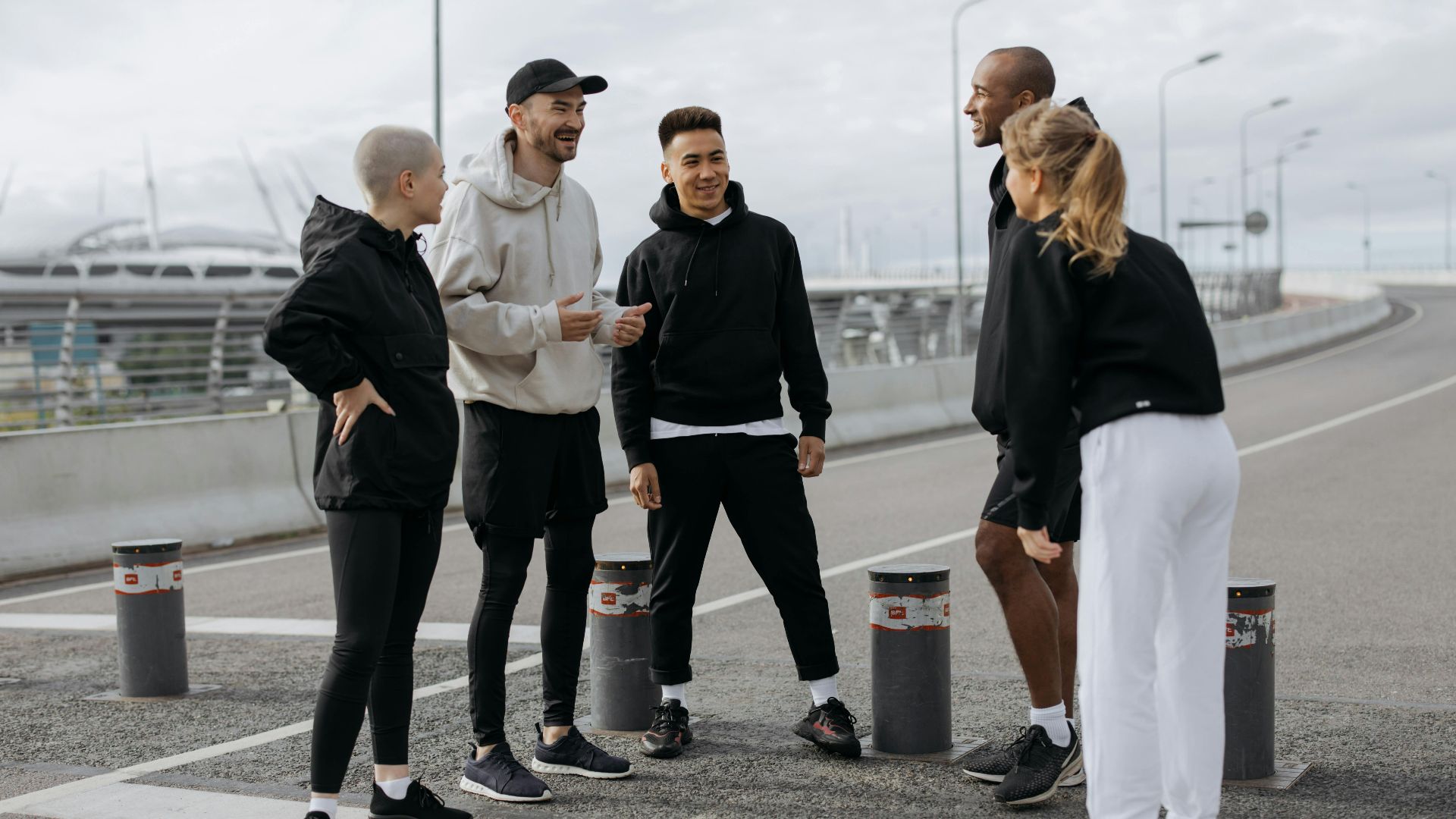
Within a run club, conversation flows between breaths. Sometimes, silence stays welcome, but the shared movement reduces anxiety, and repetition builds familiarity. Here, bonds grow organically without forced talk. Even quiet outings feel communal as parallel strides become a comfortable connection over time.
7. Access To Local Routes
Clubs guide you through scenic, safe paths chosen for group runs. Fresh terrain breaks boredom and matches shared distance goals. That guidance removes navigation mistakes. Motivation stays high as familiar neighborhoods quietly open into overlooked corners through confident, coordinated movement.

8. Performance Gains Over Time
Stick with training, and weekly mileage grows. Consistency improves VO₂ max, the measure of how efficiently your body uses oxygen during effort. Pacing support extends endurance, so you can run longer and faster if that’s the goal. Progress feels gradual yet trackable.

9. Built-In Celebration Culture
Milestones get noticed because conversations start with “what’s your longest run or best time?” If you answer as a beginner, you get congratulated and encouraged. A veteran? They ask for tips. And also congratulate you. Here, personal records feel shared.

10. Belonging Without Competition
Bored working from home or the office with almost zero social life? Join a run club. In a way, it becomes a mini family with structure where everyone grows. Along the way, expect light drama, gossip about the neighbor’s cats, and the occasional spark of professional collaboration.

The reasons pull you in, but preparation keeps the experience smooth, comfortable, and worth repeating. Here is how you get ready for a run club.
1. Set A Simple First Goal
Attendance beats performance early. Small goals, like running for thirty minutes, lower pressure, and building a habit through repeated showing up. Compounded over time, momentum grows. Progress follows consistency, allowing movement to feel rewarding instead of demanding right from the start.

2. Choose The Right Pace Group
Marathoners cruise at their own rhythms, sprinters fly at theirs. Honest self-assessment keeps you grounded, and starting slower prevents burnout. Matching pace lowers injury risk. When you grow or want to try another pace, switching groups stays fair game.

3. Leave Ego At Home
Yes, being your state’s fastest sprinter in the ’80s still counts. Just don’t let that teenage ego drag a 40s or 50s body into trouble. Pushing too hard backfires fast. Smart restraint today protects confidence, joints, and momentum, allowing strength and speed to return steadily over time.

4. Hydrate Earlier Than You Think
Now, when you start running, know that water intake matters hours before running. Dehydration raises perceived effort, and thirst often lags behind loss. Group outings may limit stops, so planning ahead prevents mid-run fatigue and keeps energy steady.

5. Eat Familiar Fuel Only
Whenever you have a run scheduled, stick to the foods you’ve been eating the day before and during your run. Don’t use this time to try the new “protein-rich” smoothie. New foods upset digestion. Light and familiar foods fuel support energy, but heavy meals slow movement.

6. Arrive A Few Minutes Early
Arriving early always works to your advantage. It may also help lower stress because introductions feel natural, route briefings stay clear, and warm-ups often start ahead of movement. Calm beginnings improve runs and prevent rushing, which only feeds anxiety.

7. Dress For Conditions, Not Style
Weather controls body temperature. Overdressing causes overheating, while breathable layers manage sweat. Visibility matters during low light. Comfort improves focus, and function consistently beats fashion when miles stretch ahead.
 Antoni Shkraba Studio on Pexels
8. Always Run In Tested Shoes
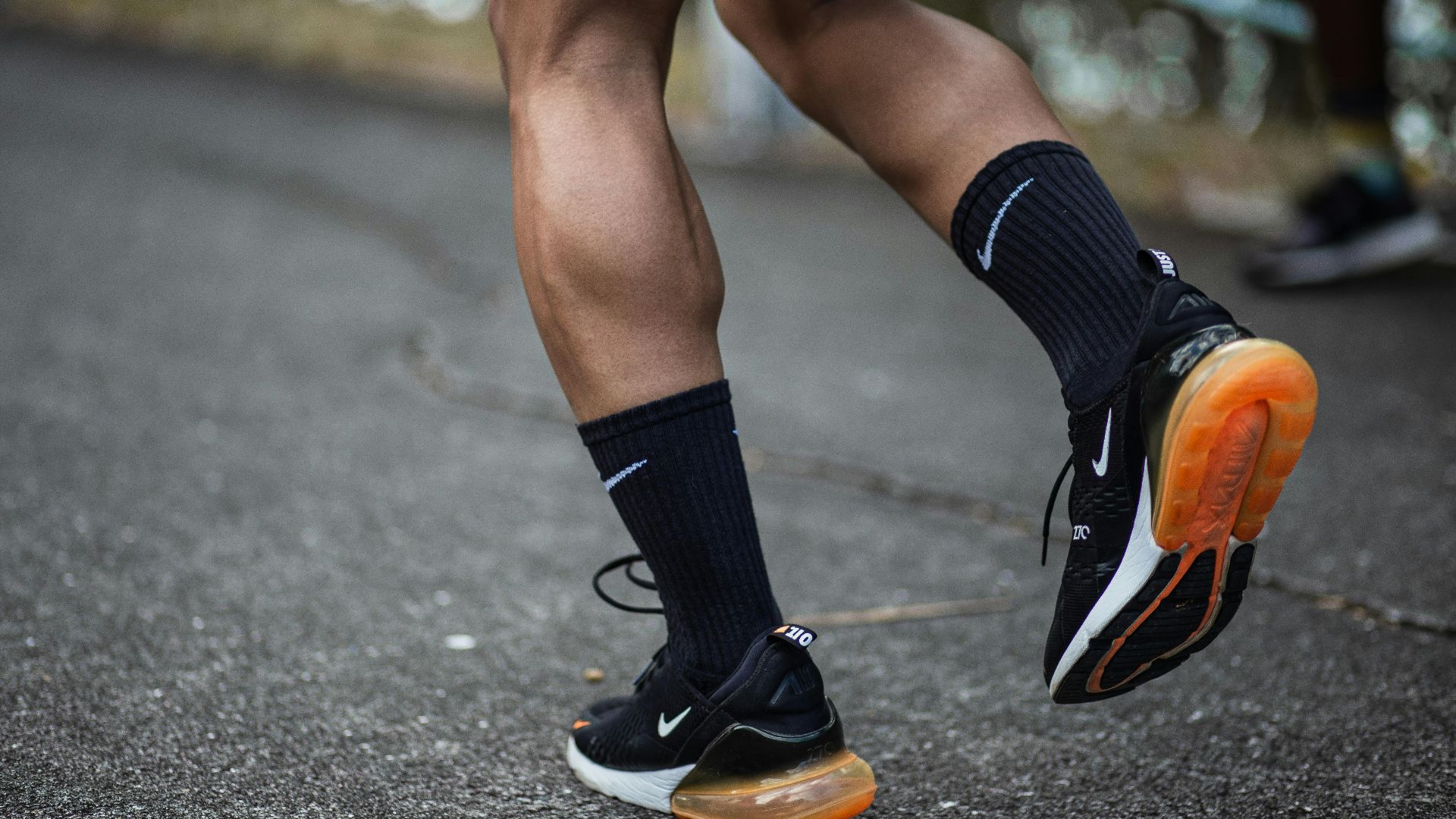
Broken-in shoes reduce friction and support joint alignment as you run. New pairs can look and feel great at first, but they invite blisters and fatigue if not tested beforehand. Footwear choice shapes how long you stay focused on movement.
9. Bring Only Essentials
Watch, wallet, Stanley cup, keys with a million keys…the list goes on. Do you really need all that extra gear that just adds weight? Minimalism improves comfort and focus, and hands-free movement feels better. Chapstick and your phone strapped to your person is enough.

10. You Must Be Considerate
Running shoulder to shoulder puts you inches from other bodies. One sudden turn and you think, “If I move without a signal, someone gets clipped.” That awareness matters. Clear signals prevent collisions, listening keeps everyone safe, and consideration shows respect for the group.

KEEP ON READING


20 Reasons You Might Wake Up With a Headache