
Stop Waiting For a Machine
Deciding whether to invest in a home gym is about more than fitness. It's about lifestyle, space, money, and getting that extra motivation. For some, having a home gym removes every barrier to exercising and can create a more consistent routine. That said, there is a downside to dedicating a room in your home to working out. Here are 10 reasons to invest in a home gym and 10 reasons why it's a bad idea.

1. Convenience Means No Excuses
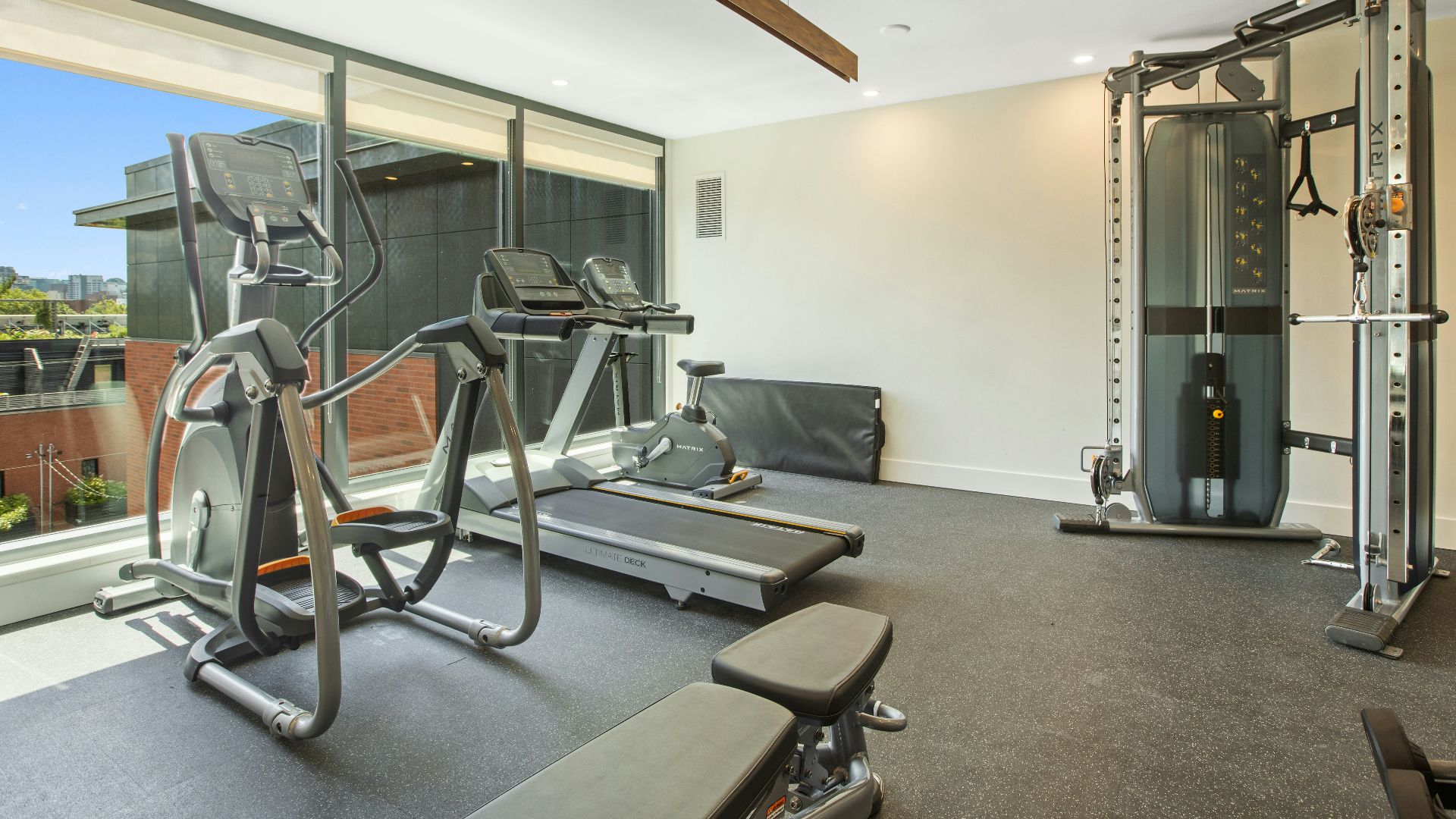
A home gym eliminates travel time, parking, waiting for a machine, and any weather-related barriers to working out. When your gym is in your home and only steps away, it becomes much easier to keep a consistent fitness routine.
 Point3D Commercial Imaging Ltd. on Unsplash
2. Long-Term Cost Savings
A home gym has high upfront costs, but you can save money in the long run compared to paying for a gym membership. A gym membership can also include initiation fees and commuting expenses. If there are multiple users in your household, the savings are even bigger.

3. Workout Whenever You Want
Home gyms provide complete flexibility to work out whenever you want. Hit the "gym" first thing in the morning, late at night, or whenever you feel motivated. You won't be a slave to gym hours, which is great for shift workers or parents with limited free time.

4. Privacy and Comfort
A home gym is ideal for people who feel self-conscious in a commercial gym. A home gym removes a lot of the pressure and prying eyes, so you can try new exercises or lift lighter or heavier.
5. Personalized Equipment Selection
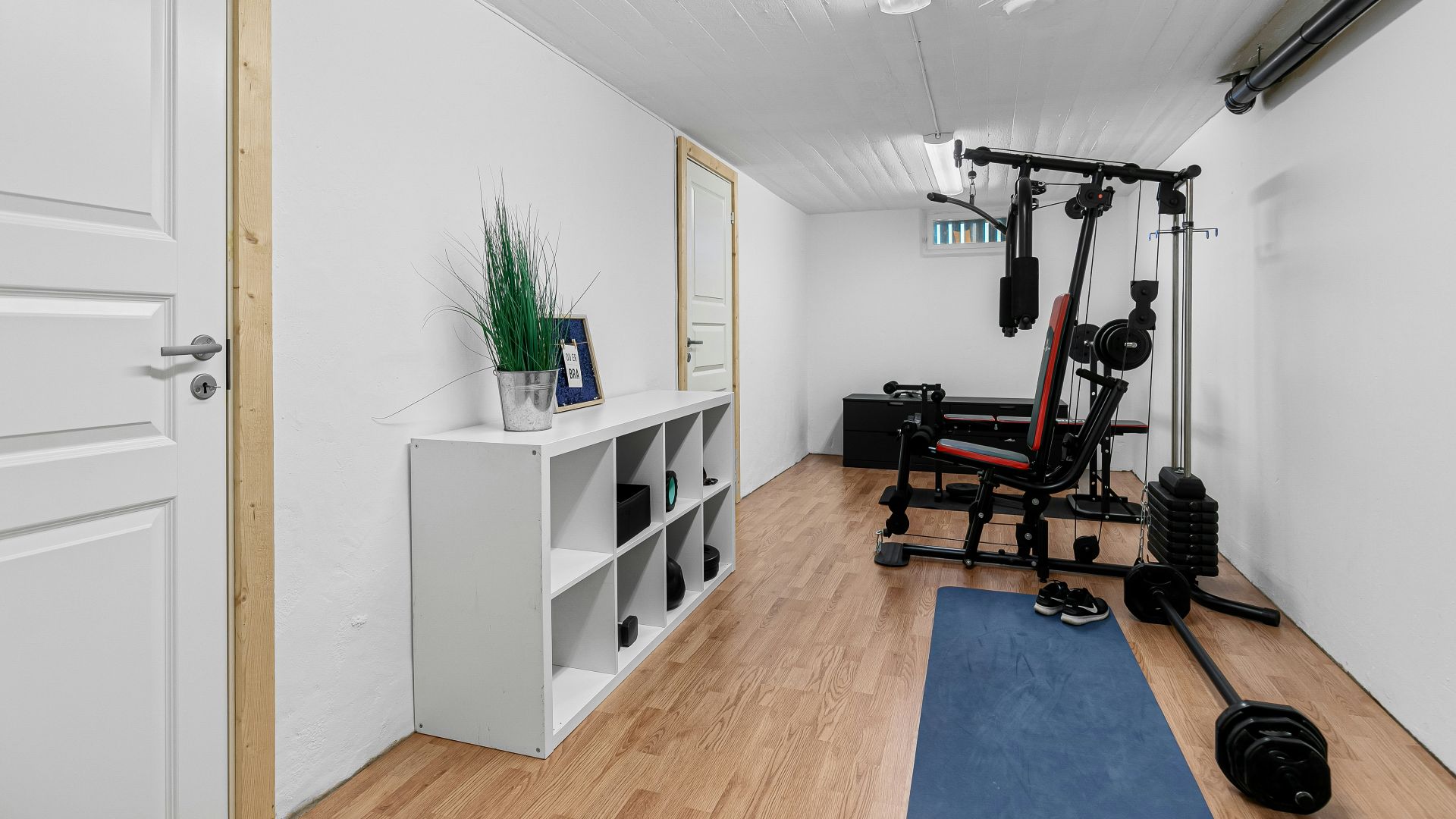
When building a home gym, you can pick the equipment and machines that you want. It's all about serving your goals, and not paying for machines you'll never use.

6. No Waiting To Use a Machine
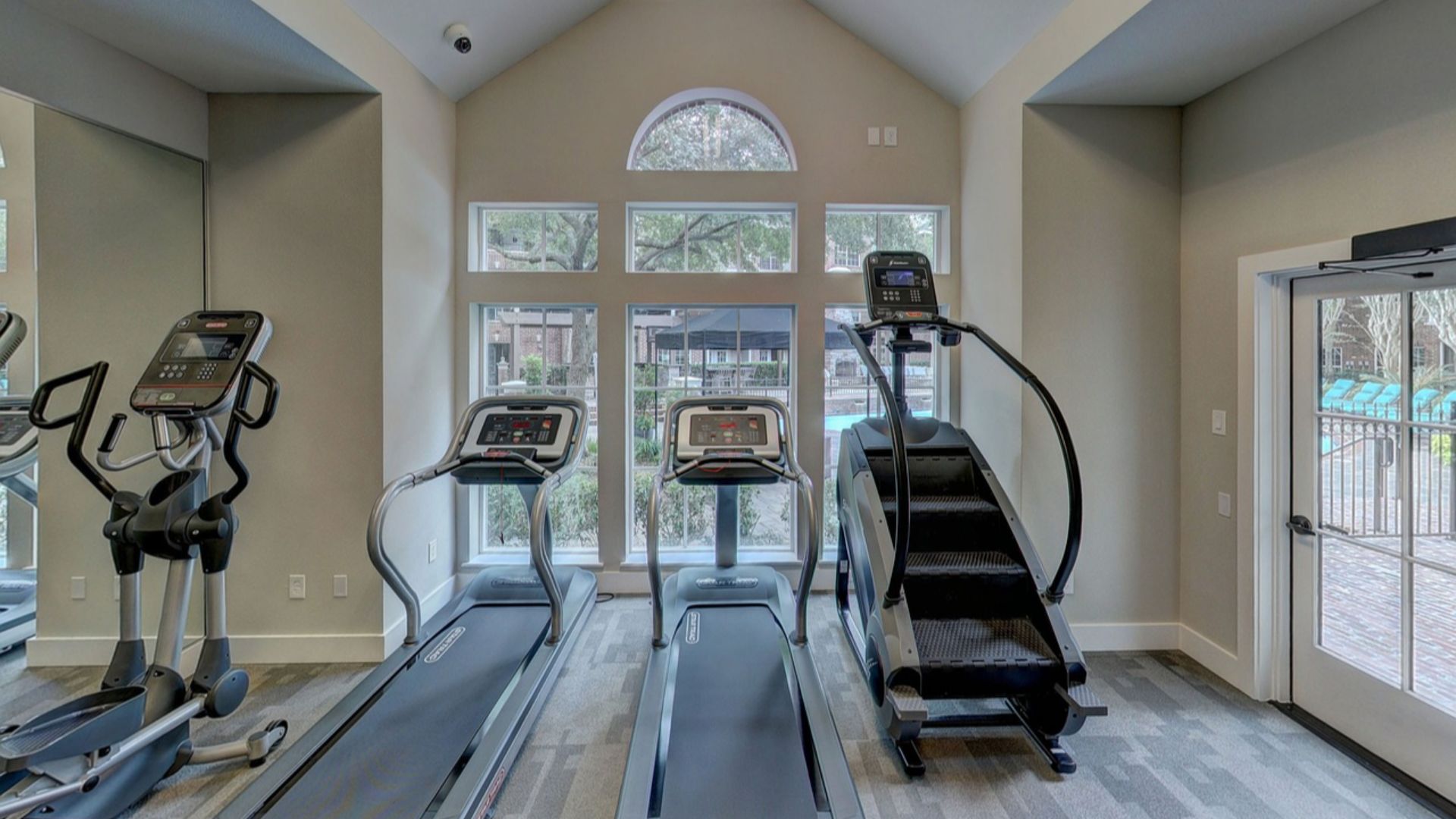
Gyms are busy places, especially during peak hours. Waiting to use a machine can interfere with your workout routine and lead to lots of wasted time. A home gym guarantees access to everything you need when you want to use it.
7. A More Hygienic Space
You control the cleanliness of a home gym. You know who is using the equipment and machines, and how often it's cleaned. This is extra appealing for people concerned about hygiene.

8. Family-Friendly Fitness
A well-equipped home gym encourages healthier habits for everyone in your household. Family members or roommates can share equipment, work out together, or it's a good opportunity to model healthy behavior for kids.

9. No Contract Pressure
Getting a gym membership comes with contracts, cancellation fees, and guilt when you skip a few weeks. A home gym removes all of that. You work out when you want, not just to honor a contract. Also, the lack of monthly payments is a great feeling.
10. Increased Consistency
Consistency will help you achieve the fitness results you want. A home gym removes logistical barriers, making workouts easier to start and frequent training more realistic.
 LOGAN WEAVER | @LGNWVR on Unsplash
1. High Upfront Costs
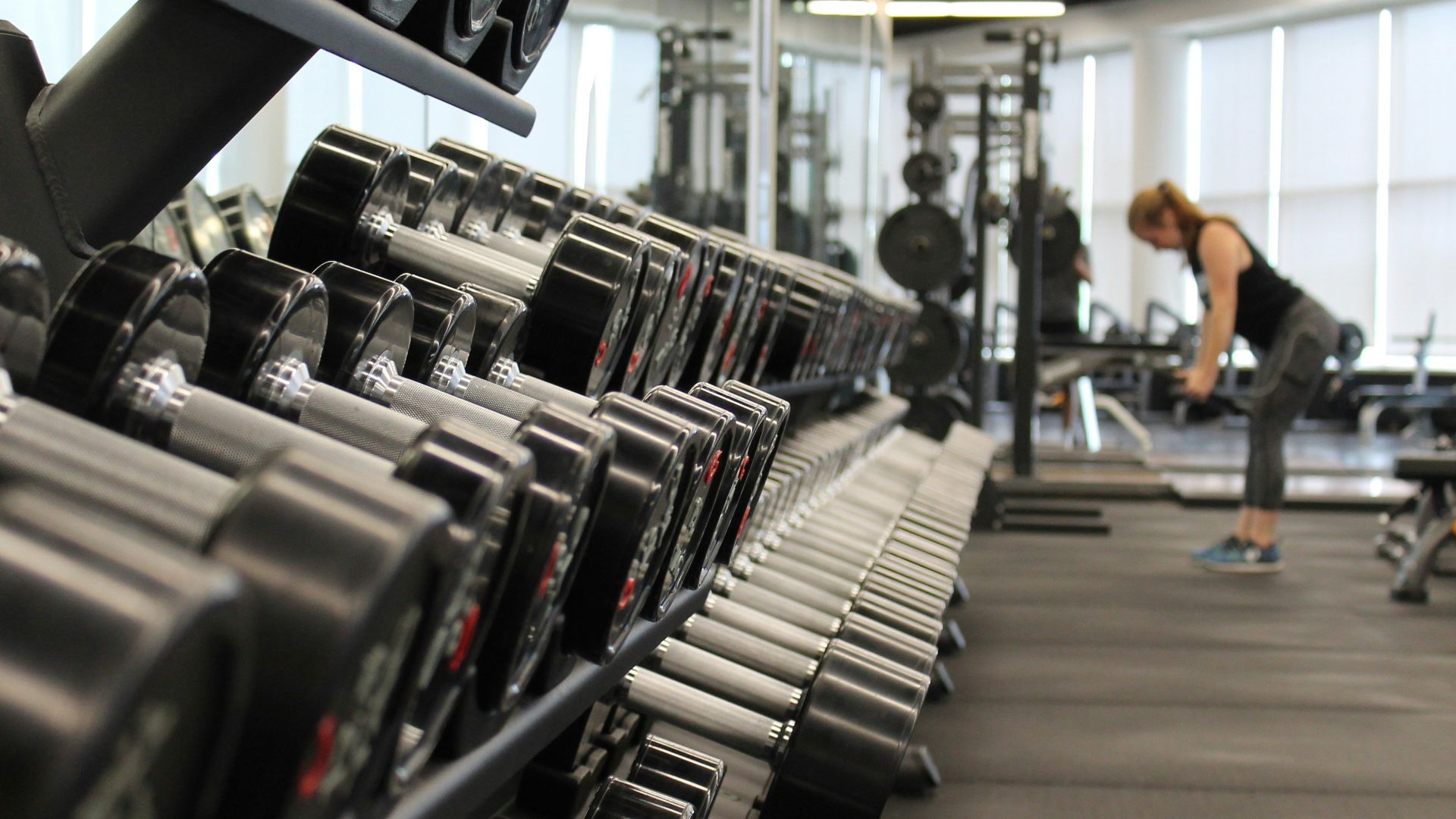
Top-of-the-line equipment is pricy. Even a basic set of dumbbells can cost a lot, and then there's racks, barbells, plates, treadmills, and maybe some flooring. The costs of a home gym add up fast.

2. Limited Space
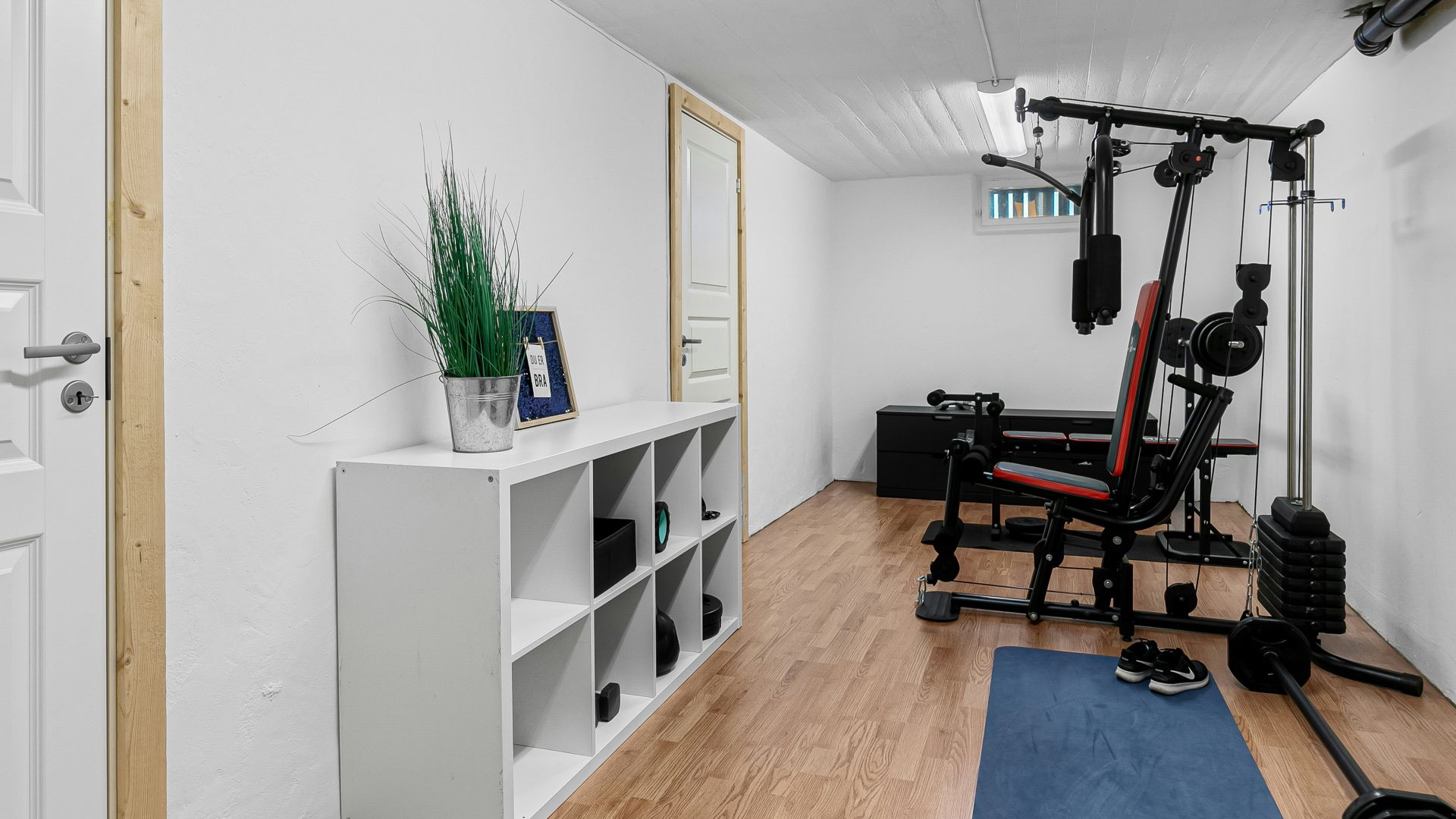
Not every home has enough space for a gym. Small apartments or shared living spaces can make setting up a gym impossible. Also, crowded or awkward layouts may make it unattractive for you to work out regularly.
3. Lack of Motivation
Some people rely on the energy and schedule of a gym to stay motivated enough to work out. At home, unlimited distractions, like phones, TV, or chores, can disrupt your workout before it even starts.

4. No Social Environment
Gyms provide a social atmosphere that many need to stay motivated. Seeing others train or being able to interact with staff can boost accountability and overall enjoyment. A home gym is usually a solo experience, which can be isolating.

5. Limited Equipment Variety
Unless you invest a ton of money into your home gym, it will only offer a few workout options. You won't have access to specialty machines, classes, pools, or saunas. This lack of variety will become more pronounced over time.
 LOGAN WEAVER | @LGNWVR on Unsplash
6. You're Responsible For Maintenance and Repairs
Owning equipment means having to take care of it. Machines break, cables wear out, and parts need to be replaced at some point. All of this costs money, whereas commercial gyms handle all maintenance and repairs. If your home equipment is broken, you simply can not work out until repairs are performed.

7. You Have To Give Up Space
Dedicating a room or garage for a gym means giving up that space for other purposes, whether it's storage, an office, or a guest room. If your lifestyle changes, your home gym might not fit your new life.

8. No Professional Oversight
When you're at a gym, you have access to trainers and staff for guidance or help. At home, improper technique will go unchecked, and you might be more susceptible to the risk of injury.

9. Harder to Separate Home and Training
Exercising at home can blur the line between rest and training. It can be harder to mentally switch into workout mode or fully disconnect afterward. This can reduce your ability to relax at home and your focus while exercising.

10. Equipment Has Spotty Resale Value
Fitness equipment loses resale value over time. If you want to sell it later on, you may only recover a fraction of your initial investment. Additionally, large items can be tough to sell.