
Saving Your Knee Health
You don’t think much about your knees until they start complaining. Simple things like climbing stairs feel heavier, and movements don’t feel as smooth as they used to. What’s surprising is how often everyday habits quietly set this in motion. This piece looks at how knee damage builds over time and preventive measures. Stick around to spot habits you never realized were affecting you, and ways to keep them healthy.

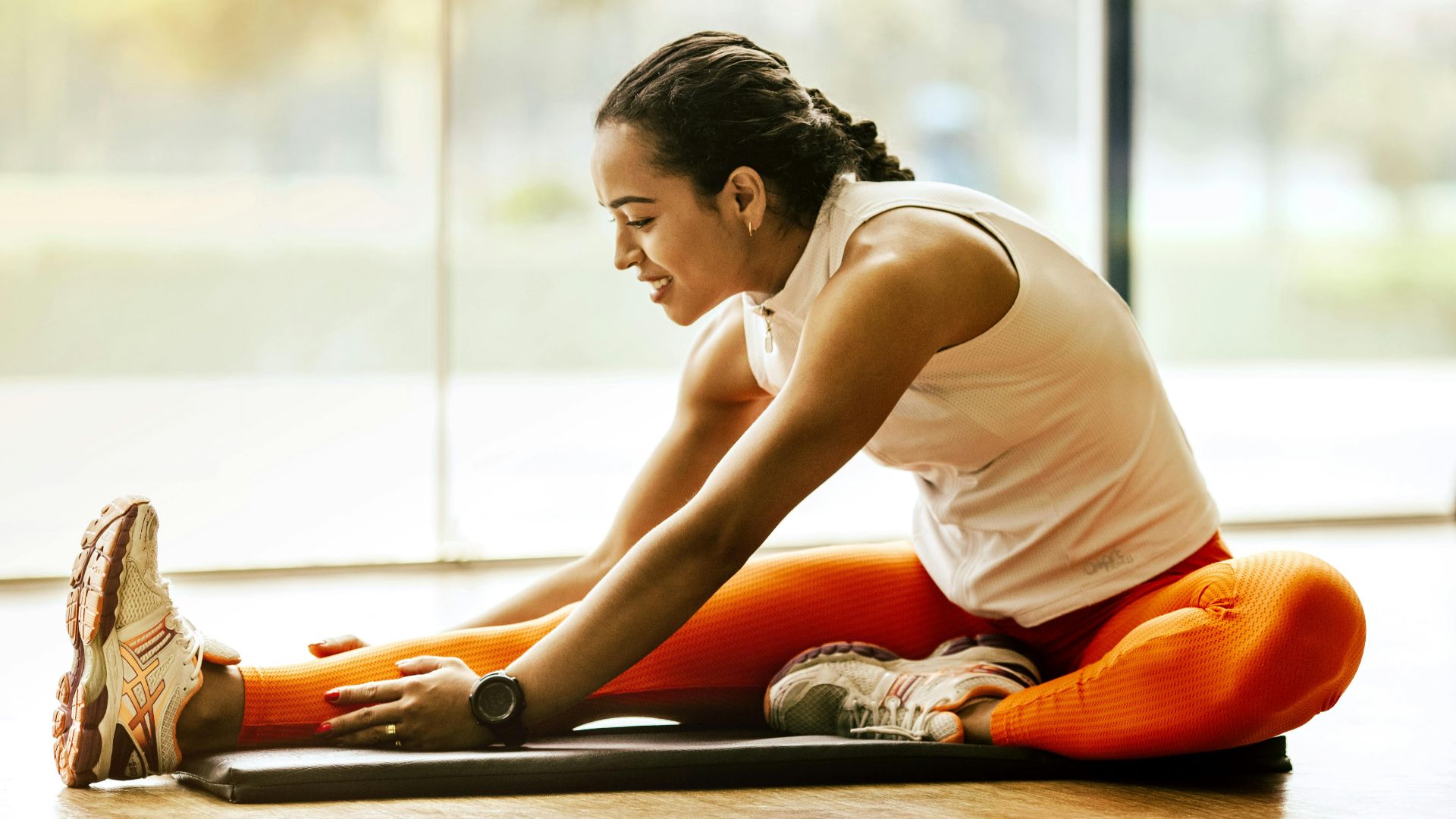
1. Ignoring Warm-Ups Before Exercise
Jumping straight into exercise may feel efficient, but knees respond poorly when muscles remain cold. Limited blood flow keeps tissues stiff, which places added strain on the knee joint and increases vulnerability to injury.
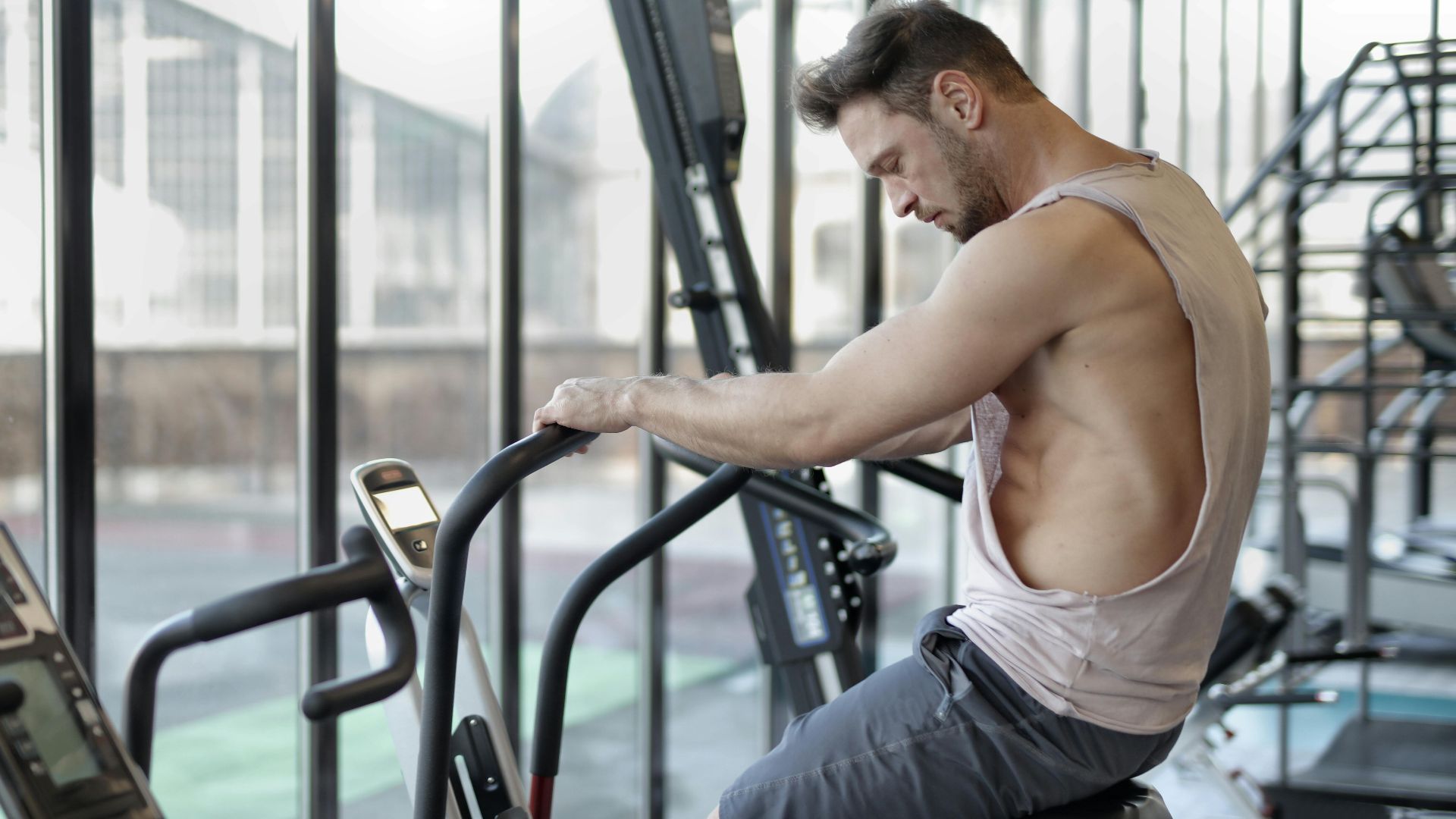
2. Overtraining Without Rest Days
It’s easy to think skipping rest shows commitment, yet knees absorb the cost. Constant stress places repeated pressure on cartilage and tendons. Over time, this ongoing load increases irritation and wear to make the knee joints weak.
3. Skipping Strength Training For Supporting Muscles
Your knees do not work alone. Weak supporting muscles alter how stress travels through the joint. When thigh strength falls short, stability declines, and more force shifts directly onto the knee. It can strain everyday movement.
4. Poor Posture While Sitting Or Standing
You may not notice it, but the way you sit or stand constantly affects your joints. Misalignment changes weight distribution to add steady strain to knee ligaments. If poor posture sticks, unhealthy joint positioning becomes the new normal.

5. High-Impact Activities On Hard Surfaces
Hard ground may feel sturdy, but your knees pay the price. Because these surfaces don’t absorb impact well, each step sends shock upward into the joint. That’s exactly why athletes prefer tracks or grass to ease joint stress.
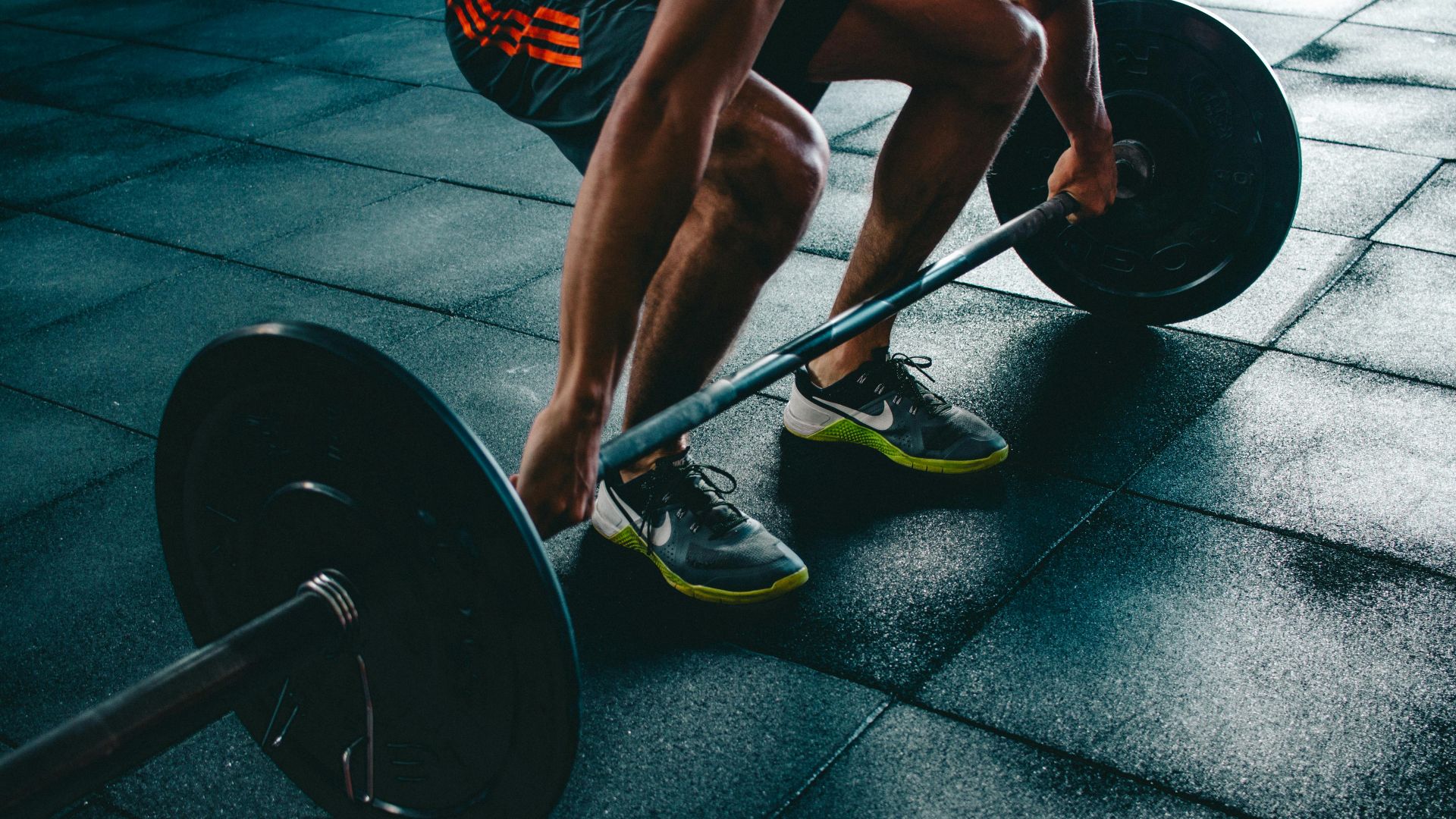
6. Improper Lifting Techniques
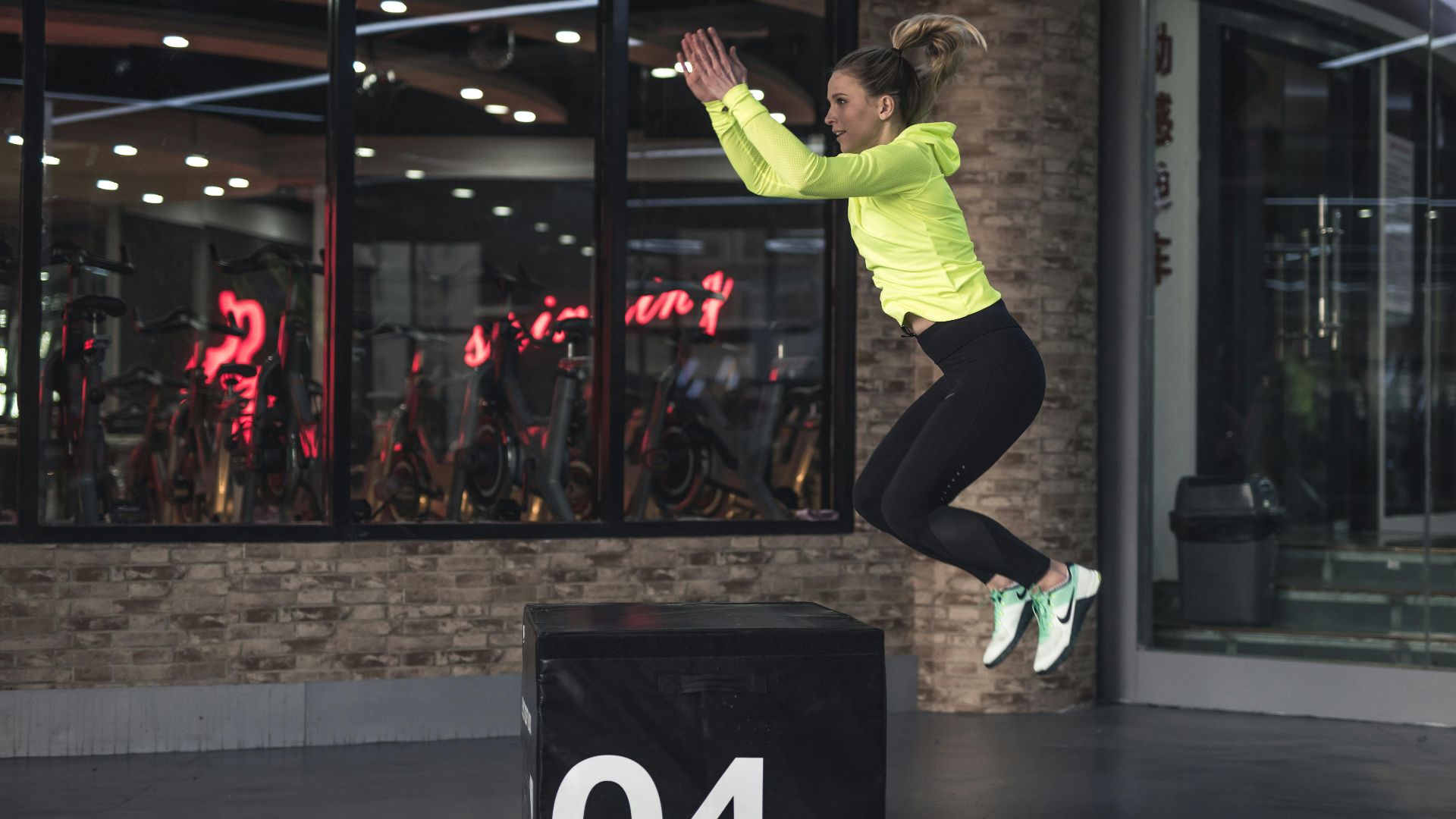
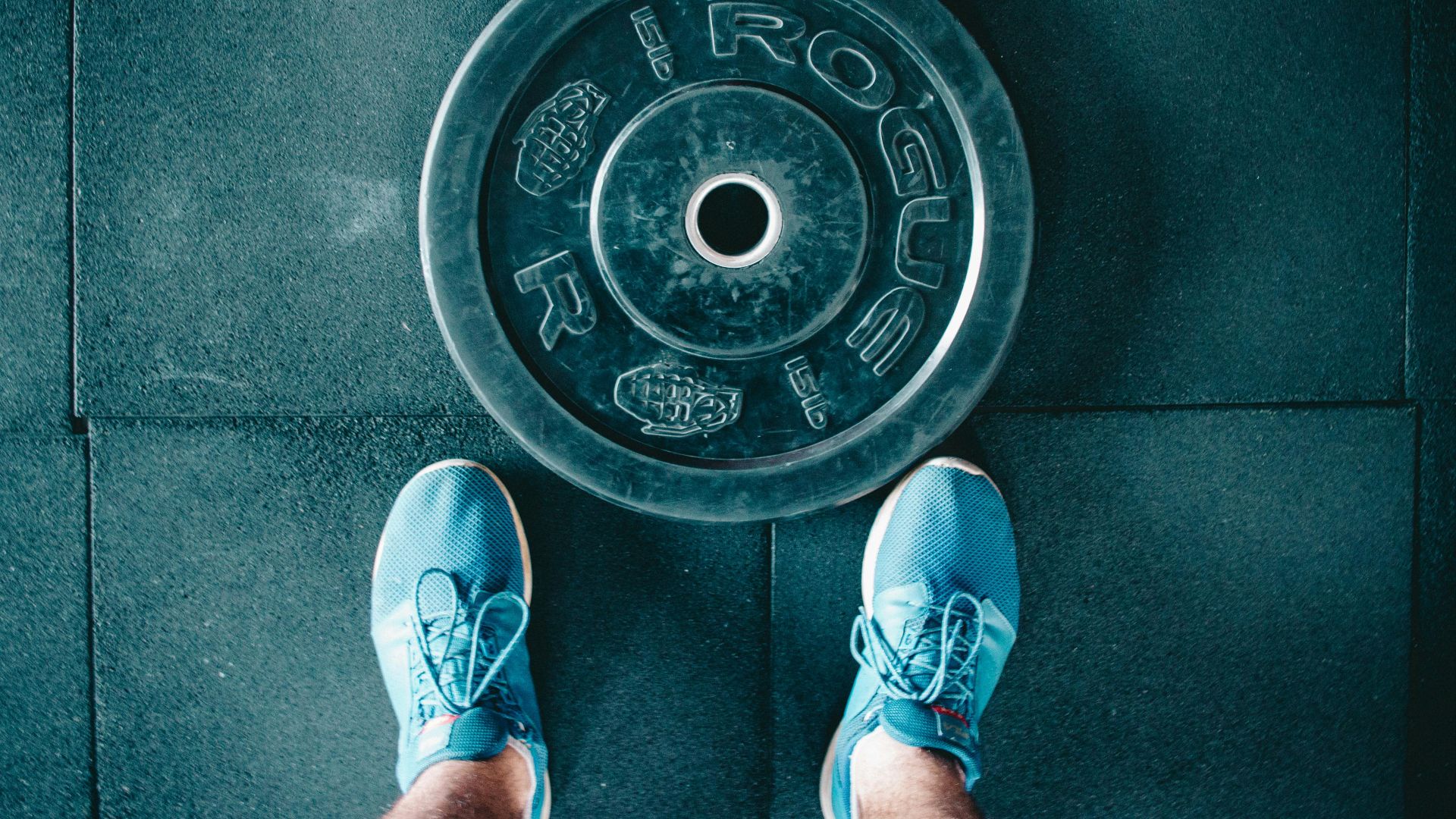
You must have seen your gym trainer trying to correct your posture during deadlifts. Ever wondered the reason? Improper lift form places direct load on the knee joint and raises stress quickly. Knee strain becomes worse when the body twists under weight.

7. Prolonged Sitting Without Movement
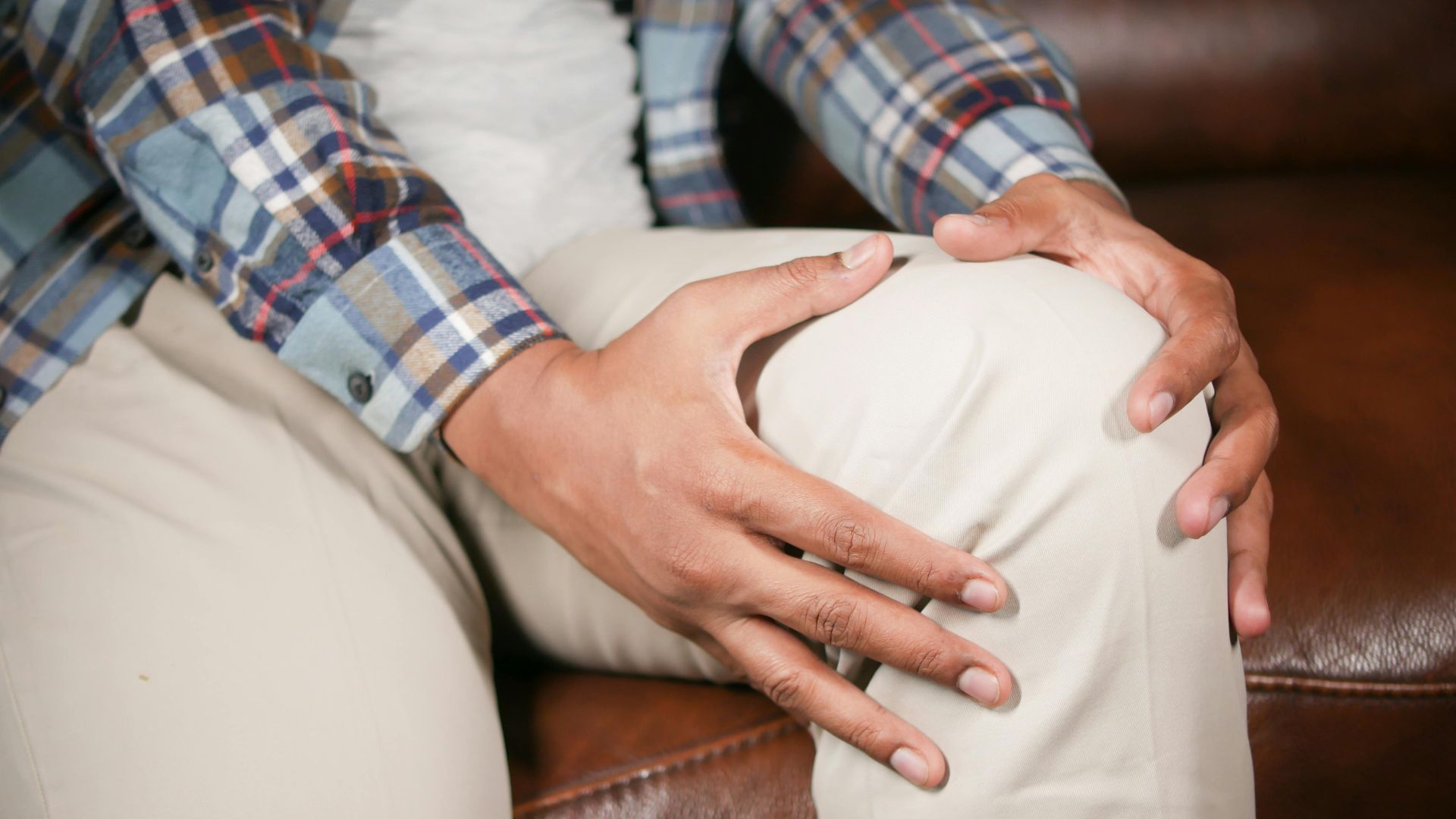
Long periods of sitting quietly affect knee health. Reduced joint lubrication leaves the knees stiff and less flexible. When movement resumes after long inactivity, discomfort and strain become more likely due to restricted joint motion.
 Antoni Shkraba Studio on Pexels
8. Ignoring Knee Pain Instead Of Seeking Care
Pain acts as a clear warning from the knee. Small problems often worsen when early signs go ignored. Over time, untreated knee issues escalate, which increases strain on the joint and raises the risk of lasting damage.
9. Frequent Use Of Stairs Or Hills Without Balance Training
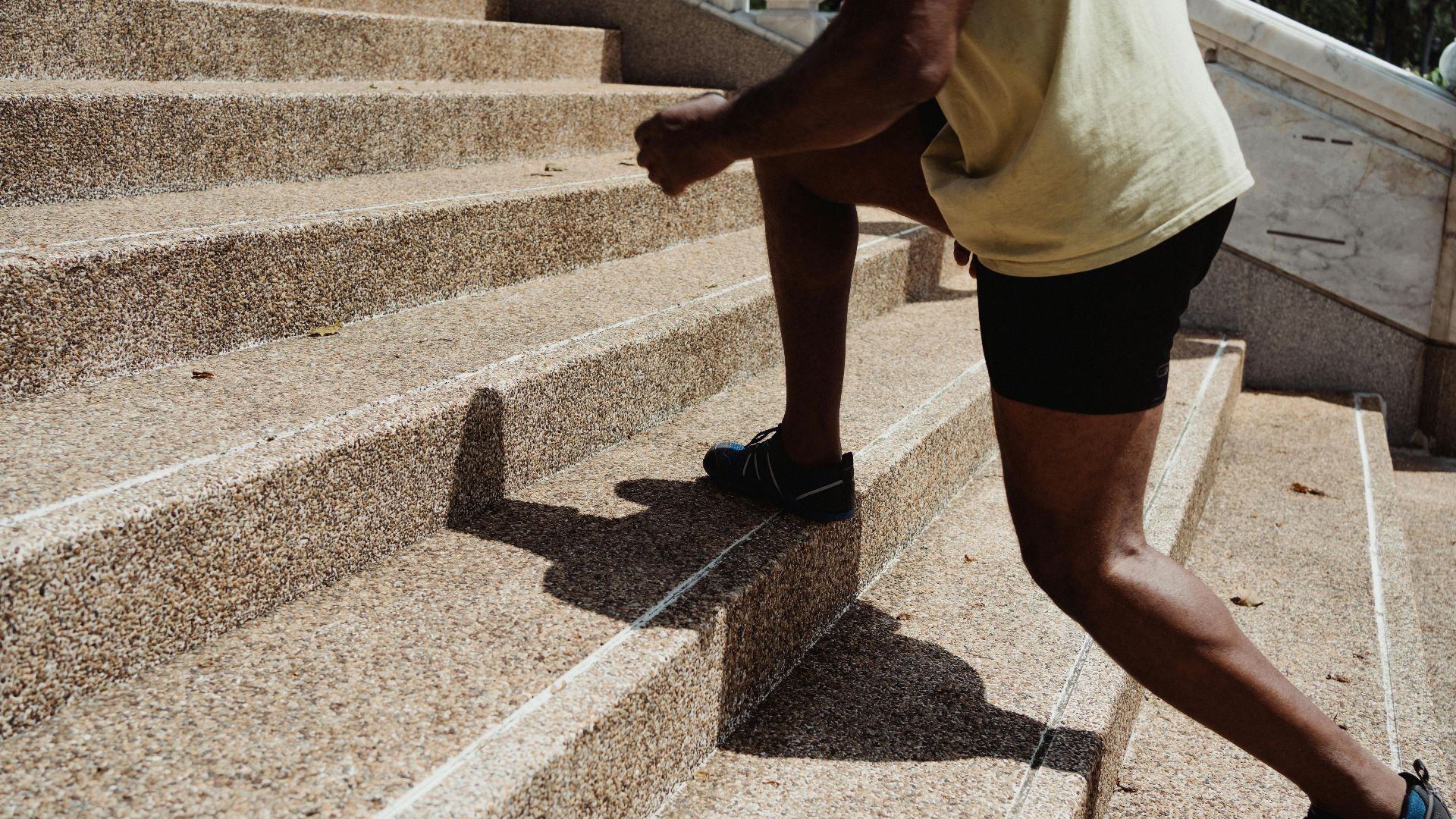
Stairs and hills force a deeper knee bend and place a higher load on the joint. Poor balance shifts pressure onto the stabilizing parts around the knee. Repeated misalignment increases strain and raises the chance of joint discomfort or injury.
10. Sudden Changes In Activity Level
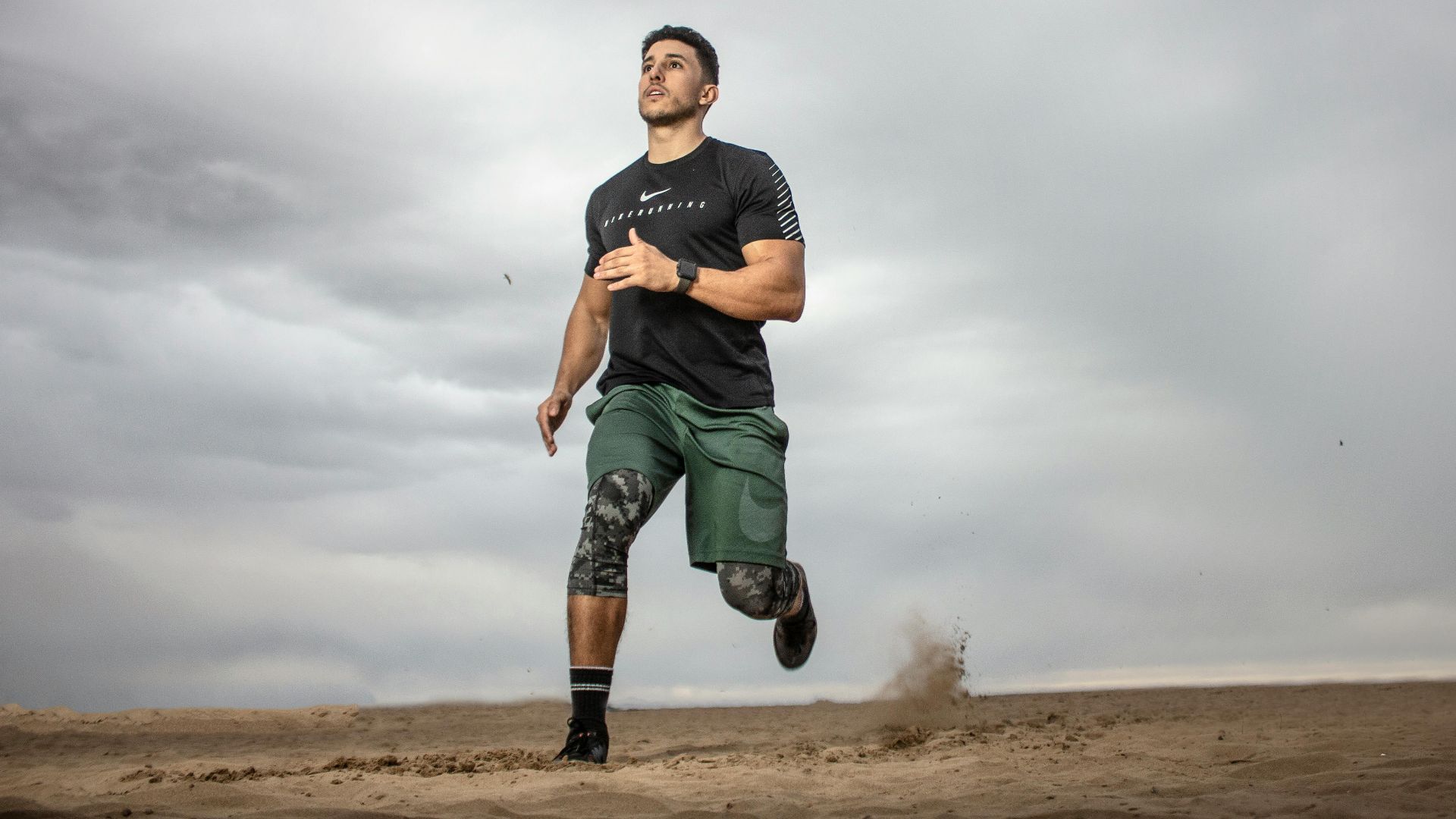
Sharp jumps in physical activity place an unexpected load on the knee joint. Tissues lack time to adapt, and this raises stress on cartilage and ligaments. This abrupt shift often leads to soreness or injury due to poor joint tolerance.
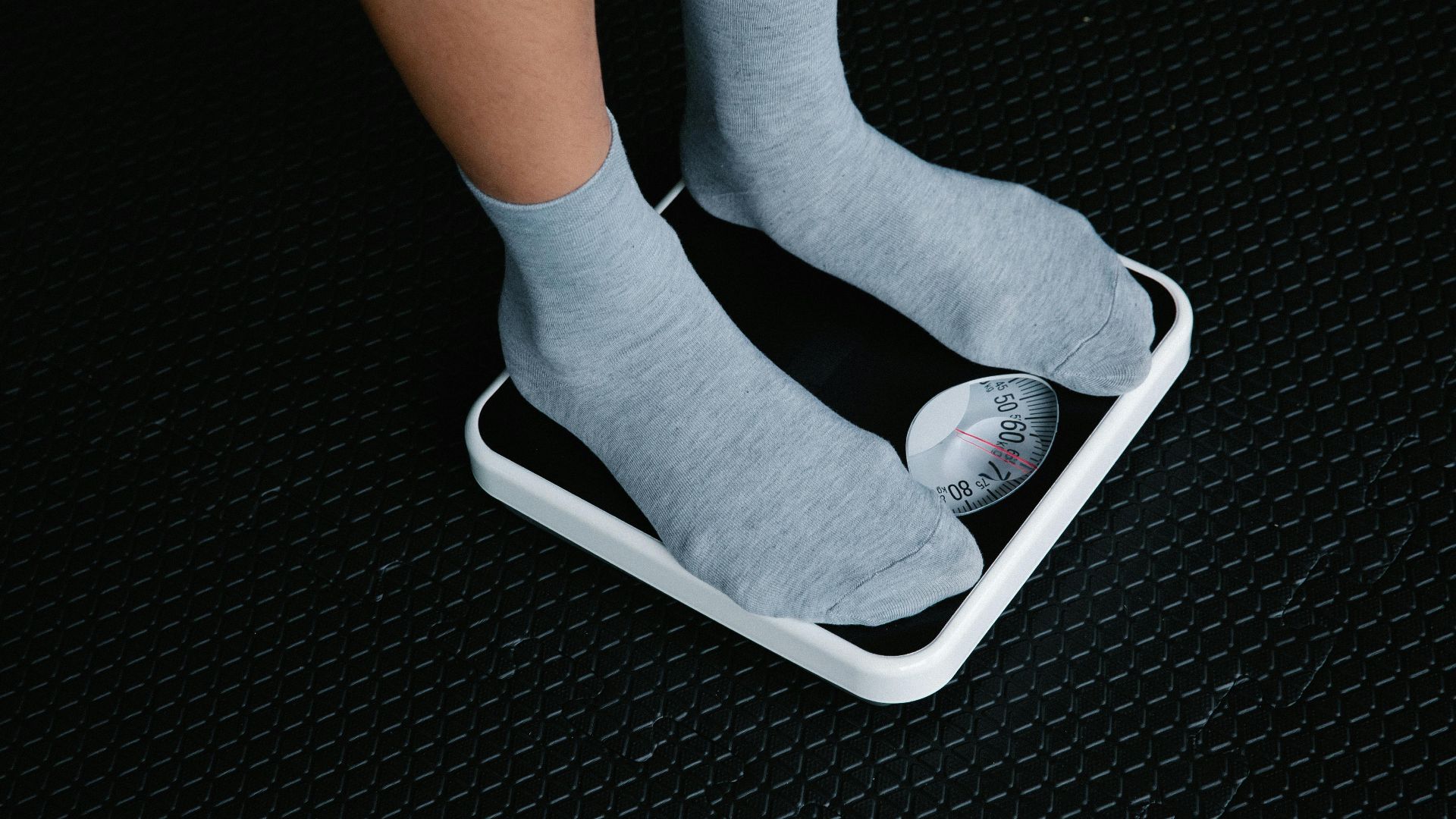
1. Maintain A Healthy Body Weight
Knees support the body during all activities, including sitting. Extra body weight increases mechanical stress across these structures, which accelerates cartilage wear. Reduced load helps preserve joint surfaces, since they are built for efficient movement rather than constant overload.
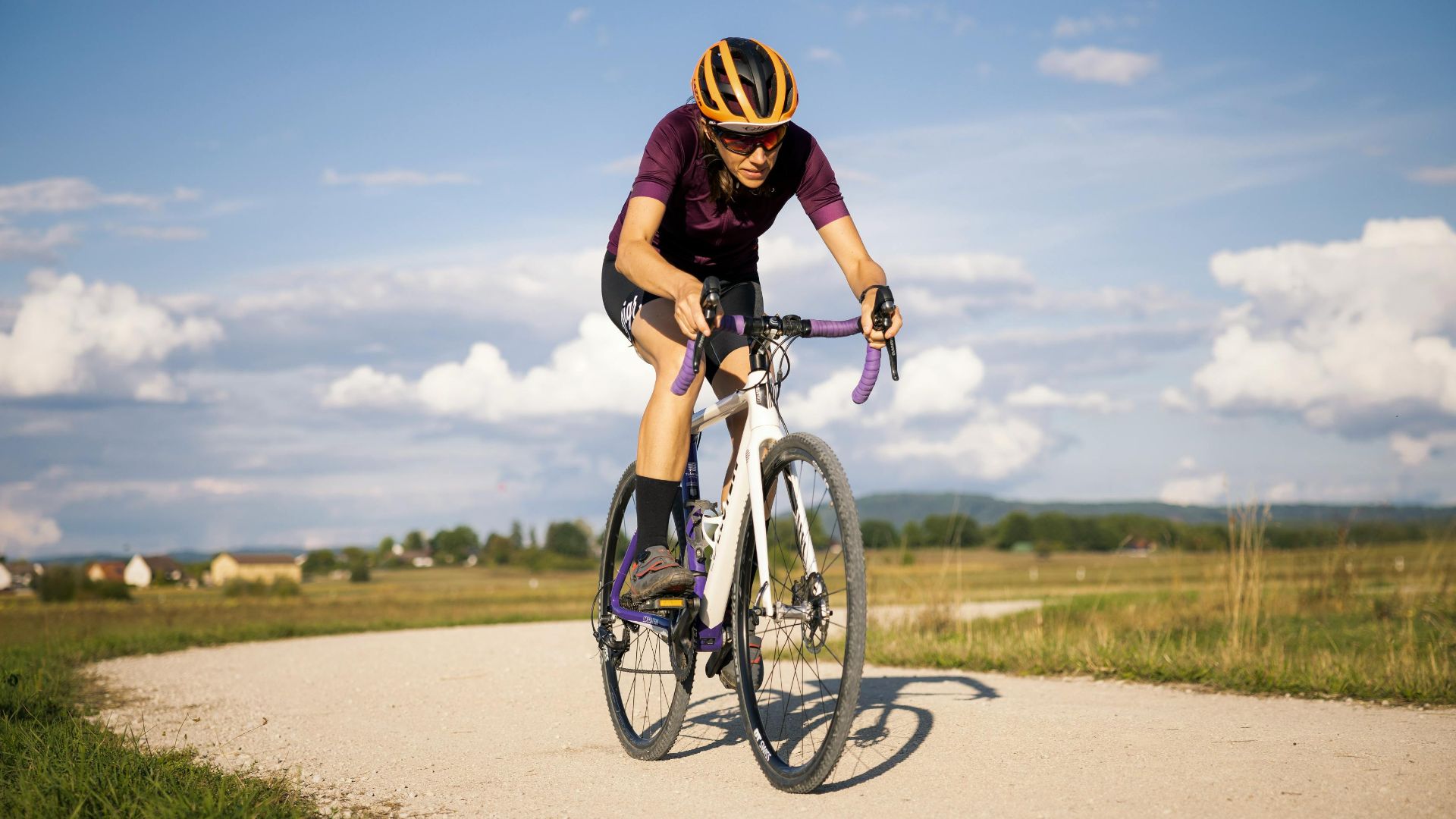
2. Prioritize Low-Impact Cardiovascular Exercise
Low-impact activities reduce repetitive shock that travels through the knees. Cycling and swimming allow movement without pounding while supporting mobility and lubrication. Water-based exercise, in particular, reduces stress while still engaging major muscle groups.
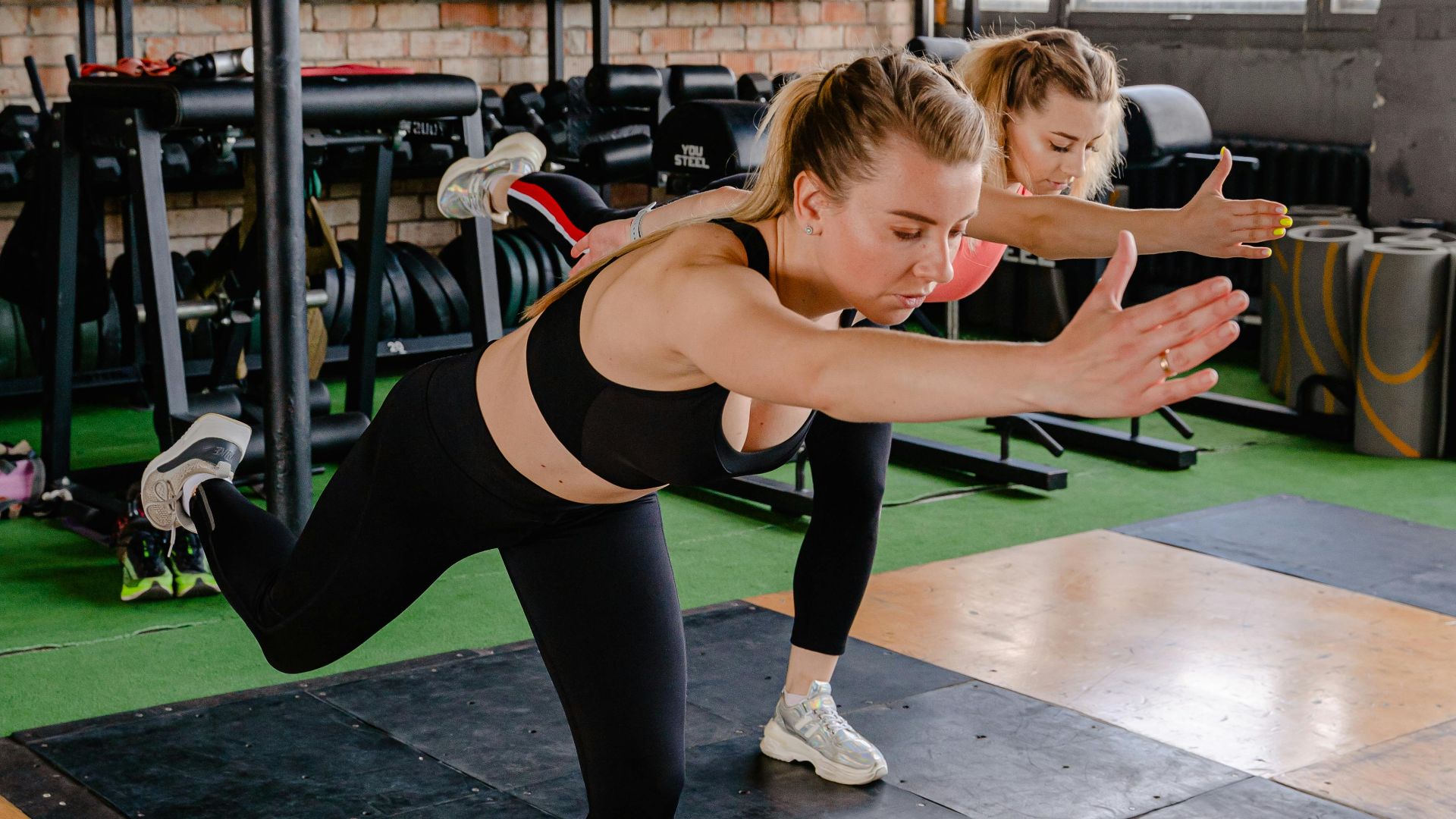
3. Incorporate Proprioception And Balance Training
Proprioception is the body’s ability to sense joint position and movement without looking. It allows the knee to know where it is in space during various activities. Strong proprioceptive control improves coordination, which helps it stay aligned during everyday movement.
 Antoni Shkraba Studio on Pexels
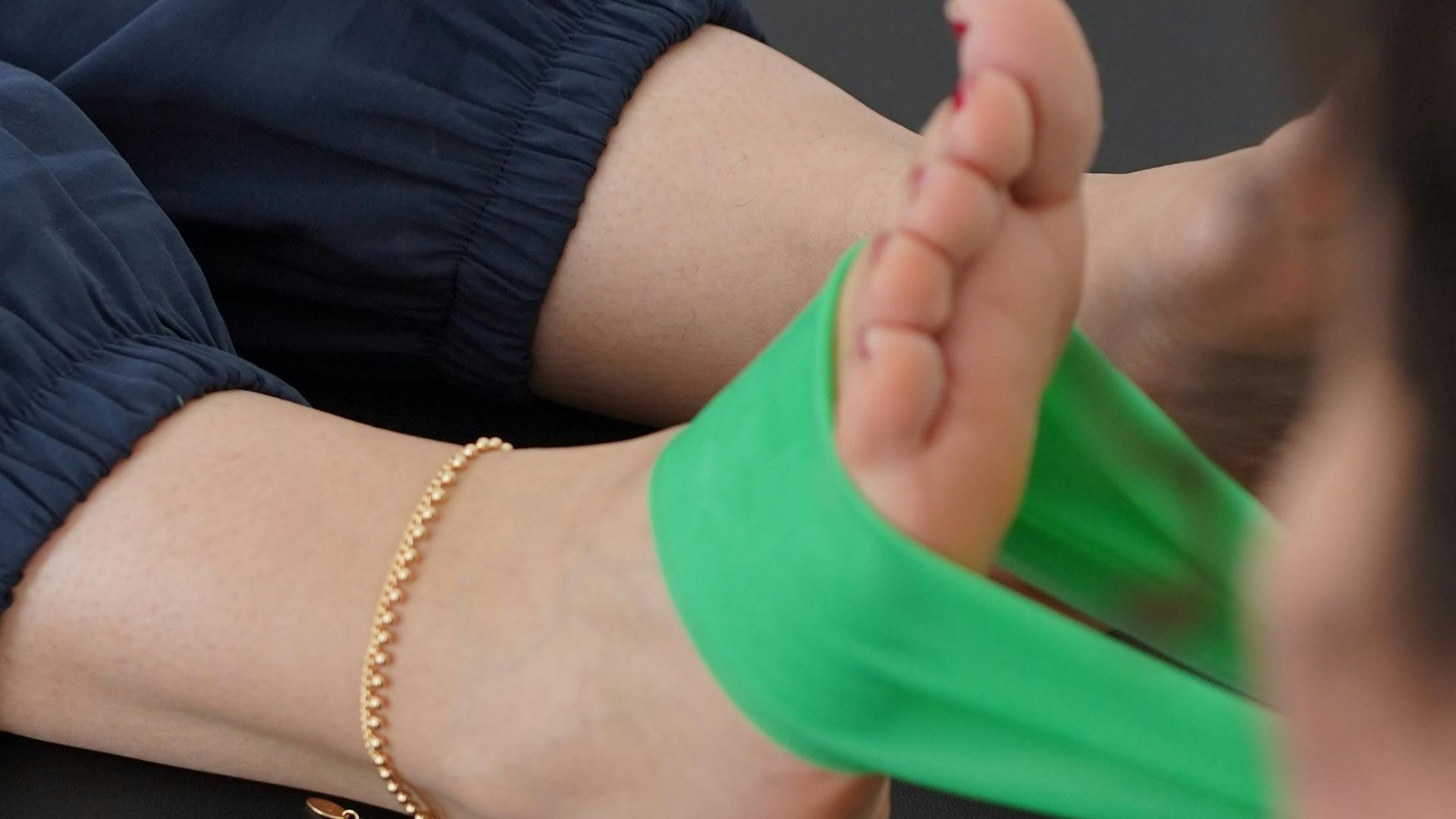
4. Improve Ankle Mobility
Ankle movement influences how force travels up the leg with every step. Limited mobility at the ankle can shift extra strain onto the knee joint. Proper motion supports smoother knee bending, as they work together constantly.
5. Avoid Chronic Knee Hyperextension
Regularly pushing the knee beyond its neutral straight position places excess stress on ligaments and joint capsules. This reduces natural shock absorption and increases structural strain, especially during prolonged standing or weight-bearing activities that rely on joint stability.
6. Monitor Vitamin D And Calcium
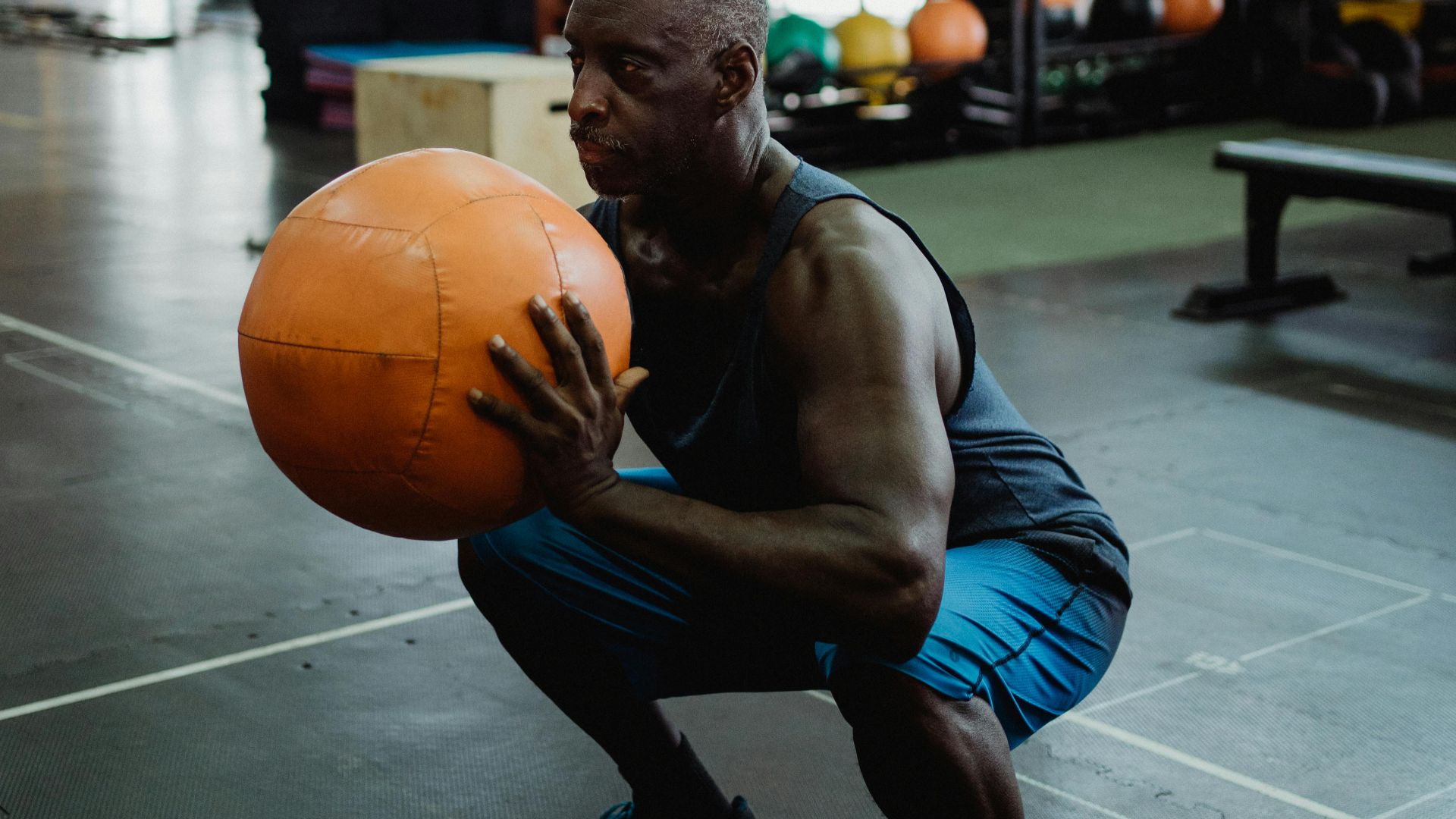
We all know that calcium is important for bones, but vitamin D is essential for absorbing it, which is not a well-known fact. Strong bones provide a stable foundation for healthy joint function. Daily exposure to the sun during the morning hours is the best way to get vitamin D.

7. Maintain Consistent Daily Hydration
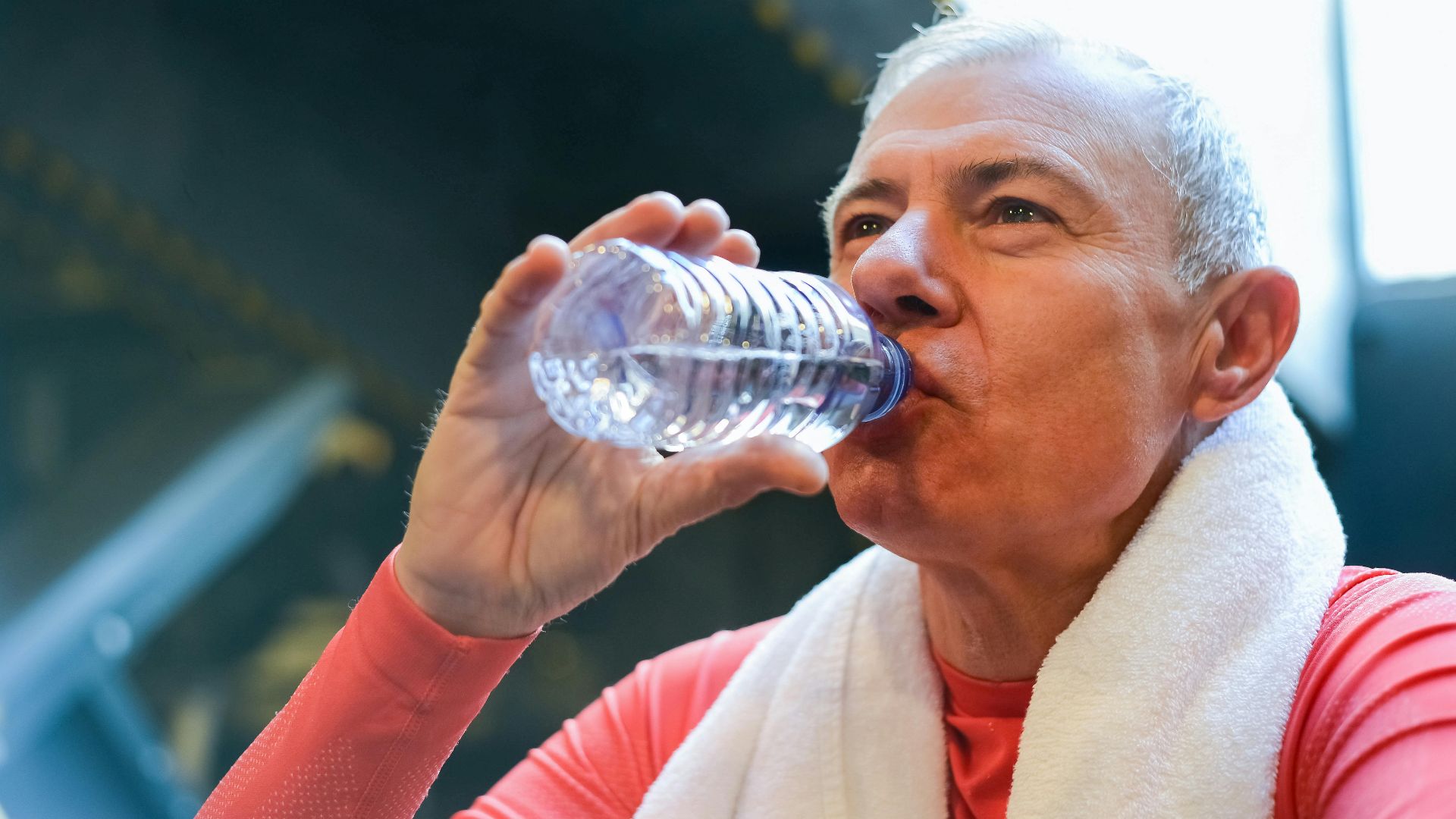
Joint tissues rely on adequate fluid to move smoothly and handle daily stress. Dehydration can reduce joint lubrication, which affects knee comfort and motion. Water also supports overall tissue health, and knee cartilage itself contains a high proportion of water.
8. Vary Daily Movement Patterns
Repeating the same motions loads the knee along identical stress paths. If you change how and where you move, the force across different tissues is reduced. This, in turn, pulls down wear that builds from rigid, repetitive movement habits.
9. Respect Gradual Load Progression
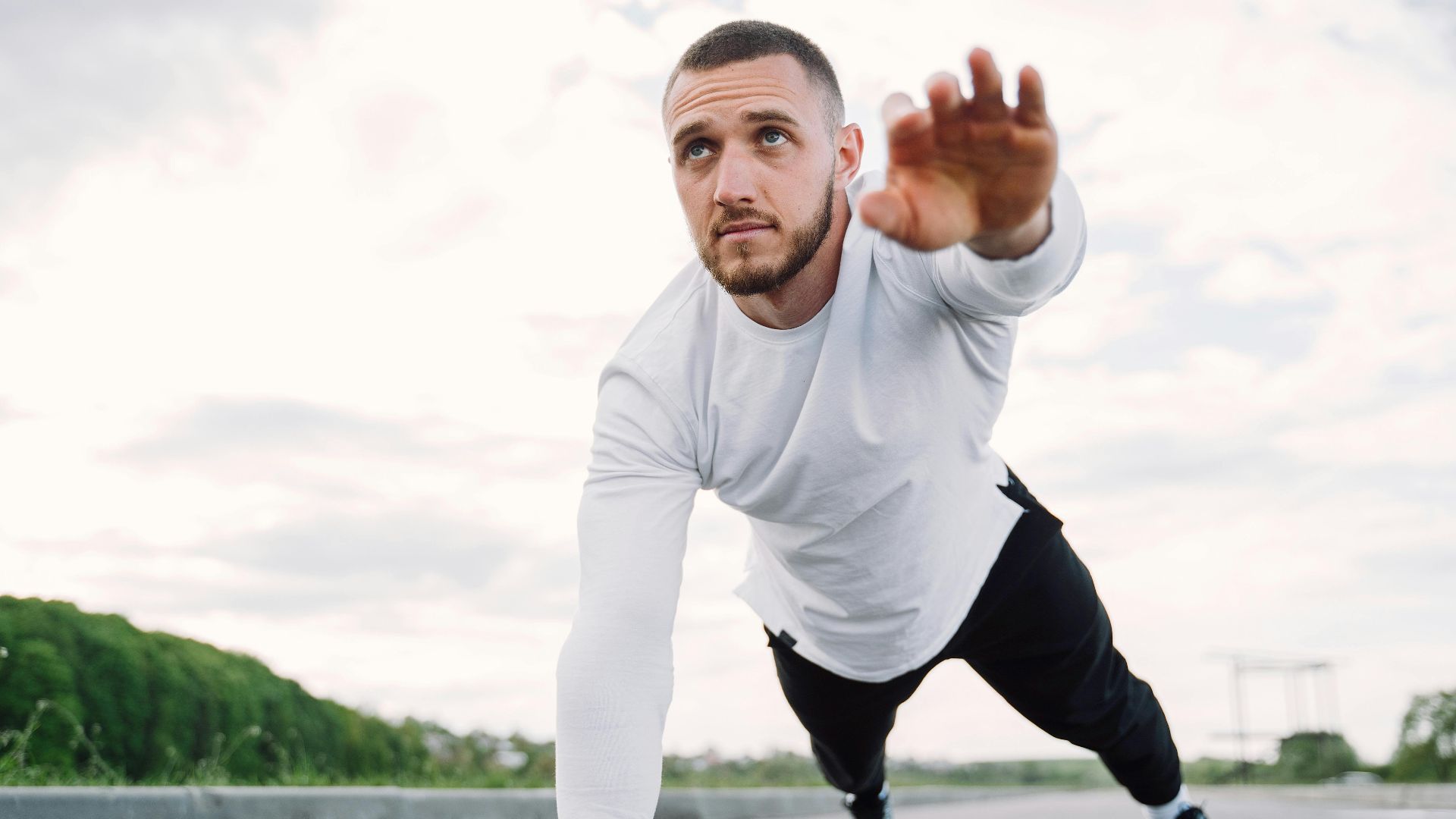
Knee joints respond best to gradual changes in demand. Slow, steady increases in activity allow joint tissues time to adapt and distribute stress evenly. When progression stays controlled, strain remains lower, and long-term knee health is better protected.
10. Wear Task-Specific, Supportive Footwear
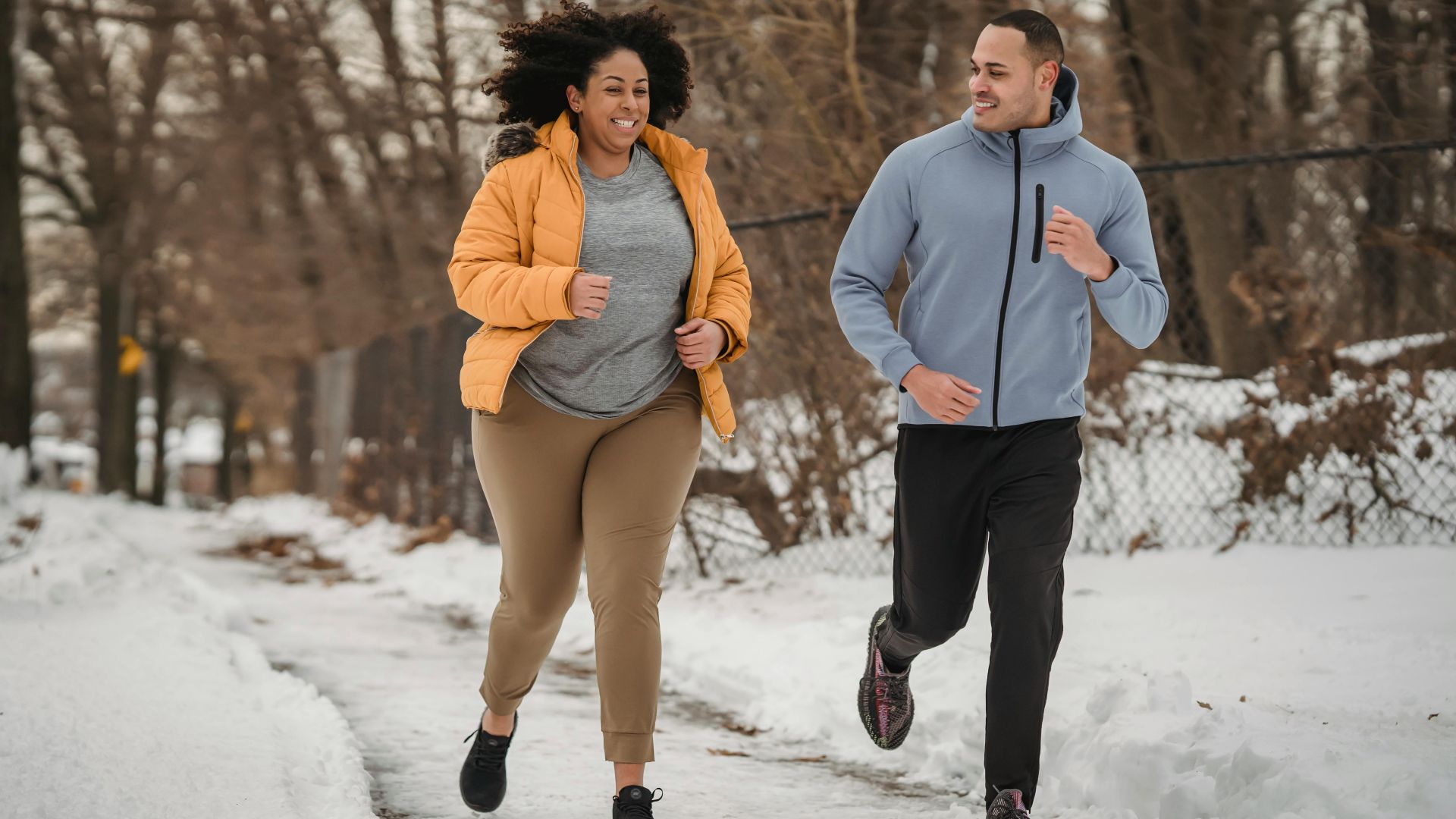
Shoes play a direct role in leg alignment during movement. Proper support helps absorb impact forces before they reach the knee. Footwear designed for specific activities improves joint comfort, and shoe soles often reveal how weight gets distributed.
KEEP ON READING


10 Pre-Workout & 10 Post-Workout Tips To Follow