When Company Helps And Silence Wins
Walking into a gym already carries a mood. Some days lean social, loud, and shared. Others call for headphones, tunnel vision, and zero small talk. Both paths shape habits in ways most people never pause to notice. This list breaks down how training changes once other people enter the picture, and what shifts when they leave. Start with the group advantages first, then keep reading to see how solo workouts rewrite the rules in quieter but powerful ways.

1. Stronger Accountability
Showing up feels different when someone else expects it. Weekly gym attendance jumps by roughly 35 percent when workouts involve a partner. Group training also strengthens exercise identity and social support. Together, those factors make people about twice as likely to follow through on fitness goals.
2. Boosted Motivation Through Encouragement
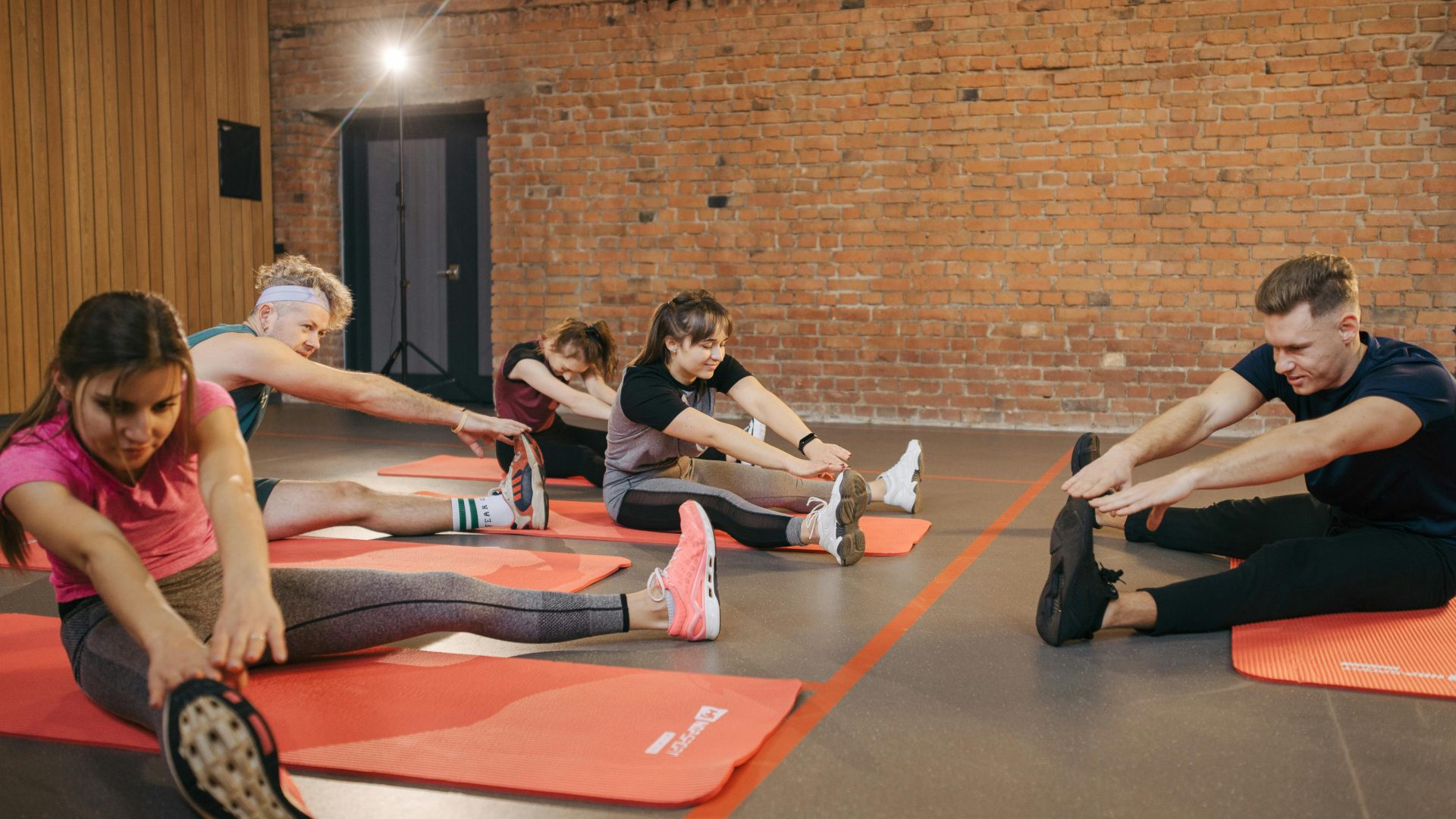
Physical output changes in social settings. Verbal encouragement triggers social facilitation, raising endurance and sprint performance. Moreover, supportive presence lowers perceived fatigue during demanding sets. Because effort feels more manageable, intensity stays higher for longer periods, rather than fading midway through the session.

3. Enhanced Enjoyment And Fun
Sweat lands differently when conversation fills the gaps. Group workouts consistently rate higher for enjoyment and long-term adherence. Shared laughter also breaks the tension during tough moments. As a result, exercise shifts from obligation to social time, which helps routines survive busy or low-energy weeks.

4. Friendly Competition
Shared space often sharpens effort. Friendly rivalry increases calorie burn and workout intensity through natural comparison. Furthermore, performing alongside others improves output on familiar physical tasks. The presence of peers nudges limits outward, while the atmosphere stays cooperative rather than aggressive.

5. Improved Safety Through Spotting
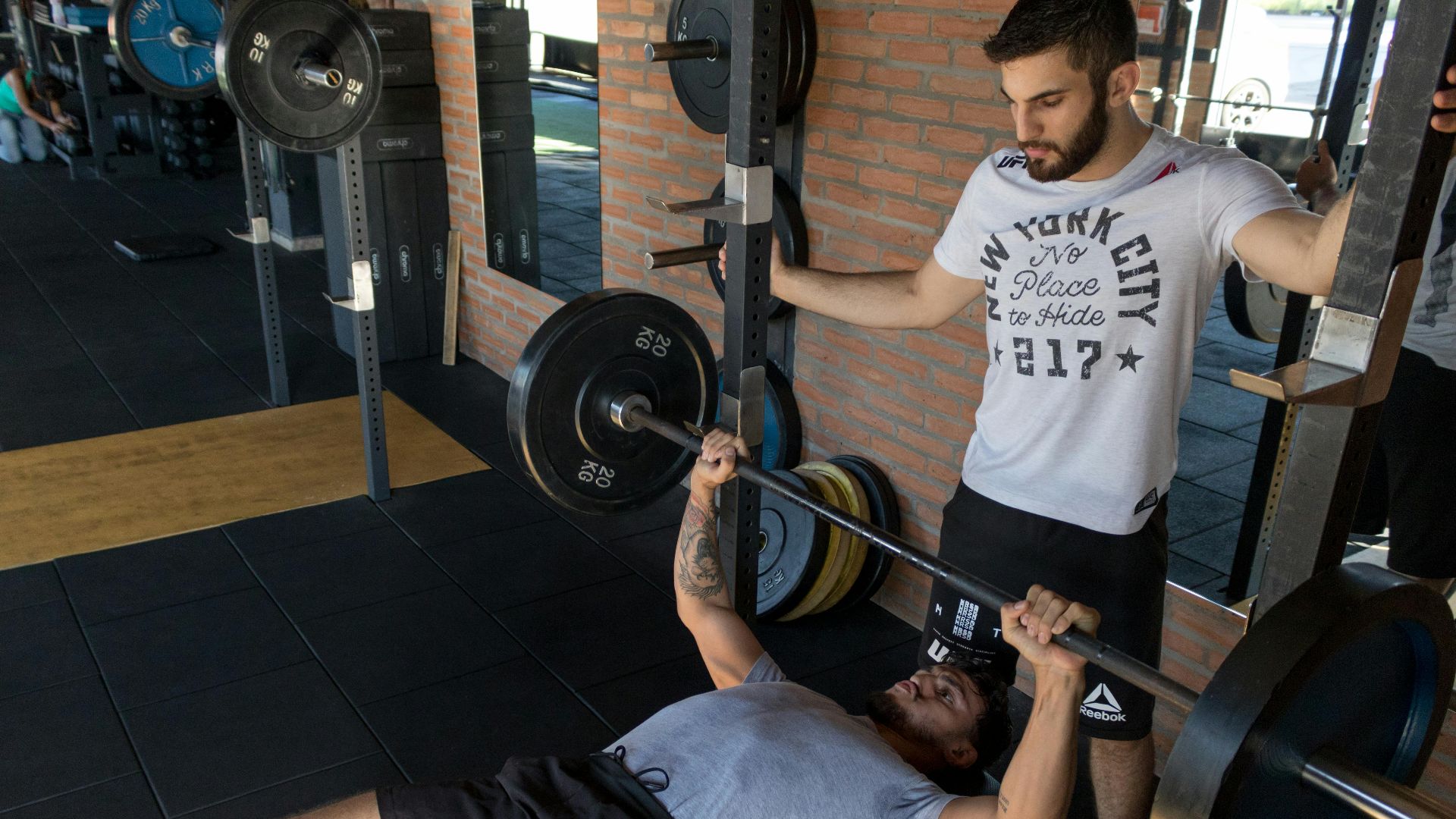
Heavy lifting carries real risk. Partner spotting lowers injury rates during free weight exercises by providing immediate assistance when form breaks down. Timely help prevents failed repetitions from escalating. Consequently, confidence rises during challenging lifts, allowing safer progress with heavier loads.
6. Learning New Exercises Or Techniques
Fresh ideas circulate naturally in shared workouts. Friends notice form flaws, suggest alternatives, and demonstrate movements that solo routines often miss. Observation speeds learning, while feedback tightens execution. Over time, exposure to different approaches improves technique quality and expands overall training confidence.

7. Emotional Support During Challenges
Hard days hit lighter with company. Encouragement from workout partners helps break through mental resistance and stalled motivation. Moreover, shared effort reduces isolation during stressful periods. Emotional backing increases resilience, making consistency easier when progress slows or life outside the gym feels overwhelming.

8. Reduced Perceived Effort
Effort shifts when attention splits. Conversation and shared presence distract from discomfort, lowering perceived exertion during demanding sessions. Meanwhile, synchronized movement within groups raises pain tolerance. Because fatigue feels less dominant, workouts seem shorter and more manageable despite equal or greater physical output.

9. Deeper Social Bonding
Repeated workouts create shared memory. Struggle, progress, and routine repetition strengthen interpersonal ties over time. Social connection grows through mutual goals and consistent contact. As bonds deepen, commitment rises naturally, since skipping no longer affects only personal plans but shared expectations as well.

10. Higher Workout Intensity
Intensity often climbs in the company. Group presence pushes participants toward faster pacing, heavier loads, and longer efforts. Additionally, well learned movements benefit most from social facilitation. The body responds to subtle pressure, producing stronger output than equivalent solo sessions.

1. No Social Comparison
Solo training removes the mental noise created by watching others. Without comparison, motivation shifts inward and effort feels more personal. This environment benefits beginners and those prone to anxiety. Progress also becomes measured against previous performance rather than external standards or perceived expectations.
2. Mental Clarity And Introspection
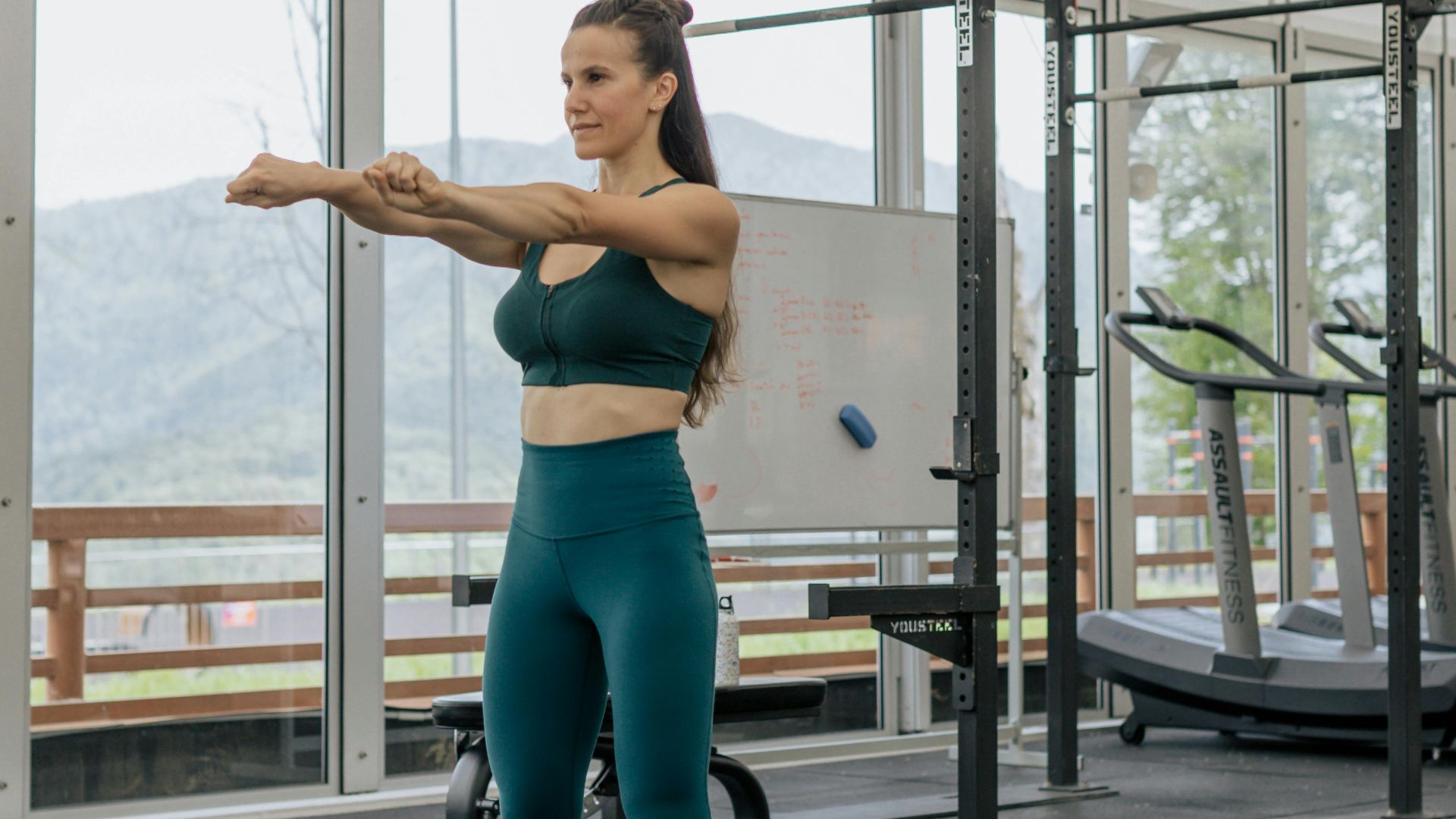
Solitude during exercise supports reflection and mental processing. Quiet movement lowers stress and encourages mindfulness throughout the session. Over time, clarity improves psychological well-being. Training even becomes a space for decompression, allowing physical effort to support emotional balance and cognitive reset.

3. No Equipment Waiting
Solo workouts often happen during off-peak hours, which removes delays between exercises. Immediate access maintains momentum and session efficiency. Without queues or interruptions, transitions stay smooth. Such an uninterrupted flow supports better focus and allows more work to fit into shorter training windows.
 The Lazy Artist Gallery on Pexels
4. Personalized Audio Experience
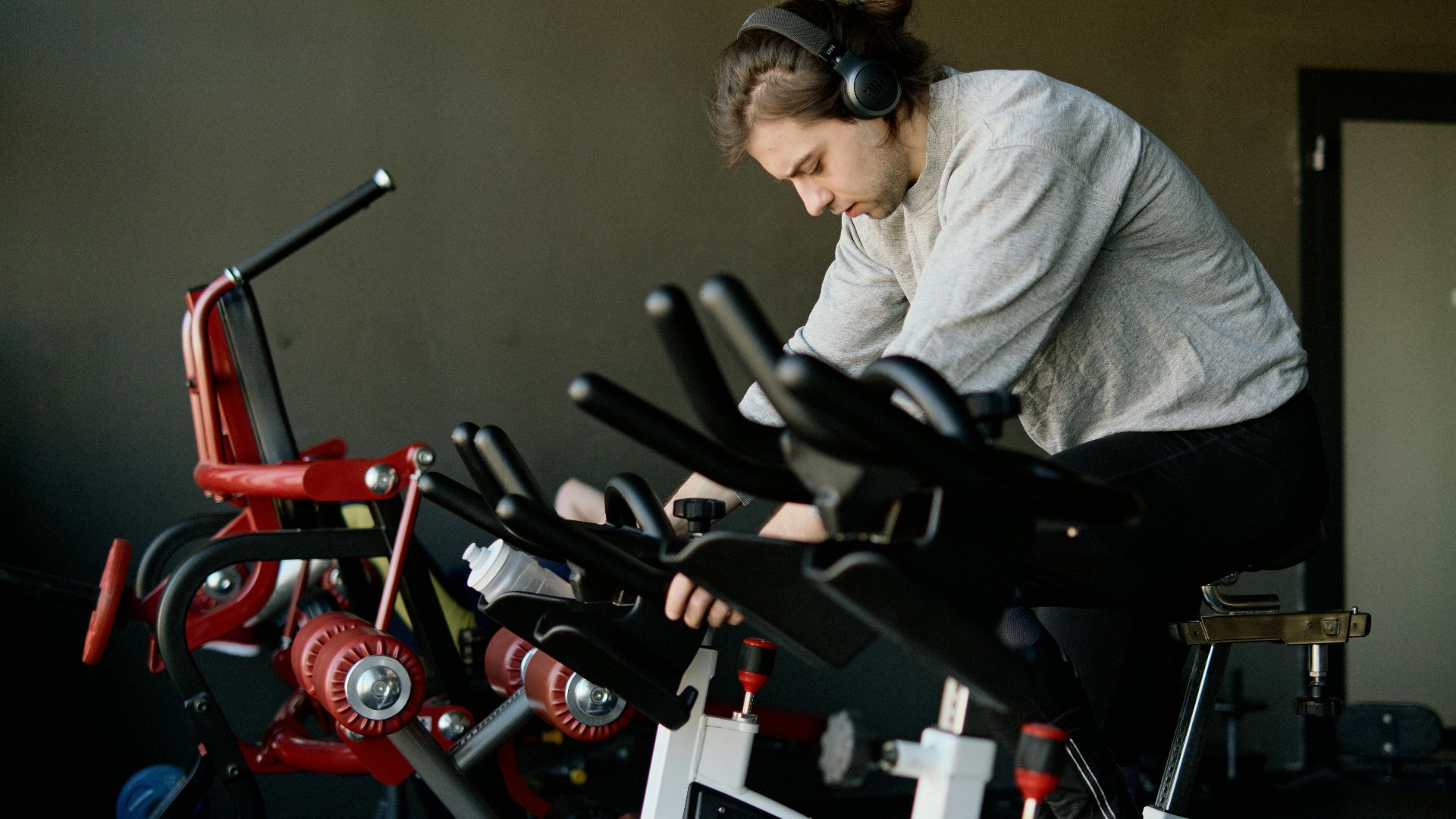
Training alone allows complete control over sound. Music, podcasts, or silence can match mood and intensity. This personalization supports focus and motivation without compromise. A consistent sound environment also helps regulate arousal levels, making workouts feel more intentional and mentally supportive.
5. Building Independent Mental Toughness
Relying on internal drive strengthens resilience over time. Solo training removes external encouragement and places responsibility fully on the individual. Each completed session reinforces self-trust. Gradually, this autonomy builds psychological grit that carries beyond workouts into broader challenges.

6. Complete Schedule Control
Solo training offers complete freedom over timing, which removes the friction that often derails consistency. Workouts fit early mornings or unpredictable gaps. Because coordination disappears, exercise adapts to real life instead of competing with it, especially for people managing irregular or demanding schedules.

7. Undivided Focus And Concentration
Removing external noise changes how the brain engages with movement. Solo training keeps attention fixed on execution rather than social cues. Complex lifts respond especially well to this clarity. As focus strengthens through repetition, technique sharpens, and errors fade during high effort moments.

8. Full Flexibility To Change Routine
Solo sessions allow routines to respond instead of resist, while strong days invite added intensity. Lower energy calls for restraint. Adjustments happen smoothly without explanation. This adaptability keeps workouts productive across fluctuating conditions, helping training continue without burnout or forced adherence to rigid plans.

9. Privacy For Experimentation
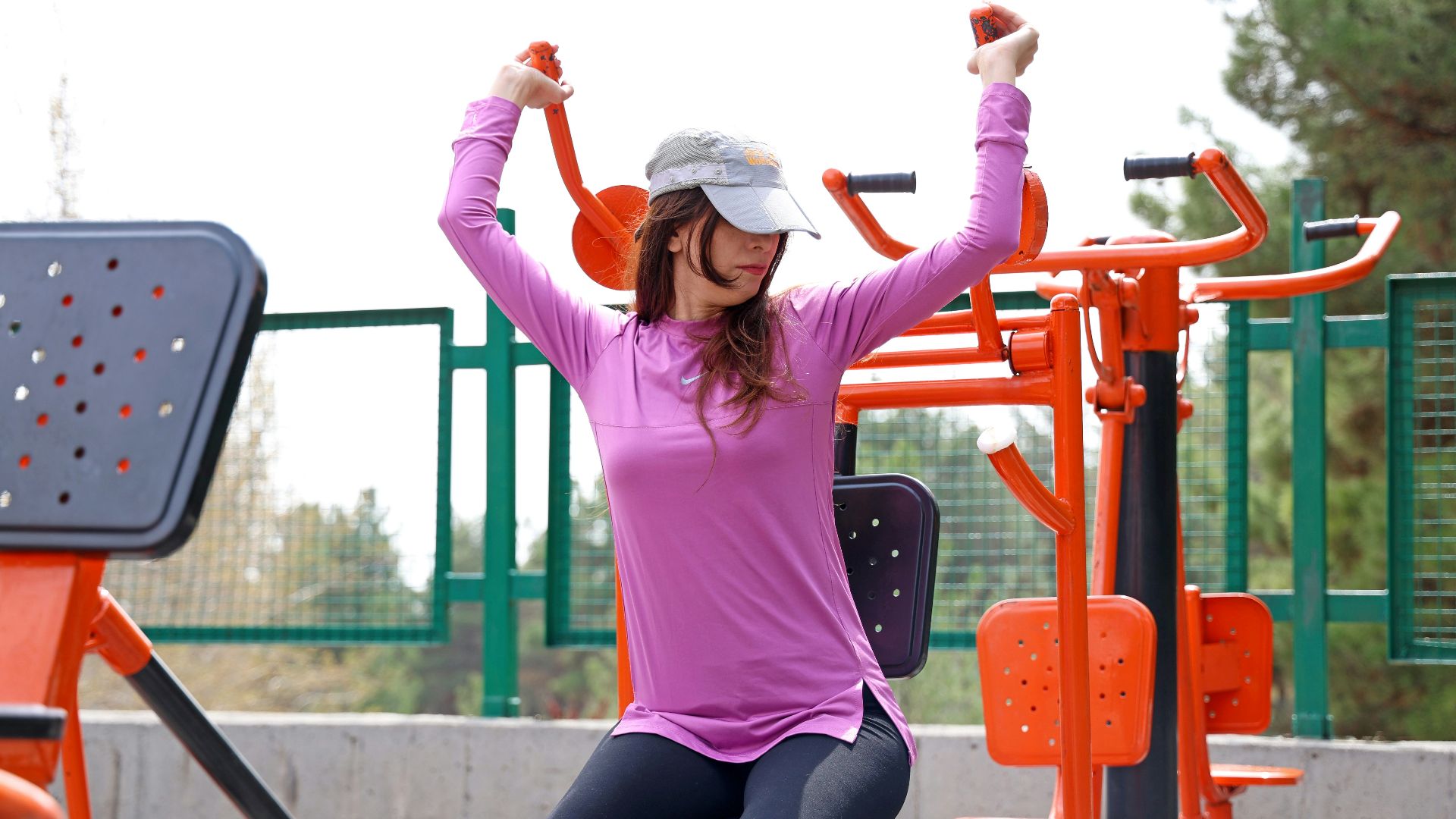
Lowering perceived judgment changes behavior. When observation disappears, risk tolerance increases during training. Movements get tested instead of avoided. Repetition also strengthens confidence internally. Over time, exercises once skipped move into routine use, supported by familiarity rather than self-doubt.
10. Self-Paced Rest Intervals
Solo training allows rest periods to match individual recovery needs. Each set begins only after readiness returns. This pacing supports consistent output across a session. As recovery aligns with physiology, both strength and endurance improve without interference from shared timing.