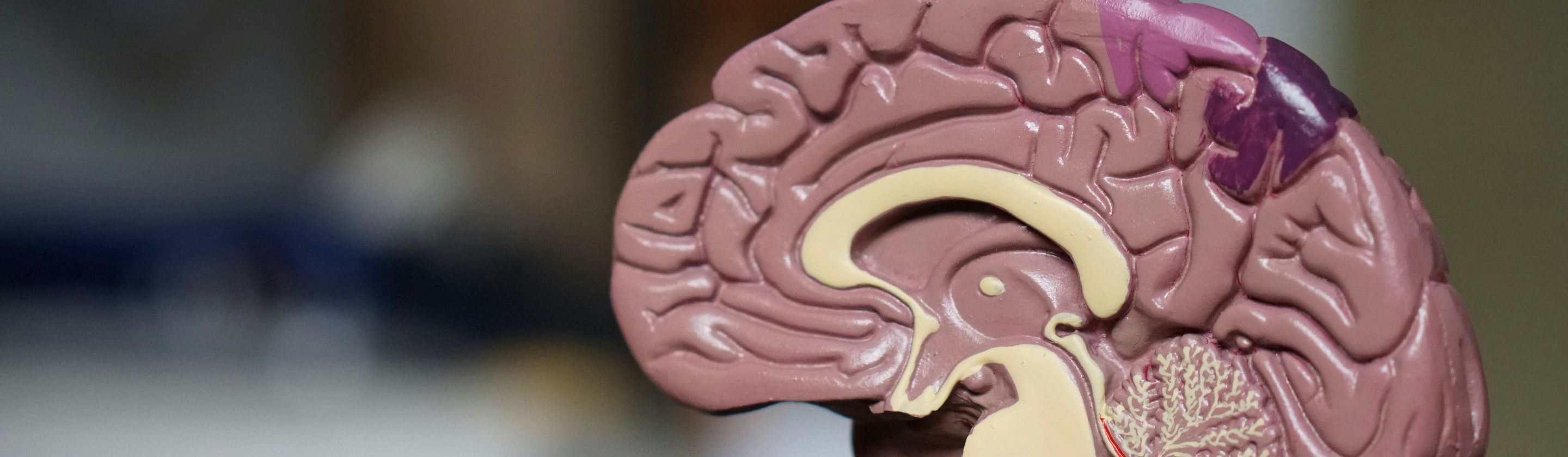
Your Brain Is Buffering
We like to think of our minds as highly efficient supercomputers, but sometimes the software feels a little outdated. From forgetting why you opened the fridge to having a word stuck on the tip of your tongue, these little mental hiccups are a perfectly normal part of being human. With that in mind, here are 20 weird glitches everyone experiences and why.

1. The Doorway Effect
Ever walk into a room and forget what you were doing there? Every time you pass through a doorway, your brain resets your short-term memory because your physical environment has changed. Crossing that threshold tells your brain the information in your head is no longer relevant.

2. Tip-of-the-Tongue State
You can’t quite remember a word, but you know you know it. Your brain knows where the meaning is, but can’t access the sound of the word. Go do something else for a few minutes, and it will probably pop into your head.

3. Déjà Vu
The feeling that you’ve experienced something in the exact moment that you’re experiencing it now happens when your brain records a moment milliseconds before you process it. You feel like you remember the future, but you’ve actually just had a tiny delay in sensory processing.

4. Semantic Satiation
Repeat a word out loud 30 times, and it’ll start to sound completely nonsensical. Your brain loses its connection to the meaning because your neurons get overloaded from the repetition. After a minute of not saying the word, you’ll be able to hear it again normally.

5. The Invisible Phone Vibration
Ever feel like your phone is buzzing in your pocket when it’s not there? Our brains are expecting to feel notifications so often that we hallucinate them when we randomly jolt our muscles.

6. Misattribution of Attraction
You might find yourself feeling a strange spark of attraction for someone while you're in a high-stress or scary situation, like on a roller coaster. This glitch happens because your brain feels the physical symptoms of a racing heart. It shows that our minds aren't always great at identifying the true source of our physical feelings.

7. Presque Vu
You feel incredibly close to figuring out a solution to a problem or having a stroke of genius. It’s the tip-of-the-tongue state with ideas instead of words. You can almost grasp the thought, but you can’t access it just yet.

8. The Baader-Meinhof Phenomenon
You learn a new word or discover an unknown band, and suddenly you see references to it everywhere you go. Your brain has probably filtered out that word or information from your environment on previous occasions. Once you show interest by looking it up, you start to notice it.

9. Hypnagogic Jerk
That jolt you feel just as you’re falling asleep is your brain telling you that it thinks you’re falling out of bed. Your muscles relax as you sleep, and your brain thinks you’ve fallen asleep standing up. It sends electrical signals to your limbs to jolt you awake so you don’t hit the ground.

10. The Zeigarnik Effect
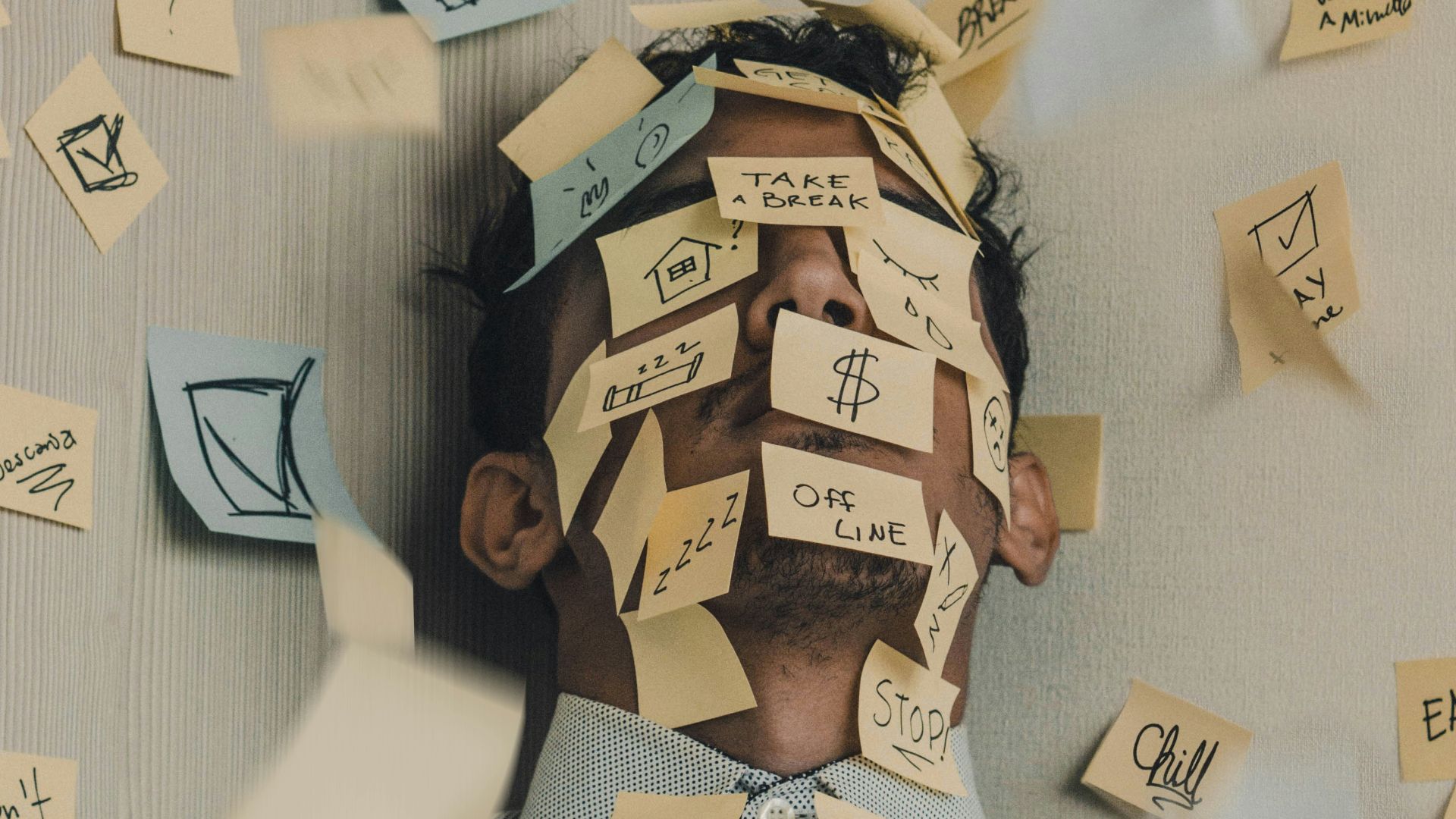
When you have unfinished tasks, your brain likes to nag you about them. As soon as you finish something, your brain lets go and quickly forgets it. Your mental to-do list keeps your tasks fresh so you can finish them.
11. Cryptomnesia
You believe you came up with a brilliant new idea, only to find out someone else thought of it years ago. Your brain remembered the idea but forgot where you learned it from. It is a very common glitch for writers and artists who accidentally end up "plagiarizing" their own forgotten memories.

12. Chronostasis
When you glance at an analog clock, the second hand appears to freeze for a few seconds before continuing. Your brain basically tricks itself into thinking the second hand wasn’t moving by moving the new visual information backward in time.

13. The McGurk Effect
Your brain also tricks itself with sounds. If you see someone saying “fa” but they are actually saying “ba,” you will hear neither. Your brain blends the images and comes up with a completely different sound.

14. Intrusive Thoughts
Random urges to yell at someone, dump water on a pedestrian, or flush a stranger’s toilet are called intrusive thoughts. Your brain is basically randomly generating risk scenarios, so when they do happen, you know to avoid them.

15. The Misinformation Effect
Studies have shown that memories can be manipulated by suggesting information after the fact. If you watch a car accident and someone later asks how fast the car was “smashing” into the other vehicle, you will likely remember broken glass, even if there was none. Memories are much more malleable than you might think.

16. Pareidolia
You see faces in clouds, burnt toast, trees, and hills. Our brains are constantly searching for faces in our environment. It’s a survival instinct leftover from our ancestors who needed to recognize threatening faces quickly.

17. The Choice Overload Effect
Ever walk into a restaurant only to become so overwhelmed by the menu that you decide to leave hungry? When you have too many choices, your brain overanalyzes them until you just give up. Choice overload happens when the mental effort of making a decision isn’t worth the reward you get from picking something.

18. False Famous Person Effect
If someone tells you the name “Tom E. Wingert,” you probably won’t know who it is. But if you hear the name Rahul Luxford, you may think he’s famous because it’s easier for your brain to process, even though you’ve never heard of him before.

19. The Framing Effect
Your brain often reacts differently to the same information depending on how it is presented, such as preferring "90% fat-free" over "10% fat." Even though the facts are identical, the positive or negative "frame" changes how your mind evaluates the value of the choice.

20. Source Confusion
Ever forget where you heard a good joke, but not the actual joke itself? Our brains retain information far better than they do where we learned it. Rumors and gossip are easily spread because we remember the details but forget the source telling us.

KEEP ON READING


10 Pre-Workout & 10 Post-Workout Tips To Follow