Shout It Out: 10 Ways Screaming Can Actually Be Therapeutic & 10 It Could Be Harmful
Scream and Shout and Let It All Out
Whether you've screamed into a pillow after a rough day or belted out your favorite song at the top of your lungs in the car, you're probably more familiar with the impulse to let loose than you think. But did you know that shouting it out can actually be therapeutic? From helping you release physical tension to supporting emotional regulation, there are many benefits to letting your voice go—but it can also do lasting damage if you're not careful, either. Let's take a closer look at all the pros and cons.

1. It Releases Physical Tension in Your Body
When you scream, your muscles contract and then release, which can produce a noticeable sense of physical relief throughout your body. You may, for example, find that your shoulders feel less tight and your jaw unclenches naturally after a good, sustained shout.

2. It Triggers a Helpful Hormonal Response
Screaming activates the release of adrenaline and other stress hormones, which can help your body process overwhelming feelings more efficiently. Once that hormonal surge peaks, your nervous system works to bring itself back to a calmer state, and that comedown is part of what makes the experience feel so relieving. This is one reason why people often feel oddly peaceful and clearheaded after a crying or screaming session.

3. It Can Help You Process Grief
Grief counselors have long recognized that vocal expression is an important part of mourning, and screaming is one of the most unfiltered forms that help you let it all out. Suppressing your pain often prolongs the grieving process, while allowing yourself to fully feel and express it can help you move through the hardest stages more effectively. Giving yourself permission to scream in a safe, private setting can make it easier to sit with the emotions that follow afterward.
 Karolína Maršálková on Unsplash
4. It's Used in Certain Therapeutic Settings
Primal therapy and other expressive therapeutic modalities have incorporated screaming as a deliberate practice for decades, with practitioners believing that stored emotional pain can be released through intense physical and vocal expression. While these methods aren't universally accepted across the mental health field, they do have a dedicated following among trained professionals. If you're curious about this approach, it's worth speaking with a licensed therapist who can guide you through it safely.

5. It Supports Emotional Regulation
For some people, screaming functions as a pressure valve; it prevents feelings from building up to a point where they become impossible to manage. When you use it intentionally rather than reactively, it can be a healthy tool for working through intense emotions like anger, frustration, or acute fear. Learning to recognize when you're approaching your emotional limit and responding with a deliberate outlet is a form of self-awareness that benefits your overall mental health.

6. It Can Reduce Feelings of Anxiety
The act of screaming forces you to exhale deeply and forcefully, which activates the parasympathetic nervous system and can counteract some of the physical symptoms of anxiety. Your heart rate and breathing tend to regulate more quickly after an intense vocal release than they would if you simply sat with the feeling. Some therapists recommend screaming into a pillow or using a soundproofed space as a short-term coping strategy during acute anxiety spikes.

7. It Encourages Authentic Emotional Expression
Many people spend a great deal of energy suppressing how they really feel, and screaming is one of the few forms of expression that's nearly impossible to fake or soften. When you let yourself scream, you're allowing your body and voice to communicate what words sometimes can't quite capture. This kind of unguarded expression can be a meaningful first step toward processing emotions you didn't even realize you were carrying.

8. It Can Strengthen Your Voice and Breath Control
From a purely physical standpoint, controlled screaming exercises the muscles involved in vocalization and may improve lung capacity over time, at least when guided by a qualified vocal coach. However, it's important to remember that true screaming without proper technique is more likely to injure your voice than to improve lung capacity or vocal health.

9. It Creates a Sense of Empowerment
There's something about raising your voice at full volume that can feel deeply affirming, particularly for people who tend to hold back or go unheard in their daily lives. Shouting it all out can shift your mindset and remind you that your feelings are valid and worth expressing, and you'll likely feel more confident and grounded afterwards.

10. It Can Be a Social Bonding Experience
Embarrassed to scream alone? Do it in a group! Group screaming activities have grown in popularity because they tap into a shared human need for cathartic release; doing something intense alongside other people can create a sense of connection and mutual understanding that's difficult to replicate in more conventional group settings. Whether it's with your friends or a small group of strangers, screaming together can break down social barriers and help people feel less alone in what they're going through.
Now that you've seen how screaming can work in your favor under the right conditions, it's worth taking an honest look at the other side of the equation. Like most things, too much of a good thing can still be a bad thing, and screaming is no exception.

1. It Can Damage Your Vocal Cords
As mentioned earlier, screaming at high volumes and without proper technique puts significant strain on your vocal folds, which can lead to inflammation, nodules, or even hemorrhaging over time. Singers and professional voice users know this risk well; they train specifically to project without injuring the delicate tissues involved. If you're screaming frequently or with a lot of force, you're putting yourself at real risk of long-term vocal damage that could affect your everyday speaking voice.

2. It Can Sometimes Worsen Anxiety Instead of Relieving It
While controlled screaming in a calm setting can help some people decompress, reactive screaming during a panic attack or high-stress moment can actually escalate your physiological arousal. Your body may interpret the act of screaming as confirmation that the situation is dangerous, which keeps the stress response running rather than winding it down. For people who are already prone to anxiety, this can create a loop that's harder to exit than the original feeling that triggered it.

3. It Can Lower Your Stress Threshold Over Time
When screaming becomes a habitual response to frustration, your nervous system can start treating it as the default setting, meaning smaller and smaller triggers begin to feel like they warrant an intense reaction. This gradual lowering of your tolerance can make everyday stressors feel far more unmanageable than they actually are, which compounds the original problem rather than solving it. Over time, you may find that your capacity to sit with discomfort without escalating has quietly eroded, leaving you less emotionally resilient than before.
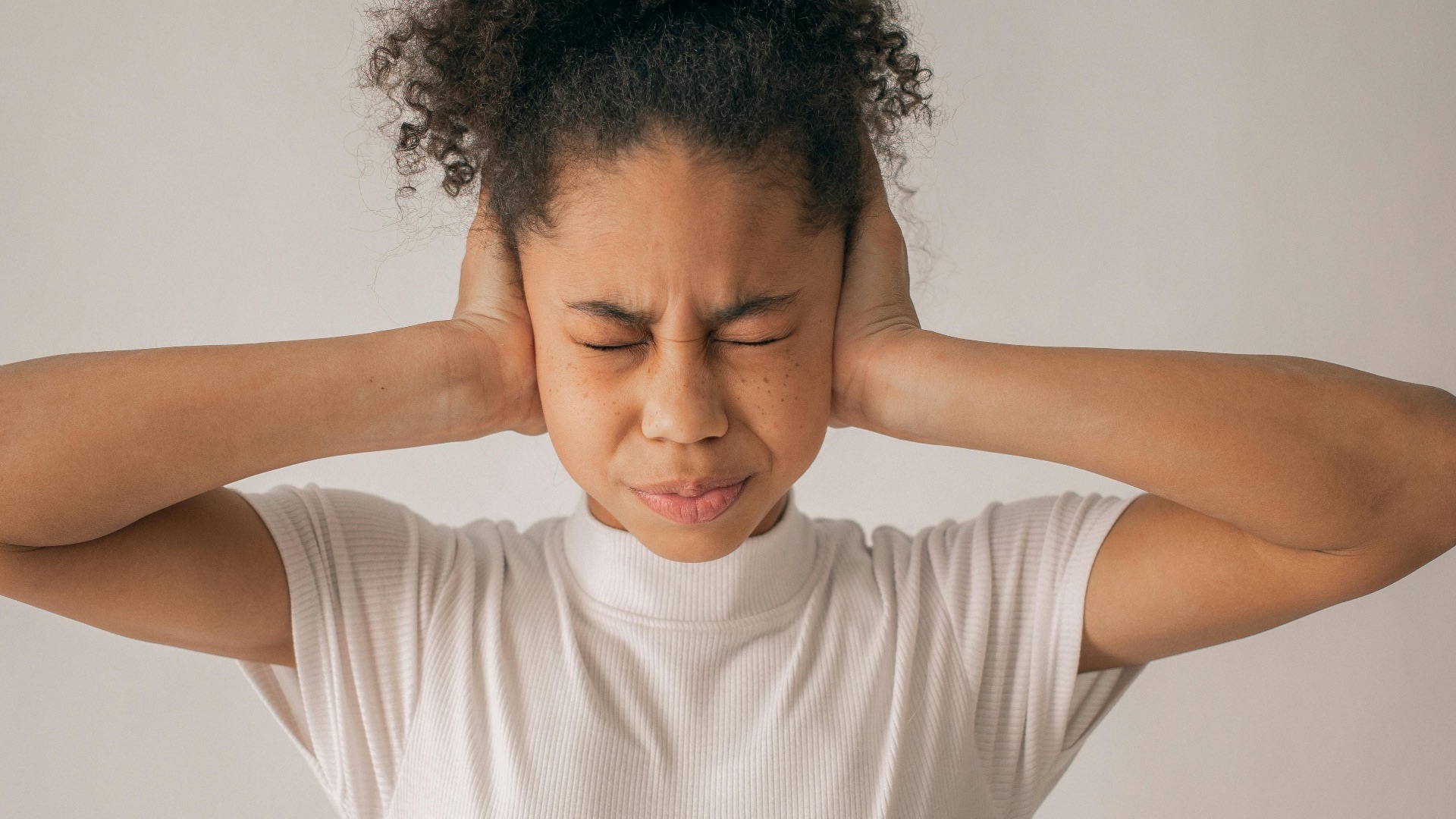
4. It Can Leave You Feeling Emotionally Drained Afterward
While screaming can produce a brief sense of relief, it often comes with a significant emotional crash once the adrenaline wears off, and can sometimes leave you feeling exhausted, hollow, or even worse than you did before. That kind of depletion can make it harder to function for the rest of the day, particularly if you have responsibilities that require focus and emotional steadiness.

5. It Can Reinforce Rather Than Release Anger
Contrary to popular belief, venting anger by screaming doesn't always reduce it; in some cases, it actually amplifies the feeling. Research published in psychological journals has found that cathartic behaviors can increase aggression rather than discharge it, depending on a person's mindset and the context surrounding the outburst. If you're already in an escalated emotional state, screaming may keep you revved up rather than helping you settle down.

6. It Can Disturb and Frighten Others Around You
Even therapeutic screaming done in a private setting can alarm neighbors, housemates, or people nearby who don't have any context for what's happening. If you're relying on shouting it out as a way to release pent-up emotions, you'll want to be thoughtful about where and when you do it, especially if you live in close proximity to others.

7. It Can Trigger Trauma Responses in Others
Screaming can do more harm than just frighten others; people who grew up in volatile households or have experienced abuse may have a strong physiological reaction to hearing someone scream, even when it isn't directed at them. The sound of raised voices can heighten anxiety in those individuals that's difficult to manage in the moment, regardless of the context or intent behind it. Being aware of this is especially important in shared spaces where you can't always anticipate what others around you have been through.

8. It Can Reflect Underdeveloped Coping Skills
When screaming becomes someone's default response to frustration or overwhelm, it's often an indication of gaps in how they've learned to process and express difficult emotions. Emotional regulation is a learnable skill set, and consistently defaulting to screaming suggests there may be room to build more effective strategies for handling stress. Working with a mental health professional can make a significant difference in how you respond to difficult moments without escalating to a point that you later regret.

9. It Can Have Physical Consequences Beyond Your Voice
Beyond vocal strain, frequent screaming can contribute to elevated blood pressure, increased muscle tension in the neck and face, and persistent headaches. The physiological state that accompanies intense screaming is essentially a full-body stress response, and repeatedly triggering that response takes a real toll on your cardiovascular system. If screaming has become a regular outlet for you, it may be doing your body considerably more harm than good over time.

10. It Can Put Strain on Your Heart
Because the intense physical exertion of screaming causes a sudden spike in blood pressure and heart rate, that can put real stress on your cardiovascular system over time. For people with existing heart conditions or hypertension, this method of cathartic release might not be the best, and you may want to try other techniques, like journaling, instead.

KEEP ON READING