When Mental Health Care Looked Very Different
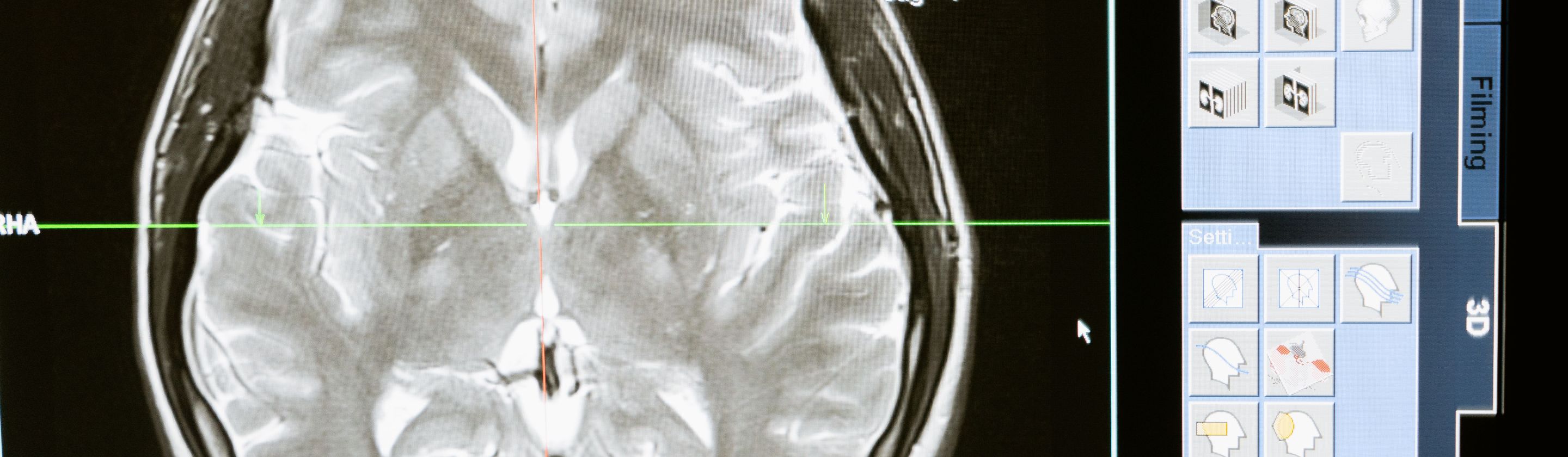
Psychiatric medicine has come a very long way, and some questionable treatments that used to be administered not that long ago make that progress especially obvious. Before doctors understood much about brain chemistry, trauma, or mental illness, they experimented with everything from freezing baths to deliberately induced comas. Some methods were developed with sincere hopes of helping patients, while others were shaped by dubious theories and painfully limited evidence. These 20 treatments show just how strange, invasive, and sometimes dangerous mental health care could become.
 Article text Waldemar Kaempffert; Photography Harris A Ewing on Wikimedia
1. Insulin Coma Therapy
During the 1930s and '40s, some psychiatrists treated schizophrenia by repeatedly giving patients large doses of insulin. The dose caused blood sugar to fall so dramatically that the patient would lose consciousness and sometimes experience seizures. Doctors incorrectly believed the resulting coma might somehow reset the brain or reduce psychotic symptoms.
2. High-Pressure Water Douches
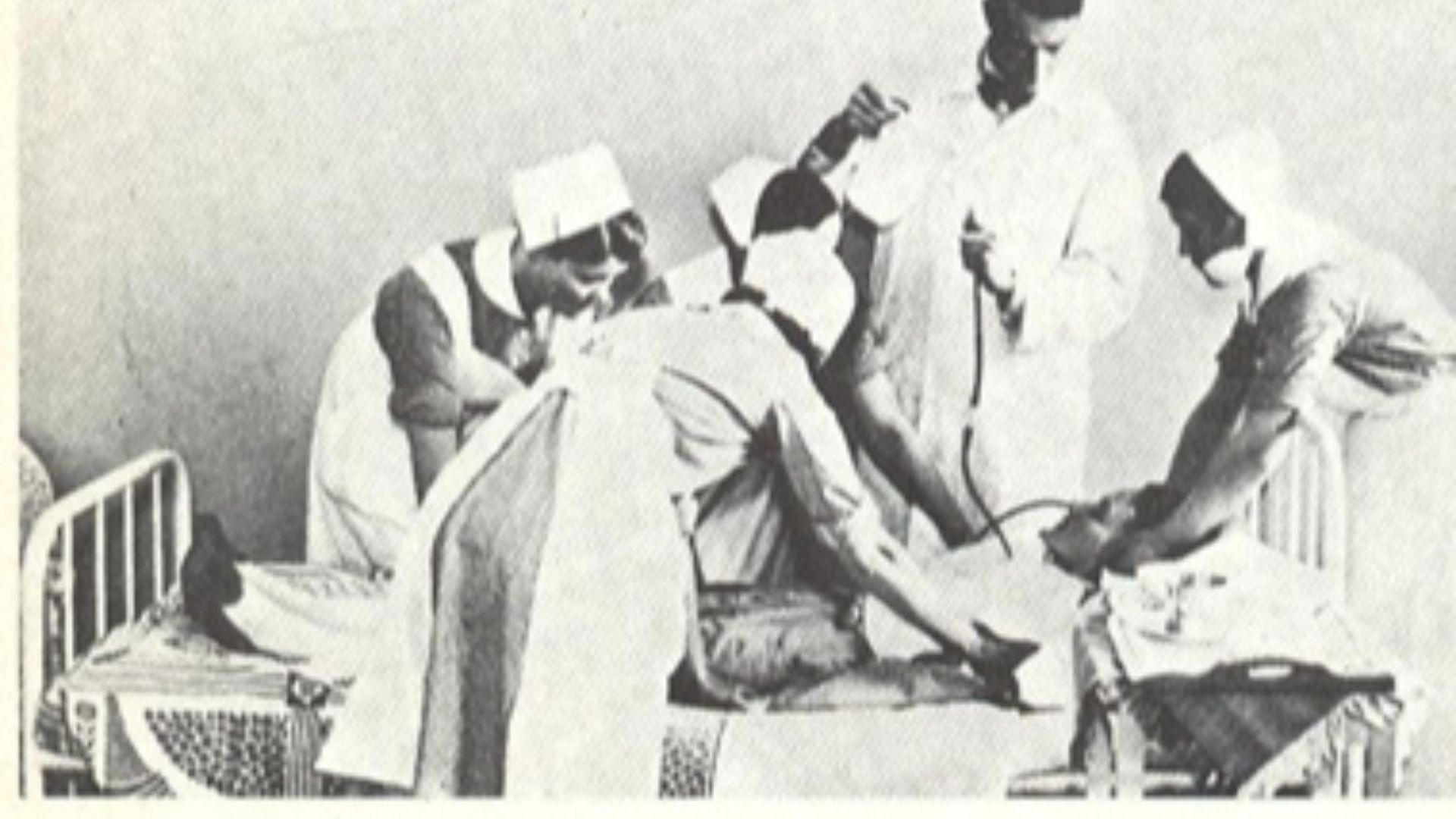
Some psychiatric hospitals used powerful streams of water to control or supposedly treat agitated patients. People could be blasted with hot or cold water from hoses or placed beneath forceful showers, with doctors believing the sudden stimulation might interrupt abnormal behavior. The treatment was sometimes described as calming or restorative, although in reality, it could be frightening and physically uncomfortable.

3. Continuous Bath Therapy
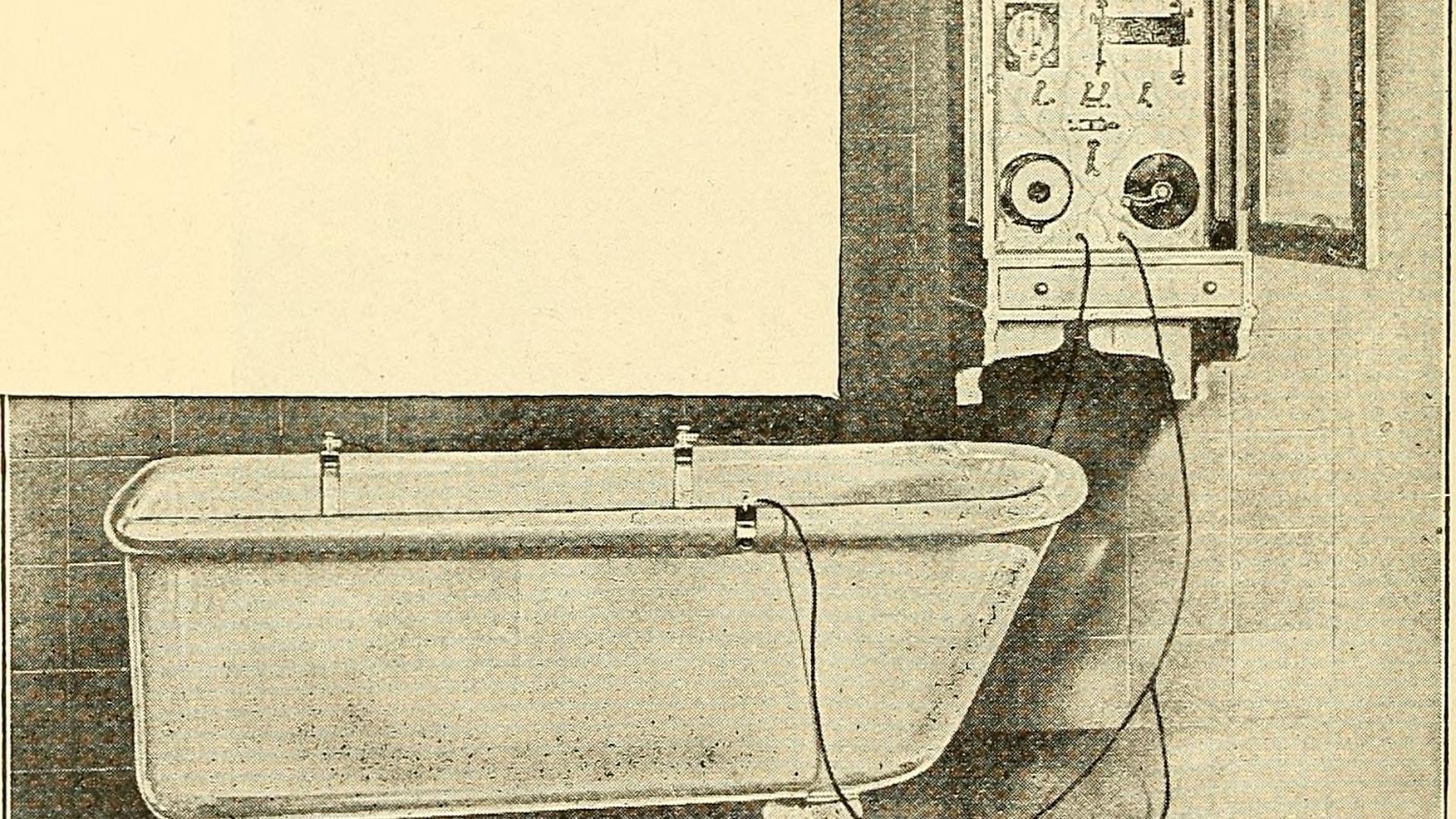
Other institutions took almost the opposite approach and kept patients in warm baths for hours or even days at a time. Special tubs sometimes had canvas covers that allowed the patient's head to remain above water while limiting movement. Warm water was believed to settle nervousness and agitation without relying entirely on physical restraints. It may sound relaxing at first, but spending huge stretches of the day confined to a bathtub was hardly a spa treatment.
 Internet Archive Book Images on Wikimedia
4. The Rotating Chair
Physician Erasmus Darwin proposed a spinning device in the 18th century, and similar rotating chairs were later used in psychiatric institutions. Patients were strapped into chairs and spun rapidly in hopes that dizziness, nausea, and changes in circulation would affect their mental state. Some doctors incorrectly believed the treatment might reduce mania or other troubling behavior, when in reality, they were just making their patients motion sick.
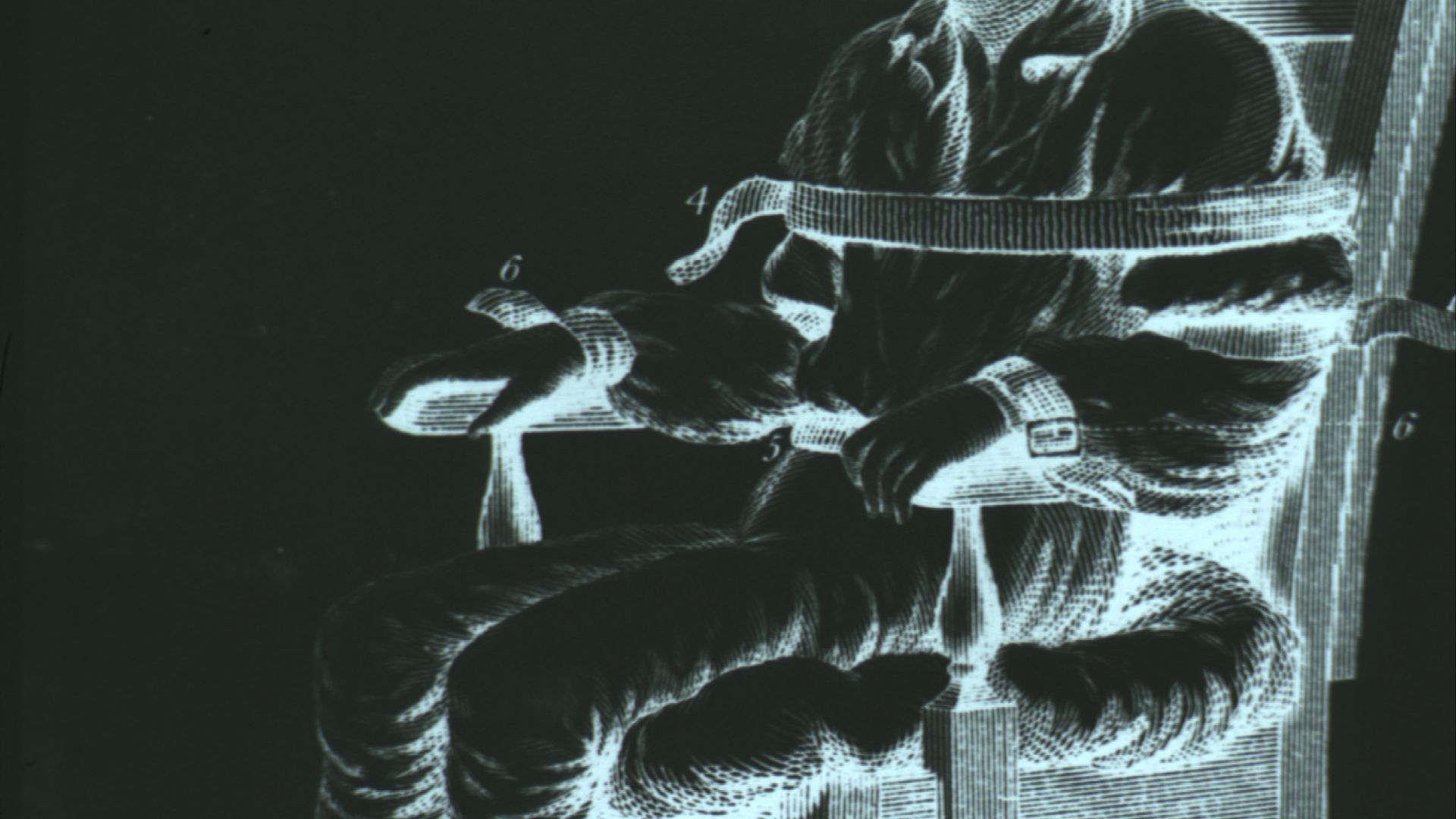
5. The Tranquilizer Chair
American physician Benjamin Rush designed a restraining device known as the tranquilizer chair around the turn of the 19th century. Patients were tightly secured by the arms, legs, torso, and sometimes the head, supposedly to reduce sensory stimulation and lower their pulse. A box could even be placed over the patient's head to further limit what they could see and hear, which sounds more like torture than a medical treatment.
 National Library of Medicine on Wikimedia
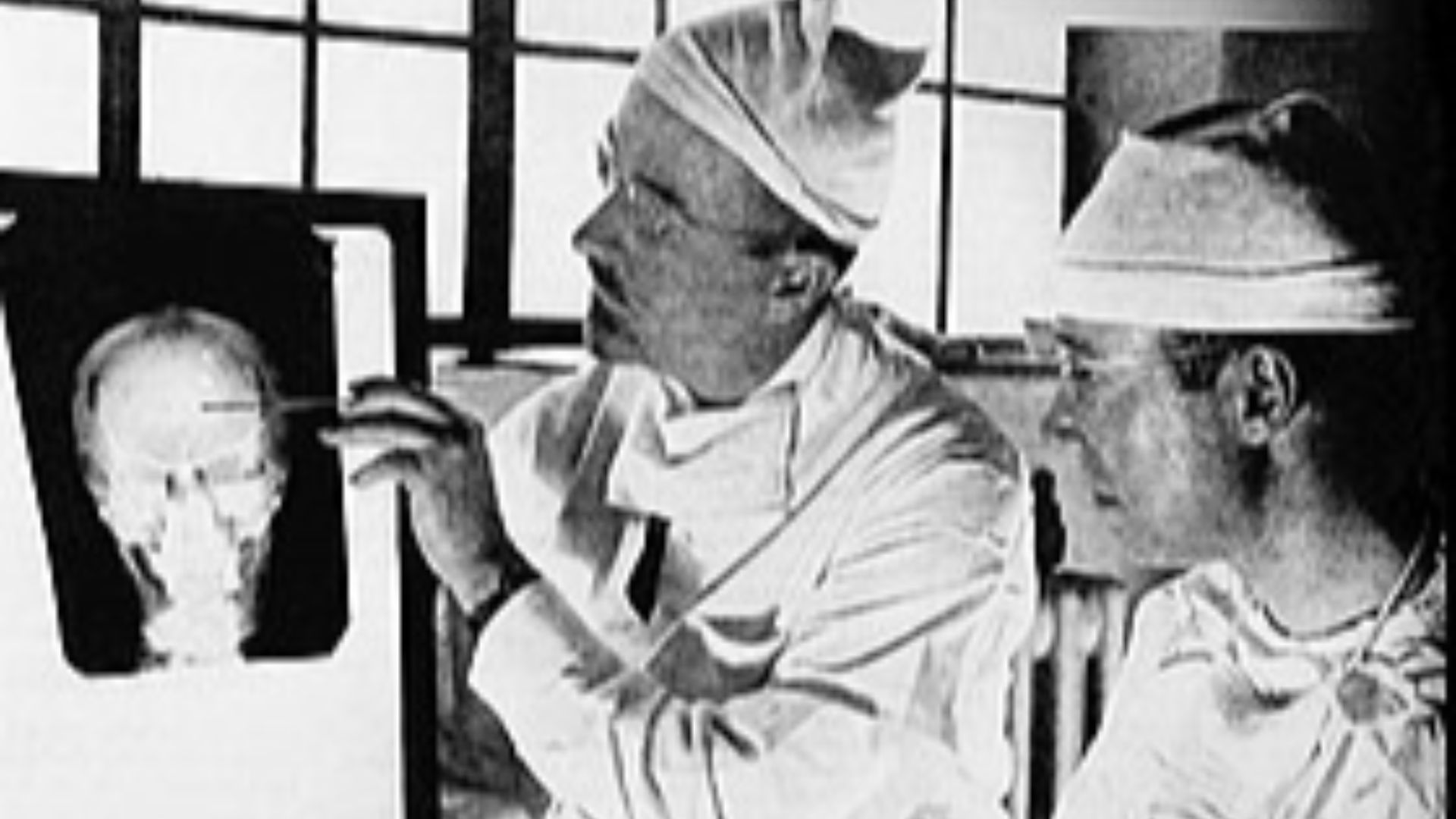
6. Lobotomies
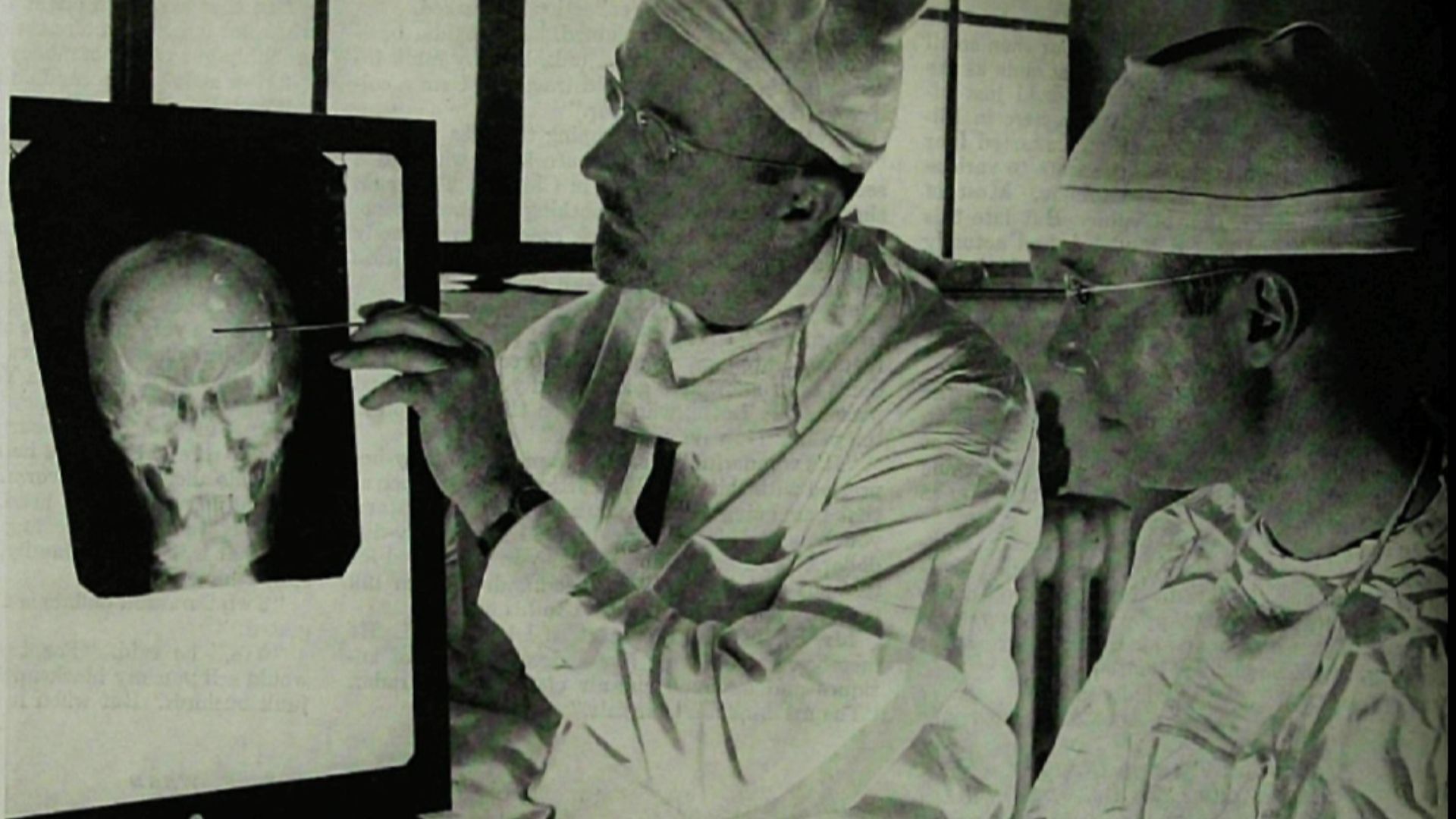
Few old psychiatric procedures became as notorious as the lobotomy. Surgeons deliberately damaged connections in the frontal regions of the brain in hopes of treating schizophrenia, severe depression, anxiety, and other conditions. Some patients appeared calmer afterward, but others experienced profound personality changes, cognitive problems, disability, or death. Thousands of procedures were performed before psychiatric medications and growing criticism pushed lobotomies out of mainstream practice.
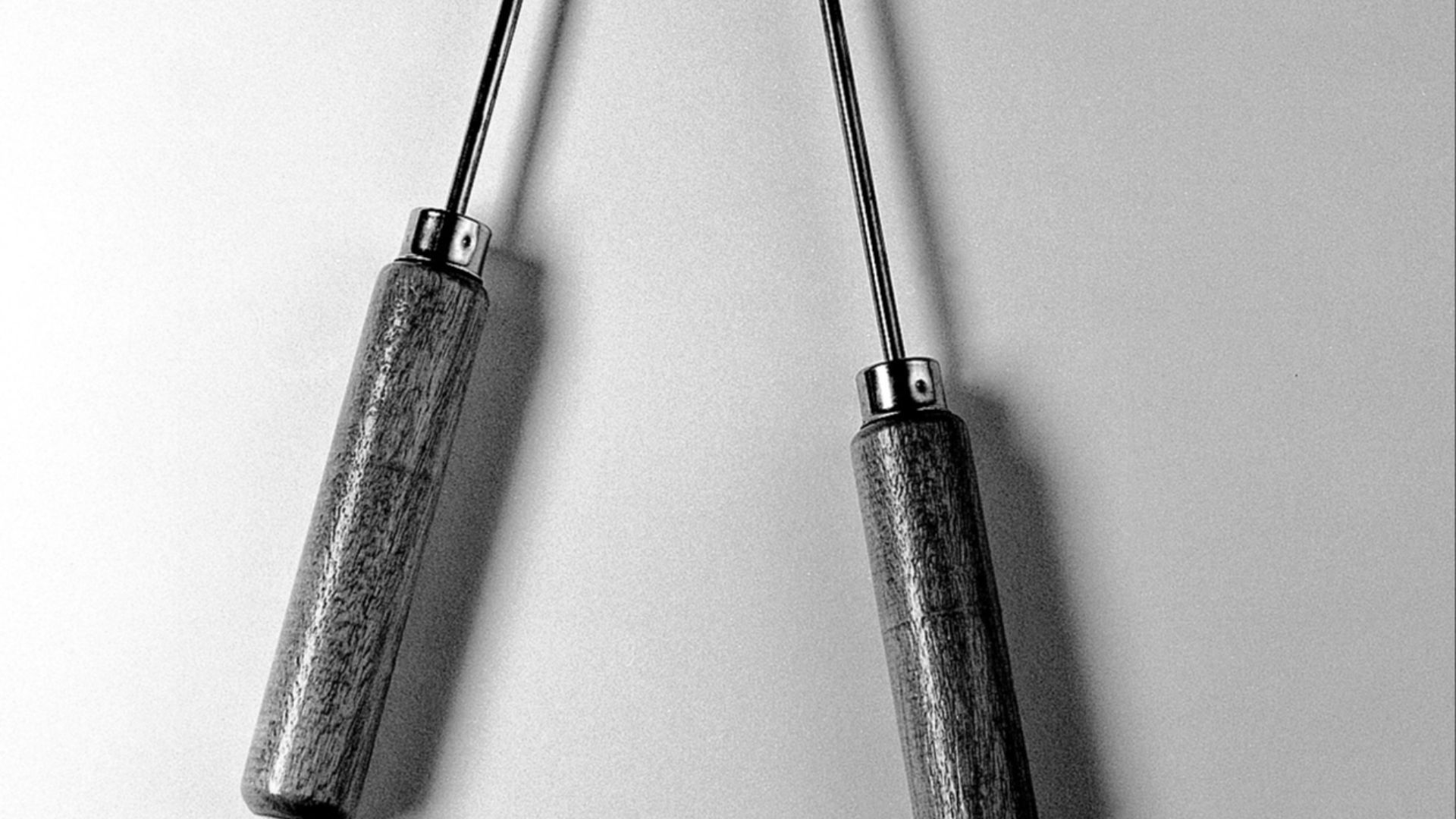
7. Transorbital Lobotomies
The transorbital lobotomy made an already drastic procedure even more unsettling. American physician Walter Freeman popularized a technique in which a slender instrument was inserted through the eye socket and manipulated to disrupt brain tissue. It could be performed far more quickly than earlier surgical lobotomies and didn't require a traditional operating room. Freeman traveled around performing the procedure widely, helping make it one of psychiatry's most infamous chapters.
8. Malaria Therapy
In the early 20th century, doctors intentionally infected certain psychiatric patients with malaria. The treatment was mainly used for neurosyphilis, a late complication of syphilis that could cause severe psychiatric and neurological symptoms. Physicians hoped repeated high fevers would kill the temperature-sensitive bacteria responsible for the disease, after which malaria itself could be treated. The concept actually produced some successes, but deliberately giving someone malaria was obviously dangerous.
9. Metrazol Shock Therapy
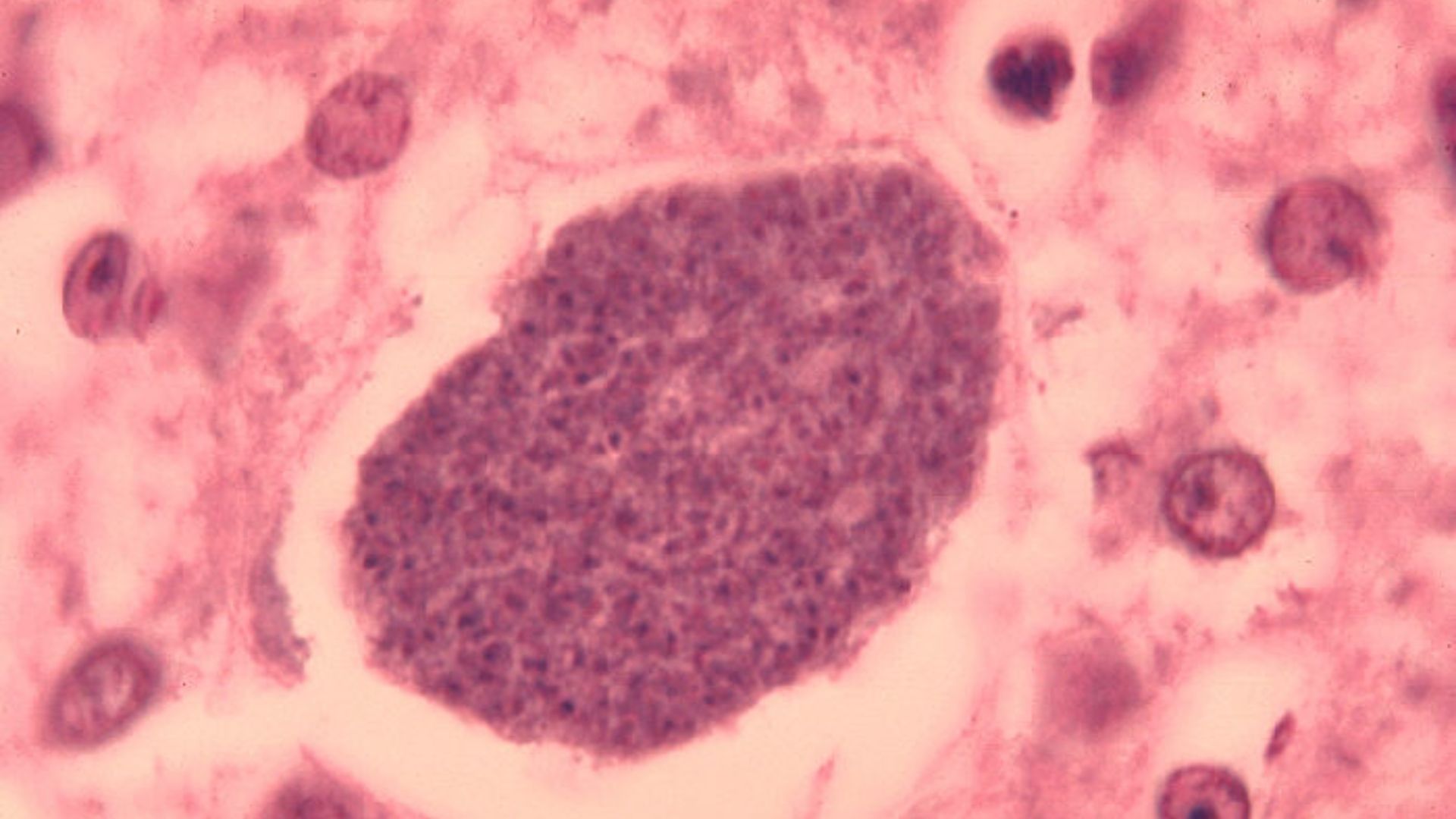
Before electroconvulsive therapy became established, psychiatrists experimented with drugs that deliberately triggered violent seizures. Metrazol was injected into patients and could cause convulsions within minutes, often leaving people terrified because they remained conscious as the effects began. Doctors hoped the seizures would improve conditions such as schizophrenia, but it was eventually abandoned as safer approaches became available.
 Solving Healthcare on Unsplash
10. Sleep Therapy
Some psychiatric hospitals attempted to treat patients by keeping them asleep for unusually long stretches using sedative drugs. Known by names such as prolonged sleep therapy or deep sleep therapy, patients could remain heavily sedated for days or longer while receiving only brief interruptions in their sleep. Serious complications, including deaths, destroyed confidence in the practice.

11. Hydrotherapy Restraints
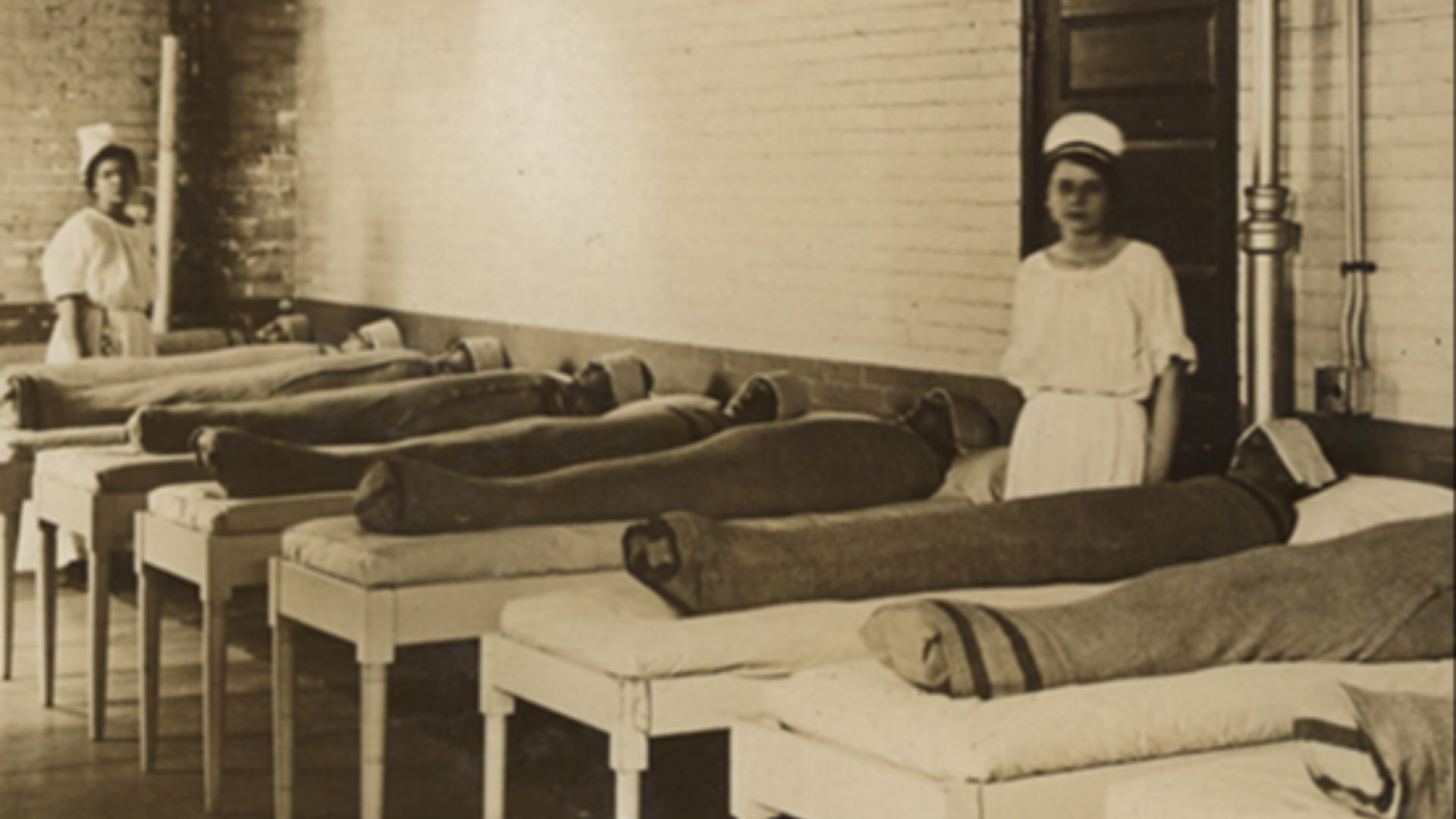
Yes, "hydrotherapy restraints" is just as terrifying as it sounds. Psychiatric hospitals sometimes wrapped patients in wet sheets or towels, restraining their movement while the material gradually warmed around the body. Supporters believed this could calm people who were restless, manic, or aggressive, but we can only assume it had the opposite effect.
12. Bloodletting
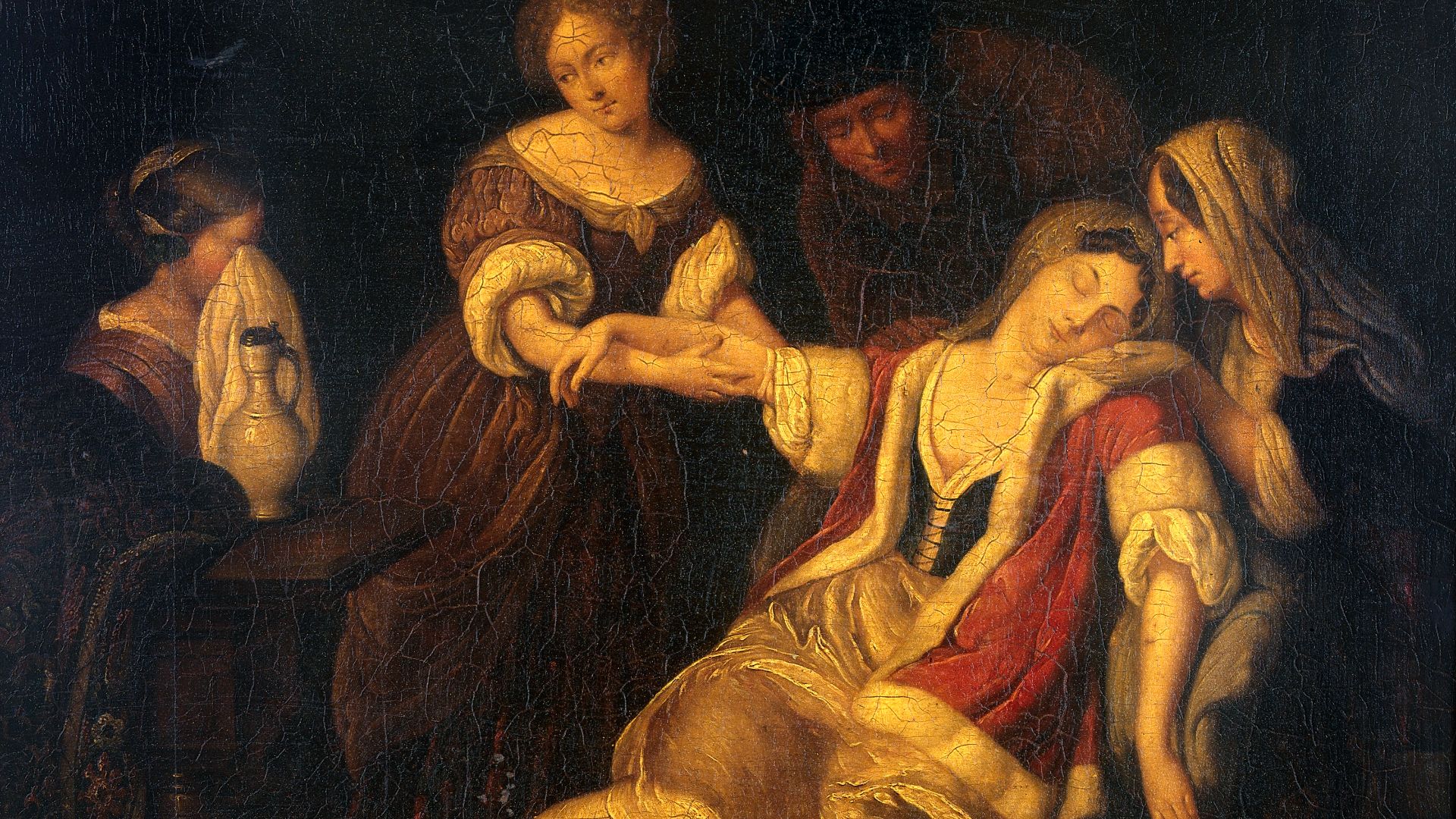
For centuries, physical and mental illnesses were often blamed on imbalances in the body's supposed humors. That meant someone experiencing psychiatric symptoms might have blood intentionally removed through cutting, leeches, or other techniques. Physicians believed draining the correct amount could restore internal balance and improve behavior. Losing blood obviously didn't correct mental illness, and excessive bloodletting could leave already vulnerable patients weaker.
 After Eglon van der Neer on Wikimedia
13. Purging & Vomiting
Another consequence of humoral medicine was the belief that mental disturbances could be removed by emptying the body. Doctors prescribed laxatives, emetics, and other substances designed to produce diarrhea or vomiting. The unpleasant reaction was supposed to clear harmful substances or restore bodily balance. All it did, however, was introduce the additional problem of aggressive gastrointestinal distress to patients already dealing with psychiatric distress.

14. Tooth & Organ Removal
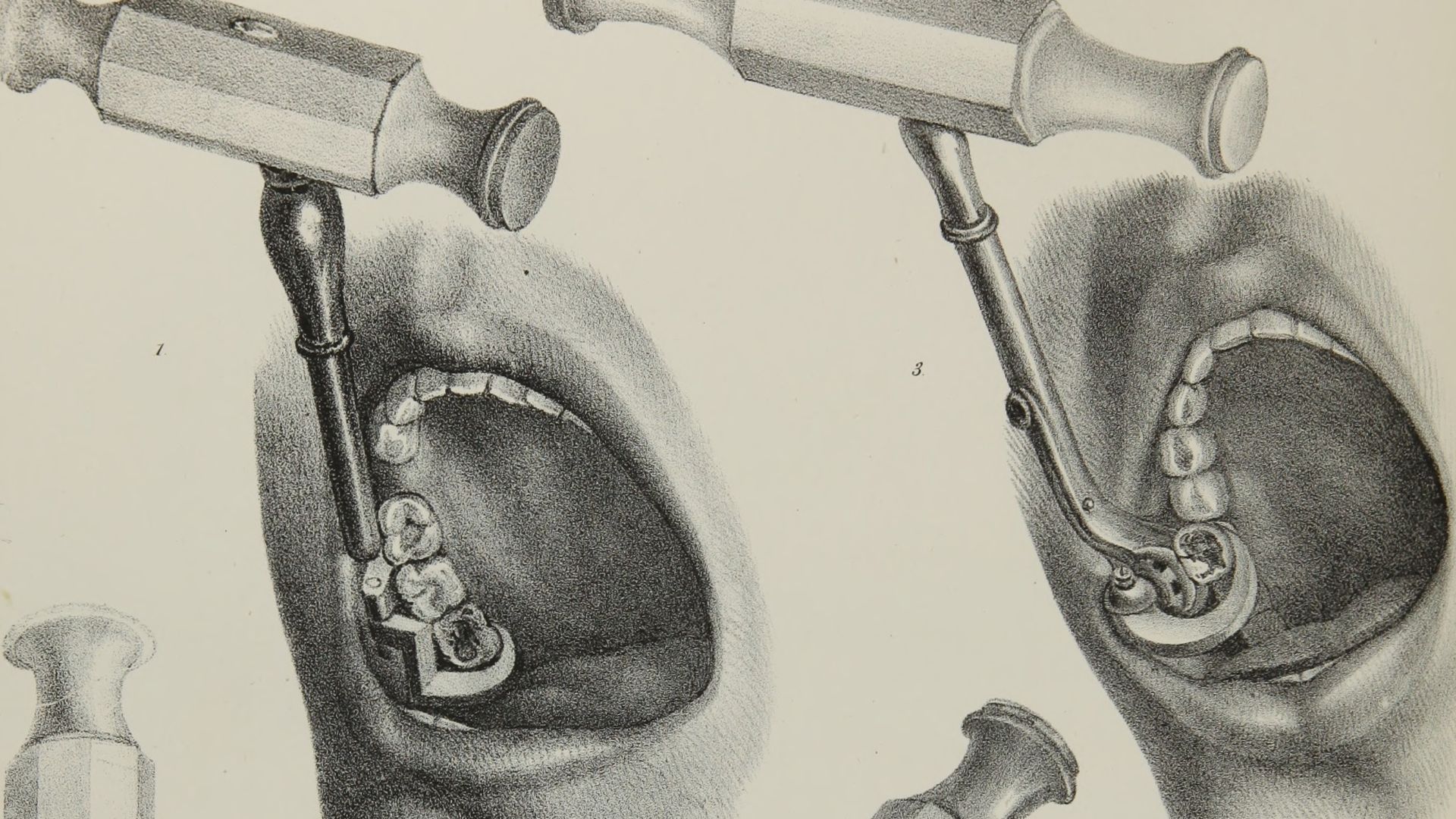
In the early 20th century, psychiatrist Henry Cotton became convinced that hidden infections were responsible for many mental illnesses. At Trenton State Hospital in New Jersey, patients had teeth removed in an attempt to eliminate supposed sources of infection. When that failed, Cotton sometimes moved on to removing tonsils, gallbladders, portions of the colon, and other organs, which of course had nothing to do with their initial mental health issues.
 Goddard, Paul B. (Paul Beck) on Wikimedia
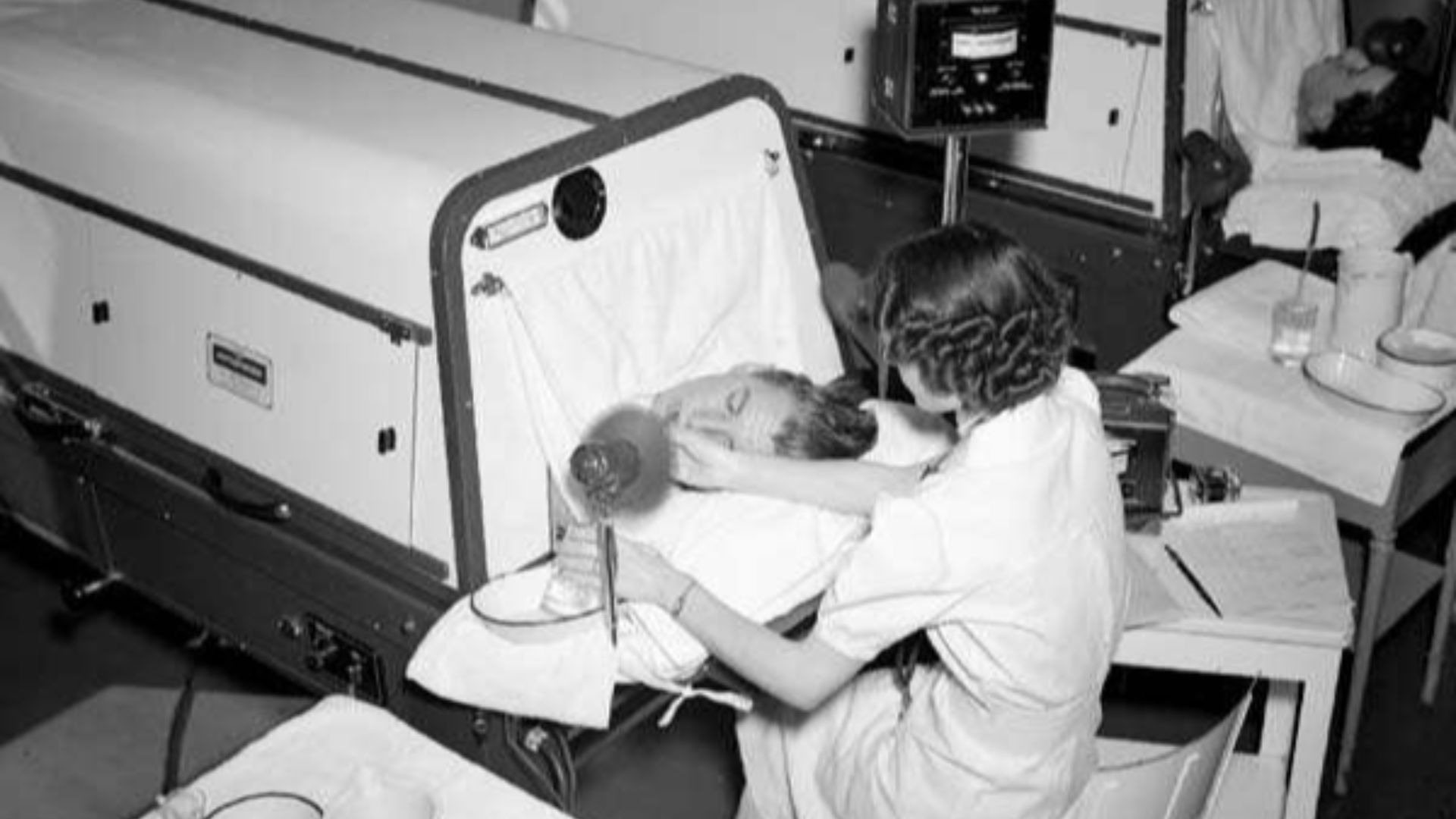
15. Fever Cabinets
Doctors once experimented with deliberately heating psychiatric patients because they believed fever itself could improve certain disorders. Some patients were placed inside heated cabinets or exposed to equipment designed to raise their body temperature significantly. The concept partly reflected observations that psychiatric symptoms occasionally appeared to change during illnesses involving fever. Unfortunately, intentionally overheating someone introduced plenty of medical risks of its own.
 Uncredited WPA photographer on Wikimedia
16. Electric Baths
Electricity fascinated physicians during the 18th and 19th centuries, so it eventually found its way into psychiatric treatment. In some forms of electrical hydrotherapy, patients sat in water while mild electrical currents were applied through specialized equipment. Practitioners claimed electricity might stimulate or regulate the nervous system and relieve conditions such as depression or nervous exhaustion. The impressive-looking technology helped the treatment maintain an air of scientific credibility despite the lack of evidence to support it.
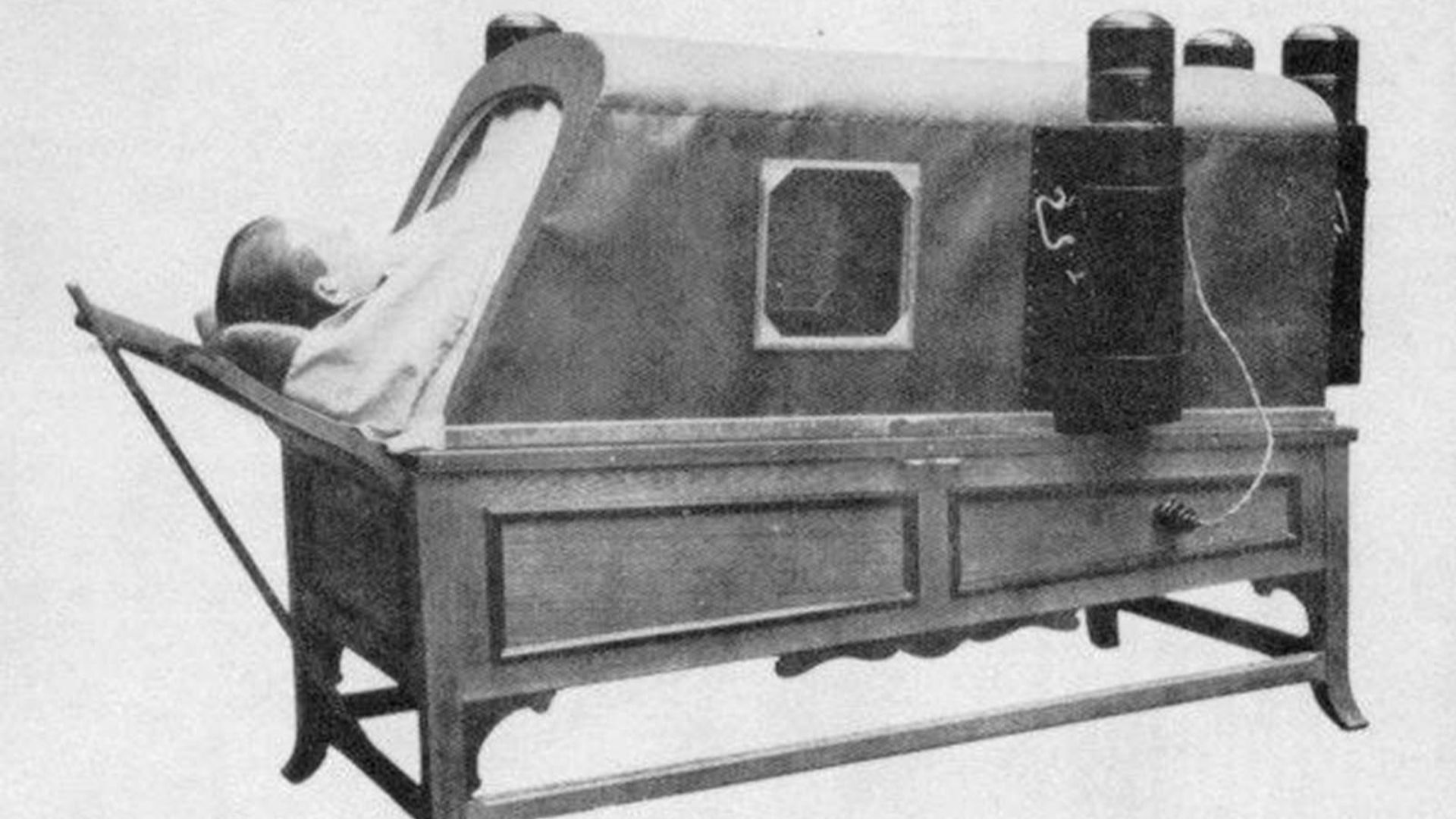 Photo credit: Fox Photos / Hulton Archive / Library of Congress on Wikimedia
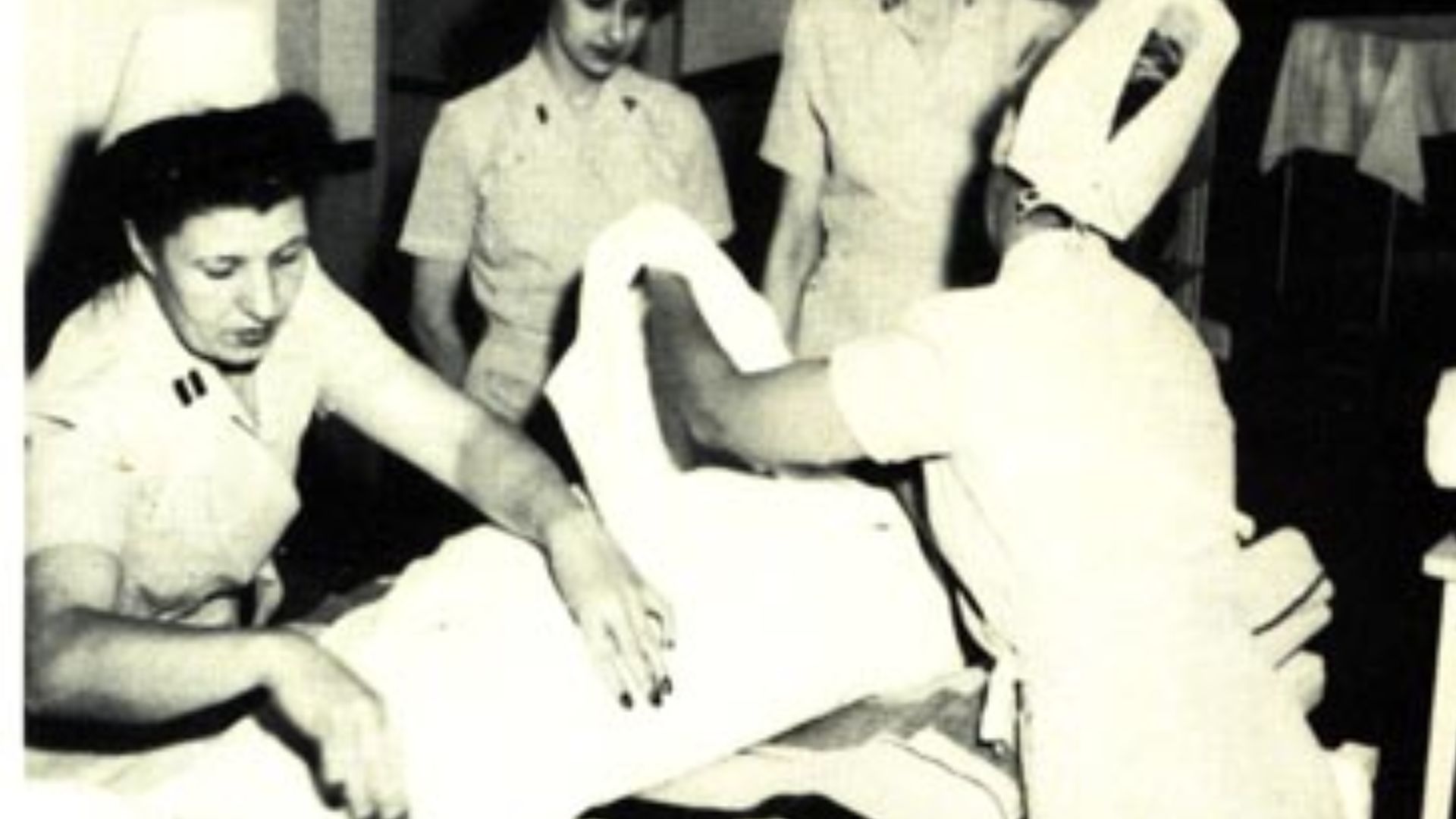
17. Restraint Beds
Patients considered violent, restless, or difficult to manage were sometimes strapped tightly into specially designed beds. These devices could immobilize most of the body for long periods, supposedly protecting both the patient and hospital staff. Although restraint occasionally has a legitimate emergency role in modern medicine under strict rules, historical institutions often used it far more freely. Spending hours unable to move could easily add fear and frustration to an existing psychiatric crisis.
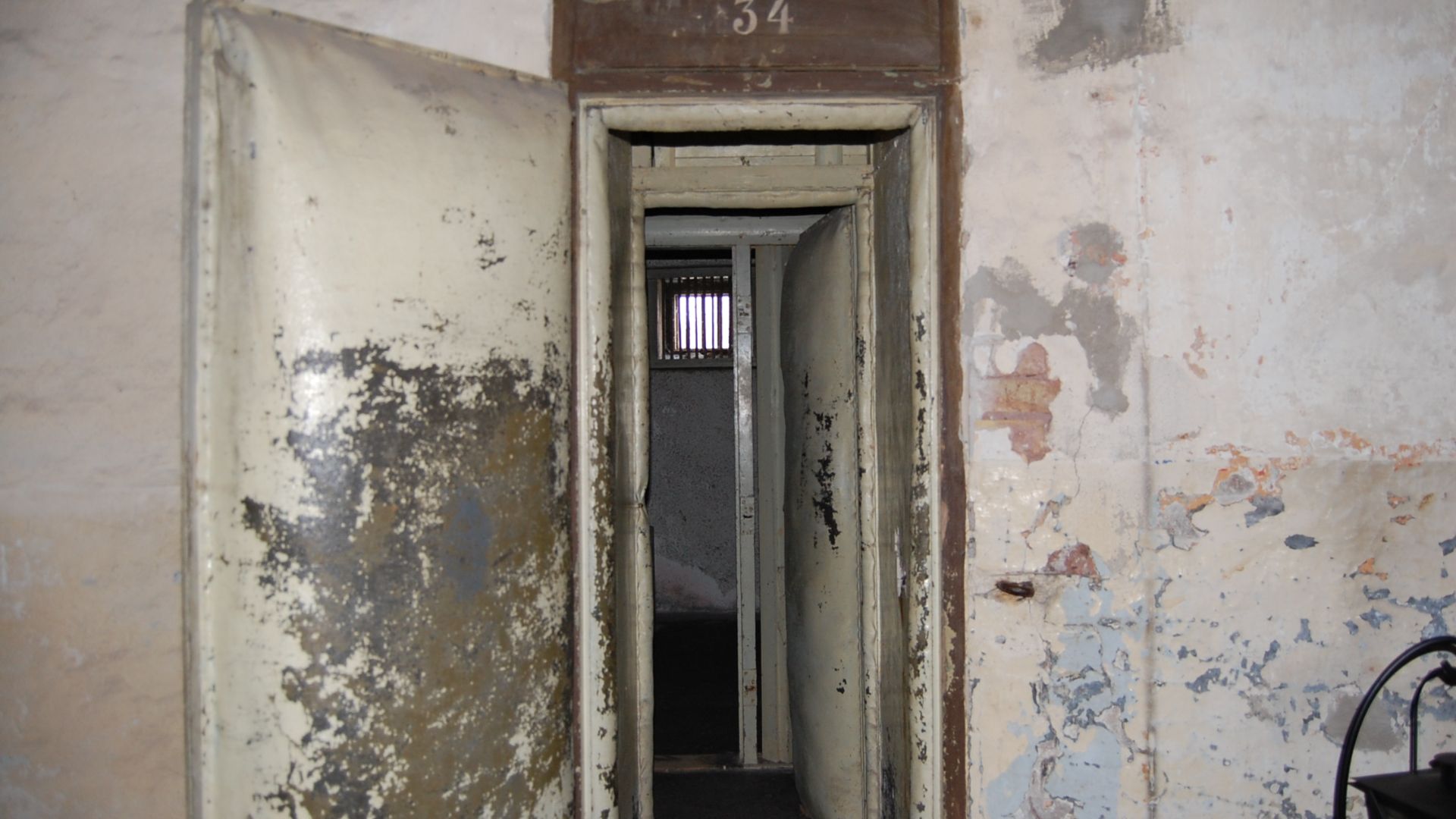
18. Seclusion Rooms
Isolation became another common tool for controlling behavior inside psychiatric hospitals. Patients could be placed alone in sparsely furnished rooms with locked doors, sometimes for extended periods. Doctors and administrators argued that removing stimulation would help agitated people become calmer, but seclusion often functioned less like therapy and more like punishment.
 (André) (Tojti (talk)) on Wikimedia
19. Surgical Sterilization
One of the darkest medical ideas of the early 20th century came from the eugenics movement. People diagnosed with mental illnesses, intellectual disabilities, or other conditions were sometimes forcibly sterilized because authorities considered them genetically undesirable. Laws permitting these procedures existed in several American states, and thousands of people were affected.
 The Evening Herald East Oregonian Medford Mail Tribune Morning Oregonian on Wikimedia
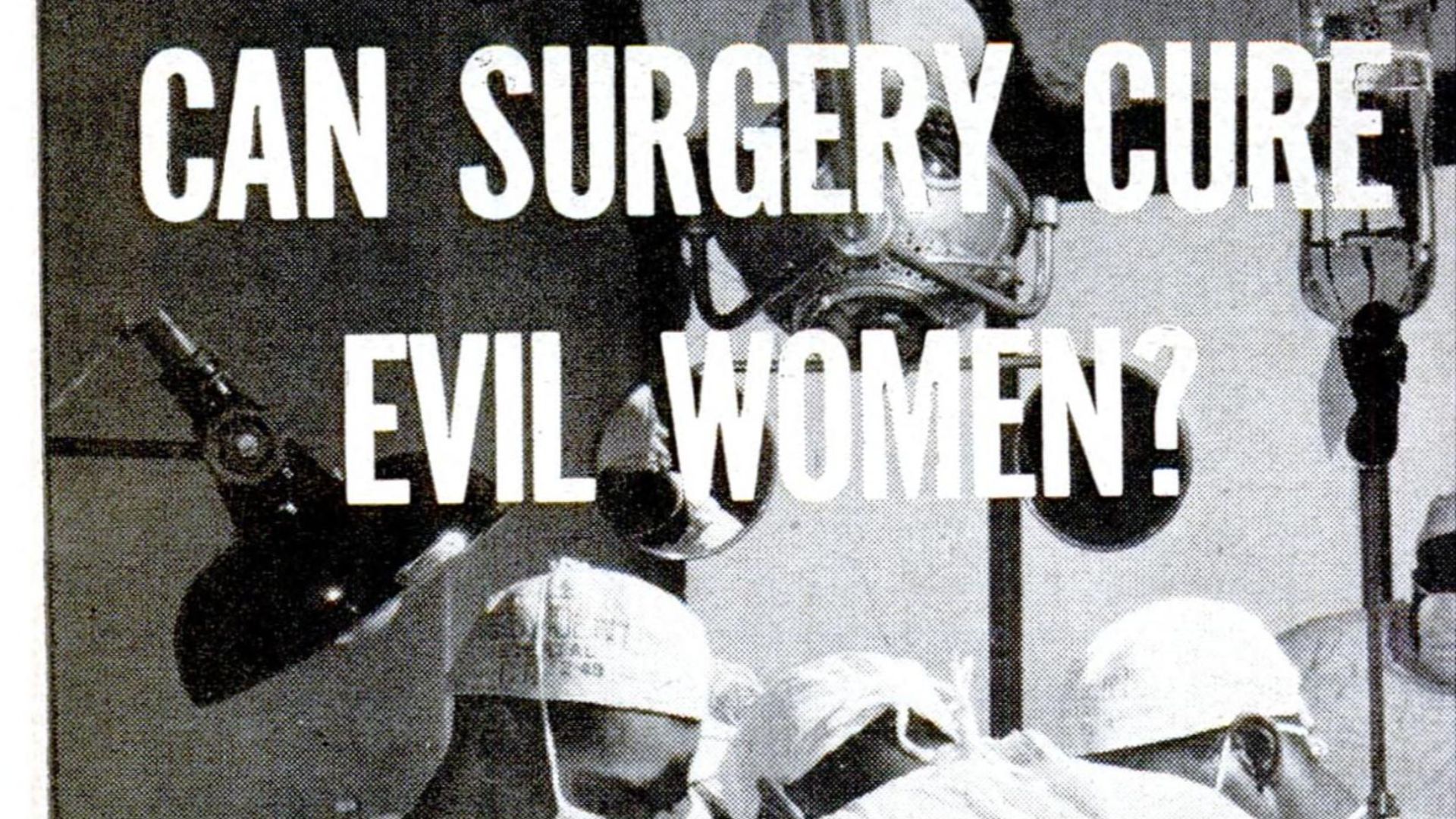
20. Removing Ovaries to Treat “Hysteria”
During the late 19th century, some doctors believed women’s reproductive organs could be responsible for psychiatric symptoms. Surgeons occasionally performed oophorectomies, removing one or both ovaries in hopes of treating conditions labeled as hysteria, nervousness, or insanity. The operations were based on deeply flawed assumptions about the connection between female reproductive biology and mental health.
 Various - Published by Johnson Publishing Company on Wikimedia
KEEP ON READING


20 Things Your Body Is Secretly Doing Right Now