
Is Your Cold Never-Ending? 10 Signs It's Winter Allergies & 10 Natural Remedies
What’s Causing the Sniffles, & What Helps
If you’ve been sniffly for weeks and it’s starting to feel personal, there’s a decent chance you’re not fighting a never-ending cold at all. Winter can be prime time for indoor allergies (think dust mites, mold, and pet dander), especially when you’re sealed inside with the heat running and the windows shut. Indoor allergens can make symptoms more noticeable in winter, and the big clue is that allergies tend to stick around as long as the trigger does, while colds usually move on within about a week or so. Here's how to tell if you're actually suffering from allergies and 10 things that can help.

1. Your Symptoms Just Don’t End
A typical cold usually improves within about 7–10 days, even if the cough lingers a bit. Allergies can keep going because your body is reacting to something you’re still exposed to. If you’re on week three of congestion season, it’s worth considering allergies.
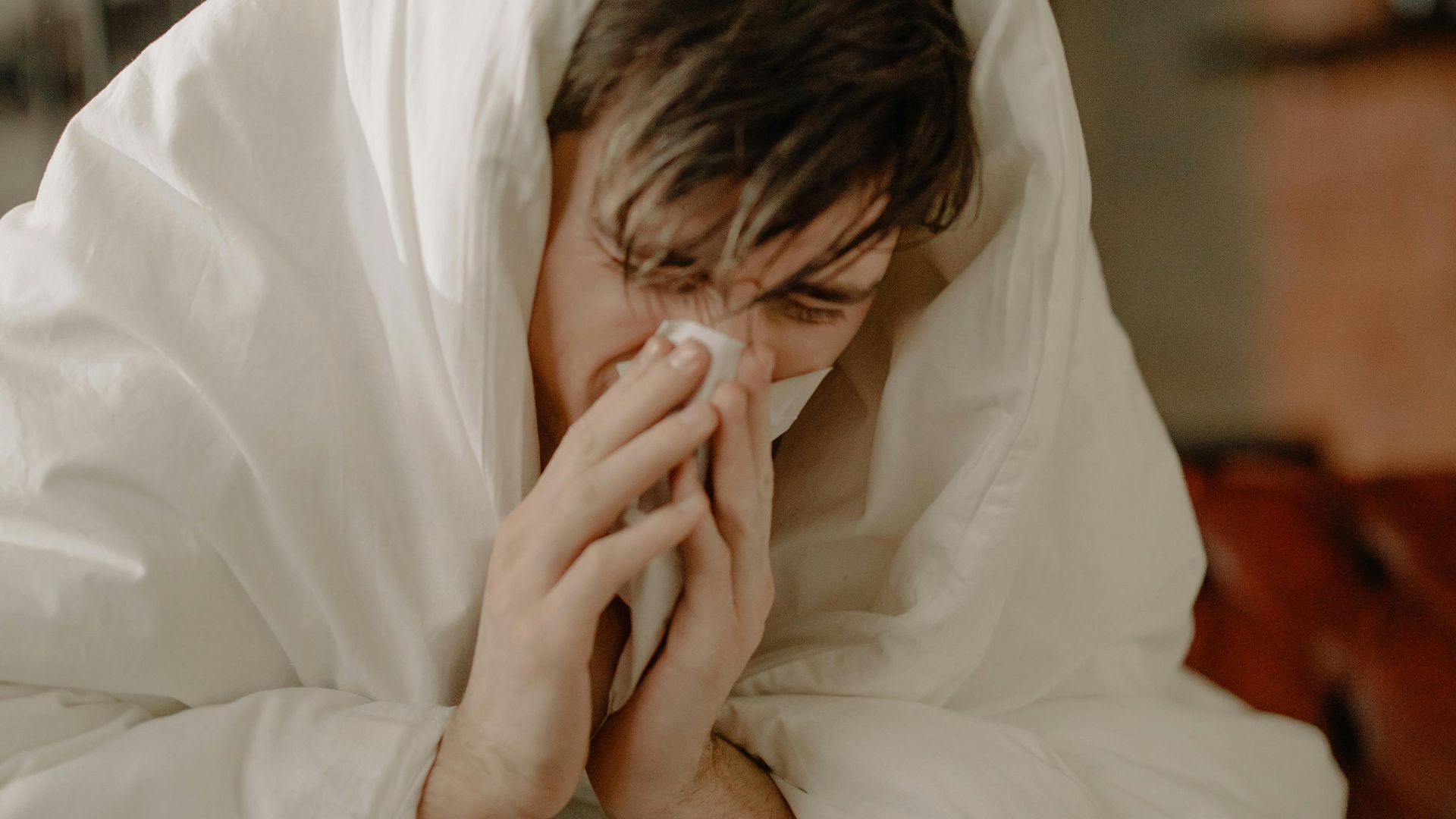
2. You’re Sneezing A Lot
Frequent sneezing fits are more classic for allergies than for a cold that’s winding down. With a virus, sneezing often eases as the illness progresses. With allergies, it can stay loud and repetitive, especially in dusty rooms.

3. Your Eyes Itch or Water
Itchy, watery eyes are a big “allergy” tell, and they’re much less typical of an ordinary cold. You might get some eye irritation with a virus, but itchiness is the giveaway.

4. Your Nose Is Running Clear
Allergies often cause thin, clear, watery nasal drainage. A cold can start clear too, but it may become thicker or change over time. If you’re constantly reaching for tissues and the situation never “evolves,” allergies are a solid suspect.

5. You Don’t Have a Fever
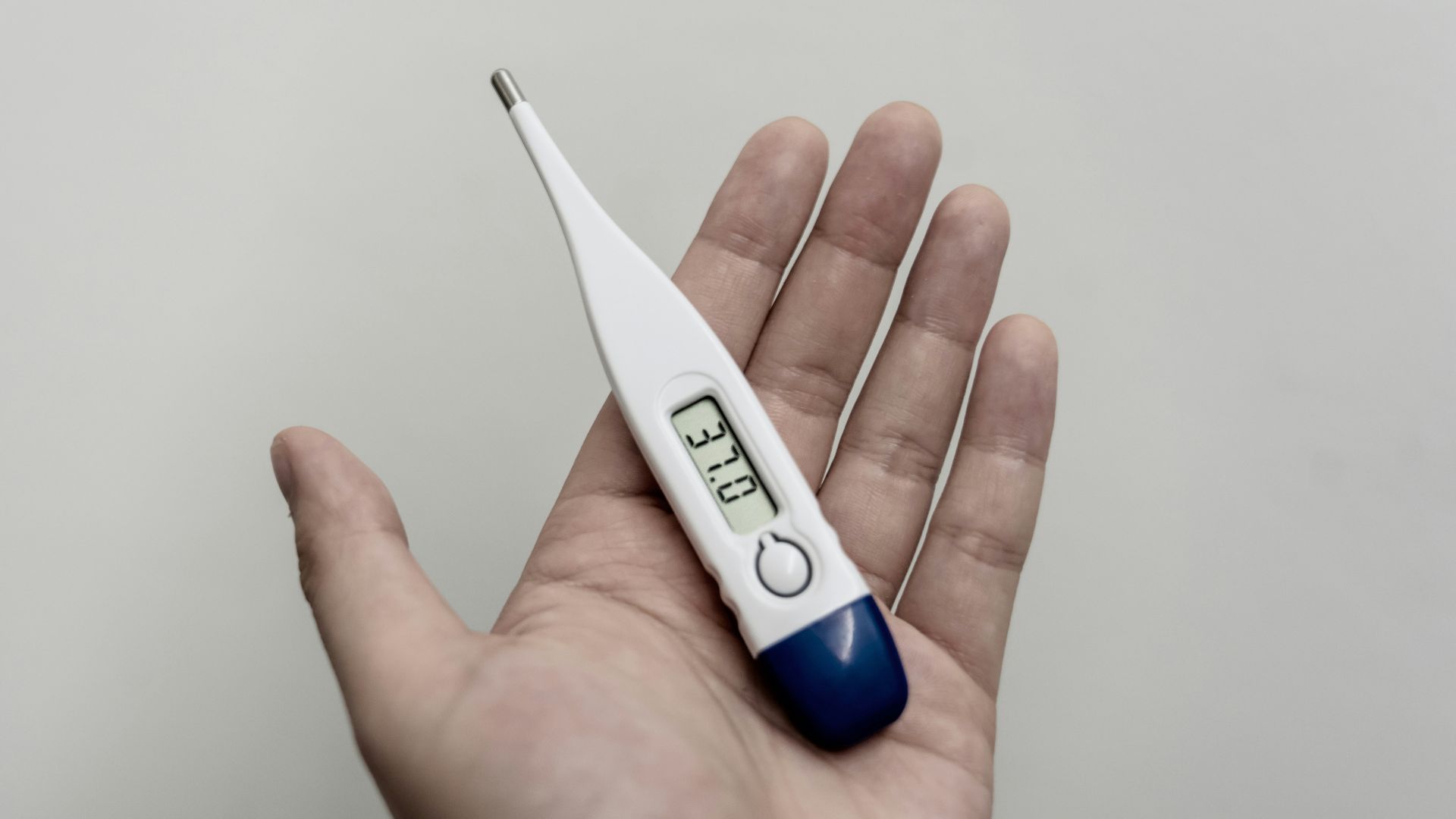
A fever points more toward infection than allergies. Allergies can make you miserable, but they don’t typically cause a true fever. If you feel warm, check your temperature instead of guessing.
6. Body Aches Aren’t Part of the Picture
Colds can come with aches, fatigue, and that “hit by a truck” feeling. Allergies may leave you tired, but usually not achy in the same way. If you feel normal except for your face and nose being dramatic, allergies fit better.

7. It Gets Worse When You’re Home
If symptoms spike when you’re indoors and calm down when you’re out, that’s a strong indoor-allergen clue. Dust mites, pet dander, and molds are common triggers that hang out in homes year-round. Winter makes it easier to notice because you spend more time inside.

8. You Wake Up Congested Every Morning
Morning stuffiness can happen when allergens build up where you sleep. Bedding, pillows, and upholstered furniture can trap dust mite allergens. If your nose is fine by lunch but awful at 7 a.m., your bedroom might be the issue.

9. Your Heat Turns You Into a Sniffling Mess
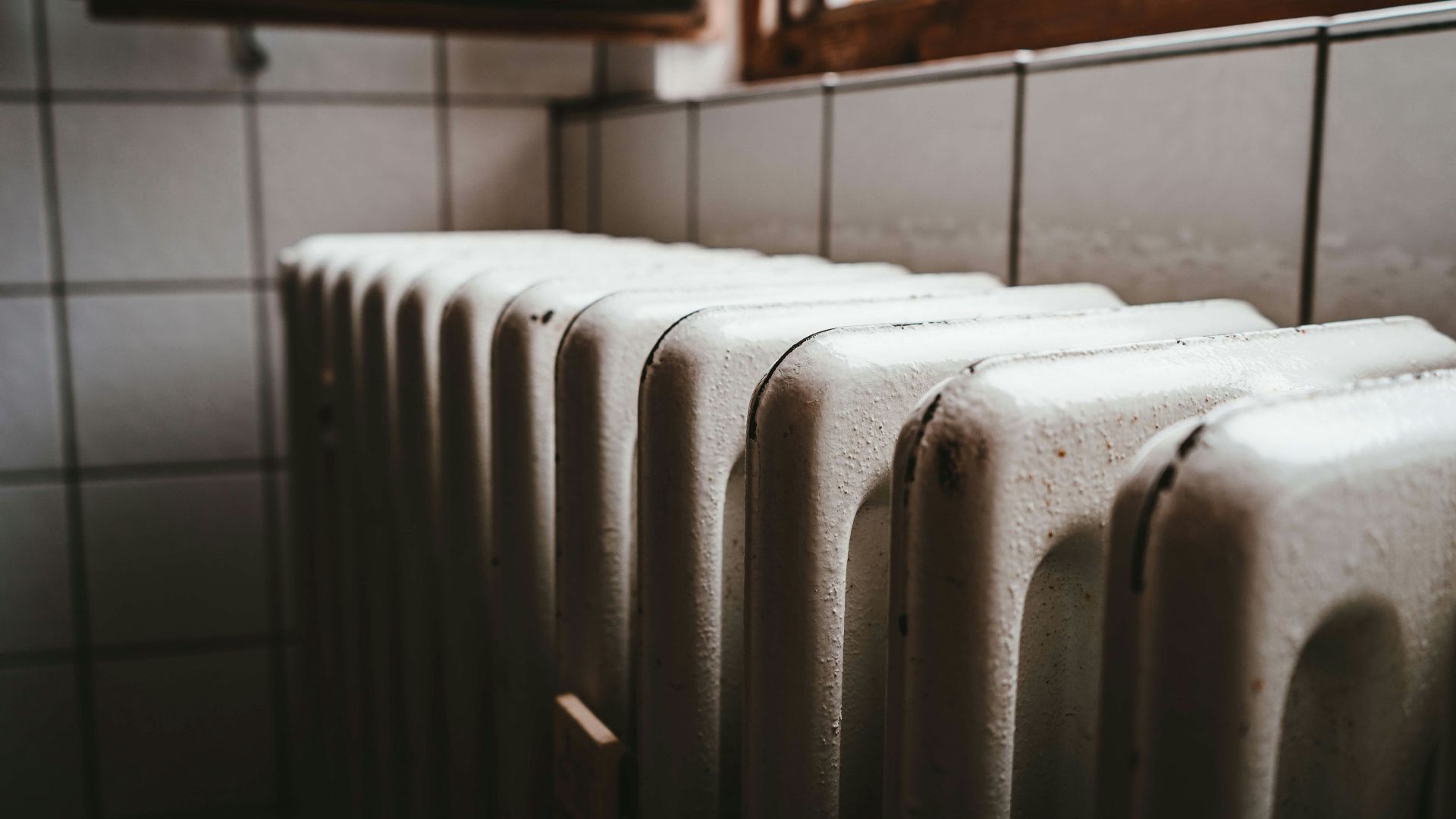
Wintertime heating can dry the air and circulate particles, which can make indoor allergy symptoms feel worse. The timing can be obvious: heat comes on, throat and nose get irritated, and suddenly you’re convinced you’re sick again. This doesn’t mean heat causes allergies, but it can make you notice them more.
10. You’ve Got Postnasal Drip That Won’t Quit
Allergies can cause ongoing nasal drainage that slides down your throat. That drip can trigger throat clearing, hoarseness, and an annoying cough that hangs around. If the cough feels more like throat irritation than something deeper in your chest, allergies are a strong possibility.

Now that we've talked about the signs your cold is actually allergies, let's cover some of the best remedies.
1. Try a Saline Rinse
Nasal rinses can help flush out mucus and irritants so you breathe easier. The key is to use distilled, sterile, or boiled and cooled water, not straight tap water, to avoid infections from unsafe water.

2. Use Saline Spray
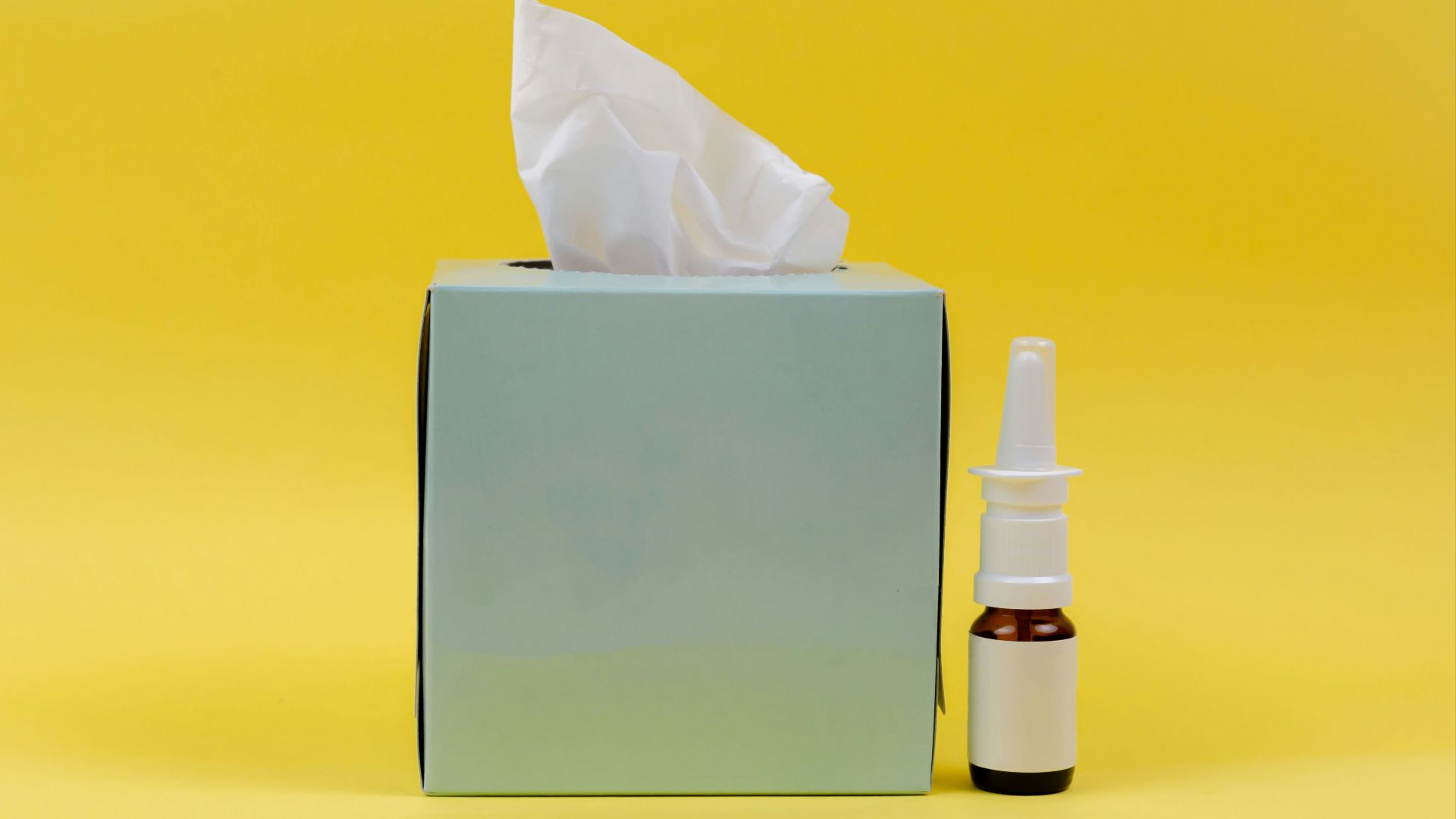
If a full rinse feels like too much effort, a saline spray is a low-stakes option. It can help moisturize irritated nasal passages and loosen congestion. To use it, first blow your nose, then tilt your head back and spray at the outer wall of your nostril as you gently sniff.
3. Shower & Change Clothes After Being Out
Even in winter, you can pick up irritants like smoke, fragrance, and outdoor allergens that hitch a ride on hair and clothing. A quick shower can reduce what you bring into bed with you.

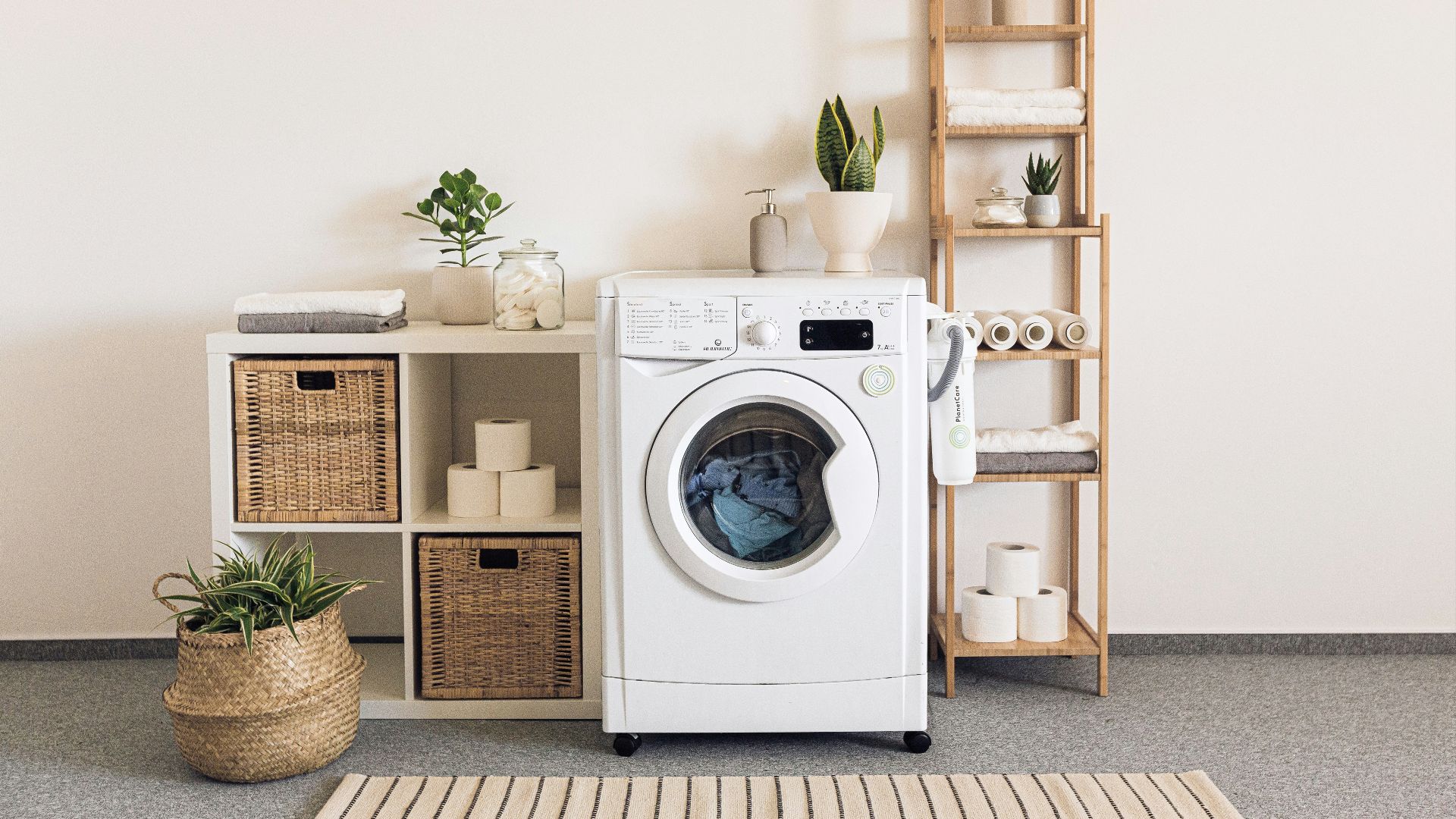
4. Wash Bedding Hot, Weekly
If dust mites are part of your issue, laundering bedding is one of the most practical moves. Wash your sheets and pillowcases in hot water (at least 130°F) to reduce dust mite allergens.
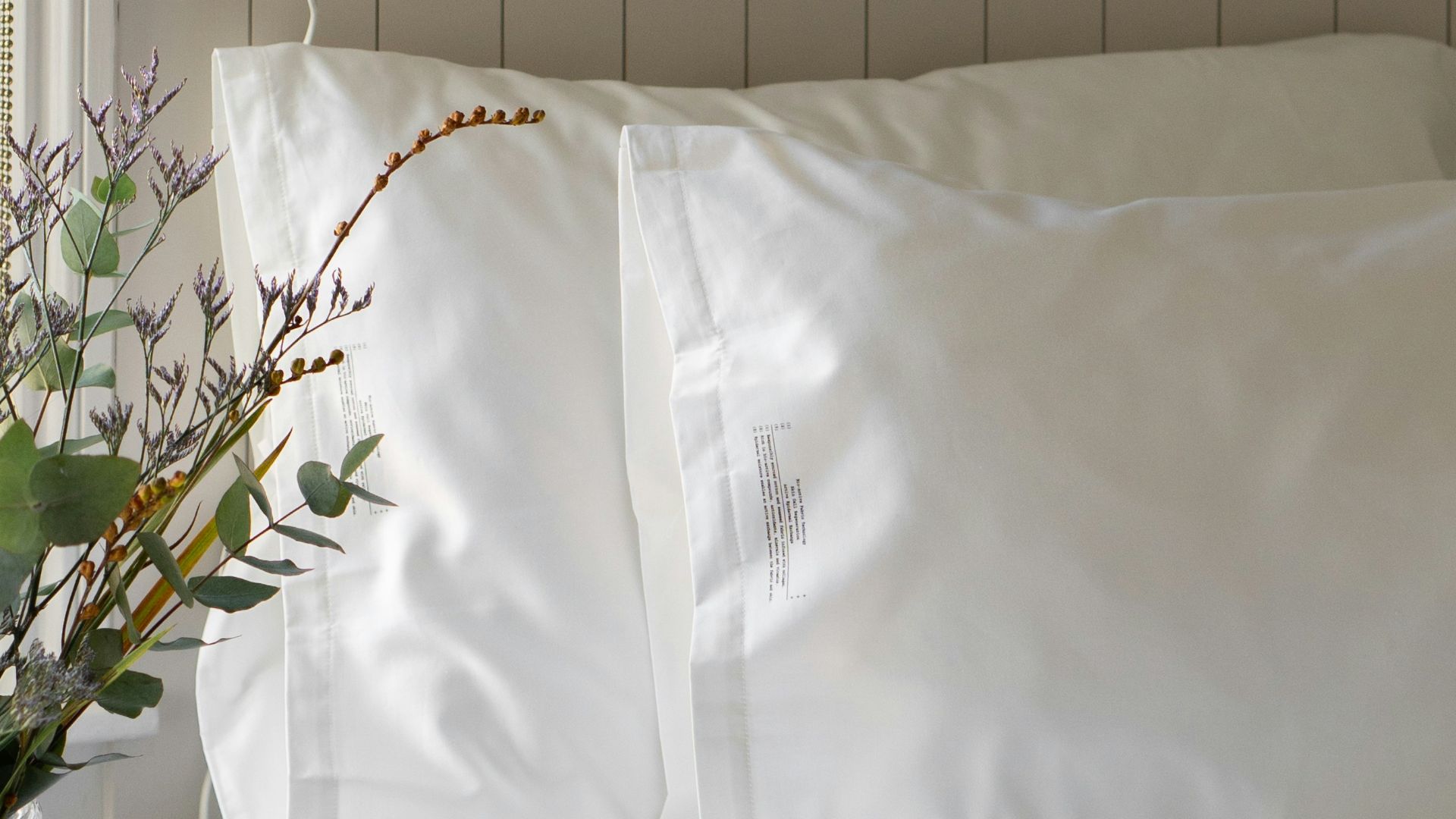
5. Use Allergen-Proof Mattress & Pillow Covers
Encasing pillows and mattresses helps block dust mite allergens where they love to live. Allergen-proof covers are specifically designed to contain dust mites. If your symptoms peak in bed, this can make a noticeable difference.
 byMATTER MADE BETTER on Unsplash
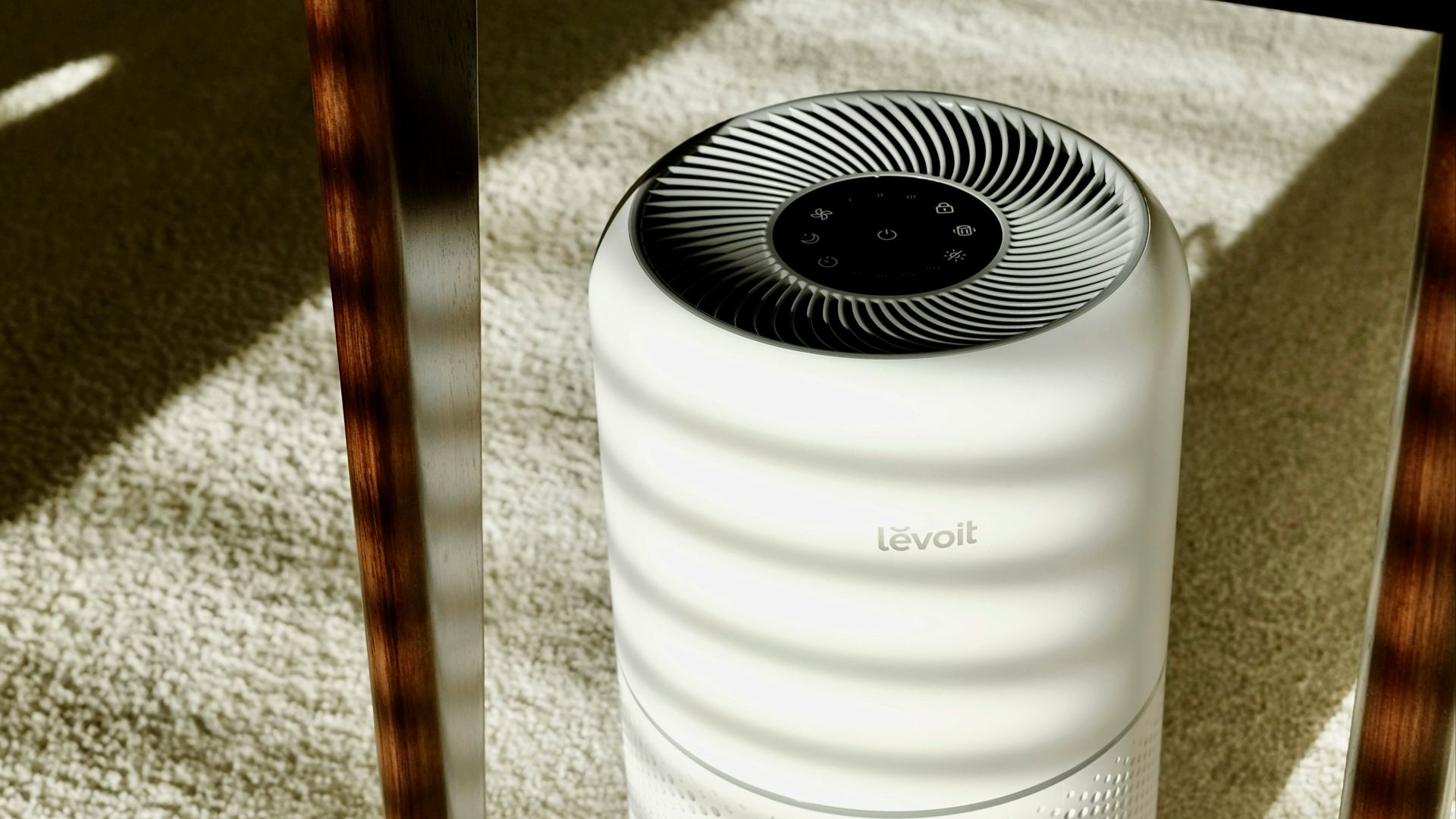
6. Run a HEPA Air Purifier Where You Sleep
Air purifiers won’t solve every allergy problem, but they can reduce airborne particles in the room you spend the most time unconscious. Bedrooms are a smart target because you’re there for hours at a stretch. Pair it with a cleaning habit, and you’ll stack the odds in your favor.
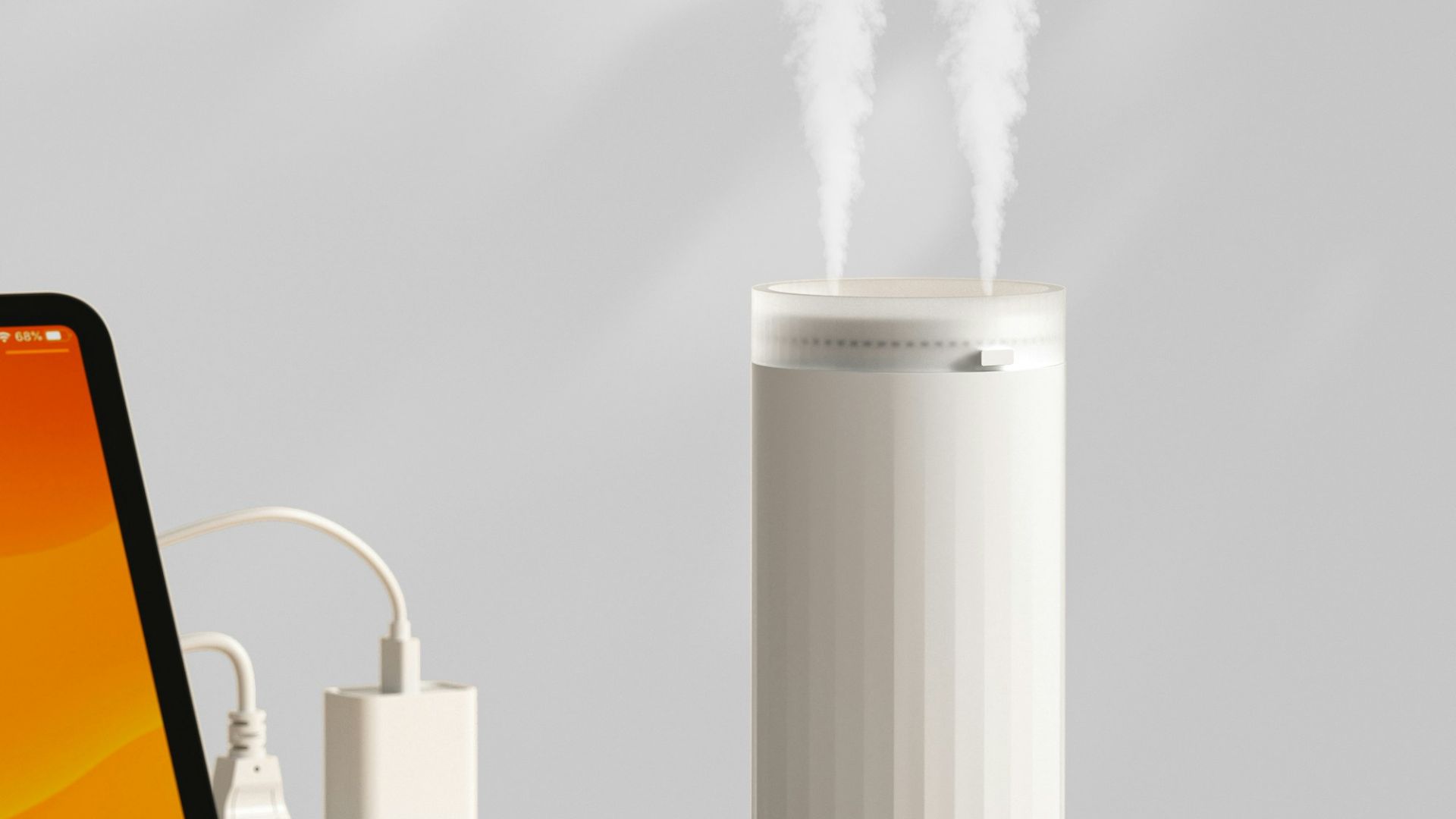
7. Keep Humidity in a “Not Too Dry, Not Too Damp” Zone
Very dry air can irritate your nose, but excess humidity can encourage dust mites and mold. Dust mites thrive at higher humidity, and damp spaces can support mold issues. A hygrometer plus a humidifier or dehumidifier (as needed) can make your home less reactive.
8. Clean Mold-Friendly Spots
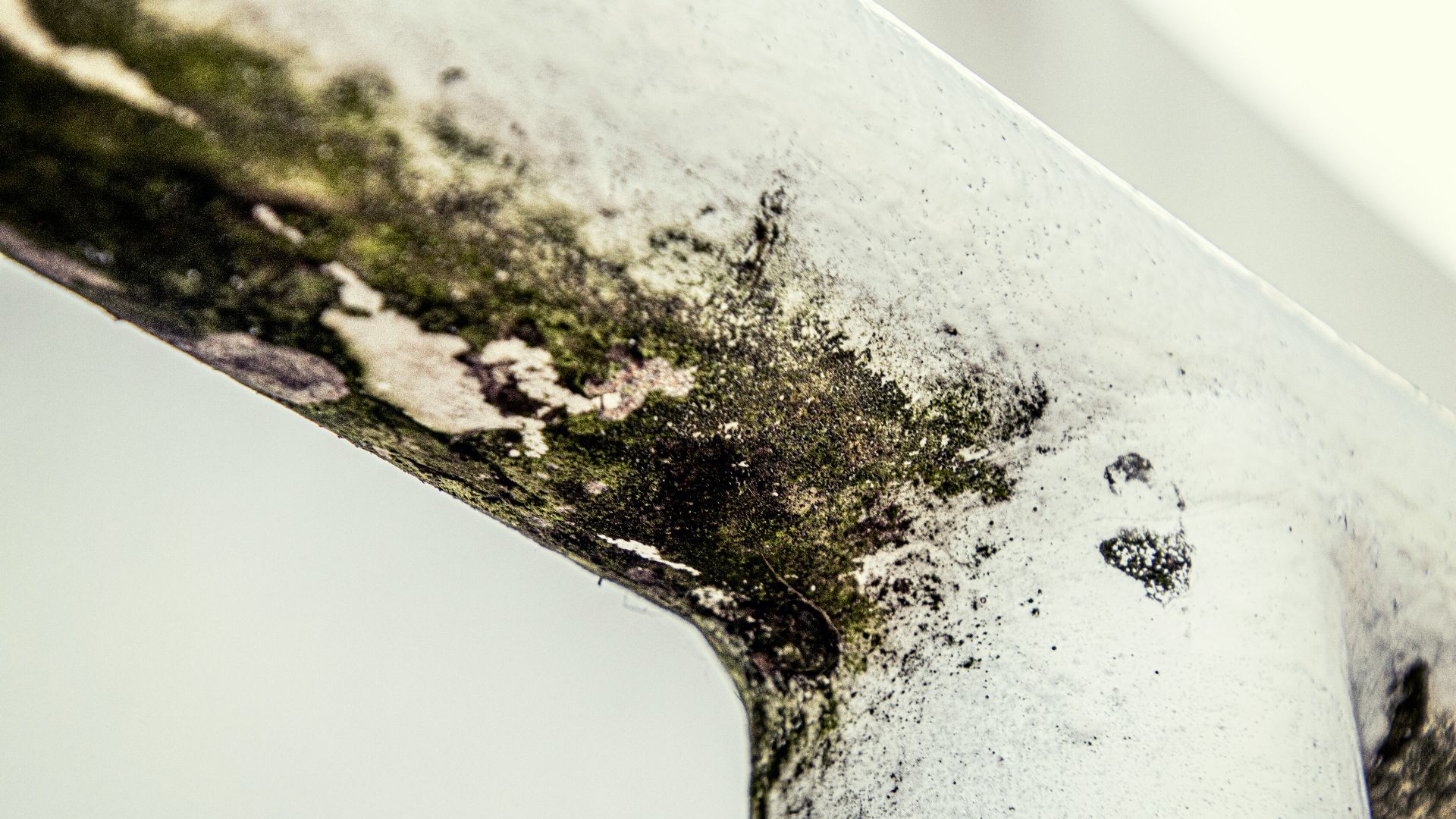
Winter condensation can show up around windows, bathrooms, and basements. Mold is a common indoor allergen, so dealing with dampness early matters. Ventilation, fixing leaks, and regular cleaning can cut down on the triggers you’re breathing every day.
9. Keep Pets Out of Your Bedroom
Pet dander is a major indoor allergen, and winter can intensify exposure when everyone’s inside more. If you’re struggling, keeping pets out of the bedroom can reduce overnight symptoms without changing your whole life. It won’t be your pet’s favorite policy, but your sinuses may vote yes.

10. Know When to Stop DIY-ing It
If symptoms are severe, you’re wheezing, you’ve got facial pain with fever, or you’re not improving after trying basic steps, it’s time to check in with a doctor. Allergies, colds, flu, COVID, and sinus infections can overlap, and guessing gets old fast. Getting the right diagnosis can save you weeks of annoyance.