
Why So Puffy
That puffy face staring back at you this morning isn't random bad luck. Something specific caused it, and figuring out the culprit can feel like detective work. Your body drops clues everywhere—what you ate, how you slept, the medications sitting in your cabinet, or even your age. Facial bloating happens for concrete reasons, not mysterious ones. Let's dig into some possible reasons for the same.

1. Excessive Dietary Sodium
Sodium's superpower is pulling water directly into your tissues, and because facial skin is significantly thinner than elsewhere on your body, that puffiness shows up faster and more visibly. Your face essentially becomes a real-time billboard for yesterday's dietary choices.

2. Alcohol Consumption
That champagne toast hits differently than you think. Alcohol plays a cruel trick on your system by dehydrating you initially, then triggering your body to overcompensate with aggressive water retention concentrated in facial tissues. The dilated blood vessels add insult to injury.

3. Dehydration
Flight attendants have identified cabin dehydration as the primary culprit behind "plane face," that unmistakable puffiness passengers see in bathroom mirrors mid-flight. When water becomes scarce, your body enters conservation mode and desperately clings to every available drop.

4. Food Allergies
Did you know that shrimp can trigger facial swelling in certain people without causing a single stomach symptom? Allergies don't always follow predictable patterns. True food allergies result in histamine that specifically targets facial tissues, causing lips, eyelids, and cheeks to swell.

5. Seasonal Or Perennial Airborne Allergies
Your sinuses sit beside your eyes and cheeks, so when dust or mold inflames them and blocks drainage, the resulting pressure brings visible swelling in those exact zones. Dermatologists actually use the clinical term "allergy face" to describe the puffy appearance.

6. Acute Or Chronic Sinusitis
The pressure from infected or inflamed sinuses doesn't just hurt—it makes your face physically heavier and visibly swollen across your cheeks, forehead, and under-eyes. Divers and frequent flyers experience sinus bloating at dramatically higher rates due to pressure changes.

7. Menstrual Cycle Hormonal Fluctuations
It is said that models strategically avoid booking major jobs during the week before their period—industry insiders call it "period face" for good reason. Estrogen and progesterone fluctuations trigger water retention that first hits the face, often before any other symptoms.

8. Pregnancy-Related Hormone Shifts
Kate Middleton's noticeably rounder face during all three pregnancies wasn't media imagination. It was textbook pregnancy fluid retention on display. Progesterone skyrockets during pregnancy and commands your body to retain fluid everywhere, but the face shows this change loudly.

9. Perimenopause/Menopause Estrogen Decline
Declining estrogen fundamentally disrupts your body's fluid balance, leading to persistent facial bloating. The same hormonal drop simultaneously thins your skin, making retained fluid exponentially more visible than it would have been in your younger years.

10. Chronic High Cortisol From Stress
Executives and medical residents develop notoriously puffy "stress faces" because deadline pressure isn't just psychological but also architectural. Sustained stress floods your system with cortisol, which biochemically commands your body to hoard water and redistribute fat specifically to facial tissues.

11. Chronic Sleep Deprivation
Pulling just one all-nighter can age your face by what looks like five years because exhaustion literally dilates blood vessels while simultaneously impairing the lymph drainage system that normally clears overnight fluid buildup. Your face becomes a stagnant pool.

12. High Refined Carbohydrate Intake
Bodybuilders strategically slash carbs before competitions, not for weight loss, but to make their faces look dramatically more defined and "shredded." Refined carbohydrates spike insulin, which sends a direct signal to your kidneys to retain both sodium and water.
13. Lactose Intolerance
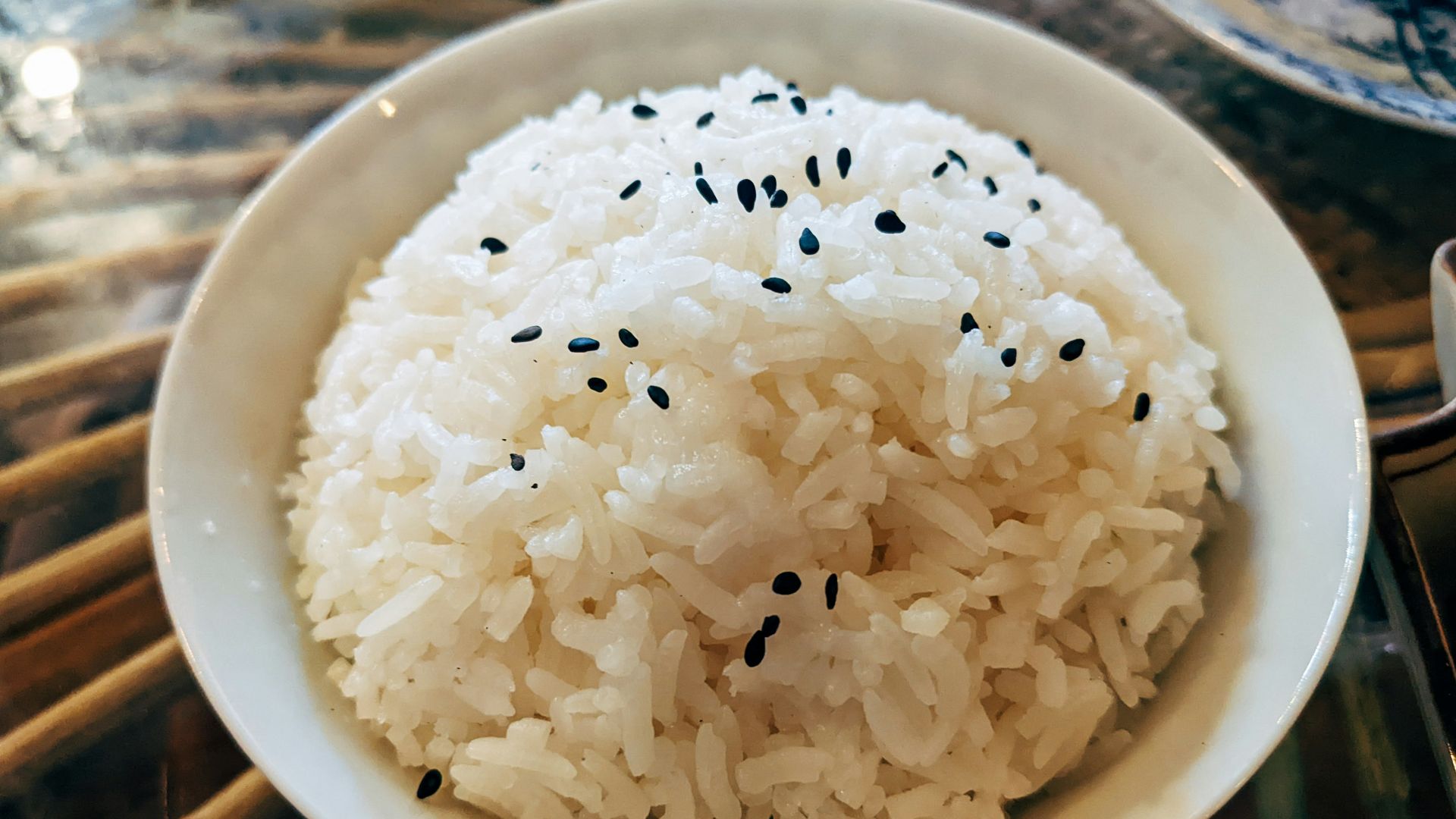
Undigested lactose ferments inside your gut, creating gas and systemic inflammation that manifests visibly in facial tissues. Many adults gradually lose lactose-digesting enzymes throughout their twenties and thirties, making "milk face" a delayed-onset phenomenon. Asians and Africans experience higher lactose intolerance rates.

14. Non-Celiac Gluten Sensitivity
Miley Cyrus's public statement about eliminating gluten, which completely changed her facial shape, gave voice to what countless people experience silently. Gluten triggers inflammation in sensitive individuals that bypasses gut symptoms entirely and heads straight for the facial tissues.

15. Monosodium Glutamate Ingestion
Competitive eaters strategically avoid MSG-heavy foods before contests specifically to keep their faces camera-ready and tight for promotional shots. MSG causes rapid water retention in sensitive individuals, with "Chinese restaurant syndrome" classically beginning as facial tightness and puffiness.

16. Oral Corticosteroids
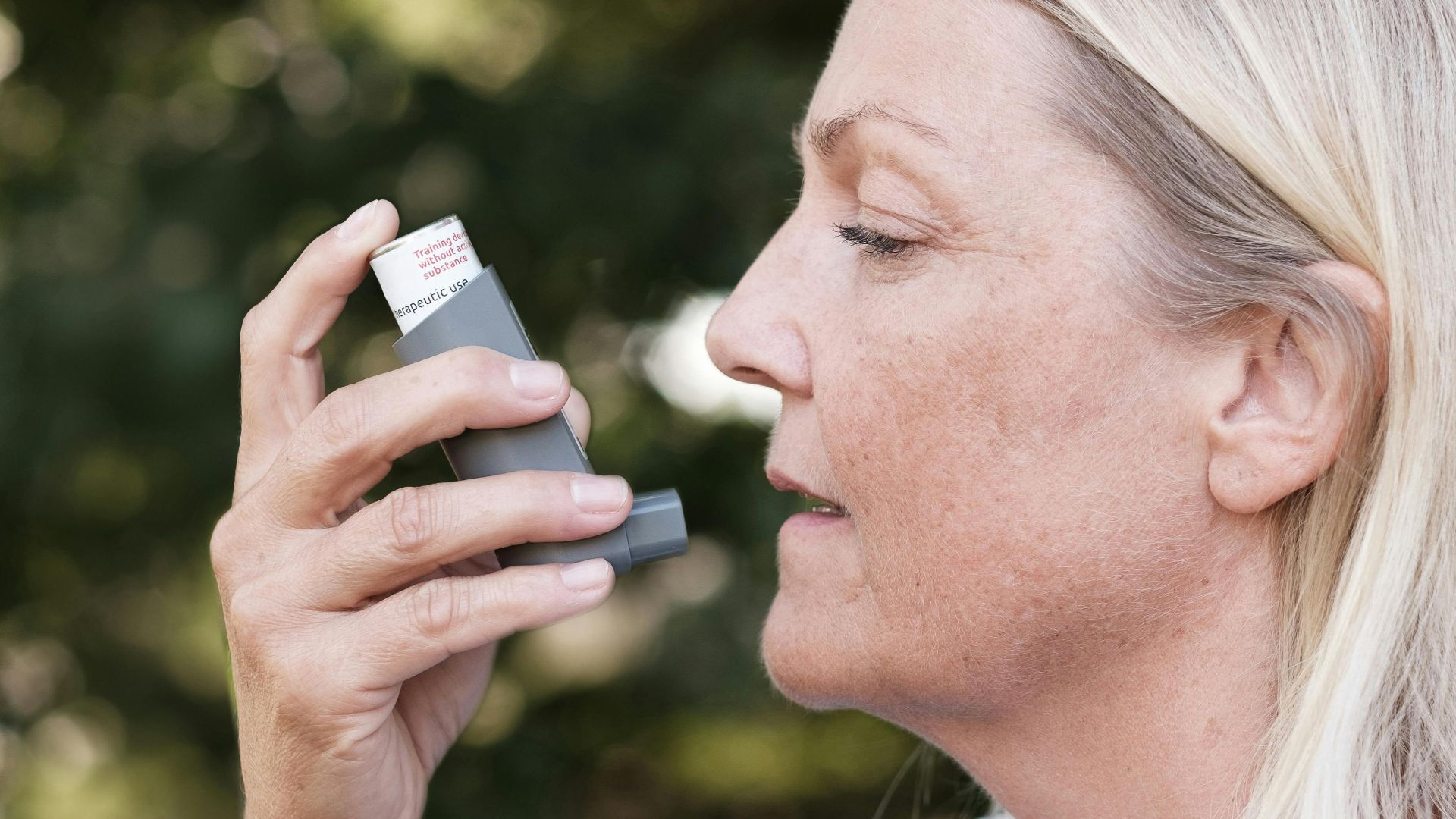
Apparently, steroids redistribute both fat and fluid to facial tissues with such reliability that "steroid cheeks" became medical shorthand for the phenomenon. Even asthma sufferers using long-term inhaled corticosteroids sometimes develop isolated facial puffiness without gaining weight anywhere else on their bodies.
17. Hypothyroidism
Gigi Hadid's openness about Hashimoto's disease, which changed her facial shape, helped destigmatize thyroid-related appearance changes. Hypothyroidism causes myxedema—a distinctive thick, puffy facial swelling from protein-fluid buildup that behaves differently from regular water retention by not creating pitting when pressed.

18. Nephrotic Syndrome
Kidney patients frequently wake up with "pillow face," an overnight fluid accumulation that makes them look like they slept on their face wrong—except the cause is failing filtration. Damaged kidneys lose their ability to properly regulate fluid, leading to widespread facial puffiness.
19. Congestive Heart Failure
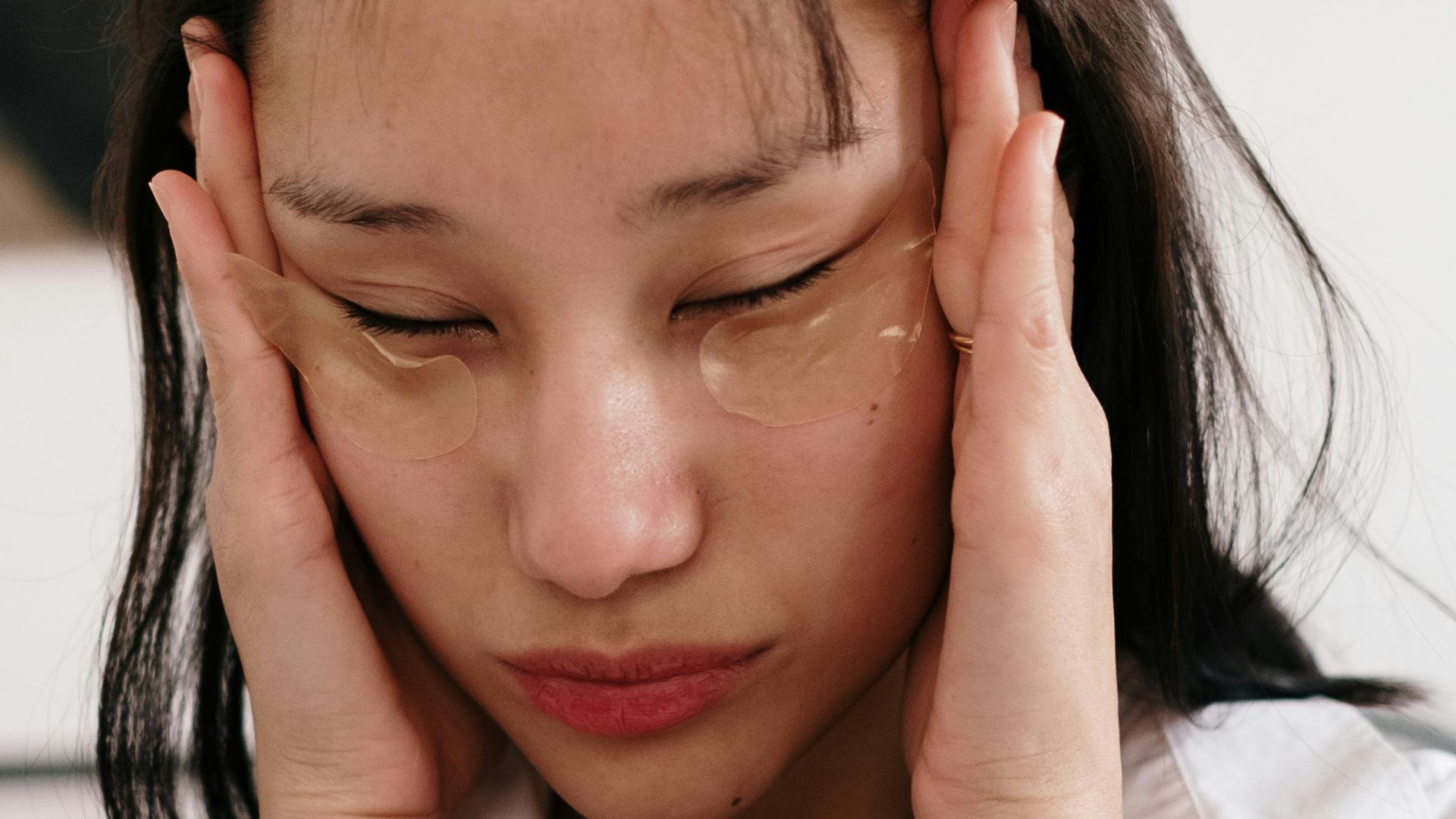
That "chipmunk cheeks" appearance becomes a classic visual marker in advanced heart failure cases—it's not weight gain but fluid physics. When the heart pumps weakly, blood backs up and forces fluid into tissues throughout the body, including facial structures.

20. Severe Dental Infection
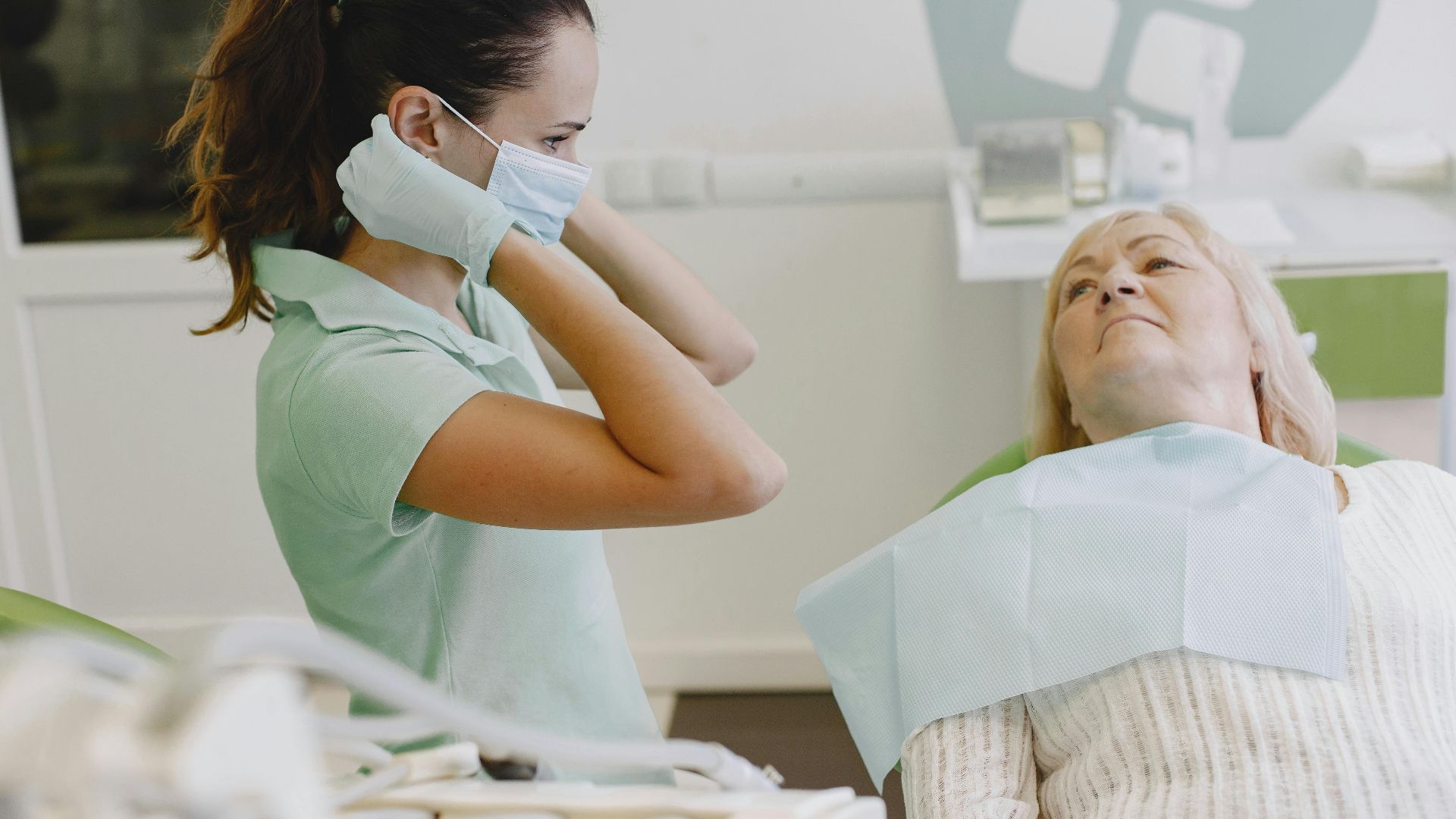
Pus from an abscessed tooth spreads aggressively into facial tissues, causing rapid one-sided swelling that can literally balloon a cheek to twice its normal size within twenty-four to forty-eight hours. The speed and asymmetry distinguish dental infections from most other causes of facial bloating.
KEEP ON READING

20 Biohacks That Became Lifestyle Religion