Quick Fixes When You're About to Lose It
We all know that stress accumulates. One moment you're fine; the next, you're snapping at your partner over the way they loaded the dishwasher. Most of us don't have time for hour-long meditation sessions or spa days. What we need are rapid interventions that actually work when the pressure's building and you've got a meeting in ten minutes. Here are twenty stress-relieving techniques that work in under five minutes.

1. The 4-7-8 Breathing Technique
Developed by Dr. Andrew Weil, this breathing pattern activates your parasympathetic nervous system almost immediately. Breathe in through your nose for four counts, hold for seven, and exhale through your mouth for eight. Do it four times, and you'll feel your heart rate drop.

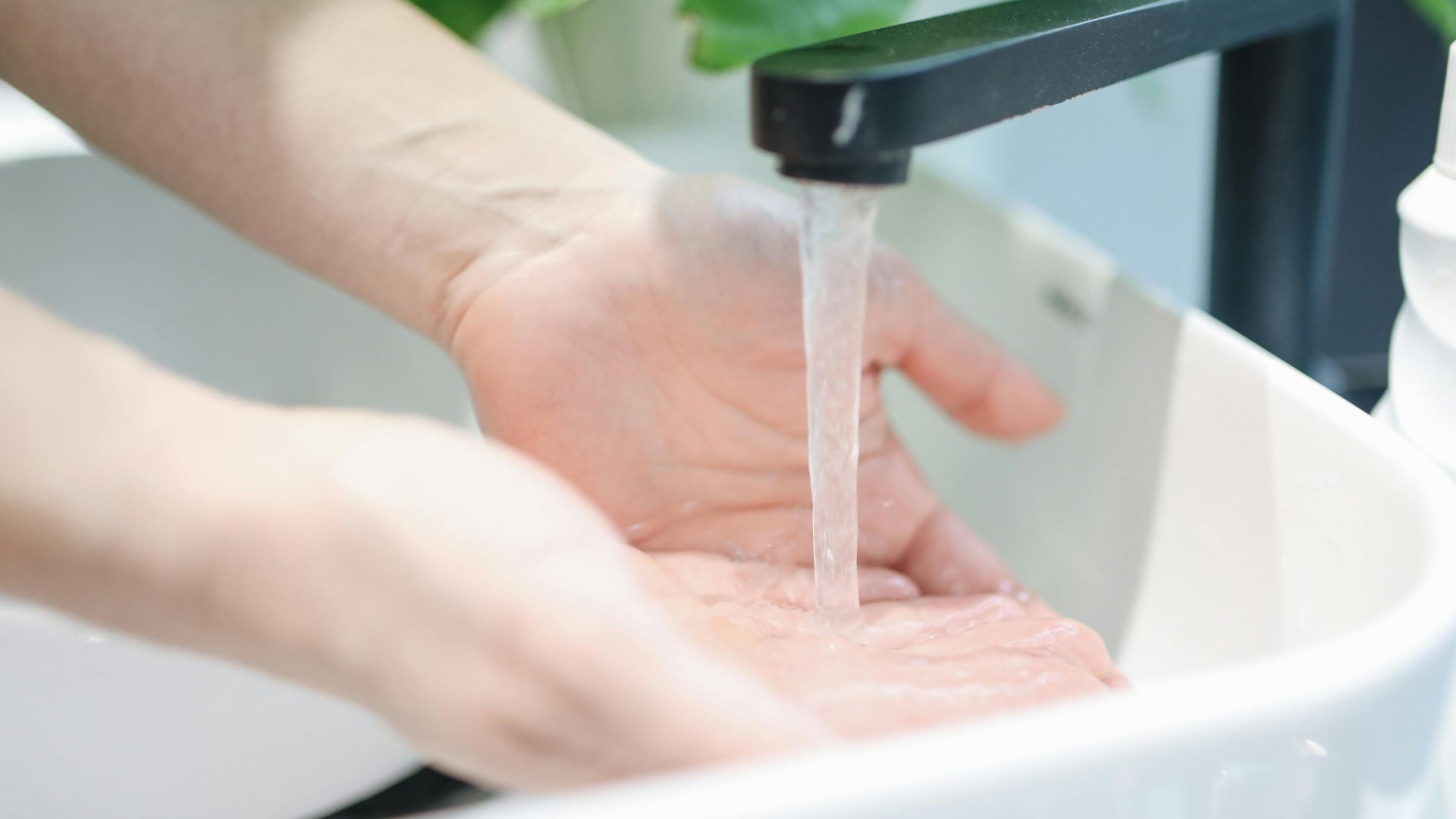
2. Cold Water on Your Wrists
Run cold water over the insides of your wrists for 30 seconds. The blood vessels sit close to the surface there, and the cold provides an instant physiological jolt that interrupts your stress response. You're basically hitting a reset button.
3. Squeeze and Release
Tense every muscle in your body as hard as you can for five seconds, then release everything at once. Start with your toes and work up, or just clench everything simultaneously. The contrast between tension and release makes your body recognize what relaxation actually feels like.

4. The 5-4-3-2-1 Grounding Method
Name five things you can see, four things you can touch, three things you can hear, two things you can smell, and one thing you can taste. This sensory inventory pulls you out of whatever anxiety spiral you're in and anchors you to the present moment.

5. Scribble It Out
Grab paper and scribble violently for two minutes. This physical release of tension through your hand and arm can discharge pent-up energy without requiring you to punch a wall or send a regrettable text. Throw the paper away when you're done.

6. Hum or Sing Loudly
Humming activates the vagus nerve, which runs from your brain to your abdomen and helps regulate your stress response. Sing along to a song you know well, or just hum a single note as long as you can. The vibration in your chest and throat is weirdly calming.

7. Look at Pictures of Nature
Pull up images of forests, oceans, or mountains on your phone. Research has found that even looking at pictures of nature can lower cortisol levels and improve concentration. Three minutes of scrolling through nature photos provides measurable stress reduction.

8. The Bilateral Stimulation Tap
Alternate tapping your hands on your thighs—left-right-left-right—for a minute or two. This technique comes from EMDR therapy and creates a bilateral stimulation effect that can calm anxiety. The rhythmic, cross-body movement seems to help process stress and create a sense of safety.

9. Chew Gum Aggressively
Multiple studies have found that chewing gum reduces cortisol and improves mood. The theory involves increased blood flow to the brain and the rhythmic motion being inherently soothing. Chew with purpose for five minutes, really working your jaw.

10. Write Down Three Specific Things
We’re not talking about positivity journals. Write three extremely specific observations about your immediate environment. This hyper-specificity interrupts rumination and brings you into the present without forcing toxic positivity.

11. Squeeze Ice Cubes
Hold ice cubes in your hands until they start to melt. The intense physical sensation overrides emotional distress through sheer sensory input. The cold creates just enough discomfort to snap you out of a stress spiral.

12. Watch Something Funny
Laughter decreases stress hormones and increases immune cells and infection-fighting antibodies. Even anticipating laughter has measurable benefits. Keep a folder of reliable funny videos for emergencies.

13. Smell Something Strong
Lavender gets all the press, yet peppermint, citrus, or even coffee grounds work just as well. The olfactory system connects directly to the limbic system in your brain, which processes emotions. The sensory experience interrupts your stress response and gives your brain something else to process.

14. Do Jumping Jacks
Thirty seconds of vigorous movement burns off stress hormones circulating in your bloodstream. Opt for jumping jacks, burpees, or running in place—whatever gets your heart rate up quickly. Exercise releases endorphins, and even a brief burst can shift your mood.

15. The Thumb Pressure Point
Press firmly on the fleshy part of your hand between your thumb and index finger. This is the LI4 acupressure point, and applying pressure there for 30 seconds can reduce tension and headaches. Use your other thumb to press in small circles.

16. Shake Your Hands Vigorously
Shake your hands from the wrists like you're trying to fling water off them. Do this for 30 seconds. Animals shake off stress after threatening situations, and humans can use the same mechanism.

17. Stare at Something Far Away
If you've been staring at screens, look out a window at something distant for a few minutes. Your eye muscles relax when focusing on far objects, and the break from close-up work reduces both physical and mental tension. The horizon, if you can see it, is ideal.

18. Count Backward from 100 by Sevens
The mental math requires enough concentration to interrupt anxious thoughts without being so difficult that it creates new stress. You'll probably mess up and have to start over. The cognitive engagement is what matters, not getting the math perfect.

19. Massage Your Ears
Rub your earlobes between your thumb and forefinger, then massage the outer rim of your ears. There are numerous acupressure points in the ears, and stimulating them can reduce tension throughout your body.

20. Imagine a Stop Sign
Visualize a giant red stop sign whenever you notice stress spiraling. See it vividly: the octagonal shape, the white letters, the texture of the metal. This cognitive interruption technique sounds too simple to work, yet interrupting rumination before it gains momentum is remarkably effective.

KEEP ON READING

20 Natural Ways You Can Boost Your Immune System
20 Ways To De-stress & Relax After Work
The 10 Most Common Diseases & The 10 Most Rare