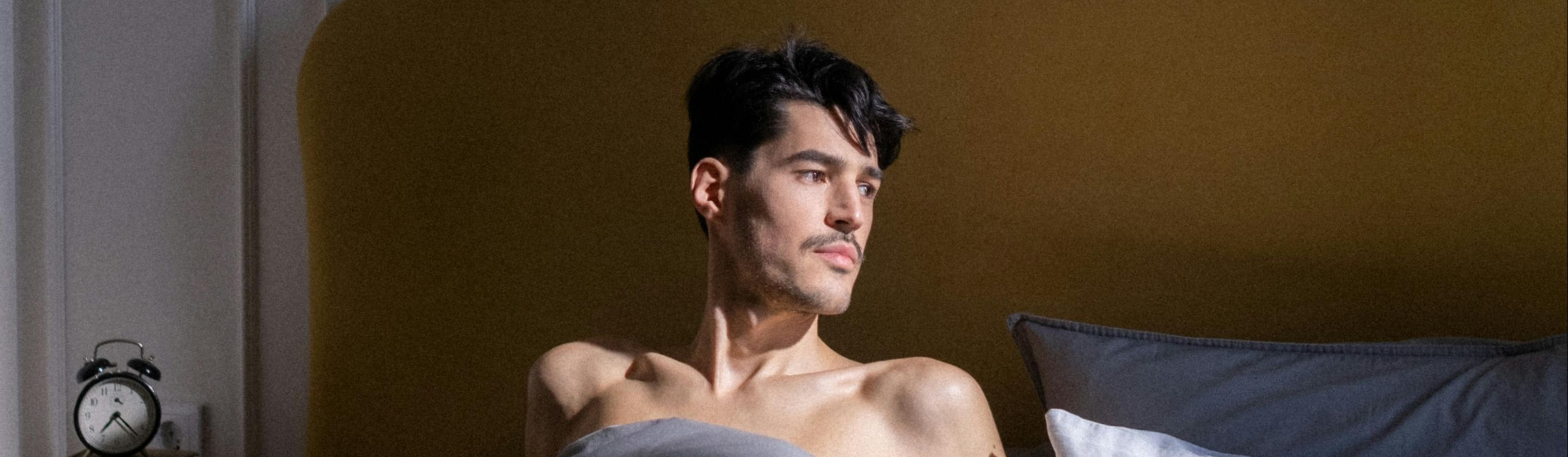
Little Daily Choices That Quietly Add Years
Aging is supposed to be gradual, almost polite, like it waits its turn. Then there are seasons when you look up and realize your body has been taking notes, logging every late night, every stressful month, every stretch of living on autopilot. Scientists talk about “biological age” now, the idea that your cells can look older or younger than the birthday on your driver’s license, and research using epigenetic clocks has made that concept feel a lot less metaphorical. The good news is that the stuff that speeds you up is often the stuff you can actually notice and shift, even if it’s in small, unglamorous ways. Here are 20 signs you may be aging faster than you need to.

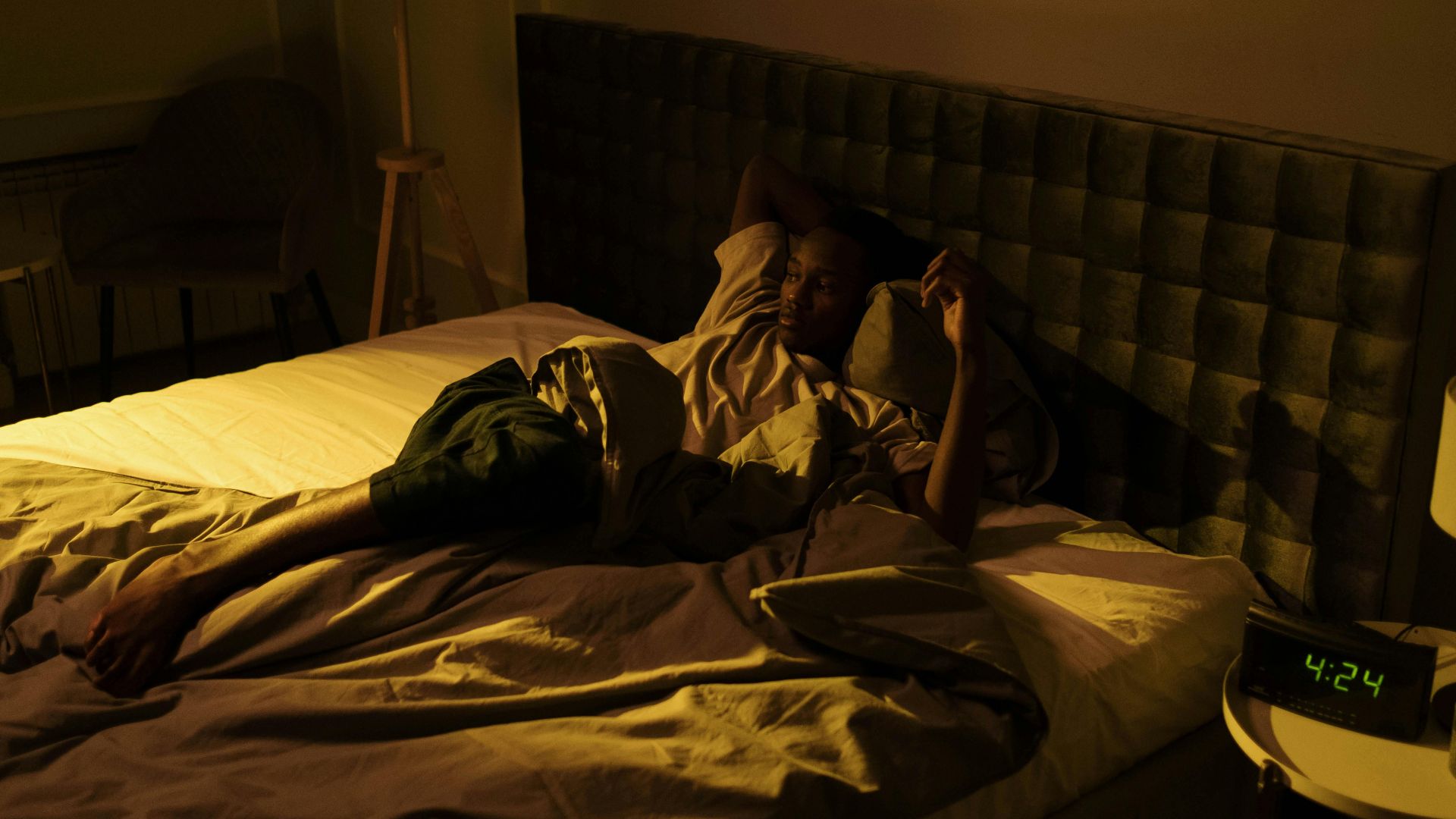
1. You Treat Sleep Like Something You’ll Catch Up On Someday
When sleep becomes optional, your face starts carrying the story even when you swear you feel fine. The sluggish mornings pile up, and recovery from normal life gets slower, like your body is buffering. Research from major health institutions has linked chronically poor sleep with worse cardiometabolic health and aging-related wear.
2. You Live in a Constant Stress Hum
If your baseline mood feels like bracing, that’s not just “being busy,” that’s your nervous system living on high alert. Stress has been connected in studies to shifts in biological aging markers, which helps explain why a rough year can show up in your skin and your energy. Even your posture changes when you’re always waiting for the next problem.

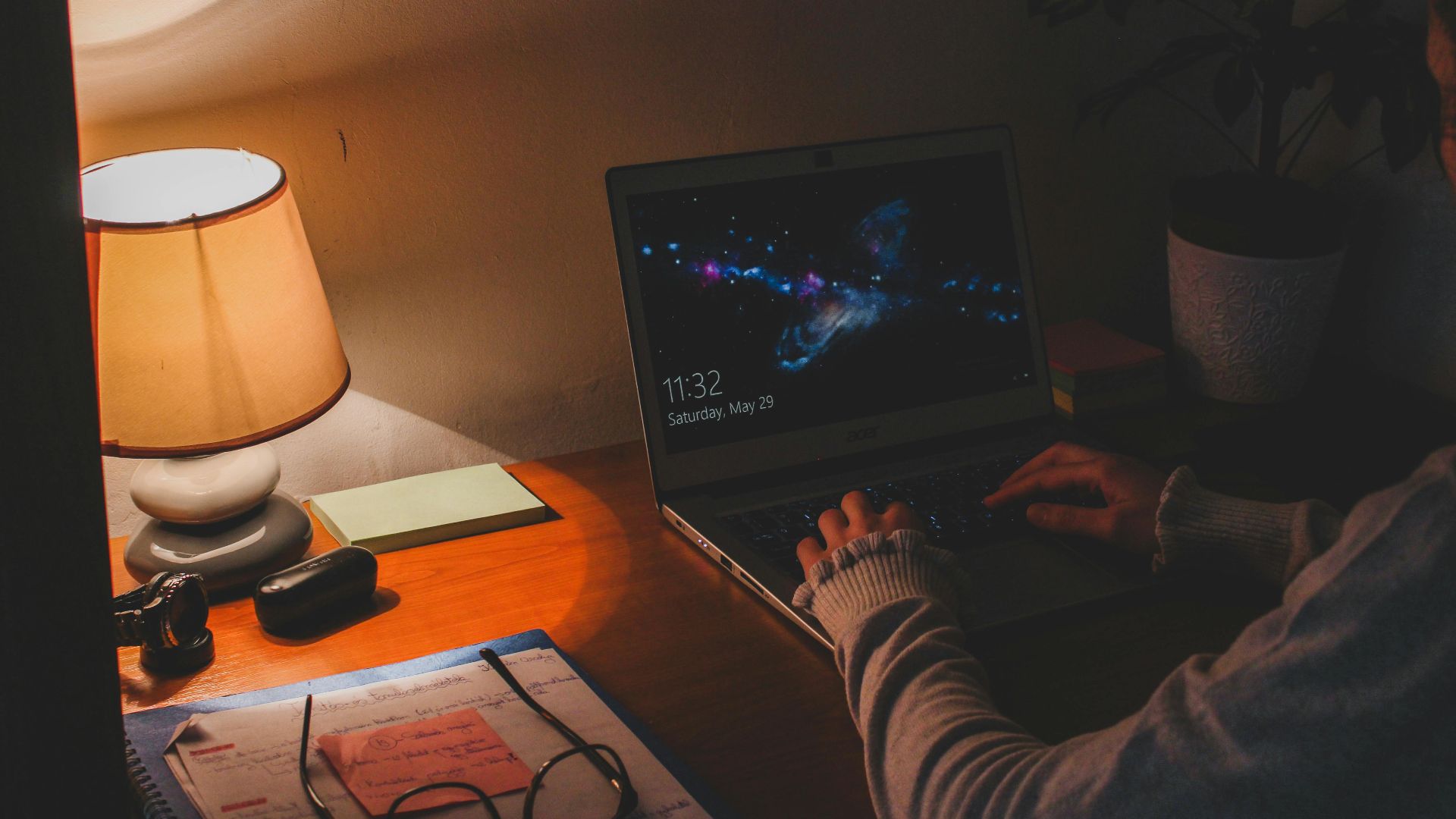
3. Your Evenings Are All Screens and No Shutdown
When the last hour of the day is bright light and loud input, sleep often turns shallow and choppy. The next day starts with a low battery feeling that coffee can’t quite fix. Over time, that nightly pattern can make you feel older than you are, especially in your mood and focus.
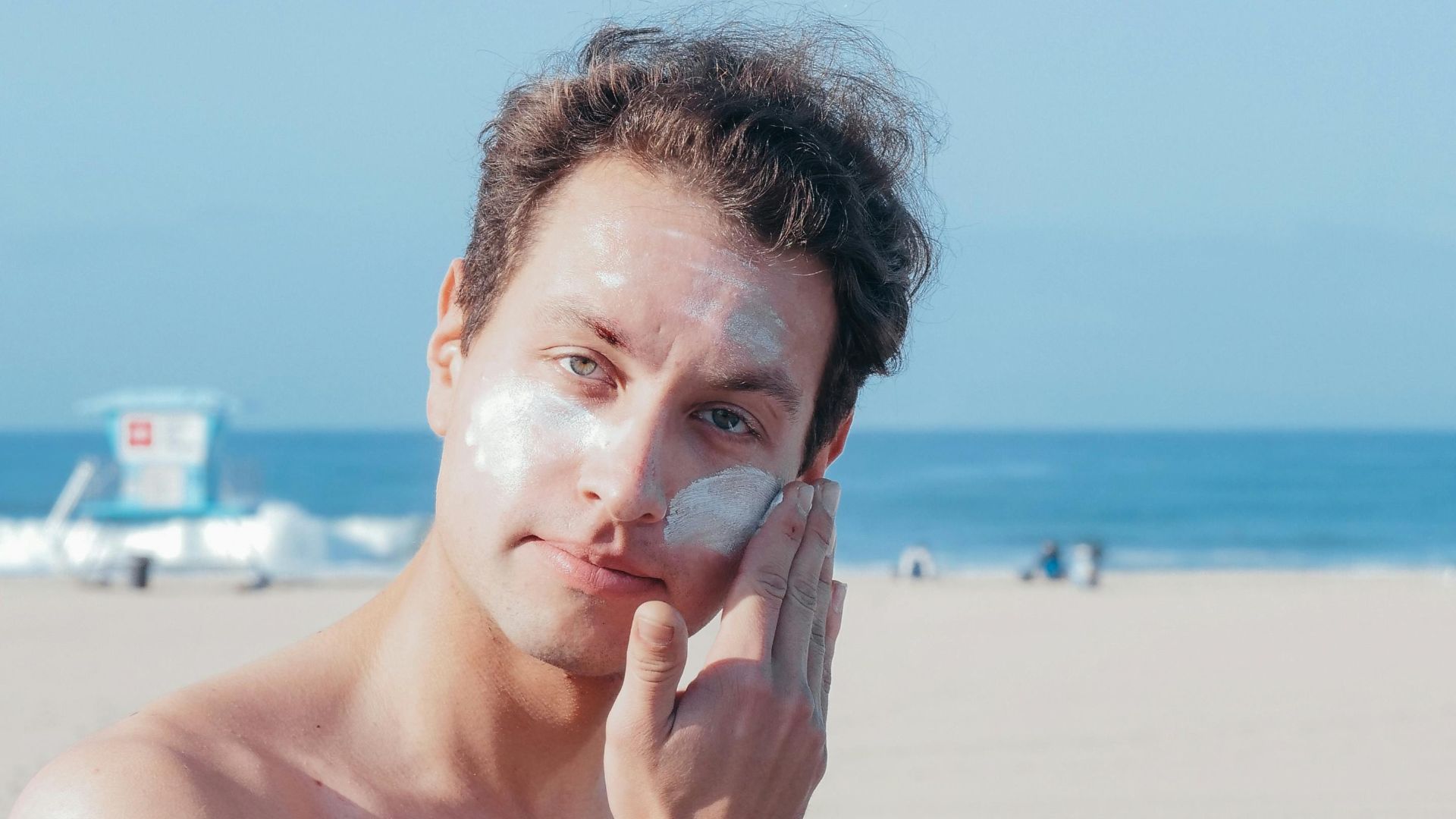
4. You Skip Sun Protection Most Days
Sun damage is patient, and it’s also very consistent. Dermatology organizations like the American Academy of Dermatology have long warned that daily UV exposure contributes to premature wrinkles and uneven pigment, even when you’re not burning. If you notice new spots and texture changes sooner than expected, the sun is often involved.
5. You Smoke or Vape
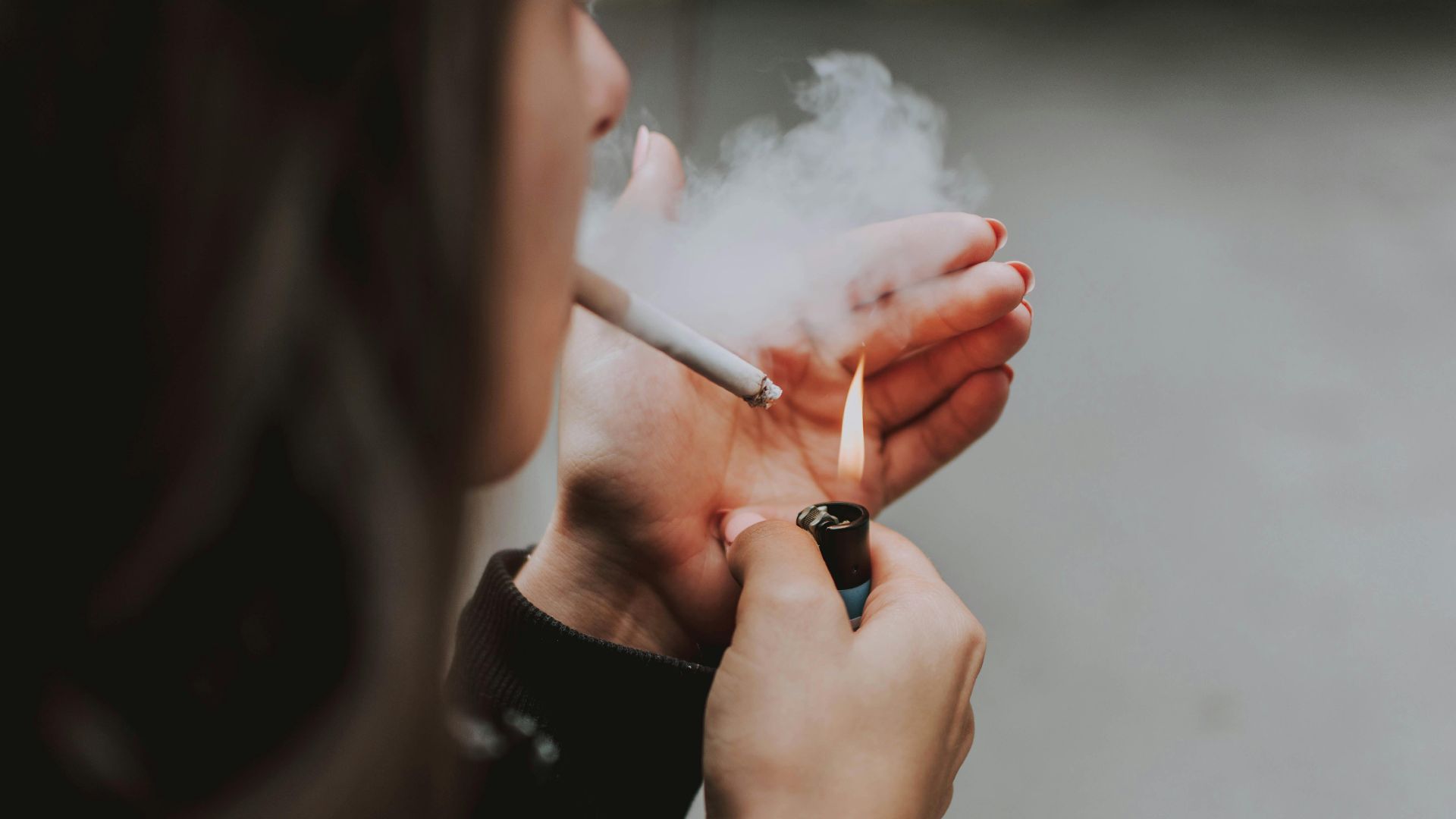
Tobacco smoke has a well-documented relationship with premature skin aging, including deeper wrinkles and dullness that doesn’t match the rest of someone’s age. Nicotine habits also tend to travel with other lifestyle stressors, like shorter sleep and less movement, which compounds the effect. Your body reads it as constant strain.
6. Alcohol Leaves a Mark That Lingers
When a couple drinks turns into two days of feeling puffy, sluggish, and vaguely inflamed, that’s a sign your system is losing some flexibility. Alcohol can disrupt sleep quality even when you sleep a full night, and it can show up in skin texture and eye brightness. A faster-aging pattern often looks like slower bounce-back.

7. You Sit So Much That Standing Up Feels Like Unfolding
Long hours parked in a chair can make the body feel older fast, especially through stiff hips and a cranky back. The American Heart Association and other major health groups have highlighted how too much sedentary time is tied to worse long-term health. If movement feels like a chore now, it tends to become a bigger chore later.
8. Strength Training Has Fallen Out of Your Life
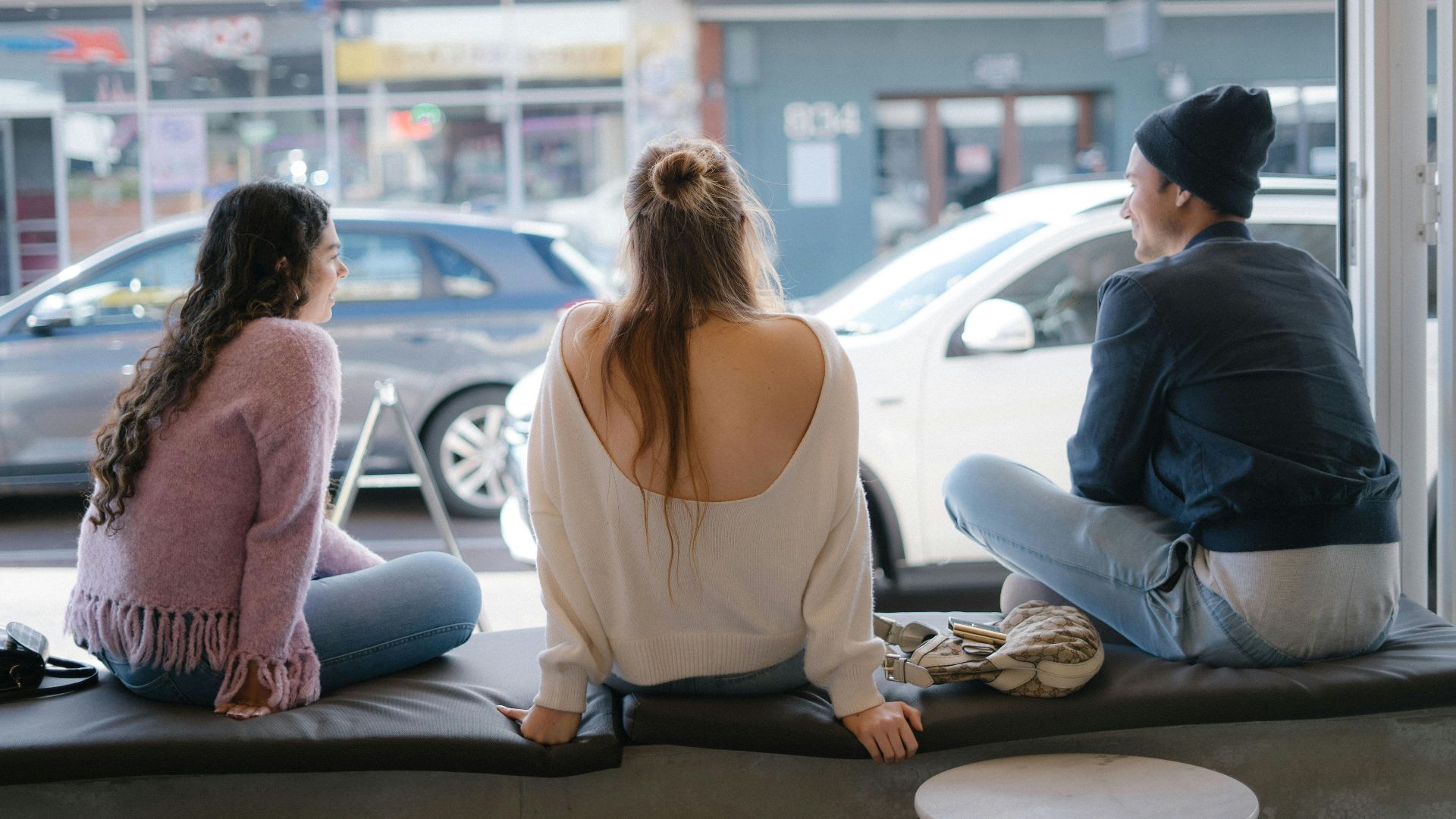
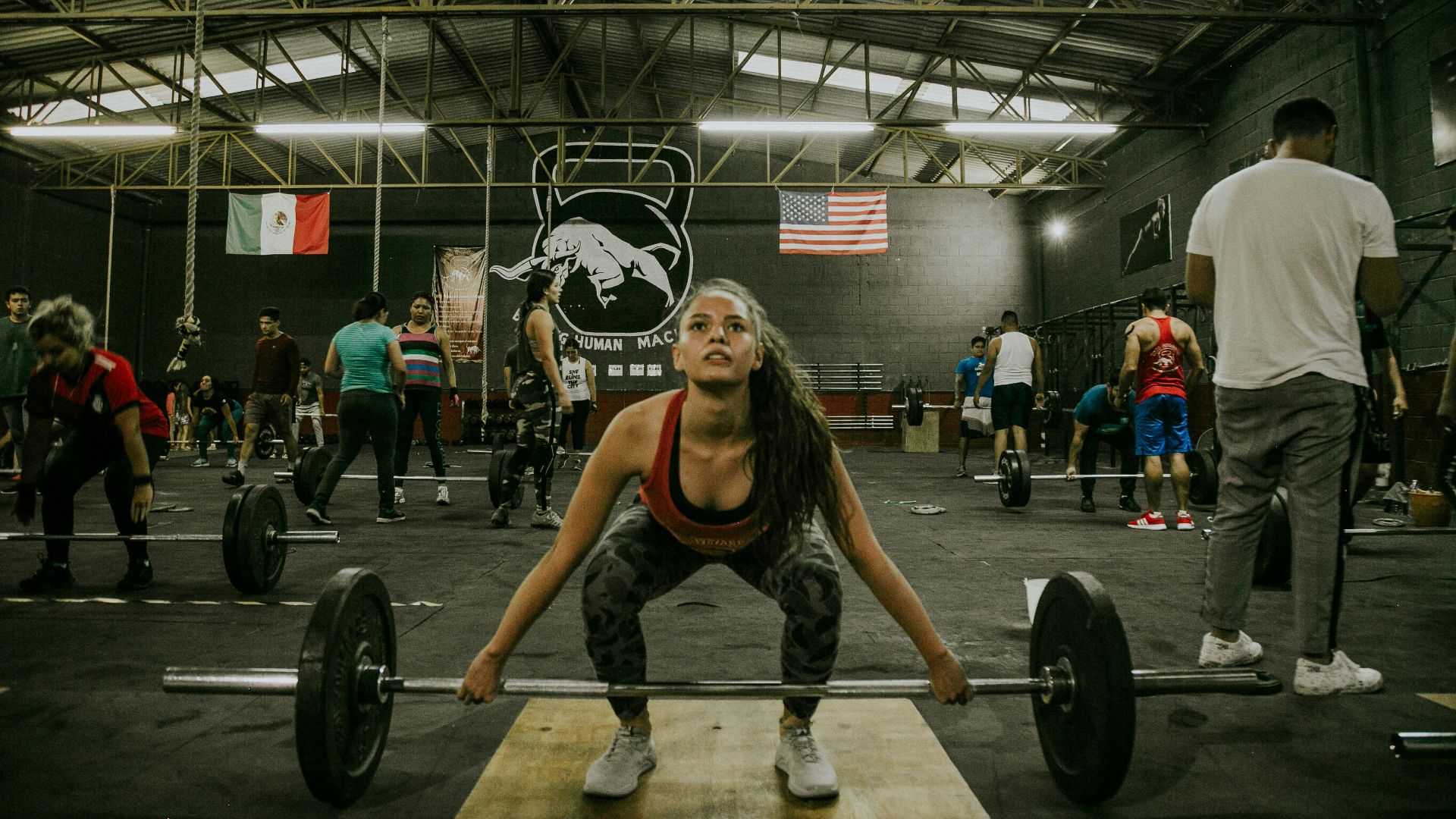
Muscle is a quiet anti-aging tool, because it supports balance, posture, and how resilient you feel in daily tasks. Without it, small things get harder, like carrying a suitcase or climbing stairs without feeling winded. Public health guidance from the World Health Organization includes muscle-strengthening for a reason.
9. You Get Random Aches From Normal Activities
If you tweak your back picking up laundry or your knees complain after a normal walk, your tissues may be under-supported. Sometimes it’s mobility, sometimes it’s strength, sometimes it’s both, and ignoring it usually makes it louder. A faster-aging body often feels fragile in moments that used to be nothing.
 Karolina Grabowska www.kaboompics.com on Pexels
10. Your Diet Is Mostly “Whatever’s Around”
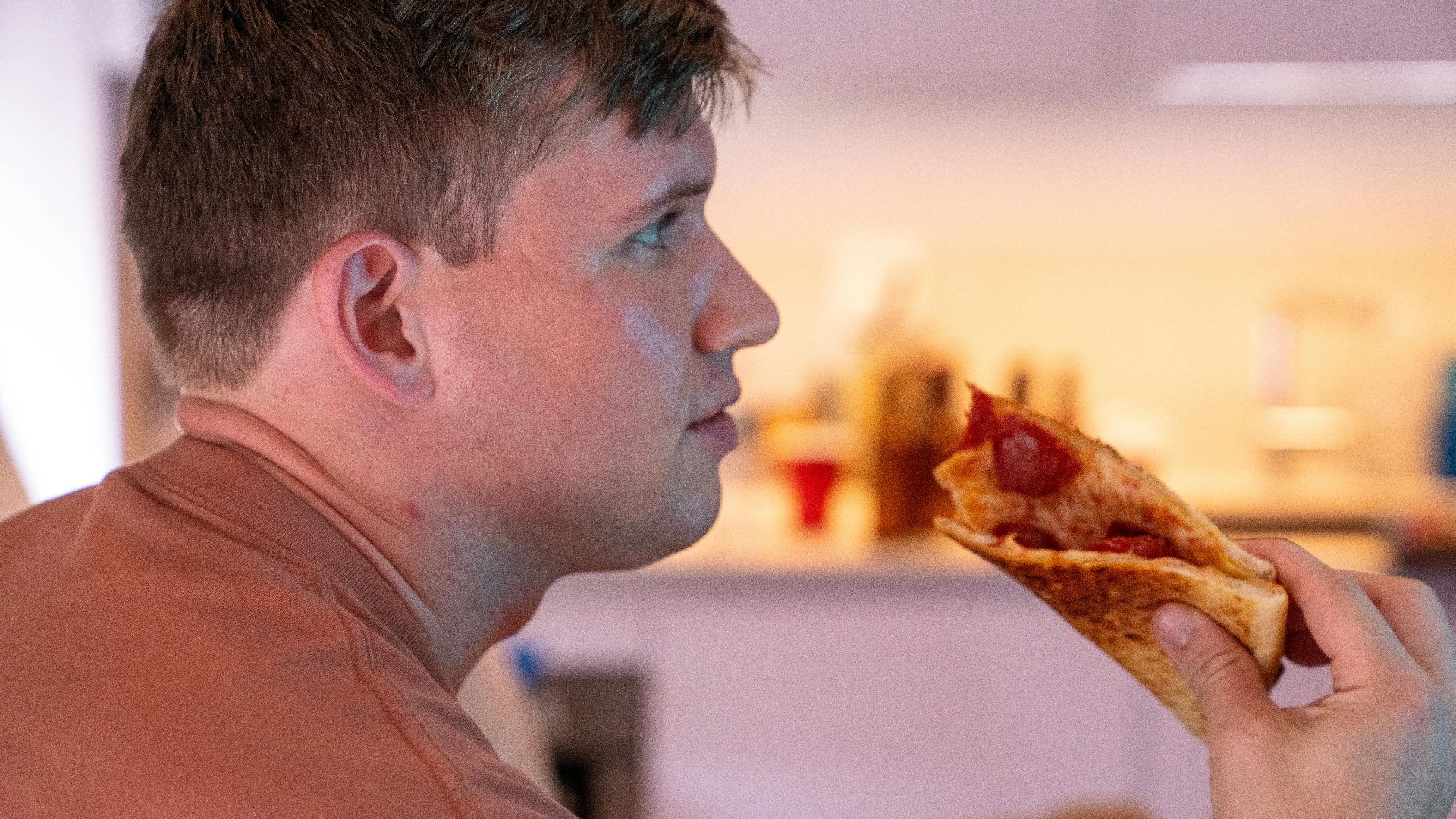
When meals become a string of ultra-processed snacks and rushed takeout, your body can start looking and feeling inflamed. Skin gets dull, energy dips, and digestion gets fussy in ways that seem personal, even though it’s often just fuel quality. Nutrition research is messy, yet the basic pattern holds: consistent, whole foods tend to age better on you.
11. Vegetables Are an Occasional Guest Star
Aging faster can look like a slow erosion of micronutrients, the small stuff that keeps skin, hair, and recovery running smoothly. When plants disappear from the plate, you often feel it as low-grade fatigue and slower healing. It’s rarely dramatic, which is why it sneaks up.

12. You Keep Losing and Regaining the Same Weight
Weight cycling can be hard on the body, and it can be hard on the mind, too, which matters because stress is part of the aging equation. You may notice looser skin, more joint irritation, or a metabolism that feels temperamental. A steadier rhythm often reads as younger, even when nothing is “perfect.”
13. You’re Always Slightly Dehydrated
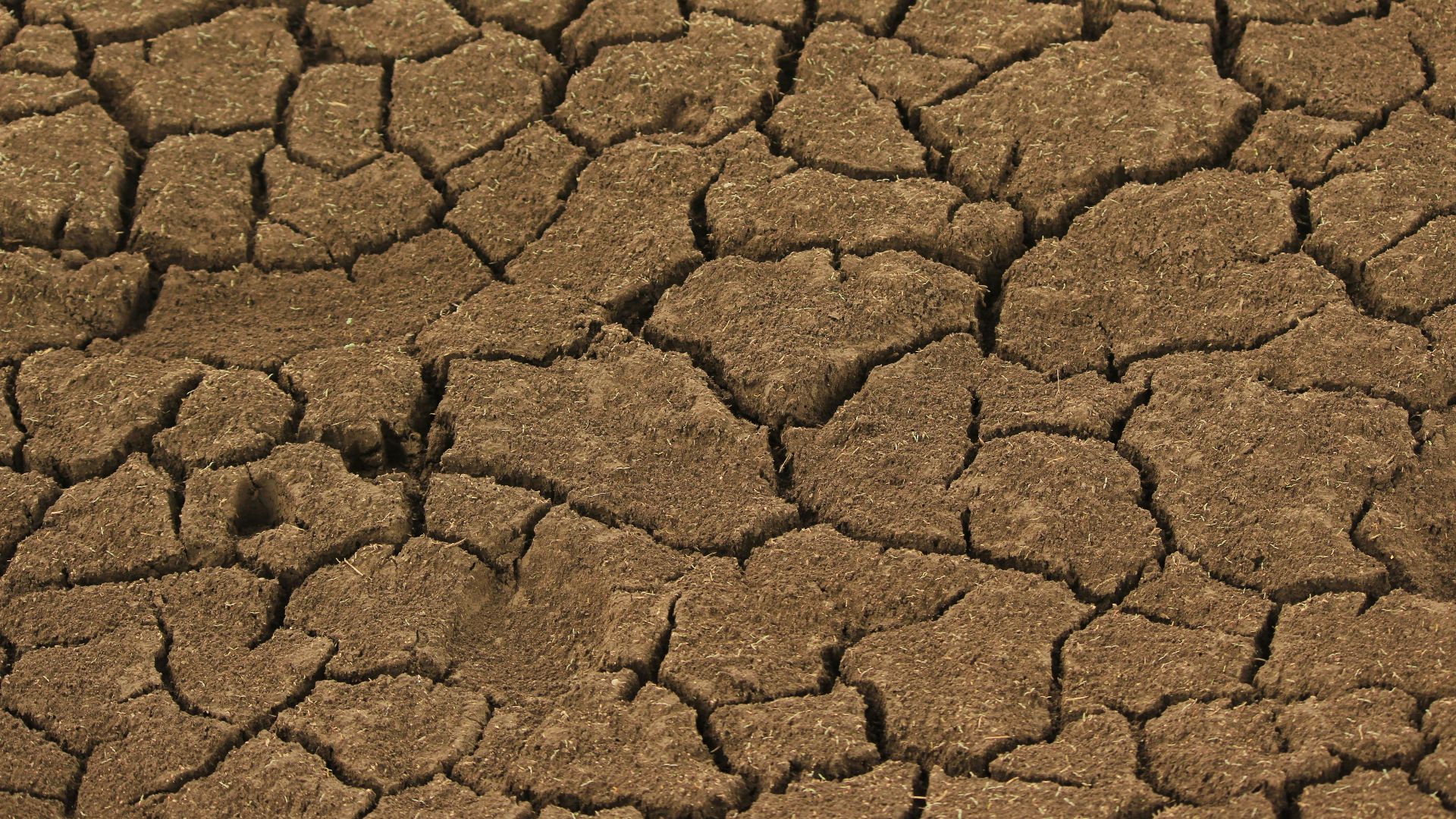
When you’re running on not enough water, the first signal is often your skin and your head. Lips get dry, fine lines look sharper, and afternoons feel like wading through molasses. Hydration isn’t a miracle, yet chronic dehydration has a way of making you look and feel worn.
14. Your Gut Is Regularly Upset
Digestive issues can be a stress marker, a diet marker, or a sleep marker, and all three tie back to how fast you’re aging. When your gut is unhappy, you often see it in skin breakouts or persistent fatigue. Pretending it’s normal tends to keep it normal.

15. You Barely See Daylight
If most days happen indoors, your circadian rhythm can drift, and sleep quality can suffer even when you’re trying. Daylight helps anchor the body’s internal clock, which affects mood, appetite, and energy. A life that never really meets the sun can start feeling oddly stale.

16. You Don’t Have a Real Social Life Anymore
Loneliness doesn’t just feel bad, it also lands in the body like a chronic stressor. Large-scale research has connected social isolation with worse health outcomes, which is part of why public health agencies talk about connection as a health issue. When your world shrinks, you can start aging like someone carrying extra weight.

17. Your Teeth and Gums Are an Afterthought
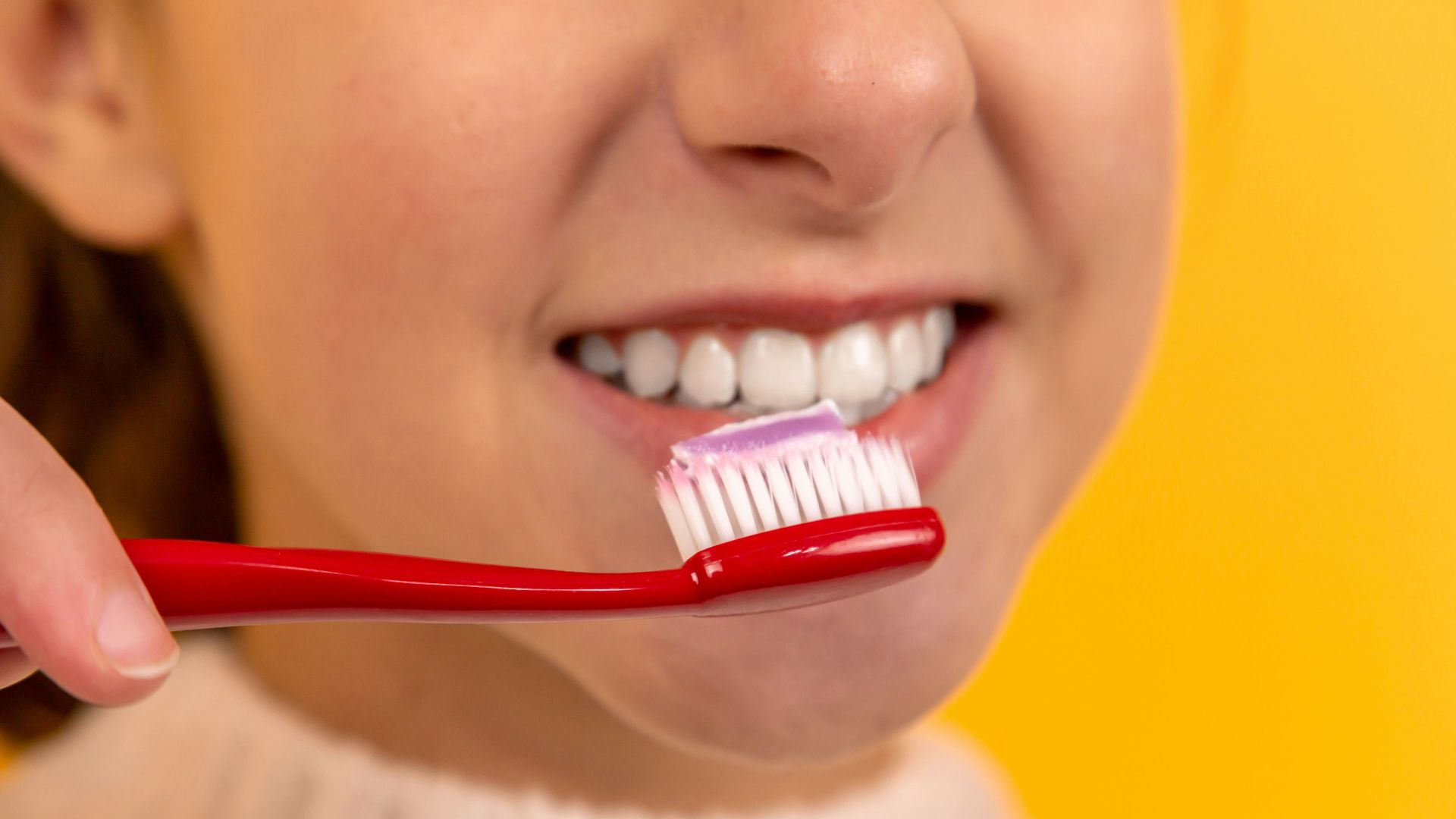
Oral health tends to get treated like a cosmetic category until it stops being one. Gum disease has been linked in medical research to broader inflammation, and dentists will tell you it’s easier to keep than to fix. If your gums bleed often or you dodge cleanings, your body may be aging with extra friction.
18. You’ve Normalized Being “A Little Sick” All the Time
Constant sniffles, lingering coughs, and a sense that you’re always recovering can be a sign of strain. Sometimes it’s sleep, sometimes it’s stress, sometimes it’s nutrition, and sometimes it’s an environment that keeps taking from you. A resilient body gets sick and then truly clears it.

19. You Ignore Hearing, Vision, and Routine Health Checks
Skipping preventative care can make aging feel sudden, because issues surface later and louder. Health agencies like the CDC consistently emphasize prevention for a reason, even when it feels boring. Catching problems early is one of the least flashy ways to stay younger longer.

20. Your Rest Days Don’t Actually Rest You
If downtime turns into doom-scrolling, errands, and half-working, the body never gets a real reset. Over time, you start living in a low-grade exhausted state that shows up in your face, your patience, and your joints. The people who seem to age slower often protect recovery like it’s part of the plan.

KEEP ON READING


20 Natural Ways You Can Boost Your Immune System
20 Ways To De-stress & Relax After Work
The 10 Most Common Diseases & The 10 Most Rare