Small Habits, Big Risk Reduction
No checklist can guarantee you’ll “avoid” cancer, because genetics, age, and plain luck still play a role. Still, a big chunk of cancer risk is linked to things you can influence over time, like tobacco, alcohol, weight, activity, infections, and certain exposures. The goal isn’t perfection or fear; it’s stacking the odds in your favor with habits that are doable in real life. Here are 20 health habits that may help lower your risk.
1. Don’t Smoke, and If You Do, Make a Quit Plan
Tobacco is still the biggest avoidable cancer risk factor, and quitting helps at any age. If you smoke, getting support (nicotine replacement, meds, counseling) usually beats going it alone. Dropping cigarettes is one of the highest-impact choices you can make.
2. Avoid Secondhand Smoke
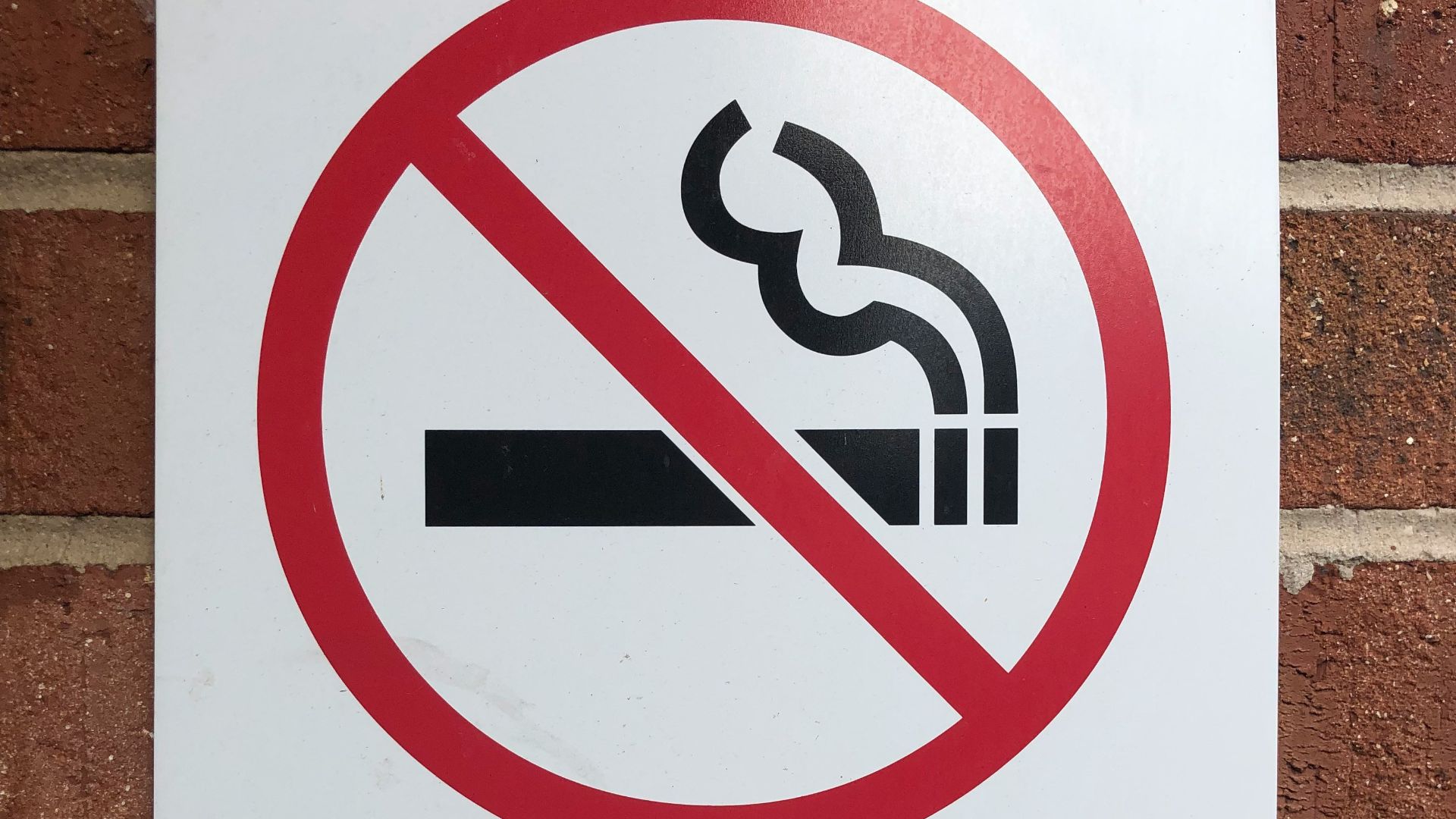
Even if you don’t smoke, regular exposure to other people’s smoke matters. If it’s your home or car, setting a smoke-free rule is one of the simplest protective moves. If it’s a social setting, stepping outside or choosing a different space isn’t dramatic; it’s practical.
3. Limit or Avoid Alcohol
Alcohol raises the risk of several cancers, and the risk generally increases the more you drink. If you do drink, cutting back is still beneficial, even if you don’t quit completely. You don’t need a perfect system, but you do want an honest look at how often “a drink” becomes “a pattern.”

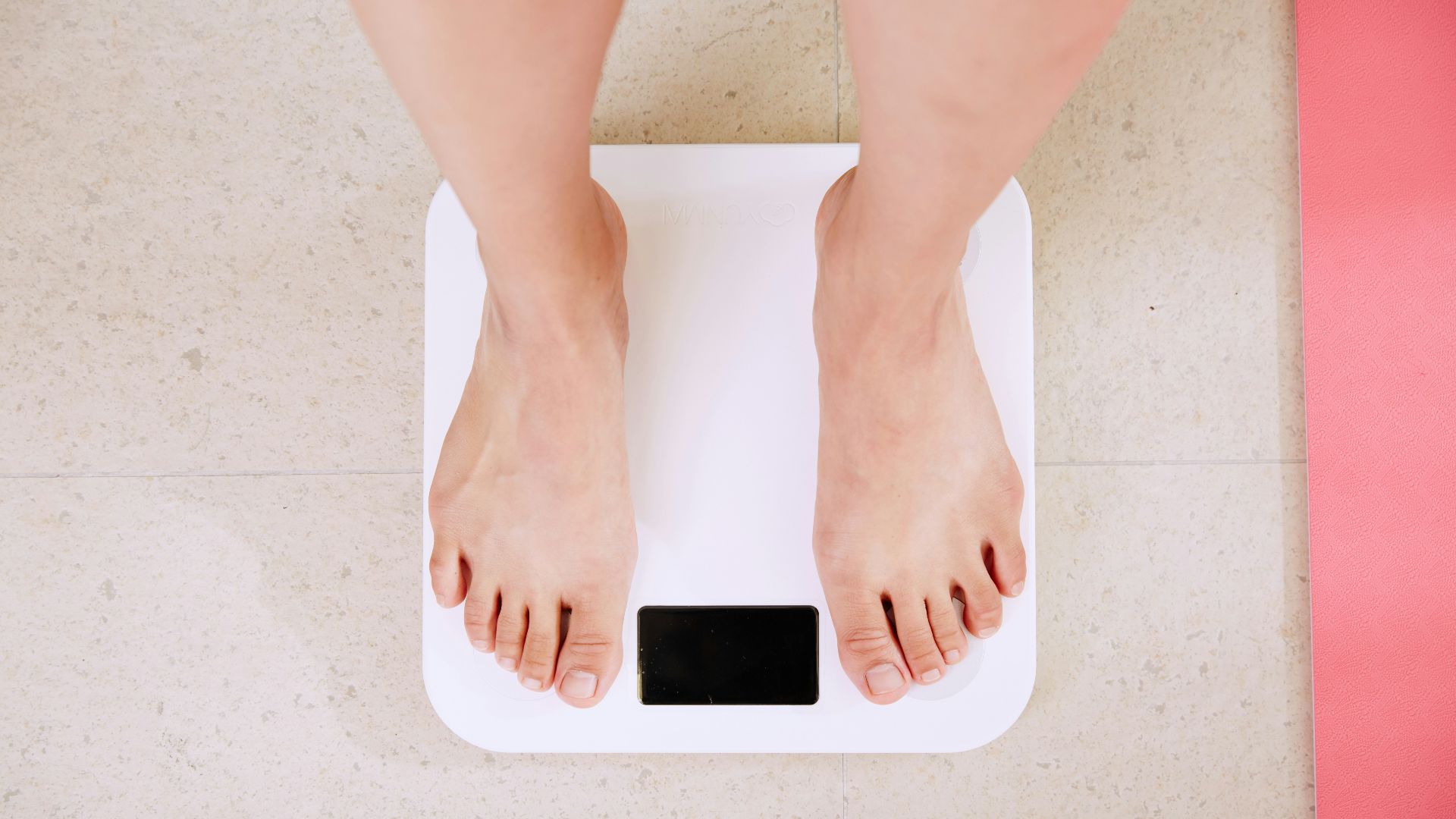
4. Aim for a Healthy Weight
Extra body fat is linked with a higher risk of multiple cancers, so weight management is a legitimate health goal. The best approach is usually slow and steady. Things like consistent movement, higher-fiber meals, and fewer liquid calories are effective and sustainable.
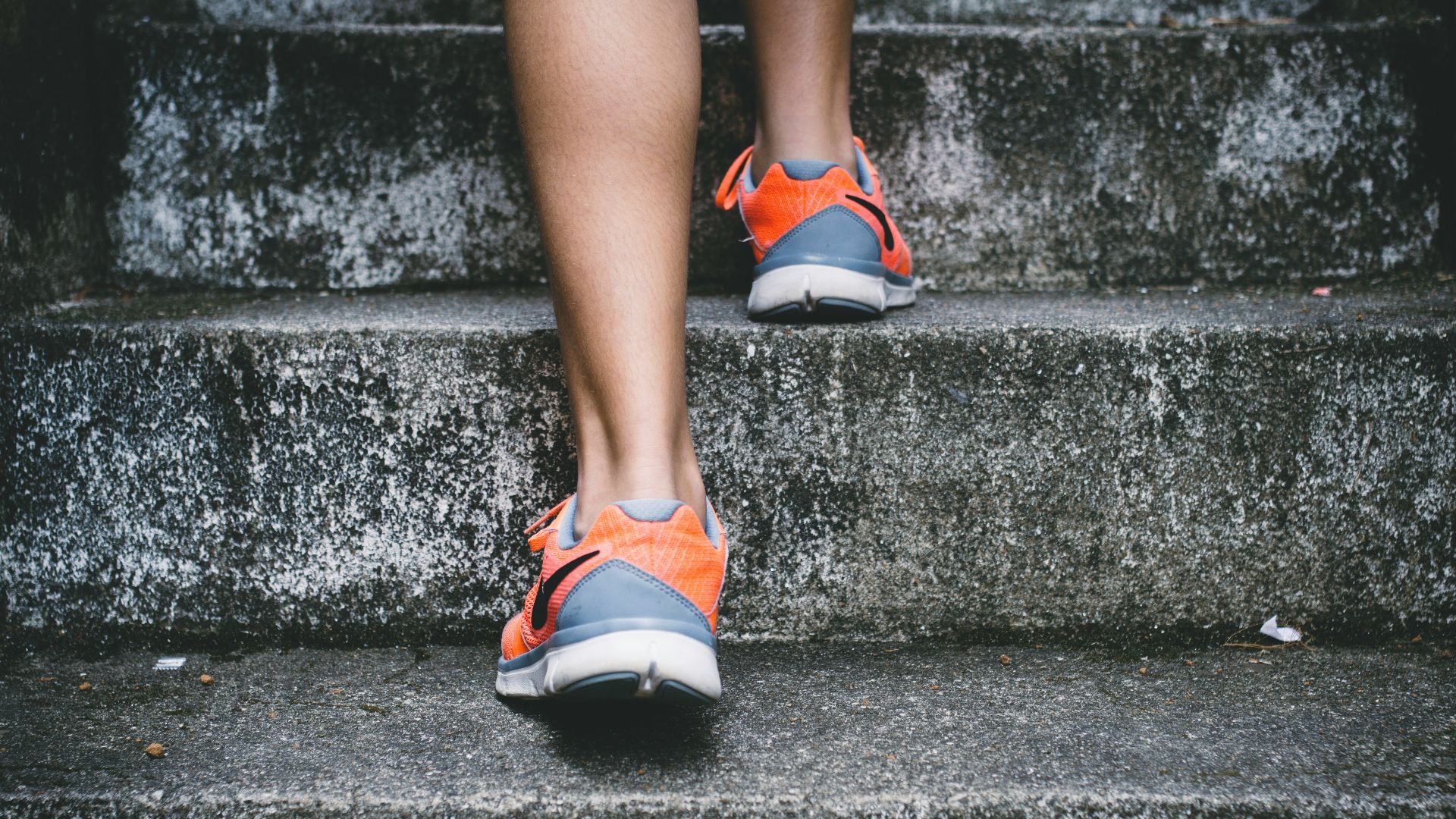
5. Move Your Body Every Day
Physical activity helps with weight control, hormones, inflammation, and overall metabolic health. You don’t need to become a marathon runner; brisk walks, cycling, dancing, and strength training all count. The key is consistency, because your body responds to what you do repeatedly.
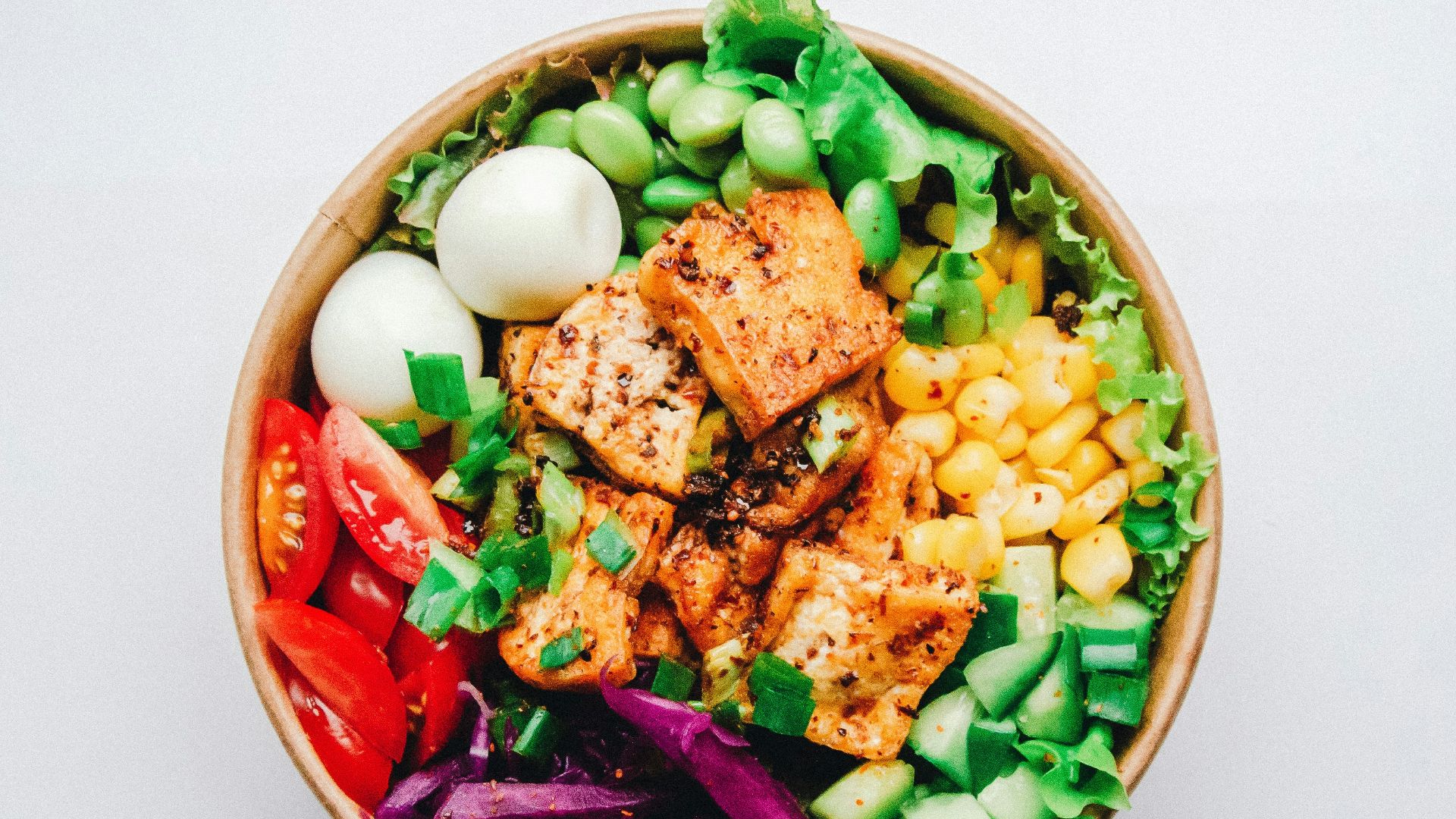
6. Build Your Plate Around Plants
A mostly plant-forward eating pattern supports fiber intake and helps reduce reliance on more strongly linked risk foods. You don’t have to go fully vegetarian, but you can integrate plenty of vegetables, beans, fruit, and whole grains. When your plate looks colorful most days, you’re usually doing something right.
7. Limit Processed Meat
Processed meats (like bacon, hot dogs, and deli meats) are classified as a Group 1 carcinogen, meaning there's strong evidence that they cause cancer. Fill your sandwiches with chicken, tuna, hummus, or vegetables instead. Swapping a few meals a week makes a difference without feeling like punishment.

8. Limit Red Meat
Many guidelines suggest limiting red meat and choosing more fish, poultry, or plant proteins. This is not about never eating steak again; it’s about not making it the foundation of your diet. If you’re used to big portions, downsizing the serving and adding vegetables is a smart move.

9. Choose Whole Grains & High-Fiber Foods
Fiber is your friend for gut health and better metabolic regulation, and it often replaces more refined carbs that don’t help much. Whole grains, beans, lentils, and vegetables make meals more filling with less prominent blood sugar spikes. If you’re not used to fiber, ramp up gradually and drink more water to help your digestion.

10. Cut Back on Sugary Drinks
Sugary drinks make it easy to take in a lot of calories without feeling full, which can push weight upward over time, increasing your risk of a myriad of health problems, including cancer. Swapping soda and sweetened coffee drinks for water, unsweetened tea, or sparkling water is a high-impact move that doesn't take that much thought.

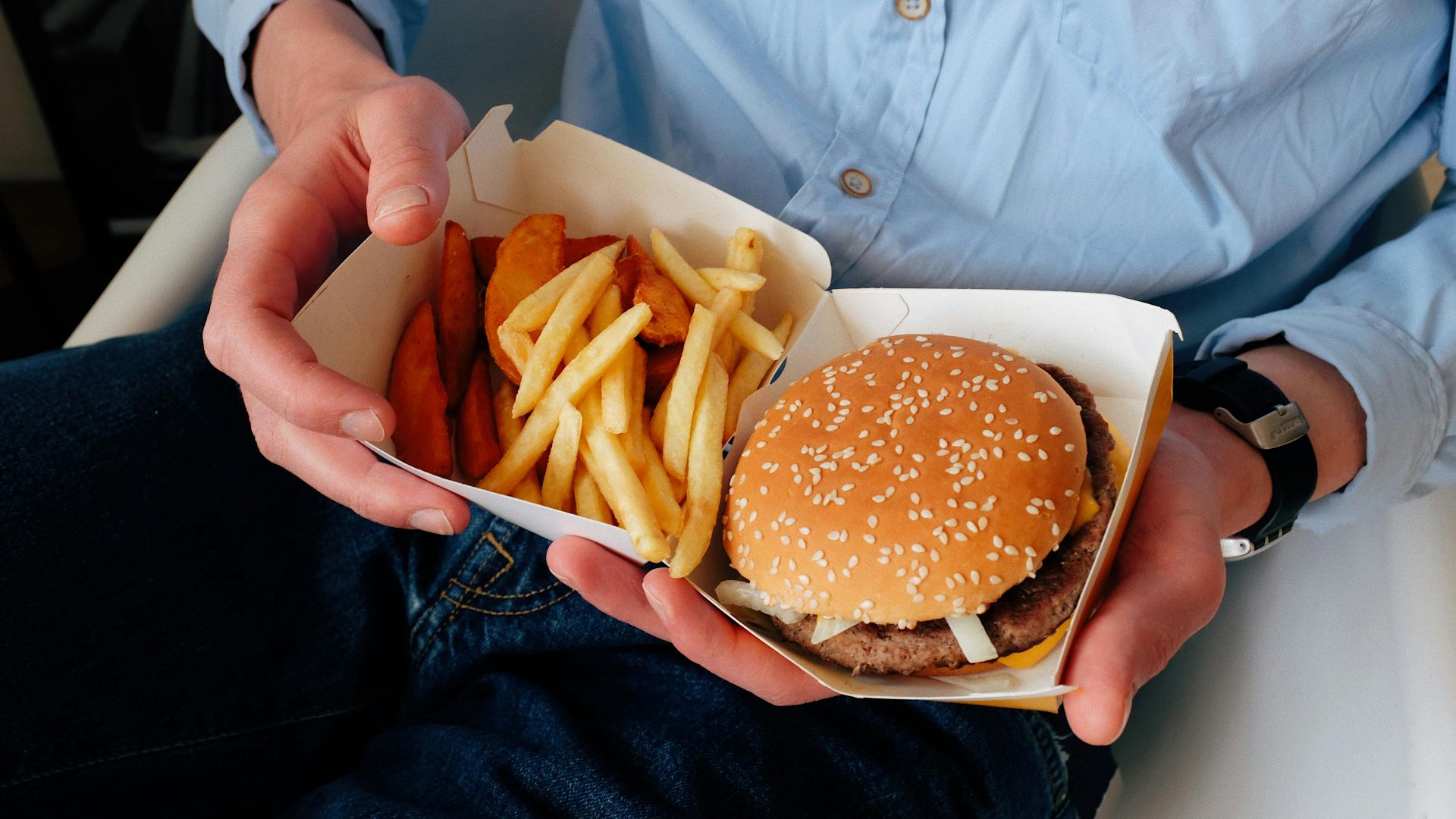
11. Avoid Ultra-Processed Foods
Ultra-processed foods (UPFs) like fast foods and packaged snacks are convenient, but studies show a strong link between a high consumption of UPFs and an increased risk of cancer. They also tend to be low in fiber and easy to overeat. A practical goal is making the “easy” option slightly better, like adding vegetables, choosing simpler ingredient lists, or cooking one extra meal at home each week.
12. Protect Your Skin From the Sun
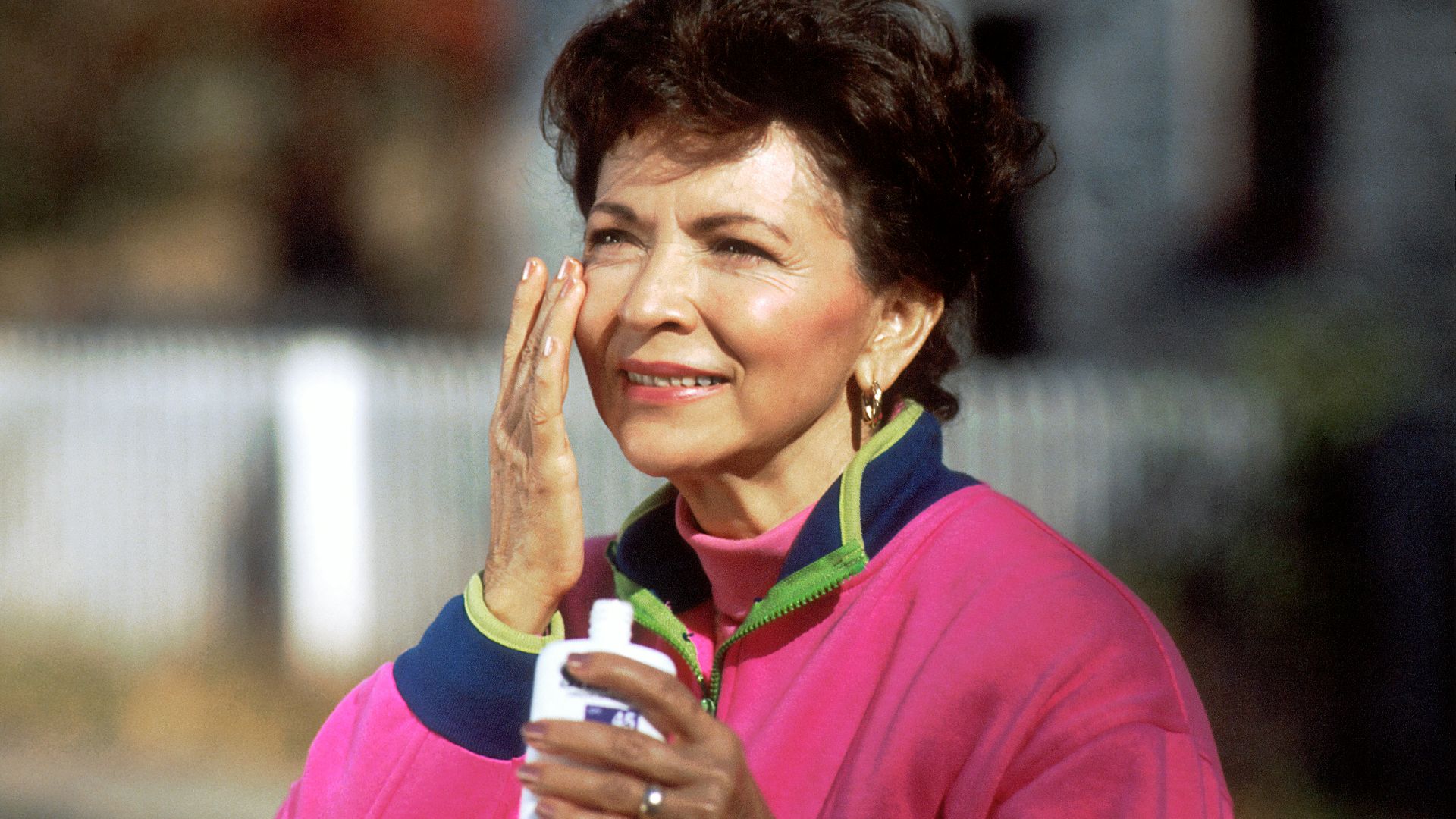
UV exposure is a major preventable cause of skin cancer, so sun protection is real prevention, not vanity. Use sunscreen, seek shade, and cover up when you’re outdoors for extended periods. The habit that works is the one you’ll repeat, so pick a sunscreen you don’t hate.
 National Cancer Institute on Unsplash
13. Skip Tanning Beds
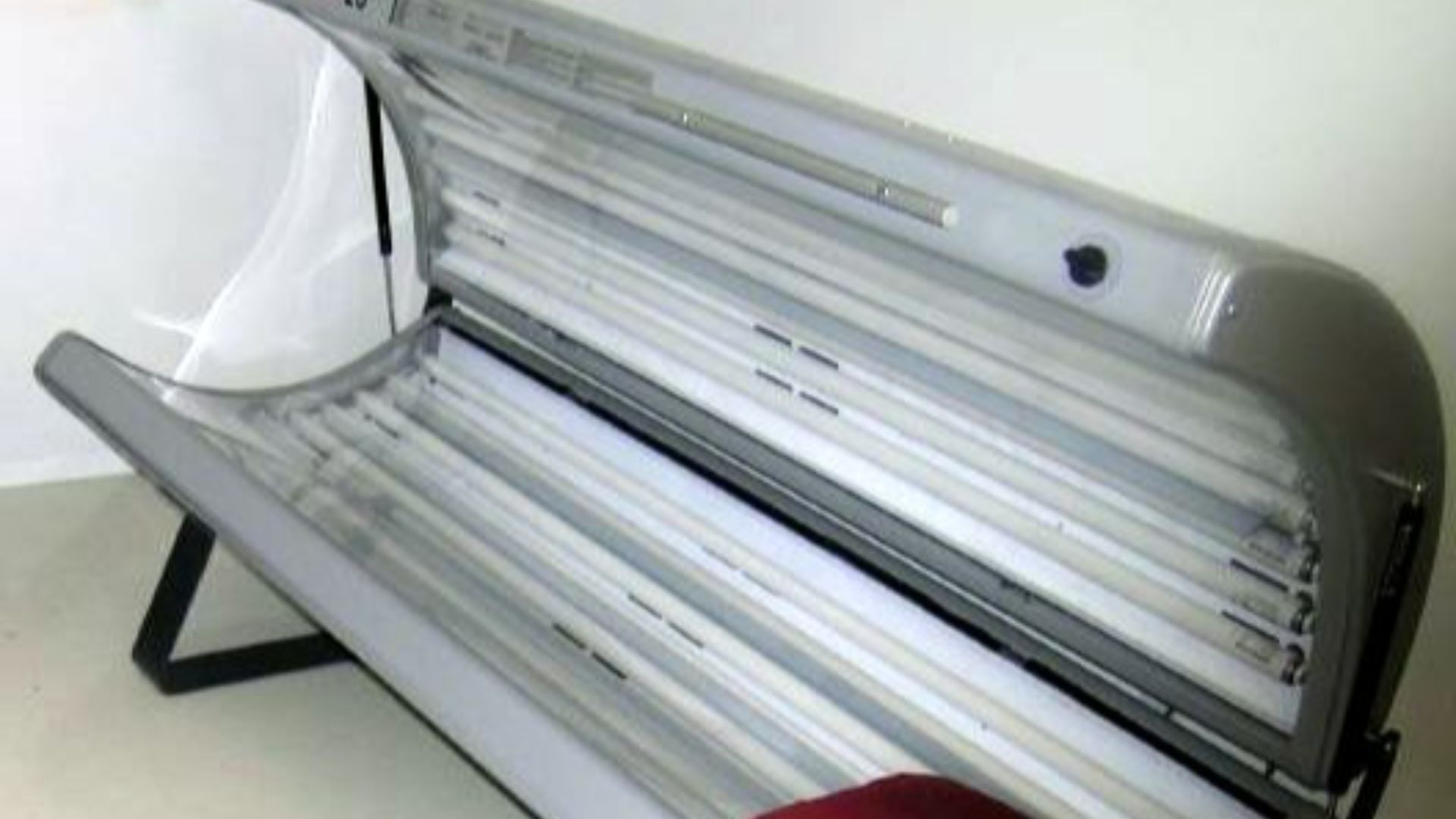
Indoor tanning exposes you to concentrated UV radiation, and it’s strongly linked to skin cancer risk. If you want the look, sunless tanning products are the safer route. It’s one of those swaps where you don’t lose much, but you gain a lot.
14. Get the HPV Vaccine If You’re Eligible
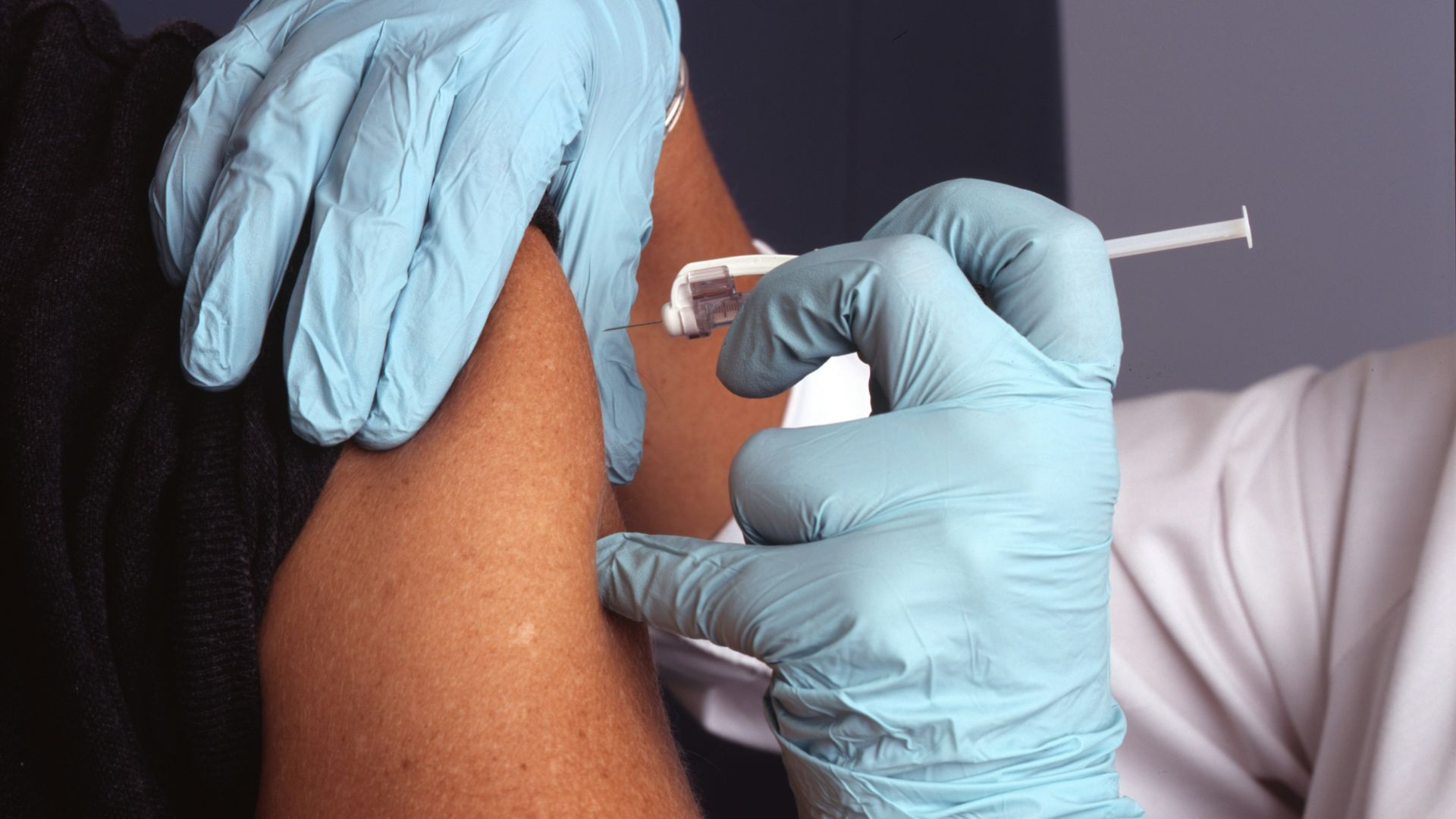
HPV causes several cancers, and vaccination can prevent HPV infections that lead to cancer later. The CDC recommends routine HPV vaccination at ages 11–12 (it can start at 9) and catch-up through age 26. It’s a powerful prevention tool that doesn’t require daily effort.
 National Cancer Institute on Unsplash
15. Protect Yourself From Hepatitis Infections
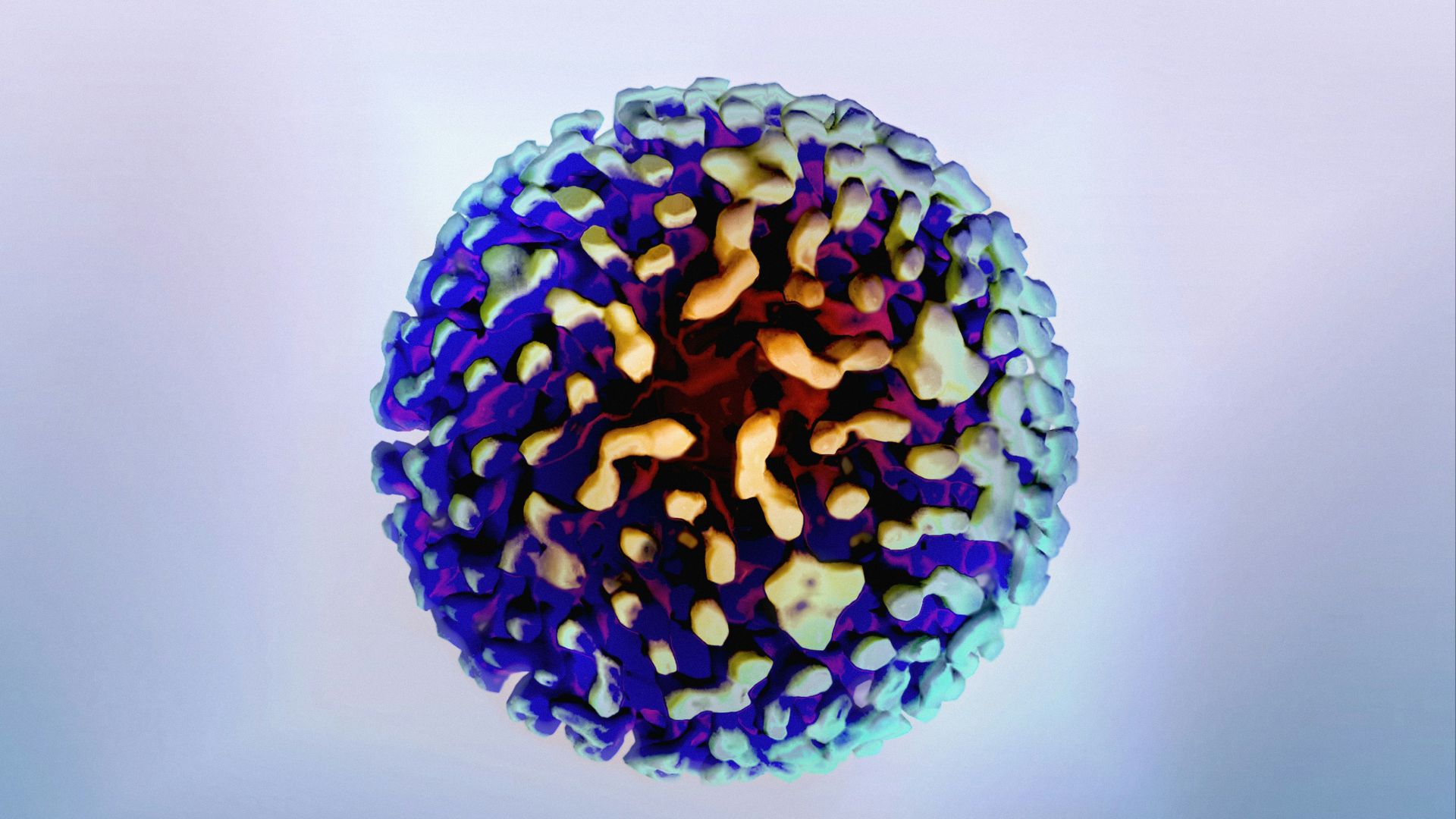
Some cancers are linked to chronic infections, and hepatitis B is a big one for liver cancer risk. Vaccination and safer practices reduce the chance of long-term infection. If you’re unsure about your status, screening is a simple conversation to have with your doctor.
 National Institute of Allergy and Infectious Diseases on Unsplash
16. Get Regular STI Checks
HPV isn’t the only infection that can affect long-term health, and routine health care helps you catch problems early. Using protection and having honest conversations about testing reduces risk and exposure.
 http://www.scientificanimations.com on Wikimedia
17. Keep Up With Recommended Cancer Screenings
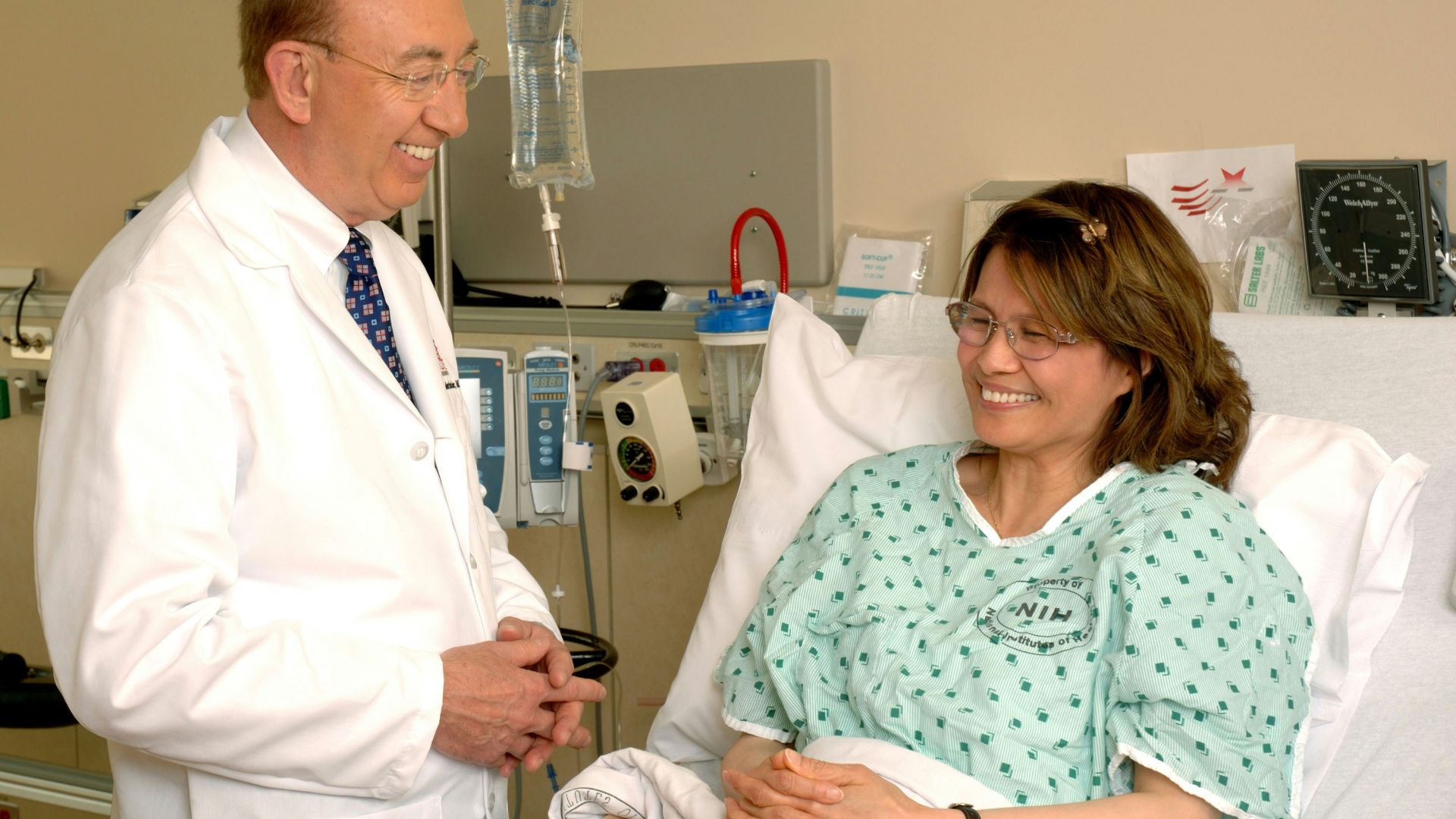
Screenings don’t prevent every cancer, but they can find precancerous changes or catch cancer earlier when treatment works better. Think of it as maintenance, like checking a smoke alarm before it matters. Your ideal schedule depends on age, sex, and family history, so it’s worth reviewing annually.
 National Cancer Institute on Unsplash
18. Test Your Home for Radon
Radon is an invisible gas that can build up indoors and is a known lung cancer risk, especially for smokers. Testing is straightforward, and fixing high levels is usually possible. Since you can’t smell it, you won’t notice the risk without a test.
 Muhamad Reza Junianto on Unsplash
19. Reduce Exposure to Workplace Carcinogens
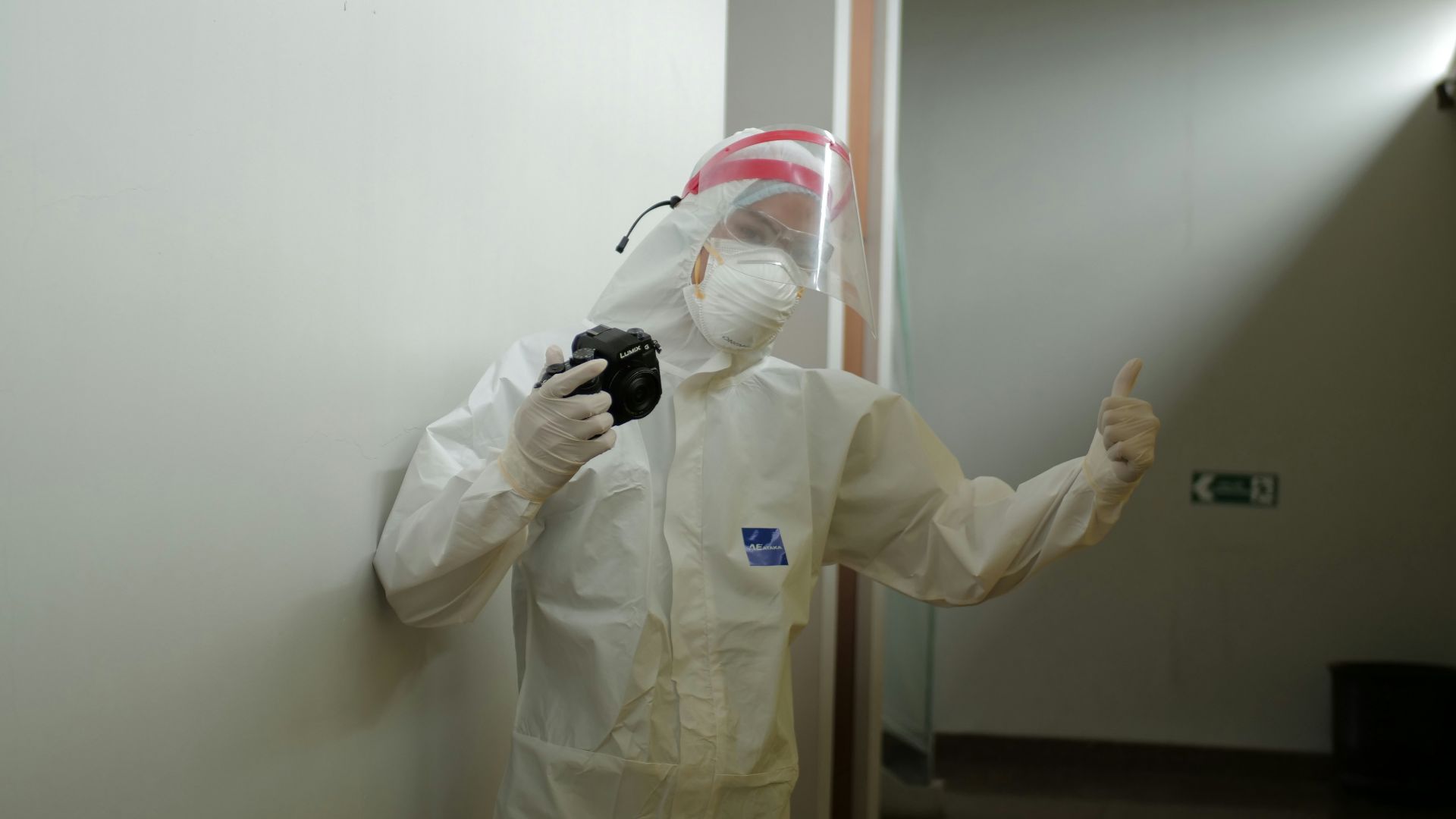
Some jobs involve substances or dusts that increase cancer risk, and the protection strategy is often simple, like proper ventilation, respirators, and following safety rules consistently. If protective equipment is offered, use it, even when it’s annoying.
20. Pay Attention to Air Quality
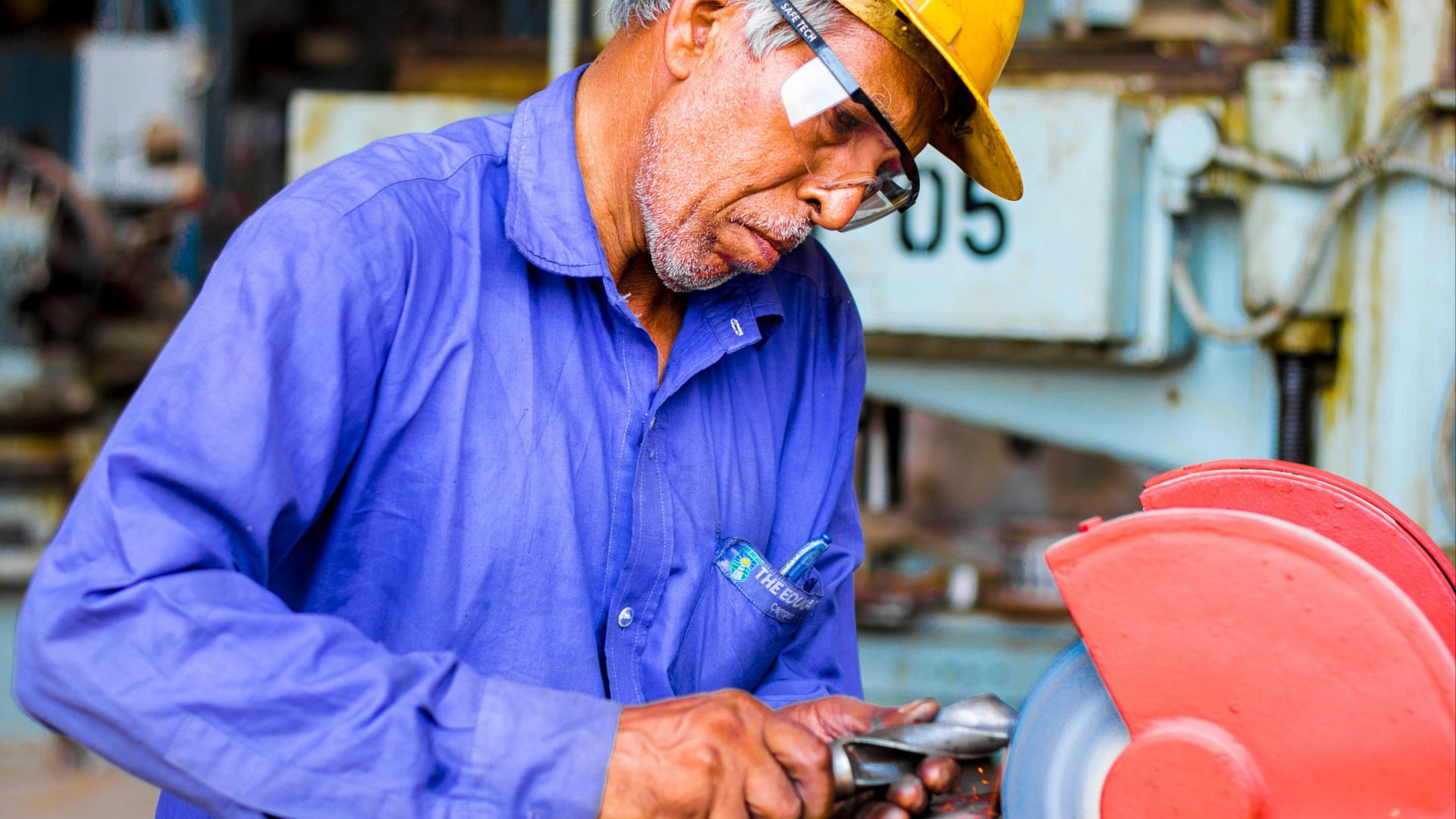
Pay attention to your weather app when it says the air quality is poor. Air pollution is linked to cancer risk, and while you can’t control the whole atmosphere, you can reduce your exposure. On bad air days, closing windows, using a good filter indoors, and limiting intense outdoor exercise can help.
KEEP ON READING