Give Your Gut a Little More Variety
Your digestive system benefits from a varied diet that includes fiber, fluids, and a wide range of plant foods. There isn't one food that can magically "fix" your gut, and you don't need to completely change the way you eat overnight to support healthy digestion. Instead, adding different fruits, vegetables, whole grains, legumes, nuts, seeds, and fermented foods can help provide the nutrients and dietary fibers your body needs.
 Priscilla Du Preez 🇨🇦 on Unsplash
1. Yogurt
Yogurt can provide live cultures, along with protein and calcium, depending on the variety you choose. These cultures are often called probiotics, and certain strains can support digestive health. Try adding yogurt to breakfast with fruit and oats, or simply enjoy it as a snack.

2. Oatmeal
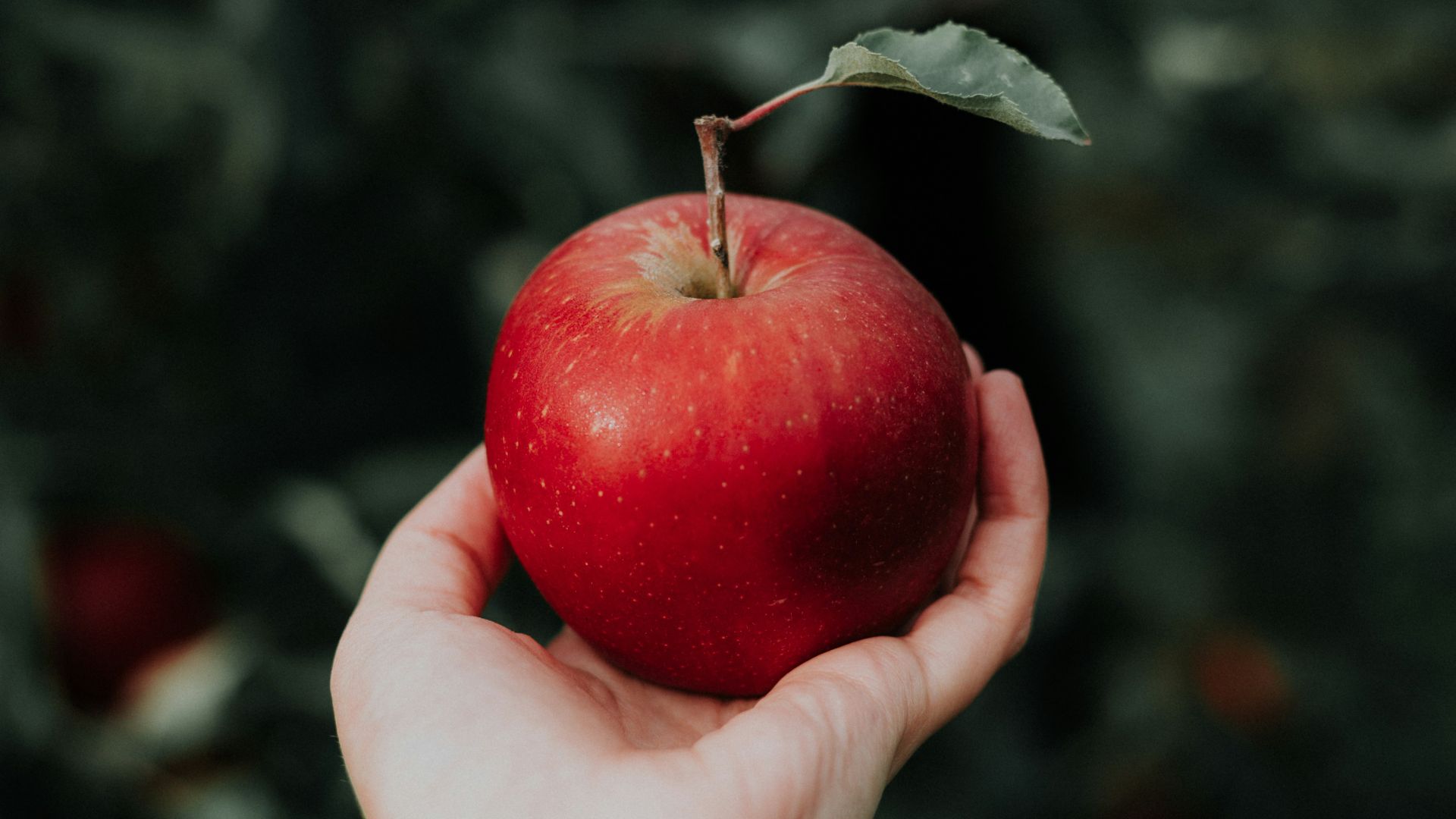
Oats are high in soluble fiber, including a type known as beta-glucan. Fiber can help promote regular bowel movements and support a healthy gut environment. Top a warm bowl of oatmeal with berries, bananas, nuts or seeds to make it more appealing.
3. Bananas
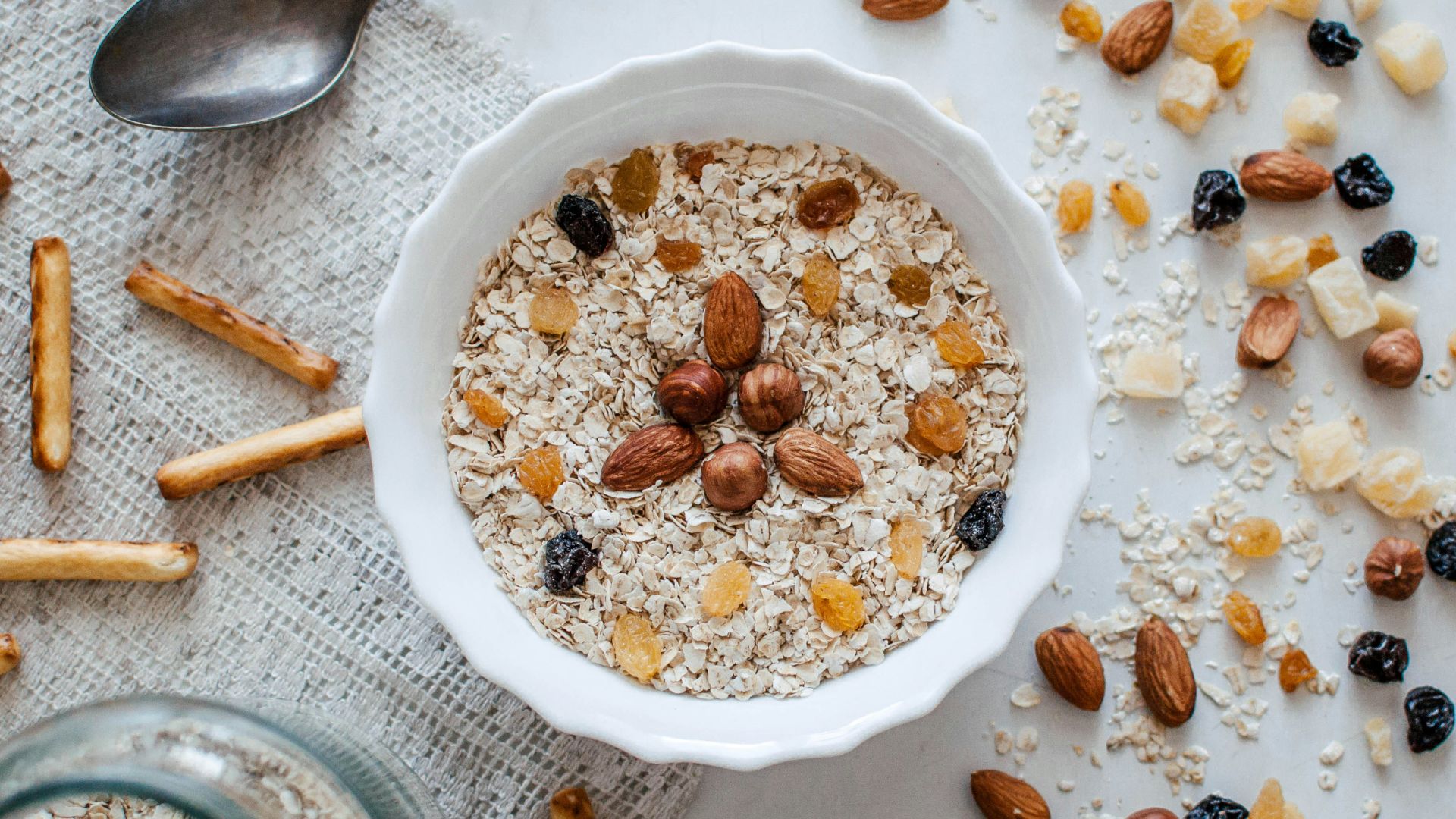
Bananas provide carbohydrates, fiber, and several vitamins and minerals in an easy-to-eat package. Less-ripe bananas contain more resistant starch, while ripe bananas become softer and sweeter as that starch changes. Either way, they're a convenient addition to breakfast or a snack.
4. Apples
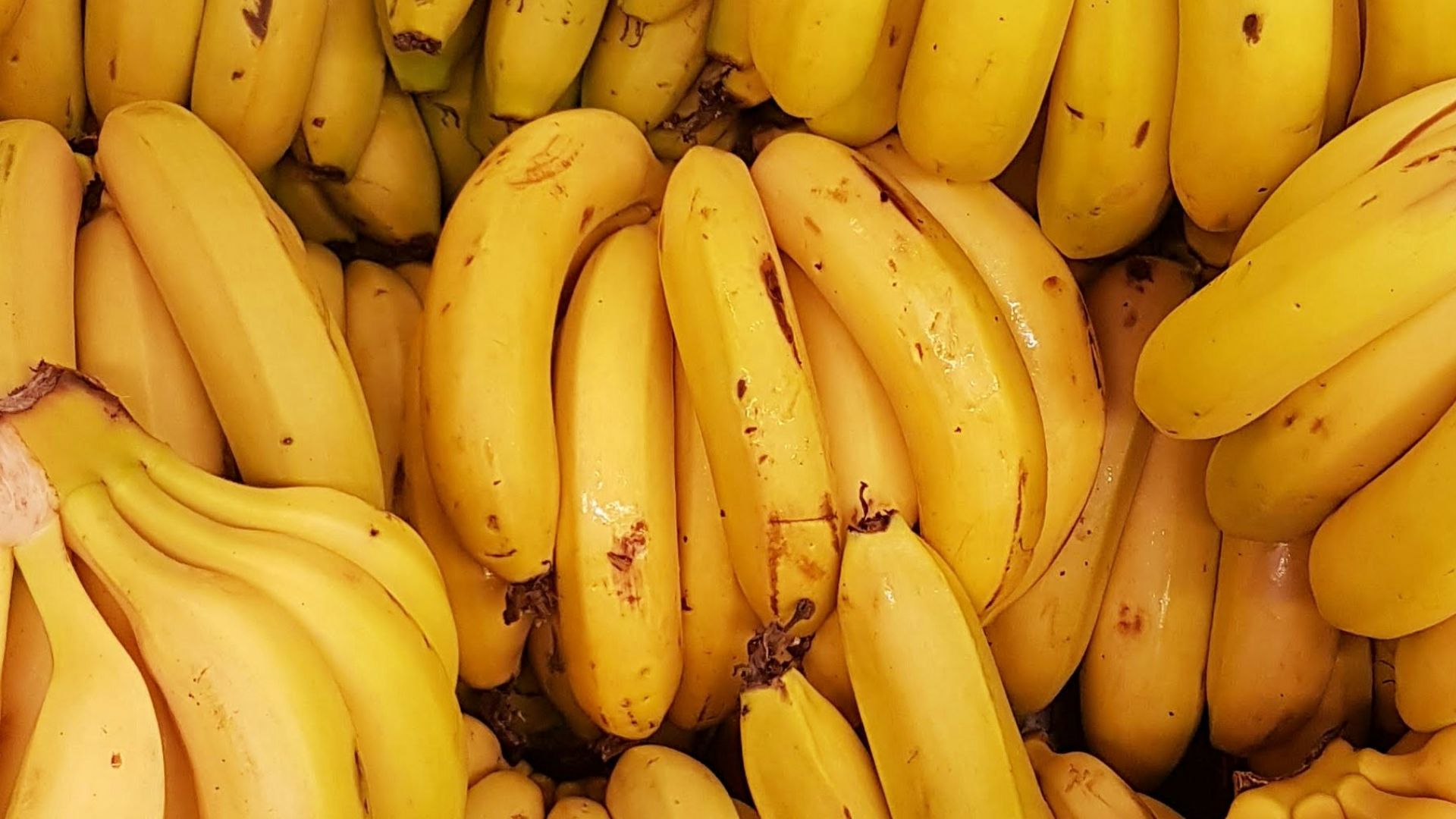
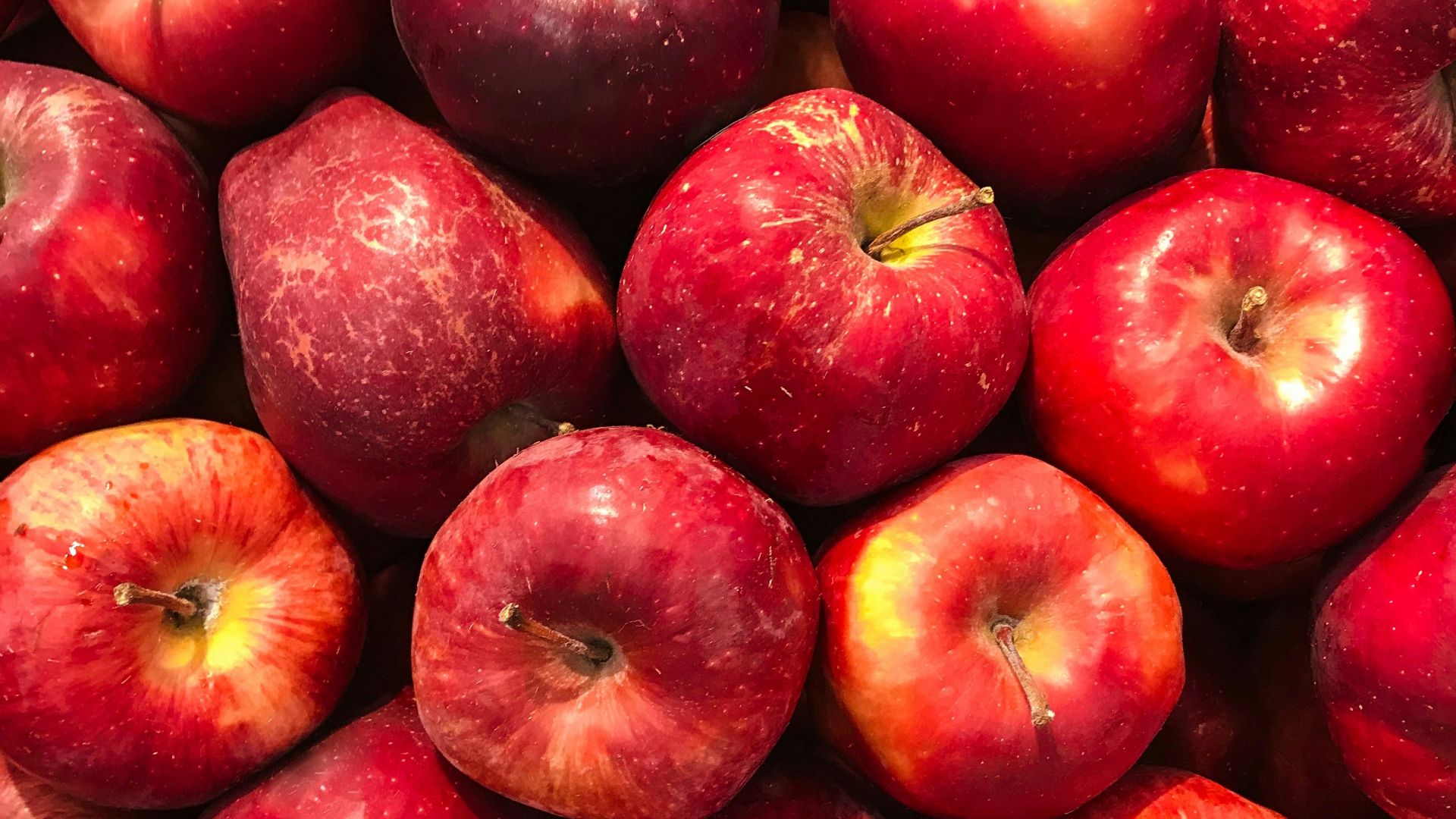
Apples contain fiber, including pectin that falls into the soluble fiber category. The skin contains fiber as well, so wash an apple and eat it with the peel on for an extra-simple option. Slice apples onto oatmeal or a salad, or eat one on its own.
5. Berries
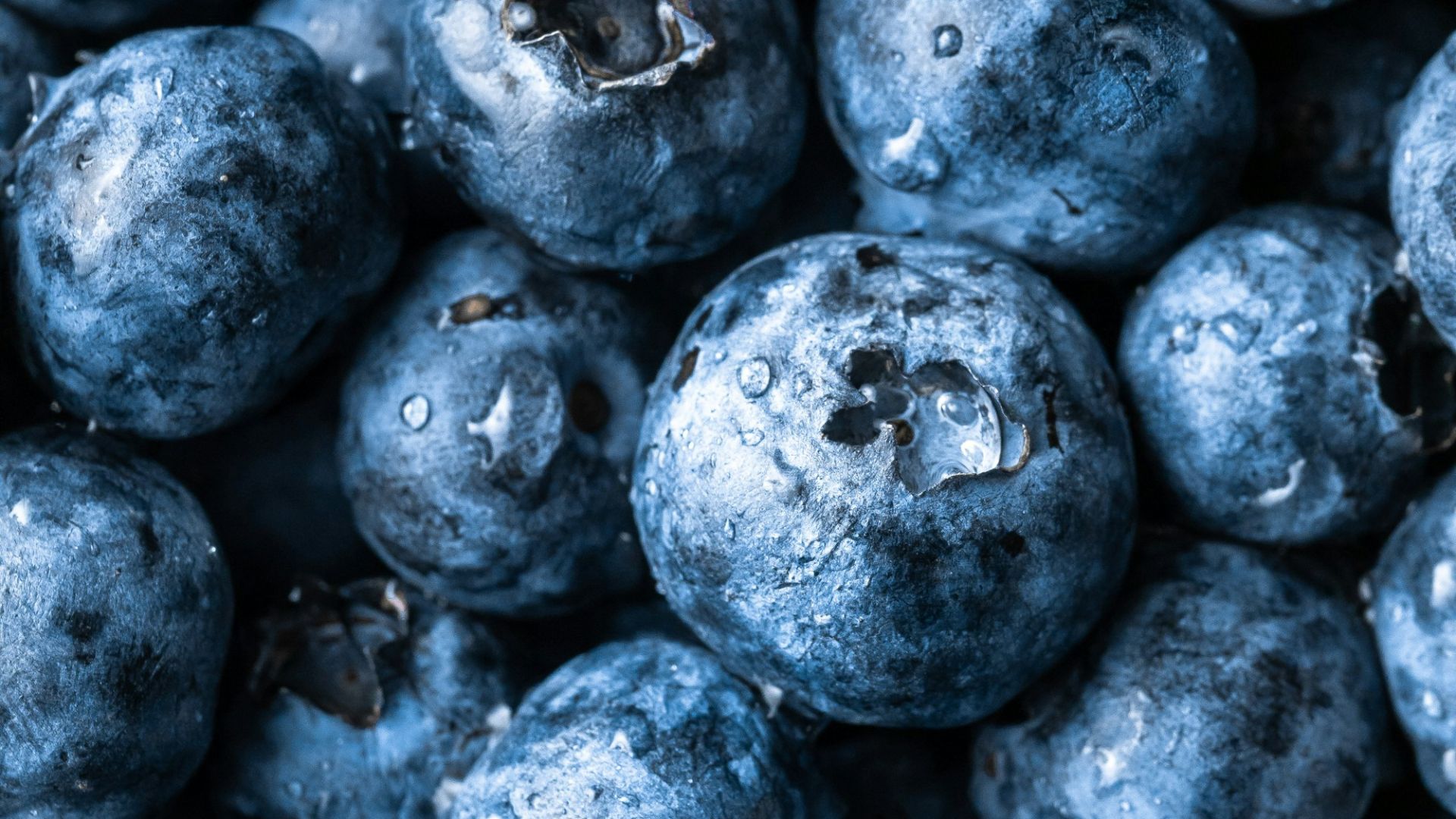
Strawberries, blueberries, raspberries, and blackberries bring both fiber and a variety of plant compounds to your meals. Raspberries and blackberries are particularly useful sources of dietary fiber. Toss some berries into cereal, yogurt, oatmeal, or a smoothie when you want an easy fruit addition.
6. Lentils
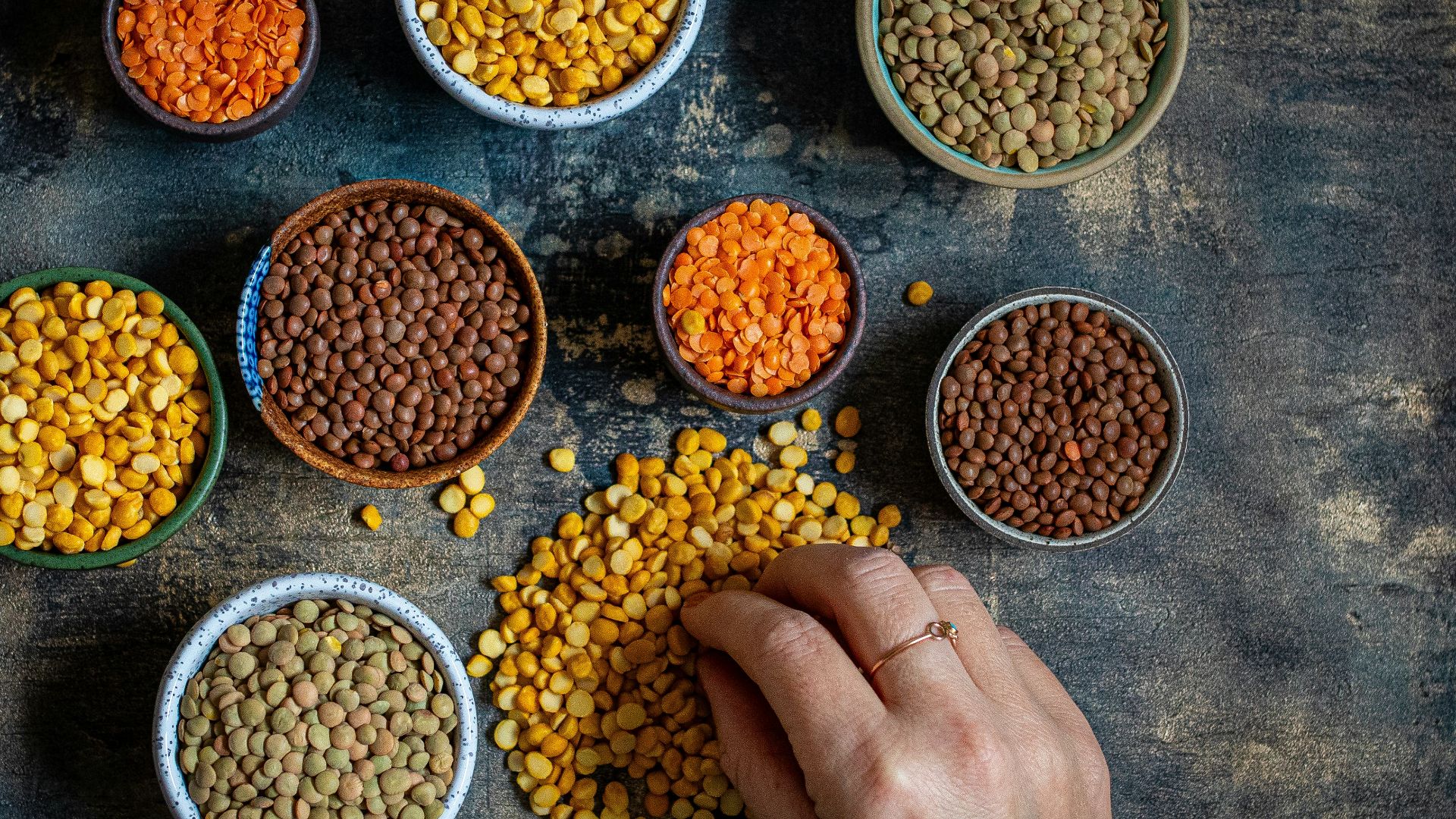
Lentils are a good source of fiber and plant-based protein. The fiber can help keep digestion regular, as well as add to the diversity of foods in your digestive tract. Throw them in soups, stews, salads or grain bowls without needing a recipe.
7. Chickpeas
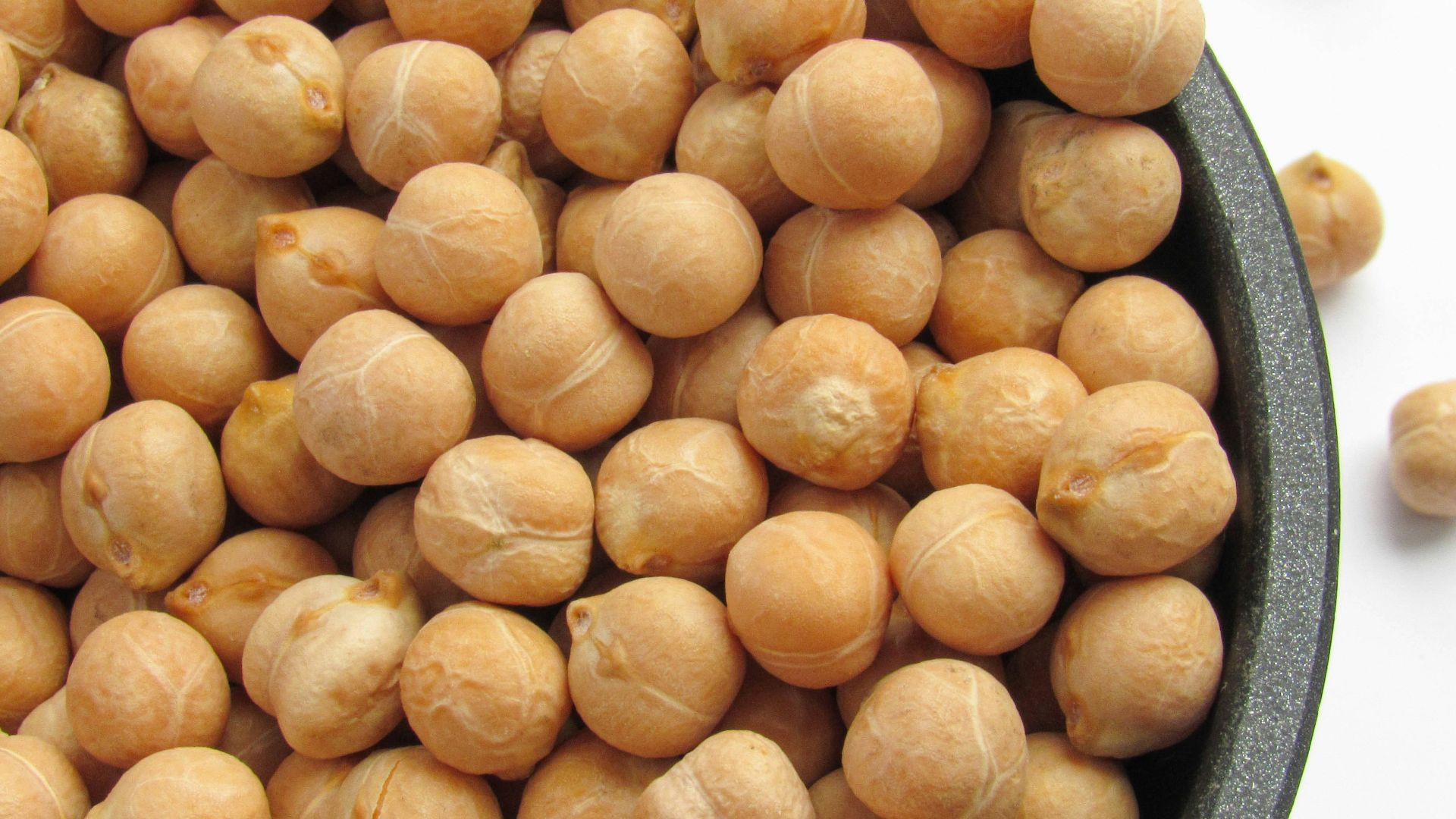
Chickpeas are another versatile legume that combines fiber, protein, and several important nutrients. You can blend them into hummus, add them to salads, or mix them into soups and curries. Roasted chickpeas can also make a crunchy addition to a meal. Eating a variety of legumes rather than relying on just one gives your diet more nutritional diversity.
8. Beans
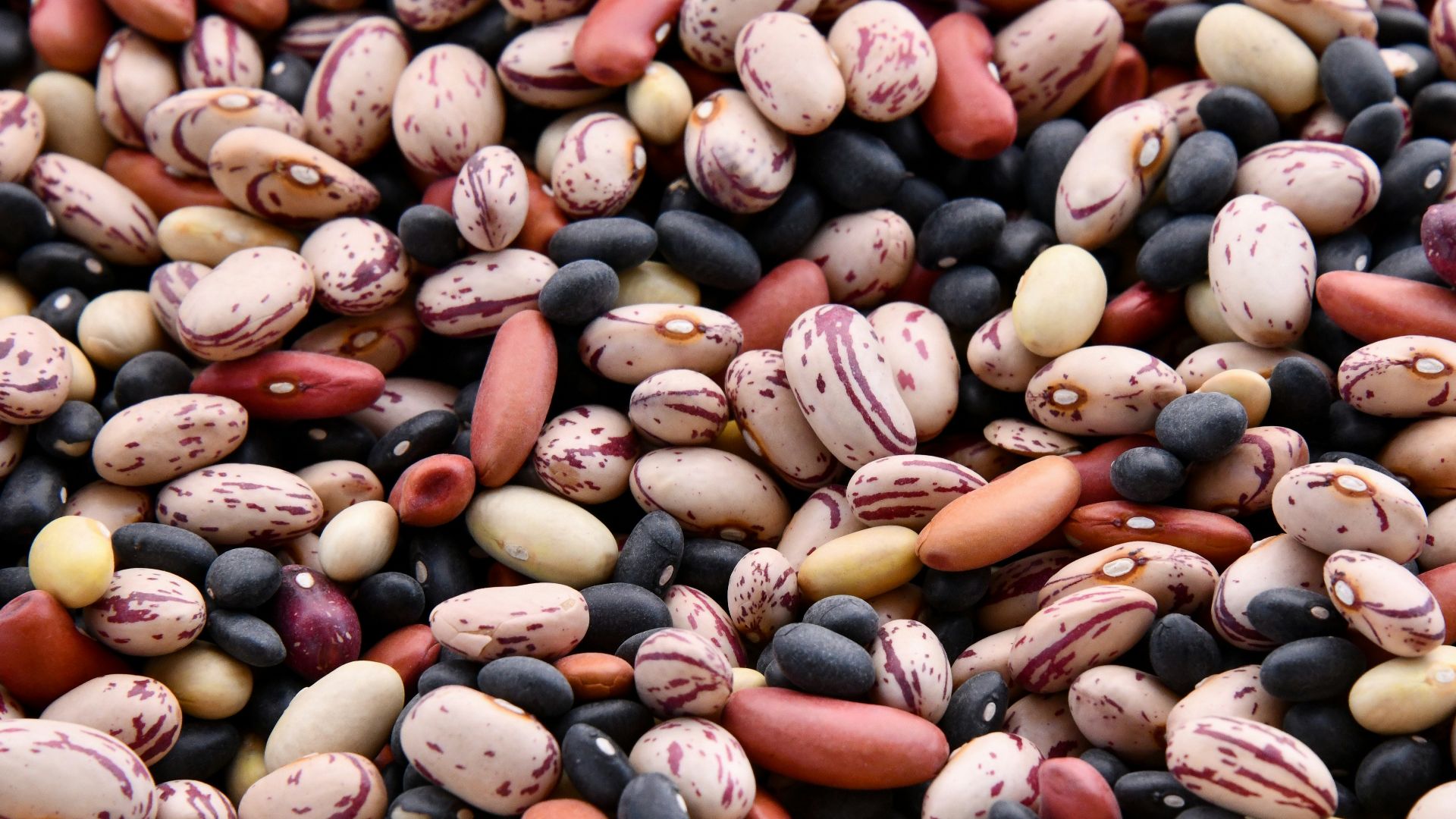
Black beans, kidney beans, pinto beans and others are high in dietary fiber. You can add them to tacos, chili, rice dishes, soups, salads and more without altering the whole meal. Buy canned beans for convenience, but rinse them before eating to lower the sodium content.
9. Whole-Grain Bread
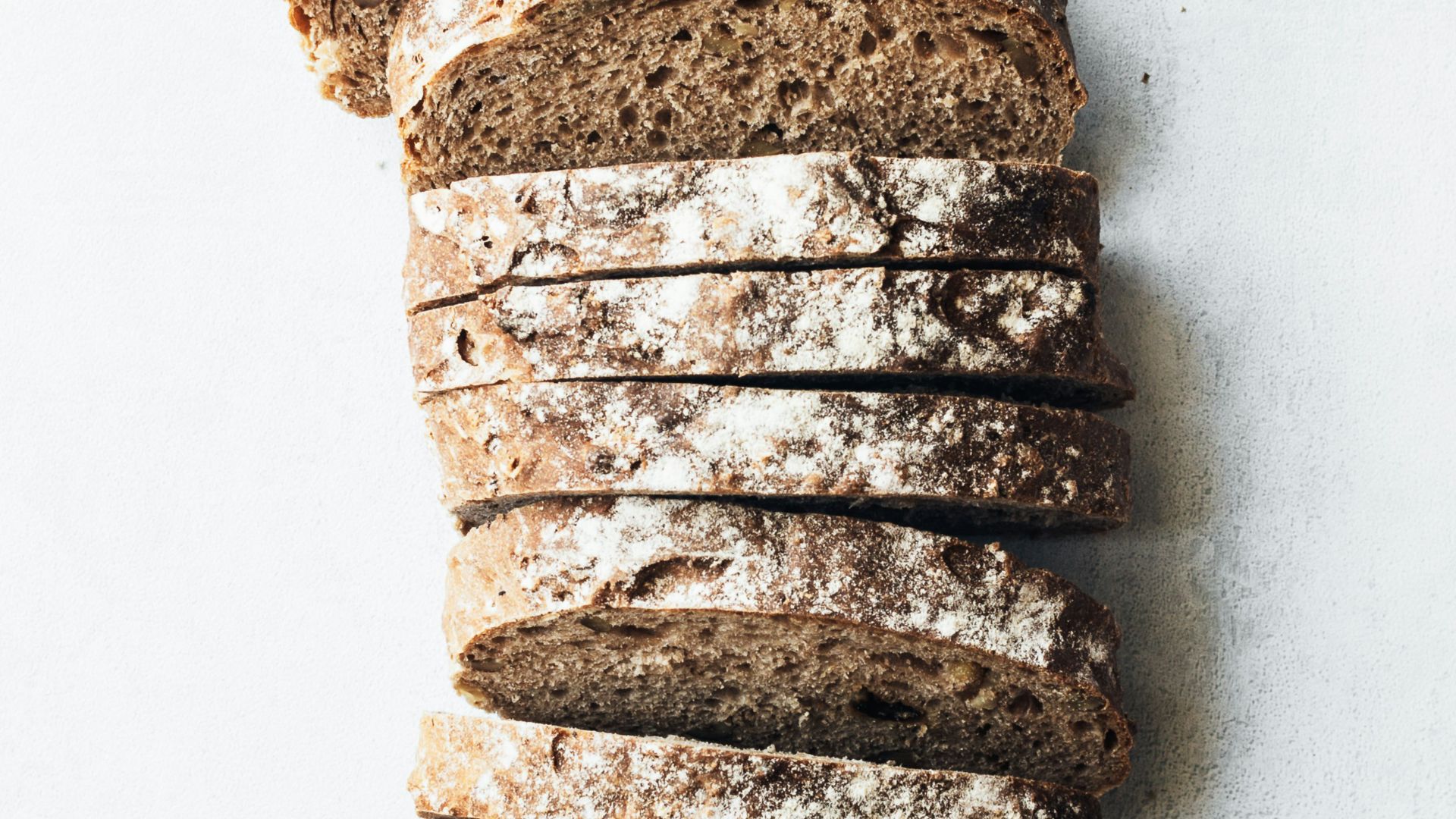
Whole-grain bread contains more of the grain than refined white bread, which generally means more fiber and nutrients. Fiber helps food move through your digestive system and supports regular bowel movements. Look for bread that lists a whole grain, such as whole wheat, as a primary ingredient.
10. Brown Rice
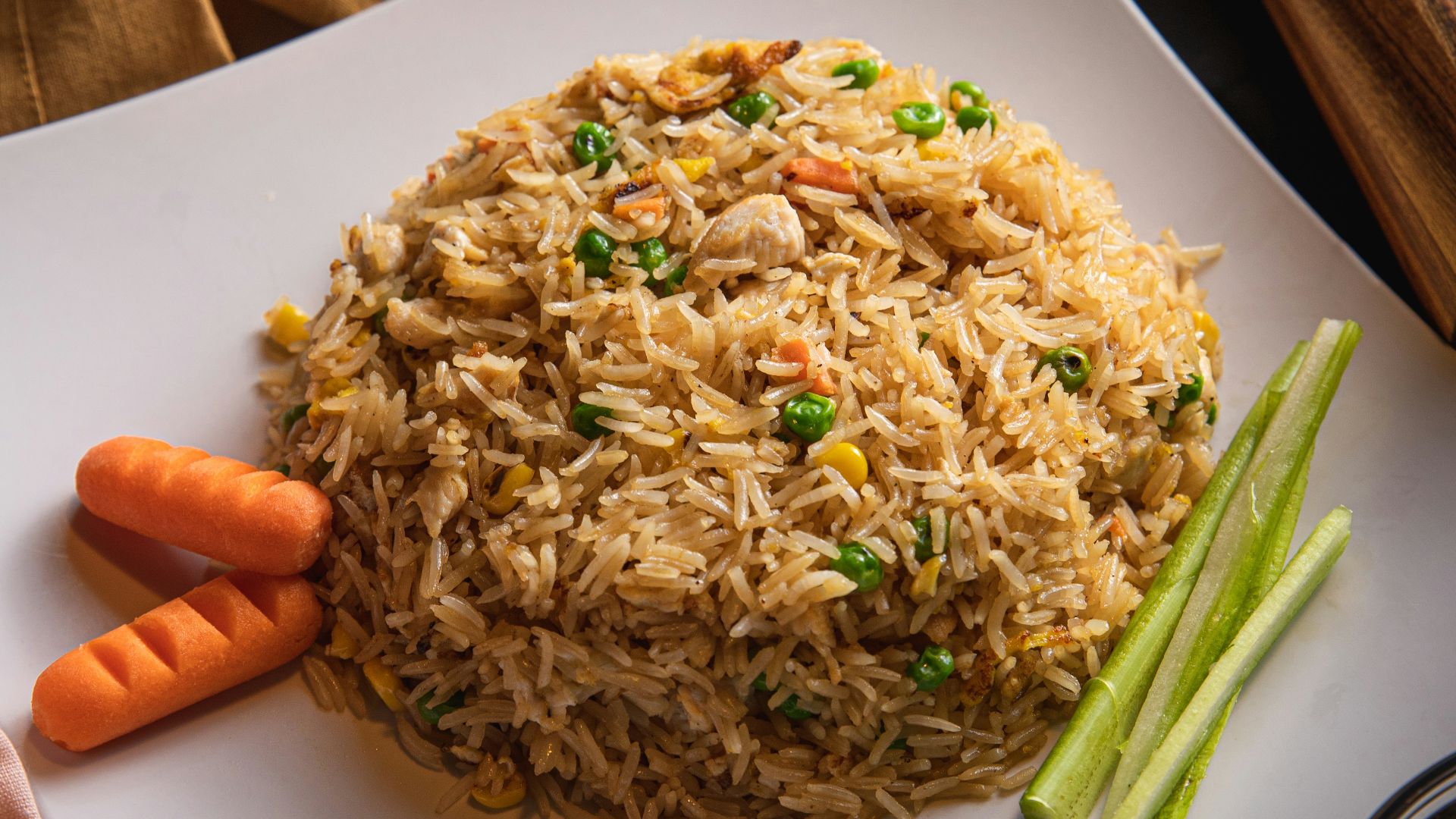
Brown rice retains the bran and germ of the grain, giving it more fiber than white rice. It's also an easy ingredient to incorporate into meals you're probably already eating. Serve it with beans, vegetables, chicken, tofu, or another protein for a balanced plate. If you prefer white rice, you don't need to eliminate it.
 Christopher Alvarenga on Unsplash
11. Sweet Potatoes
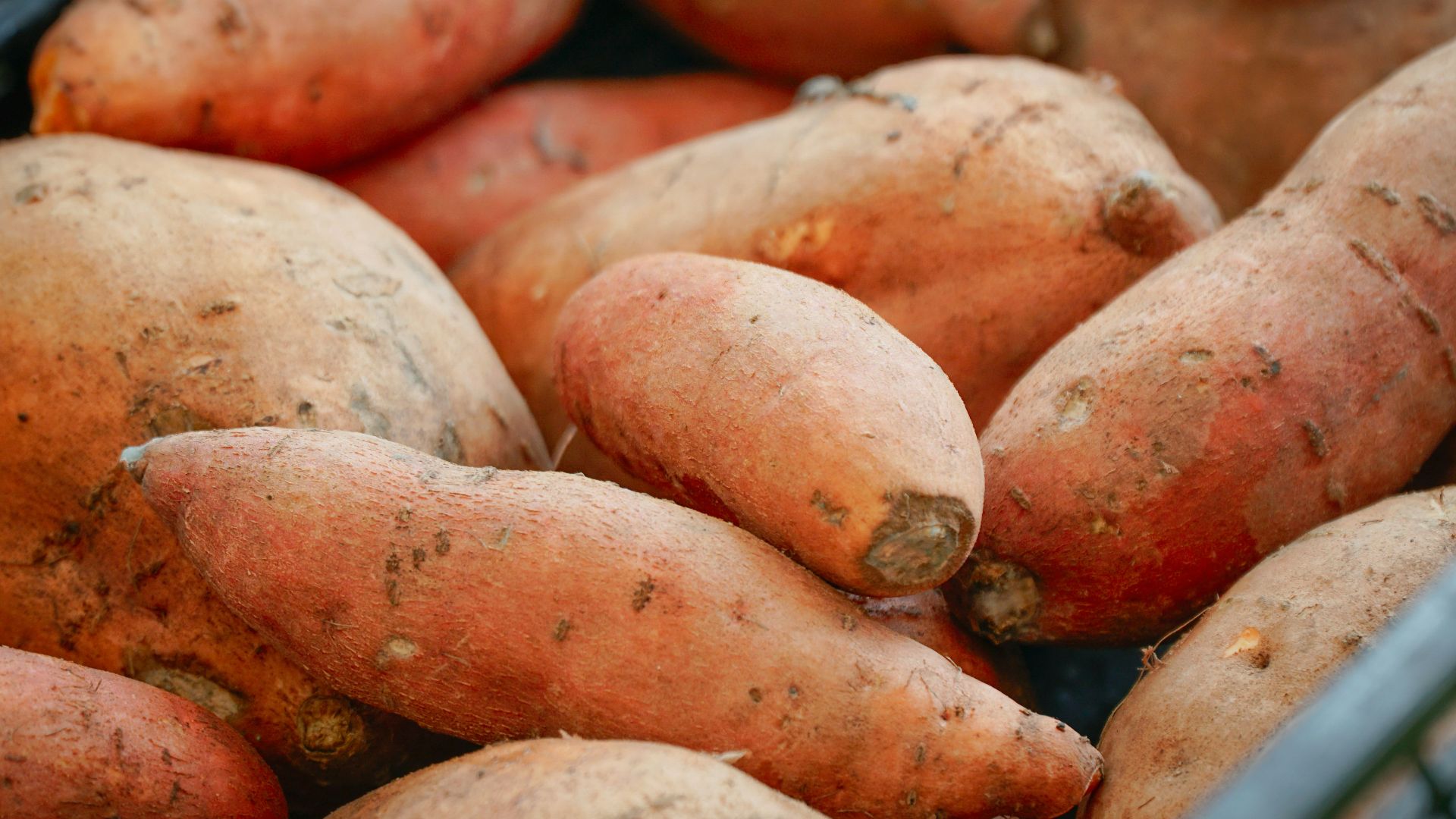
Sweet potatoes provide fiber along with potassium and other nutrients. Leaving the skin on when it's prepared appropriately can increase the fiber you get from the food. They work well baked, roasted, mashed, or added to soups and bowls. Their natural sweetness also makes them an easy way to add another type of vegetable to your meals.
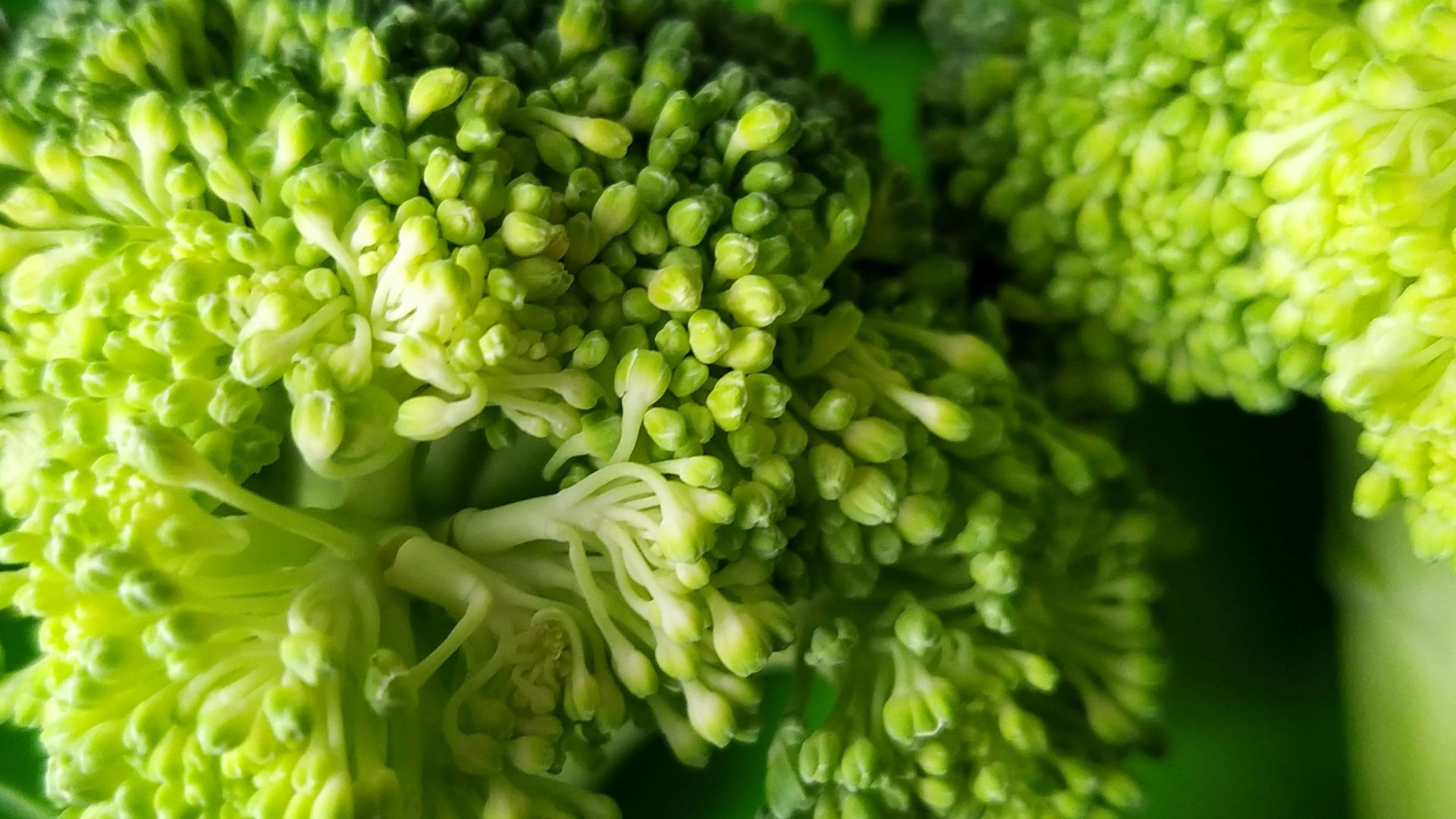
12. Broccoli
Broccoli is high in fiber and offers vitamins, minerals, and antioxidants. Steam it, roast it, stir-fry it, or eat it raw with dip. Cooking broccoli can help if it upsets your stomach when eaten raw.
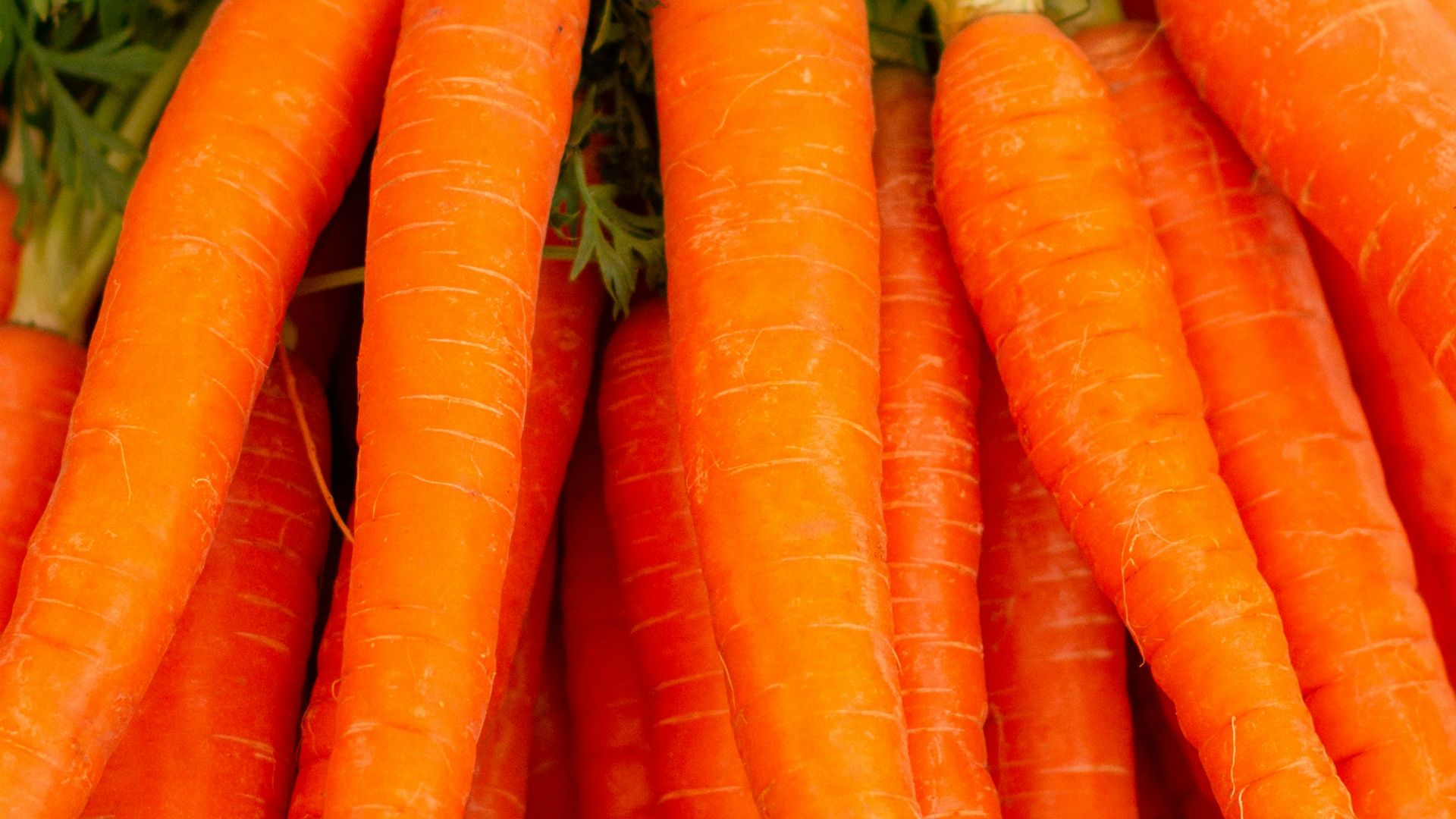
13. Carrots
Carrots provide fiber and are an especially convenient vegetable for snacks and meals. You can eat them raw, roast them, add them to soups, or mix them into other dishes. Their mild flavor makes them easy to pair with foods you already enjoy.
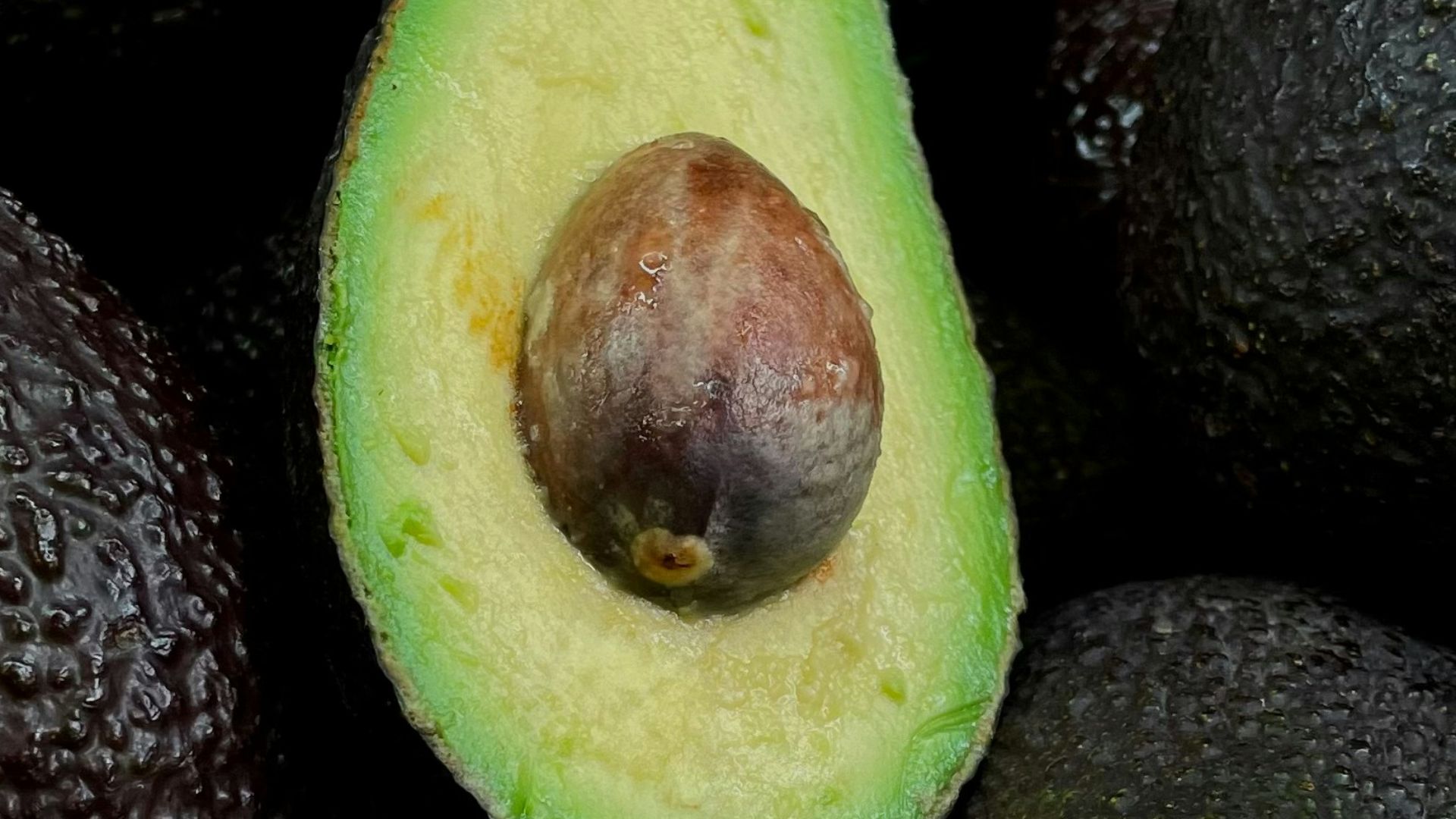
14. Avocado
Avocados contain fiber, heart-healthy fats, and several vitamins and minerals. Their creamy texture makes them ideal for sandwiches, salads, wraps, and grain bowls. Try avocado toast if that’s a favorite of yours as well.
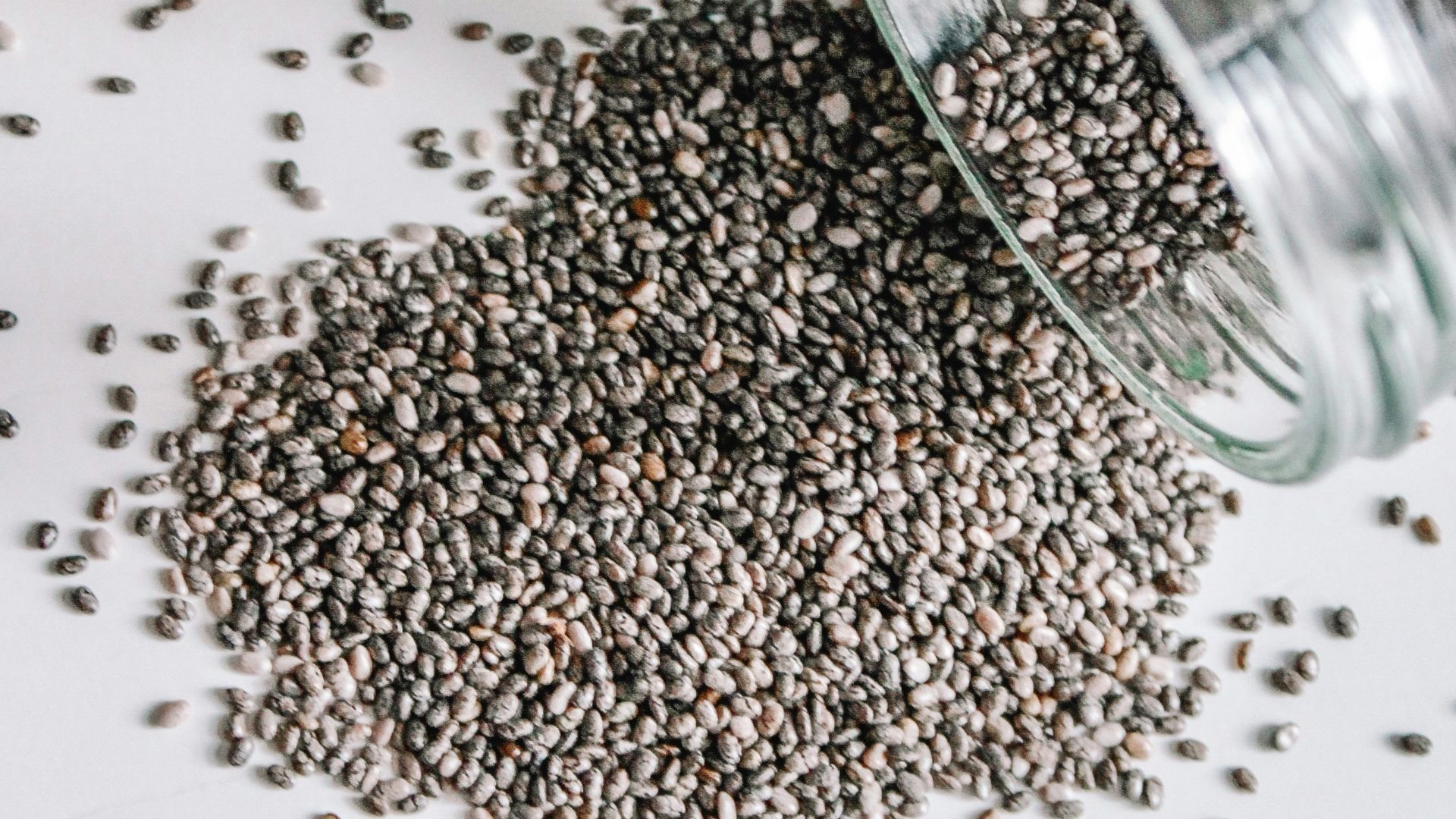
15. Chia Seeds
Chia seeds contain a considerable amount of fiber for their small size, along with healthy fats and minerals. When mixed with liquid, they absorb water and develop a gel-like texture that works well in puddings, oatmeal, and smoothies. Because they add a lot of fiber, don't suddenly eat large amounts if your usual diet is low in fiber.
16. Almonds
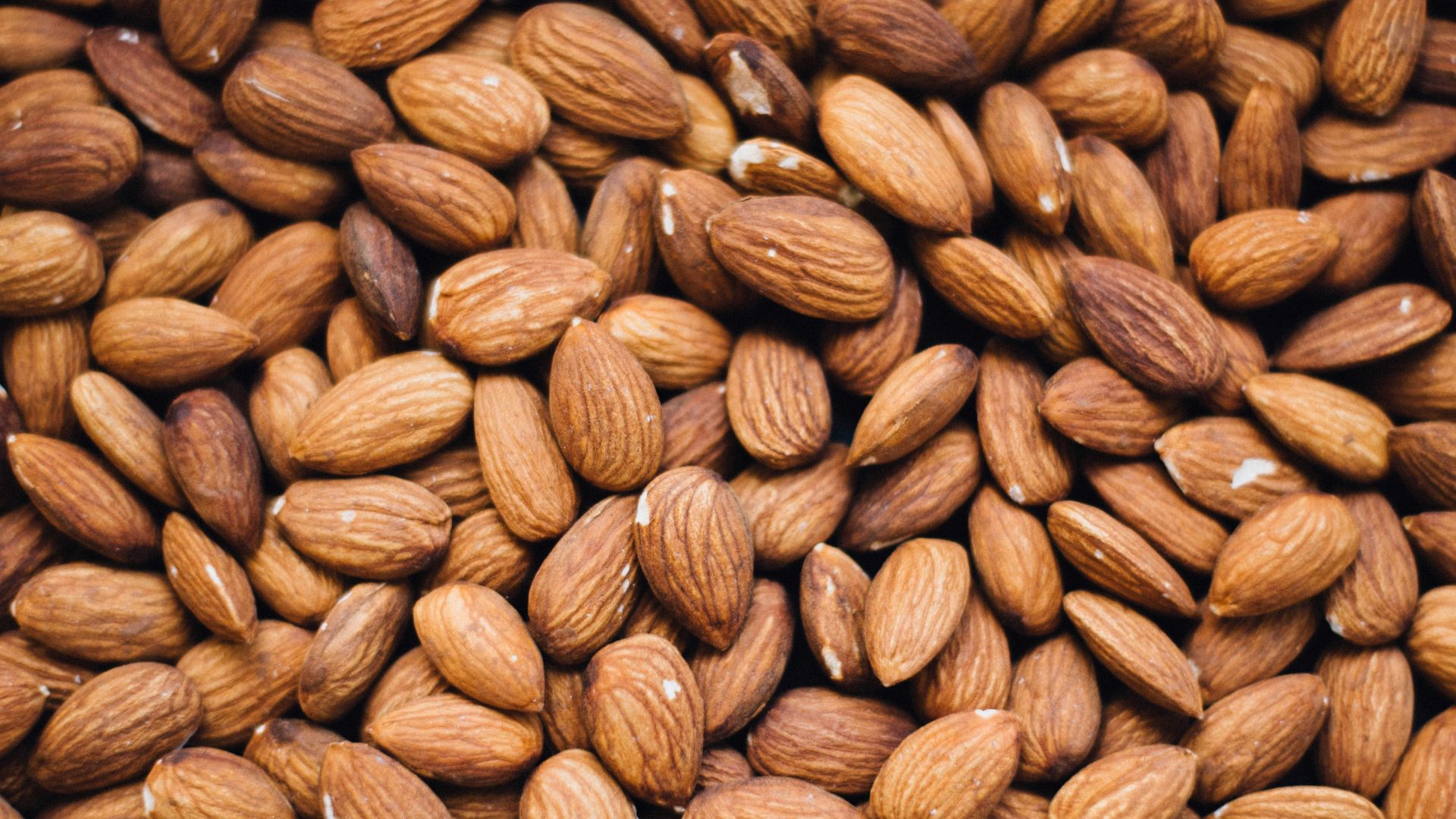
Almonds contain fiber, protein, healthy fats, and various micronutrients your body needs. Add a small handful to oatmeal, yogurt, salads or eat them as part of a snack. Other nuts will work as well, so don’t feel like you have to only eat almonds if you prefer walnuts, pistachios or others.
17. Sauerkraut
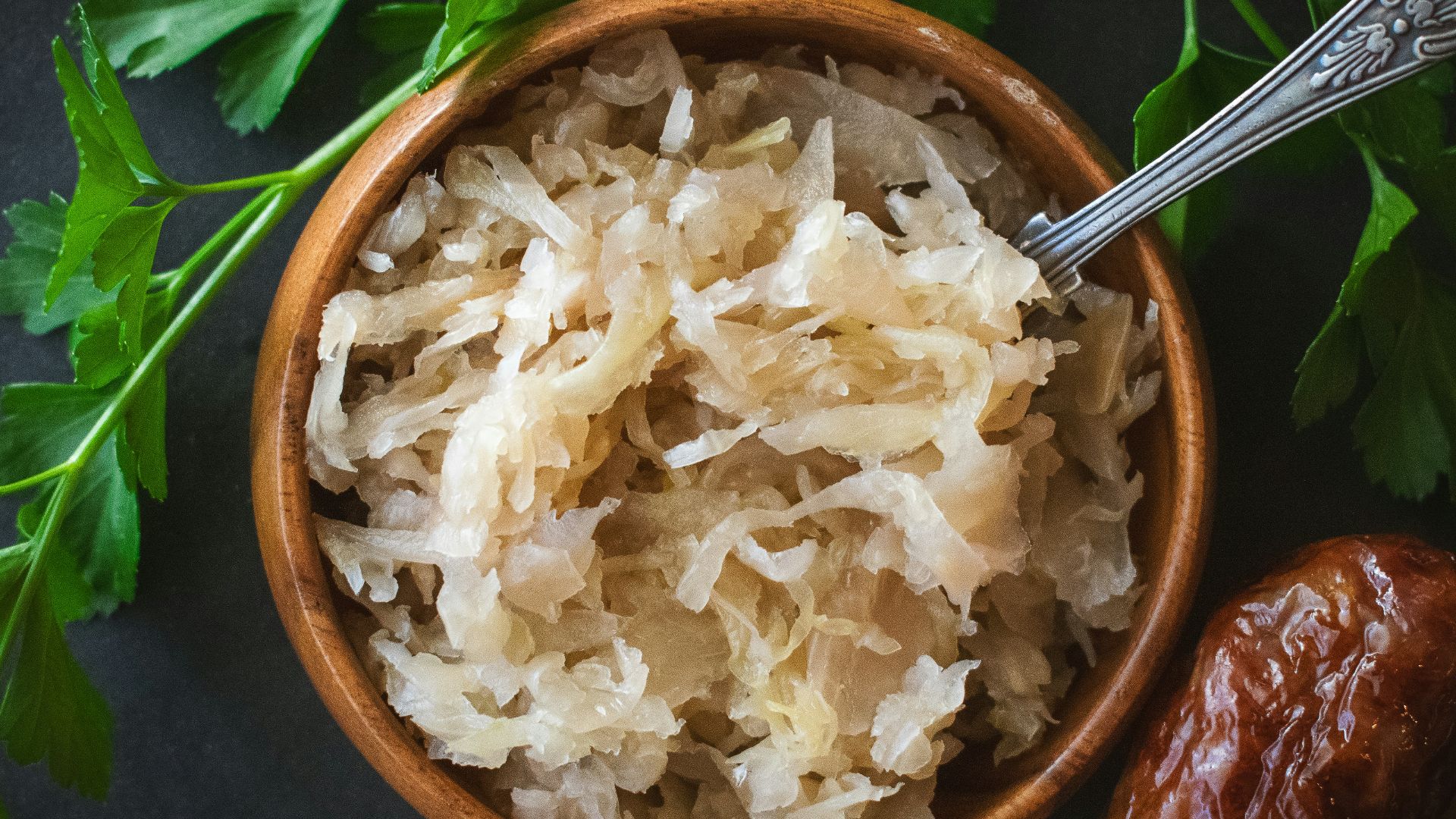
Sauerkraut is fermented cabbage that can contain live microorganisms when it's made and stored in a way that preserves them. It also provides fiber from the cabbage itself. A small amount can be added to sandwiches, grain bowls, or other meals for extra flavor.
18. Kimchi
Kimchi is a fermented vegetable dish traditionally associated with Korean cuisine and can provide both fiber and live microorganisms. Recipes vary, so the ingredients and nutritional content can differ considerably between products. You can serve a modest amount alongside rice, noodles, eggs, or other foods. Its spicy flavor isn't for everyone, and that's completely fine since gut-friendly foods come in plenty of less fiery forms.

19. Pears
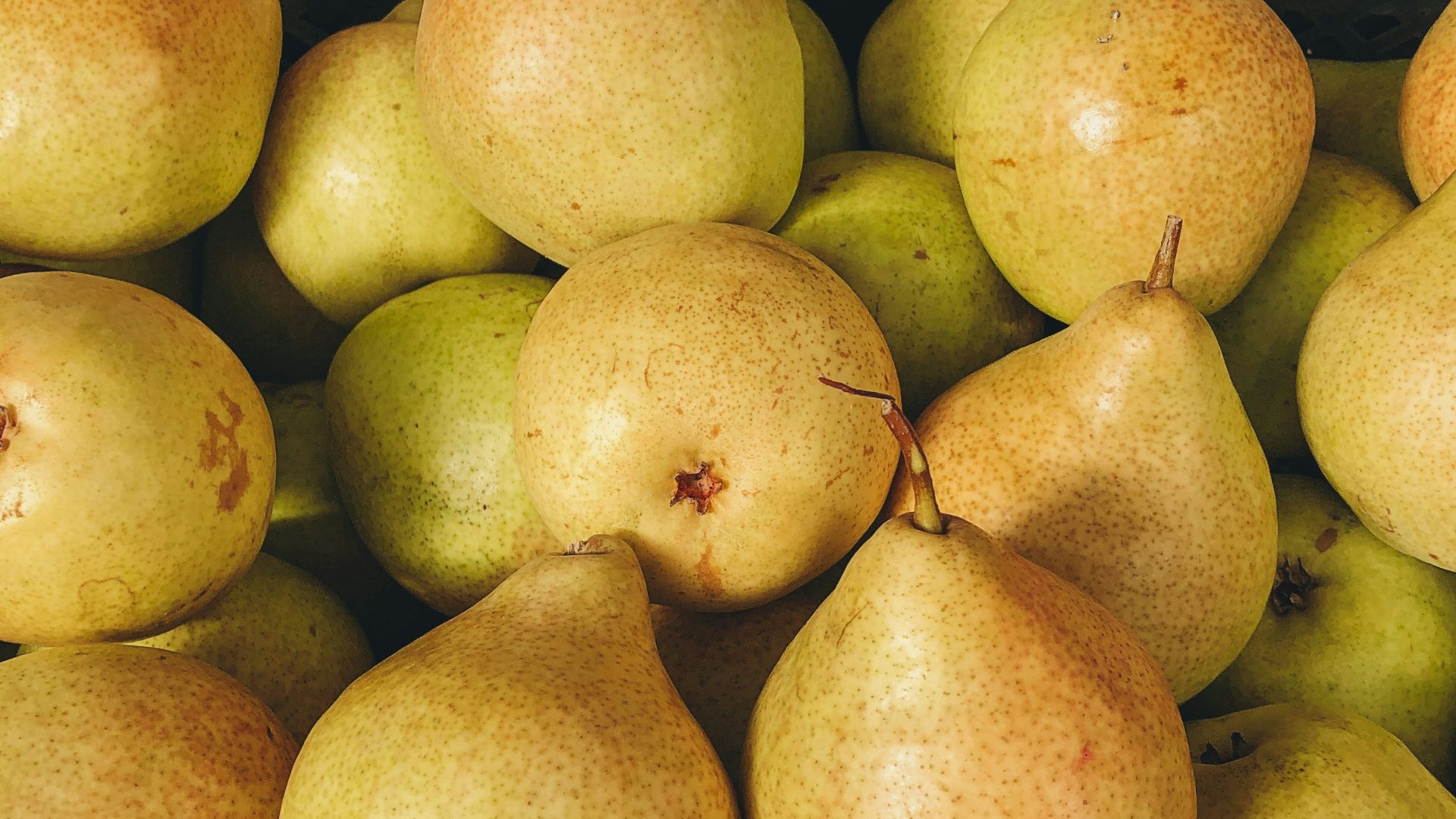
Pears are another fruit high in fiber you can easily add to your diet. The skin on the pear also contains fiber, so after washing the fruit you can eat it with the skin on. Slice pears over oatmeal, serve with yogurt or pack one for a snack.
20. Garlic
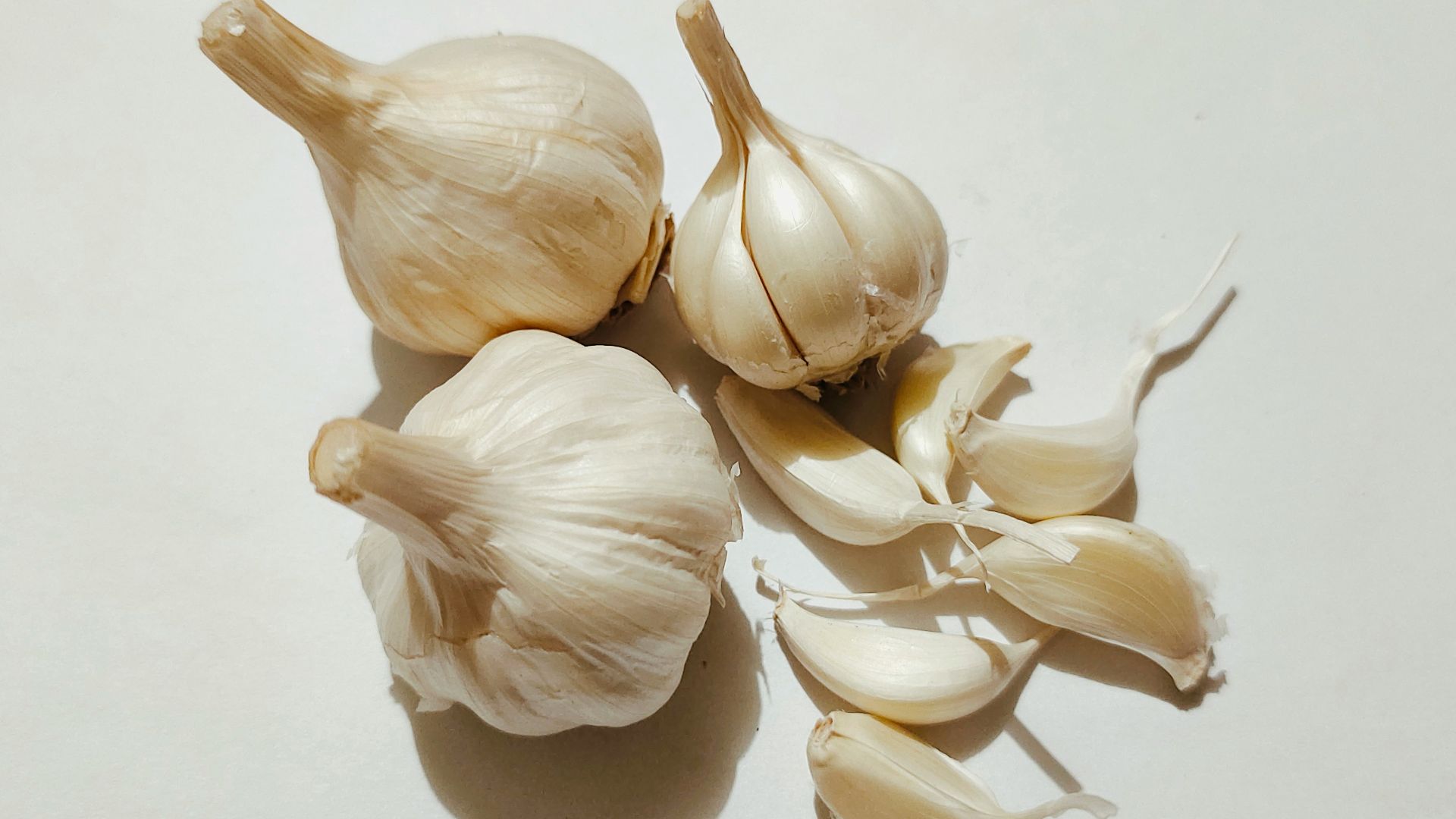
Garlic contains compounds that can serve as food for certain beneficial gut microbes, making it an interesting addition to a varied diet. It also adds plenty of flavor without requiring complicated preparation. Mix it into roasted vegetables, pasta, soups, sauces, or stir-fries to make everyday meals more interesting. Most importantly, don't feel pressured to eat every food on this list.
KEEP ON READING


20 Discoveries That Changed Medicine Forever