
Gentle Foods That Can Help Take the Pressure Off
Belly bloat is common, and it can happen for all kinds of reasons, including gas, constipation, food intolerances, fluid retention, or simply eating in a way that leaves your digestive system unhappy. Bloating often improves when you support digestion, hydration, and regular bowel movements, and diet helps with that. Here are 20 foods that can help reduce belly bloat.

1. Oats
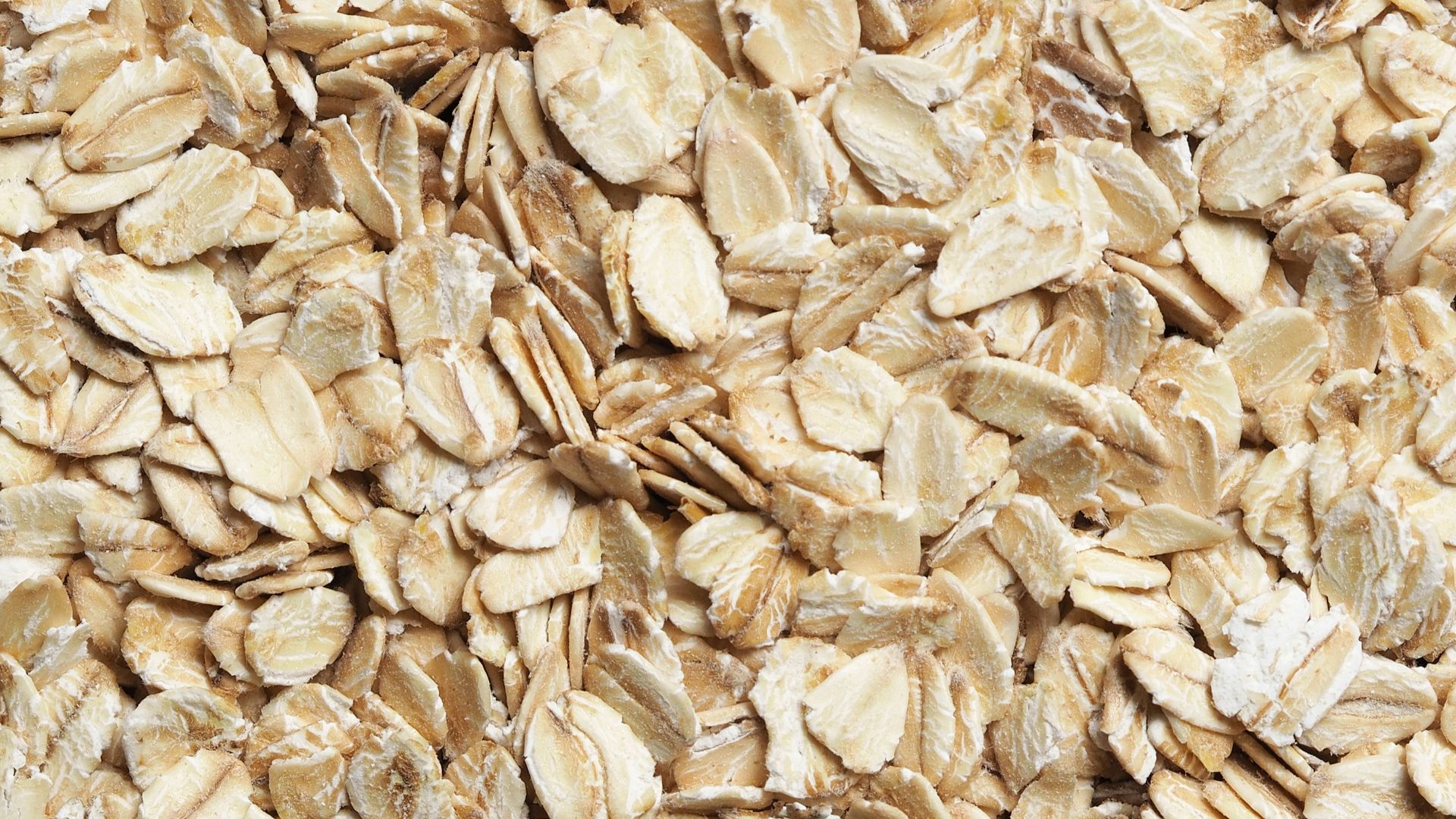
Oats can be a smart place to start because soluble fiber may help if constipation is part of what is making you feel swollen and uncomfortable. The key is to add fiber gradually and drink enough water alongside it so the extra roughage does not backfire.
2. Quinoa
Quinoa is another fiber-rich choice that may help keep things moving when your digestive system feels backed up. Quinoa is specifically recommended because it contains more fiber than many grains, which can support regularity and ease the kind of slow digestion that often makes bloating worse.

3. Yogurt
If your gut responds well to dairy, yogurt can be useful because it brings probiotics into the picture. By adding “good” bacteria, you're supporting food digestion and a healthier gut flora. It isn't a magic fix for everyone, but for some people it can be a very steady, low-drama choice.

4. Kefir
Kefir earns a spot here for a similar reason: it's a fermented food that may support gut balance through probiotics. Cleveland Clinic includes kefir among fermented options that can help if bloating is tied to digestion and gut flora issues. If you like drinkable yogurt but want something a little tangier, kefir is often an easy fit.

5. Sauerkraut
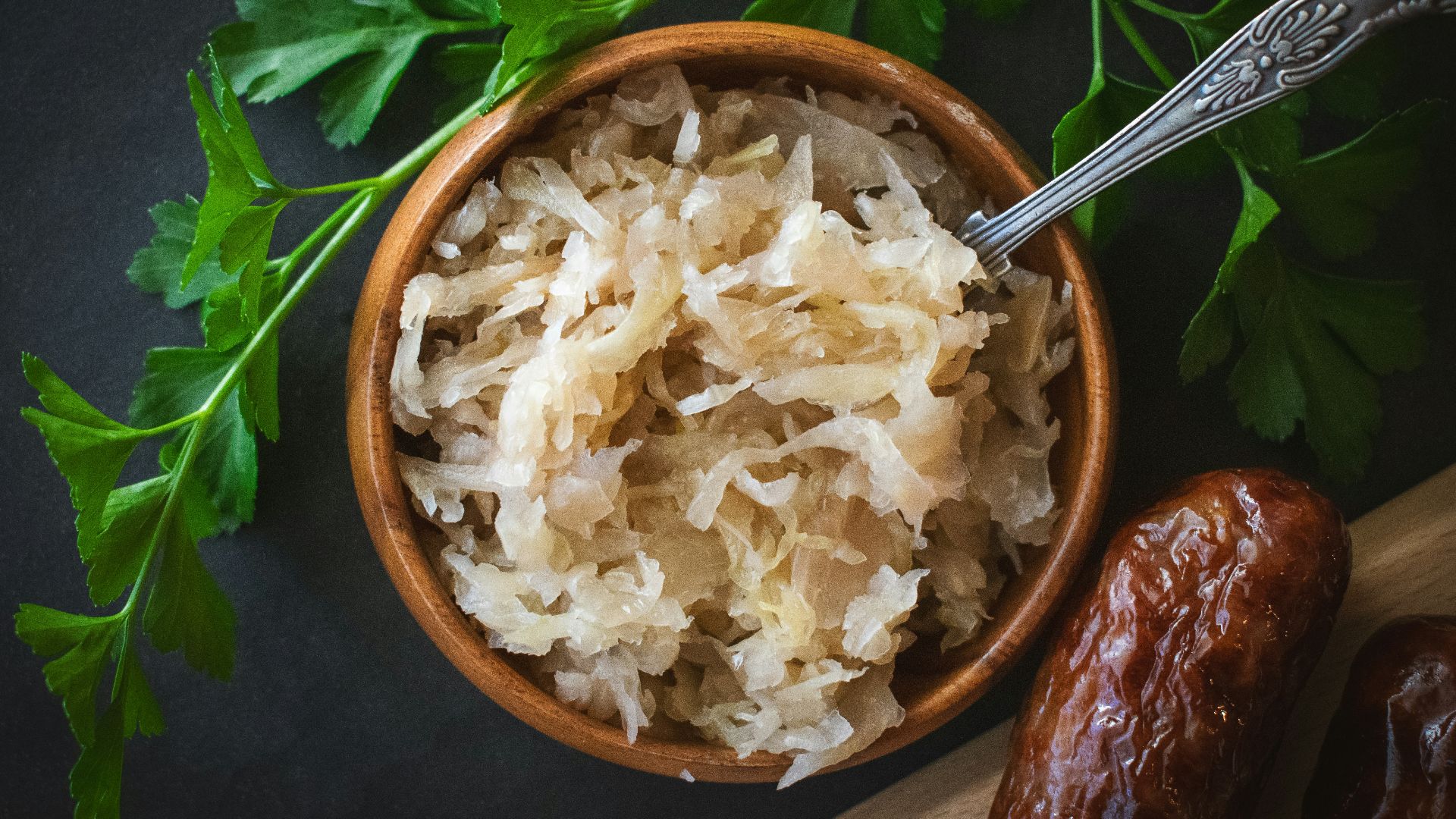
Sauerkraut isn't everybody’s dream snack, but it's one of the fermented foods Cleveland Clinic recommends for bloating support. Its probiotic content may help some people digest food more comfortably over time, especially if the issue is linked to gut flora rather than just one heavy meal. Portion size still matters, though, because too much of anything can be a lot for a sensitive stomach.
6. Kimchi
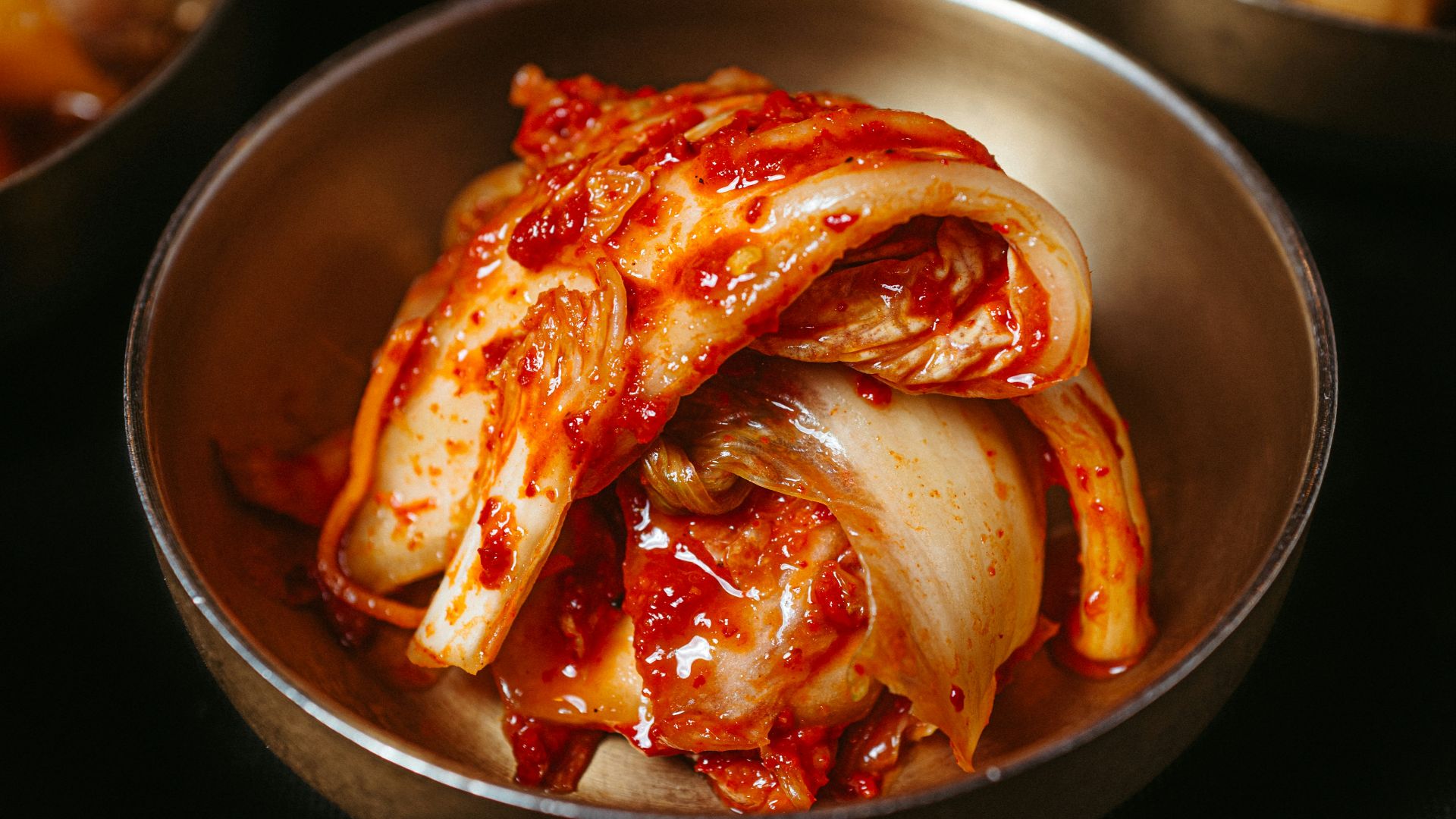
Kimchi can be another probiotic-rich option if you tolerate spicy or punchy foods well. Cleveland Clinic lists it among fermented foods that may help with bloating by supporting digestion. However, for some people, spicy foods can be aggravating, so it's not a universal answer.
7. Ginger
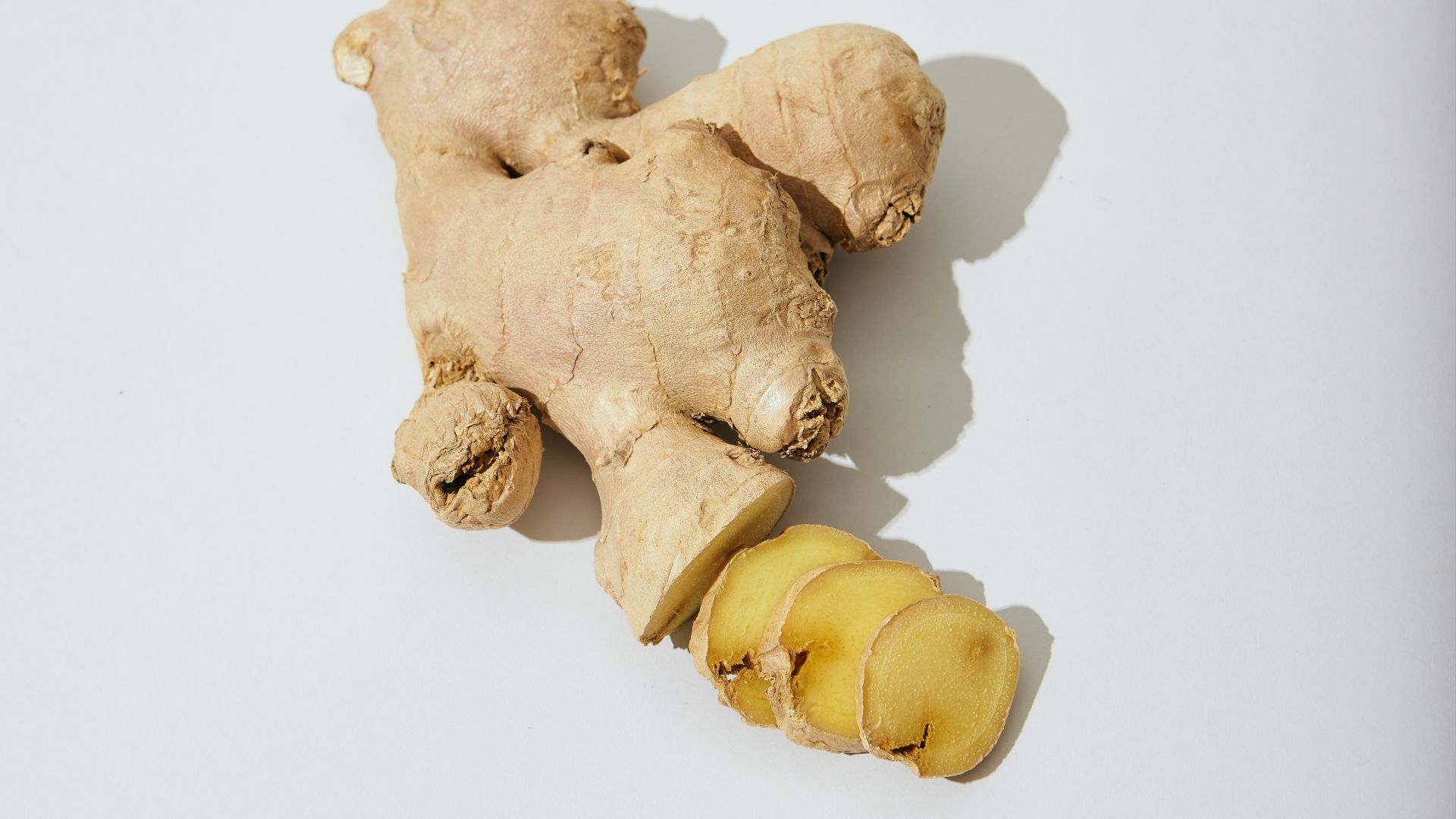
Ginger has been the classic upset-stomach food for ages, and there's a reason it keeps showing up. Ginger can help resolve gastric distress by relaxing the intestines and breaking down proteins with an enzyme called zingibain, which may make digestion feel smoother.
8. Cucumbers
Cucumbers are mostly water, and that can be surprisingly helpful when dehydration is part of the problem. Cleveland Clinic notes that cucumbers are about 96% water, which may help “wash away” digestive issues linked to not getting enough fluids. They are also light enough that they usually don't feel like a burden.

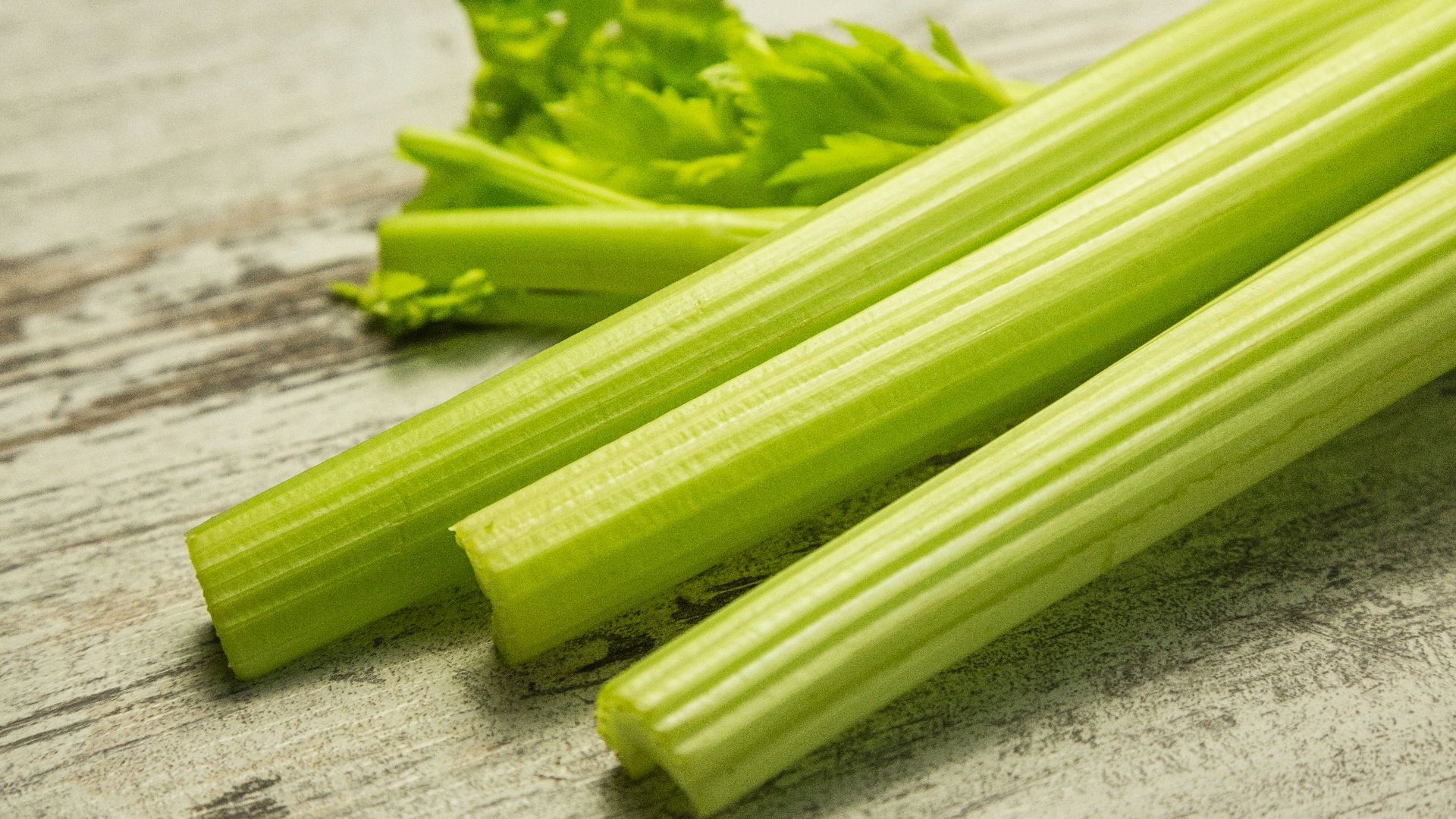
9. Celery
Celery brings both water and fiber to the table, which is a nice combination when you want relief without a heavy meal. Celery is about 95% water and also contains fiber, while its mannitol content may help soften stool. It can be especially useful when bloating is tied to sluggish digestion.
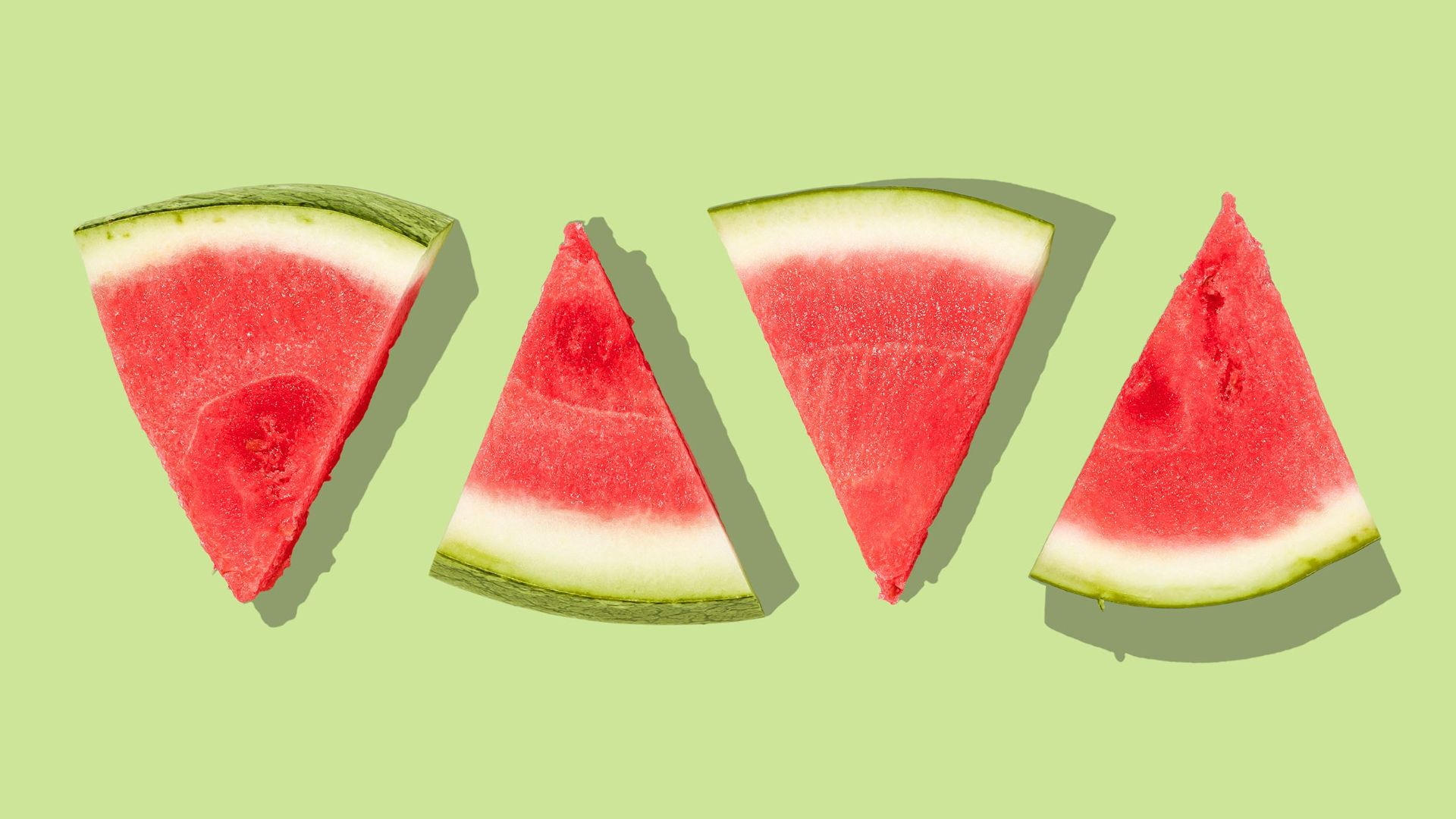
10. Watermelon
Watermelon is another hydrating choice that can help if you're bloated and a little dried out. Seeing as it's more than 90% water, it supports hydration, and fluids help keep waste moving through the digestive tract. It is one of those foods that feels easy to eat even when your stomach is in a bad mood.
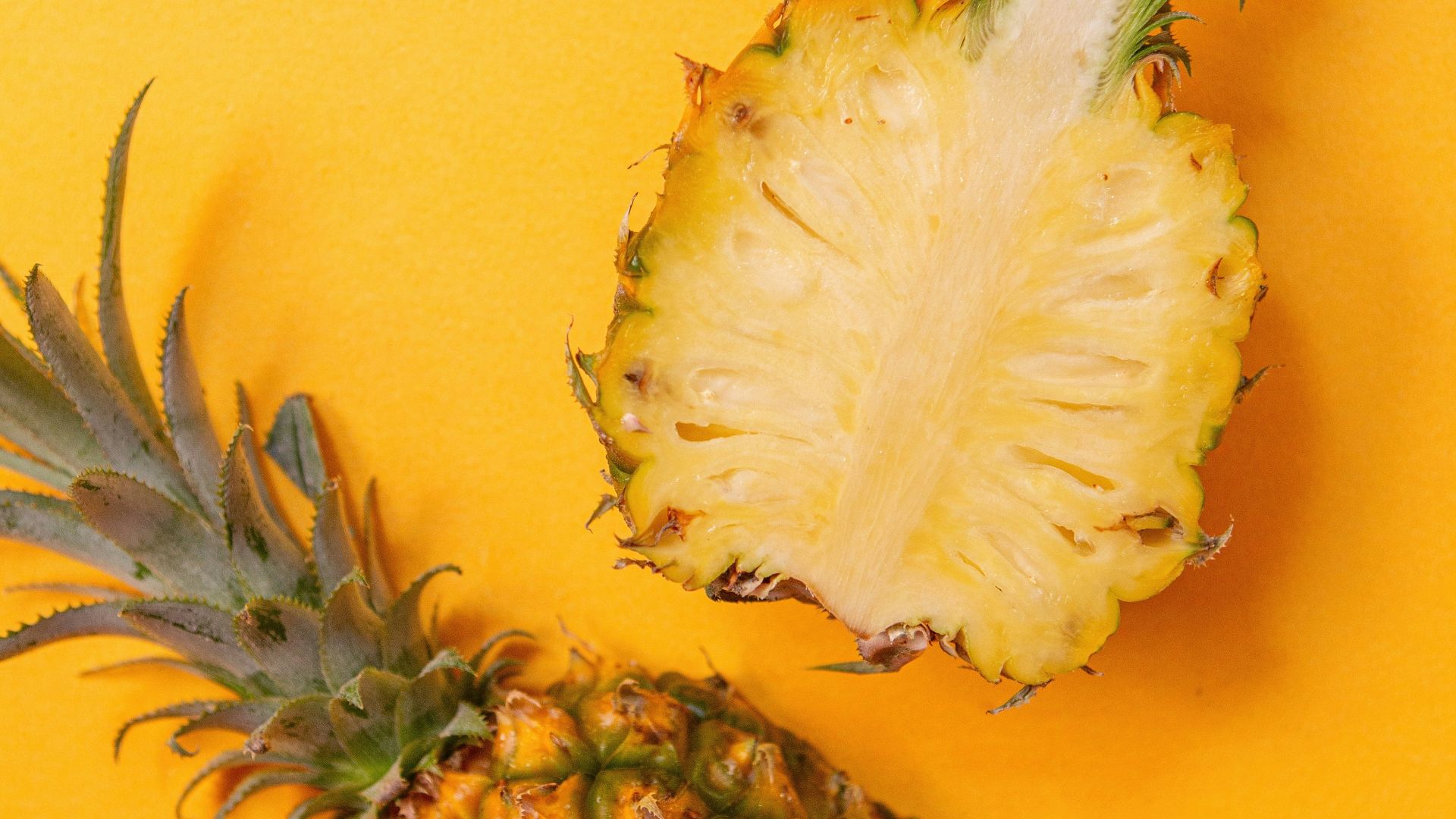
11. Pineapple
Pineapple is often mentioned in digestion conversations because of bromelain, a natural enzyme found in the fruit. Bromelain helps break down proteins moving through your system, which may make digestion feel easier and less bogged down. That doesn't mean you should eat half a pineapple in one sitting, but a sensible serving can be a nice addition to the rotation.
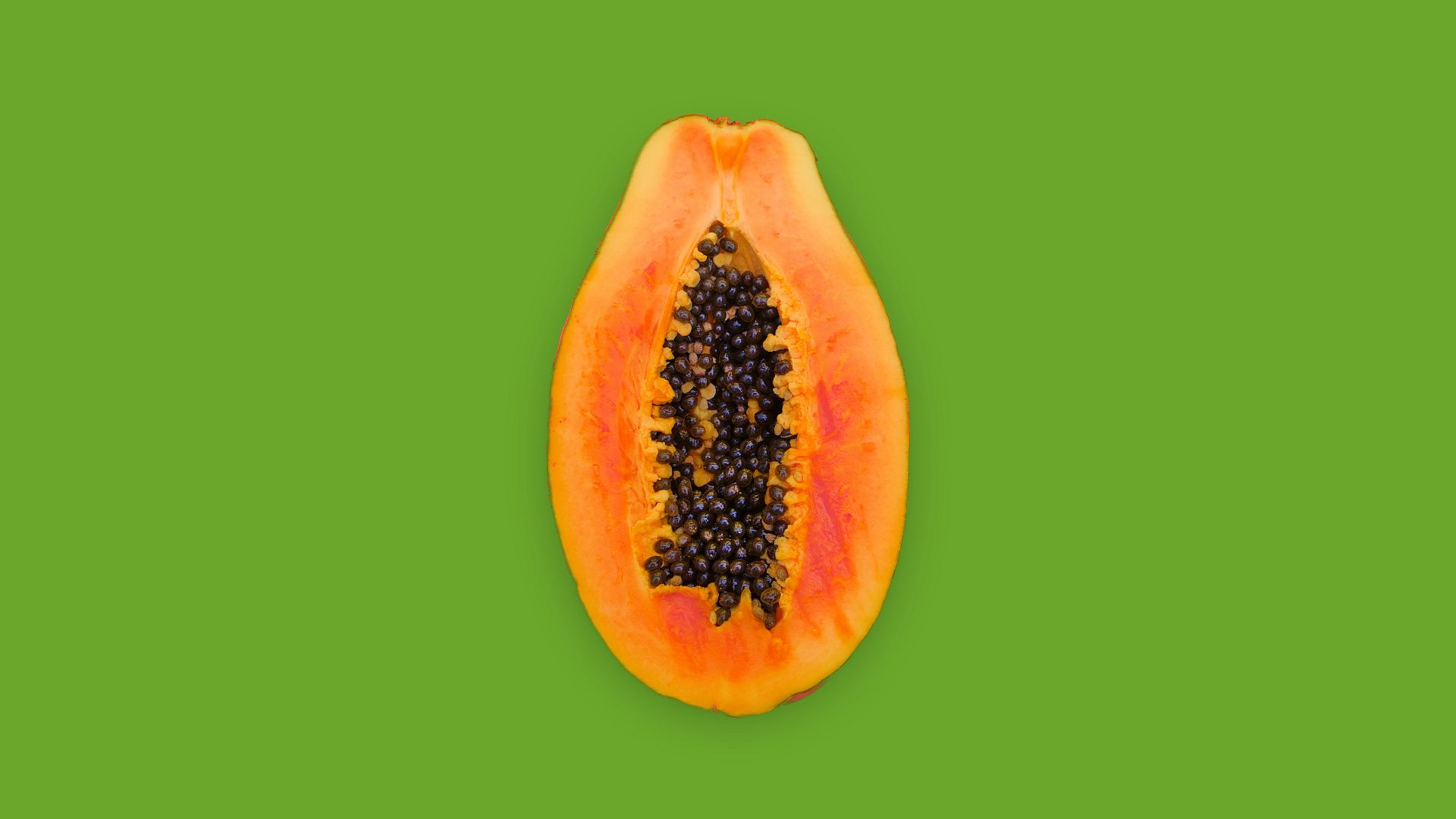
12. Papaya
Similarly to pineapple, papaya gets recommended because it contains papain, an enzyme associated with anti-bloating digestive support. If you're looking for fruit that feels gentle and a little functional at the same time, papaya has a pretty good case.
13. Berries
Berries do a nice job of combining fiber with water, which can make them useful when constipation is helping drive the bloat. Blueberries, blackberries, raspberries, and strawberries all offer high levels of fiber and are also relatively high in water content, which are both essential for your digestive system to run smoothly.

14. Apples
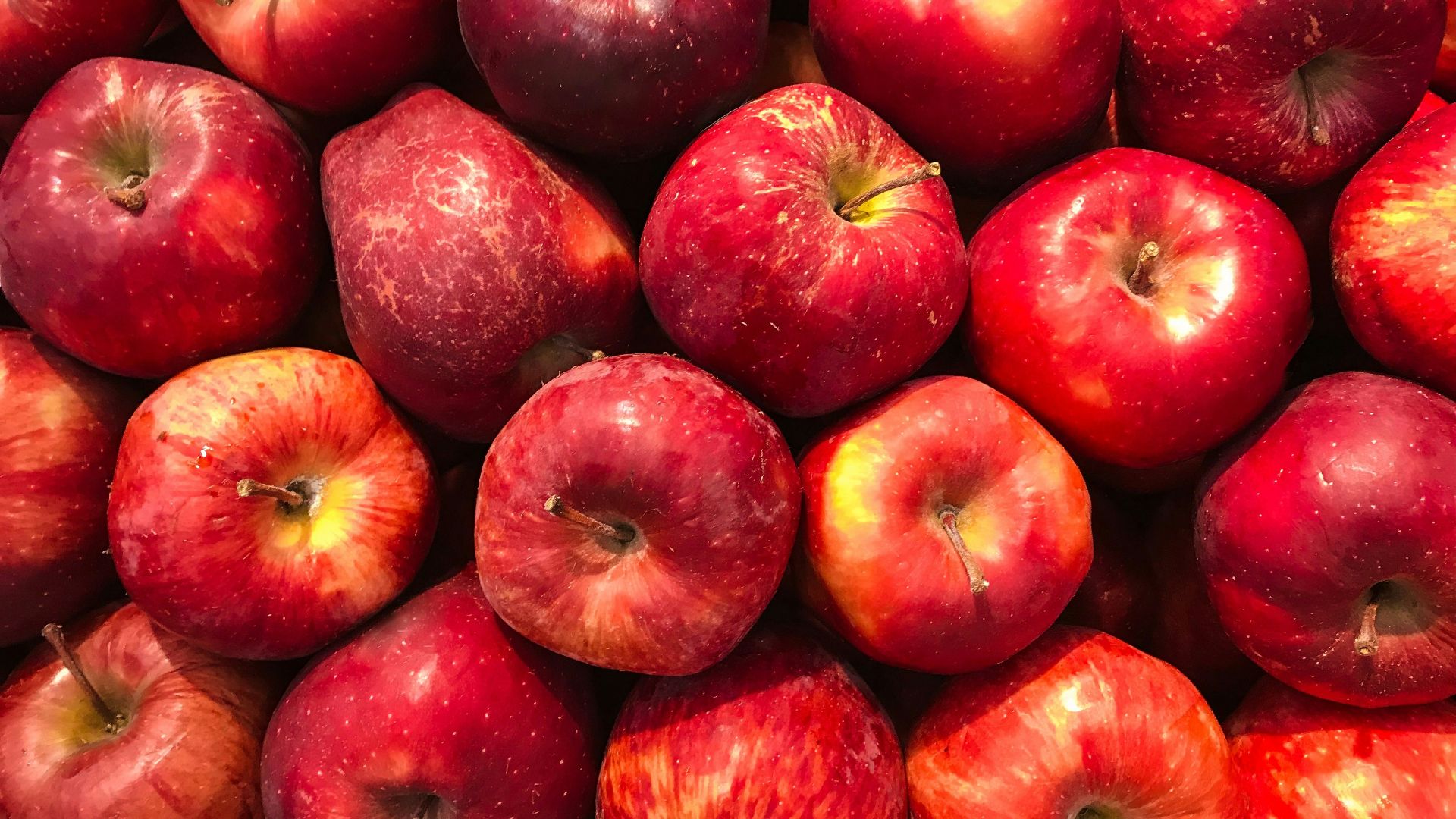
Apples can help too, especially if your digestion needs a little structure. Apples contain pectin, a gel-forming fiber that helps your digestive system keep its rhythm. They aren't the right fruit for every sensitive stomach, but for many people, they're an easy, practical option.
15. Bananas
Bananas tend to be one of the more stomach-friendly fruits, which is part of why they get recommended so often. Johns Hopkins describes bananas as a low-fructose fruit that's fiber-rich and contains inulin, which supports good bacteria in the gut. If you want something simple that usually doesn't make matters worse, bananas are often a safe bet.

16. Avocado
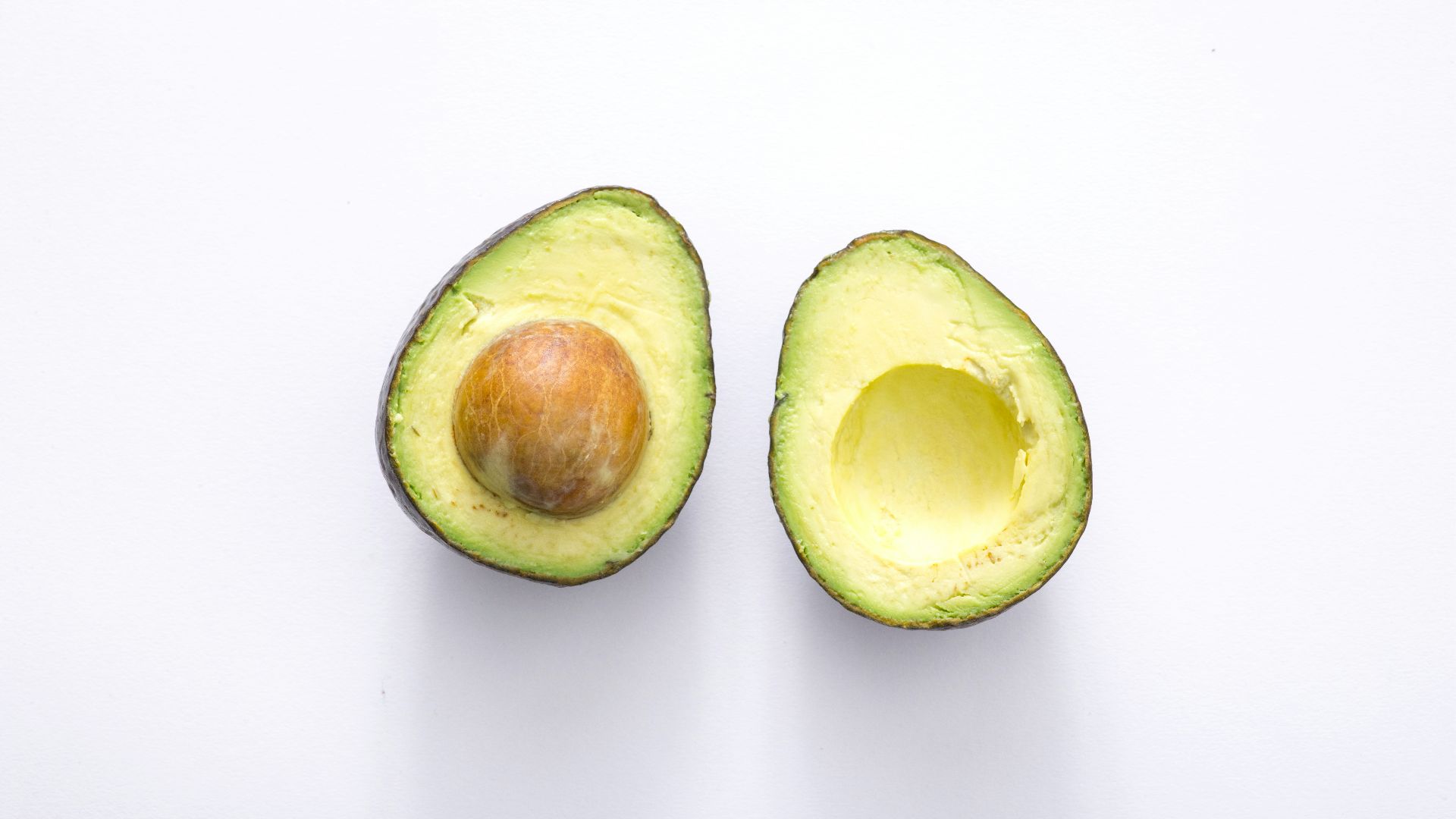
Avocado may not be the first thing you think of for bloating, but it's a low-fructose food with fiber and potassium that supports healthy digestive function. The caveat is portion size, because the same source notes that avocados are also high in fat, making them easy to get too full on, so moderation matters.
17. Oranges
Citrus fruit can be a mixed bag, but oranges are lower in fructose than fruits such as apples, pears, and mangoes, making them less likely to cause gas for some people. That lower-fructose angle can make oranges a smart choice when sweeter fruits seem to leave you feeling puffier. They also bring fluid and a lighter feel than many heavier snacks.

18. Grapefruit
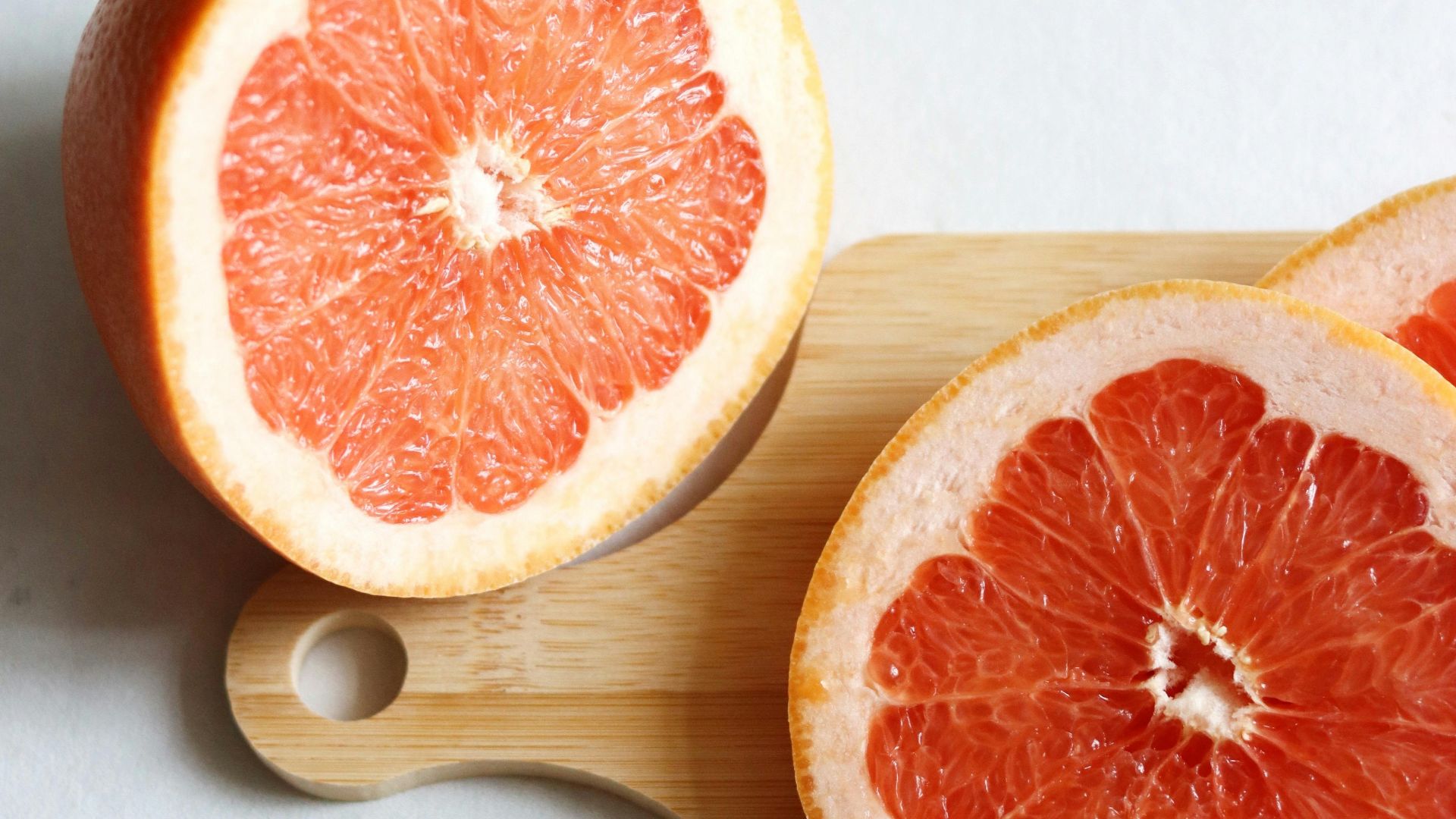
Grapefruit falls into the same lower-fructose category as oranges in the Johns Hopkins guidance. That means it may be easier to tolerate and less likely to trigger gas than higher-fructose fruit for some people. It's not the best option for everyone, especially because it interacts with certain heart medications, but from a bloating perspective, it can be worth considering.
 Mariam Shakarishvili on Pexels
19. Kiwi
Kiwi has built a strong reputation for digestive support, especially around bowel regularity. It helps maintain gut health through its high fiber content, which helps with constipation and abdominal discomfort.

20. Flaxseed
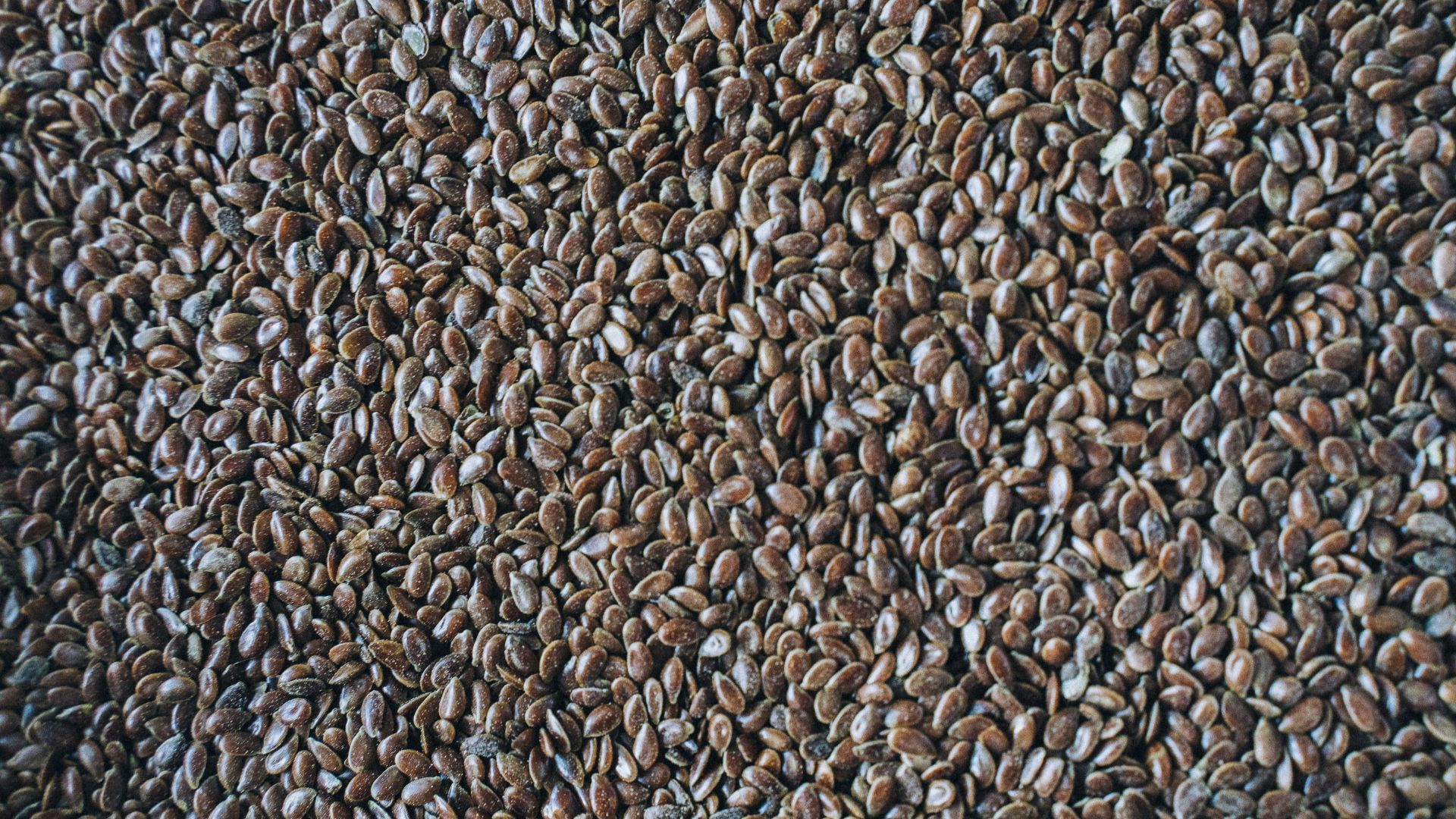
Flaxseed, also called linseed, can be useful because it's another soluble-fiber food often recommended when constipation is part of the problem. You don't need a huge amount, either, since even a small spoonful added to yogurt or oatmeal can help nudge things along.
KEEP ON READING