
Getting Older Doesn't Explain Everything
Getting older brings plenty of changes, from needing more time to recover after a busy day to discovering that your favorite pair of jeans fits a little differently. Some shifts are a normal part of aging, but that doesn't mean every new ache, unusual symptom, or change in how you feel should be brushed off as inevitable. Your body can change for many reasons, including medication side effects, nutritional deficiencies, hormonal changes, and treatable medical conditions.

1. Persistent Fatigue
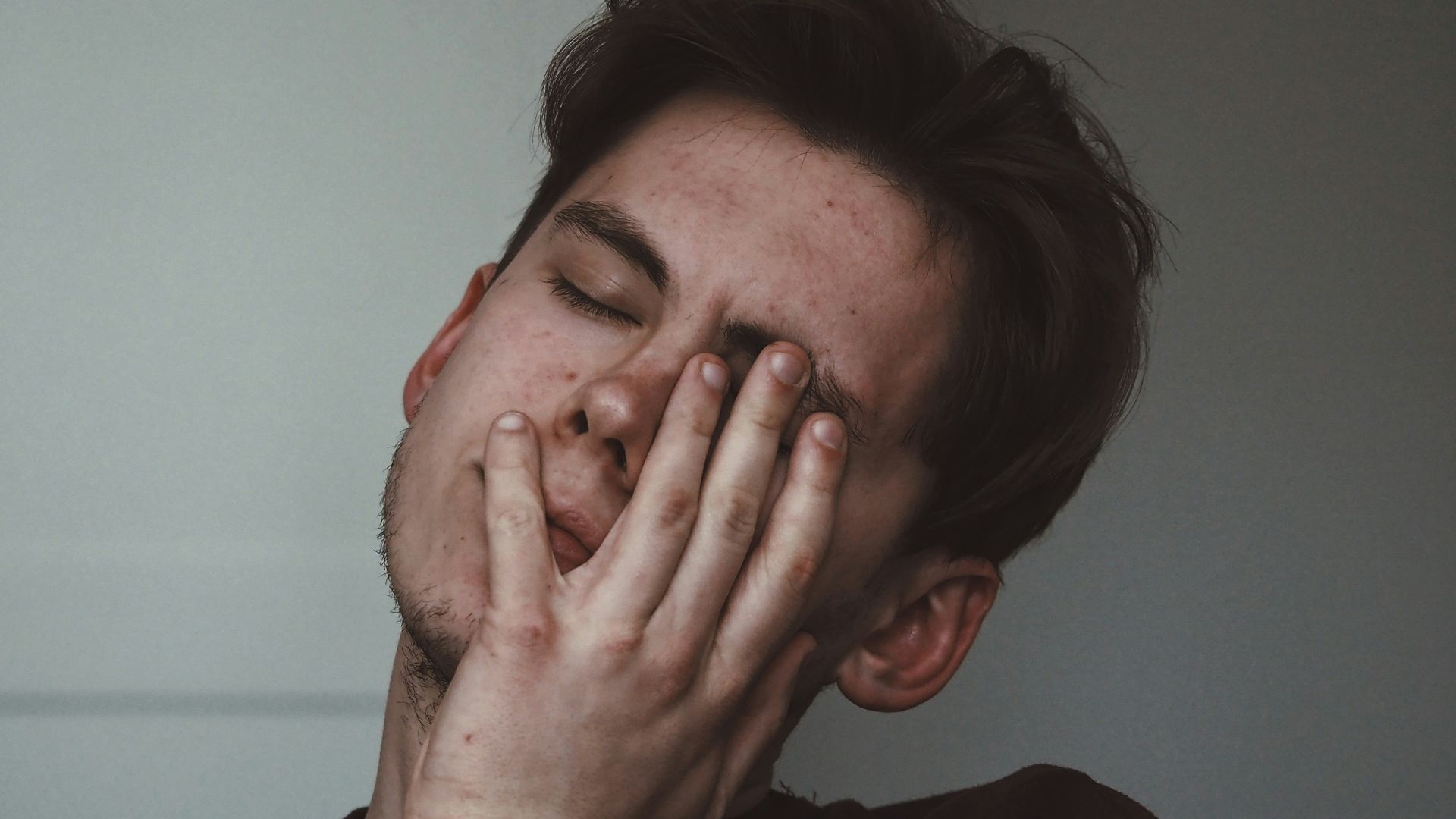
Everyone gets tired at the end of a long day, but always feeling worn out is something that should be taken more seriously. There are many reasons why someone may feel fatigued all the time. Not getting enough sleep, anemia, an underactive thyroid, depression, medications, or other health concerns can leave you feeling depleted.
2. Sudden or Unexplained Weight Changes
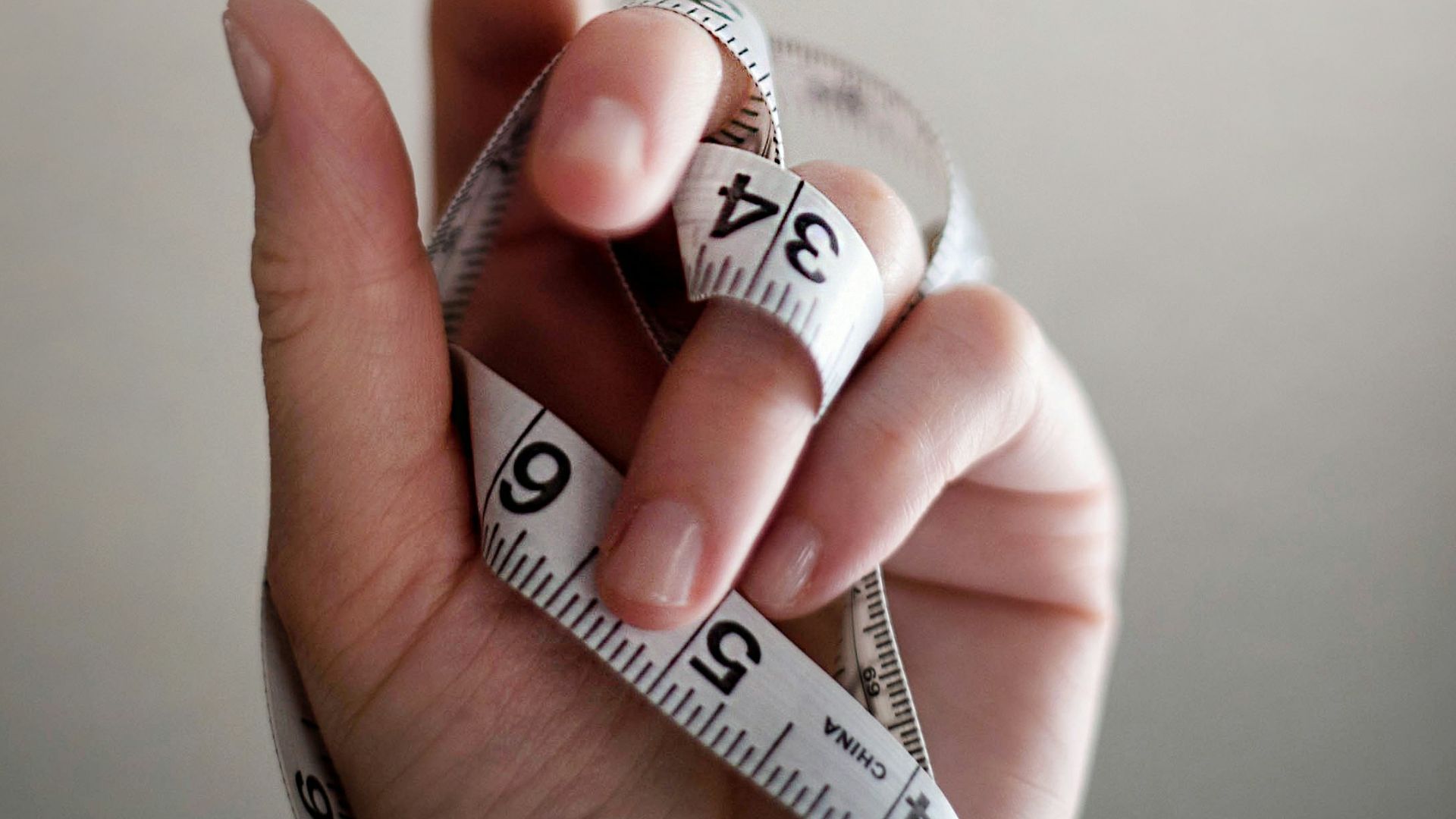
As we get older, we may naturally gain or lose weight. We may exercise less, our appetite may change, and our bodies may begin to store more fat. However, losing or gaining a large amount of weight for no known reason should be discussed with your health care provider. It can be caused by stomach issues, hyperthyroidism or hypothyroidism, and even diabetes.
3. Increasing Shortness of Breath
It's normal to breathe harder during strenuous exercise, particularly if you've been less active lately. However, becoming unusually breathless during routine activities, such as walking across a room or climbing a few stairs, isn't something you should automatically attribute to age. Heart or lung conditions, anemia, and other medical issues can affect how easily you breathe.

4. Memory Problems That Disrupt Daily Life
We will all forget a name here and there or where we put our car keys. It's normal for your brain to take a little longer to remember things as you get older. But constantly getting lost, forgetting how to do things you know how to do, or not remembering conversations should be looked into.

5. Persistent Joint Pain or Swelling
Having painful and achy joints is something many people experience as they age. But if your joints continue to hurt, you should seek medical advice. Joint pain can sometimes be relieved with medication, helping you continue to enjoy your favorite hobbies. If your joints become hot to the touch and swollen, seek prompt medical attention, especially if the symptoms develop suddenly or are severe.
 National Cancer Institute on Unsplash
6. Changes in Your Vision
Everyone may need reading glasses at some point, but if you find yourself unable to see things that used to be easy to see, this could be a sign that something else is wrong with your eyes. Cataracts, glaucoma, and many other eye problems can affect your vision. If your vision changes suddenly, seek urgent medical attention.
7. Hearing Loss That Affects Conversations
Hearing can begin to decline as we age. There are also other things that can cause you not to hear as well as you used to. Too much noise exposure, impacted earwax, and some medicines can cause hearing loss. If you find yourself having to ask others to repeat themselves or cranking up your television, it may be time to get your hearing checked.
 Priscilla Du Preez 🇨🇦 on Unsplash
8. Frequent Dizziness or Balance Problems
You may feel dizzy if you stand up too quickly or haven't drunk enough water. But if you experience these feelings frequently, you should consult with your health care provider. Dizziness can be a symptom of many problems that affect your ability to balance.

9. New or Worsening Incontinence
Bladder leaks are common, particularly after childbirth or during later stages of life, but they're not something you must simply accept. Urinary incontinence can be related to pelvic floor weakness, an overactive bladder, urinary infections, medication effects, or other treatable conditions. Depending on the cause, pelvic floor therapy, bladder training, medication, or other treatments may help.
 Lotus Design N Print on Unsplash
10. Persistent Constipation
If you eat more fiber and drink plenty of water, you may have more regular bowel movements. As you age, you may experience constipation. Some medicines and medical conditions can cause harder bowel movements. Talk to your doctor about ways to help ease your constipation.
11. Excessive Thirst and Frequent Urination
Many of us wake up to urinate a few times throughout the night. If you find yourself constantly thirsty, you may need to see your doctor. Increased thirst is one of the symptoms of diabetes. Some medications and health conditions can also cause you to feel thirstier than usual.

12. Slow-Healing Cuts and Wounds
If a cut on your finger takes forever to close, there could be several reasons. Your body can have trouble healing cuts for many reasons. Talk to your doctor if you have a cut that won't heal. Certain conditions can prevent your body from closing cuts properly.

13. Numbness or Tingling in Your Hands and Feet
If you sit too long in one position, you may feel pins and needles in your hands or feet. If you constantly have these symptoms, you should seek medical advice. Many conditions can cause pins and needles in your hands or feet, and some can cause permanent damage if left untreated.

14. Unusual Hair Loss
Hair often becomes finer with age, but noticeable shedding or bald patches can have causes worth investigating. Thyroid disorders, iron deficiency, major stress, hormonal changes, scalp conditions, and certain medications may contribute to hair loss. The pattern and timing of the shedding can help a clinician determine which factors are most likely involved.
15. Changes in Your Skin That Don't Heal
Skin can become thinner and drier over time, but a spot that keeps bleeding, changes in appearance, or refuses to heal shouldn't be written off as an age-related blemish. Some skin cancers develop gradually and may look like a changing mole, a rough patch, or a sore that repeatedly crusts over. Checking your skin and mentioning unusual changes during medical appointments can help catch potential problems earlier.

16. Persistent Swelling in Your Legs or Ankles
Mild swelling can sometimes follow long periods of sitting or standing, but frequent or unexplained swelling deserves medical attention. Fluid buildup may be associated with medication effects, vein problems, or conditions involving the heart, kidneys, or liver. Elevating your legs may provide temporary relief in some situations, but it won't address every underlying cause.
 Apostolos Vamvouras on Unsplash
17. Mood Changes That Won't Go Away
Life happens, and we may not be happy with our lives all the time. If you find yourself not wanting to do things you once enjoyed or feeling sad all the time, speak with your physician about how you're feeling. They can help figure out what is causing you to feel this way.

18. New or Persistent Sleep Problems
There will be times when we cannot fall asleep, but you shouldn't take it for granted if you're not sleeping well. Lack of sleep can contribute to many other health concerns, and sleep problems can have many causes. If you're experiencing insomnia, call your doctor. You may be suffering from something like sleep apnea.

19. A Noticeable Decline in Strength
Some loss of muscle mass can occur with age, especially when physical activity decreases, but a marked decline in strength shouldn't be ignored. Poor nutrition, inactivity, medication effects, and certain medical conditions can contribute to muscle weakness or make everyday tasks more difficult. Resistance exercise and adequate protein may help maintain muscle for many people, although the right approach depends on your health and abilities.

20. Changes in Your Appetite or Ability to Swallow
Appetite can vary with routine, stress, and activity, but a persistent loss of interest in food or difficulty swallowing deserves attention. Dental problems, medication effects, digestive disorders, depression, and other medical conditions can make eating less comfortable or enjoyable. Unexplained appetite changes may also lead to nutritional deficiencies or unintended weight loss, so it's worth investigating what's behind them.

KEEP ON READING

20 Ways Loneliness Can Affect Your Health After 50