10 Signs You Have a Weak Bladder & 10 Ways to Strengthen It
When Your Bladder Starts Running the Schedule
Are your nights of sleep constantly getting spoiled by frequent bathroom runs? If you didn't chug a lot of water before bed, that may be a sign that your bladder isn't functioning optimally. Bladder control problems are common, and reputable medical sources note that lifestyle changes, pelvic floor exercises, and bladder training can often help, depending on the cause and severity. Here are 10 signs you have a weak bladder and 10 ways to strengthen it.

1. You Leak When You Laugh, Cough, or Sneeze
A little leak during a laugh, cough, sneeze, jump, or workout can point to stress incontinence. That happens when pressure on the bladder is stronger than the support from the pelvic floor muscles. It’s common after pregnancy, childbirth, surgery, aging, or other changes that affect pelvic support.

2. You Suddenly Have to Go Right Now
A sudden, intense urge to pee can be a sign of urge incontinence or overactive bladder symptoms. This is the feeling where your bladder gives you approximately three seconds to arrive at a toilet, or else... It can happen even when the bladder isn’t very full, which makes it feel especially unfair.
3. You Go to the Bathroom Constantly
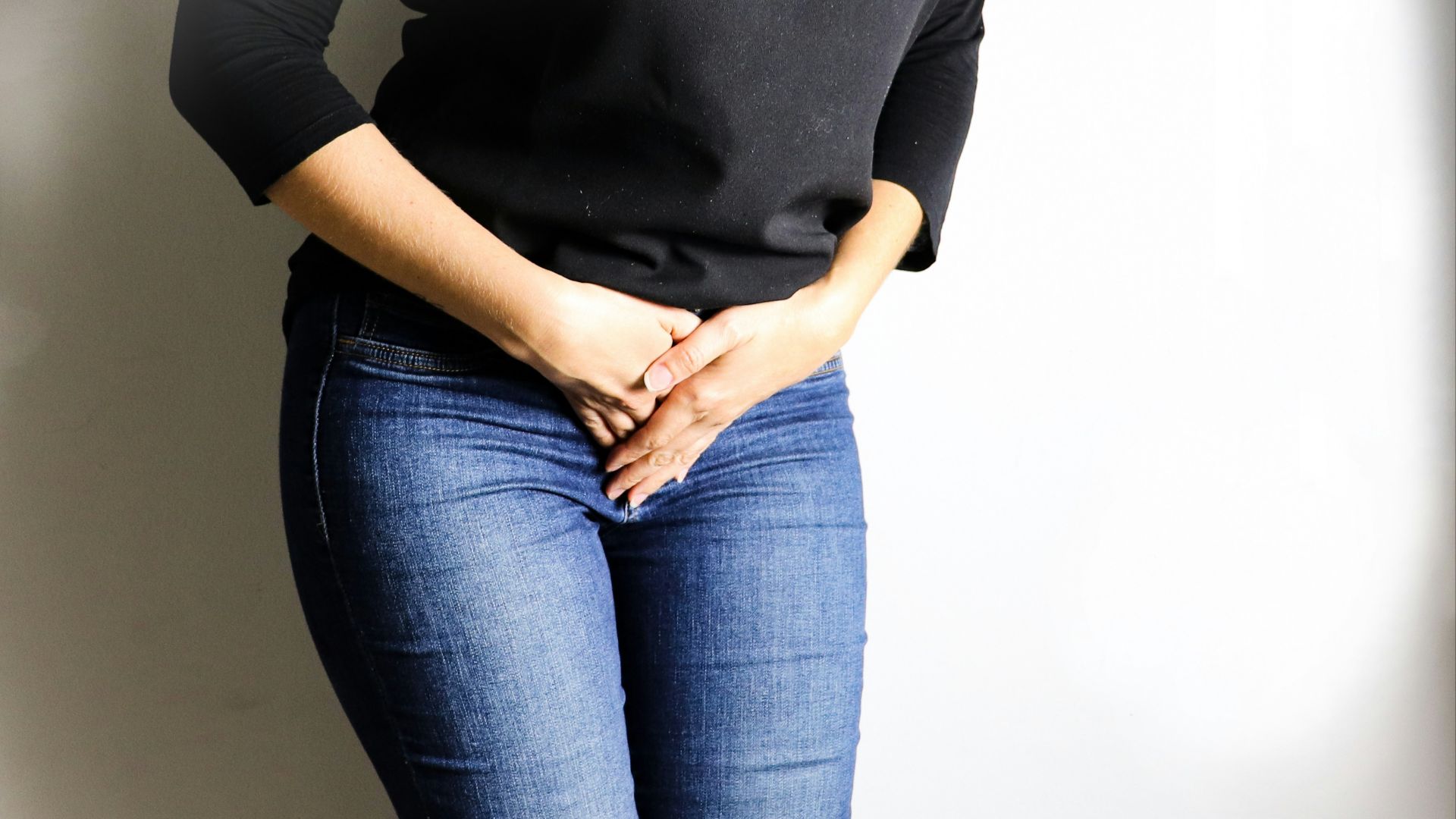
Frequent urination can make your day feel like one long tour of available restrooms. Some people naturally pee more than others, especially with high fluid intake or caffeine, but a major increase can signal bladder irritation or poor bladder control. If you’re going so often that you plan your life around bathrooms, that may be your bladder asking for a better routine.
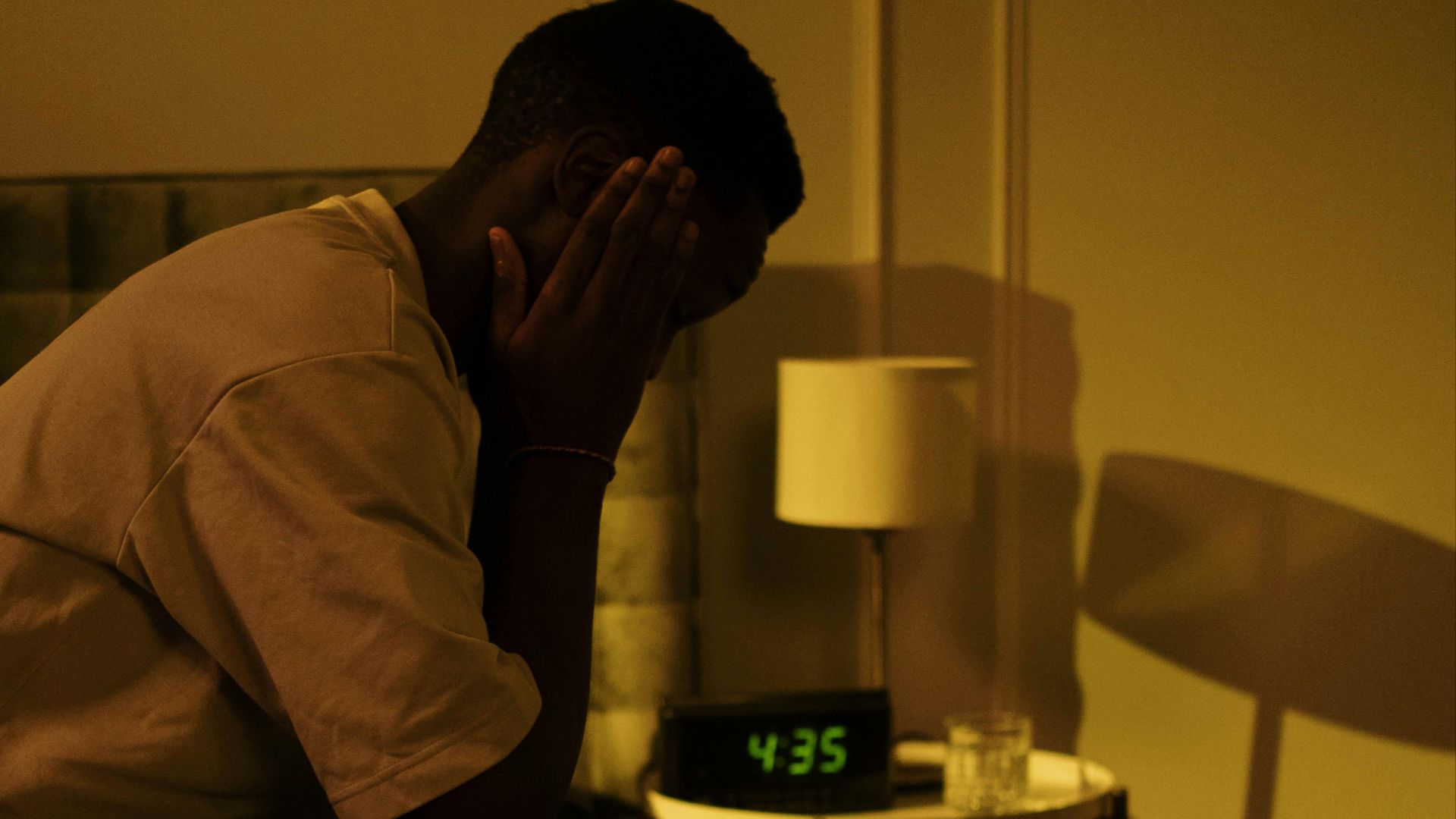
4. You Wake Up Multiple Times at Night
Getting up once in a while to pee at night can happen, especially after a lot of evening fluids. Waking up repeatedly, though, can interrupt sleep and leave you feeling drained the next day. Nighttime urination may be connected to fluid timing, caffeine, alcohol, medications, sleep issues, or medical conditions.
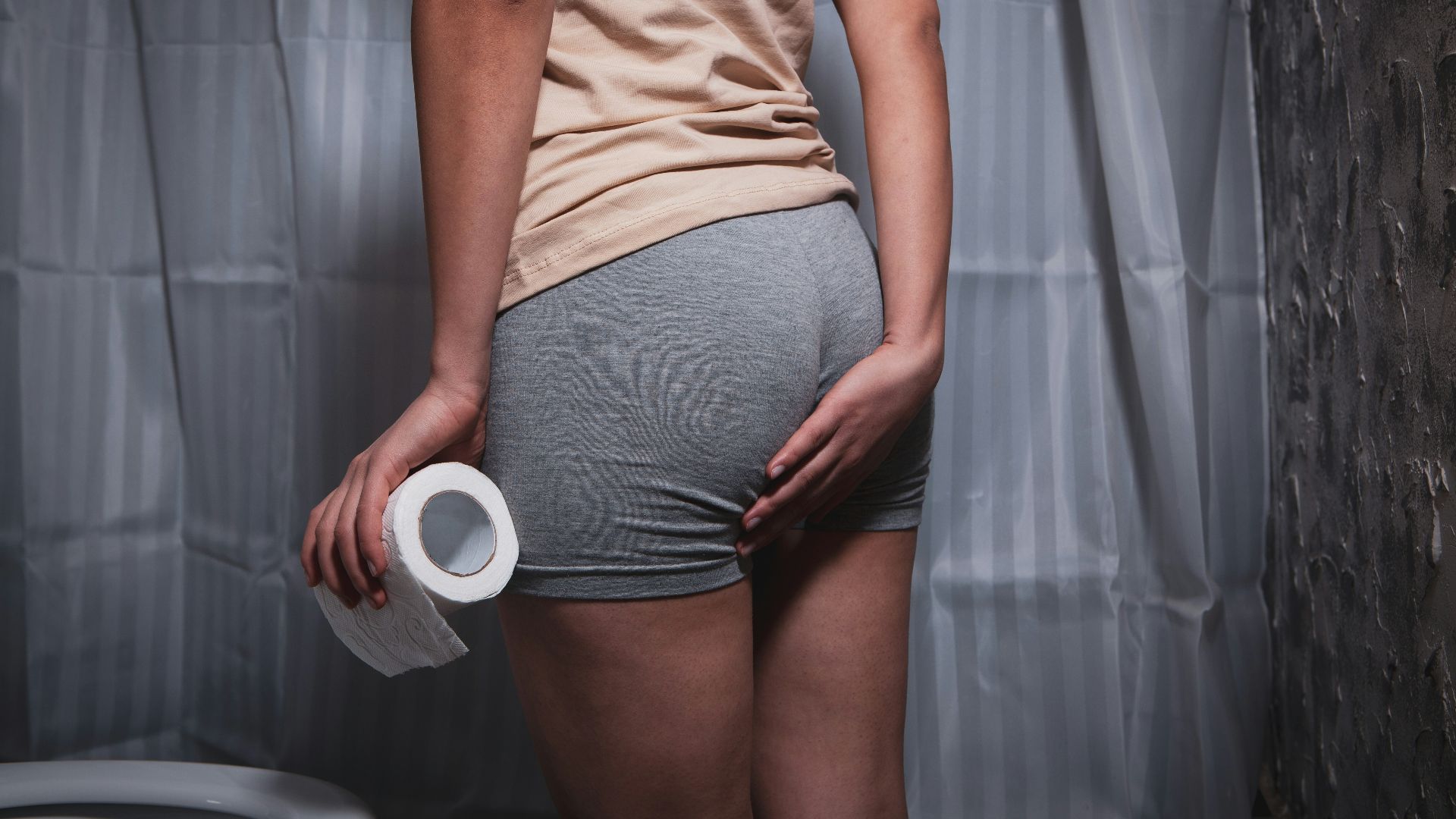
5. You Leak Before Reaching the Toilet
If you feel the urge and then leak before you can get there, your bladder may be contracting before you’re ready. This can be especially frustrating because it often happens quickly and without much warning. It may make you avoid long lines, road trips, or places where the bathroom situation feels uncertain, which is honestly your bladder taking too much of an authoritative role in your life.
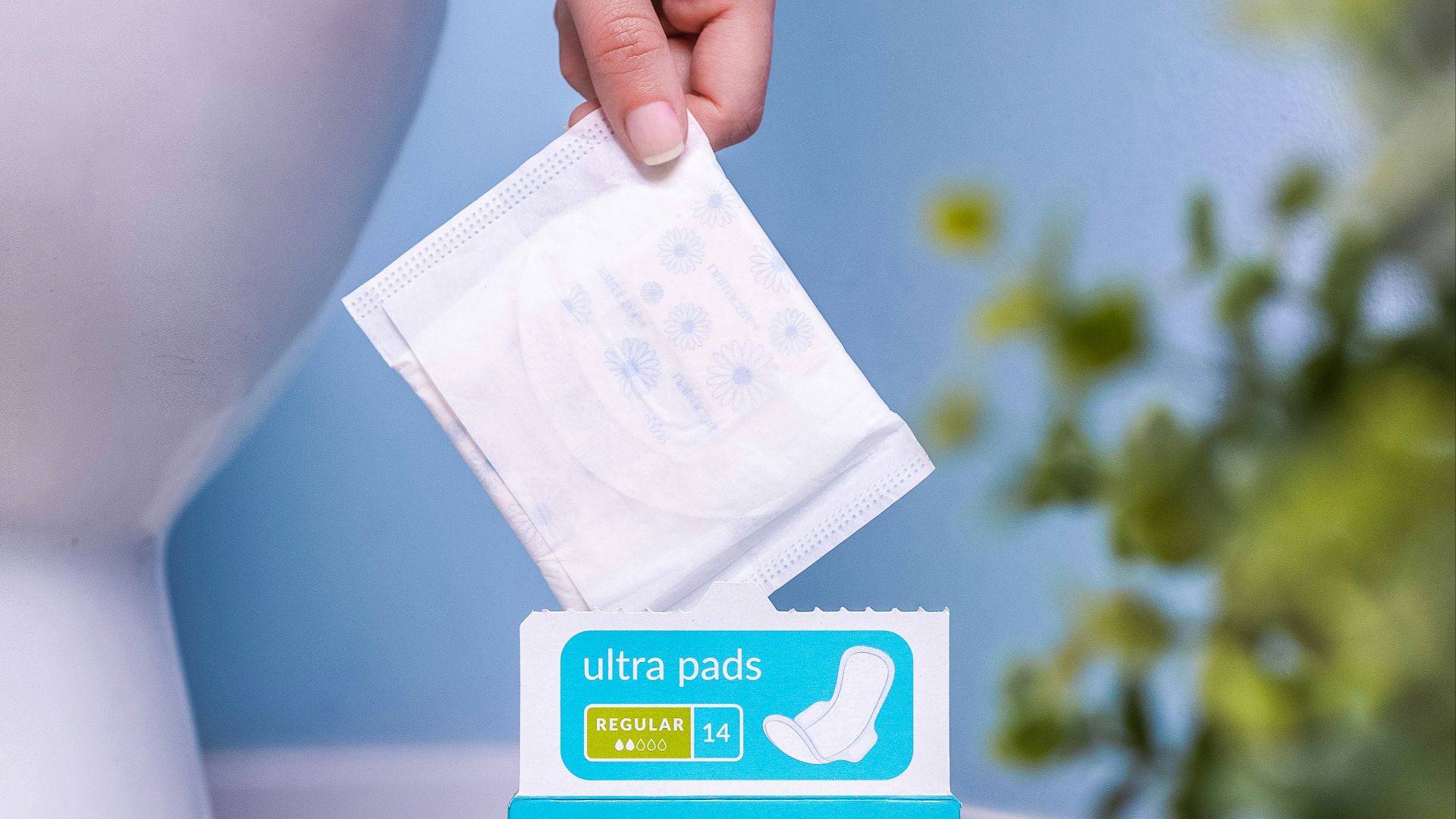
6. You Wear Pads “Just in Case”
Using pads or liners can be practical, but relying on them every day because you expect leaks may signal an ongoing bladder control issue. Some people normalize this for years because it feels easier than talking about it. The problem is that pads manage the symptom without fixing the cause.
7. You Feel Pressure or Heaviness
A heavy, dragging, or pressure-like feeling in the pelvic area can sometimes come with pelvic floor weakness or prolapse symptoms. It may feel worse after standing, lifting, or being active for a long time. This doesn’t automatically mean something serious, but it’s not something to casually ignore either.

8. You Avoid Exercise Because of Leaks
Skipping workouts because you’re worried about leaking is a common sign that bladder control is affecting your life. Running, jumping, lifting, dancing, or even brisk walking can trigger leaks when the pelvic floor isn’t supporting the bladder well. You shouldn’t have to choose between staying active and staying dry.
9. You Feel Like You Didn’t Empty Fully
A feeling that your bladder isn’t empty after you pee can be uncomfortable and distracting. It can come from several causes, including bladder habits, muscle coordination, certain medications, or medical conditions. Sometimes people respond by going “just in case” over and over, which can train the bladder into a more sensitive pattern.
10. You Have Dribbling After You Pee
Post-urination dribbling can happen when a small amount of urine remains in the urethra or when muscles don’t coordinate well. It can affect men and women, though the causes may differ. The symptom may seem minor, but it can be irritating and embarrassing when it keeps happening.
Now that we've talked about some of the common signs that your bladder isn't functioning properly, let's cover what you can do to strengthen it.
1. Practice Pelvic Floor Exercises
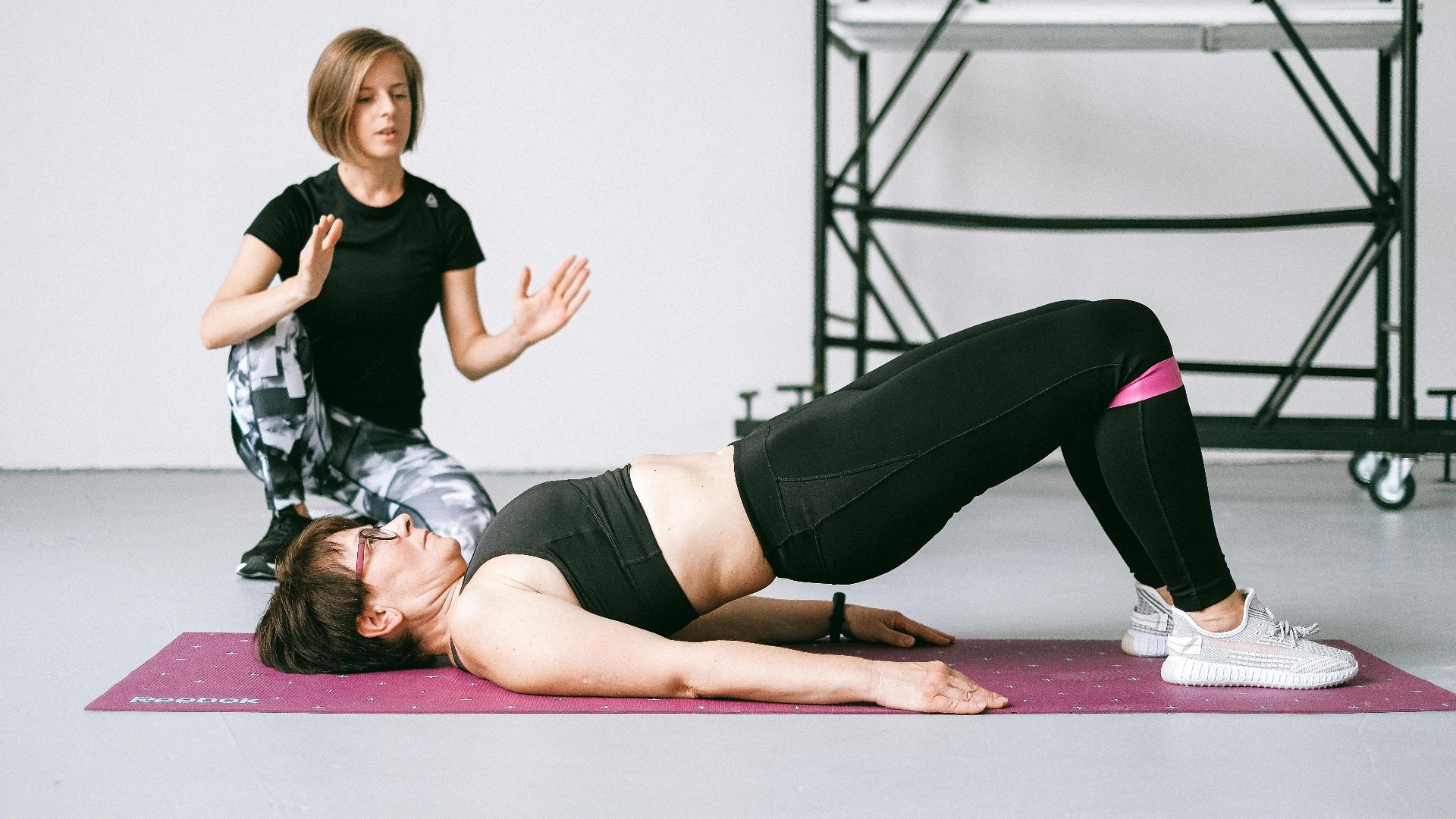
Pelvic floor exercises, often called Kegels, strengthen the muscles that help support the bladder and control urine release. The key is using the correct muscles and relaxing fully between contractions. Consistency matters, so small daily practice usually beats one heroic session every other month.
2. Try Bladder Training
Bladder training means gradually increasing the time between bathroom trips so your bladder learns to hold urine more comfortably. You might start by delaying urination for a few minutes, then slowly build from there.
3. Watch Caffeine & Alcohol Intake
Caffeine and alcohol can irritate the bladder or make urgency worse for some people. Coffee, tea, energy drinks, soda, wine, beer, and cocktails may all affect bathroom frequency differently depending on your body. You don’t have to quit everything overnight, but cutting back or timing them earlier can reveal whether they’re part of the problem.

4. Drink Enough Water, but Time It Better
Drinking too little can make urine more concentrated, which may irritate the bladder, while drinking too much can keep you running to the bathroom. A practical approach is to spread fluids throughout the day and ease up closer to bedtime if nighttime trips are an issue. Hydration is helpful, but chugging a giant bottle at 9 p.m. is basically sending your bladder a calendar invite.
5. Manage Constipation
Constipation can put extra pressure on the bladder and pelvic floor, which may make leaks, urgency, or incomplete emptying worse. A more regular bowel routine can support better bladder control because everything in the pelvis is working in close quarters. Fiber, fluids, movement, and not ignoring the urge to go can all help.

6. Maintain a Healthy Weight
Extra weight can increase pressure on the bladder and pelvic floor, which may worsen leakage for some people. Maintaining a healthy weight isn't about chasing a perfect body or being mean to yourself in the mirror. It’s about reducing pressure on a system that may already be working overtime.
7. Stop “Just in Case” Peeing
Going to the bathroom constantly when you don’t really need to can teach your bladder to expect frequent emptying. Over time, it may start sending urgent signals before it’s actually full. Try to wait for a genuine urge instead of peeing before every meeting, car ride, TV episode, and mildly uncertain social situation, because your bladder can learn habits.
8. Improve Lifting & Core Habits
Heavy lifting, straining, or holding your breath during effort can add pressure to the pelvic floor. Learning to exhale during exertion and gently engage your core can help protect the bladder-supporting muscles. This matters during workouts, carrying groceries, picking up kids, or moving furniture that you absolutely should have asked someone to help with.
9. Quit Smoking or Cut Back
Smoking can contribute to chronic coughing, and coughing repeatedly puts pressure on the bladder and pelvic floor. It can also irritate the bladder in some people, making symptoms harder to manage. Your lungs will get the obvious benefit, but your bladder may quietly appreciate the upgrade too.

10. See a Pelvic Floor Physical Therapist
A pelvic floor physical therapist can help identify whether your muscles are weak, too tight, poorly coordinated, or not activating the way you think they are. That matters because not every bladder problem is solved by simply doing more Kegels. A professional can teach proper technique, build a plan, and help you avoid habits that make symptoms worse.
KEEP ON READING


20 Ways To Get Your Vitamins And Minerals
20 Ways Doing Less Can Actually Improve Your Health