
The Sit-Down Wake-Up Call
Most of us spend way more time sitting, and it quietly chips away at how energized and comfortable we feel each day. What starts as harmless convenience slowly turns into a routine that your body isn’t thrilled about. Once you spot the signs, you can’t unsee them. Before we explore the easy ways to stay active, let’s first unpack the reasons why sitting too much becomes a problem.

1. Cardiovascular Disease
Sometimes a long stretch in the same chair feels harmless, yet it quietly encourages plaque to settle in your arteries. Blood pressure rises, and your heart works harder without you noticing. Even active young adults experience this hidden strain, making it surprising.
 Antoni Shkraba Studio on Pexels
2. Insulin Resistance
You might notice how stillness during long seated hours leaves your biggest muscles almost idle, which changes how your body handles glucose. As insulin sensitivity drops, sugar stays in your bloodstream. Over time, this pattern raises the likelihood of diabetes in a steady way.
3. Impaired Fat Metabolism
Sit long enough and the enzyme that breaks down fats eases into low gear, shifting cholesterol and triglyceride handling. And here’s the twist: even active people feel it. Exercise later doesn’t fully undo what extended stillness quietly does to your metabolism.

4. Forward Head Posture
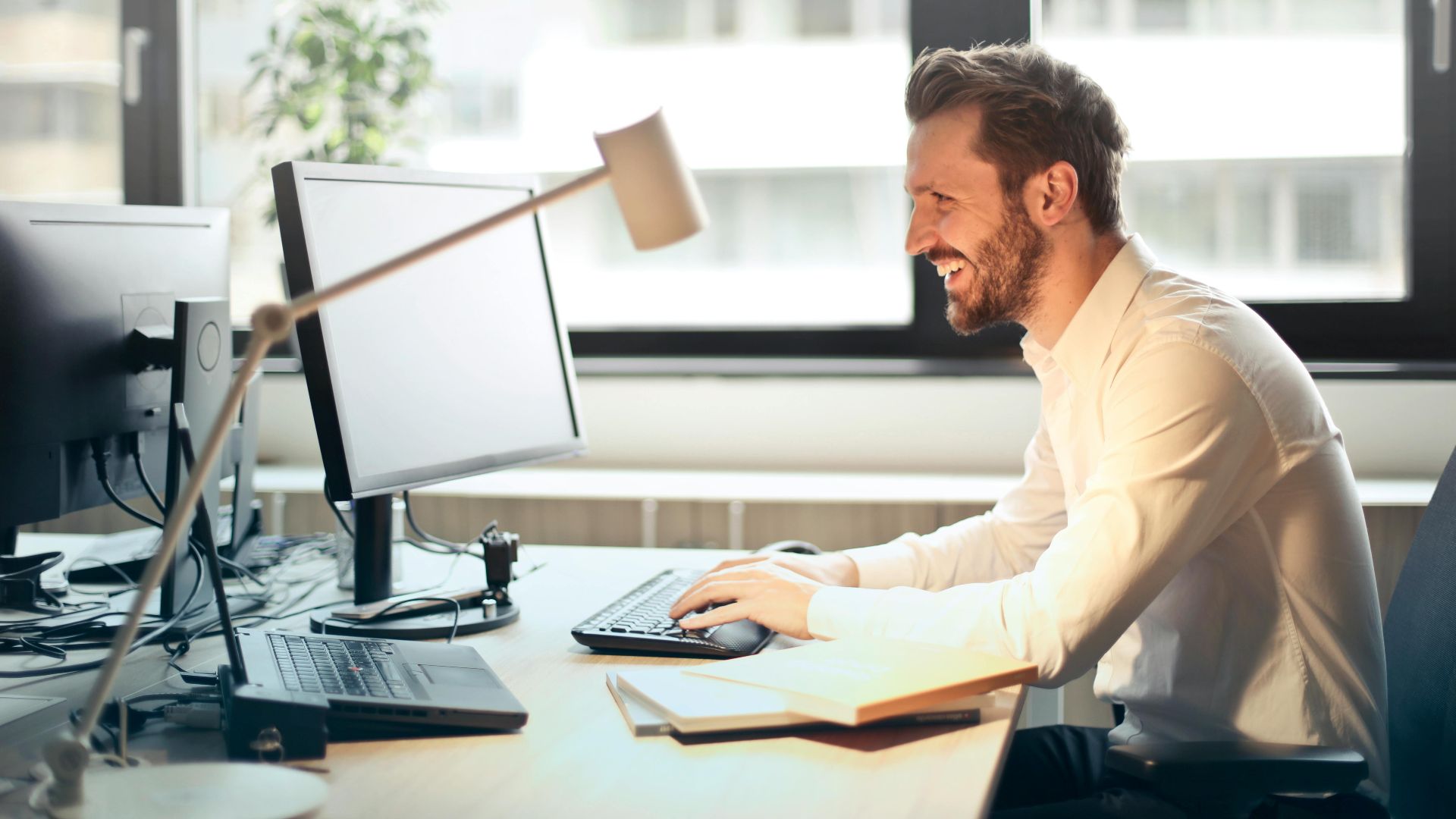
Hours of leaning toward screens slowly coax your neck forward, which changes alignment through the spine. That gentle slump places extra pressure on spinal discs. The neck and back respond with tension that feels familiar to anyone who works at a desk.
5. Deep Vein Thrombosis
During long stretches of seated time, leg circulation moves at a slower rhythm. This slower flow encourages swelling and, in some cases, clot formation inside deep veins. Even long rides in cars create conditions where the legs feel heavy from this reduced movement pattern.

6. Reduced Bone Density
When days go by with long seated stretches, your bones miss out on the tiny stress signals. Movement usually sends those messages, and without them, bones gradually lose firmness. This slow change raises the chances of osteopenia and creates a shift in overall strength.
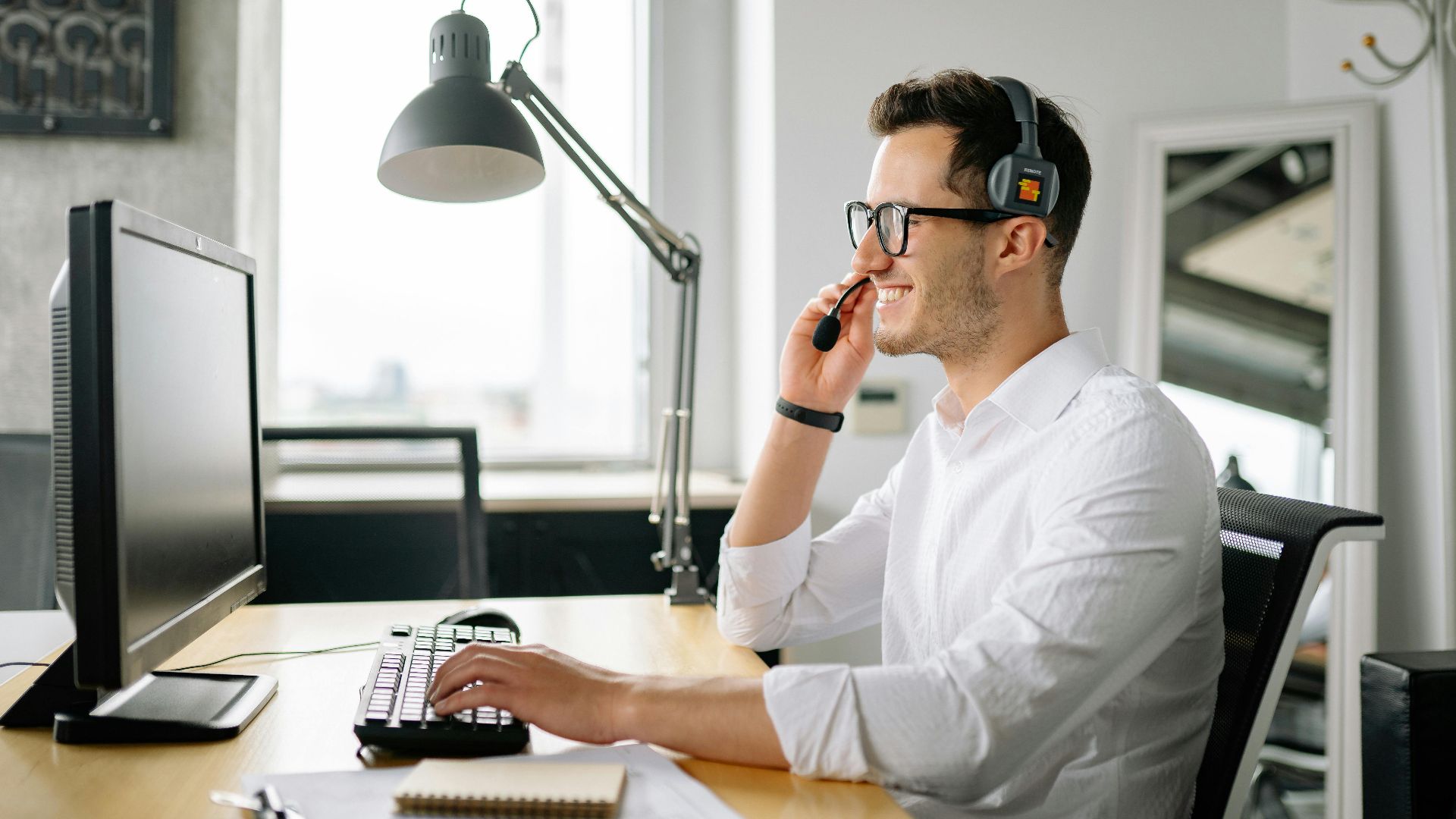
7. Accelerated Muscle Atrophy
Leg muscles thrive on movement, and when they stay idle for long spells, they slowly shrink in strength. Every day tasks begin feeling heavier because the muscles receive fewer activation signals. Many people sense this shift when standing after a long seated session.
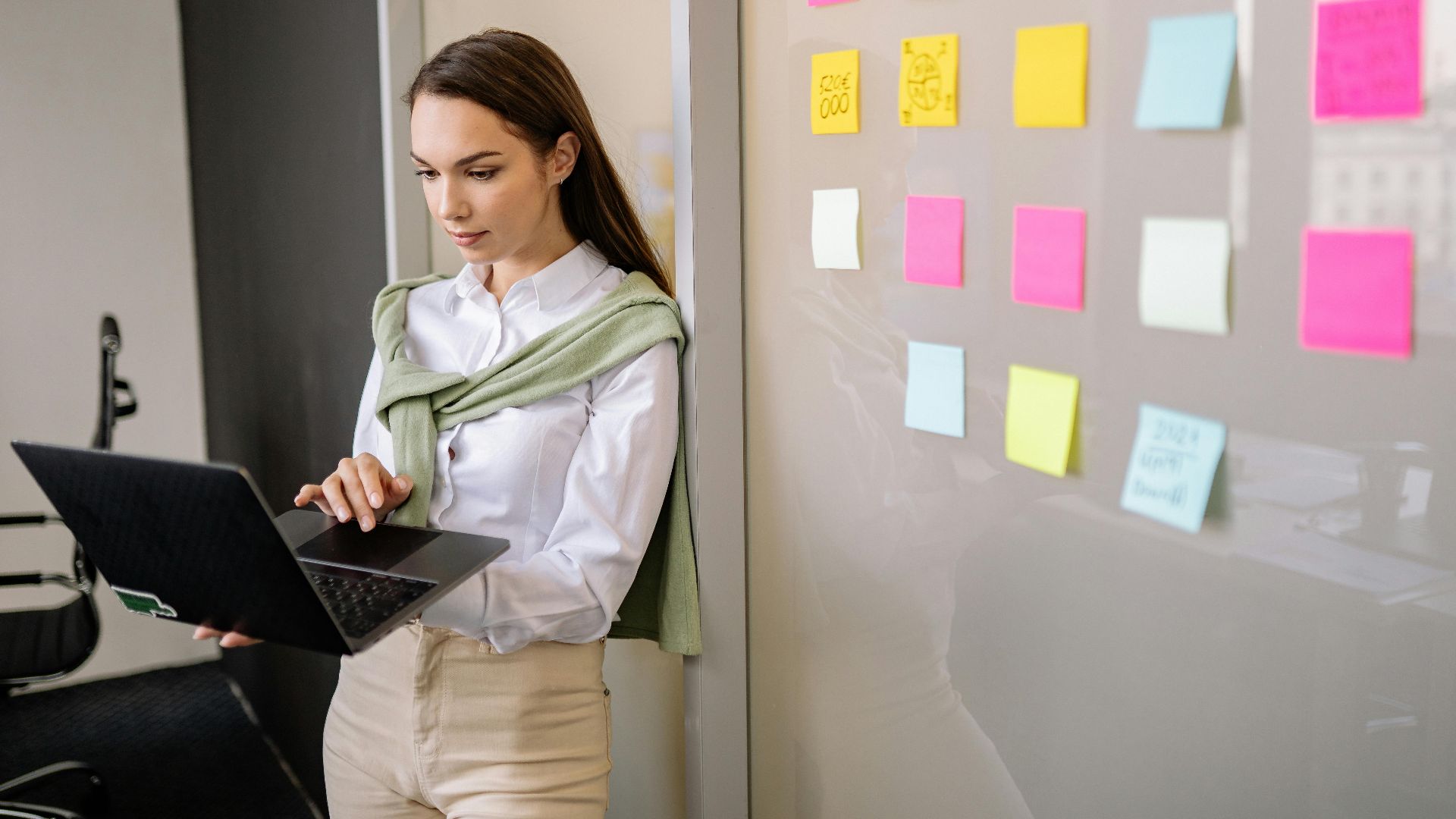
8. Stiffened Hip Flexors
Plenty of people notice that after sitting for a while, their hips feel tighter than expected. Those flexor muscles shorten during long seated hours, which makes everyday movements feel restricted. The joints crave gentle motion, and without it, mobility becomes awkward.

9. Decreased Lung Capacity
As shoulders fold inward during long seated spells, the chest tightens, and the diaphragm loses space to expand fully. With less air entering the lungs, oxygen intake drops. Over time, this pattern influences energy levels in a noticeable way.

10. Chronic Muscle Tension
Office workers often talk about the soreness that builds between the shoulders after long hours at their desks. Small postural habits, like leaning forward, cause muscles in the area to tighten. This tension gradually settles in and creates lingering discomfort that feels familiar to many.
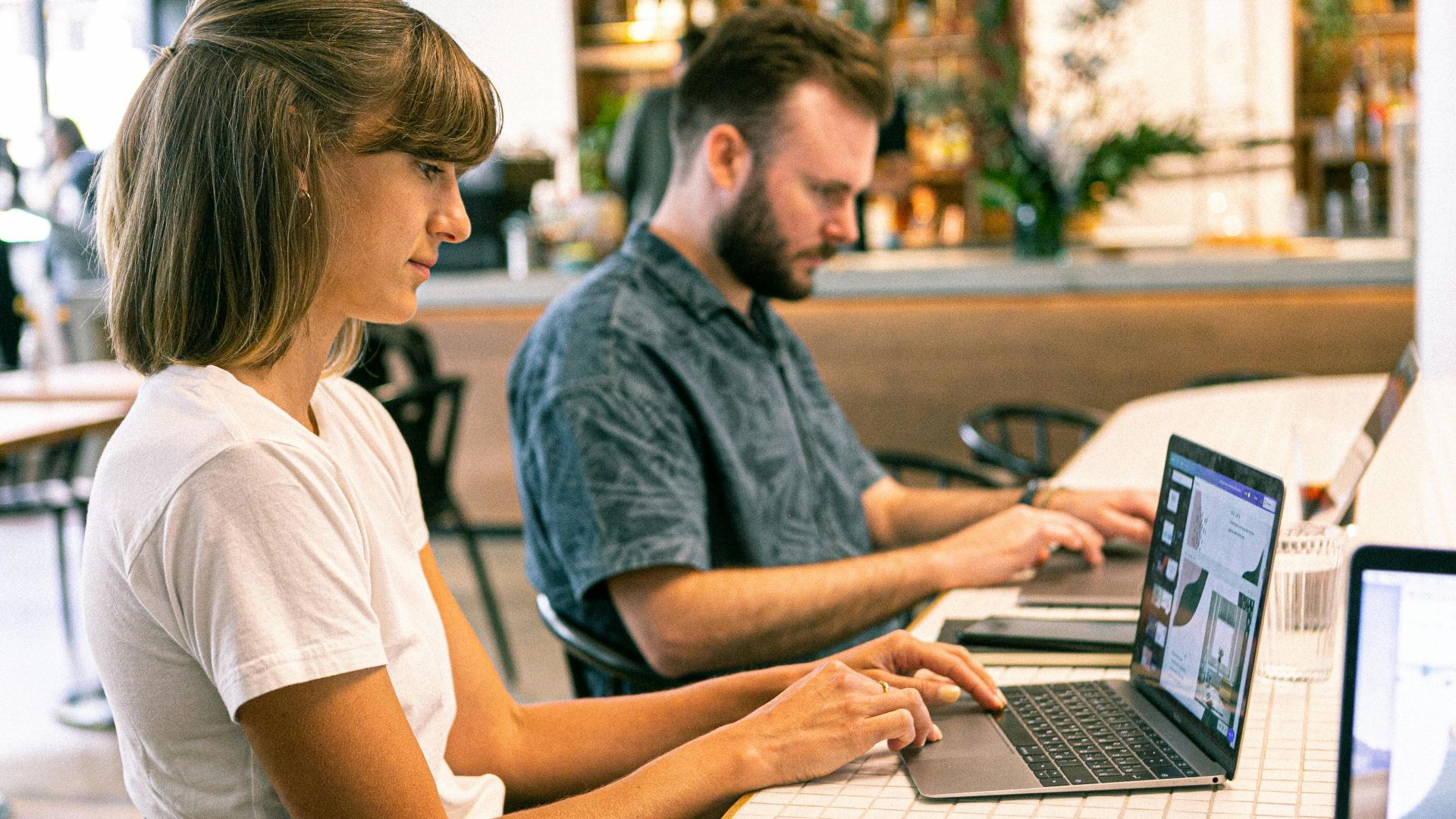
Now that we’ve seen why sitting too long is harmful, let’s explore ways to get moving.
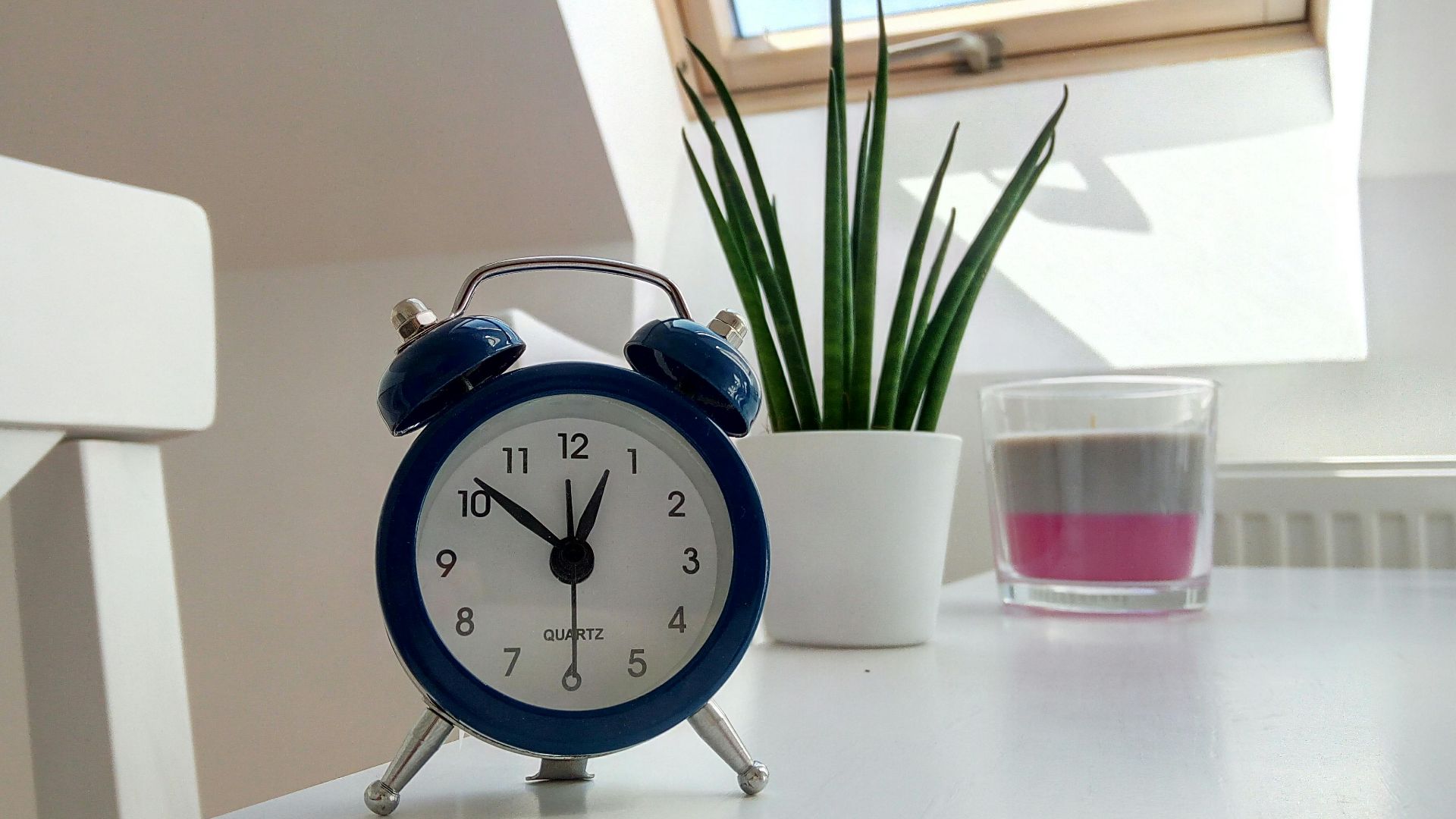
1. Set A Movement Timer
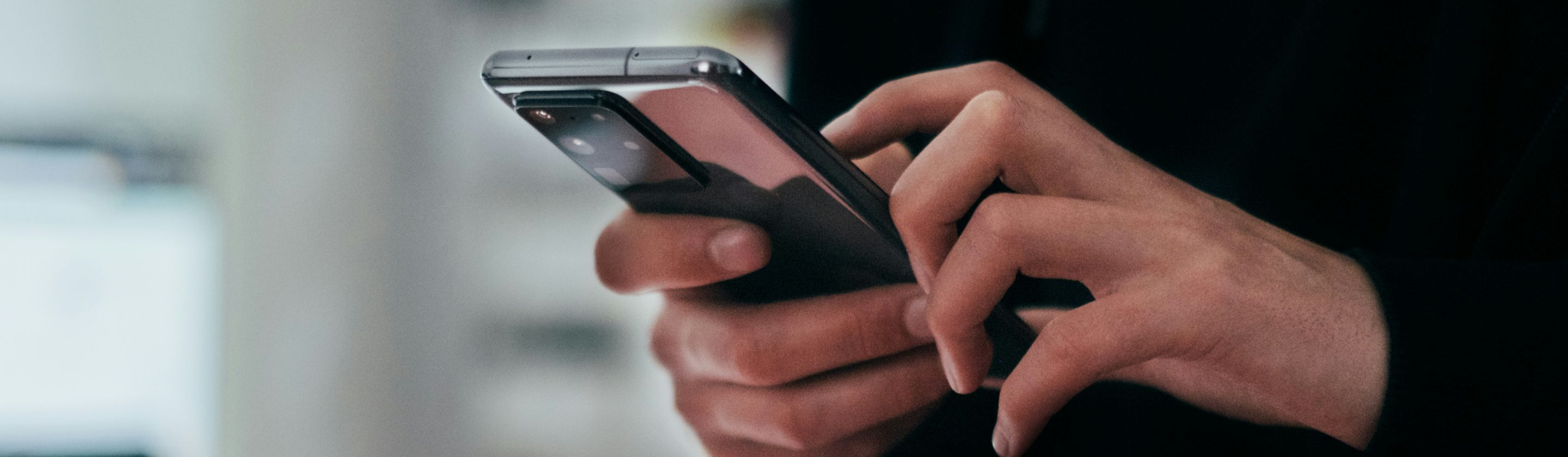
A tiny timer on your phone can totally rescue your day by nudging you up before stiffness settles in. Those quick breaks refresh your mind and body, and some people even turn favorite songs into playful reminders that keep movement fun and consistent.
2. Integrate Walking Meetings
Your next meeting can feel surprisingly lighter when you shift it into a walk. Creativity flows more easily, everyone feels more awake, and you get bonus movement indoors or outside. Many teams wander the hallways or explore nearby spaces just to keep energy higher during discussions.

3. Do Mini Stretching Routines
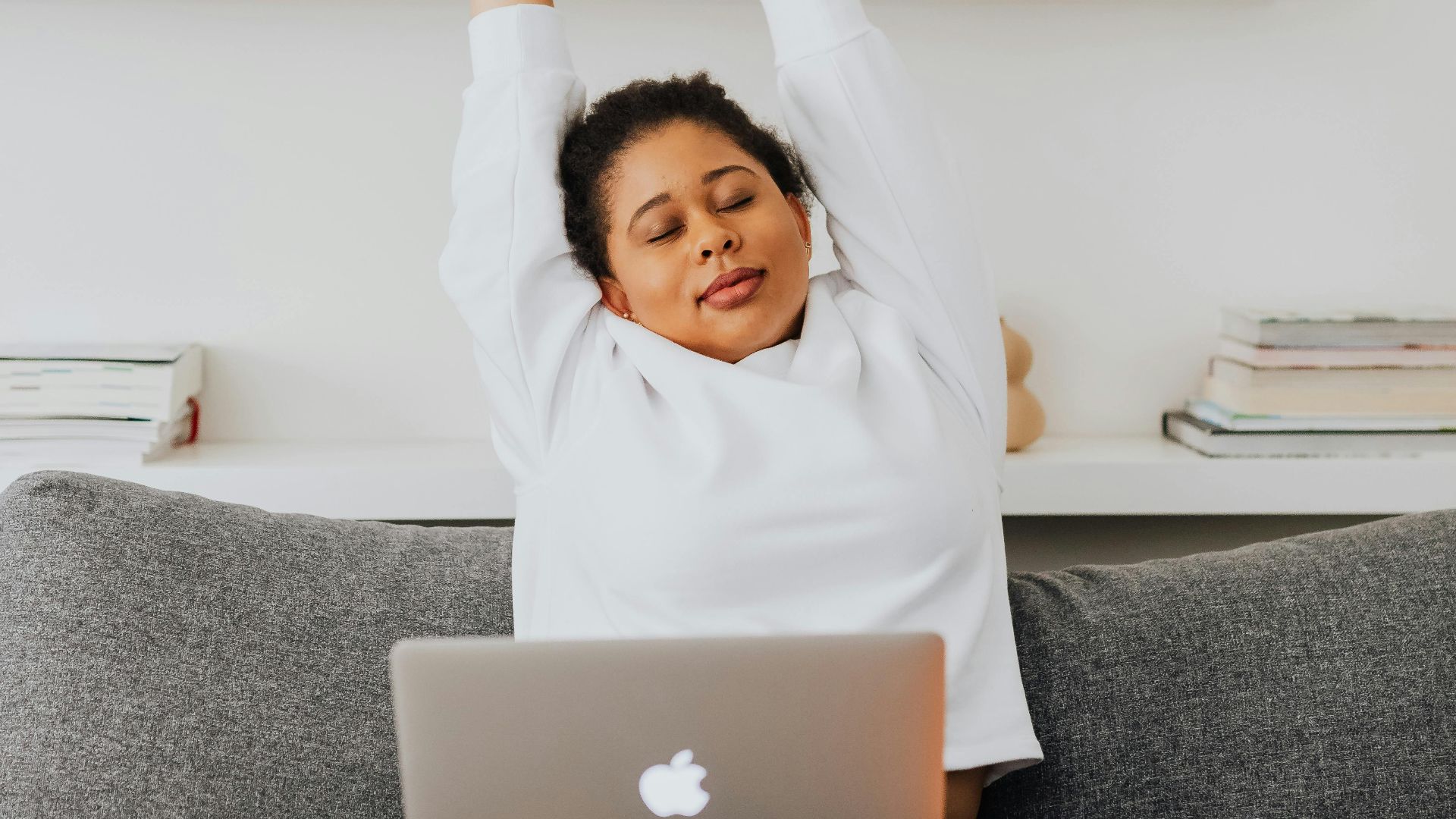
Stretching for a moment during coffee waits or TV breaks keeps your joints happy. Desk stretches spark small bursts of energy, and people often add arm swings or neck rolls to ease tension. These little routines slip into your day without effort.
4. Take Stair Breaks
Whenever you spot a staircase, treat it like a tiny workout waiting for you. Whether you’re at home or work, those steps boost your heart rate quickly. Some people even climb two at a time for fun to turn an ordinary staircase into a challenge.

5. Pace During Screen Time
When a show buffers or a call stretches on, just get up and move around the space. A slow lap or gentle pacing keeps your body active without pulling you out of the moment. It’s an easy way to stay relaxed during downtime.

6. Use Active Commuting
Your commute can double as daily movement by adding a short walk or even a longer stroll from your parking spot. Scenic detours make the trip feel refreshing, and active commuting gives both your body and the environment a little help each day.

7. Set Up A Walk-And-Talk Playlist
A playlist designed for walking can instantly boost your mood. Music or podcasts make any stroll feel quicker, and themed mixes turn regular walks into mini adventures. People often walk longer because they don’t want the audio to end, which feels surprisingly motivating.

8. Use Micro-Workouts
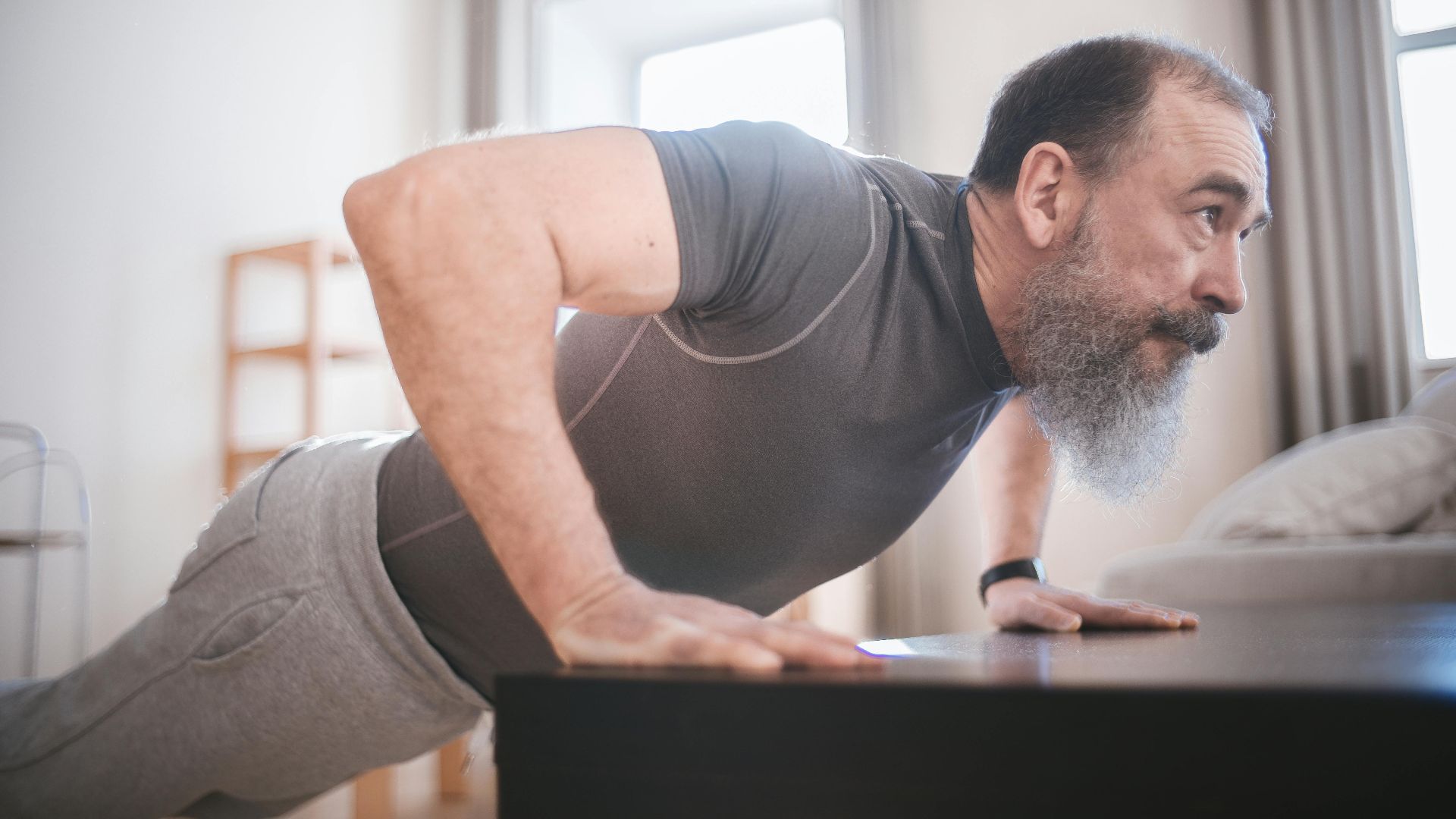
Short bursts of movement like countertop push-ups or squats slip perfectly into idle moments. People jump into a few jacks during TV credits or quick breaks, and these tiny workouts add up faster than you expect. Plus, they are effective and don't even require any equipment.
9. Incorporate Movement Before And After Meals
Adding a little movement around mealtimes feels natural once you start. A small walk before or after eating breaks long sitting stretches, and you can use kitchen time to sneak in calf raises or side steps. Evening walks also create a calming end to the day.

10. Use A Fitness Tracker
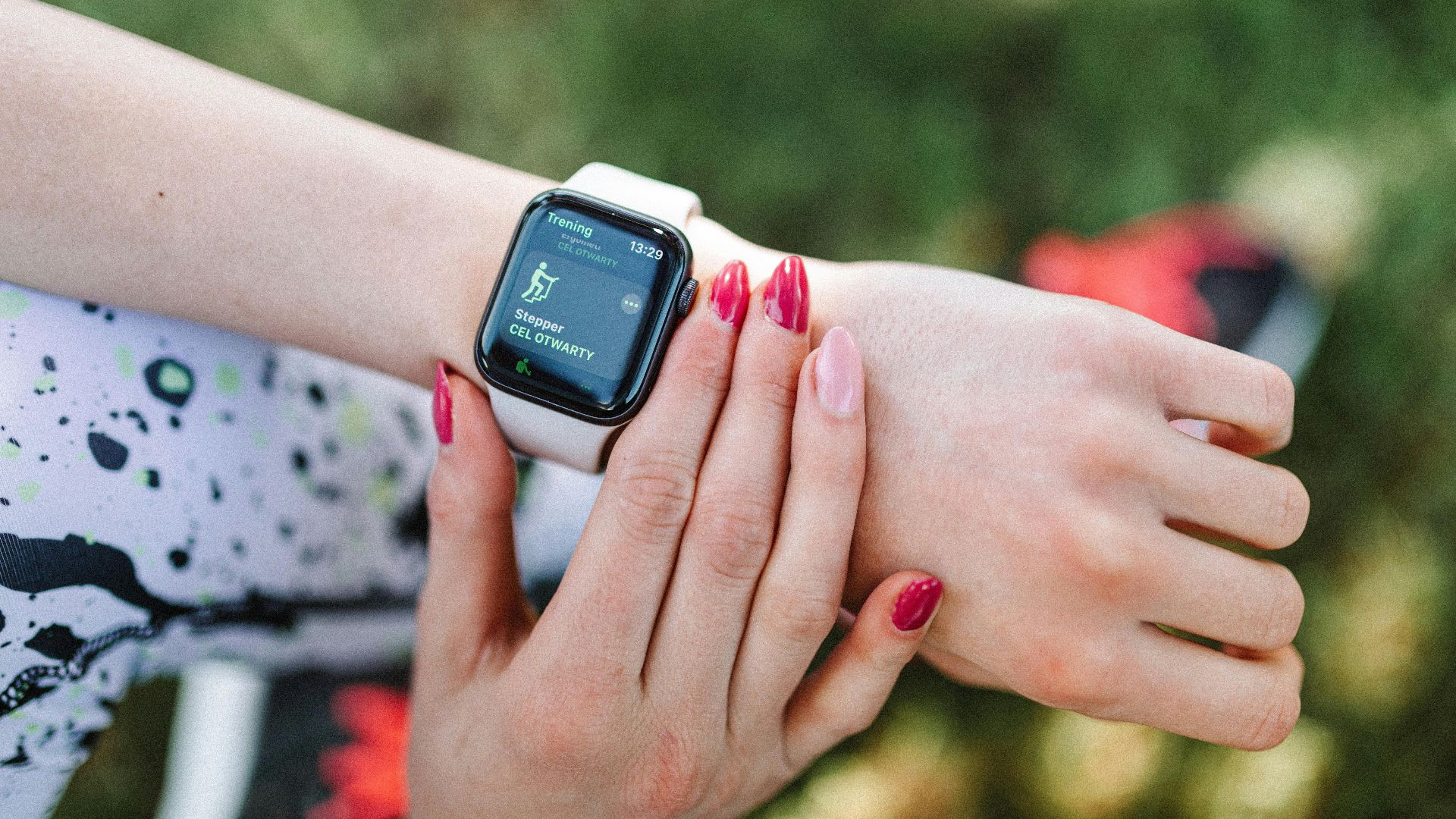
A small buzz on your wrist can pull you out of a long sitting spell before you realize it. Trackers help you aim for daily step goals and even compare progress with friends. Those alerts make activity feel easier to remember throughout the day.
KEEP ON READING