

When Training Pushes Back
Pushing yourself in workouts often feels rewarding, but there’s always a point where effort crosses into dangerous strain. The body begins sending subtle signals that it has reached its limit, though they’re surprisingly easy to dismiss. Recognizing and respecting these warnings matters more than many realize. To help, we’ll explore 20 clear signs showing when training has shifted from progress into the dangers of overtraining.

1. Constant Fatigue
When your body feels heavy, no matter how much rest you get, that’s the first clue. Energy seems to vanish during training sessions, leaving you dragging your feet. Even sleep doesn’t bring the same relief, and your usual coffee boost barely scratches the surface.

2. Frequent Injuries
Overtraining has a way of making you more fragile. Small tweaks turn into bigger problems, joints feel weak, and sprains reappear like unwelcome guests. Stress fractures and flare-ups from old injuries begin surfacing more often, which signal that your body is under too much pressure.
3. Muscle Soreness
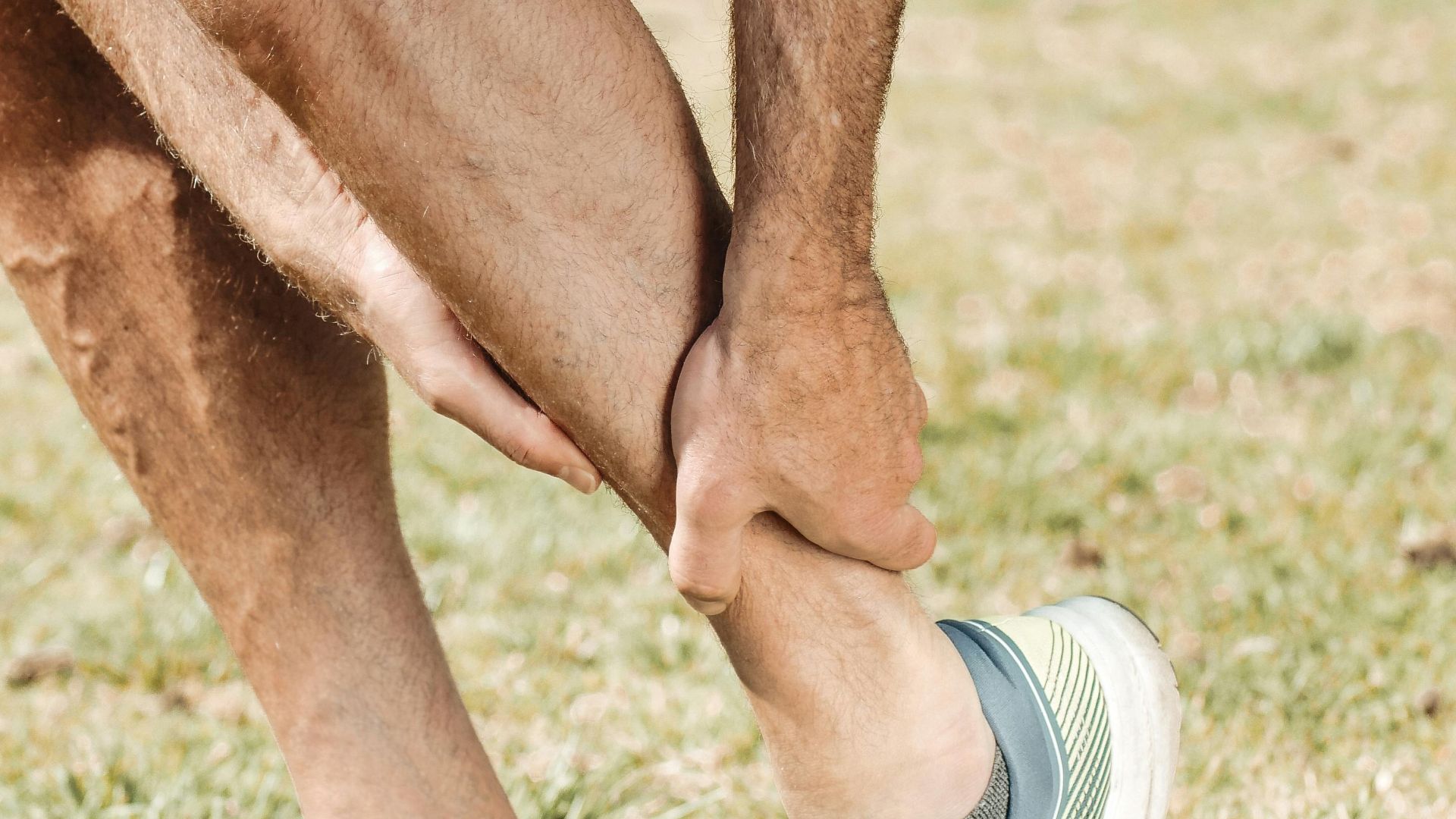
Soreness hanging around longer than expected is a warning sign. Muscles ache for days on end, and recovery times stretch far past normal. Even light movement brings discomfort, and stretching offers little relief from the stiffness that never seems to quit.

4. Decreased Performance
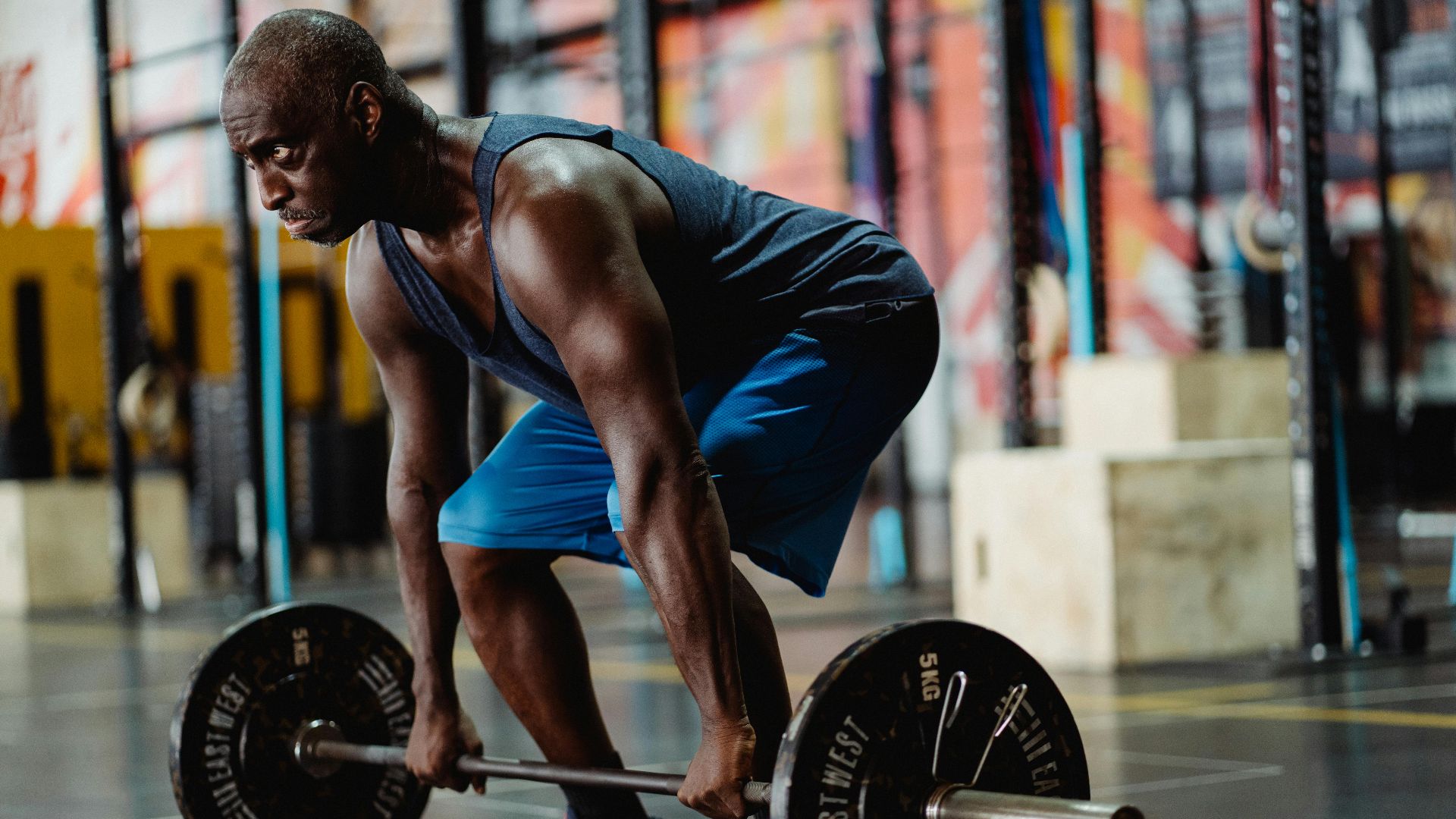
You’ll notice workouts that once felt manageable now feel punishing. Lifts stall, and simple warm-ups leave you winded. Records that used to come easily start slipping further out of reach, showing your body isn’t bouncing back like before.
5. Weakened Immune System
Suddenly, every cold floating around seems to find you. Simple illnesses linger for days longer than they should, and cuts or bruises take forever to heal. Seasonal allergies may also feel amplified and leave you wondering why your body can’t defend itself the way it used to.

6. Plateau Despite Effort
Nothing feels more discouraging than pushing harder without seeing results. Strength stalls, and the usual tricks start to lose their spark. At that point, the body is signaling for smarter adjustments rather than just another round of heavier work.
7. Elevated Resting Heart Rate
If your heart rate seems higher than usual even when you’re doing nothing, it’s often tied to overtraining. A quick morning pulse check may show a consistent rise, while trackers confirm unexplained spikes. This sign reveals your body is still working when it should be recovering.

8. Unexplained Weight Changes
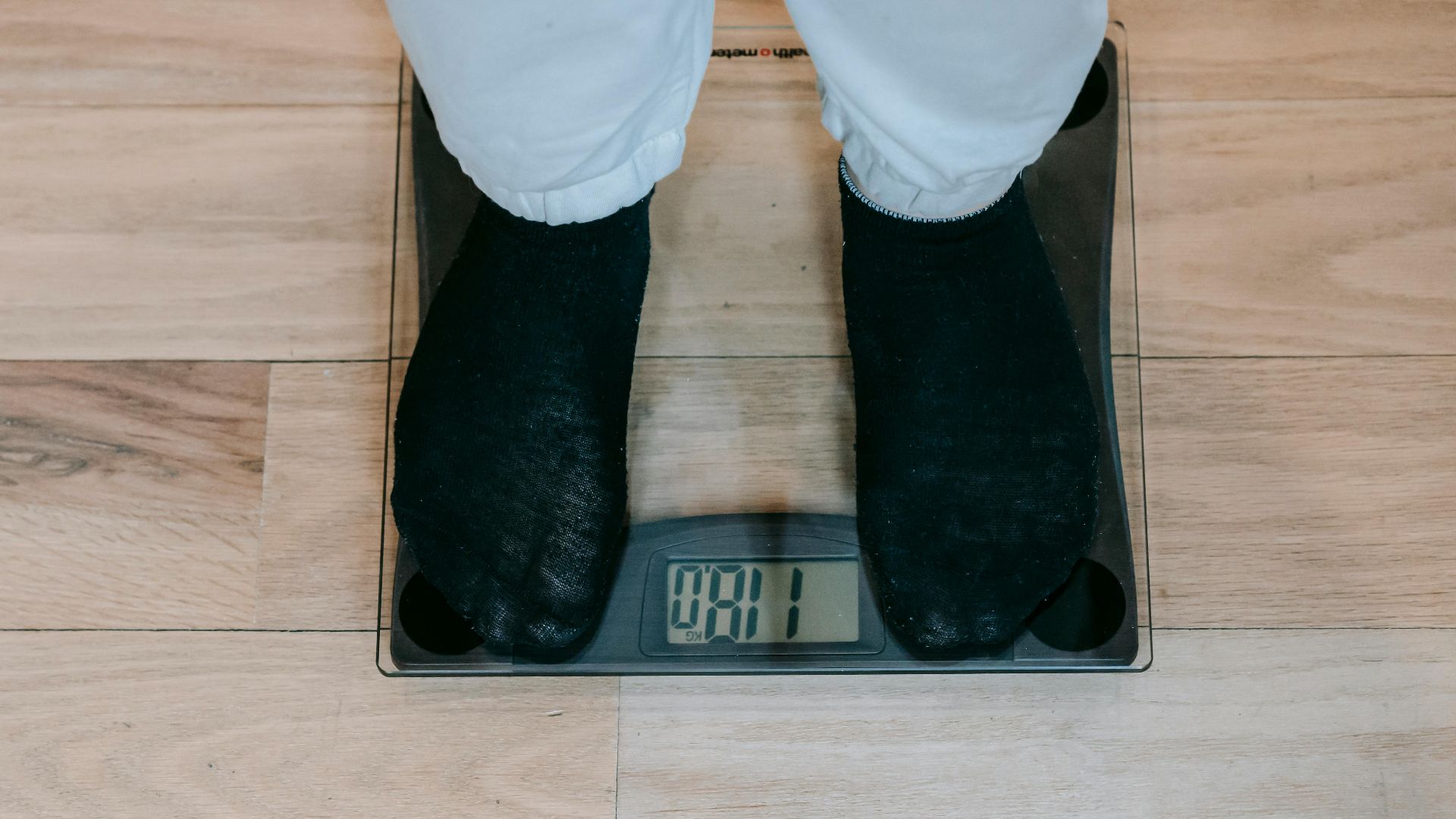
Sometimes, the body responds to stress with unpredictable shifts. You might suddenly drop pounds even though your diet hasn’t changed, or the opposite happens—weight gain sneaks in thanks to stress hormones. Bloating or unfavorable composition shifts also creep up, leaving progress feeling out of sync.
9. Loss Of Appetite
Surprisingly, the harder you train, the less appealing food might become. Meals lose their spark, cravings disappear, and protein-heavy foods start tasting bland. When weight loss begins without effort, it’s a strong signal that your system is struggling to keep up with the demands you’re placing on it.
 Photo By: Kaboompics.com on Pexels
10. Unstable Blood Pressure
When training stress builds up, blood pressure no longer stays steady. It might climb, then drop, leaving you dizzy afterward. Heart rhythm also shifts in noticeable ways. A quick test at the clinic reveals these unstable patterns right away.

11. Difficulty Concentrating
Mental sharpness fades right alongside physical strength. You’ll find focus slipping during everyday conversations and tasks dragging on longer than they should. That lingering fog becomes harder to shake off and leaves you mentally as drained as you feel physically.

12. Reduced Motivation
The excitement you once had for training starts fading. Sessions feel like chores, and even your favorite workout playlist doesn’t spark energy. Rituals that used to hype you up stop working, which shows a clear sign that your drive has hit a wall.
13. Hormonal Imbalances
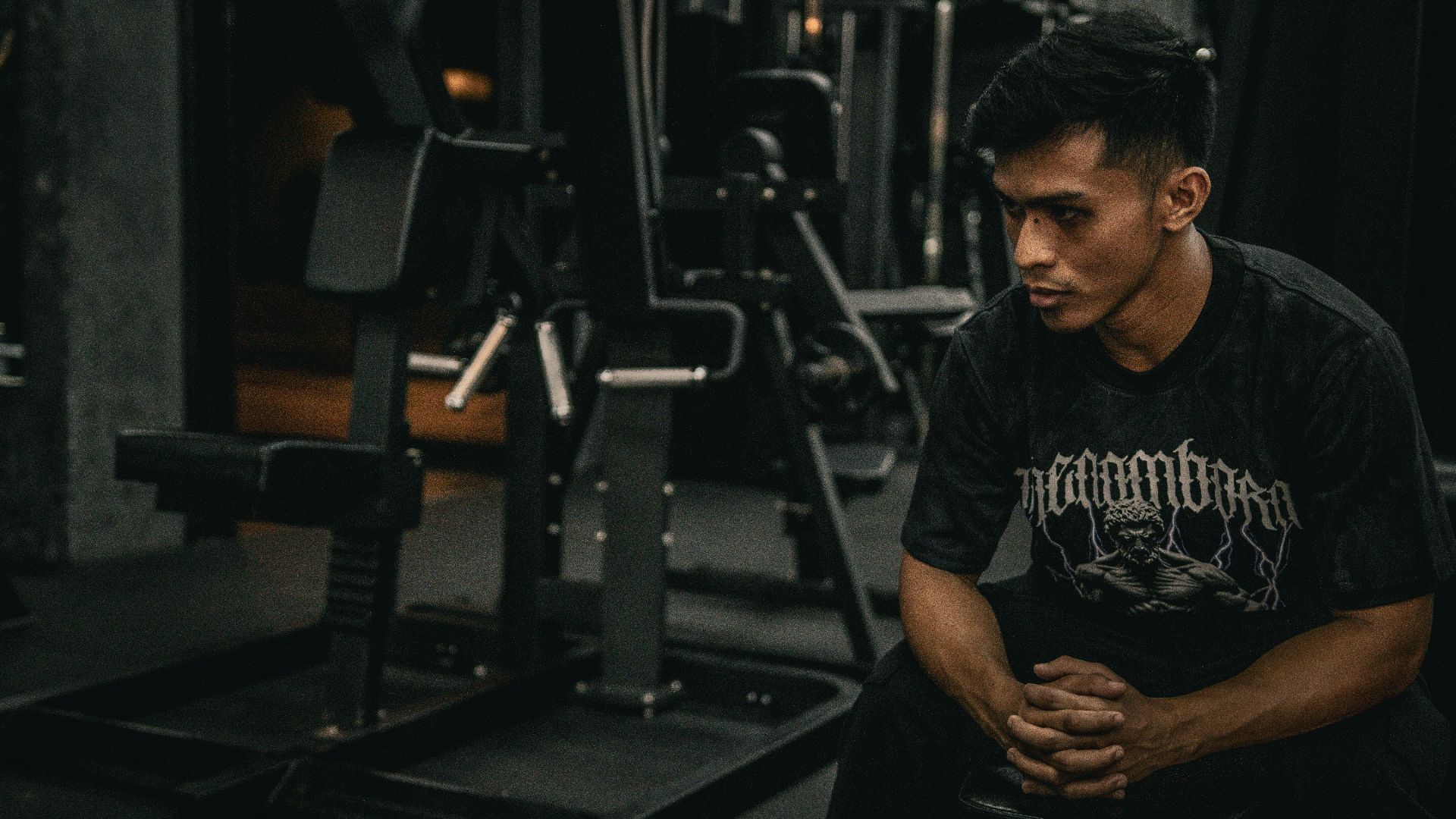
Training stress doesn’t just hit muscles—it shifts hormones, too. Women may see menstrual cycles turn irregular, while men notice symptoms of lowered testosterone. Hair loss and skin breakouts may also appear, marking that internal balance has been thrown off by constant strain.

14. Frequent Headaches
Pushing beyond your limits can bring tension headaches that creep in after exercise. Dehydration makes things worse, and migraines may develop more often. What feels like a minor nuisance is your body signaling that the system is overloaded.

15. Increased Stress
Stress hormones rise when recovery is lacking. A rise in cortisol levels shows itself through stubborn belly fat and broken sleep cycles. Over time, this shift makes it harder to relax, leaving you trapped in a loop where your mind and body stay tense outside the gym, with nothing significant to stress about.
16. Unusually High Thirst
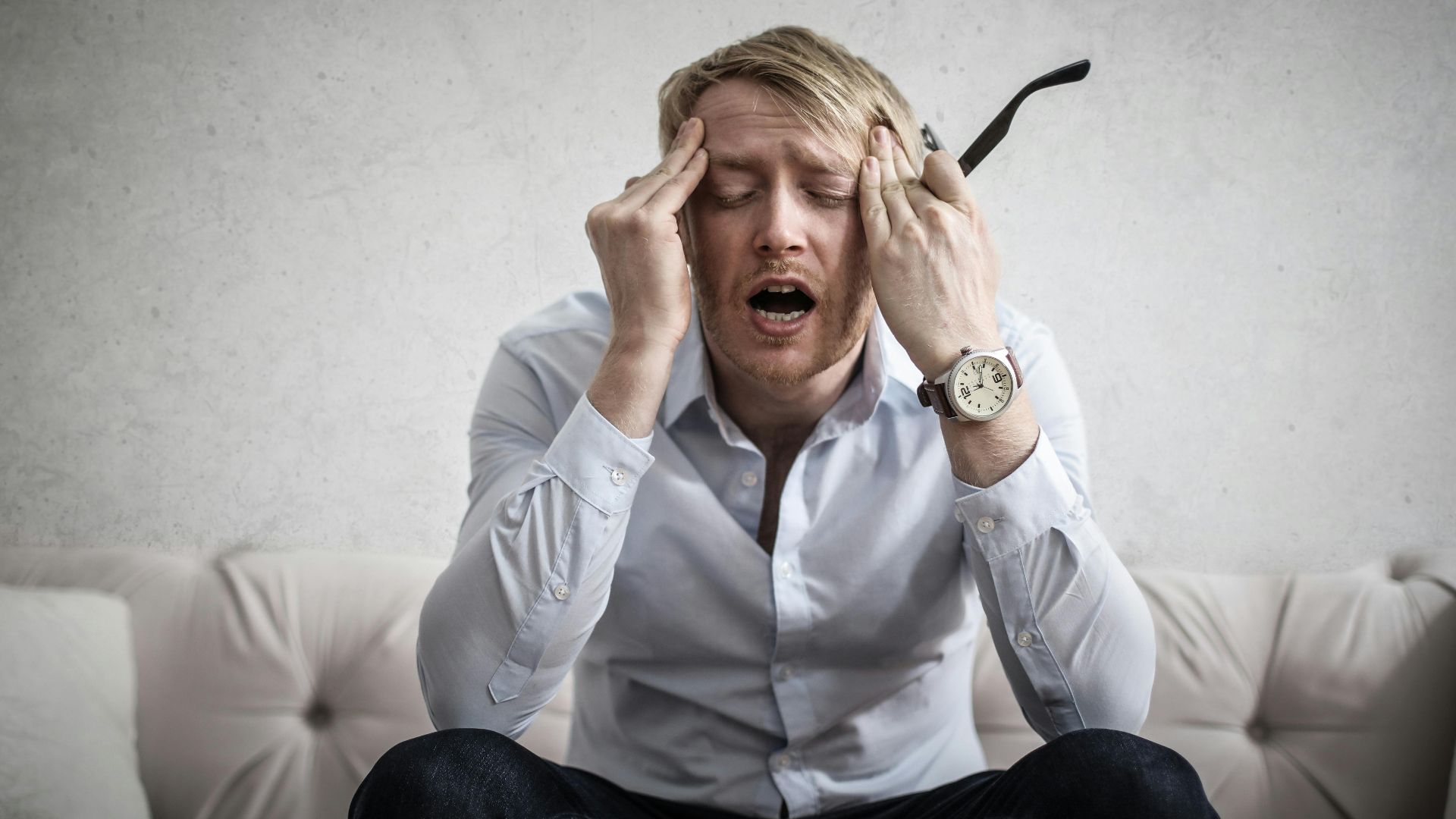
You may find yourself drinking constantly without ever feeling satisfied. Despite increased intake, dehydration symptoms creep in quickly, signaling fluid loss or an electrolyte imbalance. This thirst that never seems quenched points to the strain overtraining places on the body’s systems.

17. Decline In Coordination
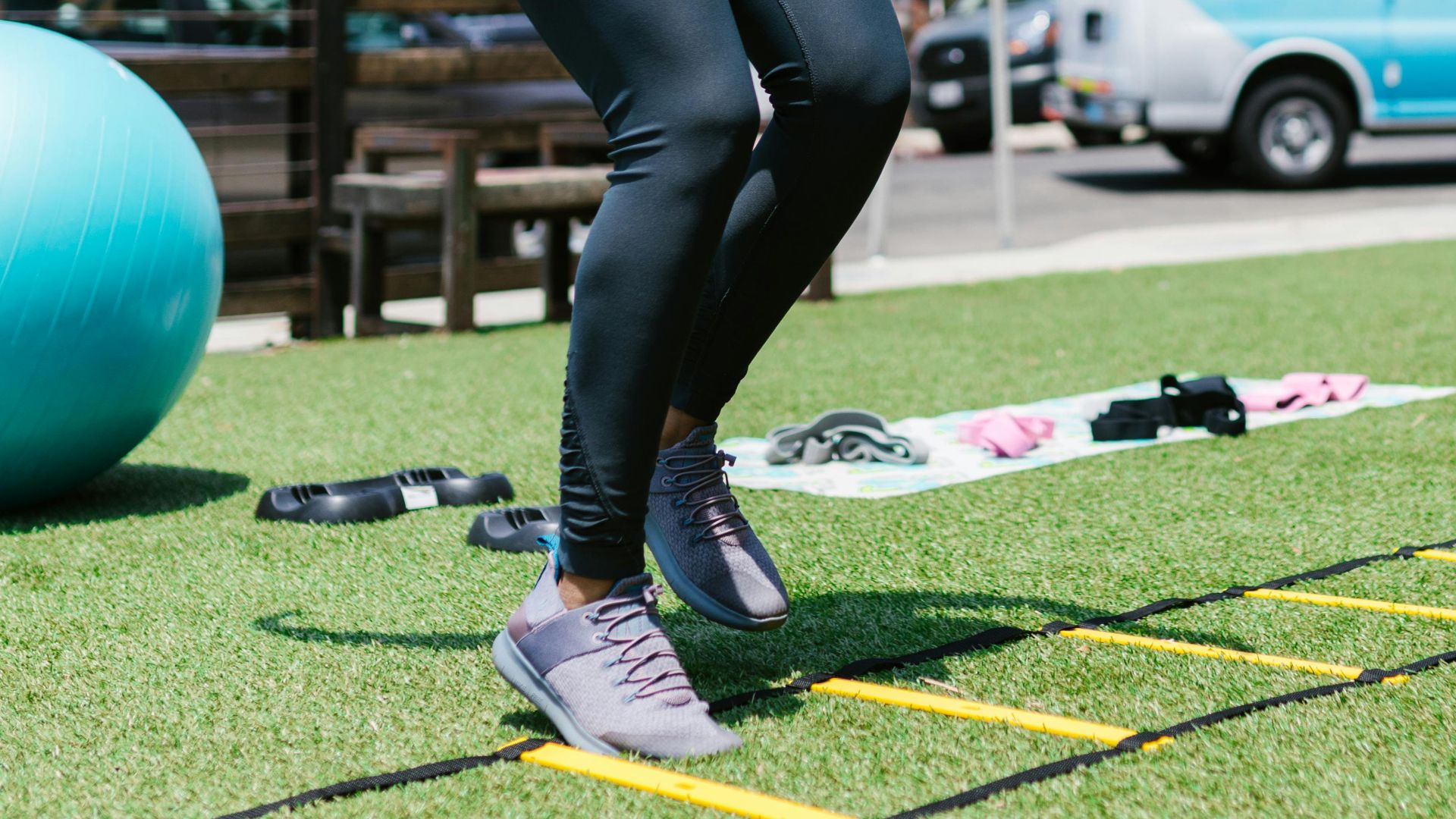
Suddenly, balance doesn’t feel as steady as before. Footwork in drills turns clumsy, and even everyday movements seem unsteady. It’s a clear sign your nervous system hasn’t had the chance to bounce back from constant physical demands.
18. Swelling In Limbs
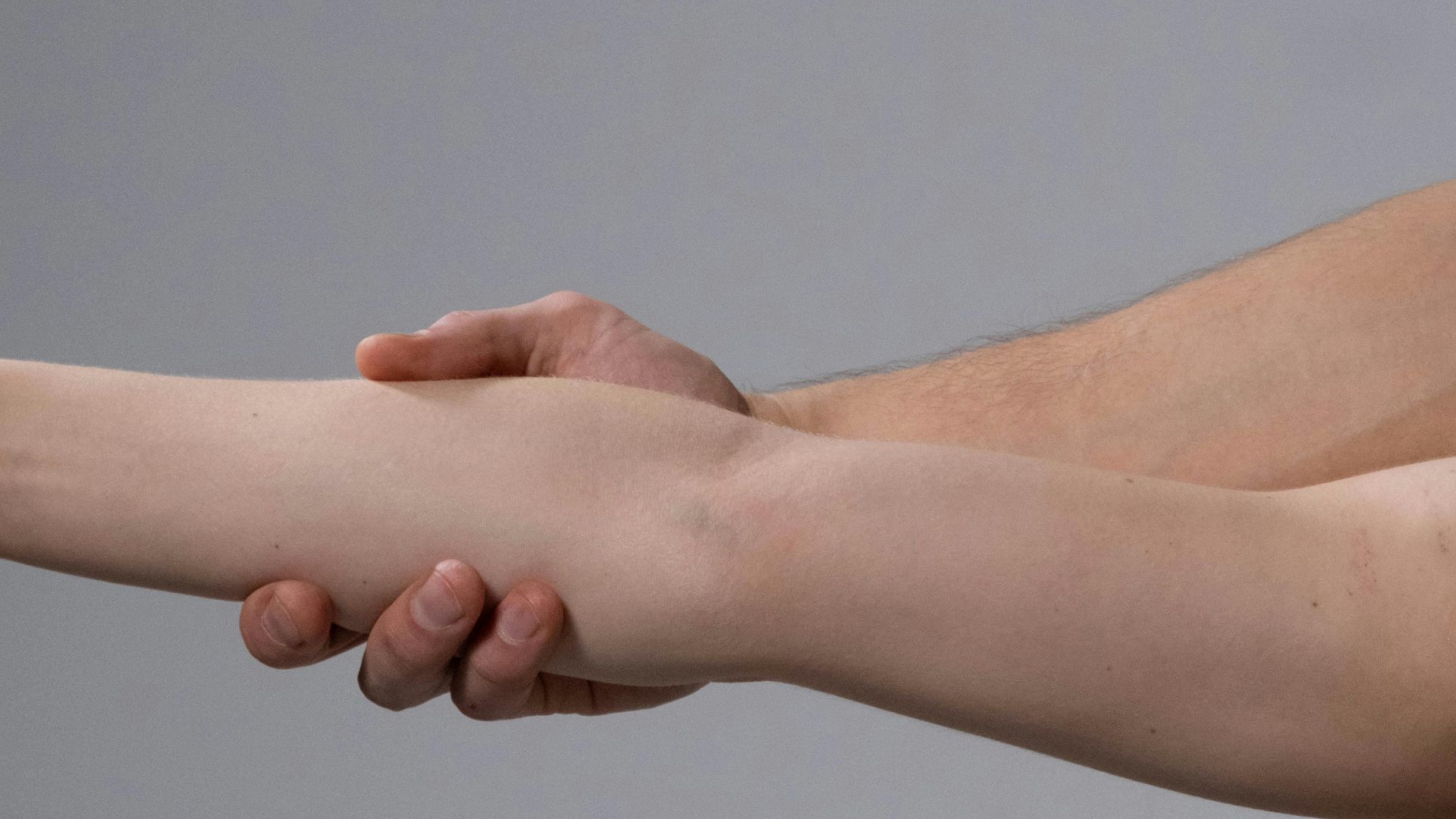
After long stretches of training, some men notice their ankles or hands looking puffy. The swelling often comes from fluid retention that builds up quietly. While compression gear can bring relief for a few, its effectiveness usually depends on both fit and severity.
19. Poor Sleep Quality
Ironically, working too hard can make rest elusive. Exhaustion doesn’t translate into easy sleep—falling asleep feels harder, nights are restless, and mornings hit with lingering grogginess. Vivid dreams can also become more frequent, making rest feel less restorative than it should.

20. Mood Swings
Workouts normally lift your spirits, but when overtraining sets in, the opposite can happen. Irritability builds, small stressors spark outsized reactions, and anxiety feels more present. Friends and family often notice these attitude changes before you do.

KEEP ON READING


20 Natural Ways You Can Boost Your Immune System

20 Ways To De-stress & Relax After Work

The 10 Most Common Diseases & The 10 Most Rare