The Secret To Looking Young
Strength is one of the most valuable assets you can have as you age. At 50+, your muscles start to deteriorate, your bones lose density, and everyday activities start to feel harder than they used to. Strength training won’t necessarily make you bulk up like a bodybuilder, but it will help you stay independent, energized, and strong. Here are 20 reasons why weightlifting or resistance training is important after age 50.

1. Preserve Muscle Mass
Muscle naturally decreases with age, a process called sarcopenia. Strength training slows this loss and keeps your body functional. Even light resistance exercises can maintain important muscle groups.

2. Strengthen Bones
Resistance exercises stimulate bone growth, reducing the risk of osteoporosis. Lifting weights or using resistance bands helps bones stay denser and stronger. This is crucial to prevent fractures later in life.

3. Improve Balance
Strengthening muscles also improves balance and coordination. Stronger legs, core, and back reduce the likelihood of falls. Better balance helps you stay mobile and confident.
4. Boost Metabolism
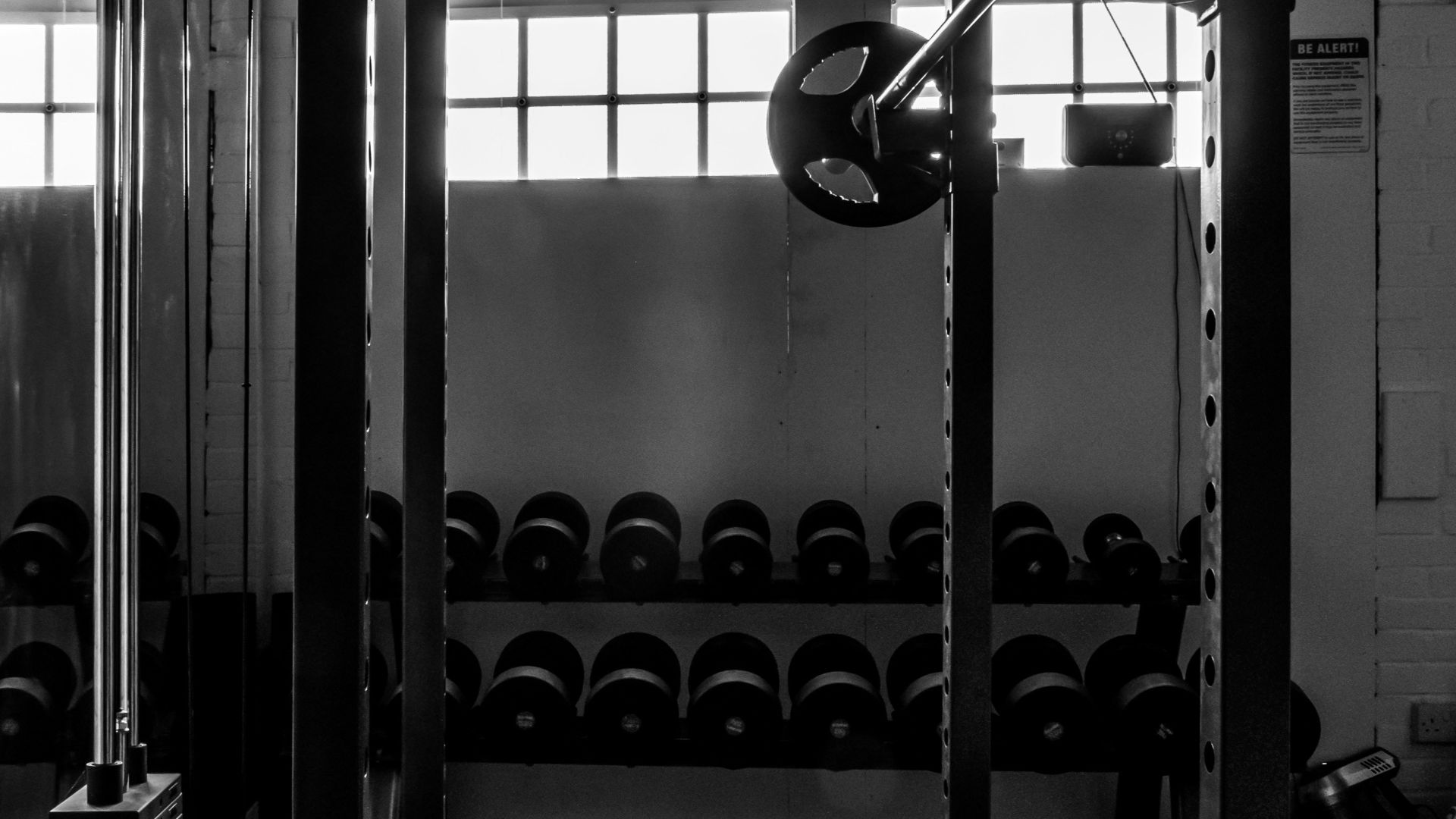
Muscle tissue burns more calories than fat, even at rest. Strength training helps keep your metabolism higher, which can counter age-related weight gain. You’ll feel more energetic and leaner over time.
5. Reduce Joint Pain
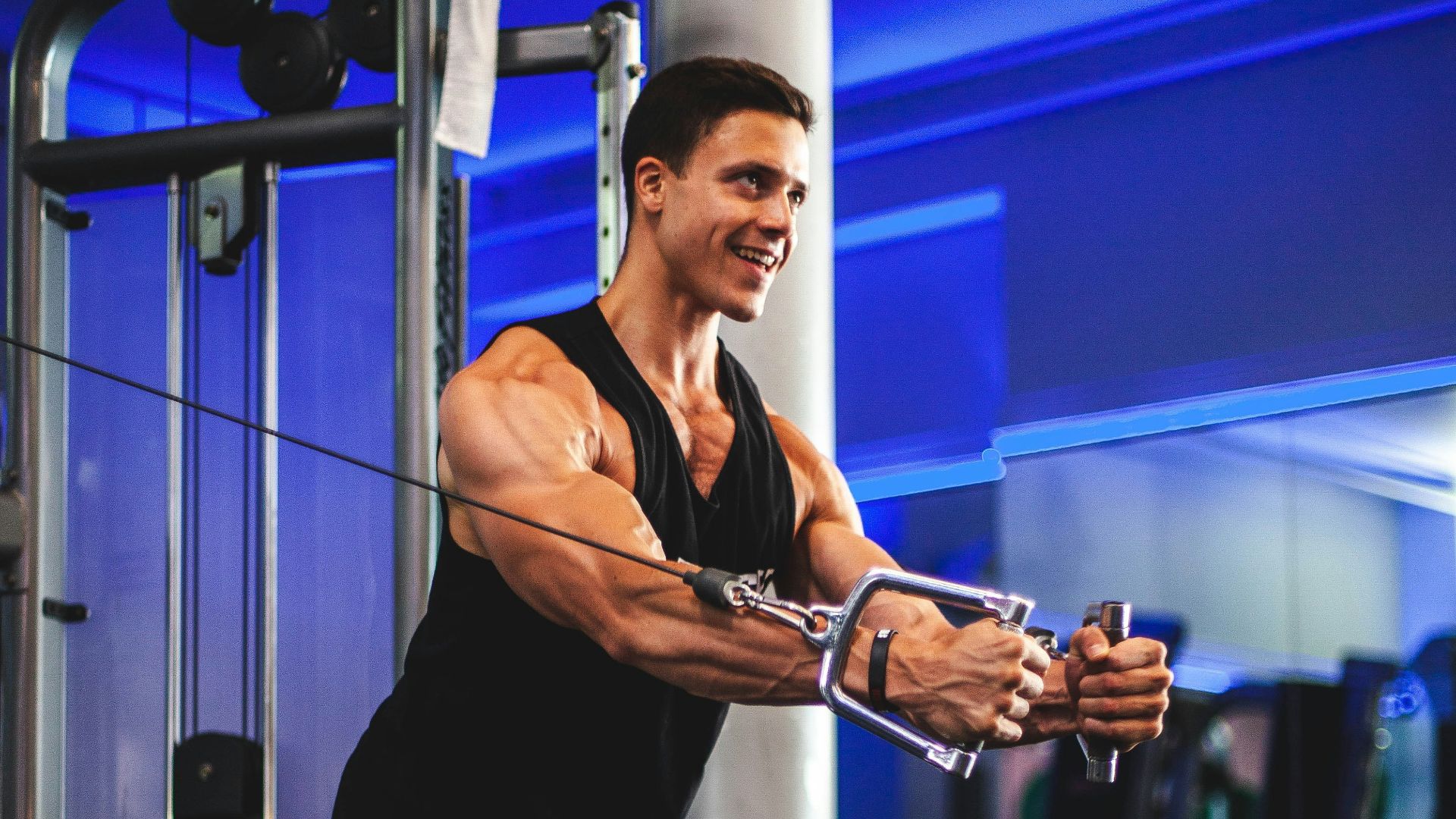
Stronger muscles support joints and reduce pressure on cartilage. This can alleviate pain from arthritis or wear and tear. Regular resistance work improves joint stability and flexibility.
6. Enhance Posture
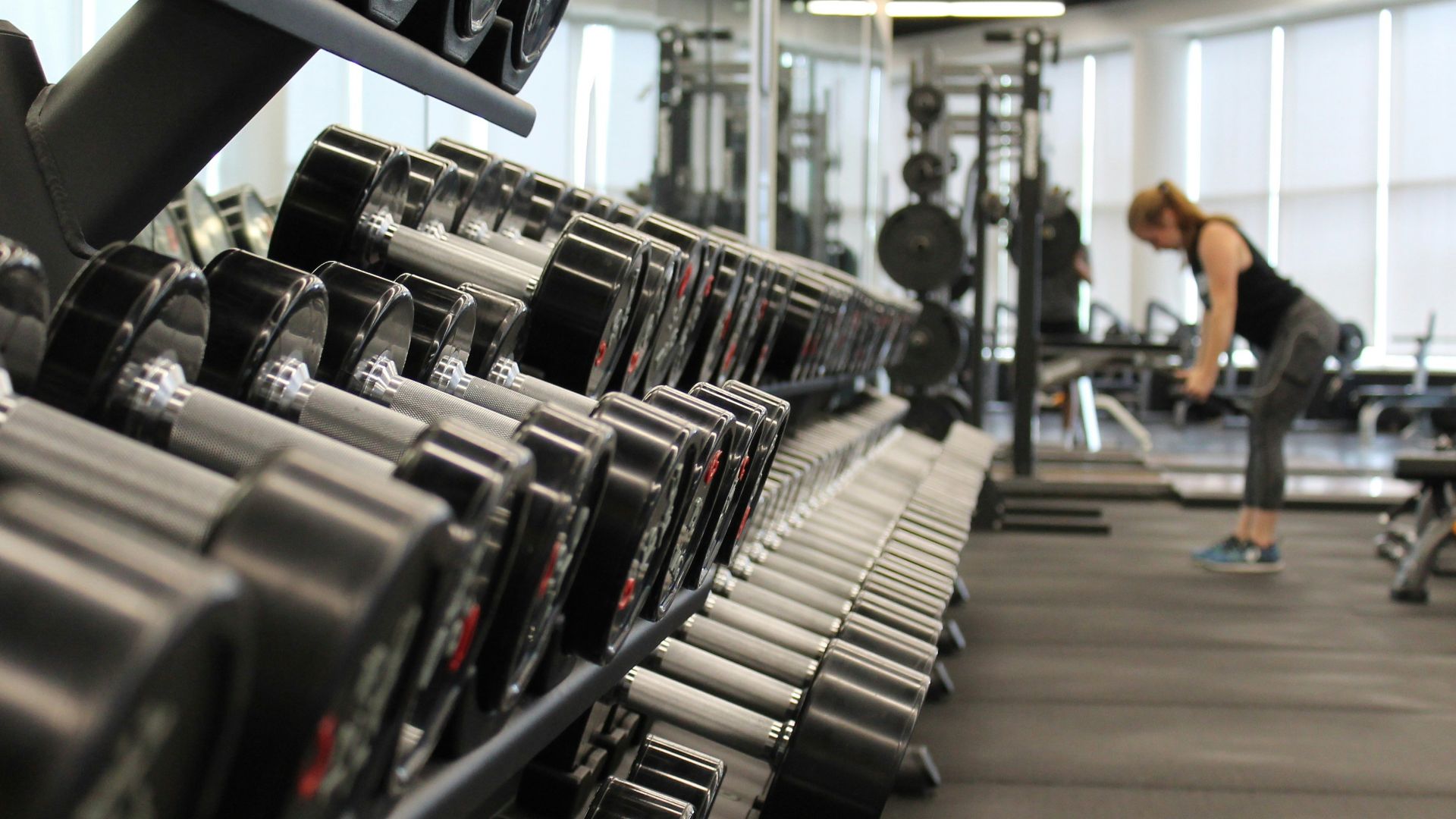
Strengthening your back, shoulders, and core encourages better posture. Good posture prevents slouching, neck strain, and back discomfort. Standing taller also makes daily tasks easier and more comfortable.

7. Increase Functional Strength
Everyday tasks, like lifting groceries or climbing stairs, require strength. Training helps your body handle these movements effortlessly. This makes independence in daily life much more attainable.

8. Support Cardiovascular Health
While often overlooked, strength training benefits your heart. It improves circulation, reduces blood pressure, and can improve cholesterol levels. Combined with cardio, it strengthens your cardiovascular system.
9. Stabilize Blood Sugar
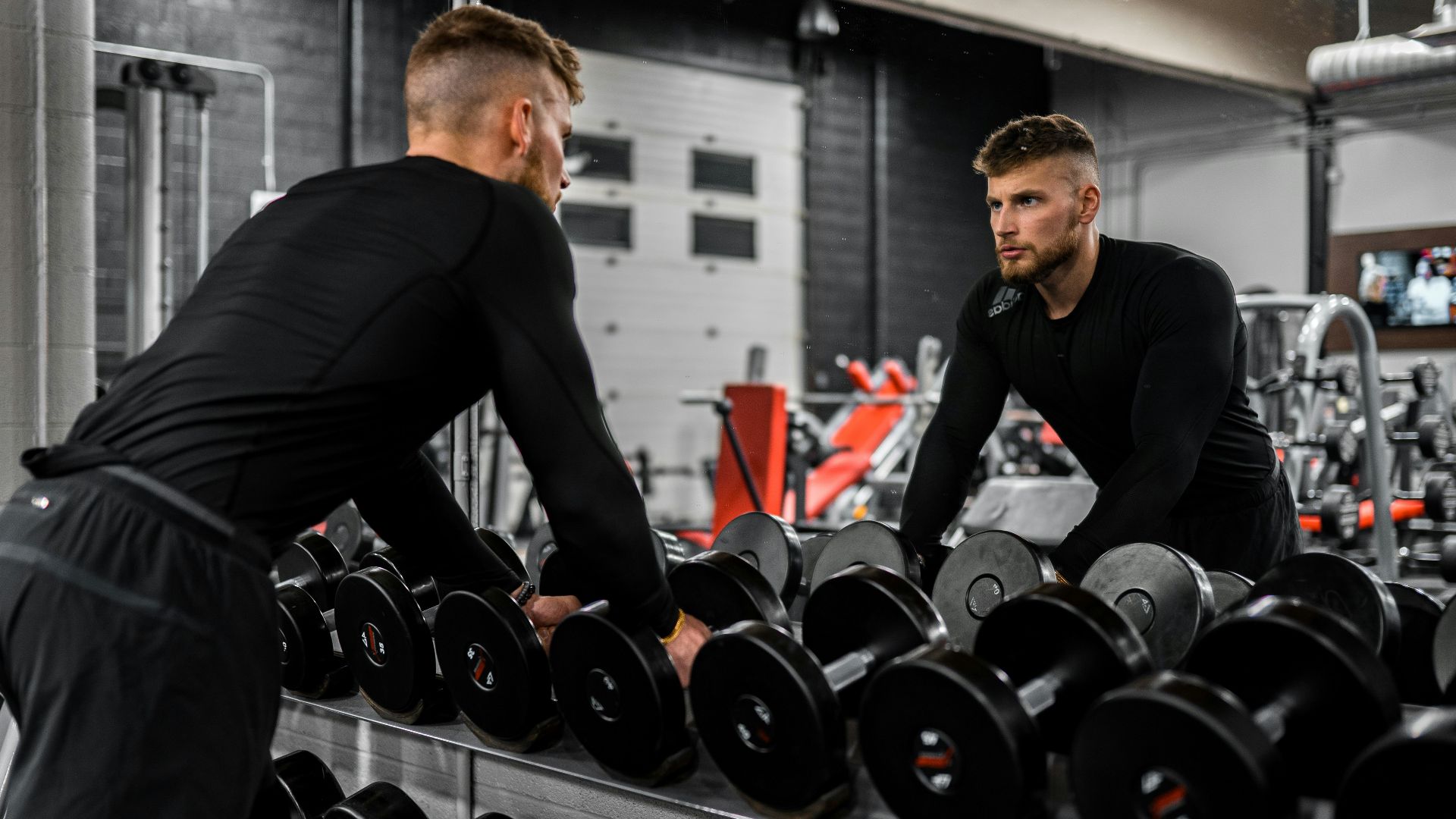
Resistance exercises help your muscles absorb glucose more efficiently. This lowers blood sugar levels and reduces the risk of type 2 diabetes. Regular training keeps energy levels steady throughout the day.
10. Combat Fatigue
Strength training boosts overall energy by improving muscle efficiency. Tasks that once felt tiring become easier. You’ll notice less exhaustion and more stamina for daily activities.

11. Protect Mental Health
Exercise, including strength training, releases mood-boosting chemicals. It can reduce symptoms of anxiety and depression. Feeling stronger physically also improves confidence and self-esteem.

12. Improve Sleep Quality
Regular resistance workouts help regulate sleep patterns. Many people report falling asleep faster and staying asleep longer. Better rest contributes to overall well-being and recovery.
13. Boost Flexibility
Strength training combined with stretching enhances joint range of motion. Flexible muscles and tendons reduce stiffness and soreness. This makes movement easier and more comfortable.
14. Support Healthy Aging
Building strength slows overall physical decline. Your body maintains independence longer, even as natural aging processes continue. Strength training helps you age on your own terms.
15. Reduce Risk of Injury
Stronger muscles protect ligaments and joints from strain. Resistance work trains stabilizing muscles that prevent accidents. You’ll be better equipped to handle unexpected movements safely.
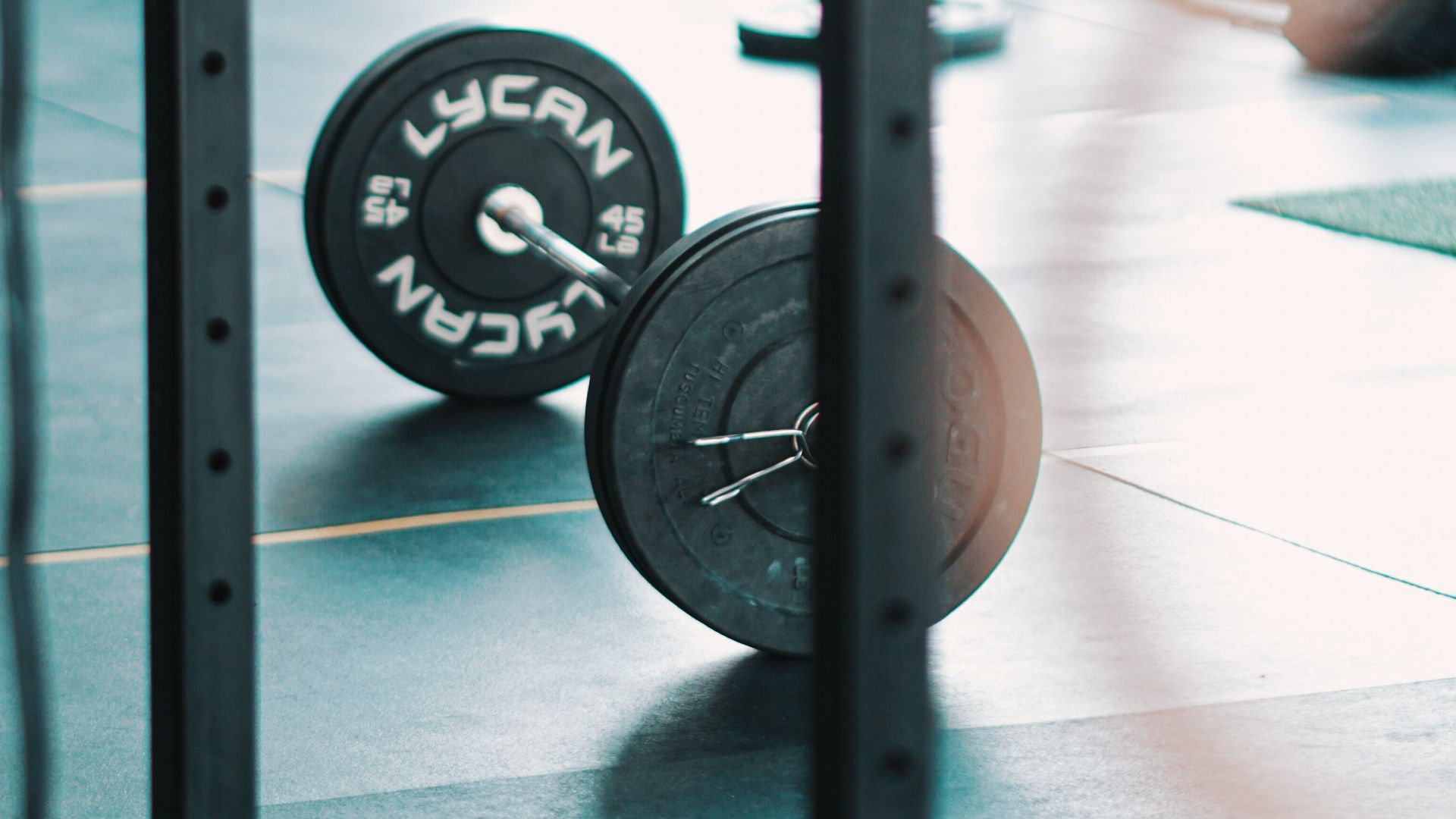 Eduardo Cano Photo Co. on Unsplash
16. Enhance Mental Sharpness
Exercise increases blood flow to the brain and supports cognition. Strength training has been linked to improved memory and focus. Staying mentally sharp complements physical health.
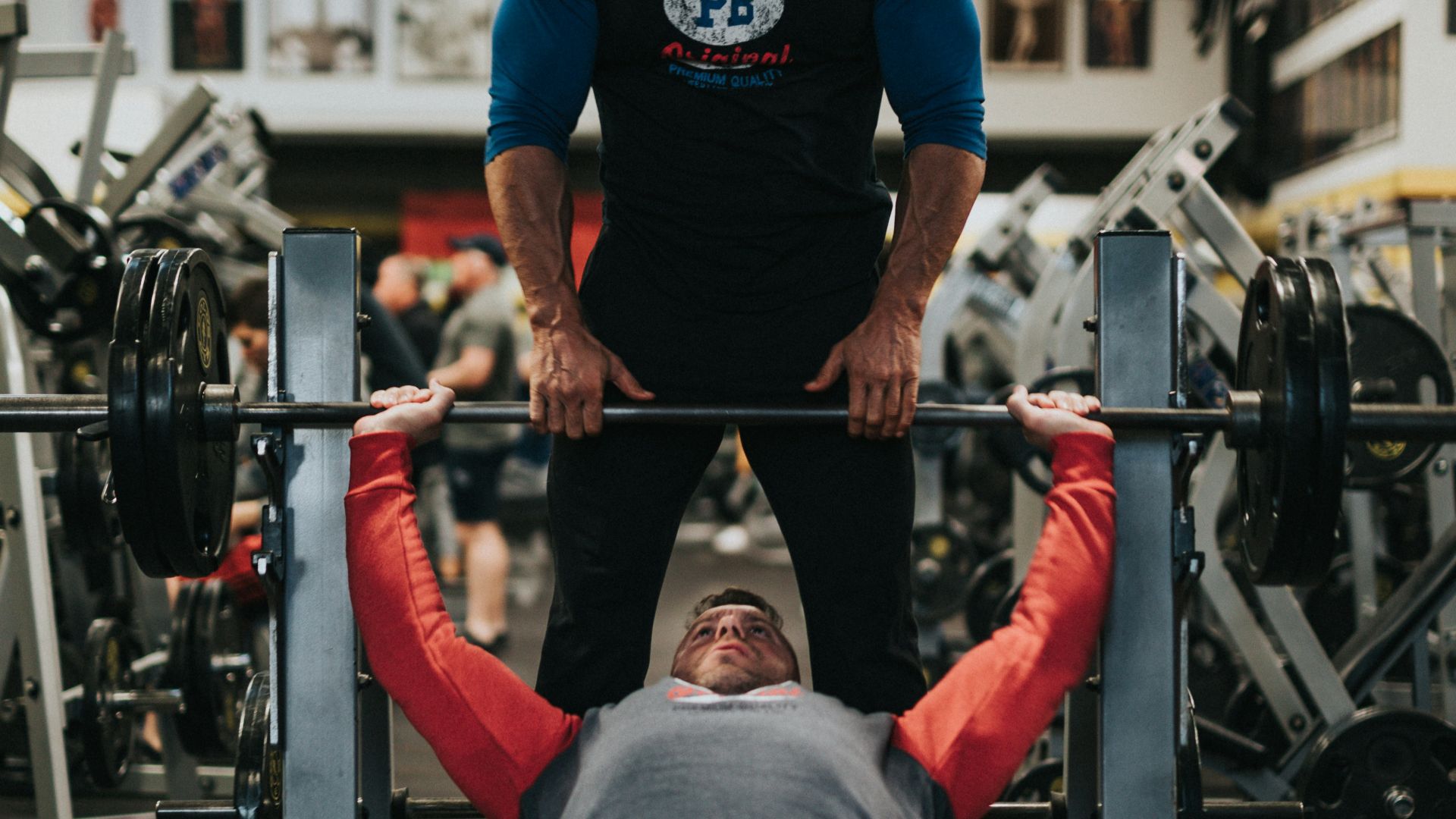
17. Aid Weight Management
Muscle burns more calories, making it easier to maintain a healthy weight. Strength training helps prevent fat gain that often comes after 50. Combined with a balanced diet, it’s a powerful tool for weight control.
18. Improve Recovery Speed
Stronger muscles recover faster from minor injuries or strains. Resistance training supports healing and reduces downtime. This helps you stay active without prolonged setbacks.
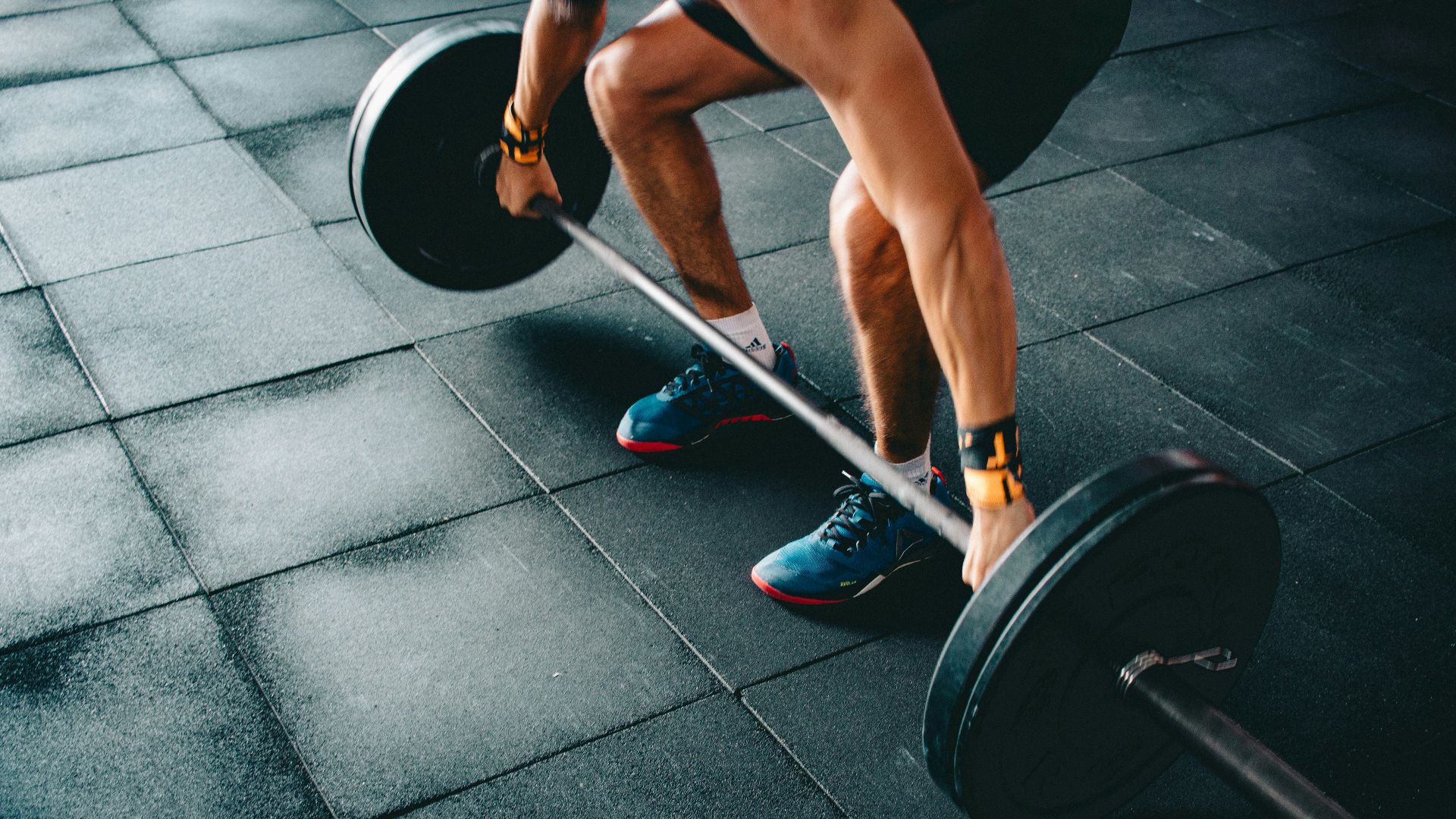
19. Support Hormonal Health
Strength training stimulates hormones like testosterone and growth hormone. These hormones naturally decline with age, affecting muscle and energy. Resistance work helps keep hormone levels more balanced.
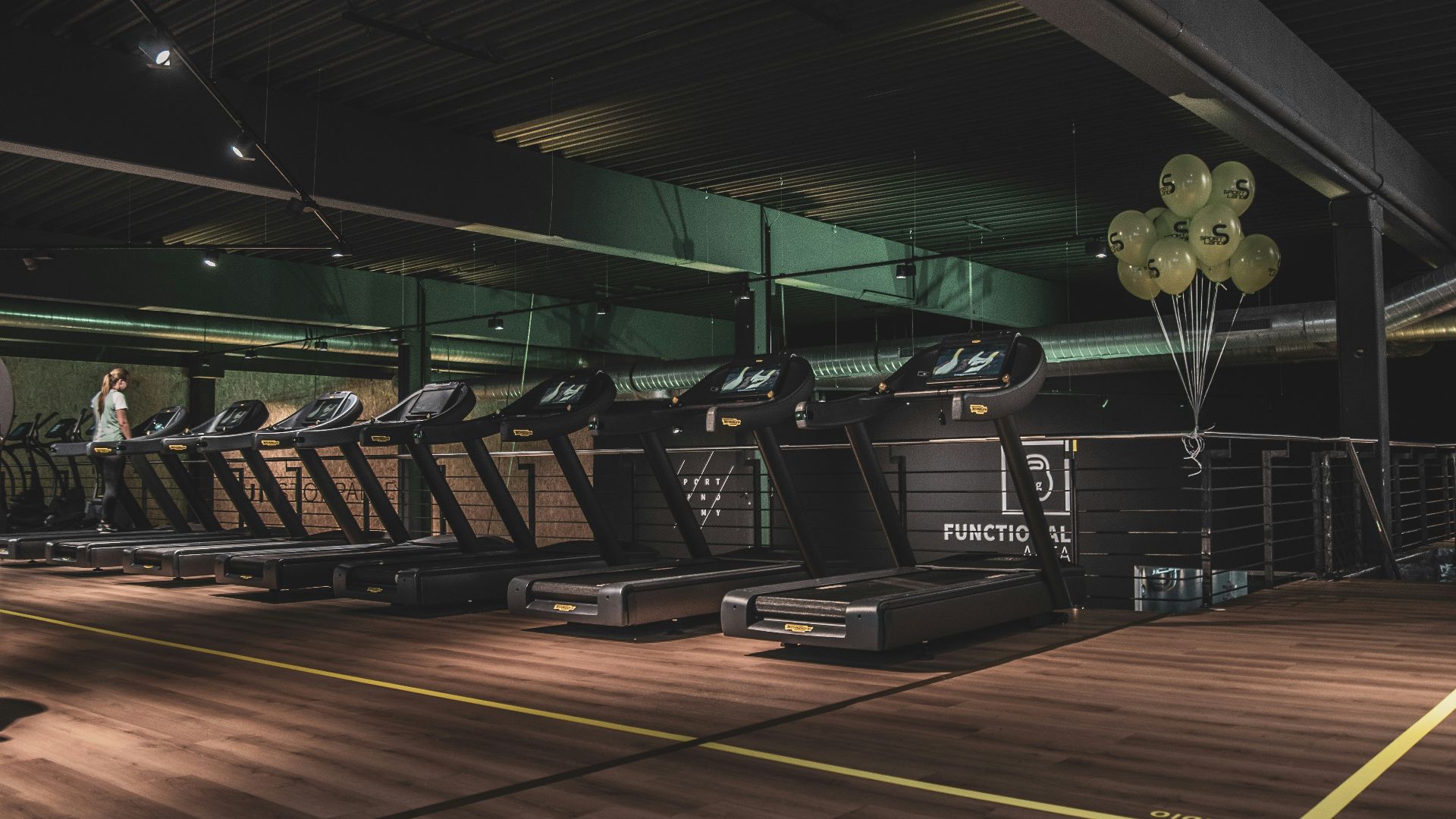
20. Encourage a Positive Lifestyle
Regular exercise encourages other healthy habits, like better nutrition and hydration. Strength training motivates you to prioritize overall well-being. Staying consistent improves your quality of life long-term.
KEEP ON READING



20 Ways To Get Your Vitamins And Minerals

20 Ways Doing Less Can Actually Improve Your Health