
Your Routine May Need a Fresh Direction
A workout can stay useful for years, but your body won’t always benefit from doing the same thing in the same way. Changes in comfort, recovery, motivation, performance, and daily movement can suggest that your routine needs adjusting rather than abandoning exercise. A more varied plan can also help you combine aerobic activity, strength, mobility, and balance. Here are 20 clues your body is ready for a different kind of exercise.

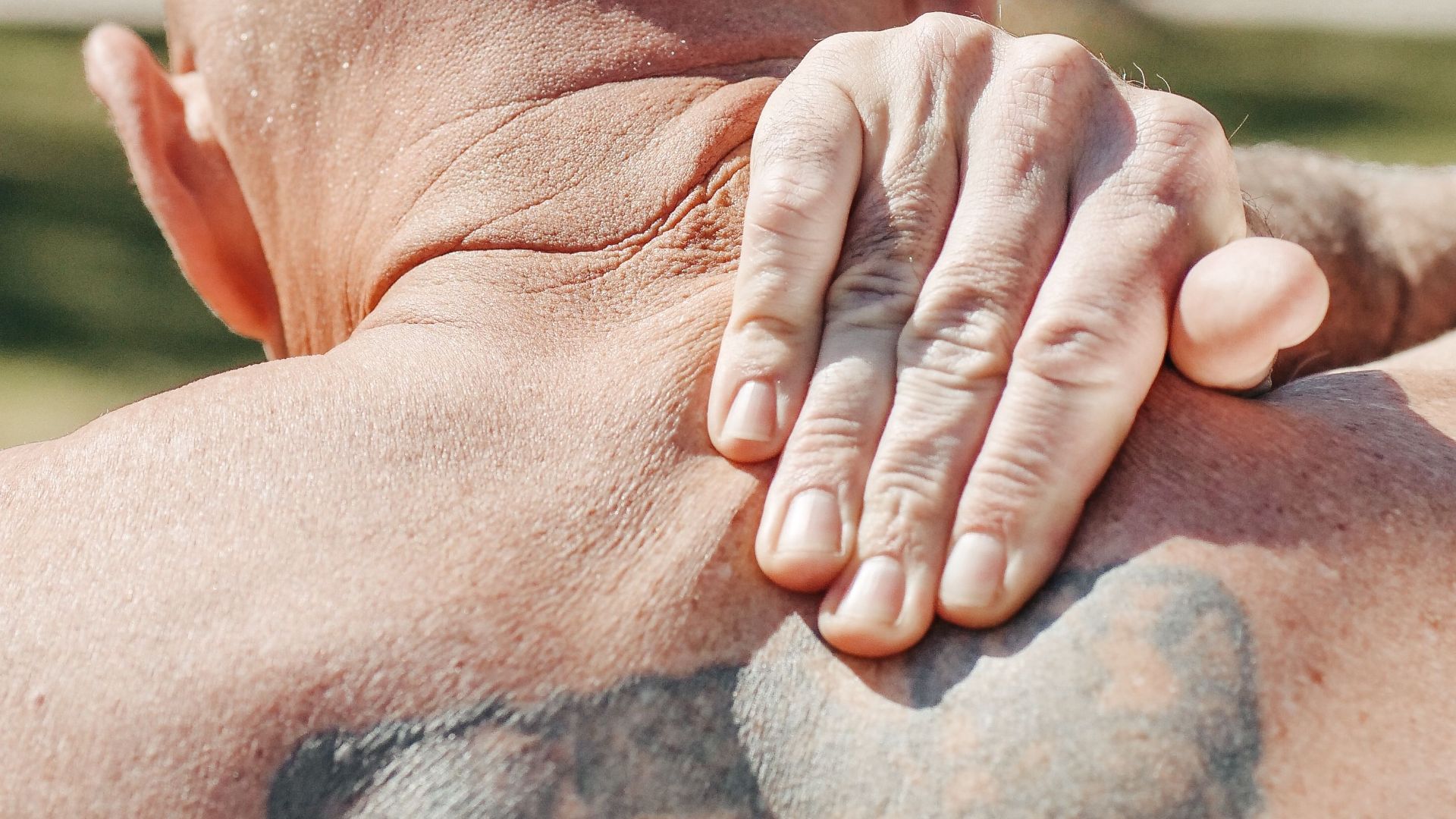
1. You’re Constantly Sore in the Same Places
Occasional muscle soreness after a challenging workout is normal, especially after unfamiliar movements. If the same joints or muscles stay sore week after week, however, your routine may be repeating too much stress. Switching exercises or using lower-impact movement can give those areas more recovery time.
2. Your Workouts Feel Effortless Now
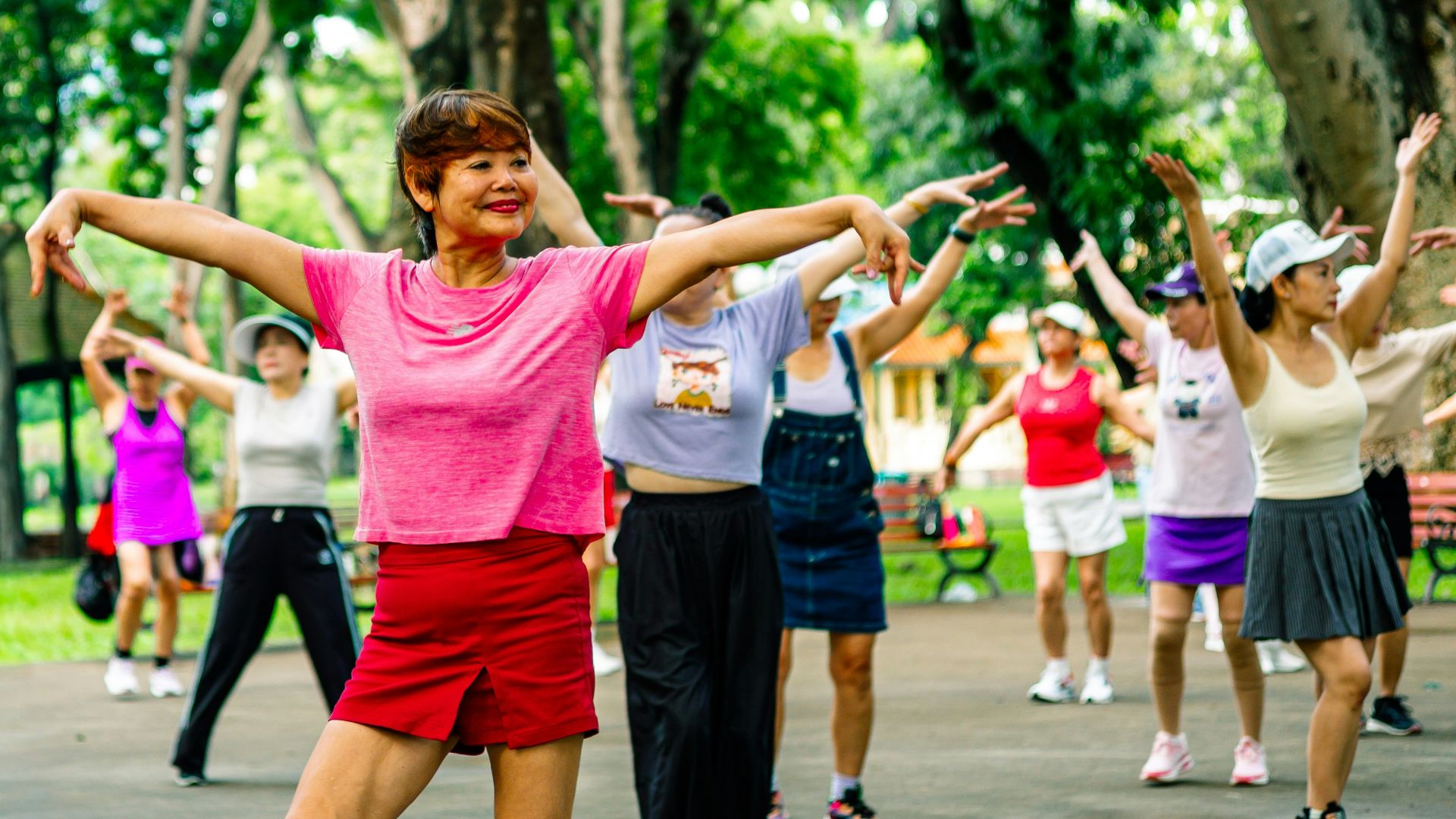
A routine that once challenged you may eventually feel easy because your body has adapted to it. That’s positive, but it can also mean the workout no longer provides enough stimulus for your goals. Adding resistance, intervals, hills, or a new activity can create a fresh challenge.
3. Your Progress Has Stalled
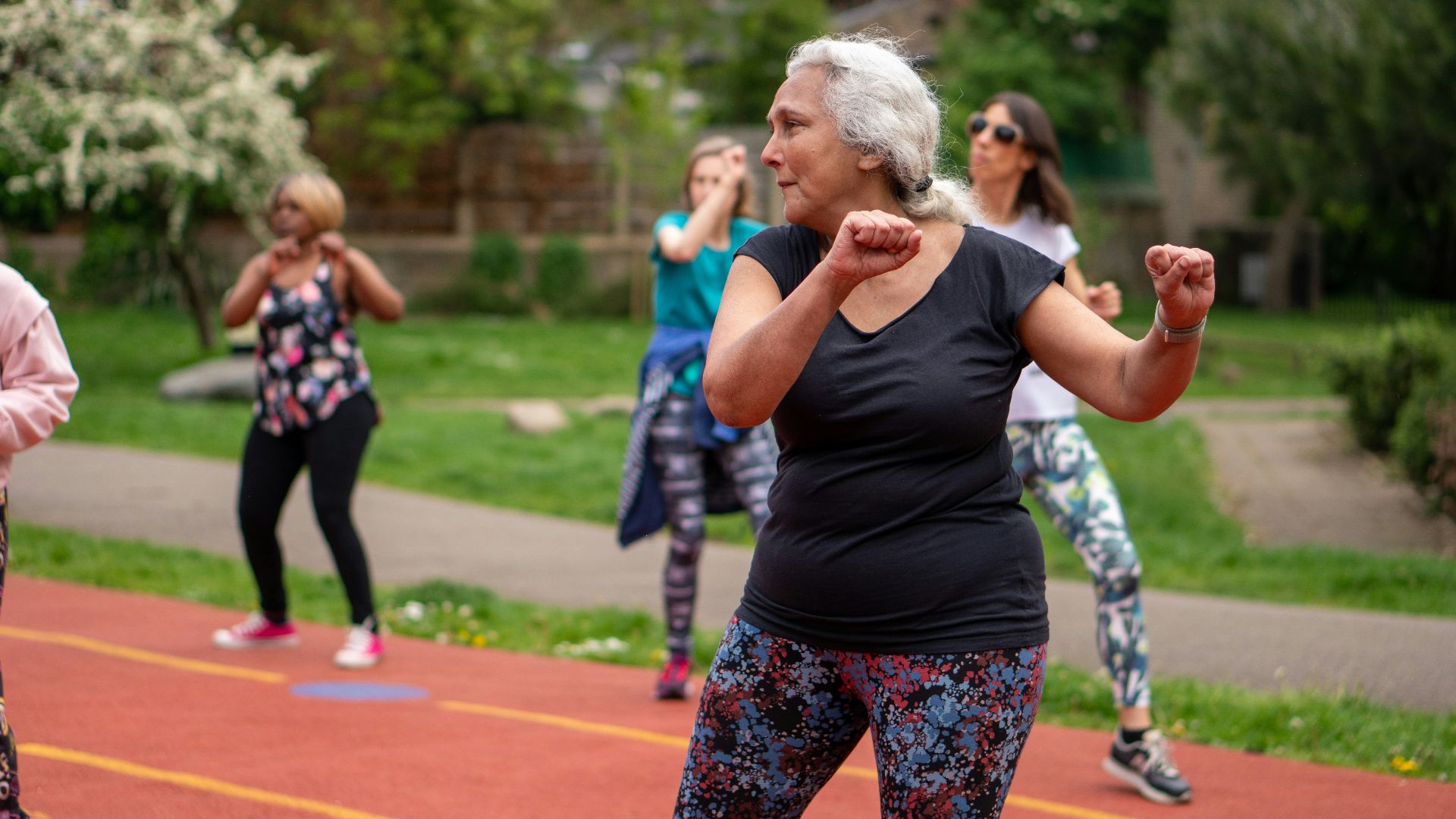
Fitness improvements don’t continue at the same rate forever, so plateaus are normal. Still, if your strength, endurance, speed, or mobility hasn’t changed for a long stretch, your program may need a different stimulus.
 Centre for Ageing Better on Unsplash
4. You Dread Every Session
Not every workout will feel exciting, but persistent dread can make consistency difficult.
If you’re regularly finding reasons to avoid an activity you once enjoyed, boredom or mental fatigue may be contributing.
5. You’re More Tired Than Usual
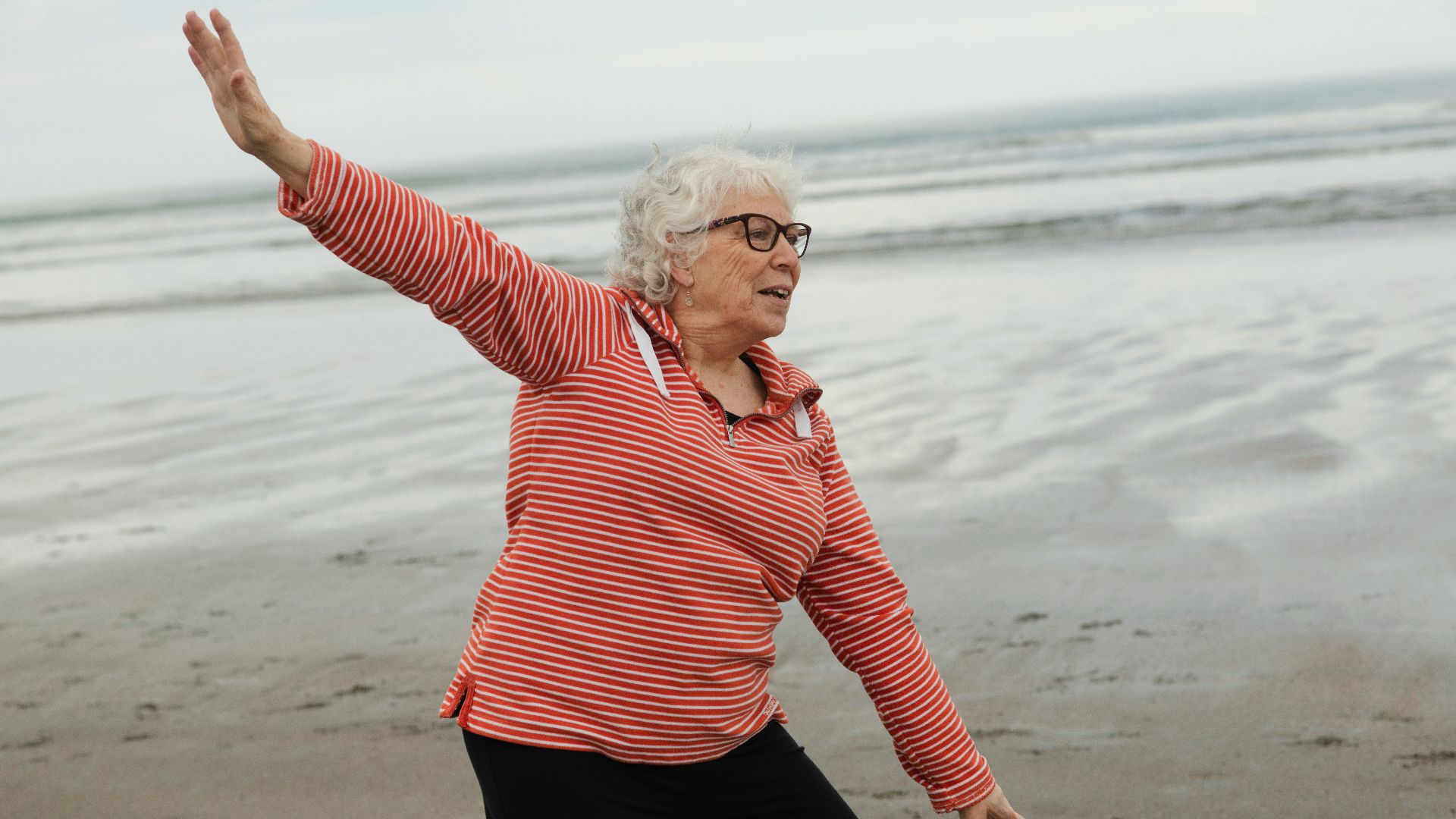
Exercise should require effort, yet ongoing fatigue that follows you through the day deserves attention. Training hard without enough recovery can contribute to reduced performance, heavy-feeling muscles, and lower motivation. Gentler exercise, fewer intense sessions, or additional rest may be more useful than pushing harder.
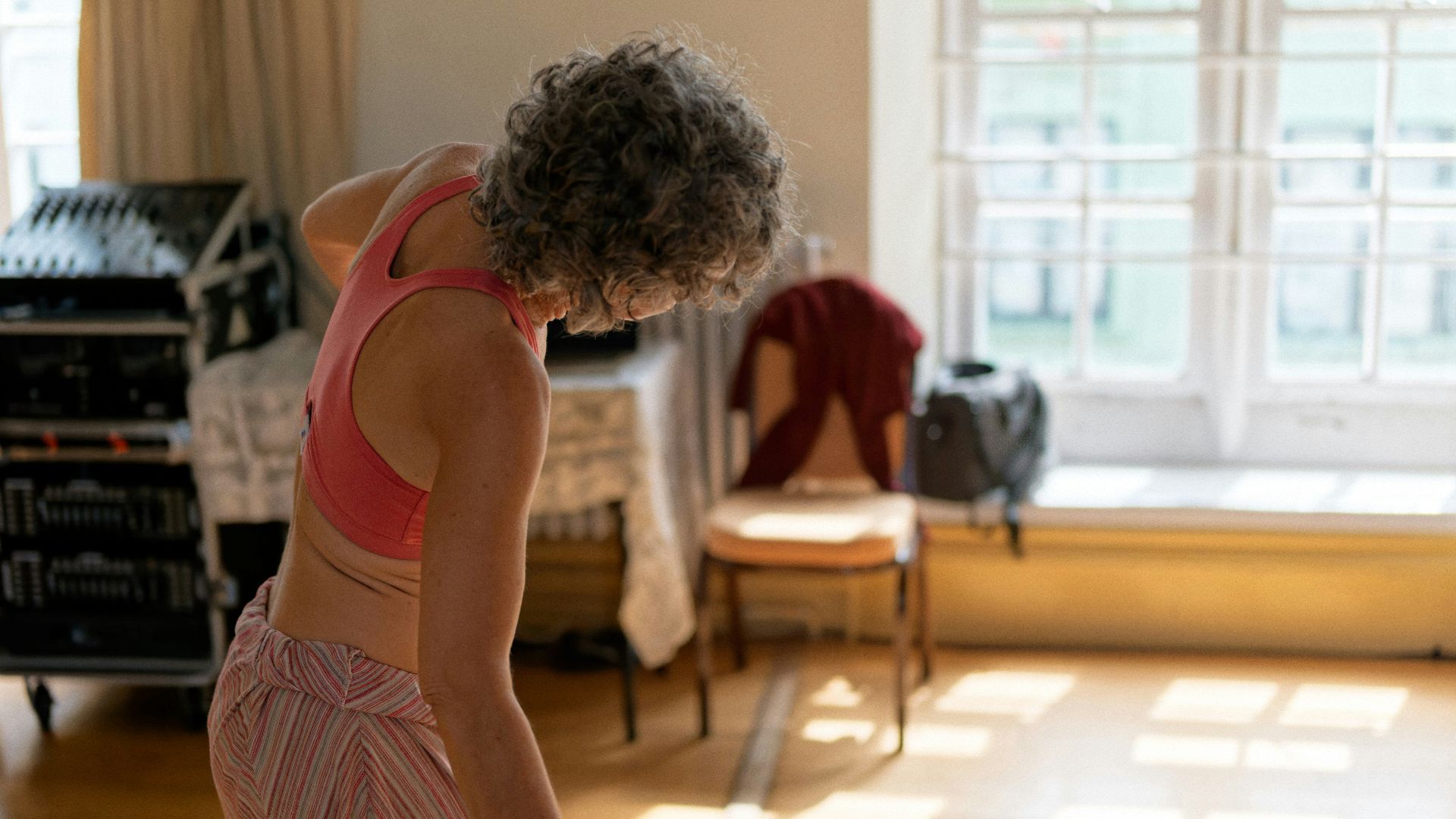
6. Your Sleep Has Become Less Restful
Regular physical activity can support sleep, but excessive training stress may interfere with recovery. If your routine has become demanding and your sleep quality has noticeably worsened, consider reducing the intensity or workload. Walking, easy cycling, or mobility work may fit better during a recovery period.
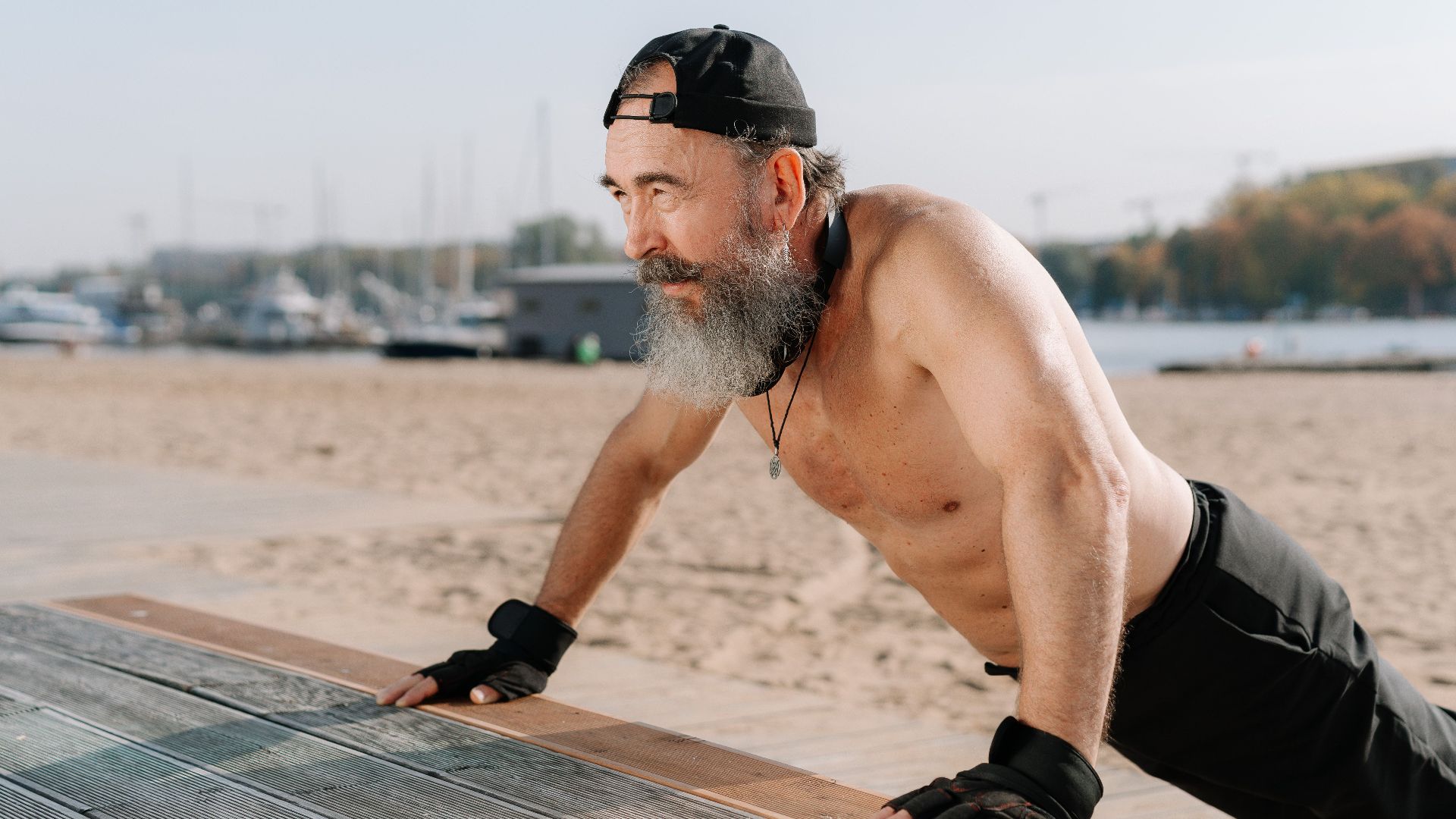
7. Your Joints Dislike High-Impact Workouts
Running and jumping can be appropriate for many people, but they aren’t the only ways to improve fitness. Repeated joint discomfort during high-impact movement is a reason to reconsider your approach instead of ignoring it. Swimming, cycling, rowing, or resistance training can provide challenging alternatives.

8. Your Goals Have Changed
Perhaps you started exercising to run faster, but now you care more about strength, flexibility, or everyday energy. Goals naturally evolve, and your training can evolve with them.
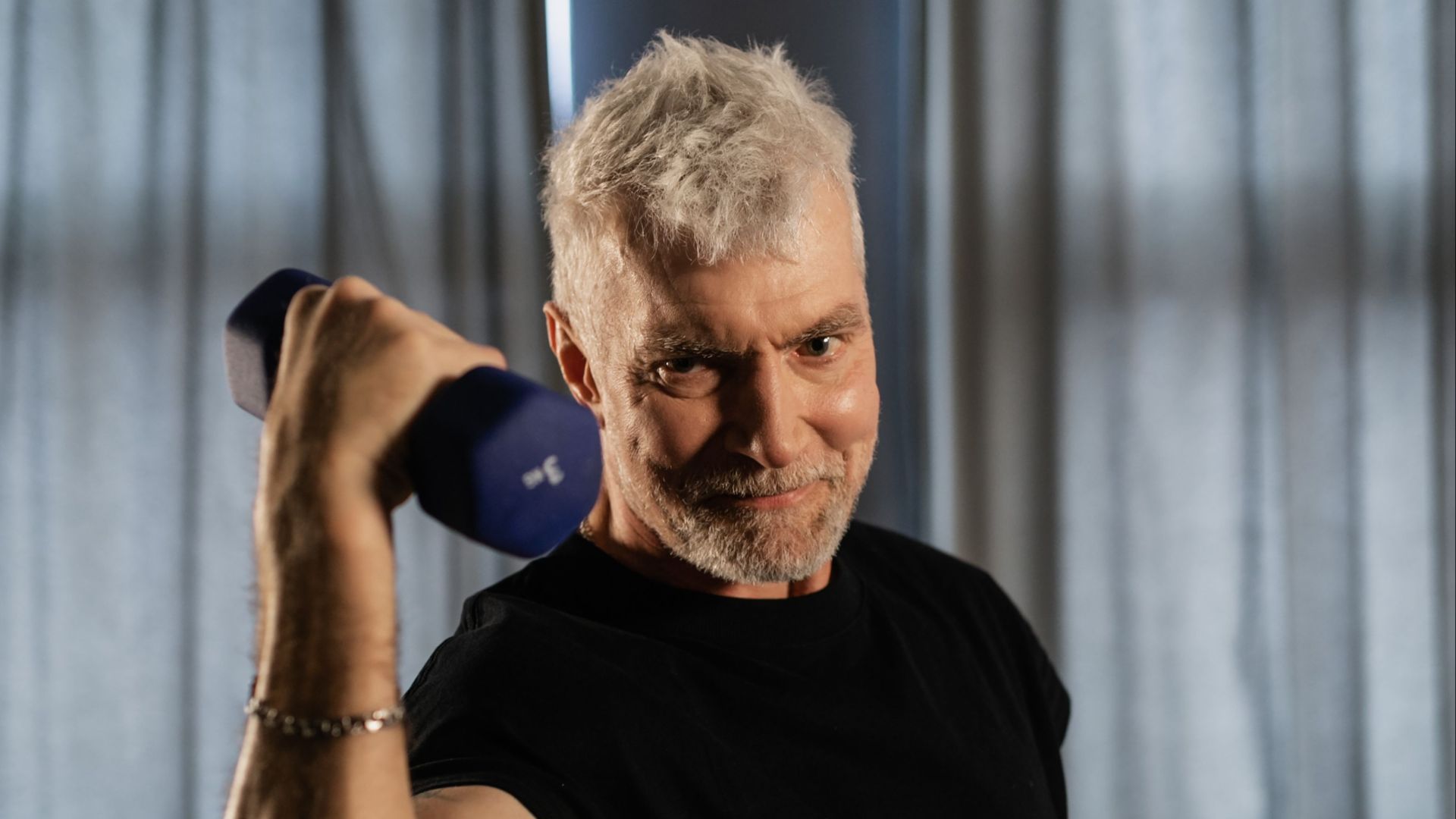
9. You Only Train One Fitness Quality
A routine centered entirely on cardio, strength, or flexibility can leave other useful abilities underdeveloped. Current guidance encourages adults to include both aerobic activity and muscle-strengthening work, while balance becomes especially important with age.
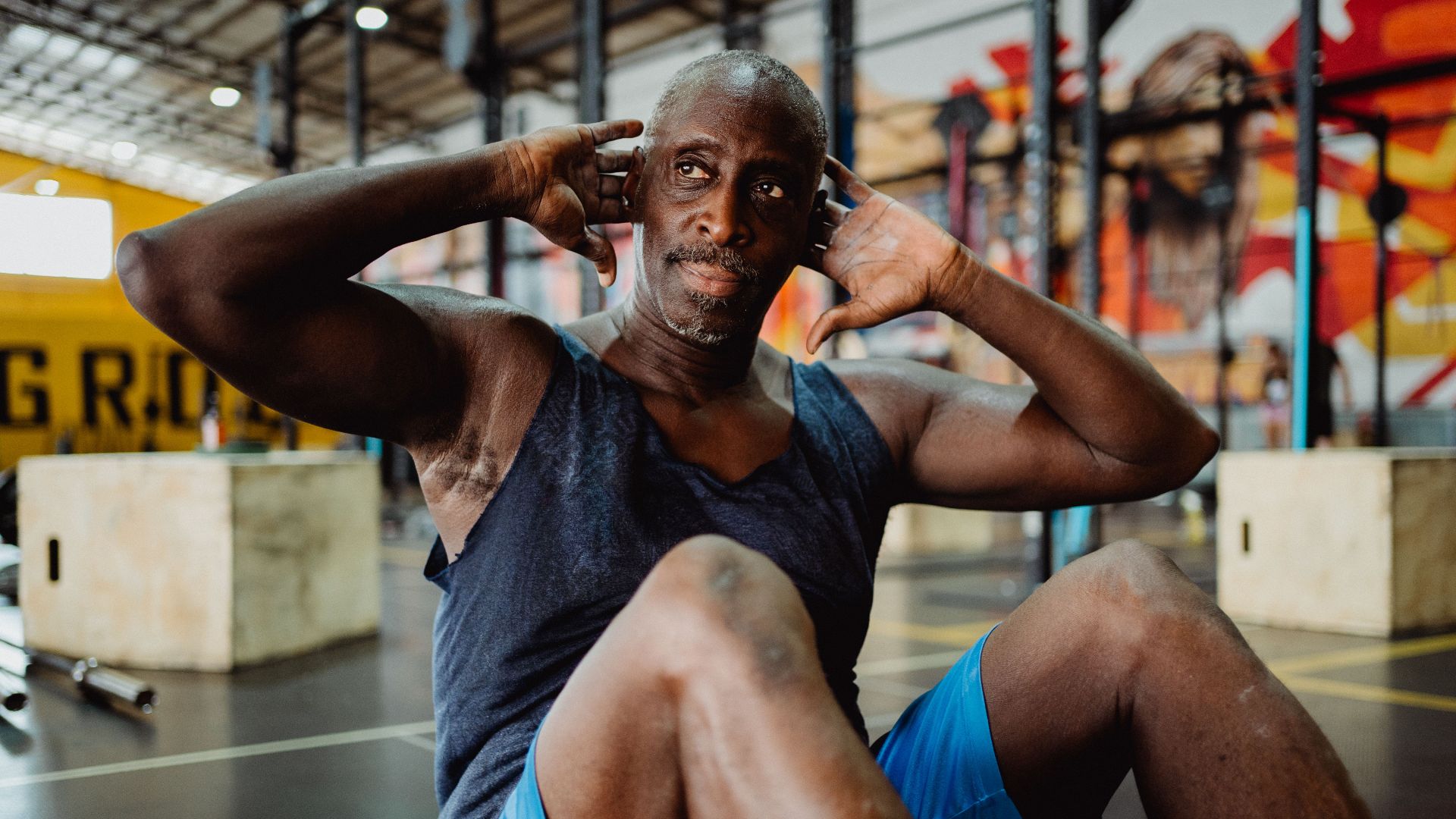
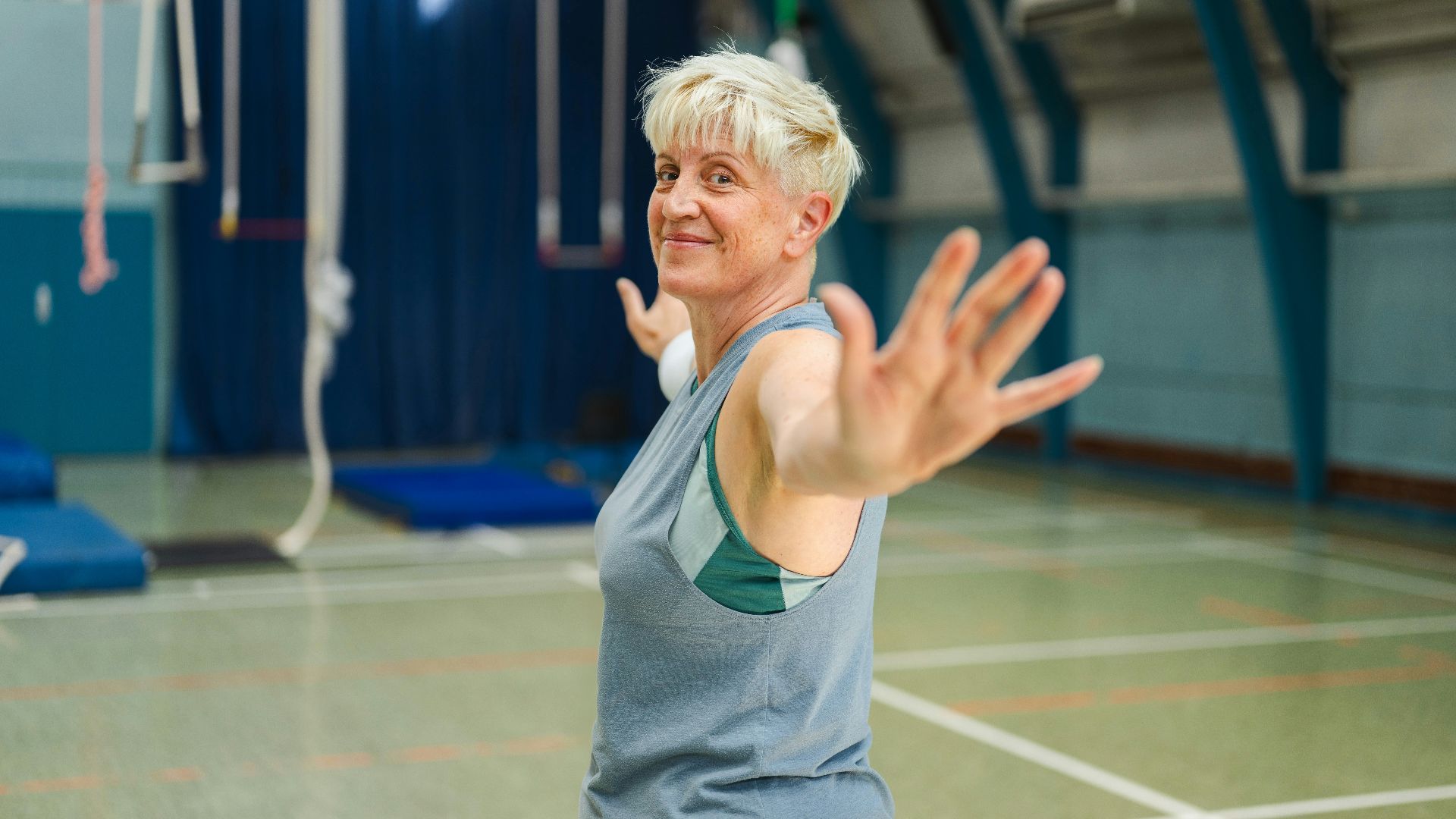
10. Everyday Tasks Still Feel Difficult
You may exercise consistently while stairs, groceries, floor transfers, or household lifting still feel harder than expected. That mismatch can suggest your workouts aren’t supporting the movements you need most.
 Centre for Ageing Better on Unsplash
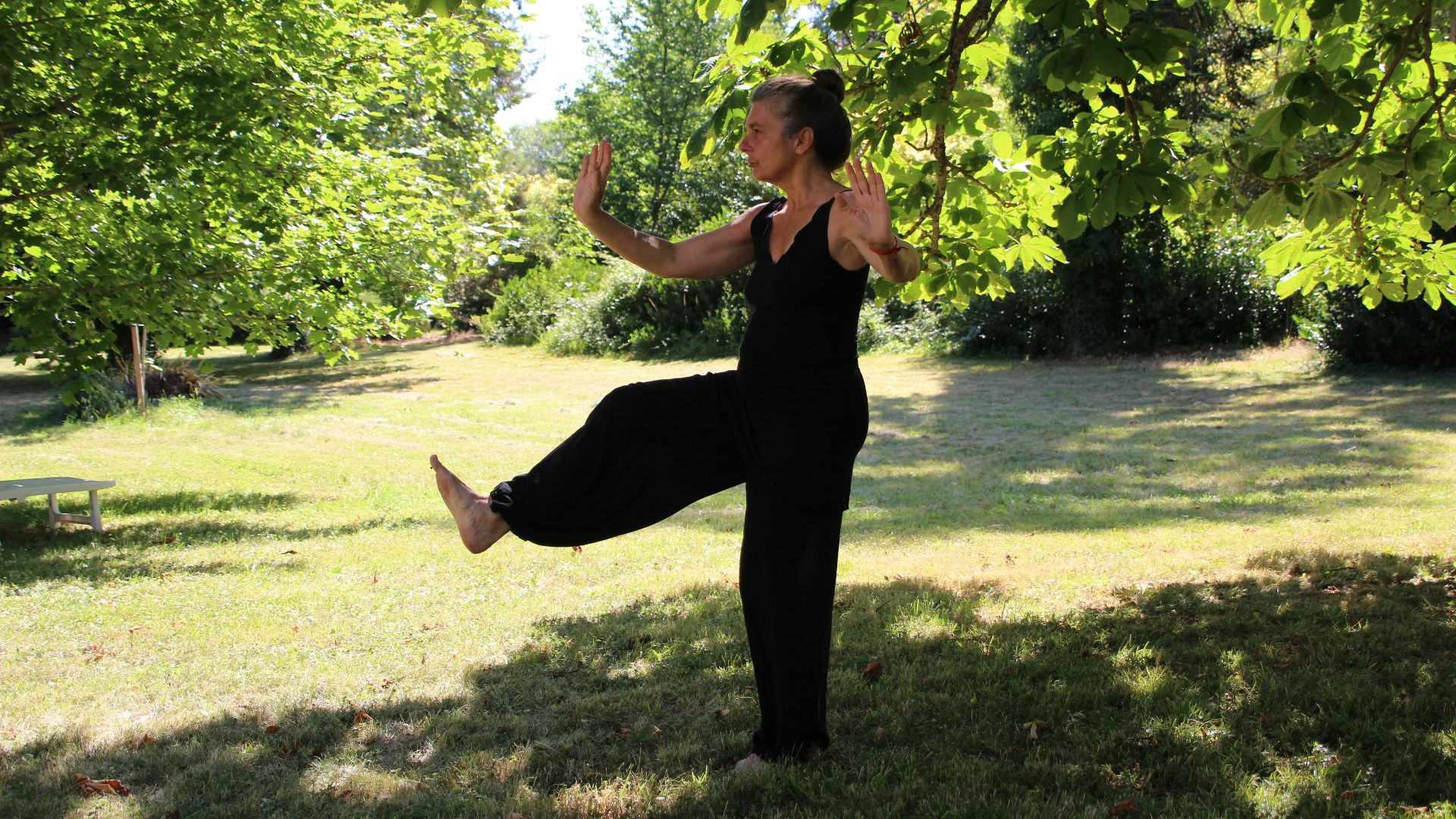
11. Your Balance Needs Work
Feeling unsteady during single-leg movements can be a sign that balance deserves direct attention. Balance training is especially valuable for older adults, although people of many ages can benefit from better control and stability. Yoga, tai chi, controlled strength work, and dedicated balance drills are practical options.
12. You’re Sacrificing Control for Speed
Finishing repetitions quickly or lifting more weight doesn’t automatically mean the exercise is working better. If you’re swinging, bouncing, or rushing because controlled repetitions feel difficult, your technique or fatigue level may need attention. Reducing the load or choosing another variation can improve movement quality.

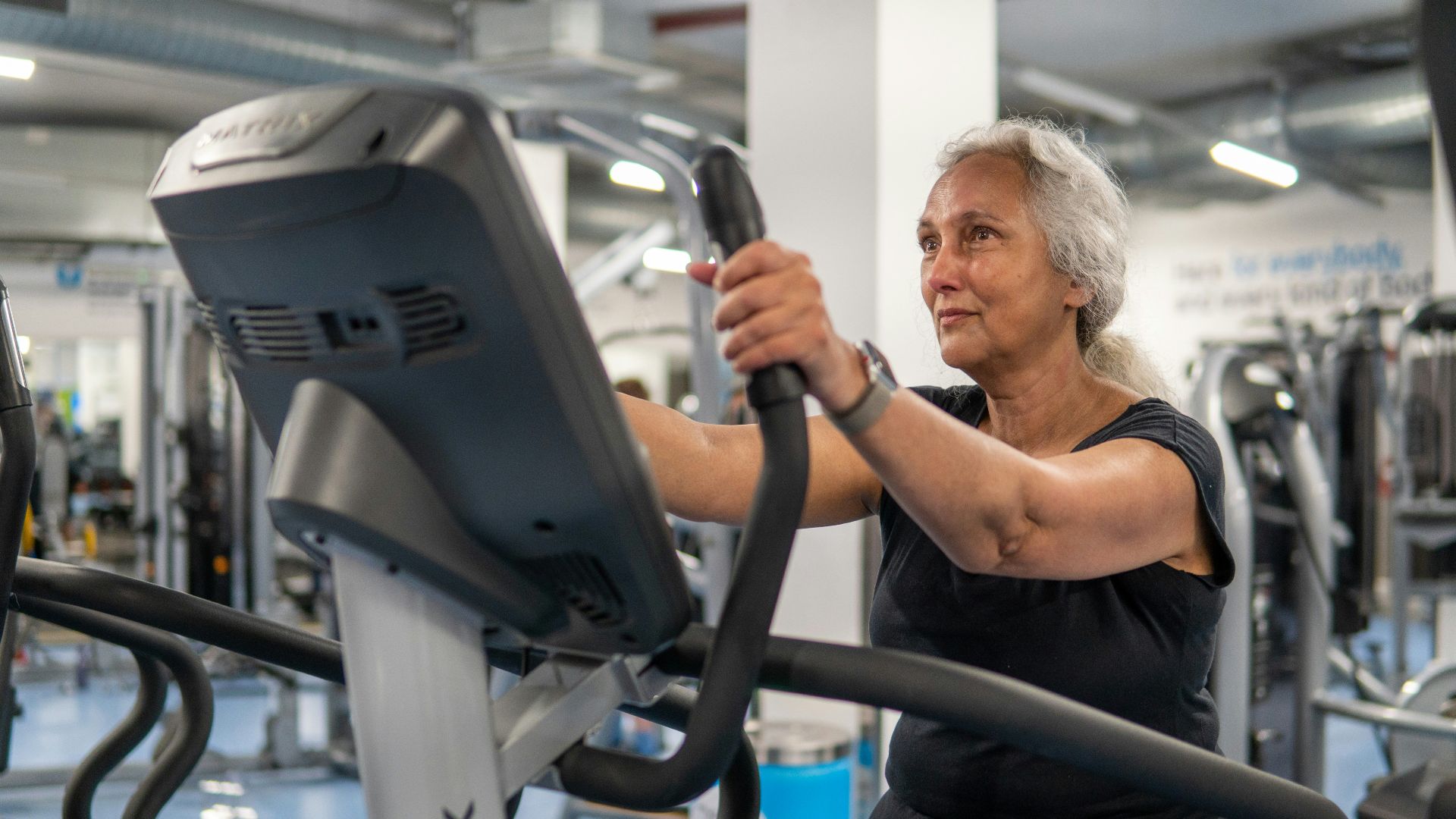
13. Familiar Cardio Suddenly Feels Much Harder
A higher heart rate is expected during vigorous exercise, depending on the activity and your fitness level. If a familiar session suddenly feels dramatically harder, especially with unusual shortness of breath, dizziness, or chest discomfort, don’t simply switch workouts.

14. Minor Overuse Problems Keep Returning
Recurring shin soreness, tendon irritation, or nagging aches can develop when similar movements are repeated frequently without enough recovery. Continuing to load an irritated area may prolong the problem.
 Centre for Ageing Better on Unsplash
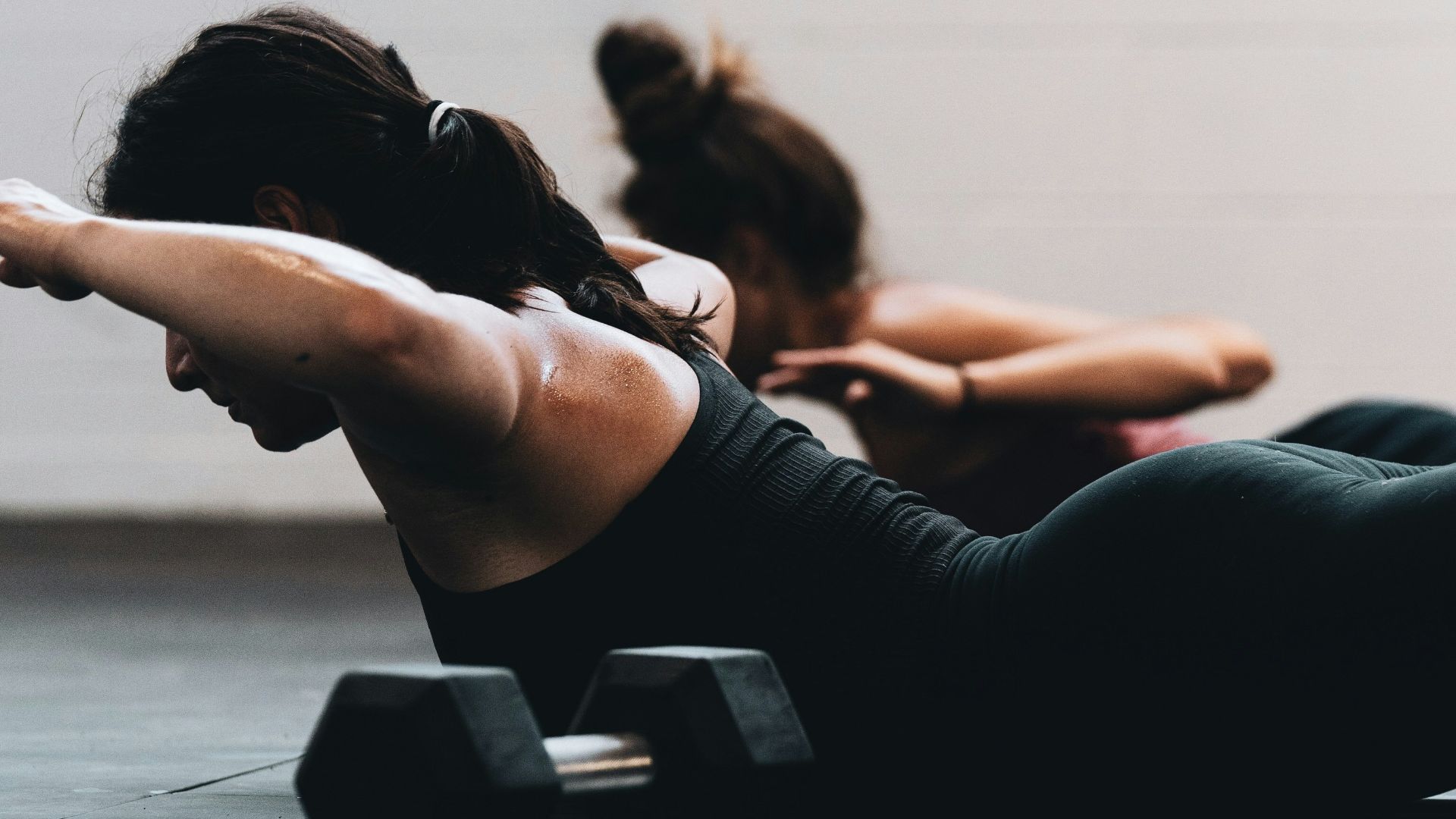
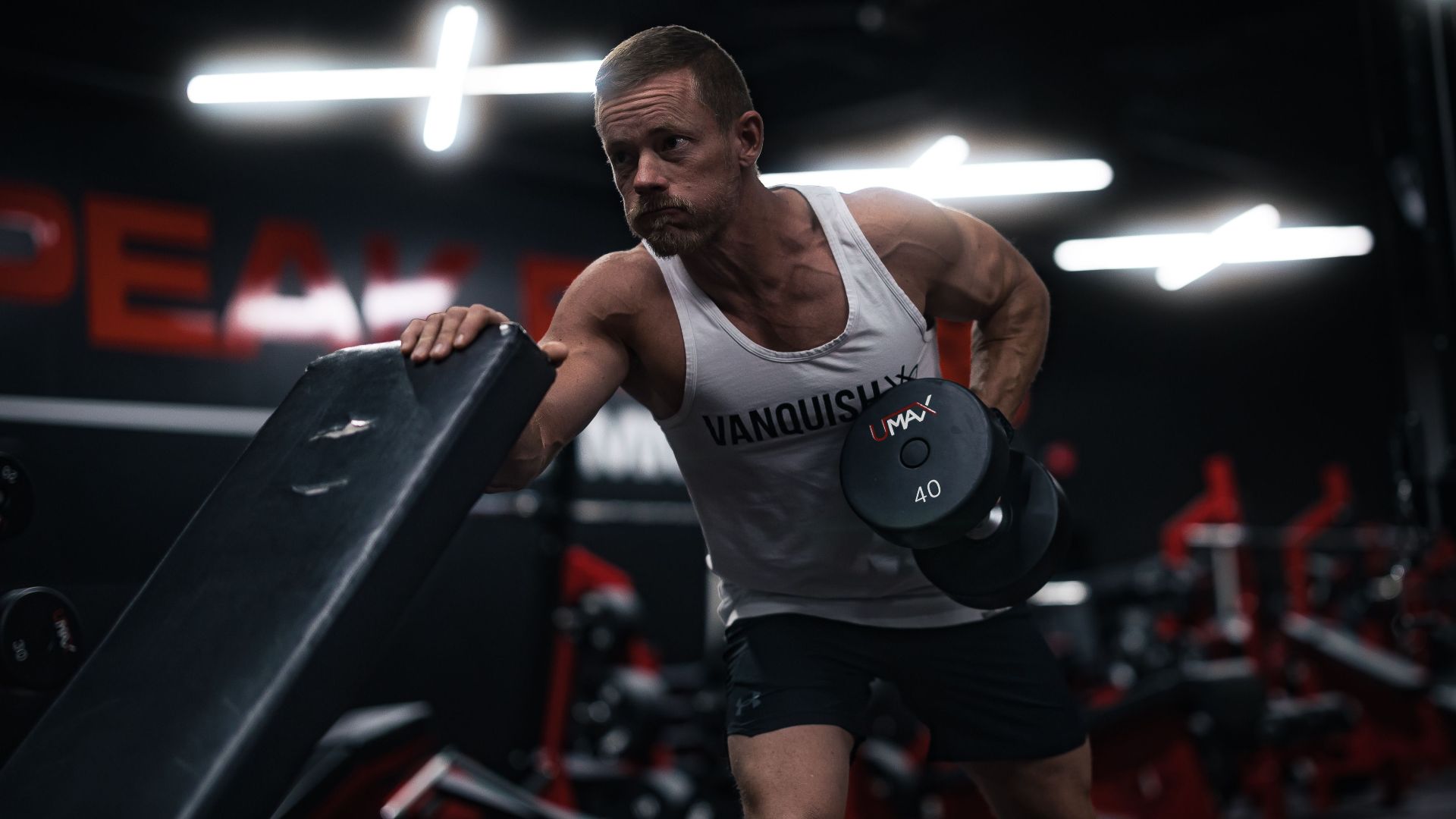
15. You’re Skipping Strength Training
Cardio supports health, but it doesn’t replace every benefit of resistance exercise. Public health guidelines recommend muscle-strengthening activity for all major muscle groups on at least two days each week.
 LOGAN WEAVER | @LGNWVR on Unsplash
16. Cardio Is Missing From Your Week
The opposite can happen if you love lifting but rarely do sustained aerobic activity. Adults are generally advised to get at least 150 minutes of moderate-intensity aerobic activity each week, or an equivalent amount of vigorous activity.
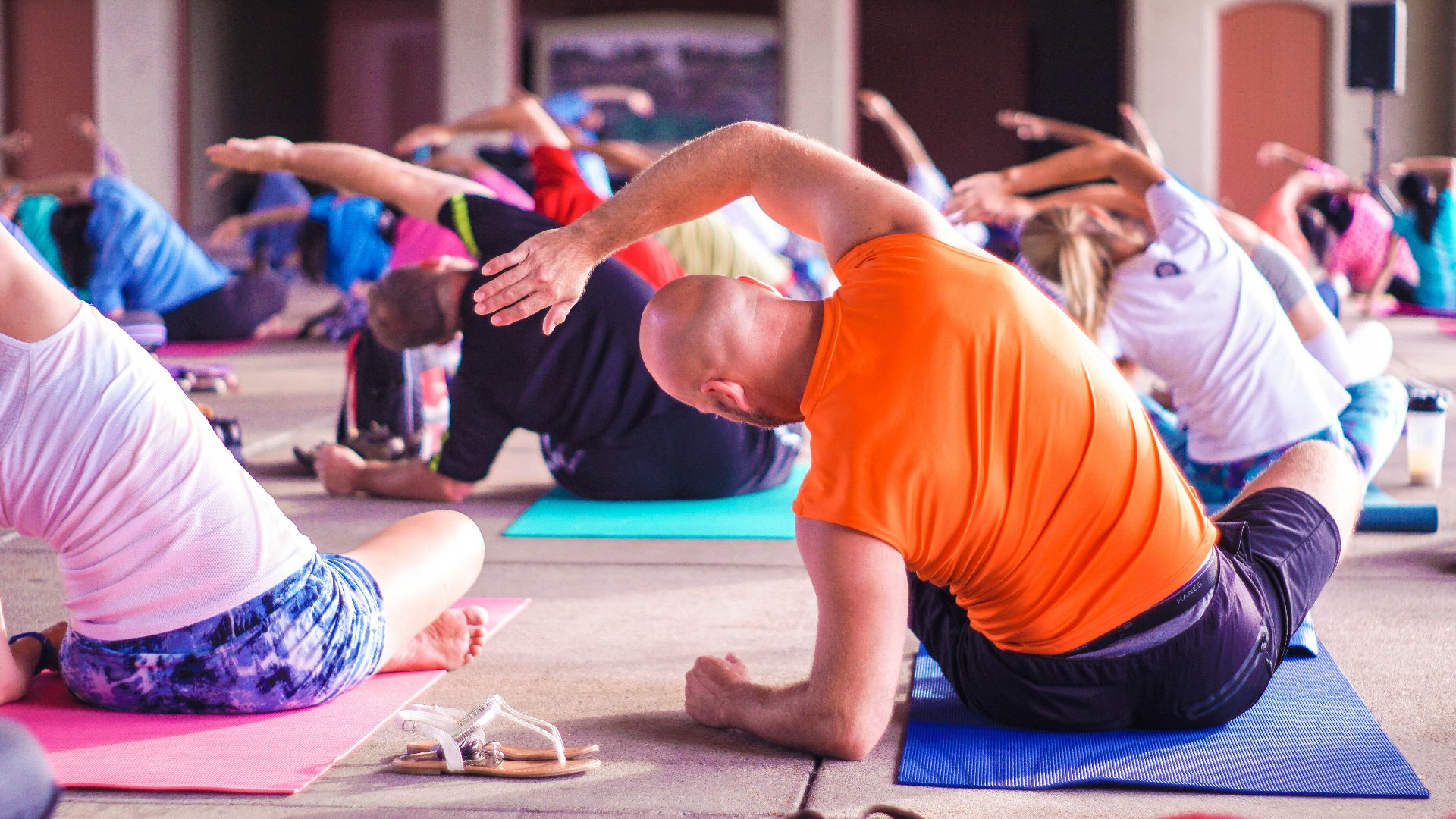
17. Limited Mobility Is Affecting Your Technique
Strength and endurance can’t completely solve a movement restriction that keeps interfering with your form. If limited ankle, hip, shoulder, or upper-back mobility repeatedly prevents comfortable technique, targeted mobility work may deserve more attention.
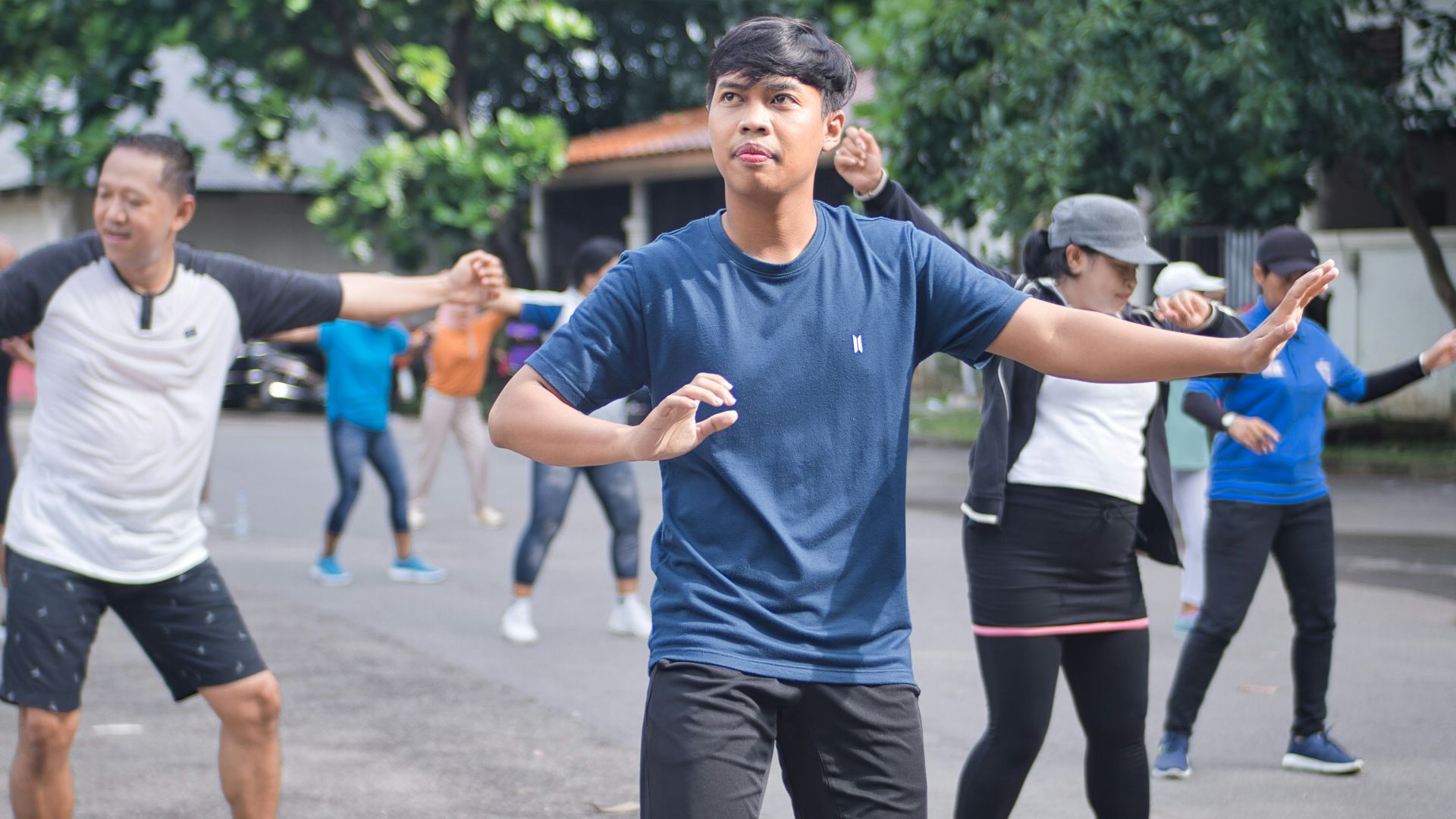
18. You Need a Lower-Stress Option
Life stress can change how demanding exercise feels even when your written workout stays the same. Walking, gentle cycling, yoga, swimming, or lighter resistance work can keep you moving without excessive strain.

19. You’d Rather Exercise With Other People
Some people stay motivated more easily when movement includes a social element. If solo workouts have become monotonous, a recreational league, group fitness class, walking group, or workout partner can change the experience.
 @marcuschanmedia | IG on Pexels
20. Different Movements Simply Feel Better
Notice if you consistently feel more comfortable, energetic, or capable after trying another form of activity. Choosing exercise that feels sustainable, supports your goals, and allows adequate recovery is a sensible reason to update your routine.

KEEP ON READING


20 Crazy Things The Body Does When You Get Angry

20 Ways People Tried To Stay Young Before Botox