
20 Small Lifestyle Changes That Make a Bigger Difference Than Supplements
The Most Meaningful Health Upgrades Don't Come In A Bottle
Walk down any pharmacy aisle, and you’ll see shelves packed with supplements promising more energy, better focus, and longer life. However, most meaningful health improvements don’t come from capsules at all. They come from small, everyday habits. Here are 20 lifestyle changes that make a much larger impact than a daily supplement.

1. Prioritizing Sleep
Getting enough sleep affects nearly every system in your body, from hormones to immune function. When you protect your sleep, everything else becomes easier, including eating well and managing stress. Aim for seven to 9 hours a night and practice good sleep hygiene, like avoiding screens, alcohol, and big meals before bed.

2. Walking Every Day
A daily walk does more for your long-term health than most supplements. It improves cardiovascular health, supports mental clarity, and keeps joints mobile without stressing your body. Even short, brisk walks count for a lot.

3. Eating Mindfully
Stop texting at the dinner table! Avoiding distractions while eating helps you tune into hunger and fullness cues. You’re more likely to stop when satisfied and savor your food more.

4. Getting Morning Sunlight
Exposure to natural light early in the day helps regulate your circadian rhythm. This improves sleep quality and daytime energy without caffeine. A few minutes outside can make a noticeable difference.

5. Drinking Enough Water
Hydration affects focus, digestion, and physical performance more than you may realize. Many afternoon slumps are actually just mild dehydration. Keeping a water bottle within arm's reach makes this habit almost effortless.

6. Light Strength Training
You don’t need intense workouts to benefit from resistance training. Even two short sessions a week help preserve muscle, protect bones, and improve metabolic health. Strength is one of the best predictors of aging well.

7. Managing Stress Proactively
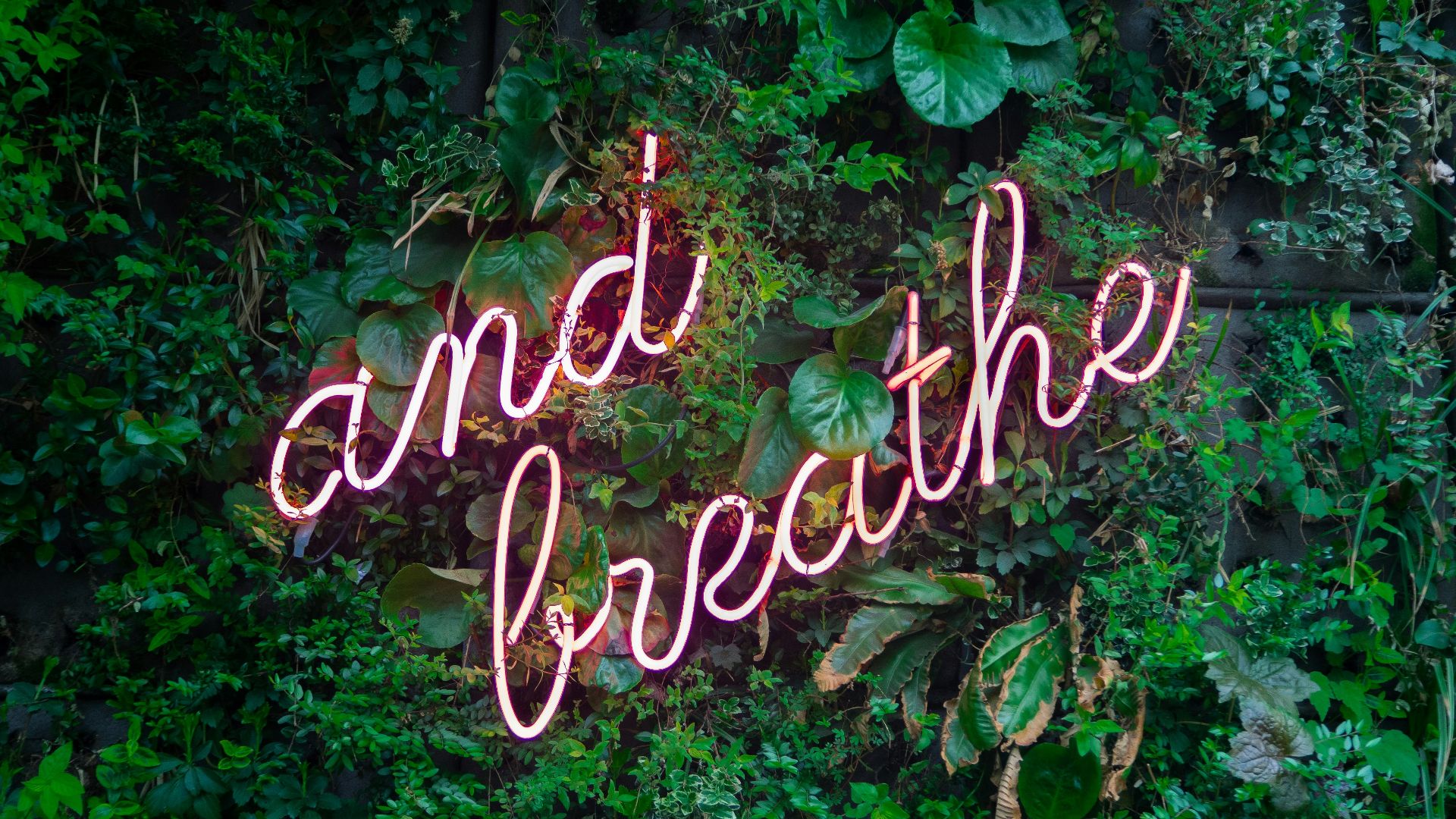
Chronic stress undermines sleep, digestion, and immune function. Finding ways to let go of it, whether through movement or quiet time, helps your body recover. Supplements can’t outwork constant tension.
 Max van den Oetelaar on Unsplash
8. Eating More Whole Foods
Diet plays a massive role in overall health. Focusing on real, minimally processed foods improves nutrient intake. You absorb vitamins better from food than from a pill, and your gut tends to be much happier.

9. Maintaining Social Connections
The benefits of socializing go beyond entertainment. Strong relationships are linked to longer life and better mental and physical health. Talking, laughing, and feeling understood support your nervous system.
 Priscilla Du Preez 🇨🇦 on Unsplash
10. Getting Outside
Time outdoors reduces stress and boosts mood, even on cloudy days. Nature exposure can lower cortisol levels and improve focus. Even a short walk in your local neighborhood park can help.

11. Keeping a Regular Schedule
Eating, sleeping, and moving around at the same times each day helps your body stay regulated. Your internal clock thrives on routine. This stability improves energy and digestion.

12. Cooking at Home More
Home-cooked meals tend to be lower in salt, sugar, and additives than those you get in restaurants. You also gain control over ingredients and portions, which, overall, adds up to better metabolic health.

13. Practicing Gratitude
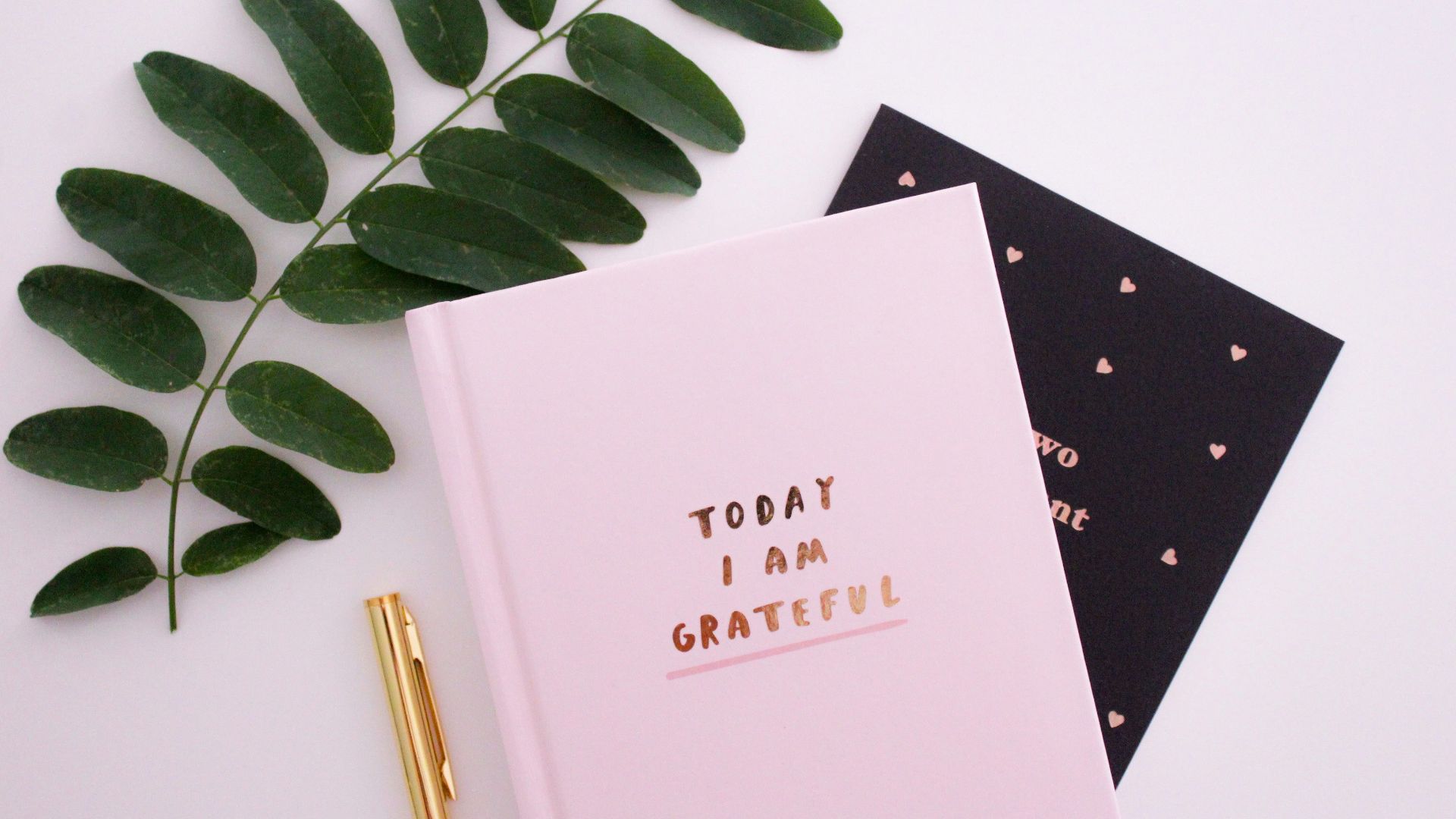
Acknowledging and appreciating the little things shifts your mindstate and reduces stress. A daily gratitude practice, whether it's journaling or setting a daily reminder, supports emotional resilience.
 Gabrielle Henderson on Unsplash
14. Reducing Alcohol Intake
Cutting back on alcohol or eliminating it entirely improves sleep, liver health, skin, and mood almost immediately. Many people notice benefits within weeks. It’s one of the fastest health upgrades available.
 Ambitious Studio* | Rick Barrett on Unsplash
15. Learning Something New
Mental stimulation supports brain health and keeps life engaging. Learning new things helps stave off cognitive decline, builds confidence, and promotes adaptability.

16. Paying Attention to Posture
How you sit and stand affects breathing and muscle tension. Better posture reduces pain and fatigue over time. Small adjustments can prevent chronic issues later.

17. Eating Slowly
It's tempting to scarf down food when you're really hungry, but slowing down meals improves digestion and helps regulate appetite. Your body needs time to register fullness. Rushing through food often leads to overeating.
 Pablo Merchán Montes on Unsplash
18. Creating a Bedtime Routine
Even simple routines signal your brain it’s time to rest. This makes falling asleep easier and more reliable. Sleep quality improves without effort.

19. Setting Healthy Boundaries
It can be tempting to say yes to every invitation, especially if you're a people pleaser, but protecting your time and energy reduces burnout. Boundaries help preserve mental and emotional health, and less overwhelm supports better choices overall.

20. Being Patient With Progress
Health changes compound slowly, not overnight. Consistency matters more than intensity, which is why crash diets never work! Long-term results come from habits you can live with.

KEEP ON READING



20 Ways For Older Women To Feel More Loved

20 Patient Behaviors That Frustrate Every Nurse