Helping Tiny Immune Systems Learn
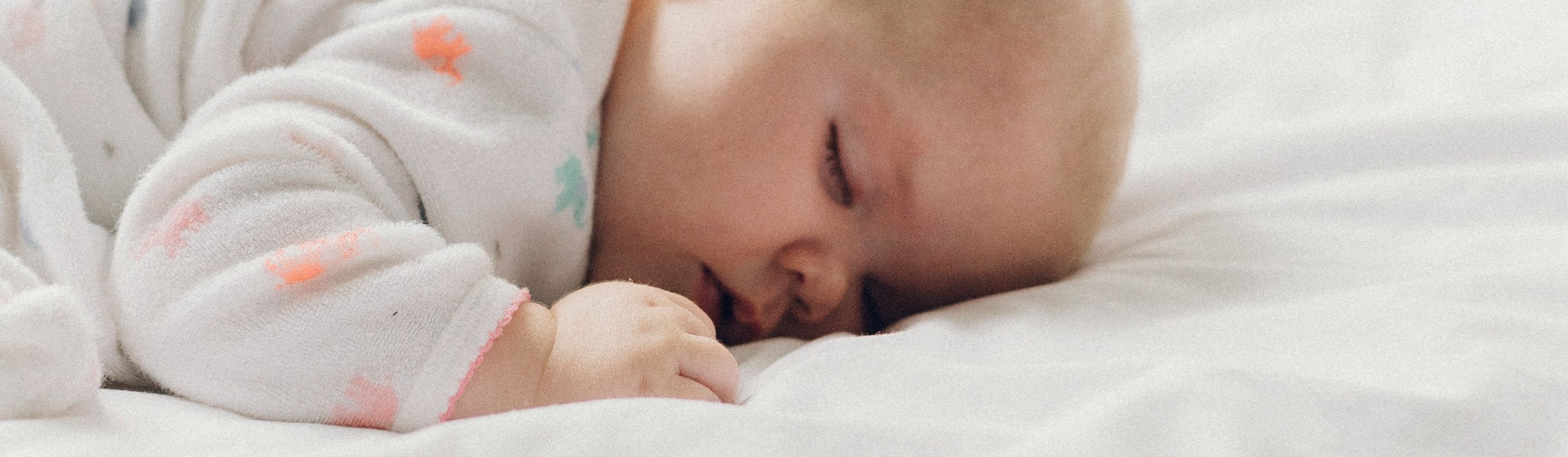
A newborn’s immune system is constantly taking notes on what belongs in the world and what doesn’t, quietly learning which substances are safe and which ones deserve a response. When babies aren’t exposed to common allergens early on, their immune systems can become overly cautious, which may cause them to react strongly to things that are actually harmless later in life. While nothing guarantees an allergy-free future, allowing safe, everyday exposure to common allergens may help your baby’s body learn what’s normal instead of treating everything unfamiliar like a threat. That said, please speak about any concerns you may have with a medical professional.

1. Household Dust Mites
Dust mites are one of the most common indoor allergens, and they exist in nearly every home regardless of how often you clean. Low-level exposure can help teach your baby’s immune system that these particles are a normal part of daily life rather than something dangerous. You shouldn’t skip cleaning altogether, but aiming for spotless perfection may actually limit helpful immune learning.

2. Pet Dander
Cats and dogs shed skin cells and hair that act as allergens for many people later in life. Early exposure may help reduce the chances of developing pet allergies as your child grows by helping the immune system build tolerance. If you already have pets, letting them exist naturally around your newborn can help long-term.

3. Pollen
Pollen is a major trigger for seasonal allergies, yet avoiding it entirely during infancy may not be beneficial in the long run. Opening windows during different seasons introduces your baby to a variety of pollens in small, manageable amounts. This gentle exposure can help their immune system learn that pollen isn’t automatically something to fight.

4. Mold Spores
Mold spores exist in almost every indoor space at low levels, even in clean and well-maintained homes. Encountering them early may help reduce immune sensitivity later on by teaching the body that trace amounts are normal. The goal isn’t exposure to damp or unsafe conditions, but normal household levels are usually unavoidable and often helpful.
5. Peanuts
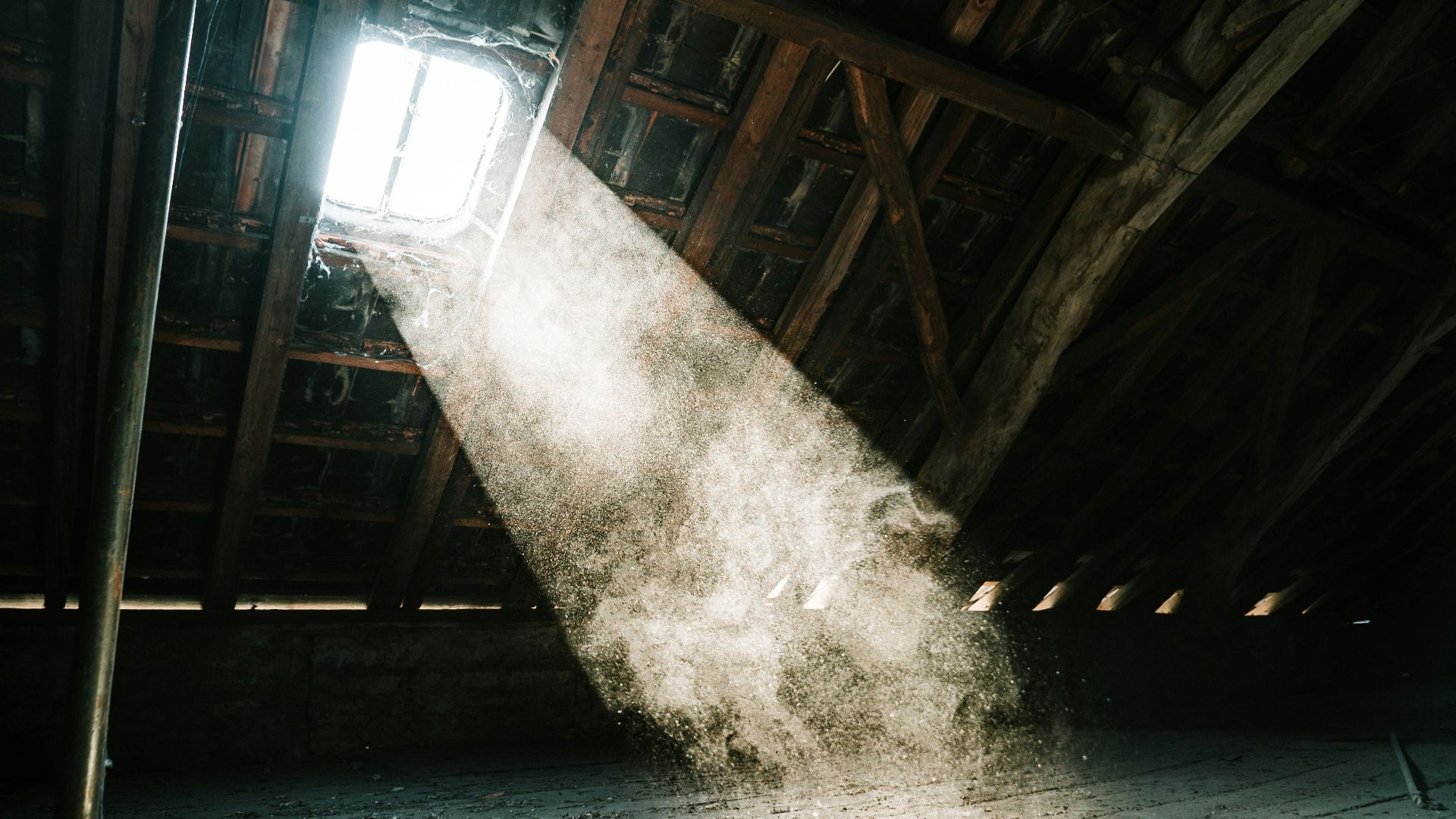
Peanut allergies are among the most common and concerning food allergies in children. Having peanuts present in the household during infancy can help normalize their presence and reduce immune overreaction later. Actual ingestion happens later and should follow medical guidance, but environmental exposure still plays a meaningful role.
6. Eggs
Egg allergies often develop early in childhood, but you can also ingest them during pregnancy to get a head start. Exposure during infancy may help reduce immune sensitivity by making eggs feel like a familiar part of daily life.

7. Dairy
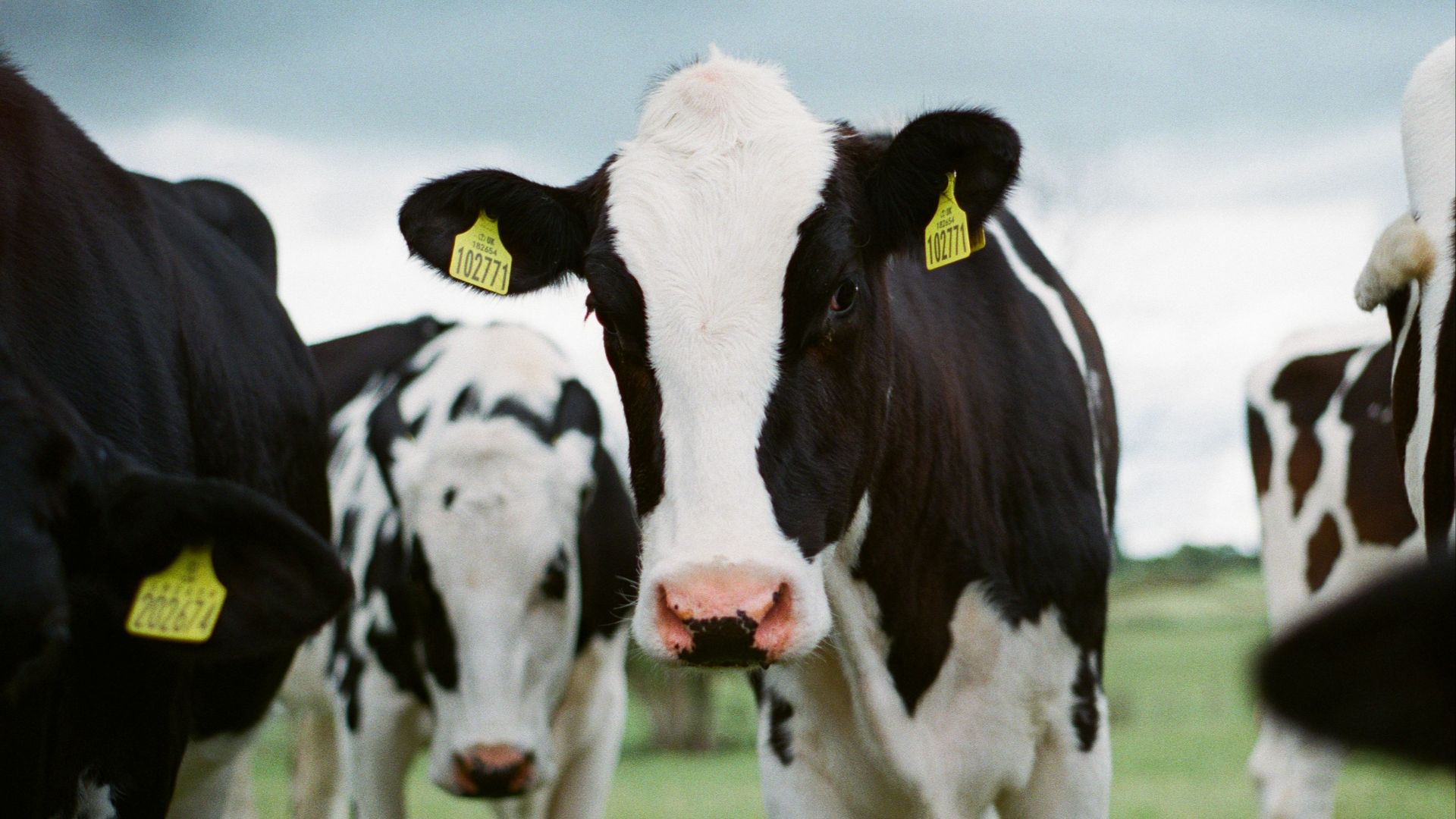
Babies regularly encounter dairy proteins through breast milk, formula, and everyday household environments. These early experiences can help reduce sensitivity as their immune system continues to mature.
8. Wheat and Gluten
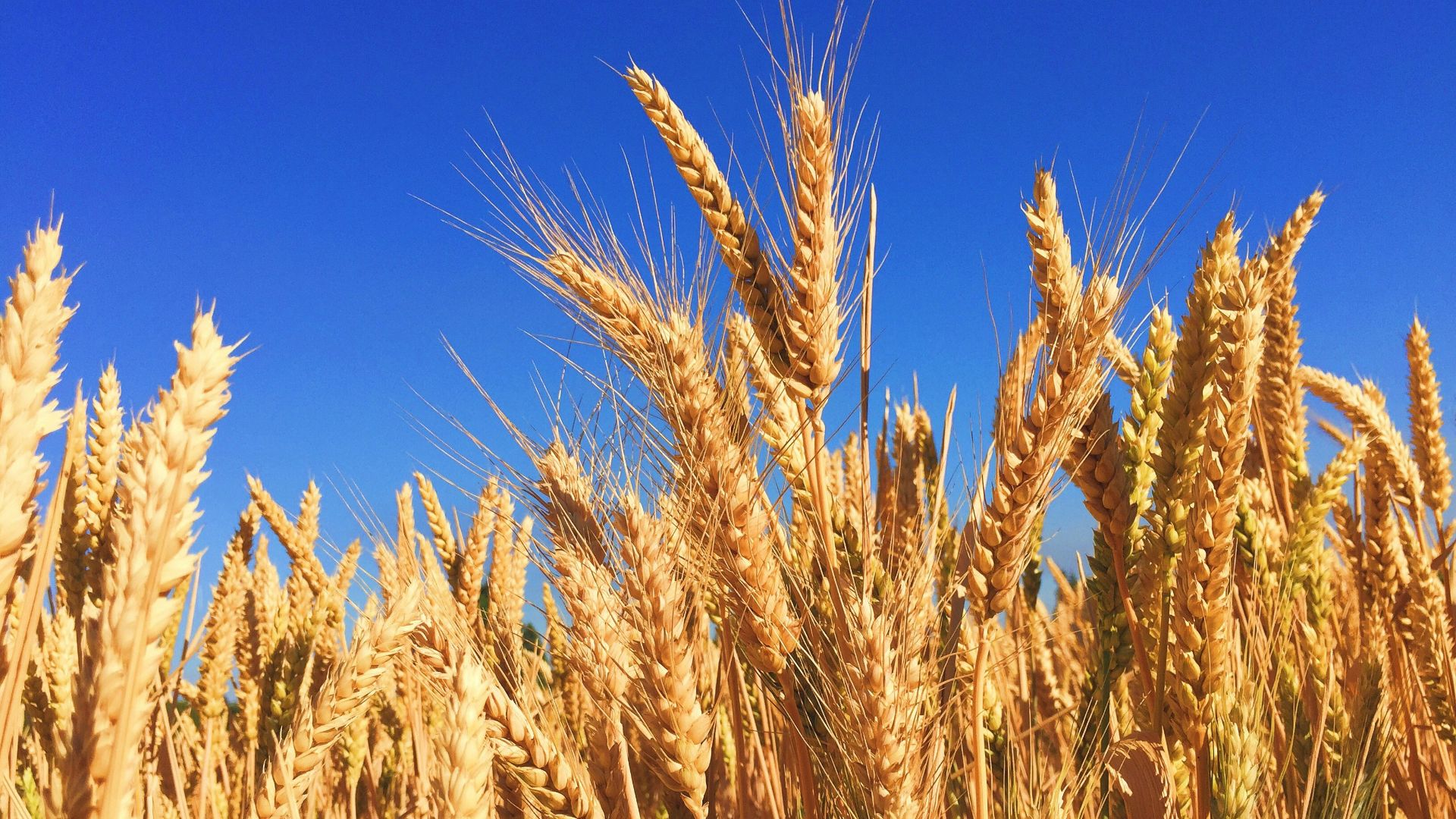
Wheat allergies and gluten sensitivities have become more common in recent years. Exposure through household cooking, shared air, and everyday surfaces can help familiarize the immune system with these proteins. Because wheat is so widely used, early normalization can make a real difference.
9. Soy-Based Products
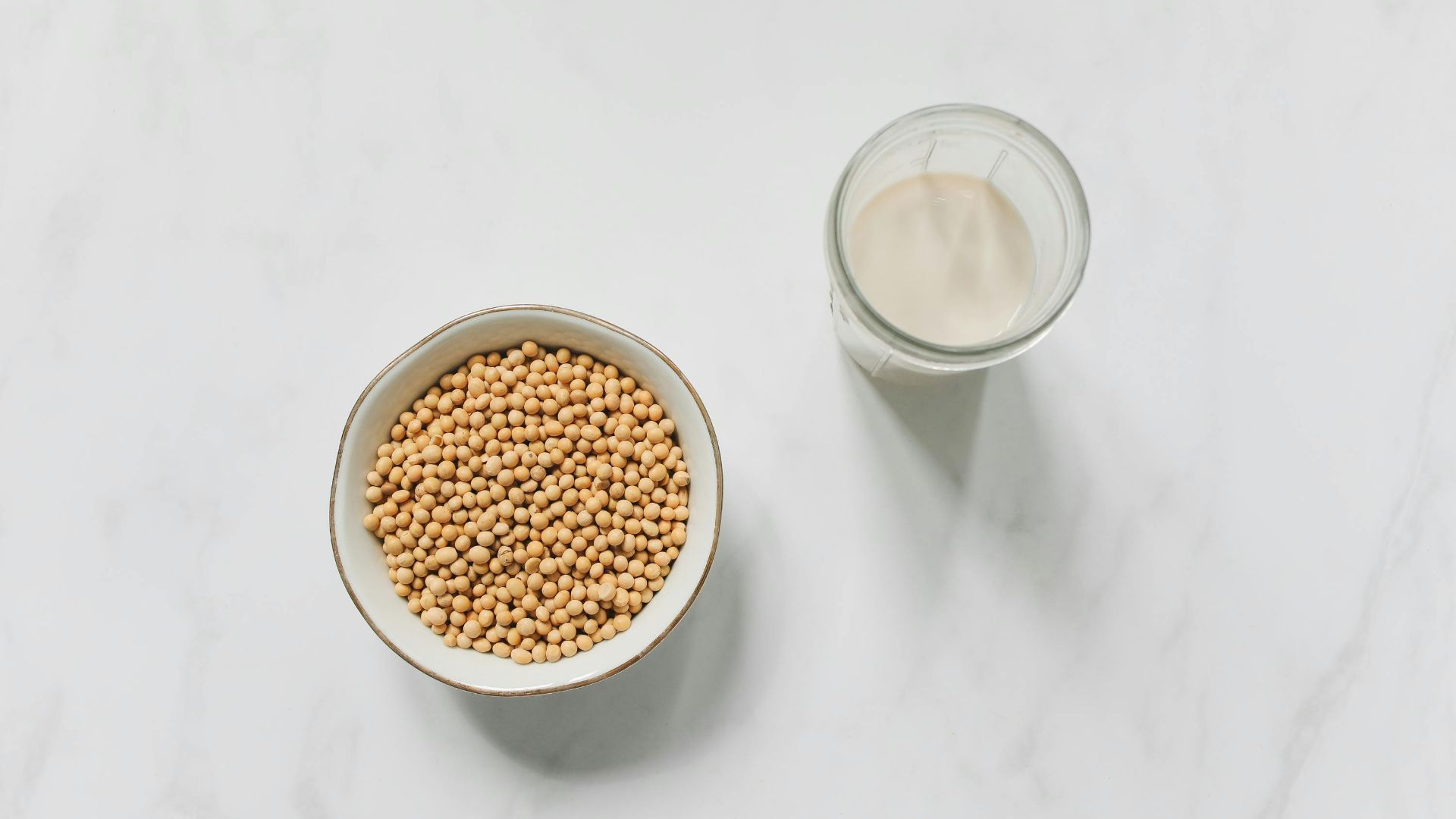
Soy is a frequent allergen found in many foods, packaged products, and household items. Early may help reduce the chance of later allergic reactions, which could be especially helpful in case your child does end up having a negative reaction to dairy or meat.
10. Tree Nuts
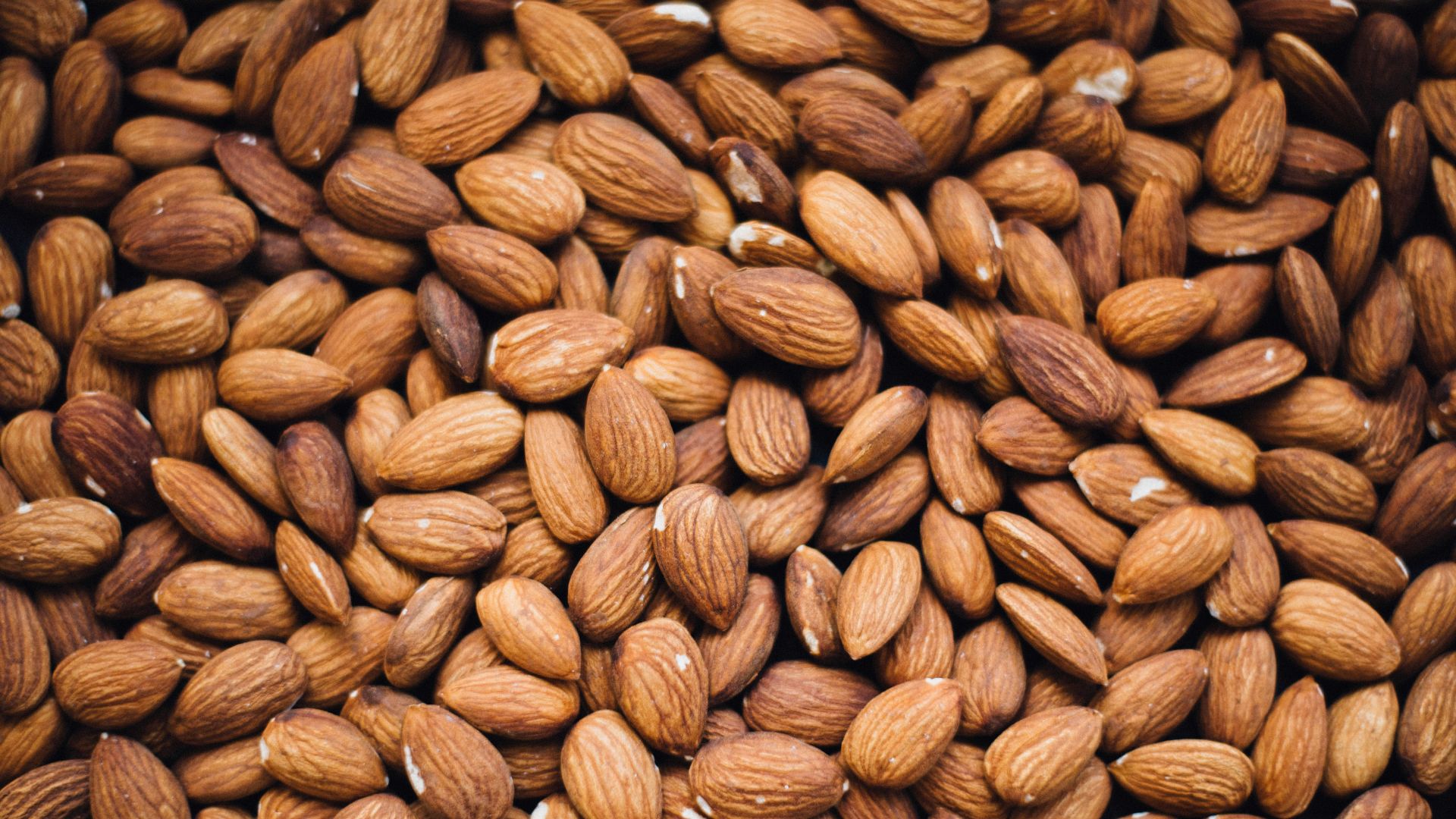
Almonds, walnuts, cashews, and other tree nuts are common allergy triggers for both children and adults. Even without direct consumption, babies can encounter trace proteins through shared environments. Familiarity early on may help prevent the immune system from treating these nuts as dangerous later.
11. Household Cleaning Products
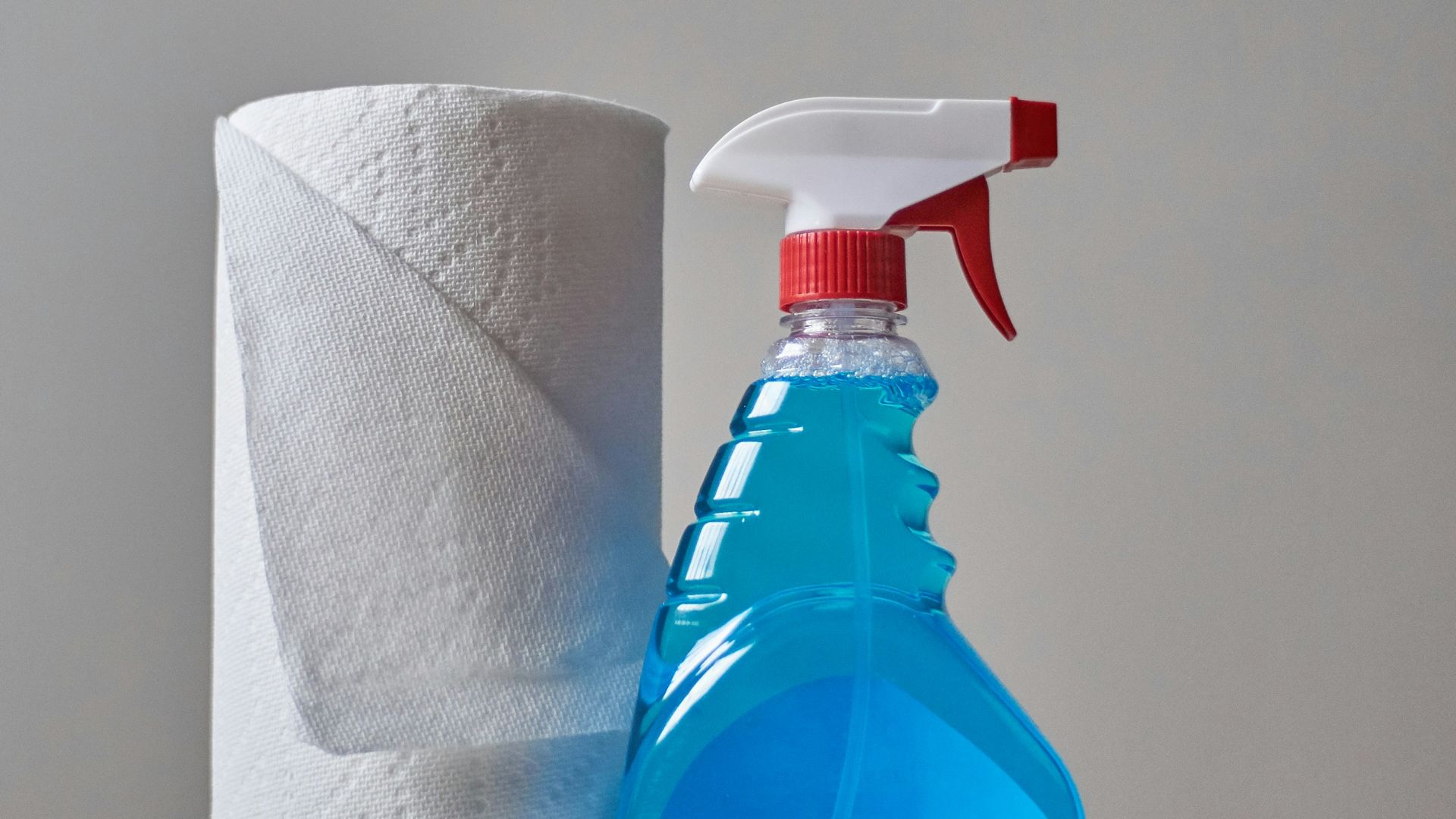
Certain cleaning products can irritate sensitive immune systems, especially when used excessively. Moderate exposure helps babies learn what’s harmless while avoiding unnecessary chemical sensitivity. Using gentle cleaners instead of constantly disinfecting everything creates a healthier balance.
12. Fragrances and Scents
Perfumes, soaps, detergents, and air fresheners are common allergy and irritation triggers, but early exposure can help prevent hypersensitivity as your baby grows. Strong fragrances aren’t necessary, but normal household smells absolutely play a role in immune learning.

13. Latex Materials
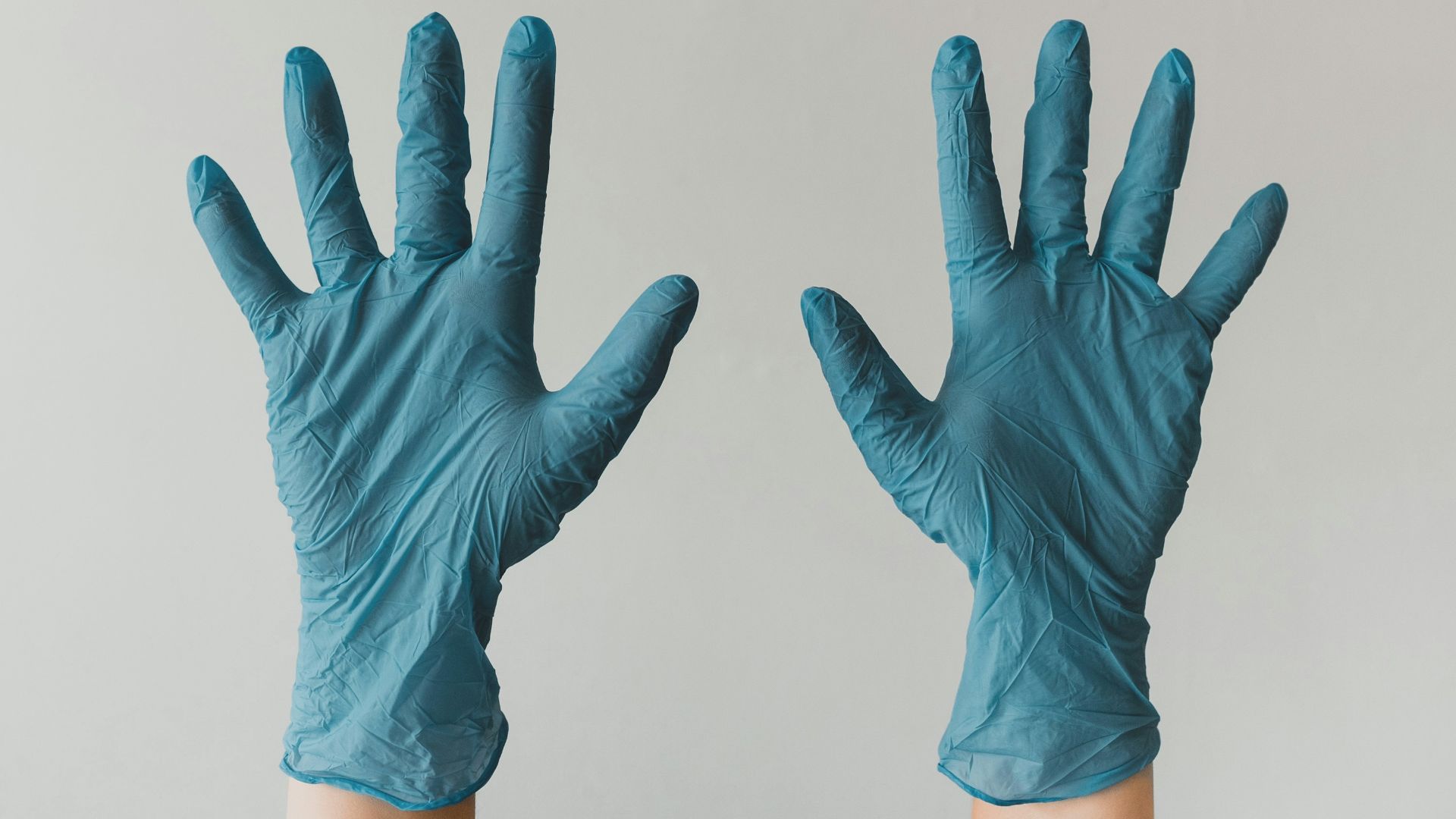
Latex allergies can develop after repeated exposure later in life, particularly in medical settings. Encountering latex items early, such as household gloves or elastic materials, may help your child avoid this issue.
14. Outdoor Environmental Allergens
Grass, trees, weeds, and flowers release allergens that commonly cause seasonal reactions. Spending time outside introduces these allergens early and gently through the air and surroundings. Babies don’t need to be shielded from nature to stay healthy and safe.

15. Insect Proteins
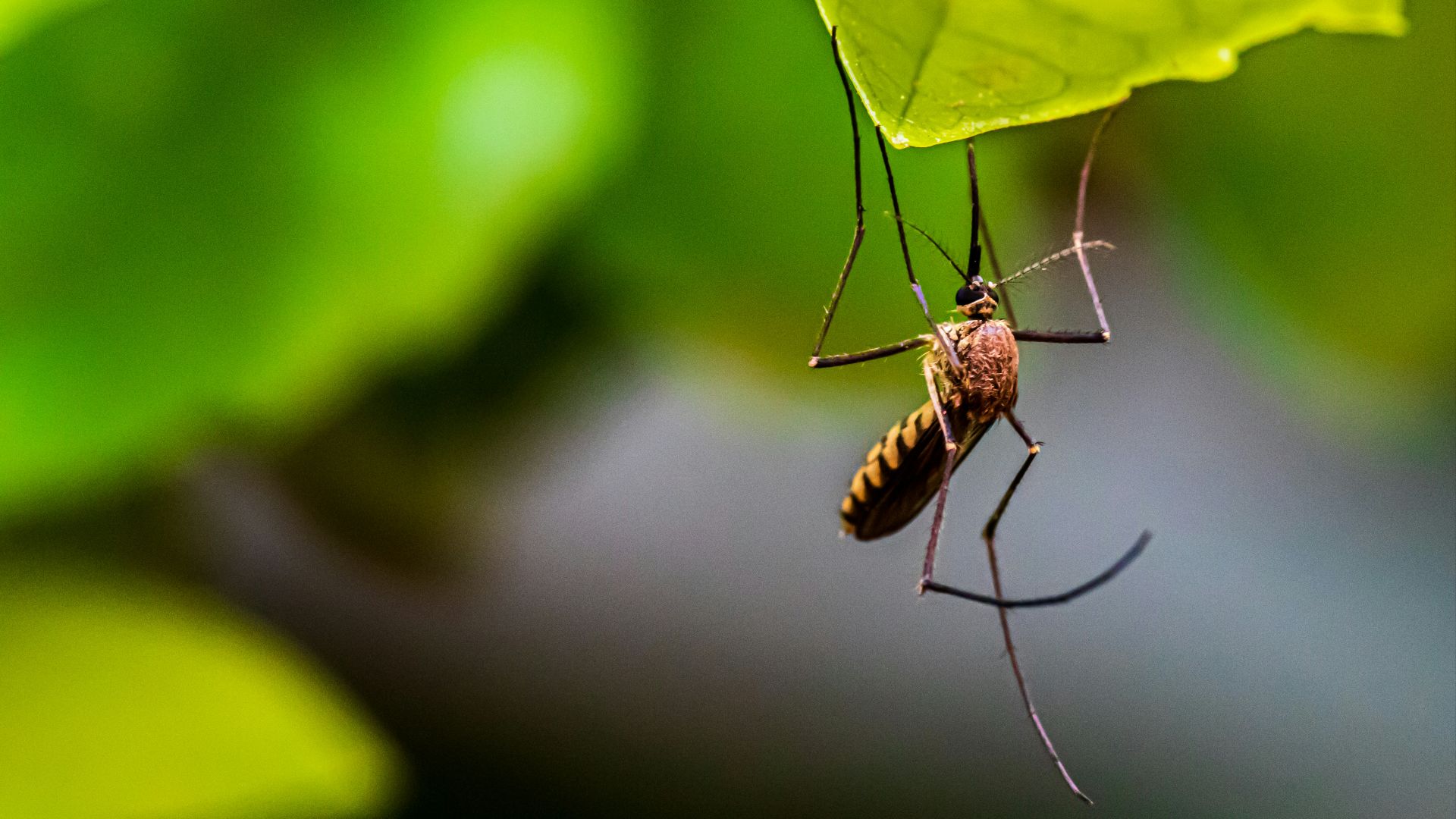
Insects and their proteins are a normal part of outdoor environments and can act as allergens for some people. Again, being outdoors exposes babies to these particles without requiring direct contact. Early exposure helps normalize them instead of allowing the immune system to overreact later.
16. Animal Saliva
Animal saliva is an often-overlooked allergy trigger that can cause reactions in sensitive individuals. Babies naturally encounter it through close contact with pets in the home. This exposure may help reduce the risk of developing animal-related allergies over time. Why deny your child the chance to get a pet of their own one day?

17. Dust From Books and Fabrics
Books, rugs, curtains, and upholstered furniture collect allergenic particles as part of normal use. Babies naturally encounter these materials during cuddling, reading, and playtime. Constant sterilization isn’t necessary and may actually limit beneficial exposure.
 Lotus Design N Print on Unsplash
18. Environmental Bacteria
Certain environmental bacteria play an important role in regulating immune responses linked to allergies. Exposure through everyday environments supports immune balance and resilience. A diverse mix of microbes helps prevent allergic overreaction later in life.

19. Nickel Allergy
Nickel is a common contact allergen found in jewelry, snaps on clothing, coins, and everyday metal objects. Early, incidental exposure through normal household items may help reduce sensitivity later on. It’s one of the most common skin allergies and often gets overlooked in early-life discussions.

20. Other Foods Commonly Linked to Allergies
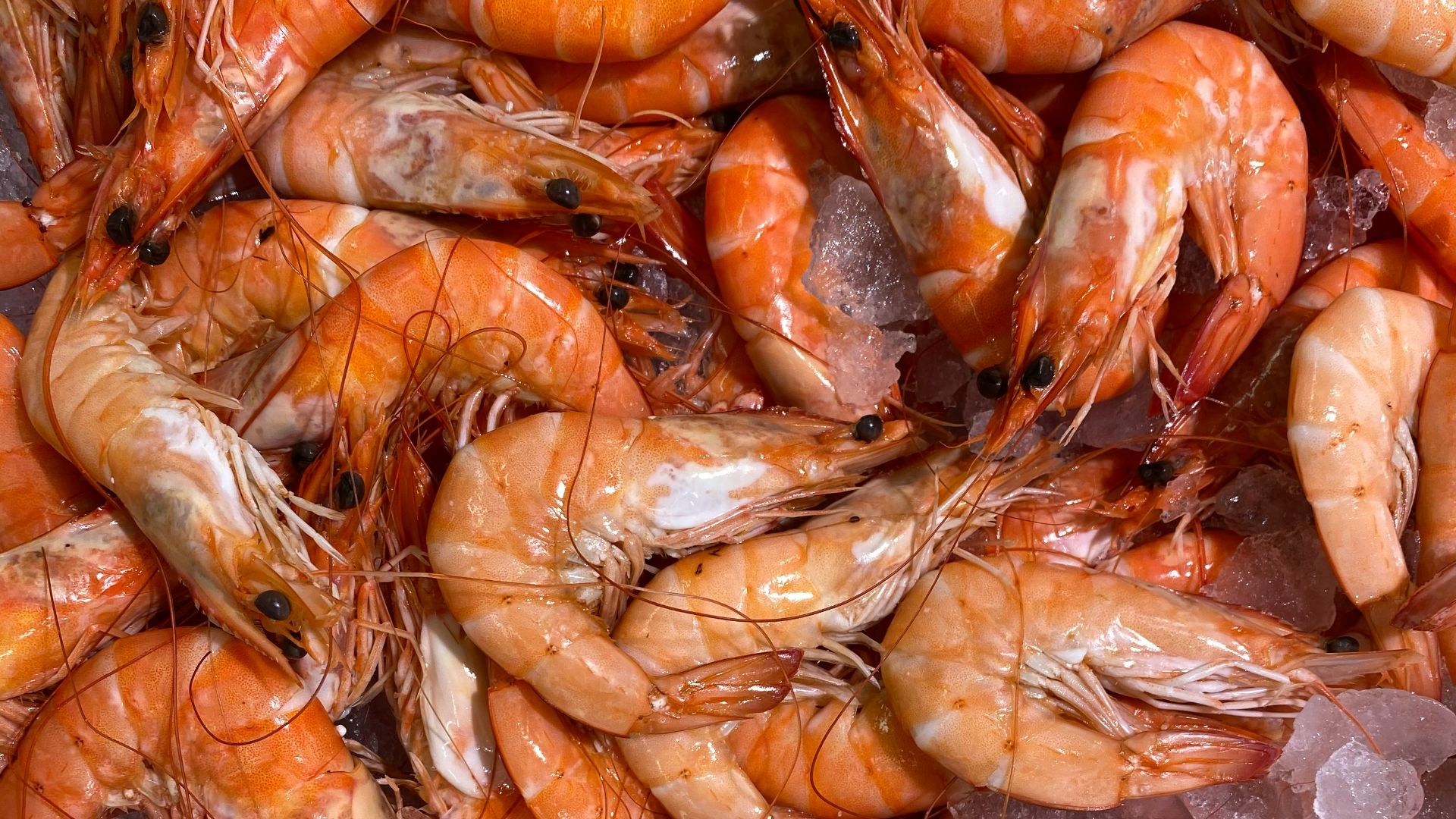
Shellfish, fish, and sesame are major allergens in many cultures and cuisines. Early environmental exposure may help normalize these foods even before babies are ready to eat them. Introductions should always follow medical recommendations and age-appropriate guidelines.