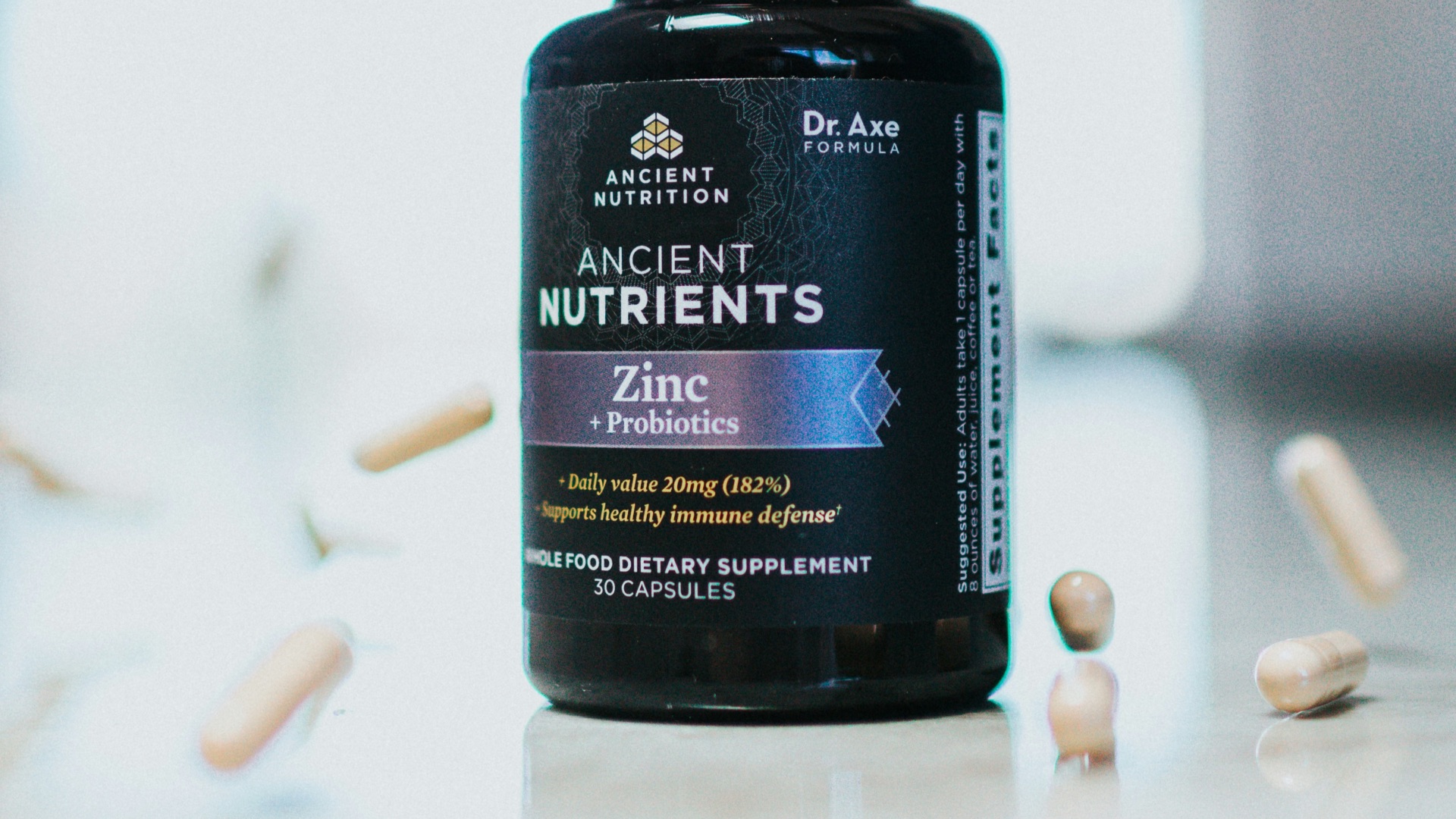
Before You Start Shaking Gummies Into Your Hand
Vitamin supplements can be genuinely helpful, but they’re not a magic shield, and they shouldn't replace your entire diet. The key is to use supplements to fill real gaps, especially when your health or lifestyle needs make it tough to get everything from food alone. But always make sure to consult with a doctor before grabbing every vitamin bottle in the aisle. Here are 10 reasons you should start taking supplements, and the 10 most common ones people take.

1. As Insurance
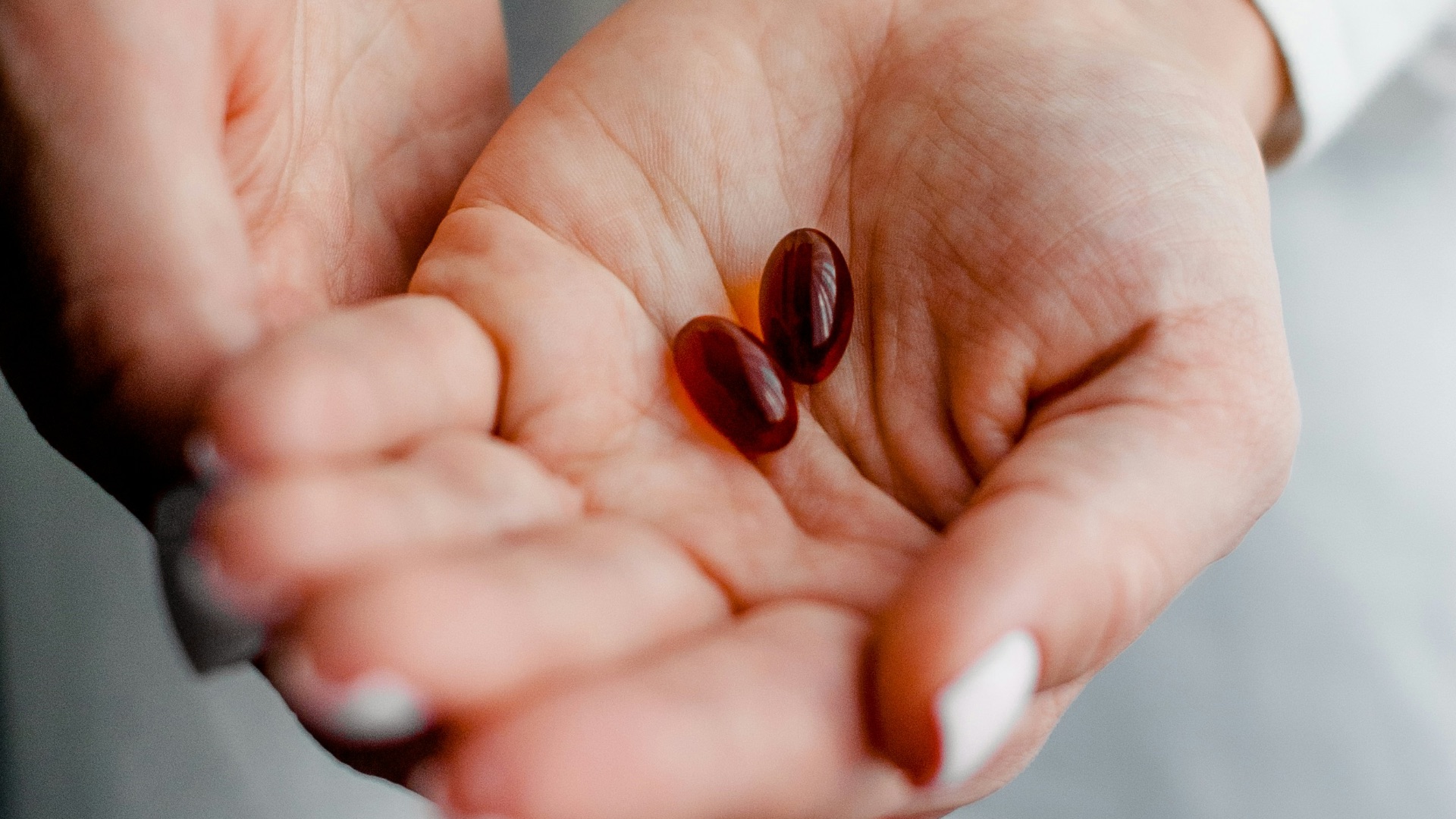
Even with good intentions, your meals don’t always line up with your needs. Travel, stress, picky phases, and busy seasons can quietly take away the variety from your plate. A supplement, in turn, can act like a backup plan when your usual diet routine gets knocked off track.
 Kateryna Hliznitsova on Unsplash
2. To Help Cover Dietary Restrictions
If you’re vegan, vegetarian, dairy-free, gluten-free, or managing allergies, some nutrients can be harder to consistently hit. That doesn’t mean your diet is “bad,” but just that it’s more selective by design. Supplements can help ease those guardrails and ensure you're still getting what your body needs.
 Christine Isakzhanova on Unsplash
3. Low Intake
Feeling run-down can come from a dozen places, but low intake of certain nutrients is one of the easier ones to address. When you’re not eating enough overall—whether from appetite changes, busy schedules, or intense training—micronutrients can slip by. A targeted supplement plan may help you shore up what’s missing.

4. Seasons with Limited Sunlight
When daylight is scarce during the colder seasons, your body may not make as much vitamin D as it normally would. In addition, if your lifestyle keeps you indoors a lot, supplements can be a practical way to stay consistent.

5. Extra Support During Life Stages
Your nutrient needs can shift during pregnancy, postpartum recovery, adolescence, and older adulthood. Supplements can help match those changes, especially when food aversions or appetite swings get in the way.

6. Making Up for Certain Eating Patterns
Not all calories come with the same vitamins and nutrients that your body needs. If your diet leans heavily on ultra-processed convenience foods, you might feel full without actually being well-nourished. Supplements can help you close that gap while you work on improving your baseline habits.

7. Absorption Issues
Sometimes it’s not what you eat; it’s what your body can actually absorb. Digestive conditions, certain medications, and even aging can interfere with nutrient uptake. In those situations, supplements can be a more reliable route than hoping your gut cooperates.

8. Supporting Bones and Muscles
Bone health isn’t only a problem for future-you, even if it feels like it is. Nutrients like vitamin D and calcium play supporting roles that matter most when they’re consistent. Supplements can make it easier to stay steady, especially if your diet doesn’t naturally include those sources.

9. Helping You Stay Consistent with Wellness Goals
It’s easier to build momentum when you have a routine that’s simple to follow. A supplement habit won’t replace sleep, movement, or balanced meals, and it shouldn't, but it can complement them.

10. Correcting a Deficiency
If a blood test shows you’re low in something, food alone may take a while to catch you up. A supplement, used appropriately and under the guidance of a medical professional, can be a direct way to address that gap safely and quickly.
Relate to any of the reasons we've covered? It may be time to consult your doctor and see if taking supplements is the right move for you. Let's jump now into the most common ones that people generally take.

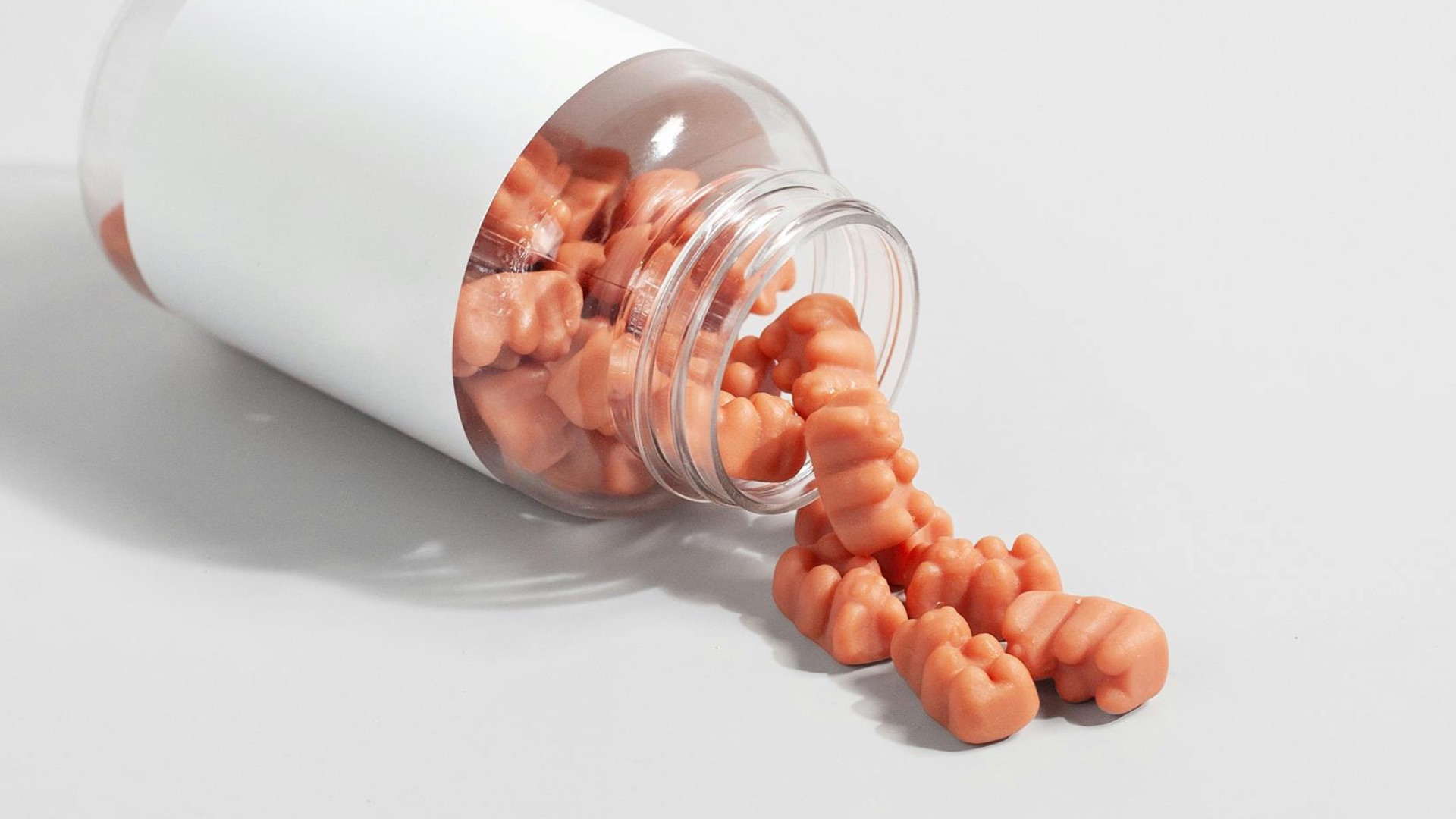
1. Multivitamin
This is the classic supplement that's meant to cover all bases, and it can be especially helpful for people who don’t want to juggle five different bottles. Multivitamins vary a lot, so the label matters more than the brand it's under. If you’re looking for a simple baseline, it’s often the first stop.
 Supplements On Demand on Pexels
2. Vitamin D
Vitamin D is one of the most commonly taken supplements, and it’s easy to see why; not every day is a sunny day, after all! Many people don’t get enough through food alone, so supplementation may be a good choice. However, you should still check your levels first.

3. Vitamin C
Vitamin C has a “fan favorite” reputation, and it shows up in everything from tablets to fizzy drink packets. It’s often used to support overall immune function, especially during colder seasons. Since it’s widely available in foods too, some people use this supplement as an occasional backup rather than a daily must.
 Anastasiia Chepinska on Unsplash
4. B-Complex
A B-complex bundles several B vitamins into one supplement, which can be convenient if you want broad coverage. People often reach for it when they’re trying to support energy and general metabolic function. The formulas differ, so comparing amounts can help you avoid taking more than you need.

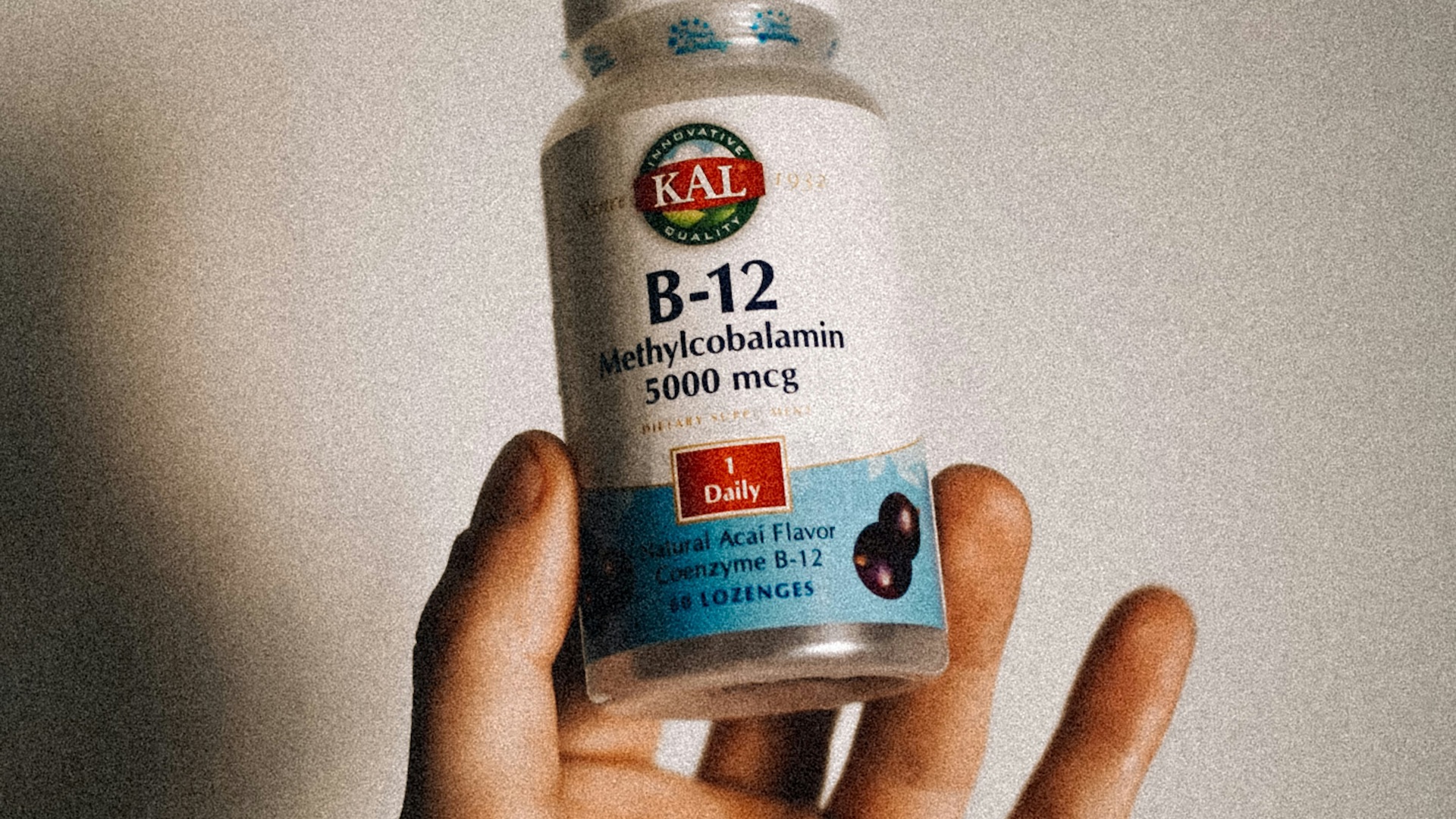
5. Vitamin B12
B12 is especially common among vegetarians and vegans because dietary sources are often animal-based. It’s also a nutrient that can become trickier to absorb for some people over time. If you’ve been feeling “off” and your diet is limited, B12 is one worth discussing with a clinician.
6. Folate (Folic Acid)
Folate is widely known for its role in pregnancy and preconception support, which is why it appears in many prenatal formulas. You’ll also see it in standalone supplements and multivitamins. Because folate status can matter in specific life stages, it’s usually taken with a clear purpose.

7. Calcium
Calcium is a go-to for people thinking about bone health, especially if dairy isn’t a regular part of their diet. It’s often paired with vitamin D since they work together in the bigger bone-support picture. If you’re already getting plenty from food, you may not need extra, so it’s worth doing a quick check.

8. Magnesium
Magnesium is popular because it’s involved in a surprising number of body processes (proper heart function, for one), and many people suspect they’re not getting enough of it. You’ll find different forms on shelves, which can be confusing if you’re just starting out. While a common add-on supplement, it’s best to choose one based on your specific goal and tolerance.
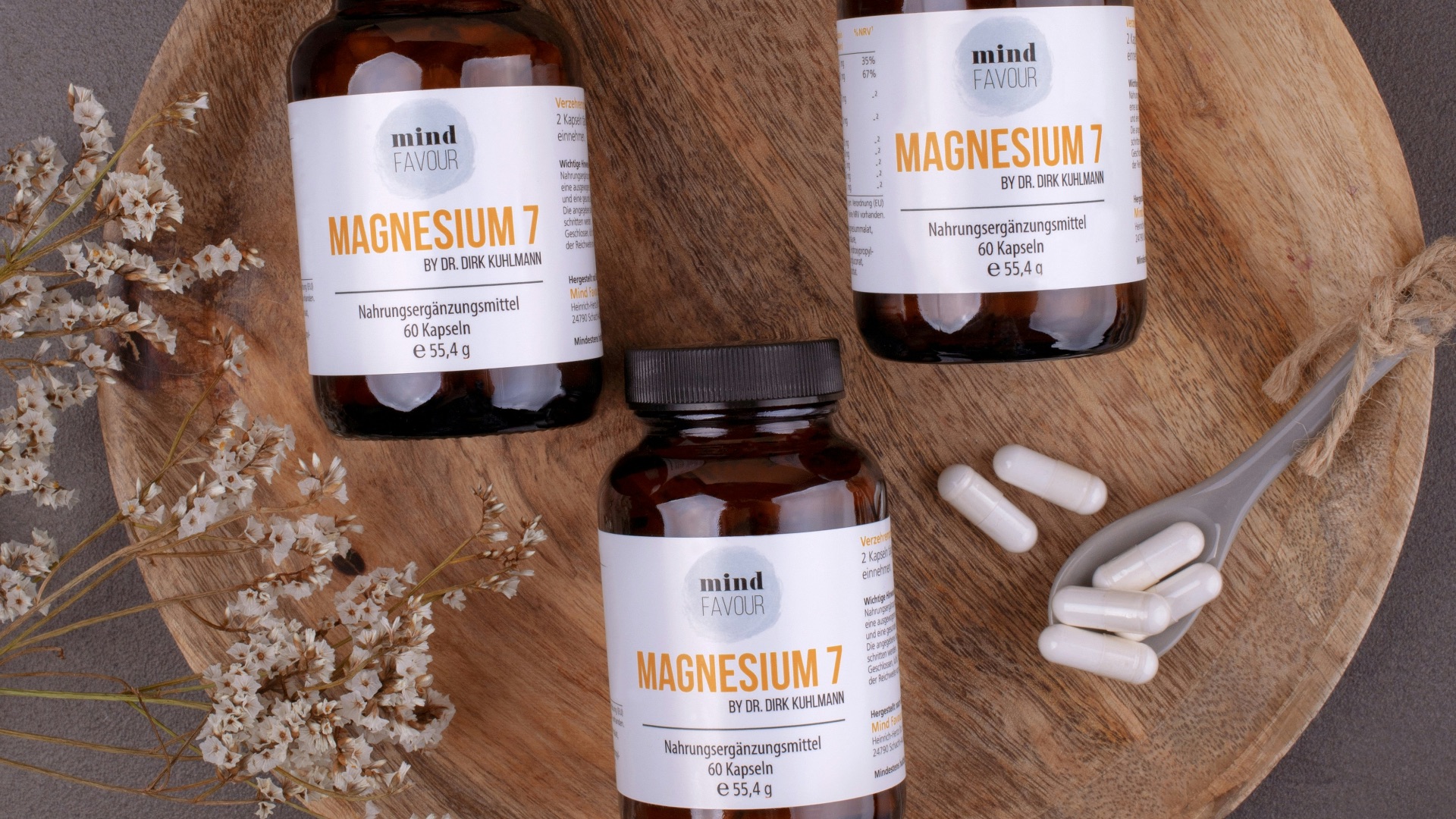
9. Iron
Iron supplements are frequently used when labs show low iron or low ferritin, and a deficiency is especially common in people who menstruate. But because too much iron can be a problem, you should never take this supplement without proper instruction from a doctor. If you think iron might be relevant for you, testing first is the smarter move.
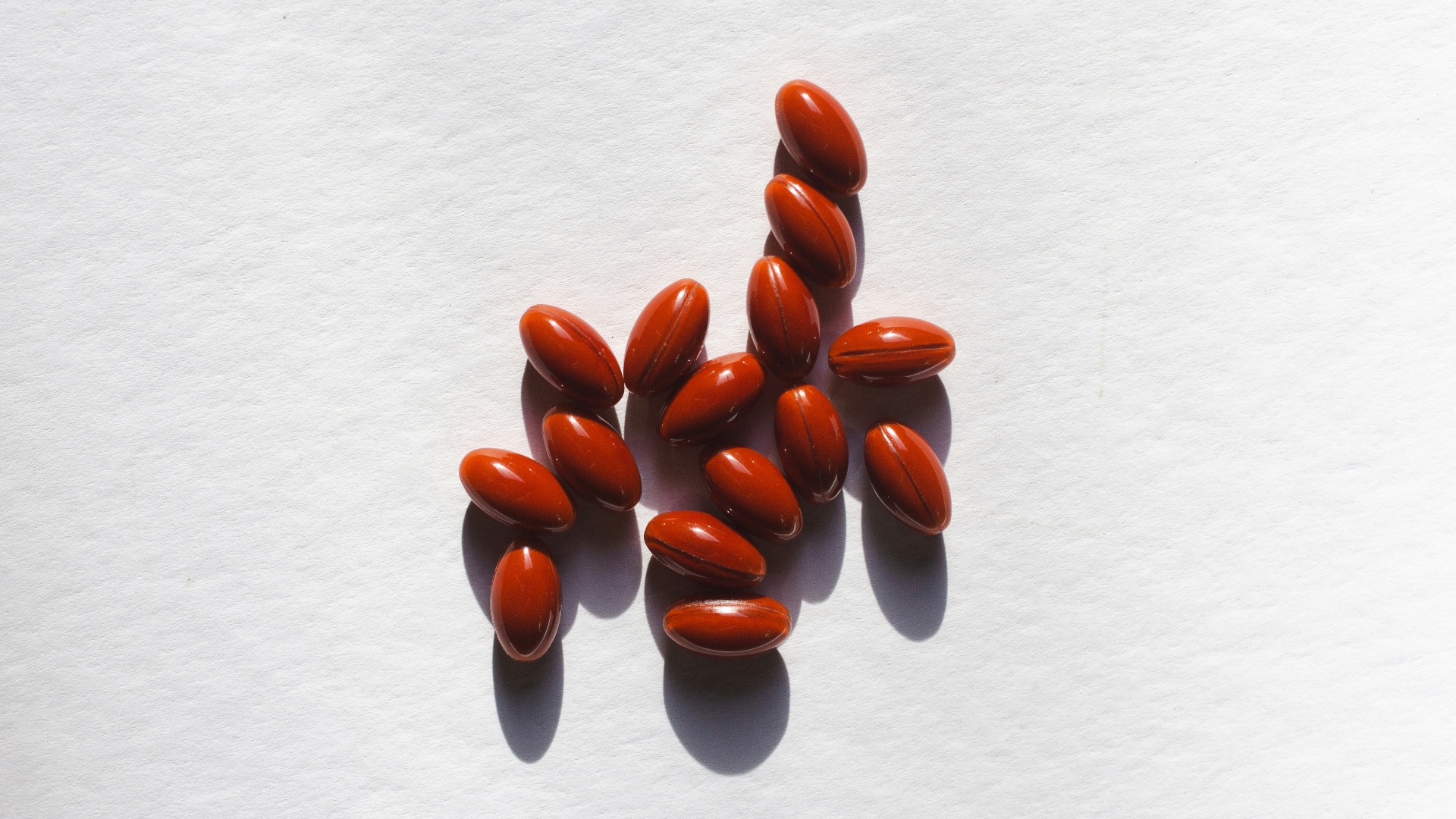 montatip lilitsanong on Unsplash
10. Zinc
Zinc is a staple in many wellness stacks and tends to pop up in lozenges and immune-focused blends. It’s one of those supplements people keep on hand for boosting immune function and metabolism. However, since it can interact with other nutrients at higher intakes, be careful about taking it regularly.