Get Your Sweat On
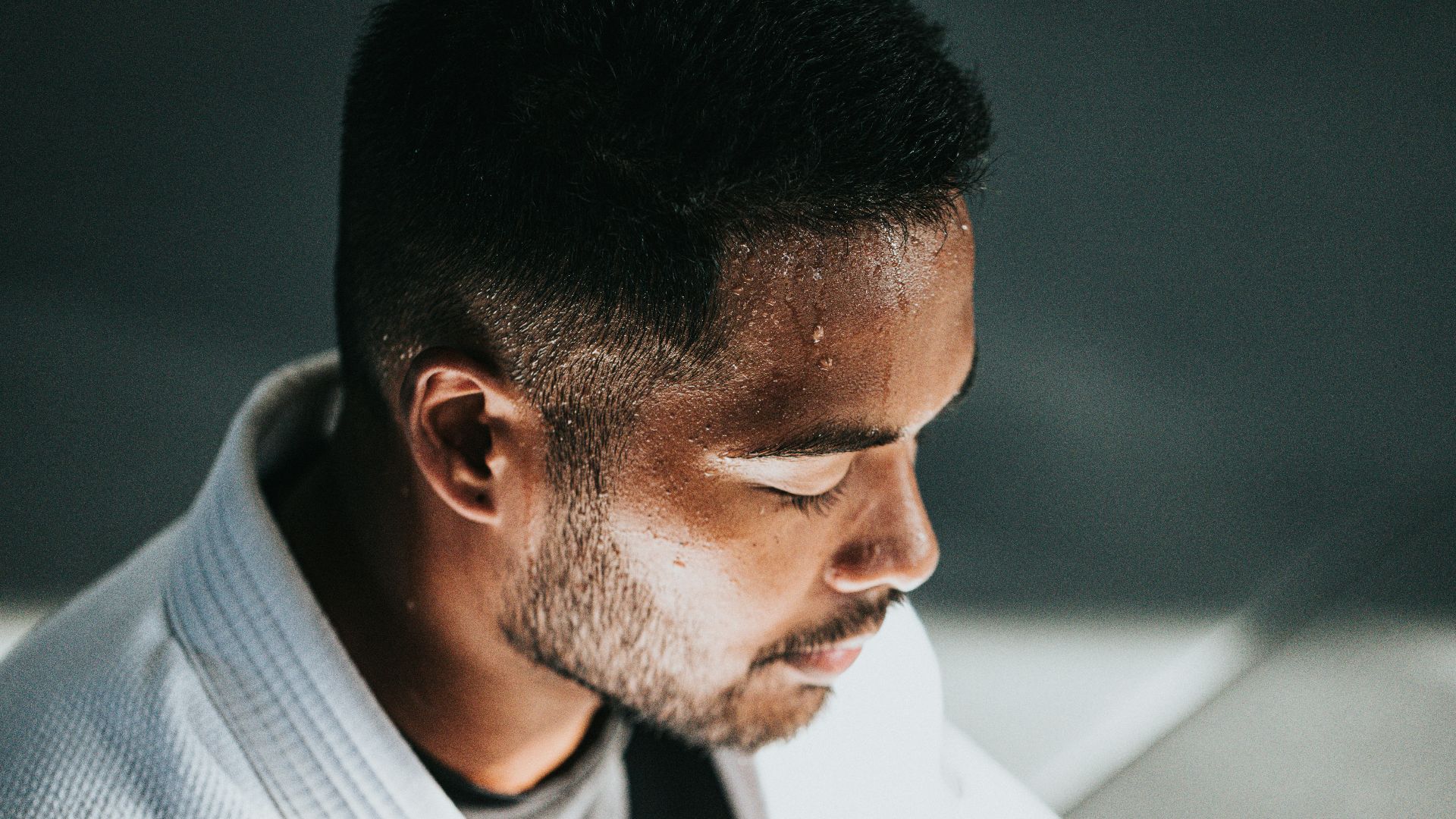
Your body has a natural way of regulating temperature, and sweating plays the starring role in that process. But you've probably noticed it doesn't take much to activate those glands—sometimes you're drenched before you even realize what happened. From the obvious culprits to the unexpected ones, plenty of everyday situations can leave you feeling damp. Here are 20 triggers that'll turn up the heat and make you perspire.

1. Spicy Food Consumption
A single bite of something fiery can spark tingles around the nerves in your mouth, and suddenly, your forehead feels warm. Capsaicin creates this chain reaction. Some people even notice tiny beads forming along the upper lip during especially bold meals.

2. Vigorous Physical Exercise
Once your heart starts pumping during a workout, your body warms and signals those sweat glands into action. Fitness levels even change how fast this kicks in. Humidity, tight clothing, and long sessions all play their part and make each workout feel different for your skin.

3. Fever From Illness
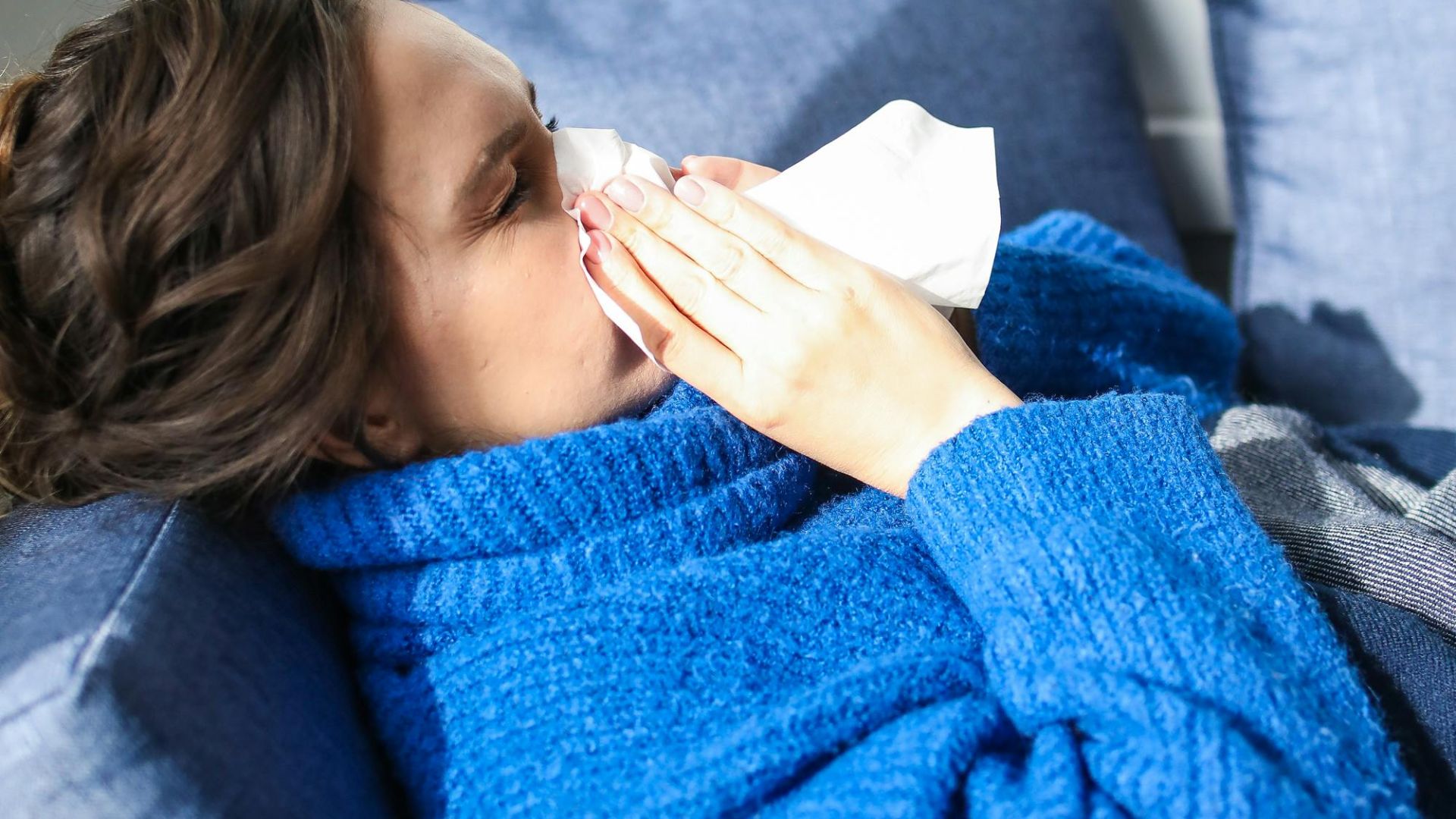
A rising temperature from illness often brings waves of damp skin as your body tries to steady itself. When that fever finally changes course, sweat tends to follow. Nights can feel especially clammy during infections, with chilly moments appearing between sweating spells.
4. Wearing Heavy Or Non-Breathable Fabrics
Thick or synthetic materials trap heat against the skin, and the body reacts quickly. Shirts made from these fabrics often cling sooner than expected. Anyone who’s worn them in a warm room knows how fast they can turn a normal moment into a sweaty one.

5. Stress-Induced Adrenaline Release
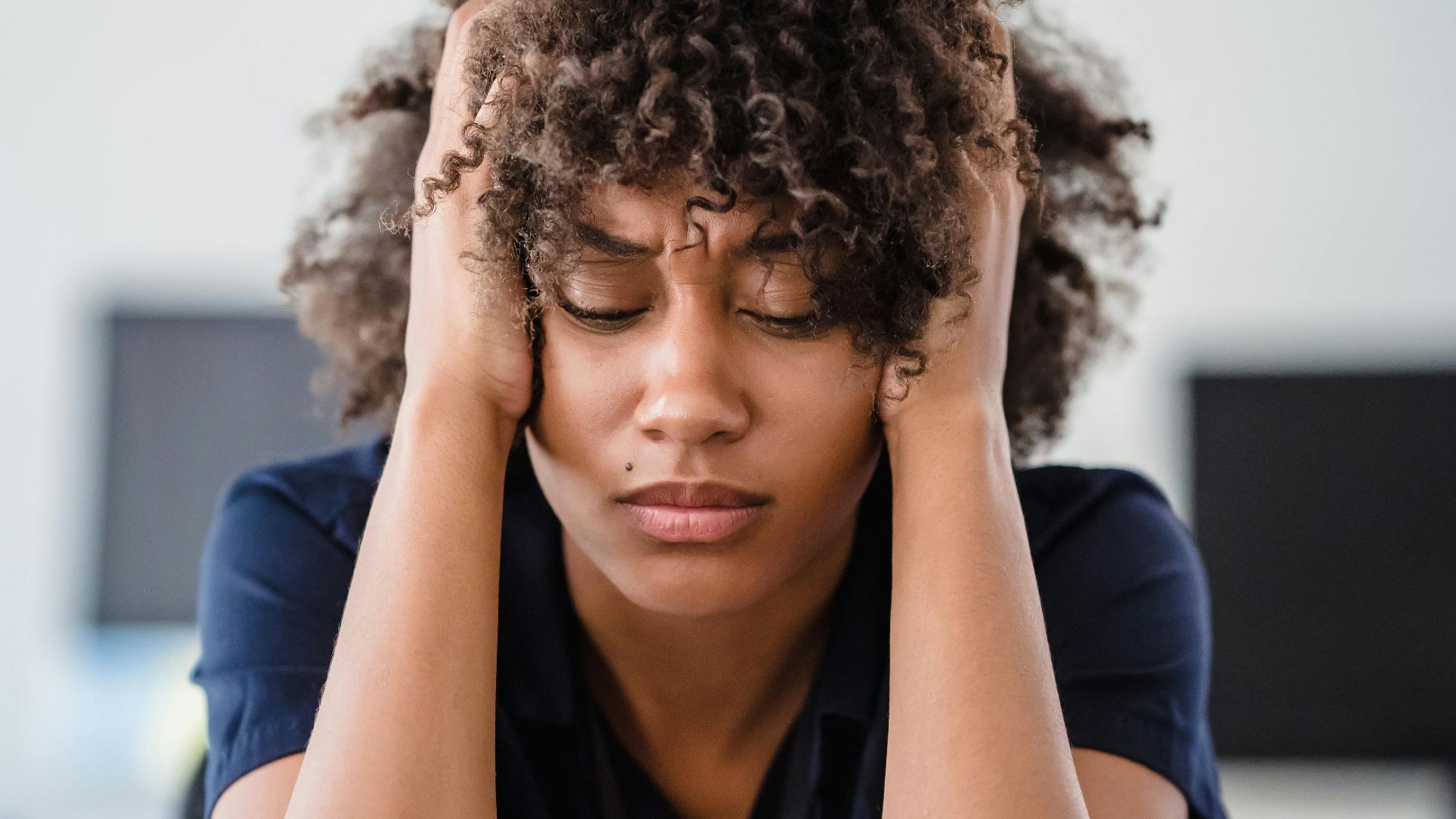
Tense moments come with quick nervous system shifts that turn on sweat glands in places like your palms and underarms. This type of sweat often shows up unexpectedly, even in perfectly cool rooms. A sharper scent can appear too because of the glands involved.
6. Anger Or Rage Response
When emotions flare, signals rush through your system and activate sweating in the same way they would during a sudden scare. Some people notice warm cheeks while this happens. Others find their hands feeling damp as their body powers through the reaction.

7. Menopause-Related Hot Flashes
During menopause, a burst of warmth can spread through the chest and face in an instant. Sweat follows as the body reacts to shifting hormone levels. These episodes may come at random, sometimes waking someone with a sudden rush and a damp pillow.
8. Motion Sickness
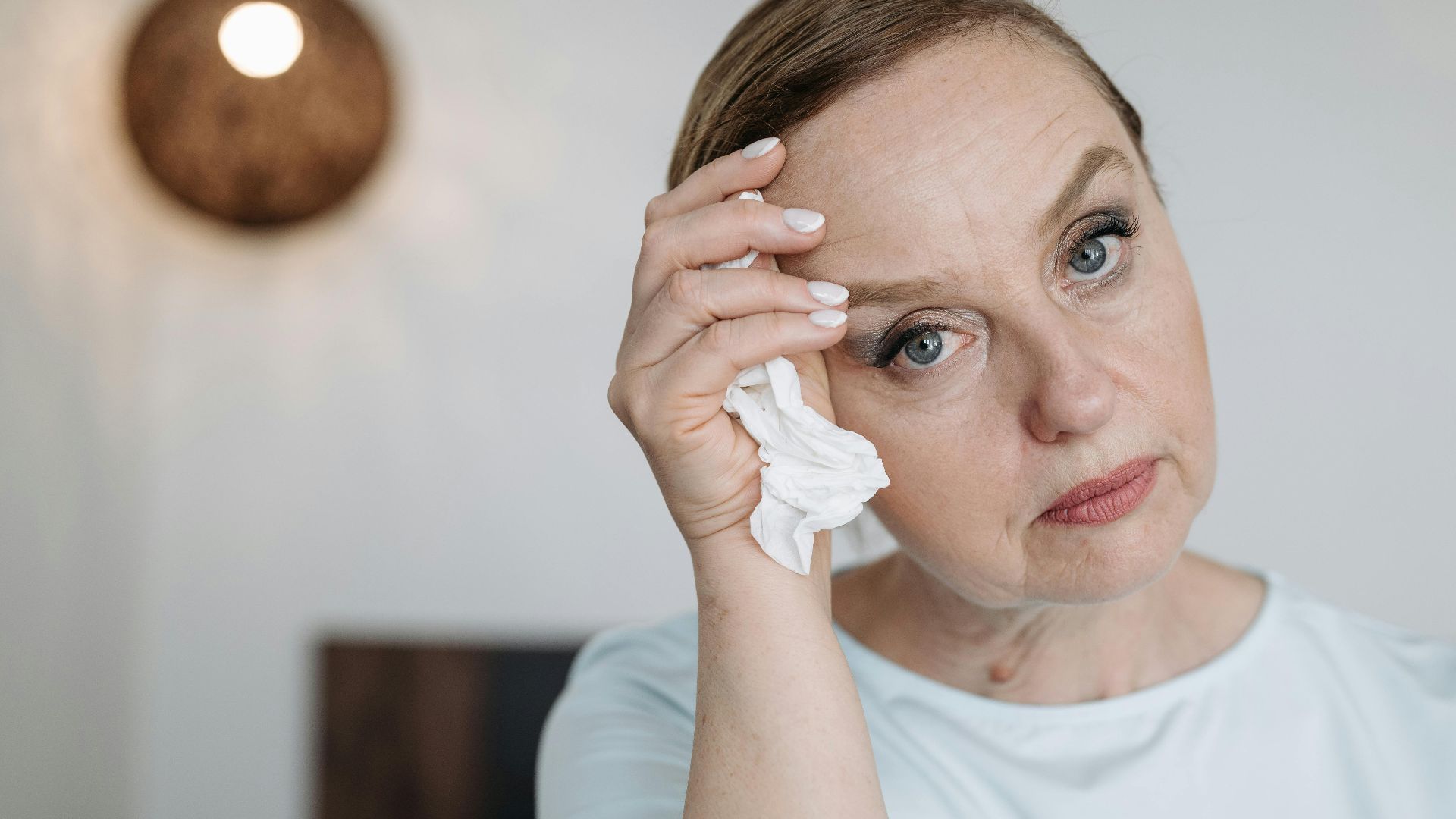
Feeling nauseous in a car or bus often comes with a sheen of sweat. The body wrestles with mixed signals from the eyes and inner ears, and moisture builds quickly. Fresh air or a slower pace usually helps ease the reaction.

9. Puberty-Related Hormonal Surges
As the teenage years begin, new sweat patterns appear right alongside all the other changes. Glands wake up in spots like underarms and feet, and scents become stronger. These shifts often surprise teens.
10. Heart Attack Or Sudden Cardiovascular Event
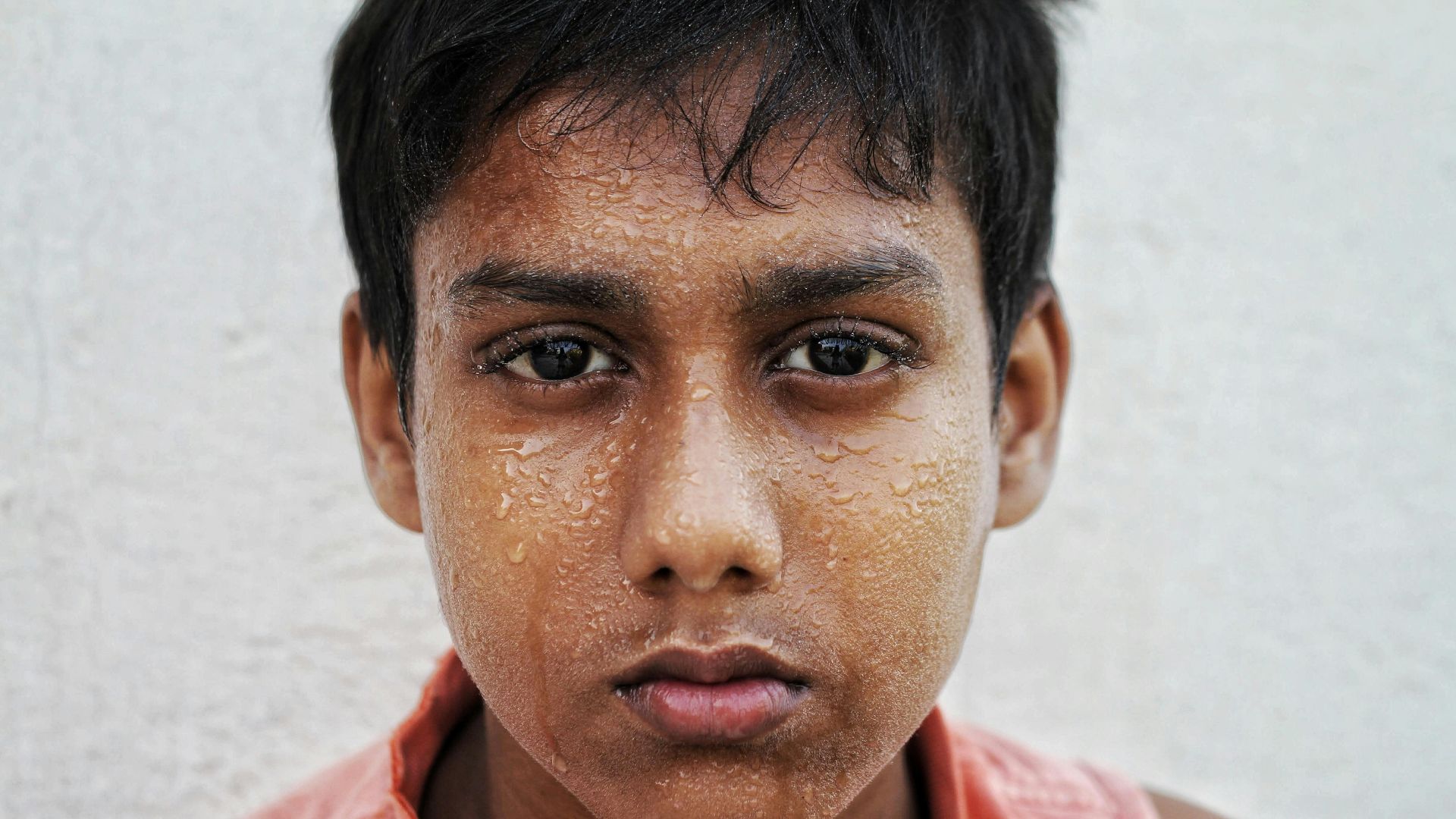
A cold, heavy sweat can rise quickly during a serious cardiovascular episode. It often arrives with tightness or aching in the chest. Medical help is essential if these warning signs occur, including chest pressure, radiating pain, shortness of breath, nausea, or irregular heartbeat.

11. Caffeine Intake
Coffee and energy drinks perk up the nervous system, and sweat glands respond to that stimulation. Some people experience it more intensely after only one serving. Along with the extra moisture, a slightly quicker heartbeat often joins the moment.

12. Certain Medications
Some prescriptions influence the body’s temperature control system and cause full-body sweating. Antidepressants and opioids often fall into this category. Once a dosage change or a replacement is chosen, this reaction sometimes fades over time.

13. Pain Response
Sharp or lingering pain can send signals through the nervous system that lead to sudden sweating. The response may feel intense and quick. This even shows up during dental discomfort, which surprises many people who have only felt it during injuries.

14. Alcohol Consumption
A drink can send warmth into your skin by relaxing blood vessels, and that gentle glow can shift into actual sweating. Nights out sometimes lead to unexpected sweating during sleep. Warm rooms or crowded spaces make this reaction feel even stronger for some people.

15. Strong Odors Or Smells
Powerful scents can influence your nervous system enough to create small bursts of sweat. This reaction appears more often in people with heightened sensitivity. Cleaning products or sharp chemical smells can start this chain reaction almost instantly.

16. Low Blood Sugar Episodes
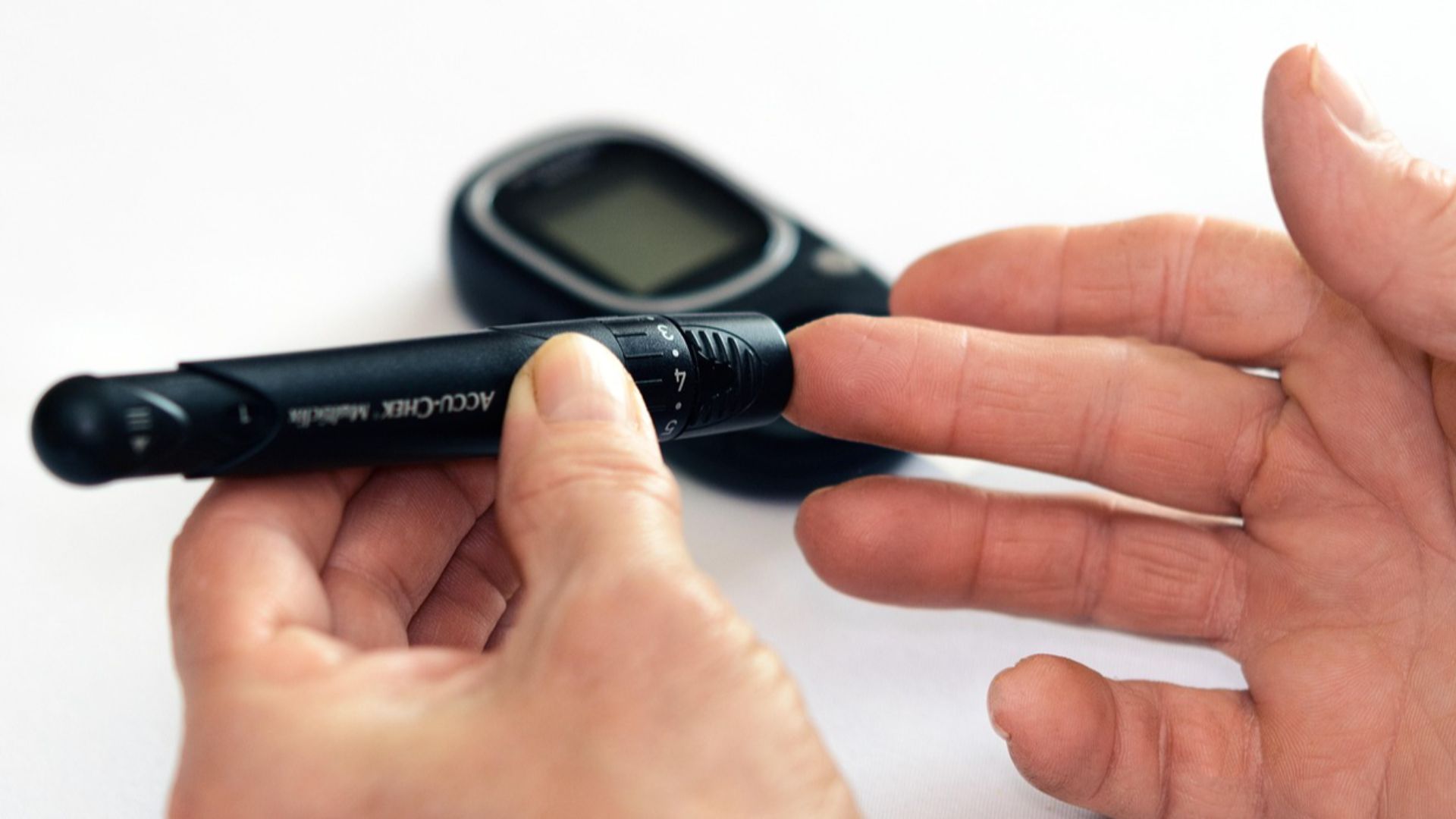
Dropping glucose can nudge your body into a jittery, sweaty state faster than most people expect. A sudden wave of warmth might show up right before dizziness or hunger kicks in. Quick intake of fast‑acting carbs often helps stabilize symptoms before they worsen.
17. Anxiety Disorders
Moments of anxiety can spark sweating even before a person realizes they’re nervous. The body jumps into alert mode, and moisture forms on the forehead or palms. This reaction can appear during social situations, quiet moments, or completely random times.

18. Nightmares Or Vivid Dreams
Dreams that feel too real can jolt the nervous system awake and leave someone covered in sweat. Even a cool bedroom won’t always prevent this. Many people wake up surprised by how strongly their body responded to something that wasn’t happening at all.

19. Low Oxygen Environments
Cramped spaces and poor ventilation push the body to adjust, often causing a subtle sweat. Heat rises gradually, and people instinctively dab at their foreheads, unaware that the simple surroundings triggered this small, physical reaction.

20. Overactive Sweat Glands
Some individuals simply produce more sweat because their glands respond too enthusiastically. This can happen during everyday tasks that don’t feel stressful. Even holding a conversation or walking through a store might bring on moisture that seems disproportionate.