Eat More Fermented Foods
Our diet is linked to our mood, so making some changes to what we eat every day can improve our mood dramatically. Some of these changes can be minor, whereas others require a more drastic lifestyle alteration. Regardless of how much change is required, reviewing what you eat regularly to see if it can help your mood is vital. Here are 20 diet changes that can boost your mood.

1. Eat More Omega-3 Fatty Acids
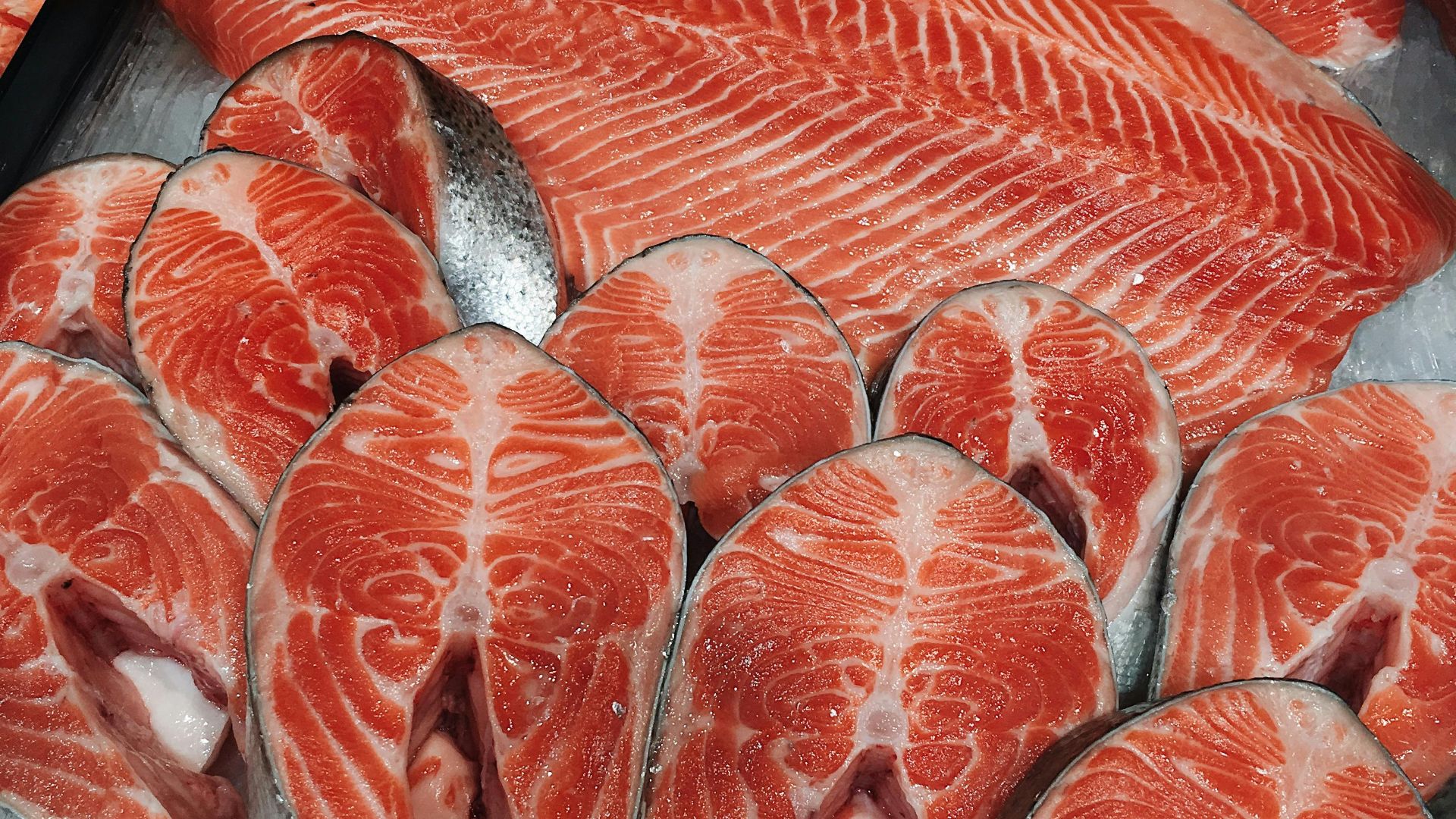
Omega-3 promotes brain health and can regulate the neurotransmitters that influence your mood. Include more fatty fish, chia seeds, flaxseeds, and walnuts in your diet and enjoy their powerful anti-inflammatory benefits. Even just eating these foods a few times a week can make a huge difference.
2. Add More Leafy Greens to Your Diet
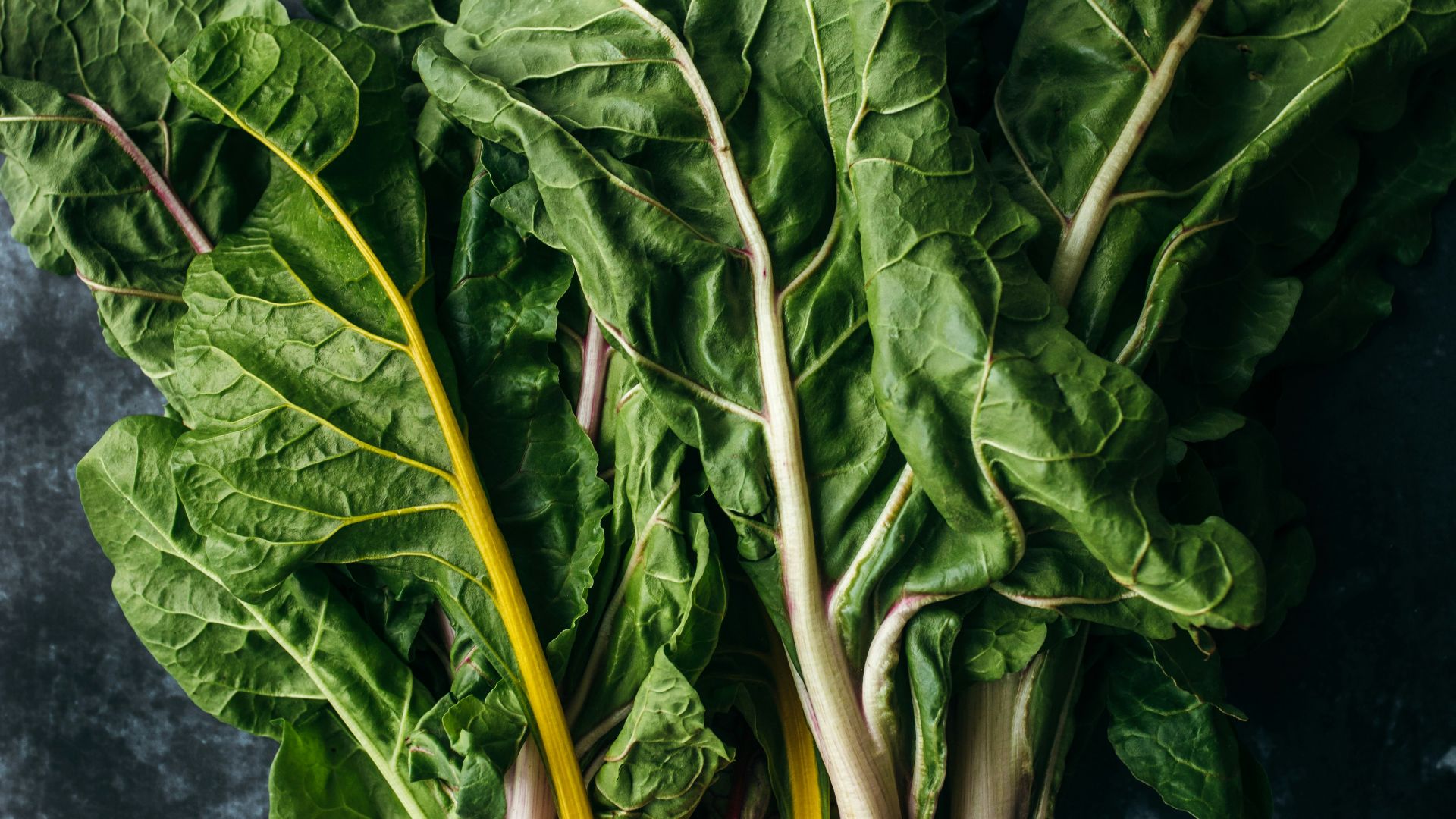
Spinach, kale, and Swiss chard are all rich in folate, magnesium, and fiber. These can stabilize your mood and give you more energy. Folates produce neurotransmitters, and magnesium can make you feel more relaxed and reduce stress responses.
3. Choose Complex Carbohydrates
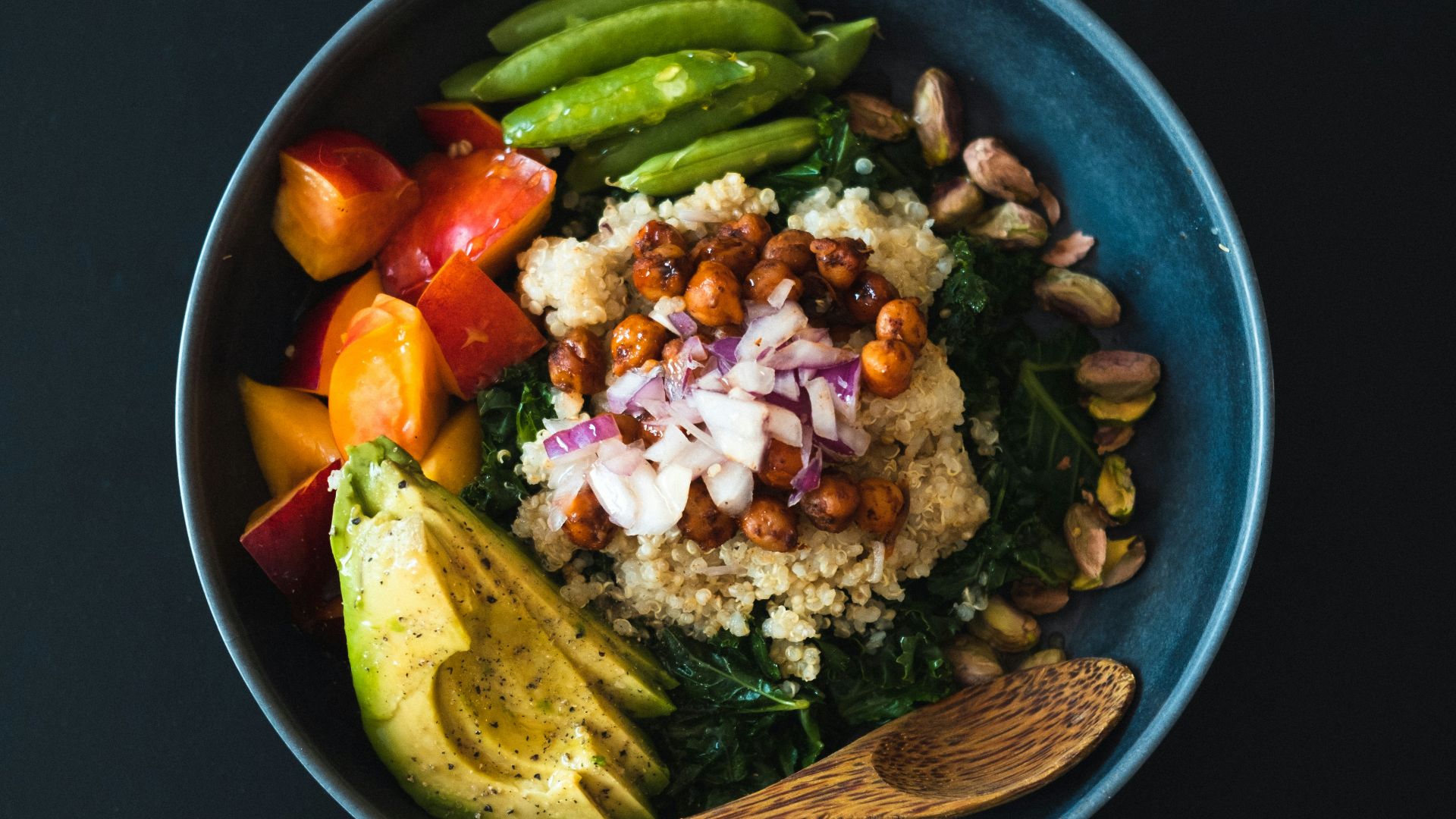
Add more complex carbs like quinoa, oats, and whole grains, as these digest slowly and can maintain steady blood sugar. Simple sugars, on the other hand, can cause spikes followed by crashes, which can lead to irritability and anxiety.
4. Eat More Fermented Foods
Yogurt, kefir, suaerkraut, kimchi, and other fermented foods offer beneficial probiotics to your gut health and mood. These can regulate inflammation, improve digestion, and help neurotransmitter production to boost your mood. Introducing fermented food into your diet one or two days a week can noticeably improve your wellbeing.
 Antoni Shkraba Studio on Pexels
5. Stay Hydrated
If you're dehydrated, you could experience moodiness, fatigue, and reduced cognitive performance. Staying hydrated is essential for vital brain function. Drinking more water throughout the day, and not just when you're thirsty, can make you feel more energetic and think more clearly.

6. Reduce Caffeine Intake
Drinking a moderate amount of caffeine every day can boost alertness, but too much will spike cortisol and make you feel more anxious. Too much caffeine can also impact the quality of your sleep. Instead of a third cup of coffee, opt for green tea, matcha, or half-caf coffee.

7. Eat Foods Rich in Magnesium
Magnesium can activate neurotransmitters that calm the nervous system. You should eat more pumpkin seeds, almonds, spinach, and dark chocolate to feel more relaxed and less stressed.

8. Include More Protein in Every Meal
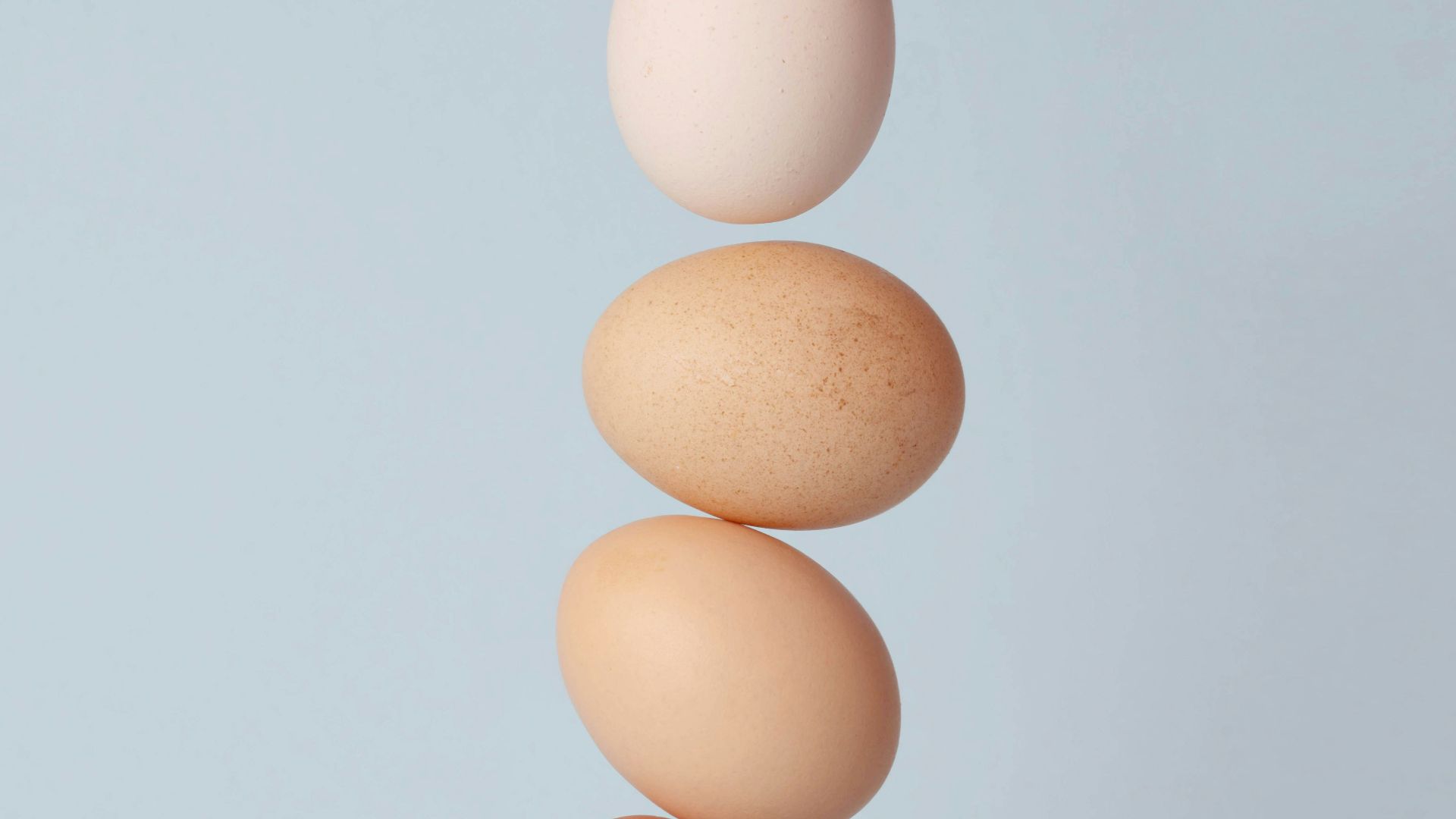
Protein offers vital amino acids, which are the building blocks of neurotransmitters, such as serotonin and dopamine. By including good protein in every meal, you can feel more energetic and prevent your mood from dipping. Strong sources of protein include eggs, poultry, tofu, and beans.
9. Stop Eating Processed Snacks
Processed snacks are filled with artificial additives, excess sugar, and fat. These can severely impact your mood. Replace all your processed snacks with nuts, fruits, hummus, yogurt, and vegetables.
 Christopher Alvarenga on Unsplash
10. Add More Berries to Your Diet
Berries provide antioxidants that lower oxidative stress, which is linked to mood disorders. Make sure you eat more blueberries, strawberries, and blackberries every day.

11. Enjoy a Daily Dose of Healthy Fats
Avocados, seeds, nuts, olive oil, and fatty fish are all packed with healthy fats. These help maintain brain cell activity and promote steady hormone production, which can result in emotional balance.

12. Limit Alcohol Consumption
Alcohol can lower your sleep quality, increase dehydration, and interfere with the balance of your neurotransmitters. These can all worsen your mood. At the very least, try to cut your alcohol consumption just to the weekends.

13. Fiber is Great for Gut Health
Fiber can influence mood through the gut-brain connection. Beans, oats, fruits, and vegetables can provide strong energy levels and promote smoother digestion. Fiber can help you experience fewer mood swings.
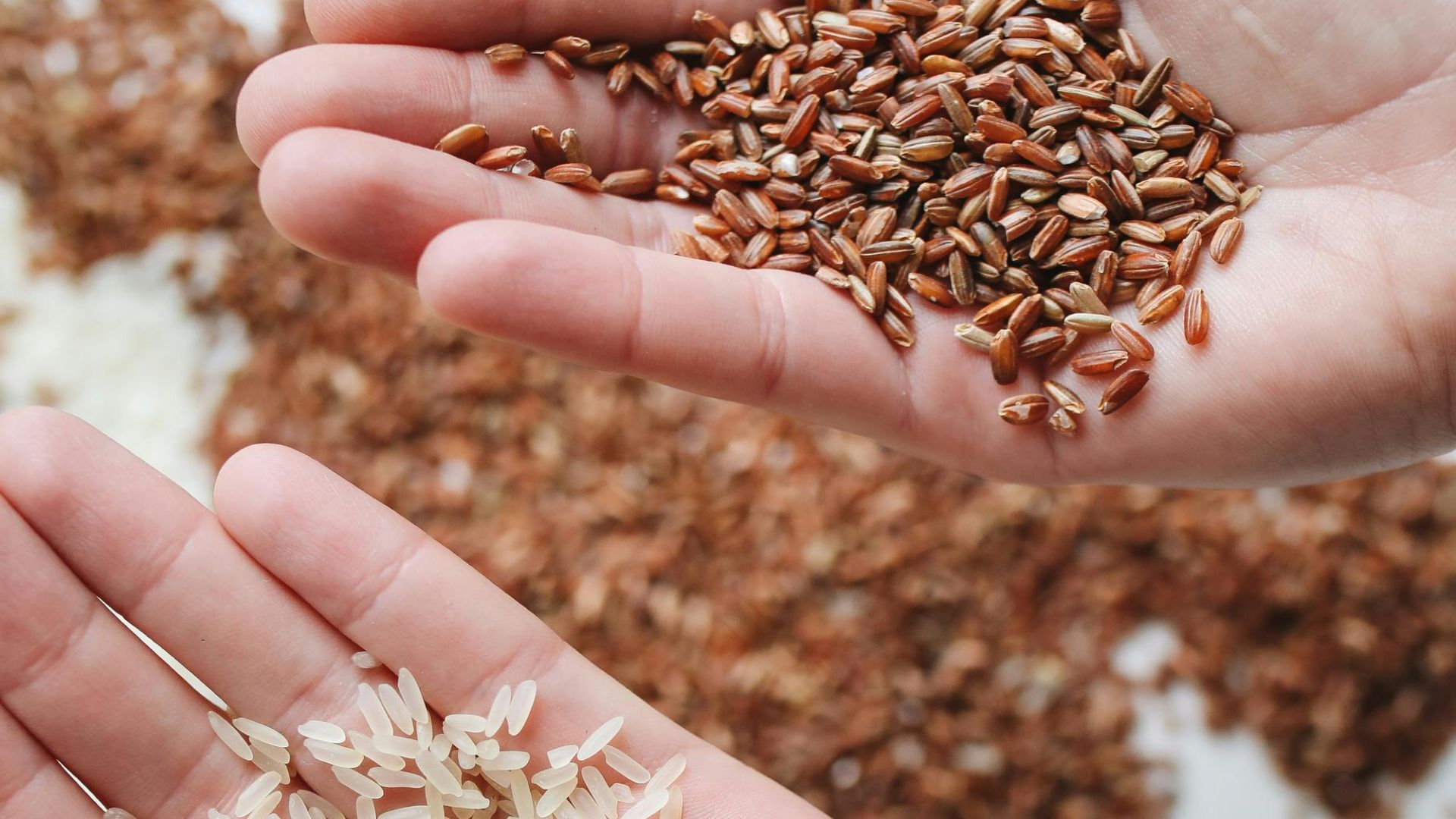
14. Use Healthy Alternatives to Sugary Drinks
Sugary drinks can cause your blood sugar to rapidly increase and then crash. This will make you feel irritable and tired, and can produce cravings. Ditch the sugary beverages for sparkling water or herbal tea.

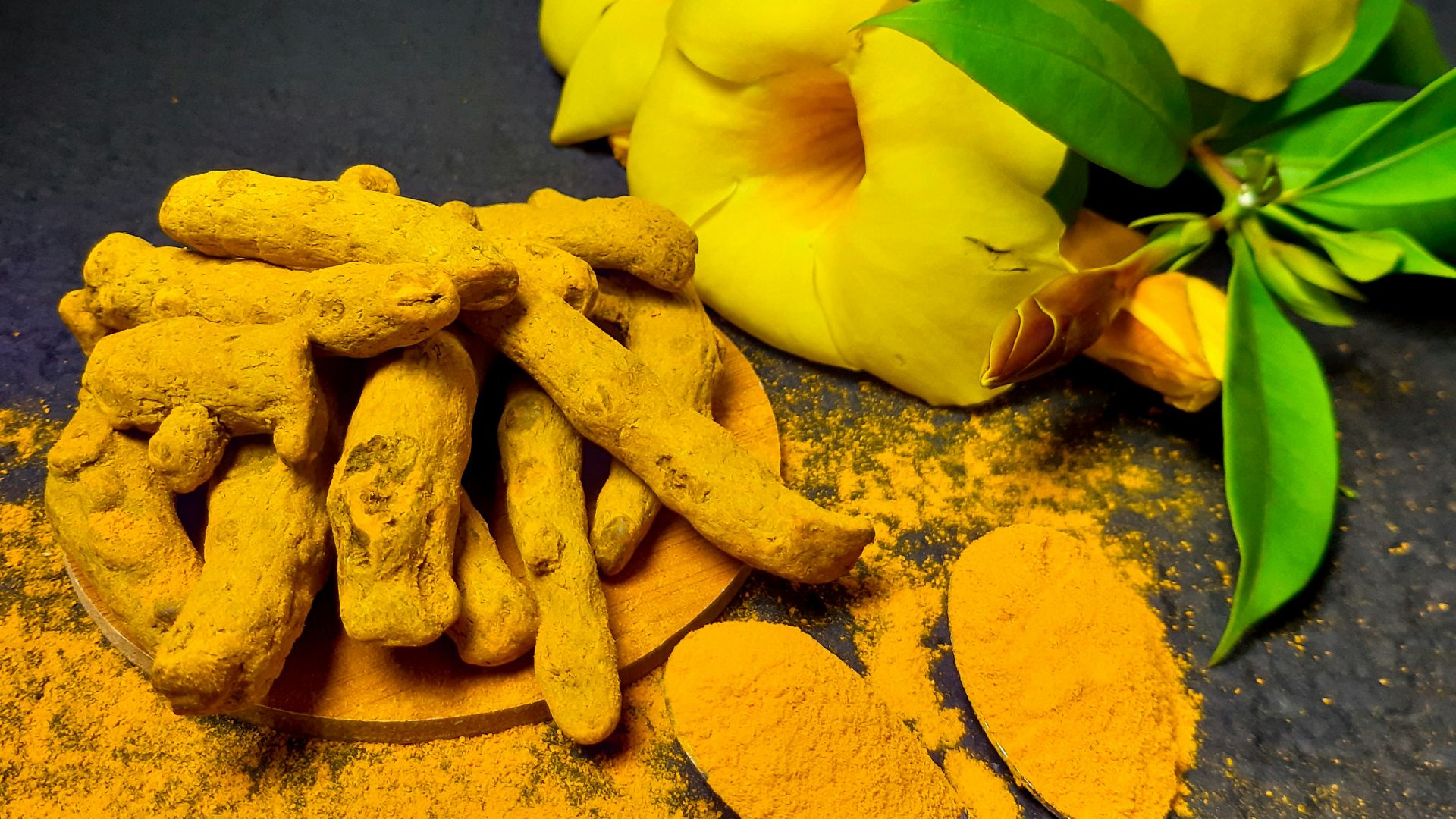
15. Use More Turmeric
Turmeric has curcumin, which is a compound that is known to reduce inflammation and support brain health. It can also improve symptoms of depression and anxiety by increasing serotonin and dopamine.
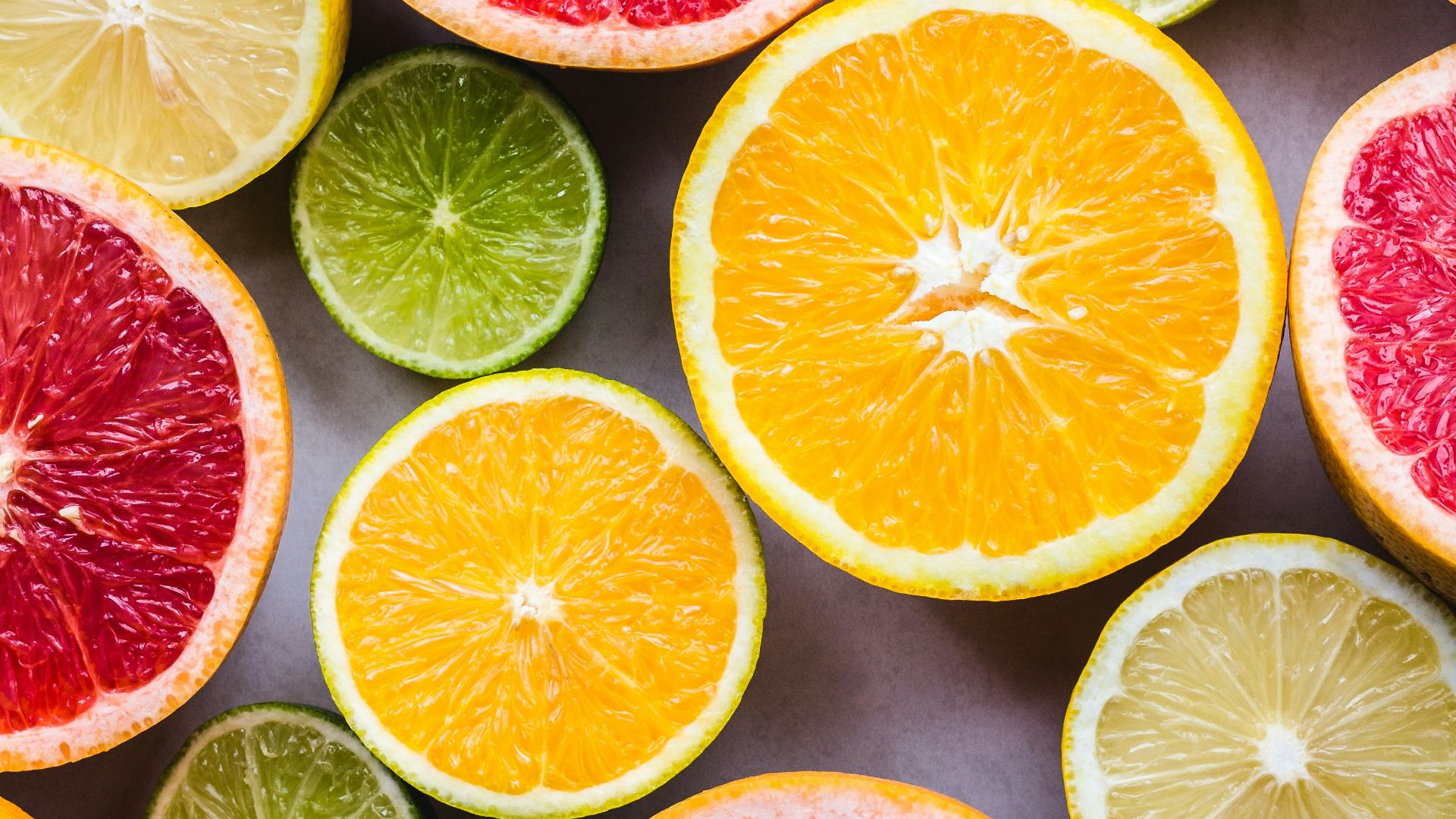
16. Eat More Citrus Fruits
Citrus fruits are packed with vitamin C, which is proven to regulate cortisol and reduce stress levels and response. Start your day with an orange or include more fresh lemon or lime in your meals. These vibrant flavors offer a natural mood lift, and citrus is easy to add to water, salads, or as a key ingredient in marinades and sauces.
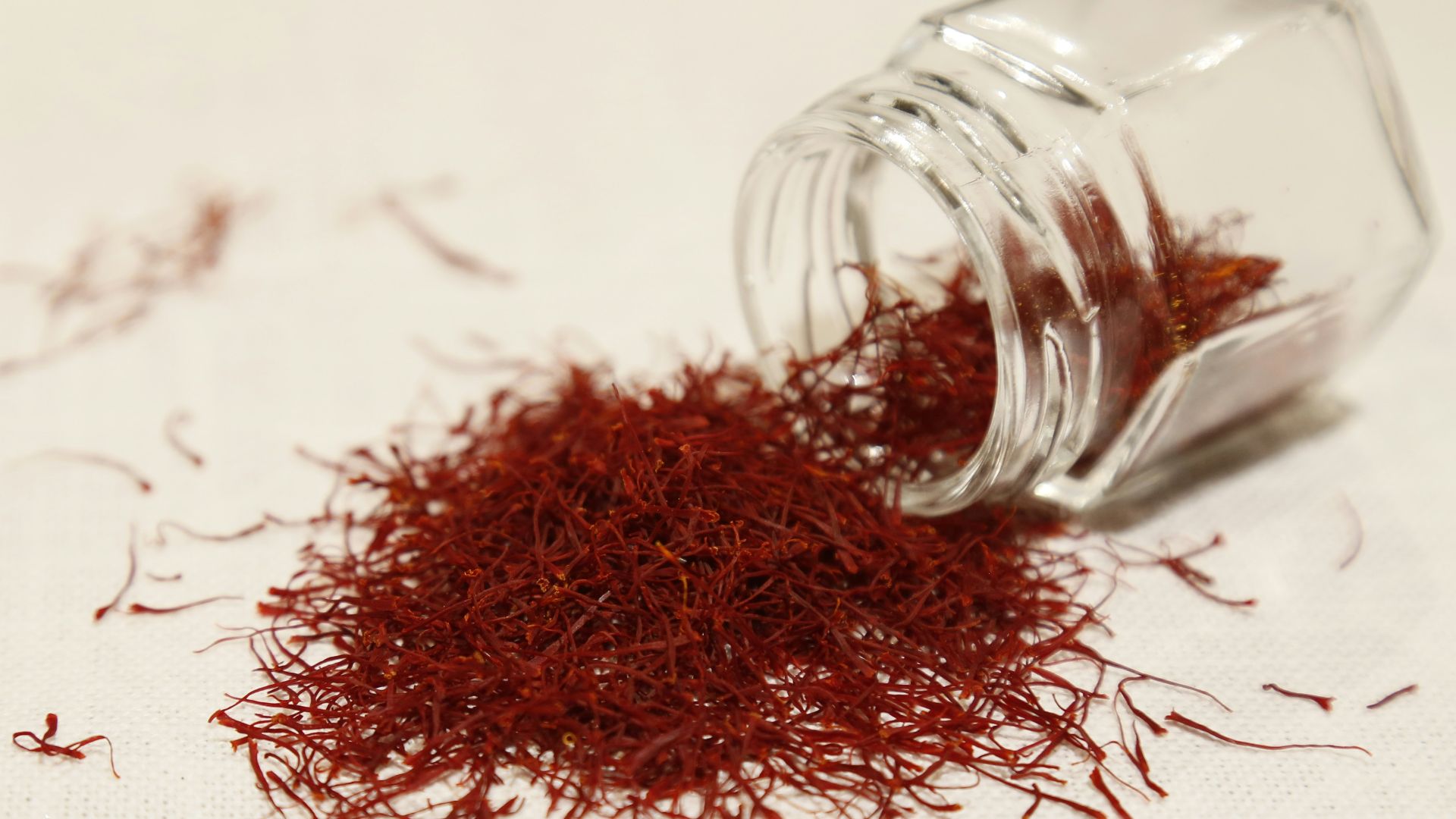
17. Cook with Herbs and Spices
Rosemary, cinnamon, basil, ginger, and saffron provide a host of mental health benefits. Many contain antioxidants, anti-inflammatory compounds, and act as mood enhancers. For example, saffron is linked to emotional well-being, while cinnamon can help stabilize blood sugar.
18. Eat Balanced Meals
Skipping meals can cause your blood sugar to swing wildly throughout the day, triggering anxiety and fatigue, among other symptoms. Eating every three to four hours can maintain your energy and keep your nervous system steady.

19. Eat Dark Chocolate in Moderation
Dark chocolate has antioxidants that boost serotonin and endorphin levels. It's high in magnesium and flavonoids, which reduce stress and improve cognitive functioning. Go with chocolate with at least 70% cocoa.

20. Eat Less Ultra-Processed Foods
All ultra-processed foods have additives, a ton of sodium, unhealthy fats, and apoor-qualityity ingredients. Eating less of these types of food can help with mood disorders. Focus on foods that have endured minimal processing to give your body the nutrients it needs.

KEEP ON READING