
Feeling Sunny?
Sunlight does not always mean a glowing tan or summer activities. Sunlight also plays an essential role in the normal, healthy function of your body and mind. Signs of lower exposure may develop into fatigue, mood swings, and other serious health conditions. With that in mind, here are 20 things to keep in mind.
1. Vitamin D Deficiency
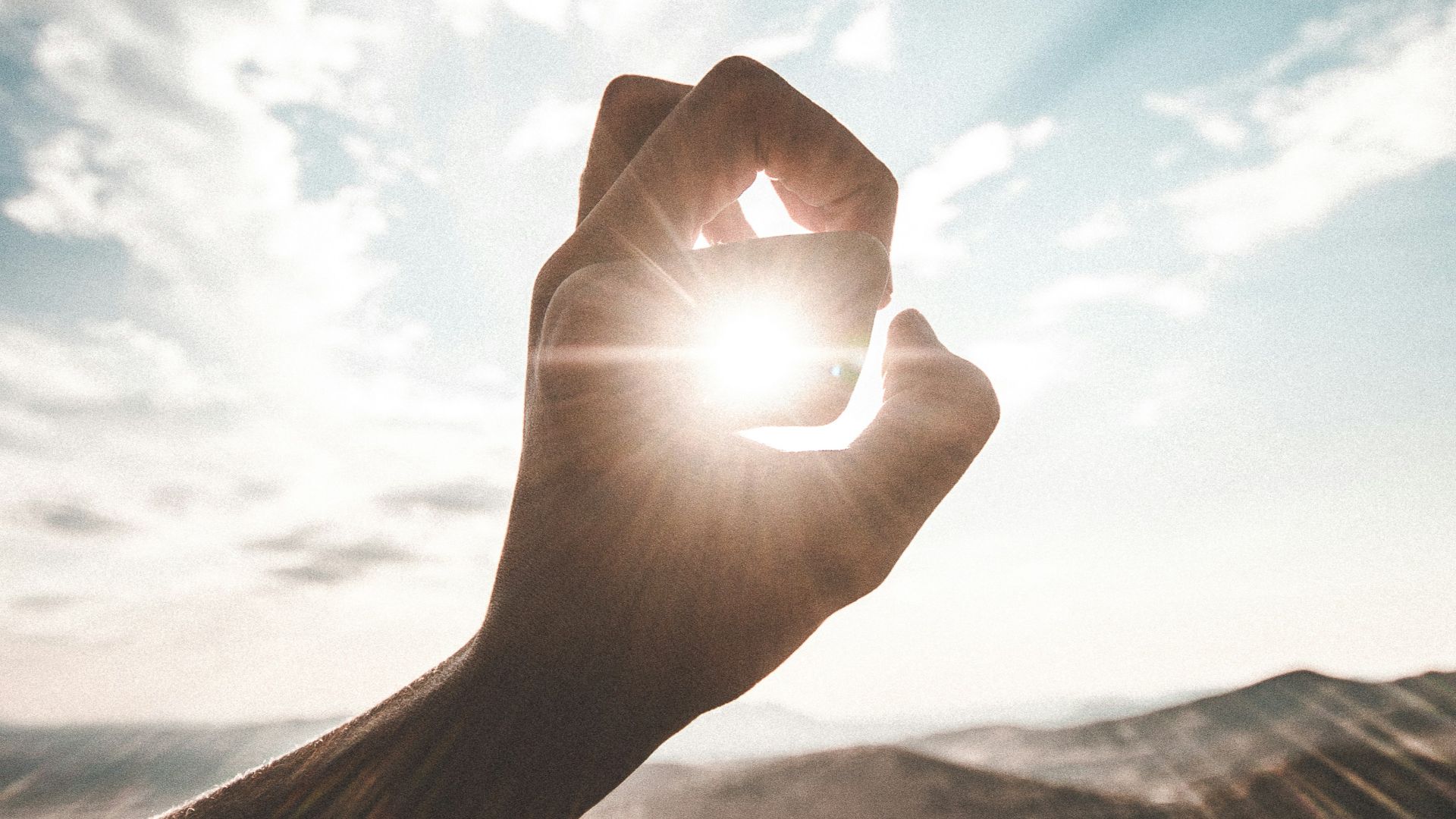
In the absence of sunlight, your skin cannot produce sufficient vitamin D for healthy bones and immune function. Chronic deficiency weakens bones over time. This is common in those who spend most of their waking hours indoors.

2. Weakened Immune System
Vitamin D affects how your immune cells function. With extremely low sun exposure, your body may respond to germs more slowly, leaving you feeling run down or more susceptible to common illnesses.

3. Low Quality Sleep
Sunlight regulates your internal clock, signaling when it’s time to be awake and alert. Missing out on natural light can cause your body to release melatonin at the wrong times, making it harder to fall asleep or wake up refreshed.

4. Mood Swings
Sunlight deficiency may alter serotonin levels, a neurotransmitter involved in mood regulation. Low serotonin can make you feel depressed or lethargic. Seasonal mood changes in some people may be linked to this.

5. Low Energy
The sun helps your body maintain regular hormonal cycles. Without natural light, your energy levels can sag during the day, leaving you exhausted even after a good night’s sleep.

6. Slow Reflexes
Studies show sunlight may influence alertness and attention. Spending most of your time in dark spaces can slow your brain’s reactions, making you feel mentally clouded or less efficient.

7. Bone Strength
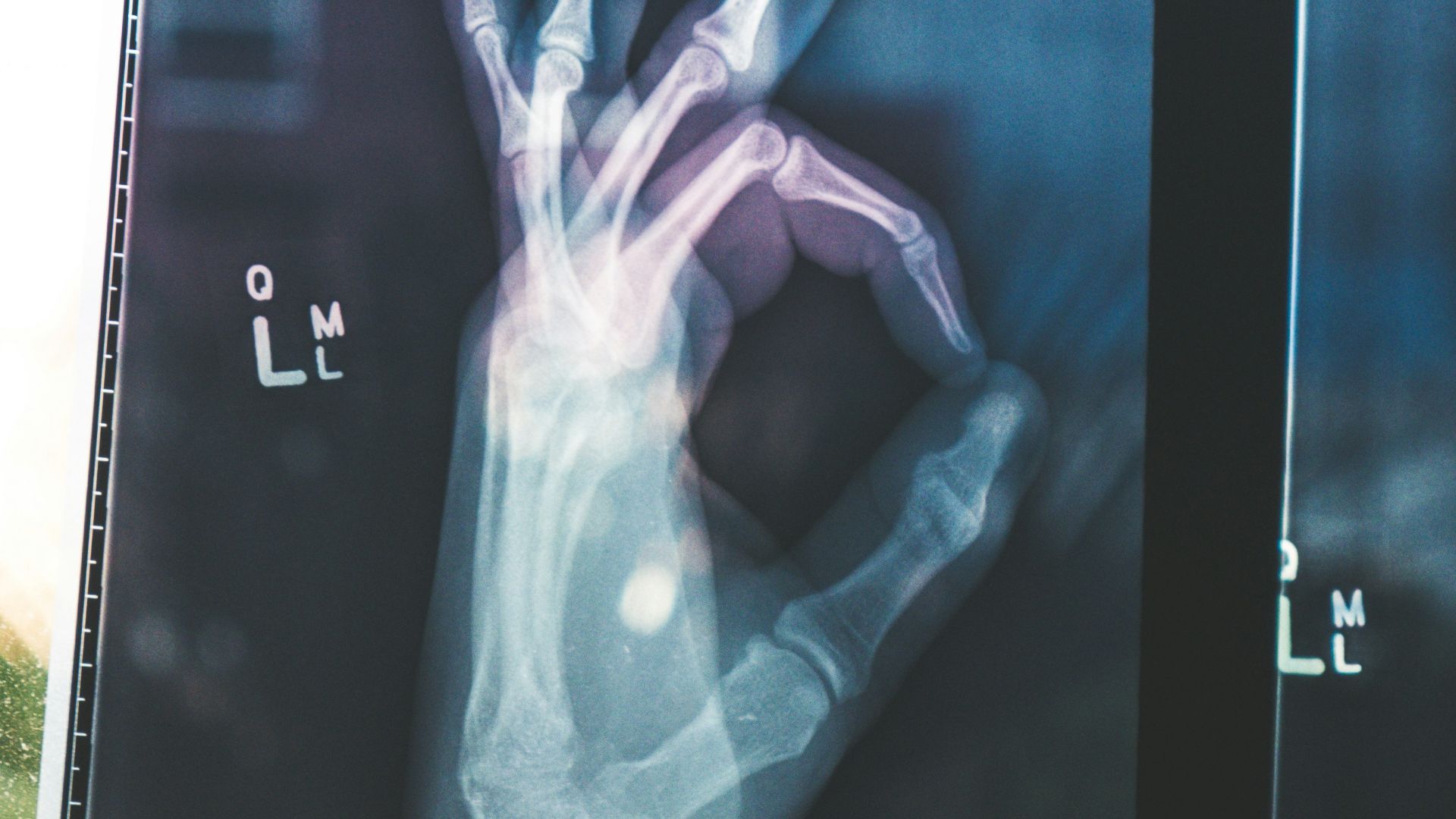
Vitamin D aids your body’s ability to absorb calcium from your diet. Without sunlight, vitamin D levels drop, reducing bone density and increasing the risk of bone health problems over time.
8. Muscle Weakness
Vitamin D also plays a role in muscle function. Deficiency can make muscles feel weak or easily fatigued. People with minimal sunlight exposure may experience slower physical recovery.

9. Weight Changes
Sunlight affects many aspects of our physiology, including energy regulation and appetite. Dim lighting environments can influence cravings and metabolism, potentially causing gradual weight changes.

10. More Stress
Sunlight helps regulate cortisol, the hormone that affects stress response. Insufficient light can disrupt cortisol patterns, making you feel more stressed or less relaxed.
Now that we’ve covered 10 impacts of low sun exposure, here are 10 ways to counteract them.

1. Daily Sun Exposure
Spend a few minutes outdoors during the day. Even short periods of sunlight help your body produce vitamin D. Cover your skin appropriately according to your personal risk factors.

2. Use Supplements
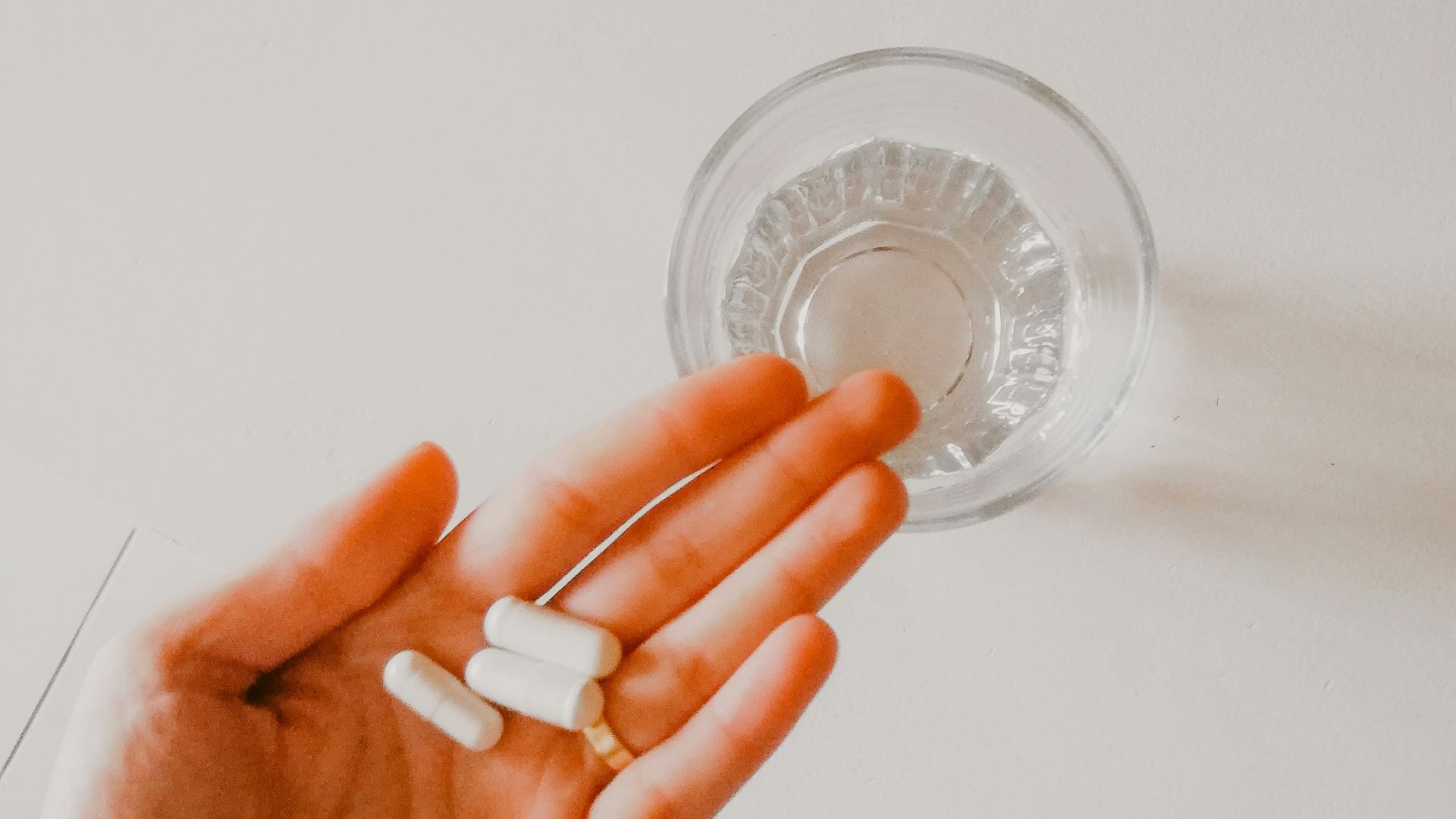
If a healthcare provider confirms low vitamin D, supplements can safely increase levels when sunlight is unavailable. Always consult a medical professional before starting any new supplement.
3. Window Light
Natural light from windows helps regulate your body clock. Set up your desk or reading area where sunlight can reach you. It may seem small, but it can boost alertness and mood.

4. Walk Outside
Even a leisurely stroll provides more natural light than staying indoors all day. It also improves circulation and provides a mild workout for both mental and physical well-being. Ten to fifteen minutes is sufficient.

5. Light Box
Light therapy boxes simulate bright sunshine and can help maintain mood on dark days. Many people use them in the morning to regulate sleep and energy cycles. Consult a professional before starting light therapy if you have any health issues.

6. Regular Sleep Schedule
Go to bed and wake up at the same time each day to help regulate your body clock. This is especially beneficial during seasons with less sunlight. A good night’s rest helps you feel less tired and more attentive.

7. Change Your Diet
Foods rich in vitamin D, like fatty fish, fortified milk, and fortified cereals, can help boost levels. While food alone cannot fully replace sunlight, it supports healthy vitamin D levels during low-light seasons.

8. Exercise Daily
Exercise balances hormones, increases energy, and elevates mood, counteracting low-sun mood swings. Indoor or outdoor workouts both work, as long as you stay active.

9. Lift the Curtains
Letting sunlight in through windows helps you stay alert during the day. It isn’t a full substitute for going outside, but it can help you feel more awake, especially if you work from home.

10. Be in Nature
Spending time in nature improves psychological well-being and reduces anxiety. A quick trip to the park can lift your spirits. Sunlight and nature together act as a simple, overall health tonic.

KEEP ON READING



20 Natural Ways You Can Boost Your Immune System

20 Ways To De-stress & Relax After Work

The 10 Most Common Diseases & The 10 Most Rare