Foods Playing Sweet Games
Sugar hides in more places than you realize, quietly driving cravings, energy crashes, and long-term health issues. Cutting it out completely feels impossible, but you don't have to go extreme. The smarter move is knowing which foods spike your intake unnecessarily and what satisfying swaps exist that won't leave you feeling deprived. Small shifts make a genuine difference without turning your diet upside down. Let's start with what to avoid.

1. Flavored Yogurt
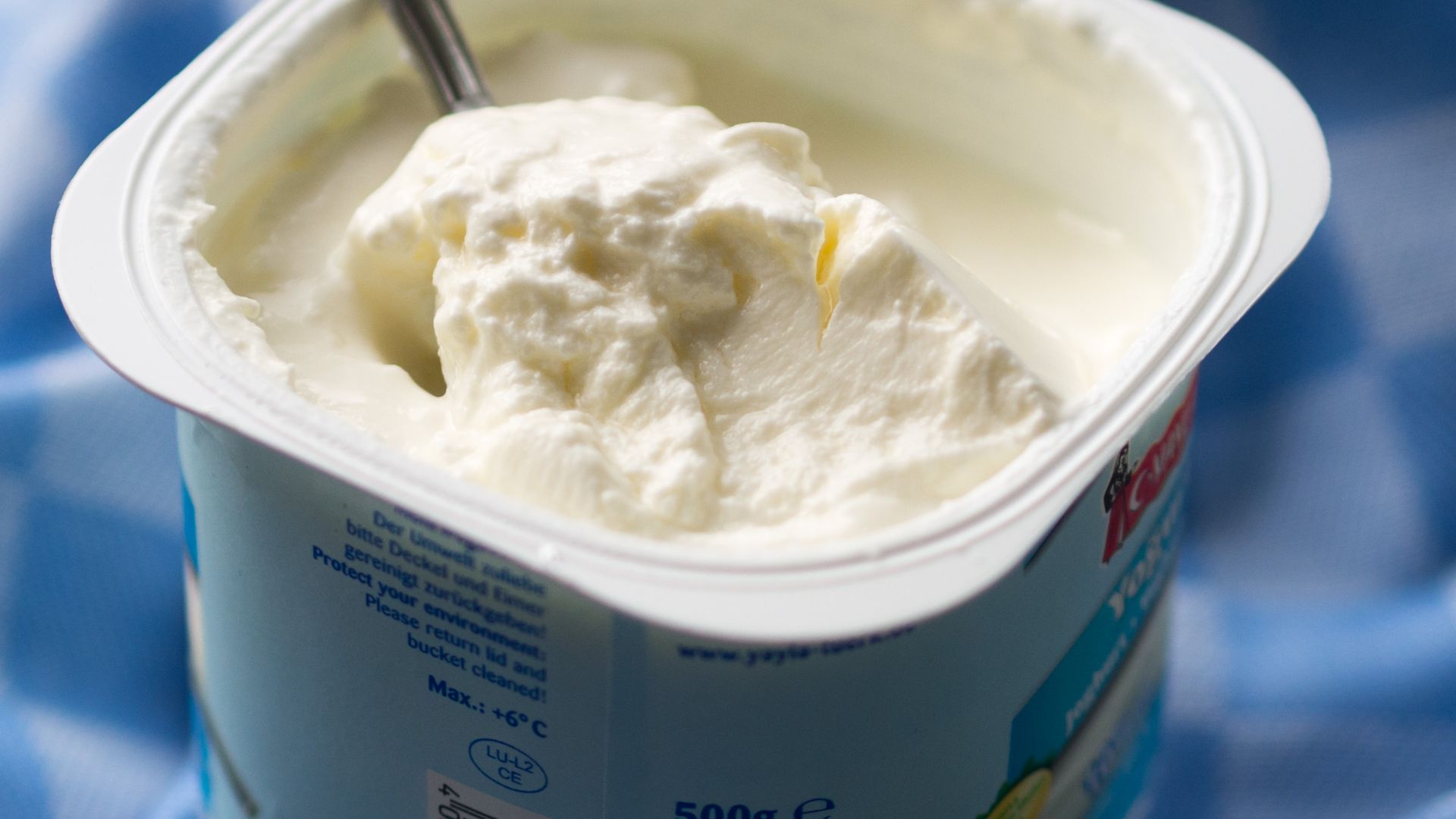
Grocery shoppers sometimes grab flavored yogurt because they assume it stacks up like the plain kind. However, a 5.3-oz cup can pack 25 to 35 grams of sugar. Fruit-on-the-bottom versions rely on sweetened syrups that push the total even higher.
2. Granola Bars
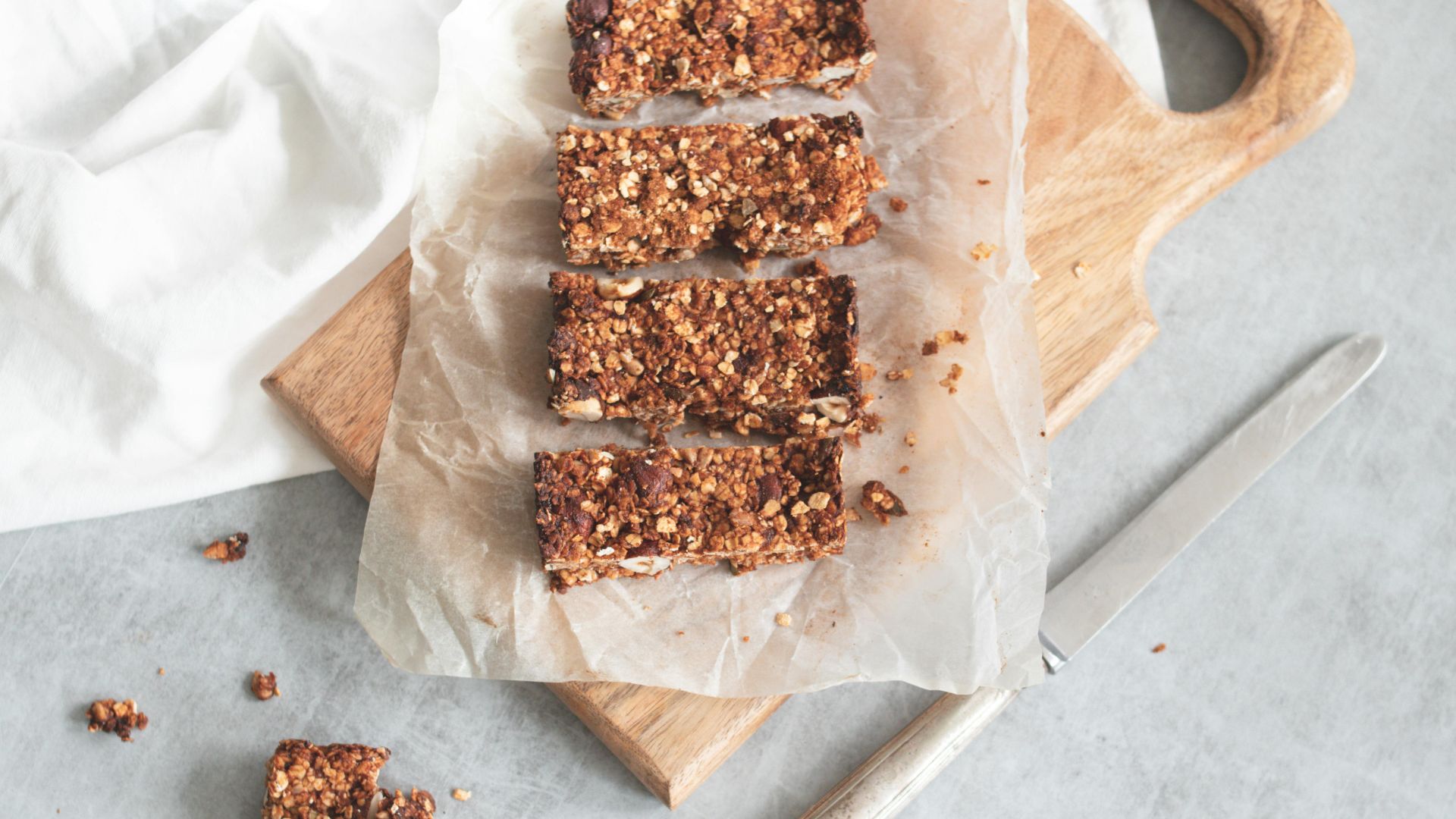
Six grams of sugar sit inside a typical 21-gram granola bar, long before chocolate chips or glossy coatings push that total even higher. Marketing still frames these bars as a healthy grab-and-go option, but once you look closely, the label tells a very different story.
3. Breakfast Cereal
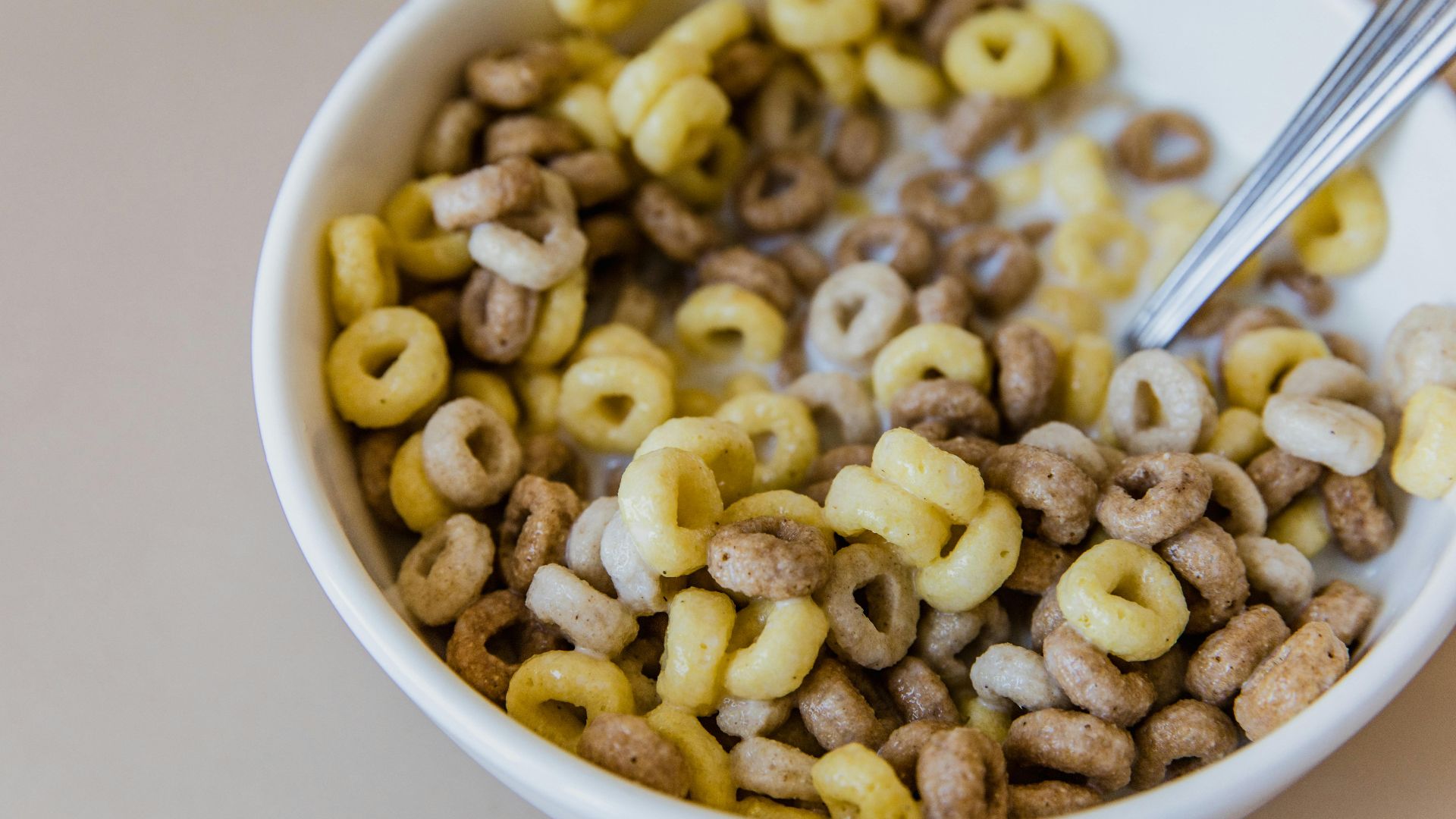
Bright boxes lining the cereal aisle show how strongly brands target kids, especially with varieties containing more than 50% sugar by weight. While a few outliers keep things lower, many favorites lean heavily on sweetness. The labels reveal just how much sugar fuels that familiar crunch.
4. Sports Drinks
That bottle promising fast energy on a warm day always hides a hefty sugar load. A 600-milliliter Gatorade contains 36 grams of sugar, while a similar Powerade sits at 34.8 grams. Those levels come from added sugars meant to deliver quick replenishment.

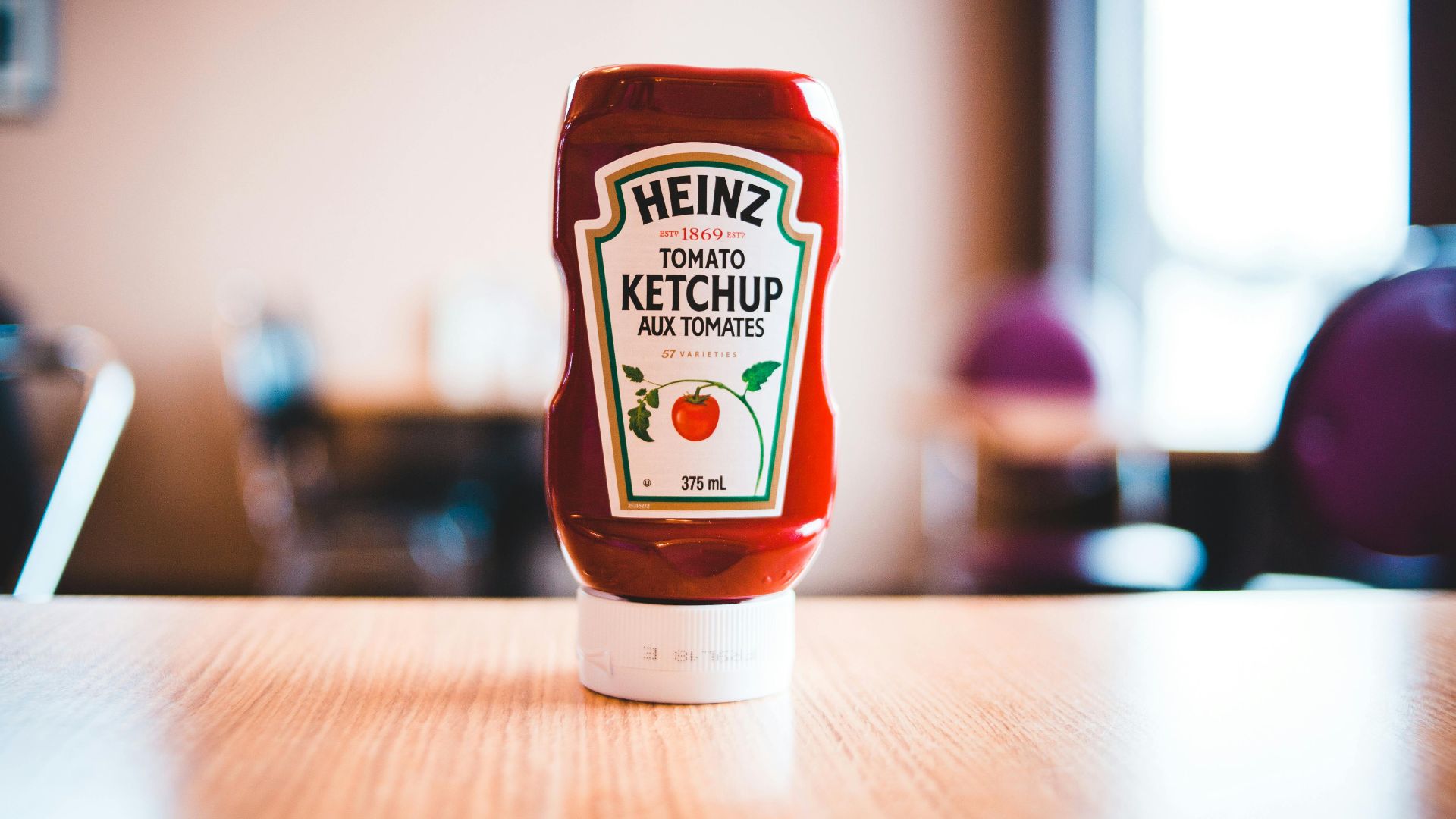
5. Ketchup
The casual squeeze of ketchup beside a meal looks harmless. Still, commercial versions lean on corn syrup to build their familiar sweetness. And because people tend to pour more than they realize, one tablespoon ends up delivering about 4 grams of sugar.
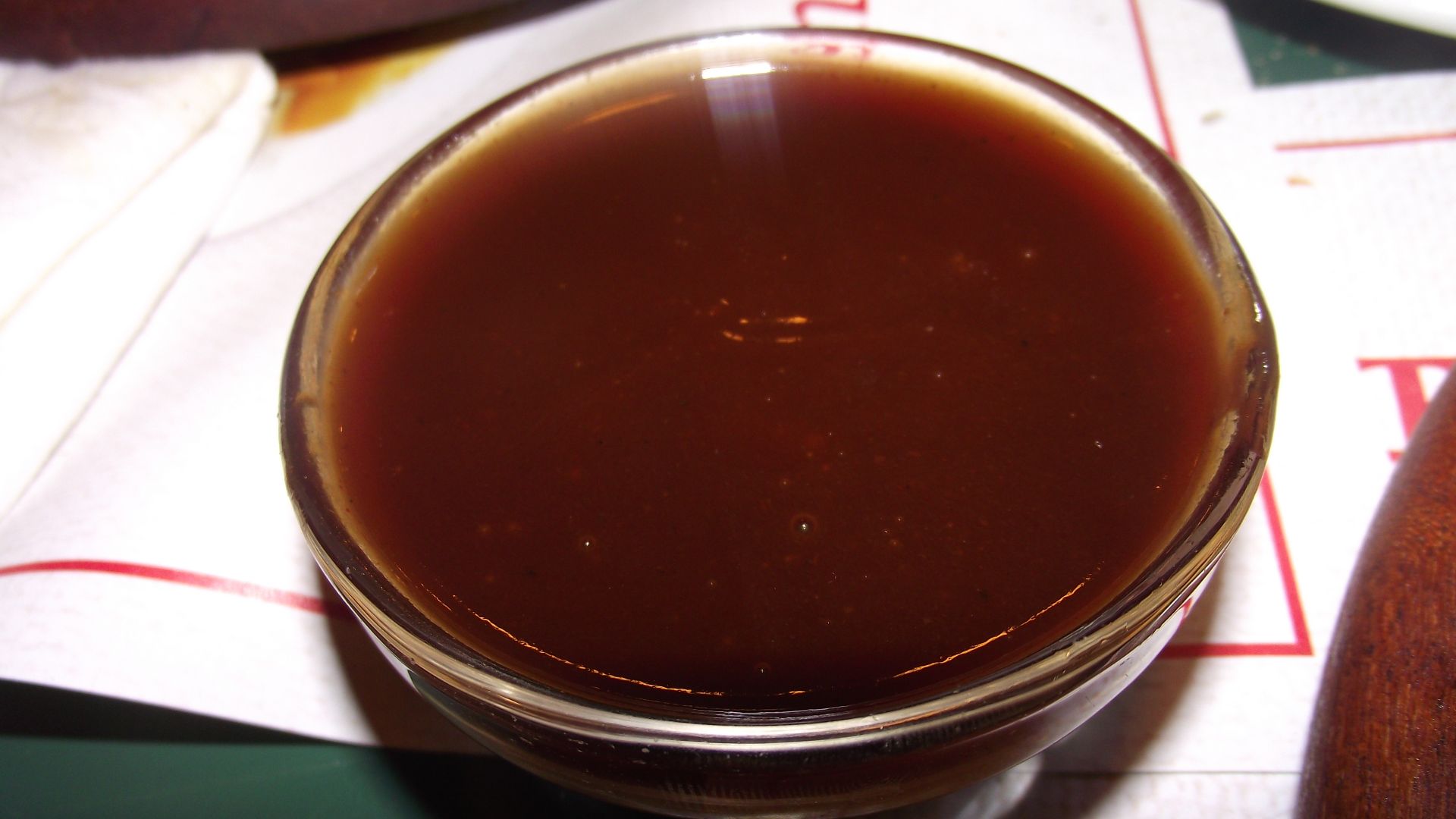
6. Barbecue Sauce
Barbecue sauce brings flavor and shine to grilled food, but each tablespoon contains roughly 5.7 grams of sugar. Molasses, honey, and even corn syrup in bottled versions contribute to the sweetness that builds its signature glaze.
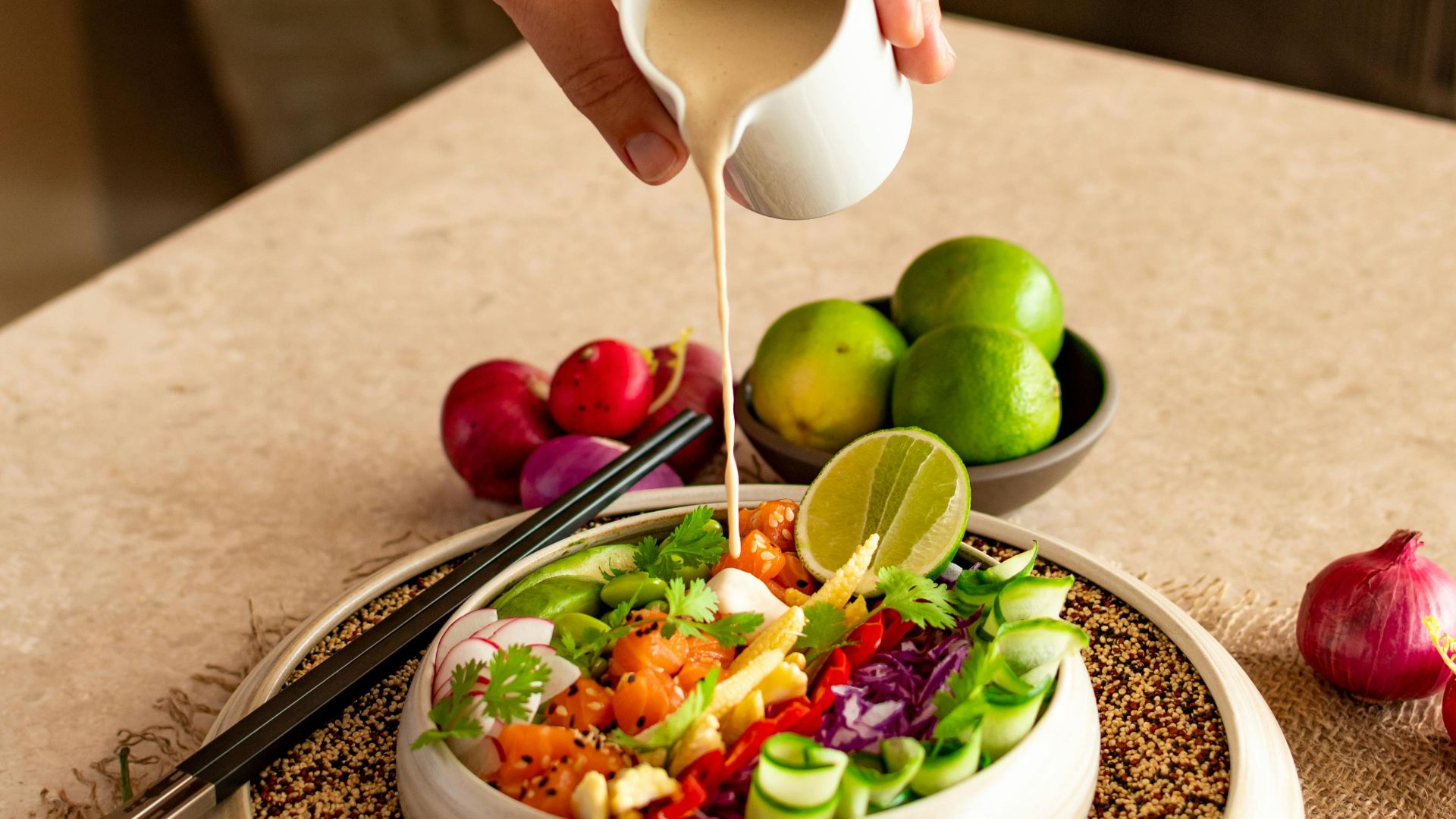
7. Salad Dressing
A salad can shift from light to sugary once bottled dressing enters the bowl. Wish-Bone Sweet French, for example, delivers 12 grams of sugar in just two tablespoons. Corn syrup frequently appears in similar dressings, and even “light” versions may add sugar to boost taste.
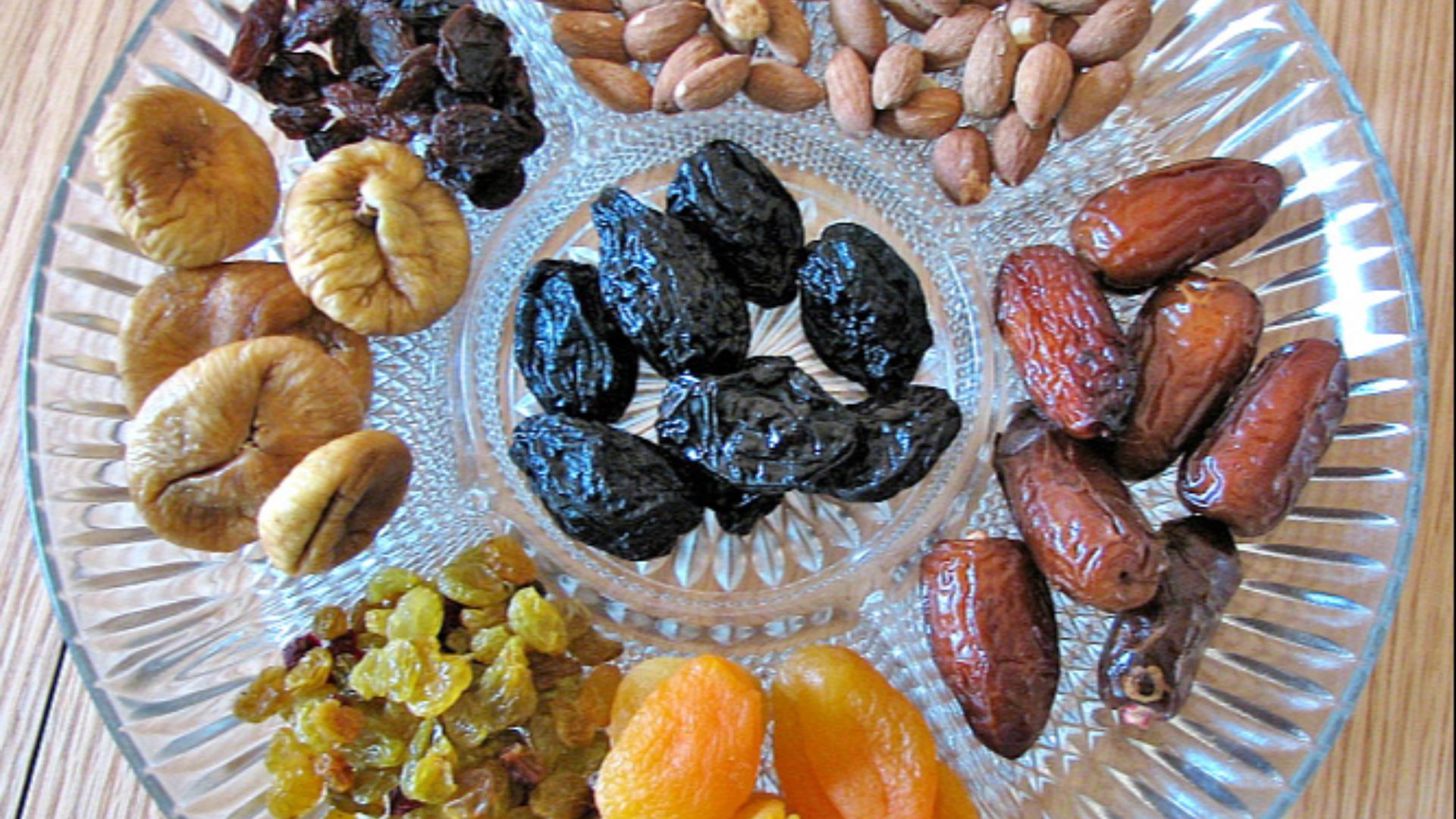
8. Dried Fruit
What makes dried fruit so sugary is its concentration. Removing water intensifies the fruit’s natural sugars, leaving a forty-gram serving with 16 to 30 grams. When the fruit is further sweetened, like many cranberry and mango products, the sugar count rises well beyond that base.
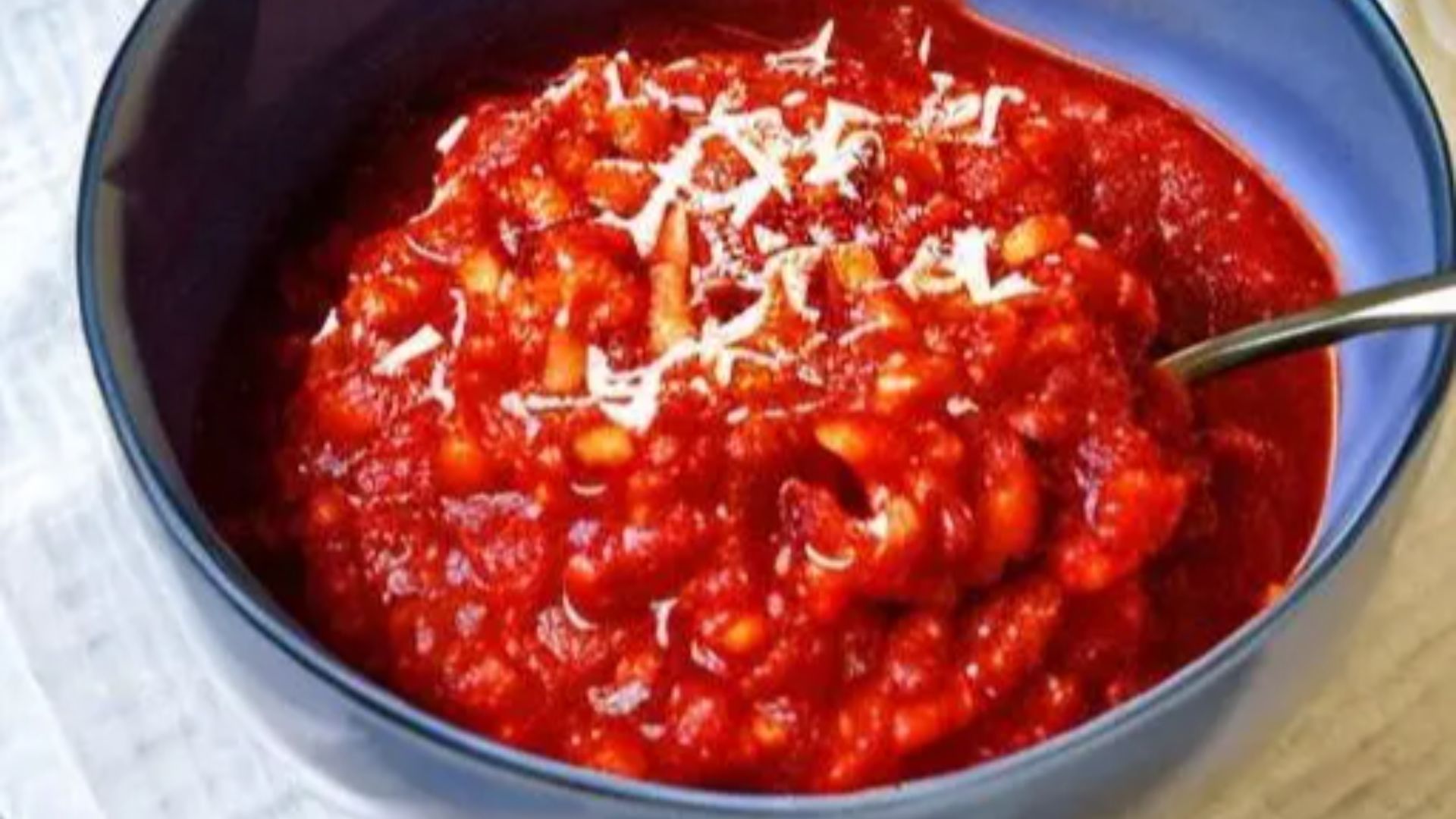
9. Pasta Sauce
Store-bought marinara gets part of its familiar smoothness from added sweetness. Labels show that a typical serving carries 2 to 4 grams of sugar, a small amount that helps soften tomato acidity. You may not taste it outright, but it’s built into the flavor profile of most jarred sauces.
10. Protein Bars
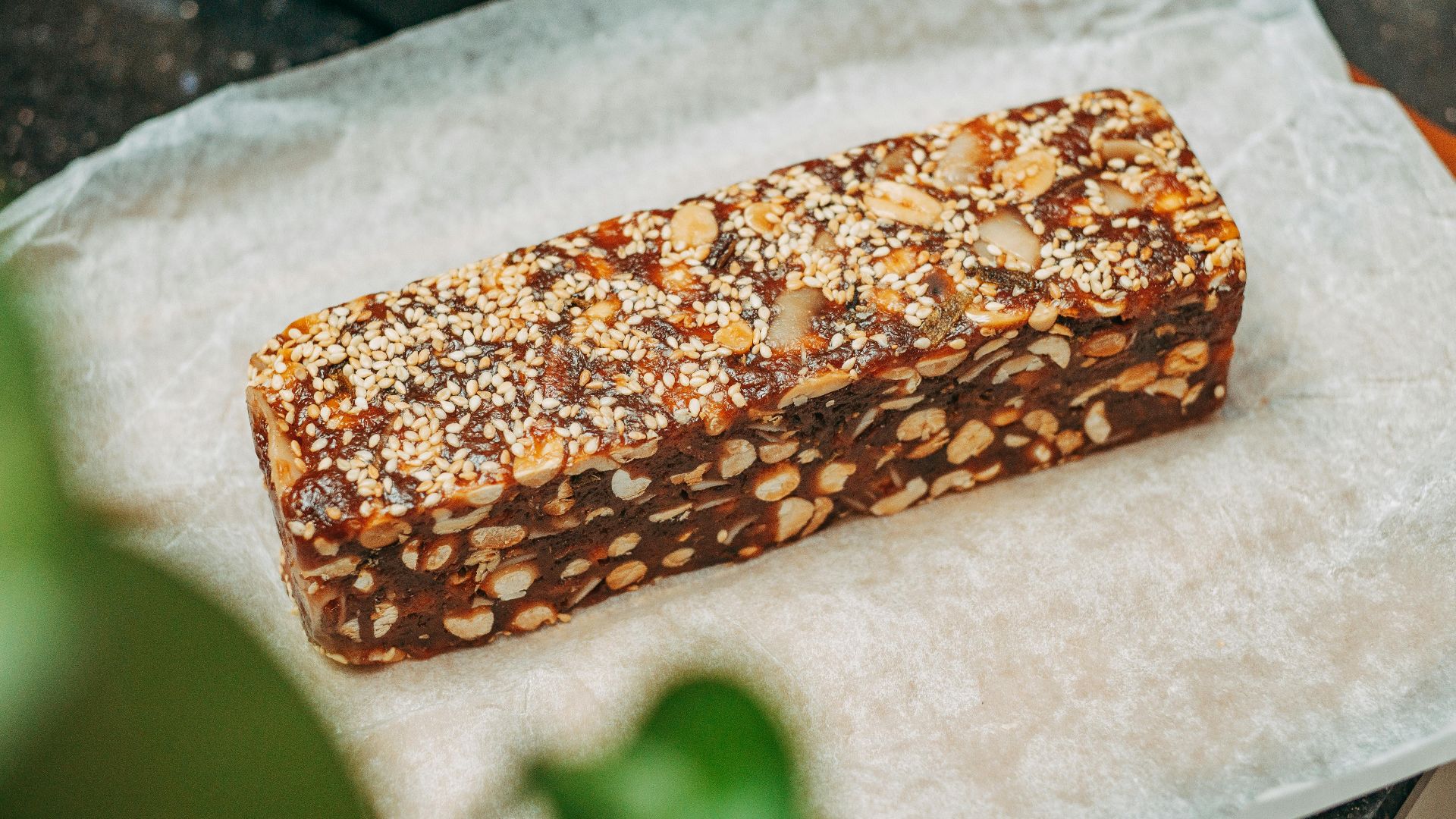
Gym-style wrappers sometimes give the impression of perfect fuel, yet many protein bars deliver fifteen to twenty grams of sugar. Chocolate coatings add even more sweetness while marketing frames them as fitness foods. Retirees seeking steady protein can turn to nuts and seeds to skip the added sugar entirely.
You’ve seen what to sidestep. Time to highlight foods that keep flavor without the crash.
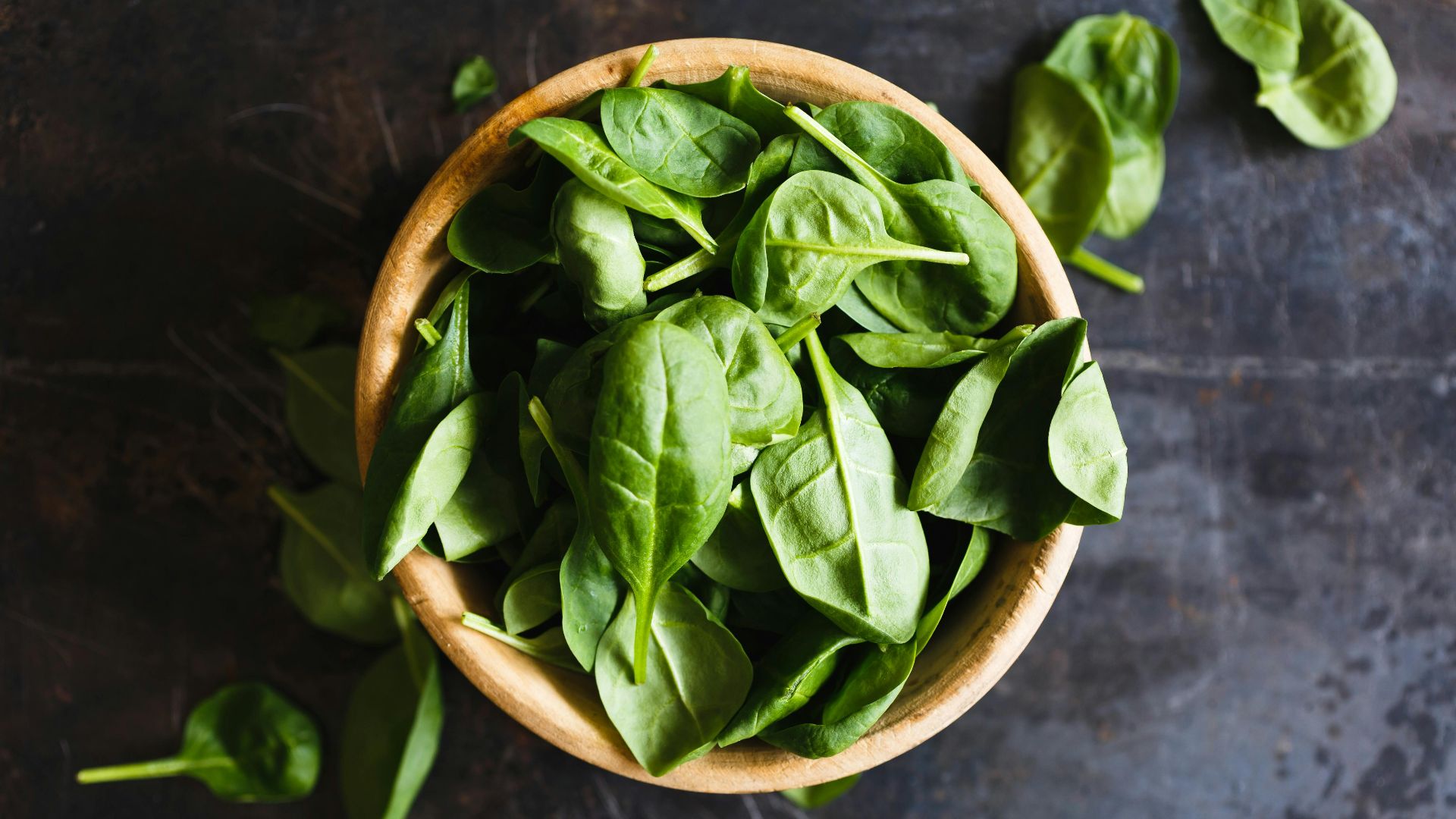
1. Spinach
A bowl of spinach brings more to the table than its mild taste suggests. Iron supports red blood cell function, lutein and zeaxanthin help keep eyes sharp, and vitamin K backs up bone strength. And a cup has under half a gram of sugar.
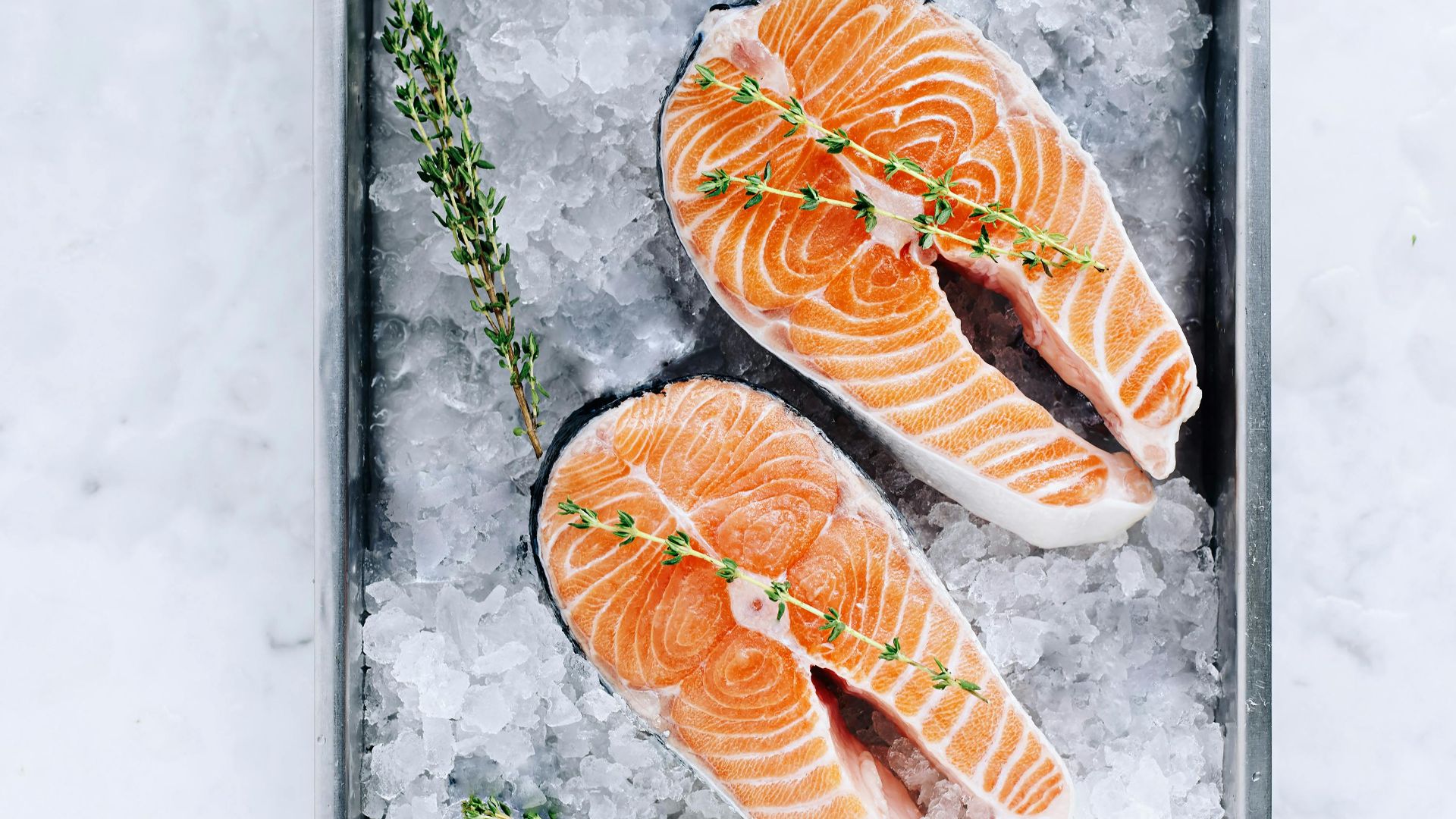
2. Salmon
Think about how easily salmon fits into a weeknight dinner, yet the nutrition hits far harder than the convenience. Omega-3 fatty acids support overall wellness, and wild salmon adds vitamin D for bone health. With virtually no sugar, it’s a reliable choice.
3. Almonds
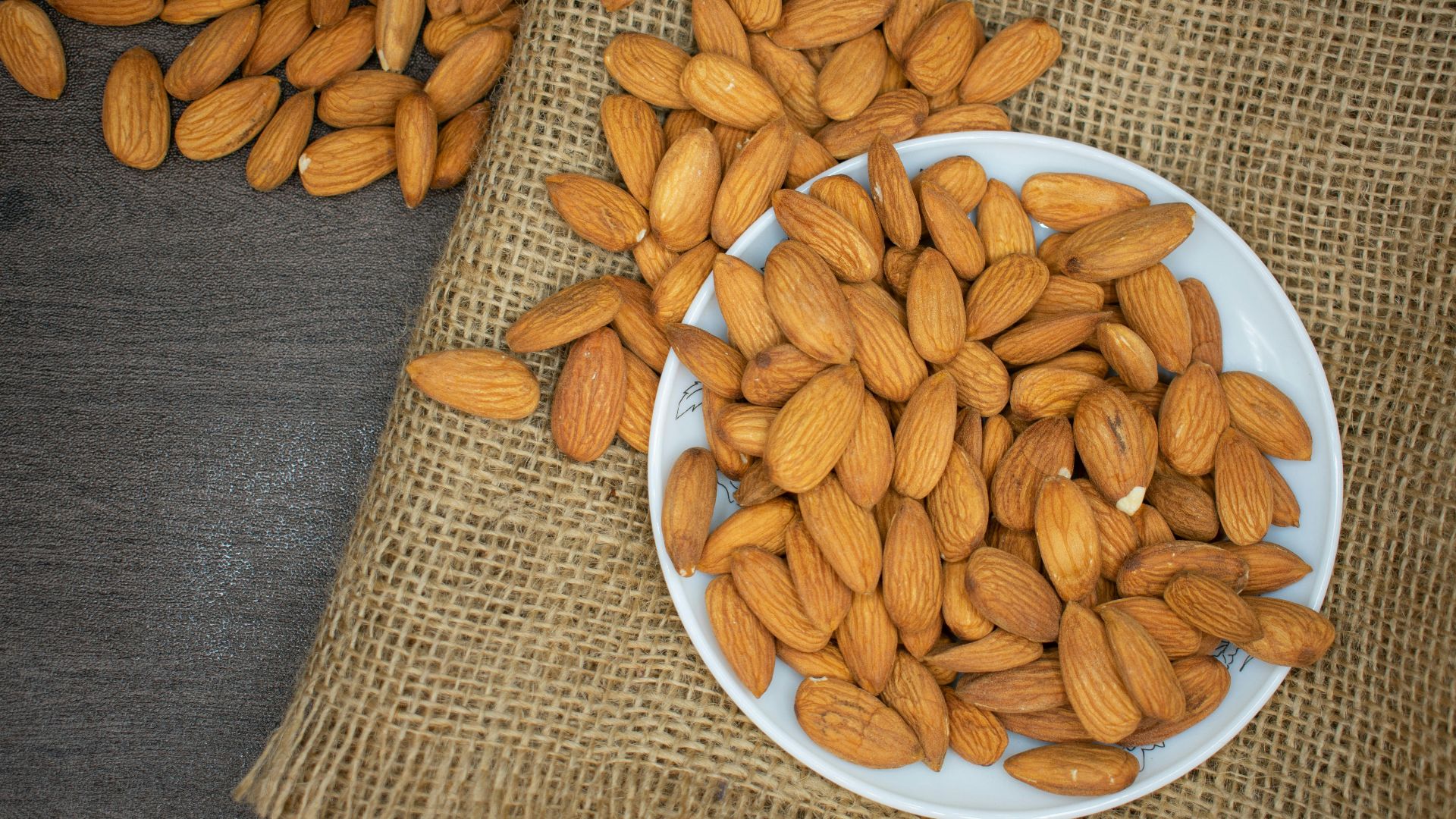
You know that mid-afternoon lull when you need something quick? Almonds fit that moment well. They’re packed with vitamin E for antioxidant support and steadying plant-based protein. Since an ounce holds only around a gram of sugar, they won’t push your intake upward.
4. Zucchini
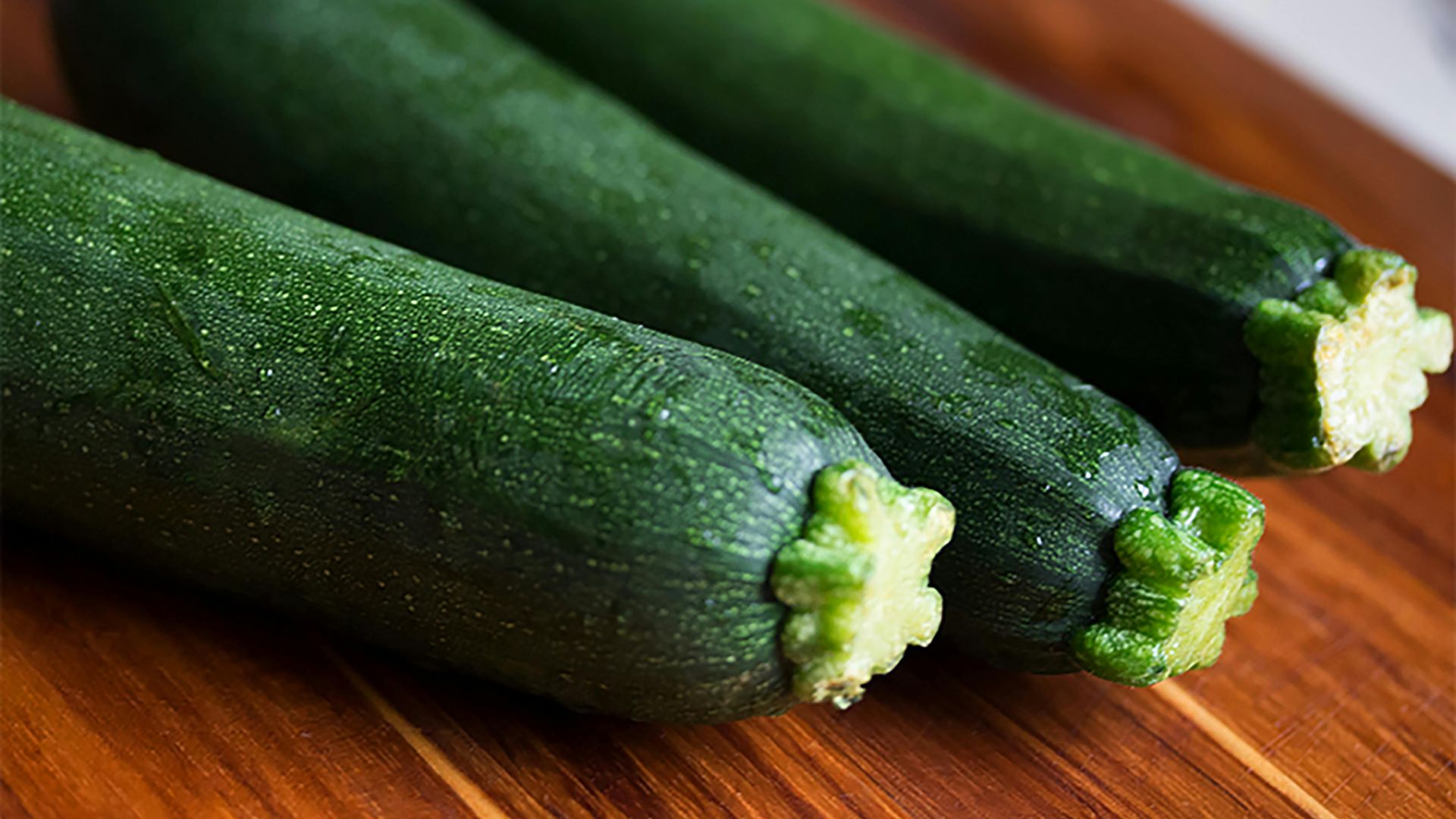
With under 2 grams of sugar per cup, zucchini slips into almost any dish without fuss. It’s low in calories and adds vitamin C to help keep the immune system steady. The fiber rounds things out by supporting comfortable digestion.
5. Avocado
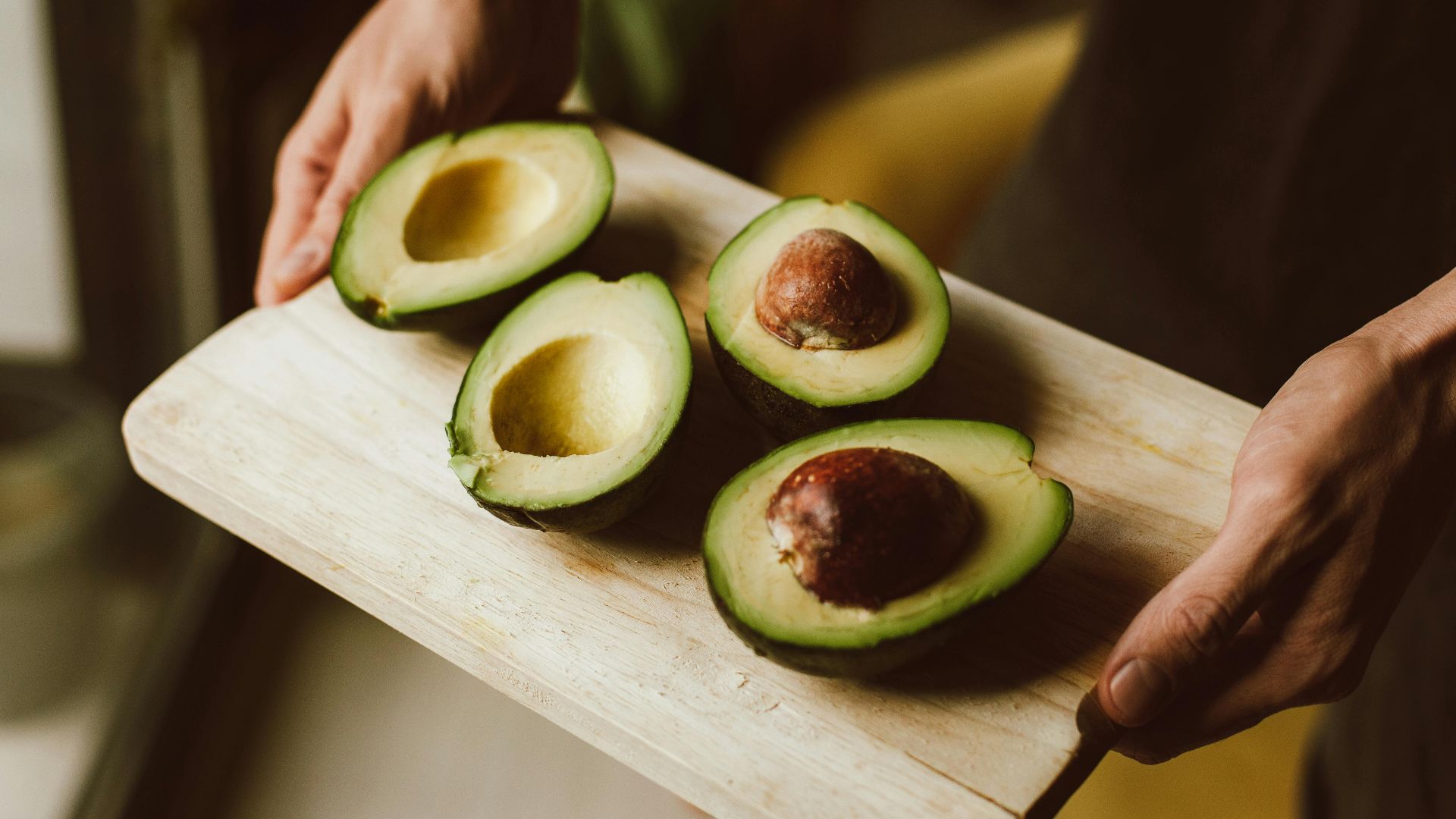
Cut into an avocado, and the benefits show up fast. A whole avocado has less than a gram of sugar, even with that naturally creamy texture built from heart-healthy monounsaturated fats. Potassium also steps in to help keep blood pressure steady.
6. Broccoli
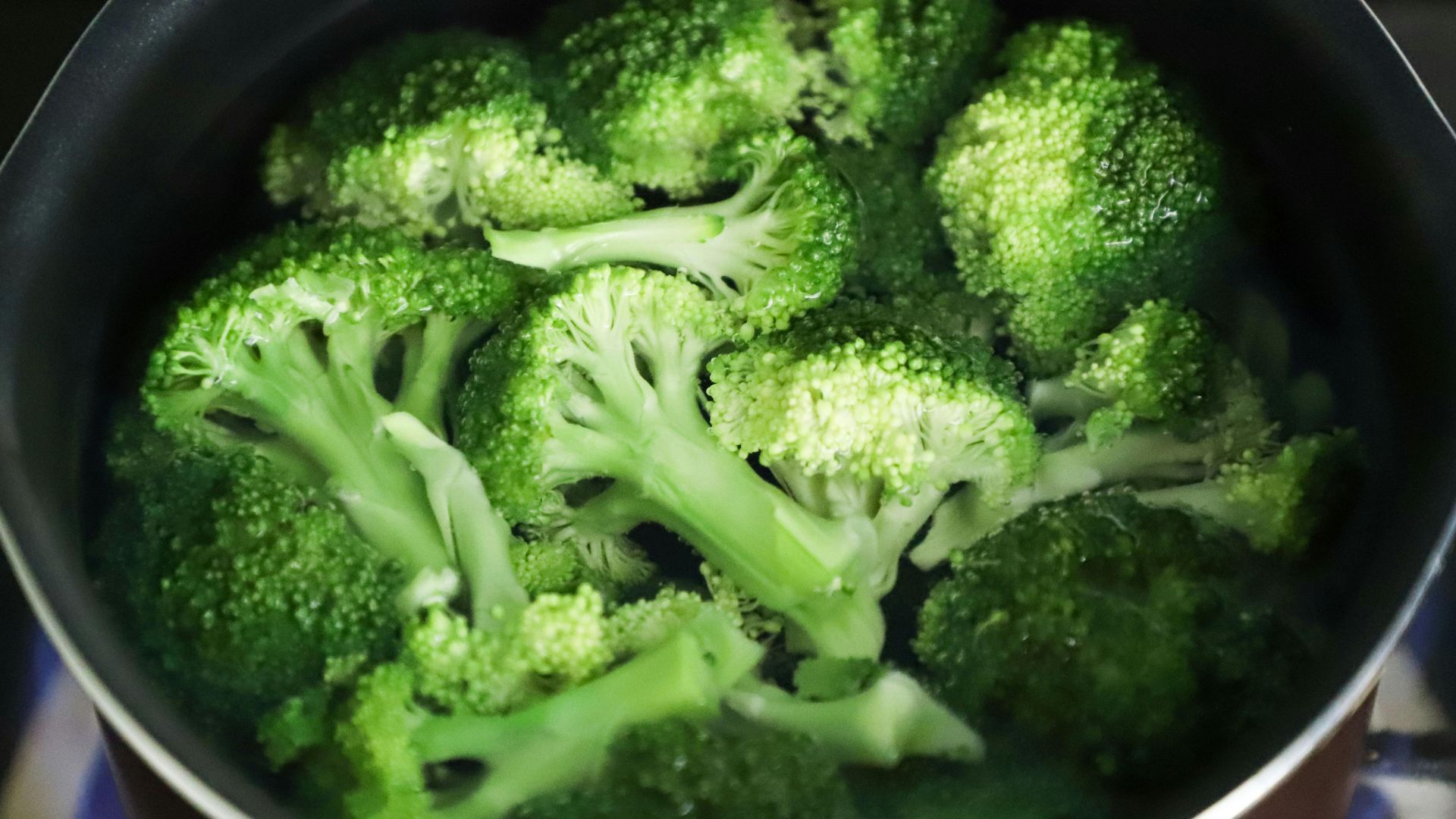
Broccoli works whether you steam it, roast it, or stir it into soup. Vitamin C and antioxidants give it protective power, and sulforaphane adds another layer of cellular support. With roughly 1.5 grams of sugar per cup, it keeps things balanced.
7. Eggs
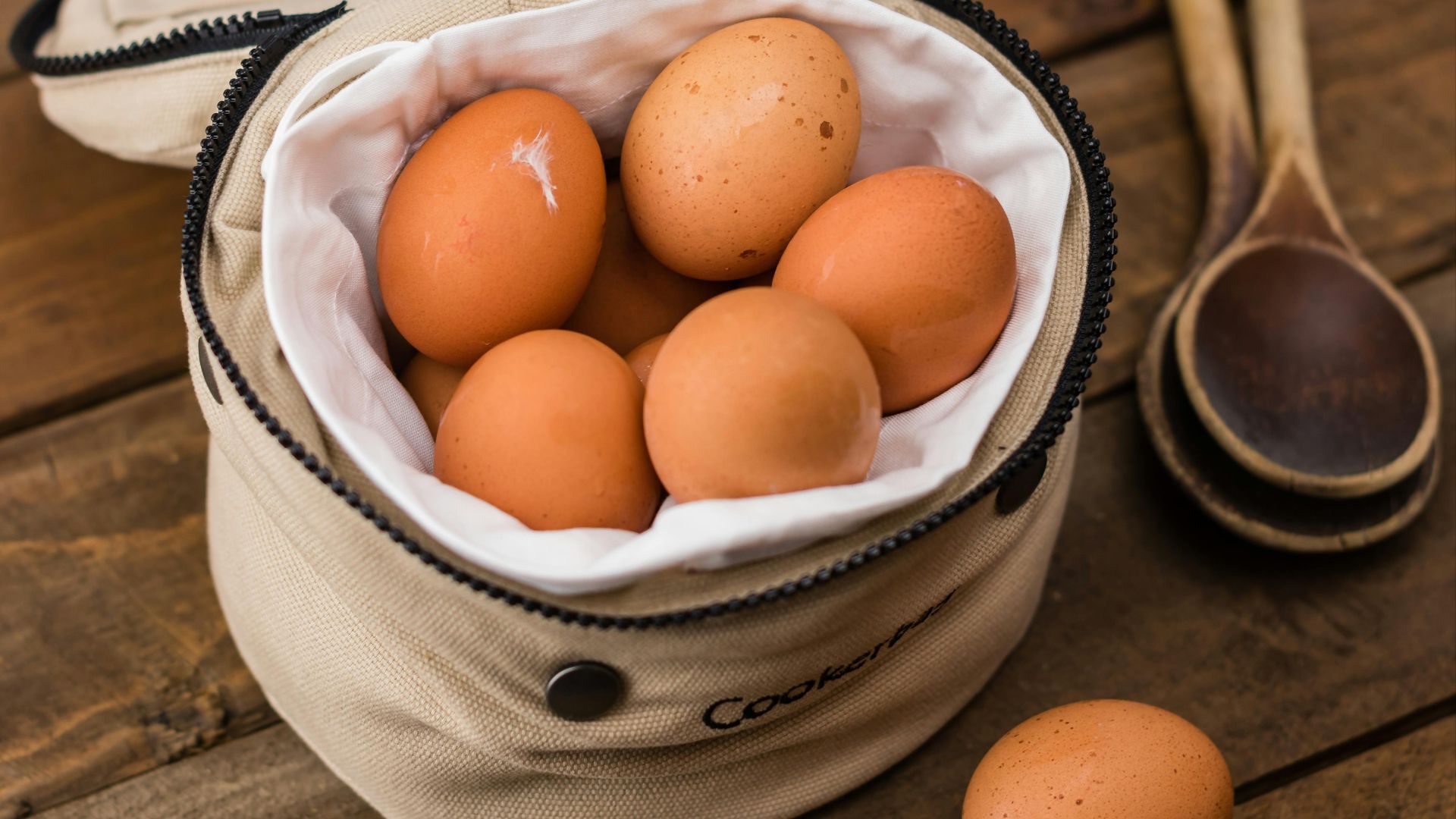
A plate feels more grounded once eggs are part of it. They offer complete protein with all essential amino acids, and the yolk naturally provides vitamin D. Containing absolutely no sugar, eggs make breakfast simple and dinner satisfying.
8. Cucumber
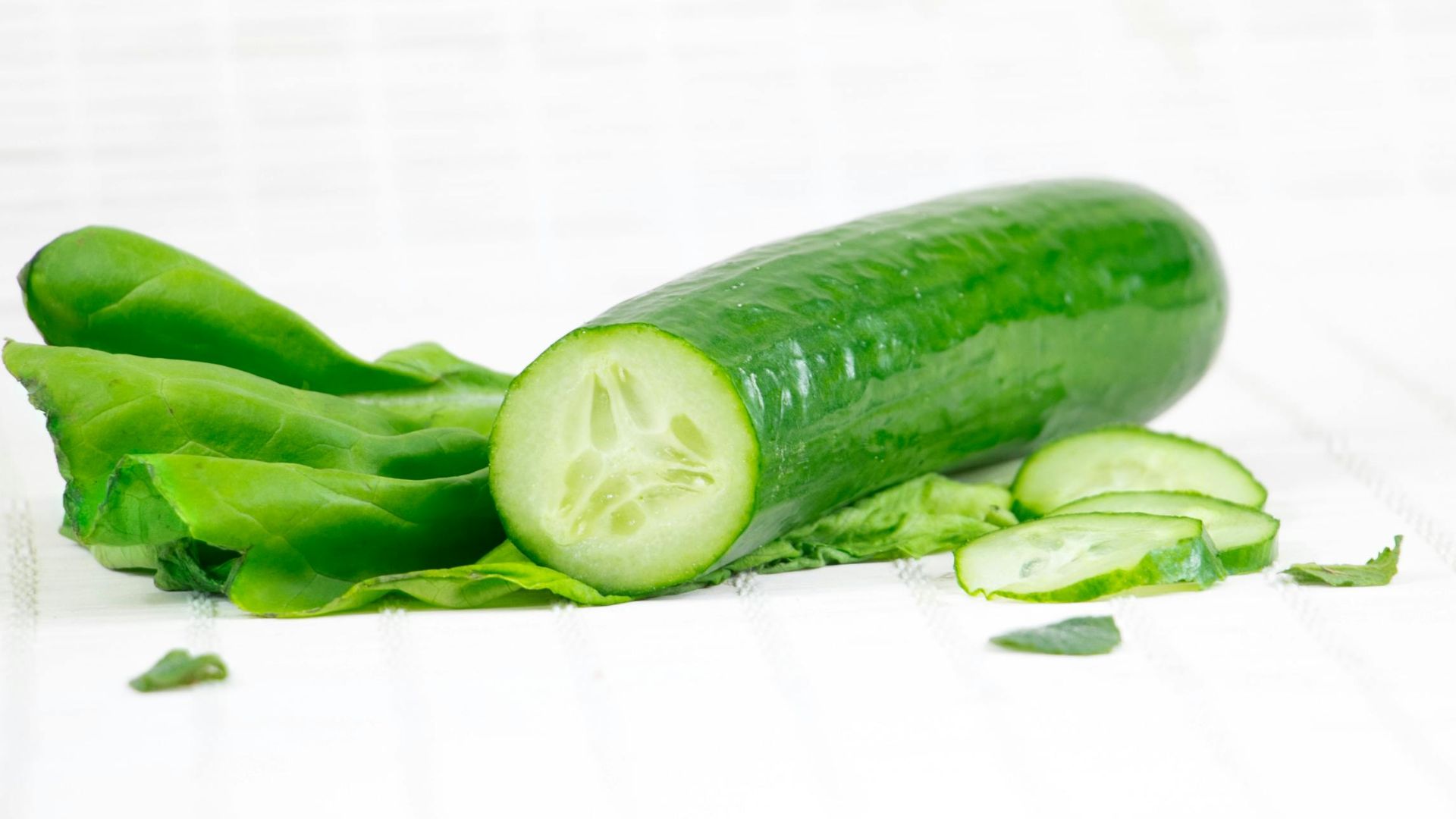
On warm days, cucumbers feel like a built-in refresh button. About a gram of sugar per cup keeps them naturally light while antioxidants like beta-carotene and small amounts of vitamin K round out their benefits. They add crisp hydration without weighing anything down.
9. Chicken Tender
When you open the fridge, wondering what to make, chicken feels like the safe pick. It avoids the higher saturated fat levels found in red meat and slots easily into a well-rounded routine. And with zero sugar, it keeps meals as clean as they look.

10. Cauliflower
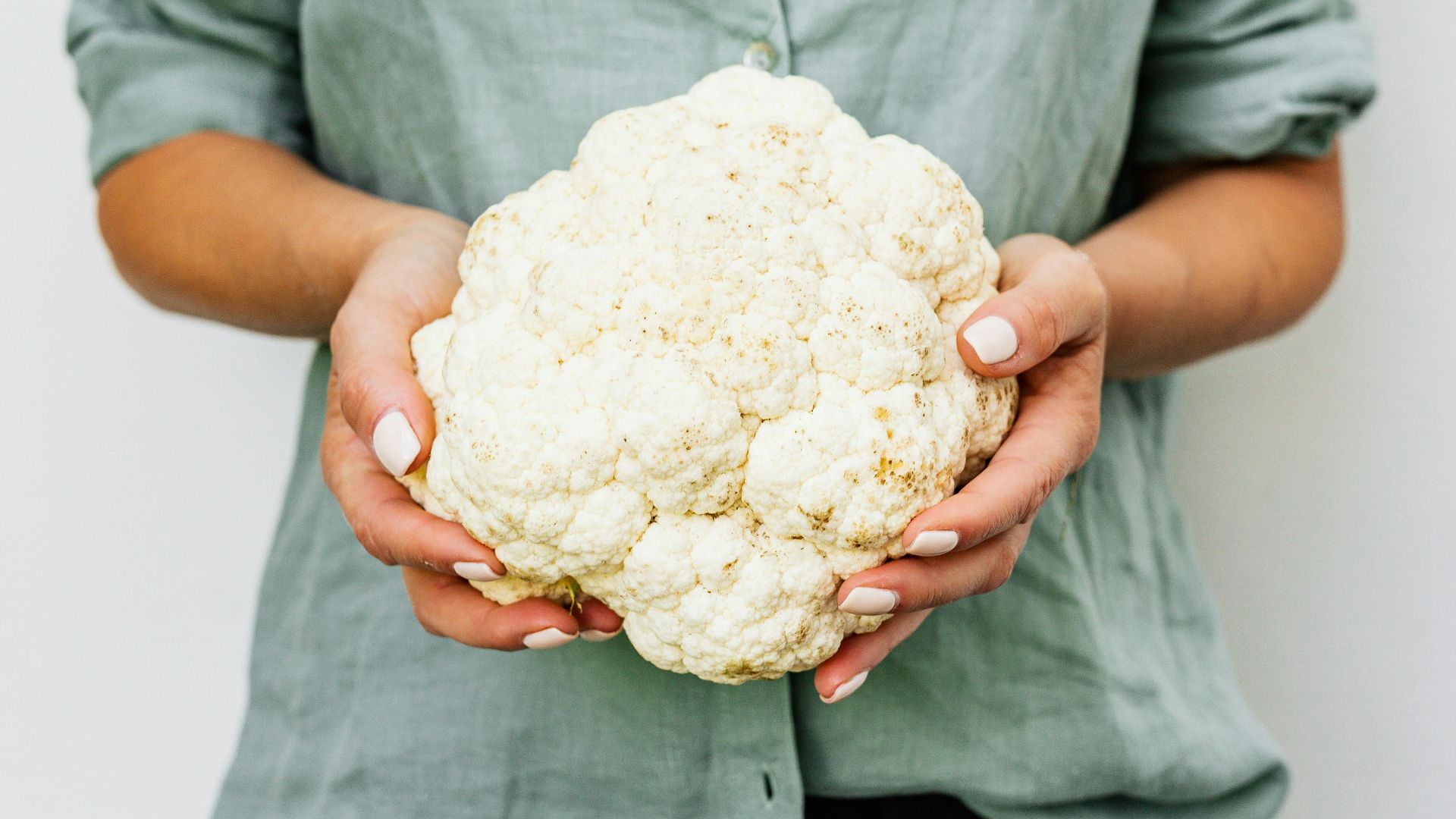
At roughly 2 grams of sugar per cup, cauliflower easily sits in low-sugar territory. Its versatility shows up everywhere—from roasting pans to smooth puréed soups—and the nutrients carry real weight. Vitamin C boosts immunity, while glucosinolates contribute to broader wellness.